
Law school is often described as "learning a new language while drinking from a firehose." It’s an accurate, if slightly terrifying, analogy. Between the hundreds of pages of reading assigned each week and the constant dread of being cold-called in class, it’s easy to feel like you're drowning. But things are shifting. The rise of ai for law students is offering a much-needed lifeline, helping future lawyers manage the heavy cognitive load of legal education without losing their minds.
Whether you are a 1L just trying to survive Torts or a 3L finally staring down the Bar exam, leveraging AI can help you summarize cases and draft outlines with far more precision. Here is how to use these tools responsibly to actually excel, rather than just survive.
Simplifying Complex Legal Doctrines
For most 1Ls, the biggest hurdle isn't just the sheer volume of reading; it is the language itself. Concepts like "Promissory Estoppel," "Personal Jurisdiction," or the "Rule Against Perpetuities" can feel like they were written to be intentionally confusing. Sometimes, you just need a plain-English starting point.
One of the most effective ways to use AI is the "Explain Like I'm 5" (ELI5) technique. By asking a model to explain a dense judicial opinion in simple terms, you can grasp the core logic before you wrestle with the archaic prose of the original text. It’s also great for generating relatable, real-world examples that turn abstract rules into something tangible. This doesn't just save time; it lowers the mental barrier to entry when you're starting a brand-new doctrinal subject.
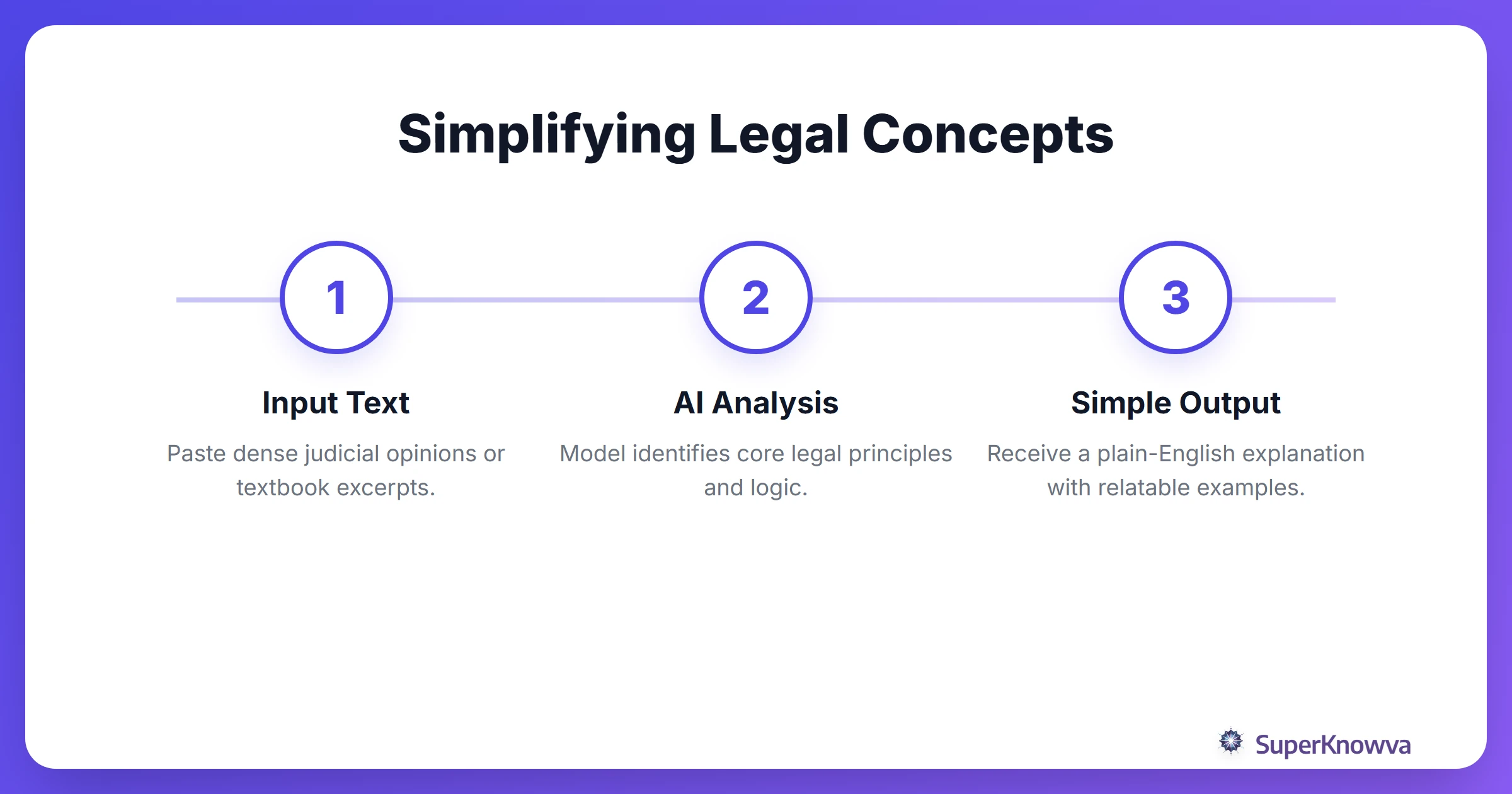
This approach is a lifesaver for AI tools for visual learners who need to see the "big picture" before they can make sense of the minute, technical details of a case.
Efficient Case Briefing and Summarization
The "IRAC" (Issue, Rule, Analysis, Conclusion) method is the bread and butter of your law school career. However, manually briefing every single case on the syllabus can take hours you simply don't have. An ai case brief generator or a standard LLM can help you quickly pull out the procedural history, key facts, and the ultimate holding.
AI is also incredibly useful when you're staring at a 50-page assignment filled with long-winded dissents and concurring opinions. It can provide a high-level summary to guide your focus, so you know exactly what to look for when you dive into the primary text.
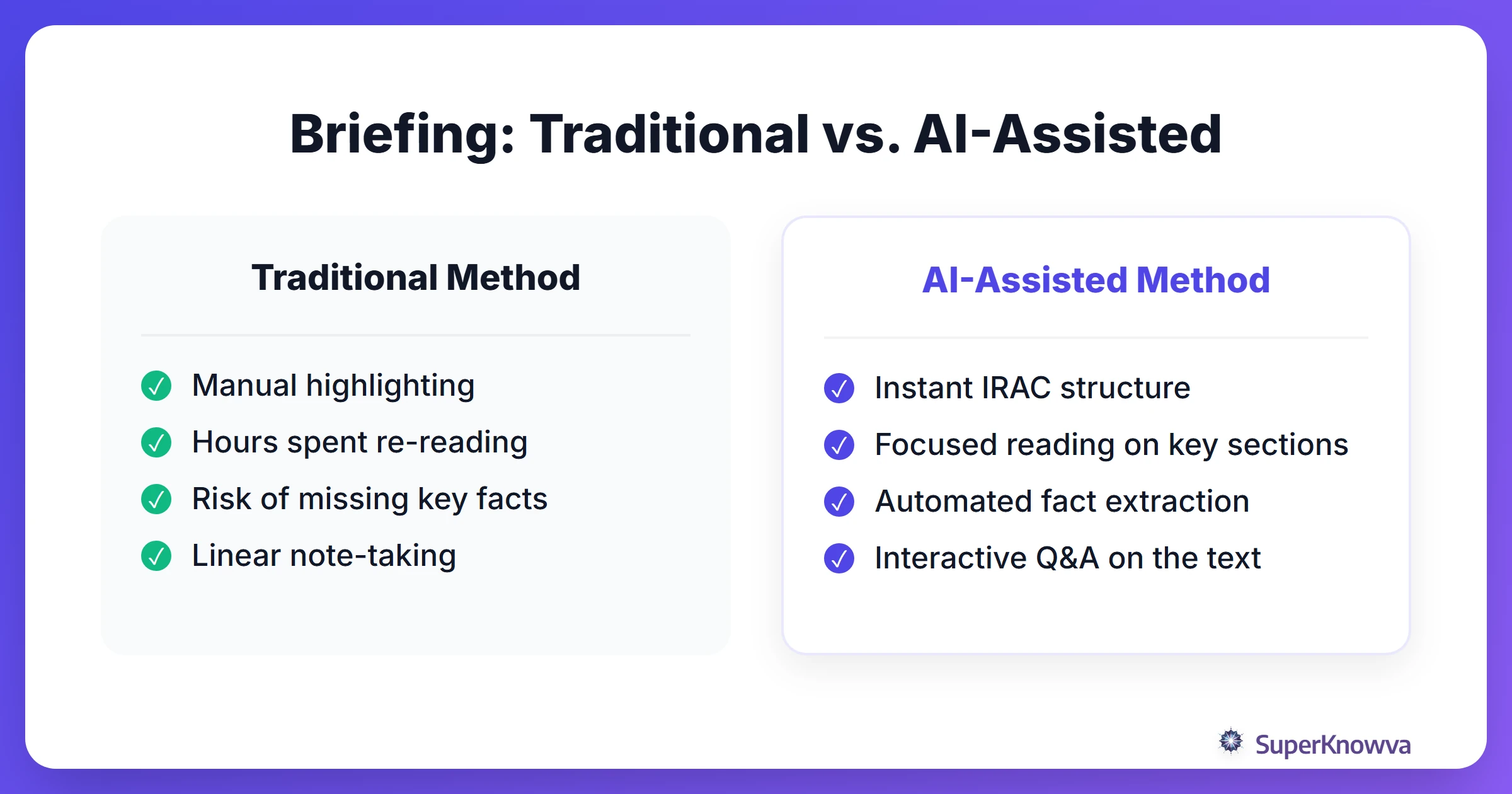
A word of caution: AI is a powerful summarizer, but it is not a replacement for reading the original text. If you want to survive a cold call or pass an exam, you have to verify the AI’s summary against the actual court opinion. Accuracy is everything.
Refining Legal Writing and Clarity
Writing like a lawyer doesn't mean writing like a 19th-century philosopher. Modern legal writing prizes clarity, conciseness, and getting to the point. You can use ai for legal writing to audit your drafts. Ask it to flag passive voice, identify wordy sentences, or check the tone of your legal memos.
Using AI to polish your work ensures your intended meaning doesn't get lost in a sea of "heretofore" and "notwithstanding." However, you must draw a hard line between AI-assisted editing (improving your own thoughts) and prohibited AI-generated content (letting the machine write the memo for you). Always double-check your school's policy on AI support for students with disabilities or general academic writing assistance to stay on the right side of the honor code.
Specialized AI Tools for Law School
General models like ChatGPT are a good start, but the legal world is unique. There are now specialized tools built specifically for the nuances of law:
- Lexis+ AI: LexisNexis now offers Lexis+ AI Access for Students, which provides a "grounded" environment where the AI draws only from verified legal documents.
- Mindgrasp: This is a powerhouse for turning syllabus materials and recorded lectures into structured study aids.
- SuperKnowva: If you need a comprehensive guide to AI-powered note taking, platforms like SuperKnowva help you organize your thoughts and stay prepared for the rigors of the classroom.
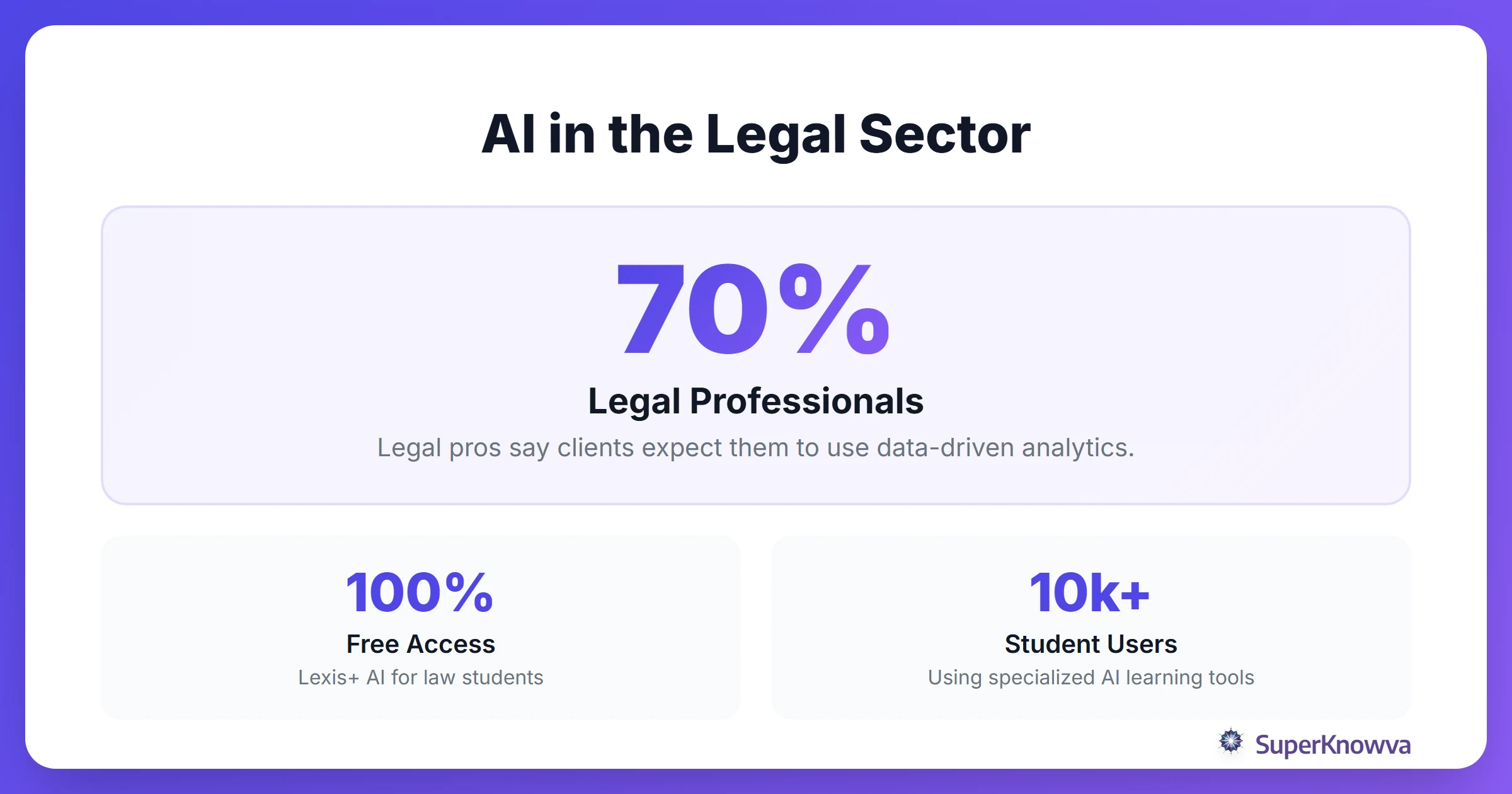
Understanding the difference between a general chatbot and legal research ai is the difference between a real citation and a fake one.
The AI-Powered Outlining Strategy
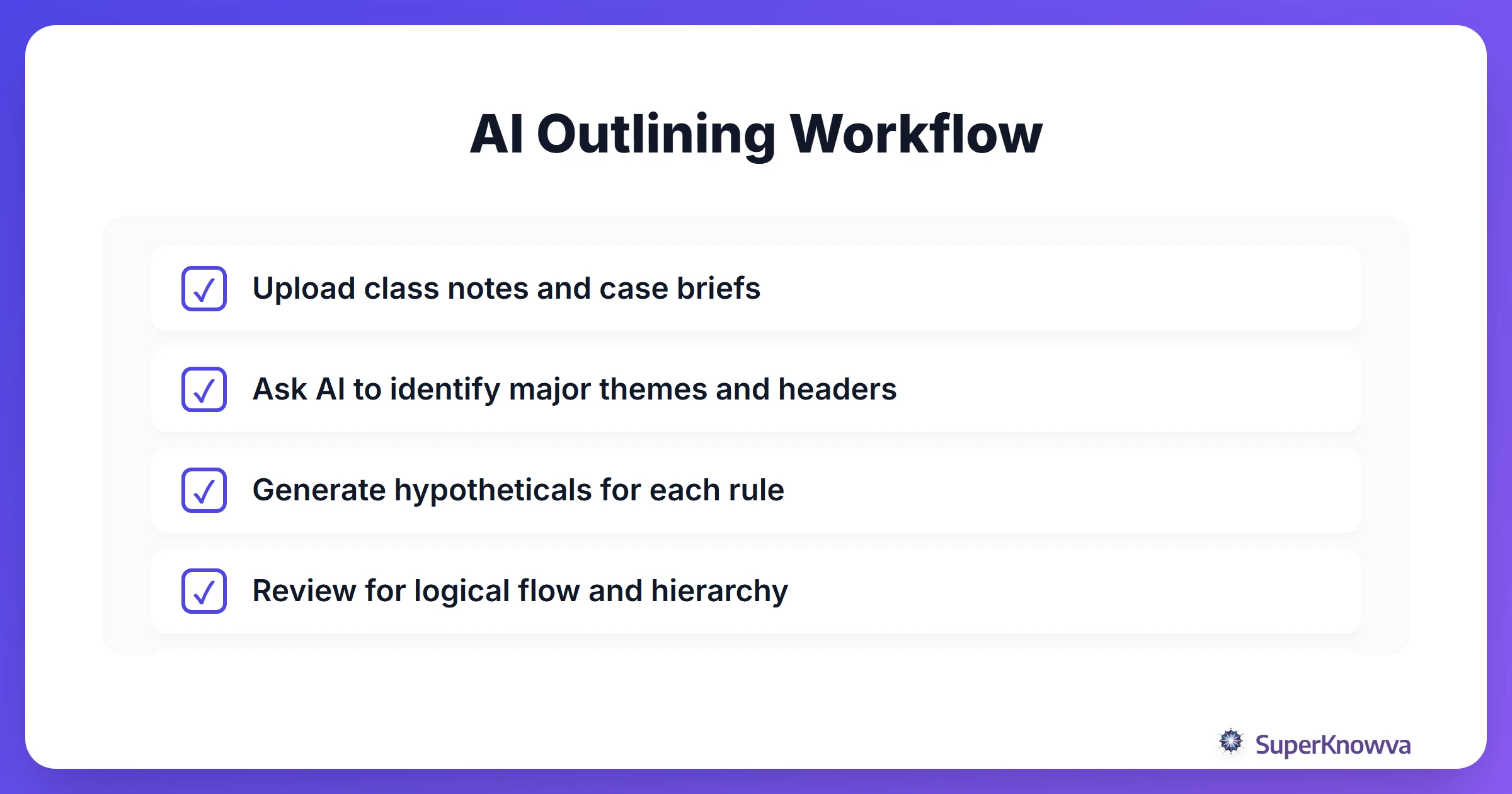
Your "black letter law" outline is the most important document you’ll create all semester. AI can help you synthesize months of notes into a cohesive, hierarchical structure. By feeding your notes into an AI, you can ask it to organize concepts by relevance and, more importantly, identify gaps in your understanding.
Beyond just organizing, you can build an ai law school outlines workflow that includes:
- Generating practice hypotheticals: Ask the AI to write a fact pattern based on specific rules (e.g., "Give me a 200-word hypo involving a breach of contract and a liquidated damages clause").
- Creating Flashcards: Instantly turn your outline headers into active recall questions, which is a proven method for reducing test anxiety with AI.
Navigating Risks: Ethics and Hallucinations
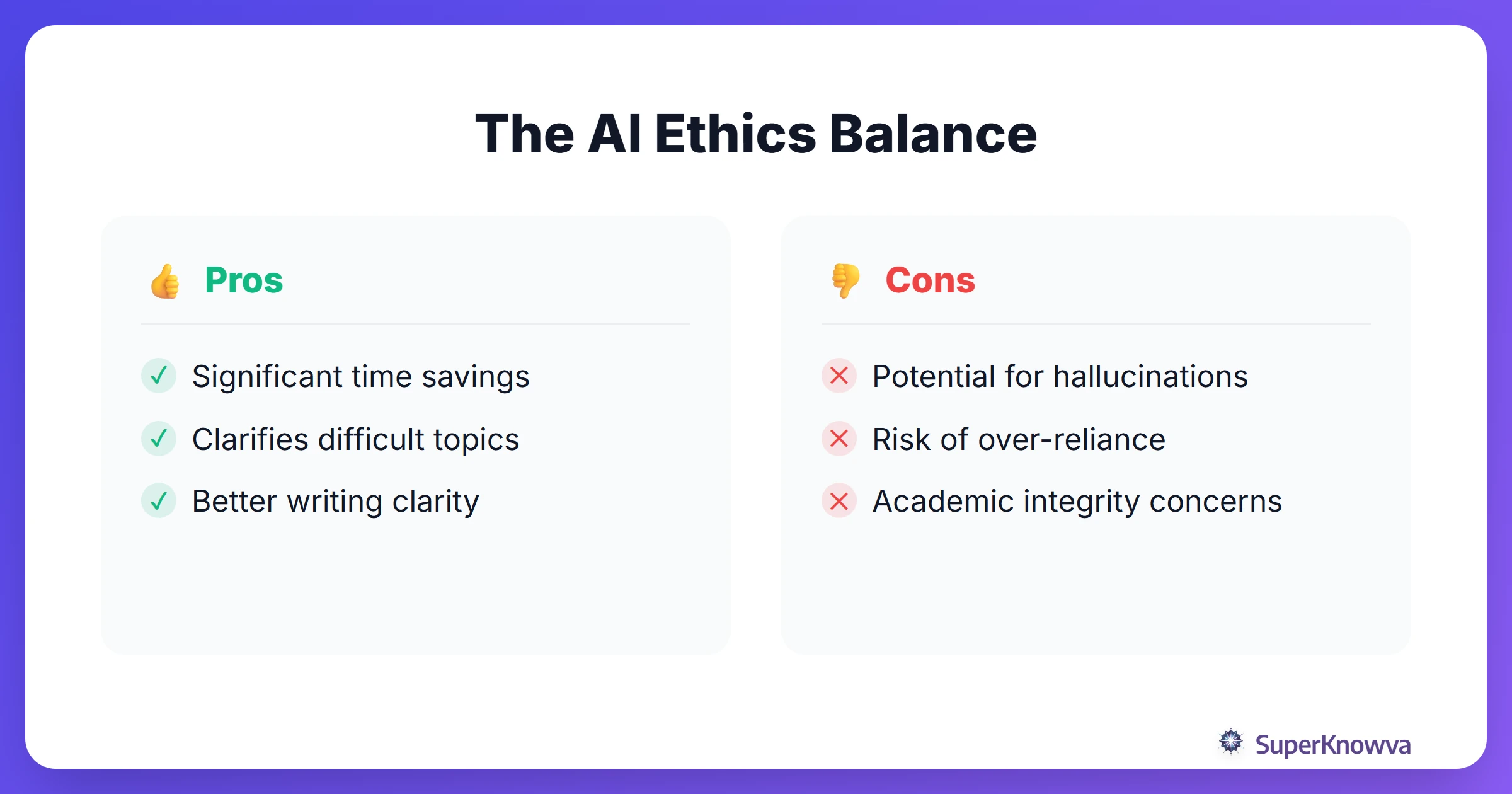
As helpful as these tools are, they aren't magic. The biggest risk is "hallucination," where an AI confidently invents a case name or a legal citation that doesn't exist. In the legal world, citing a fake case isn't just a mistake; it can lead to professional sanctions and a destroyed reputation.
Always follow your law school’s honor code. Some professors might encourage AI for brainstorming; others might ban it entirely. For more guidance on staying ethical, check out the UC Davis Generative AI Guide for Law Students.
Conclusion
Using ai for law students isn't about taking the easy way out. It’s about optimizing your habits so you can focus on the deep, analytical thinking that the law actually requires. By using AI to simplify doctrines, summarize cases, and structure your outlines, you can handle the complexities of law school with more confidence.
Use the technology, but keep your critical thinking sharp. After all, the AI won't be the one sitting for the Bar exam. You will.