The May sun is finally out, the library is packed, and your stress levels? They’re likely through the roof. You’ve put in the hours, highlighted the textbooks, and used SuperKnowva to drill your course material until you can recite it in your sleep. But there’s one secret weapon you might be neglecting: what’s on your plate.
Think of it this way: you wouldn't try to win a Formula 1 race with low-grade fuel. Adopting a strategy of healthy eating for exam performance is the difference between hitting a mid-afternoon wall and finding that "flow state" where everything just clicks.
Let's look at how to feed your brain so you can stay sharp, stay calm, and actually remember what you studied.
The Power of a Brain-Boosting Breakfast
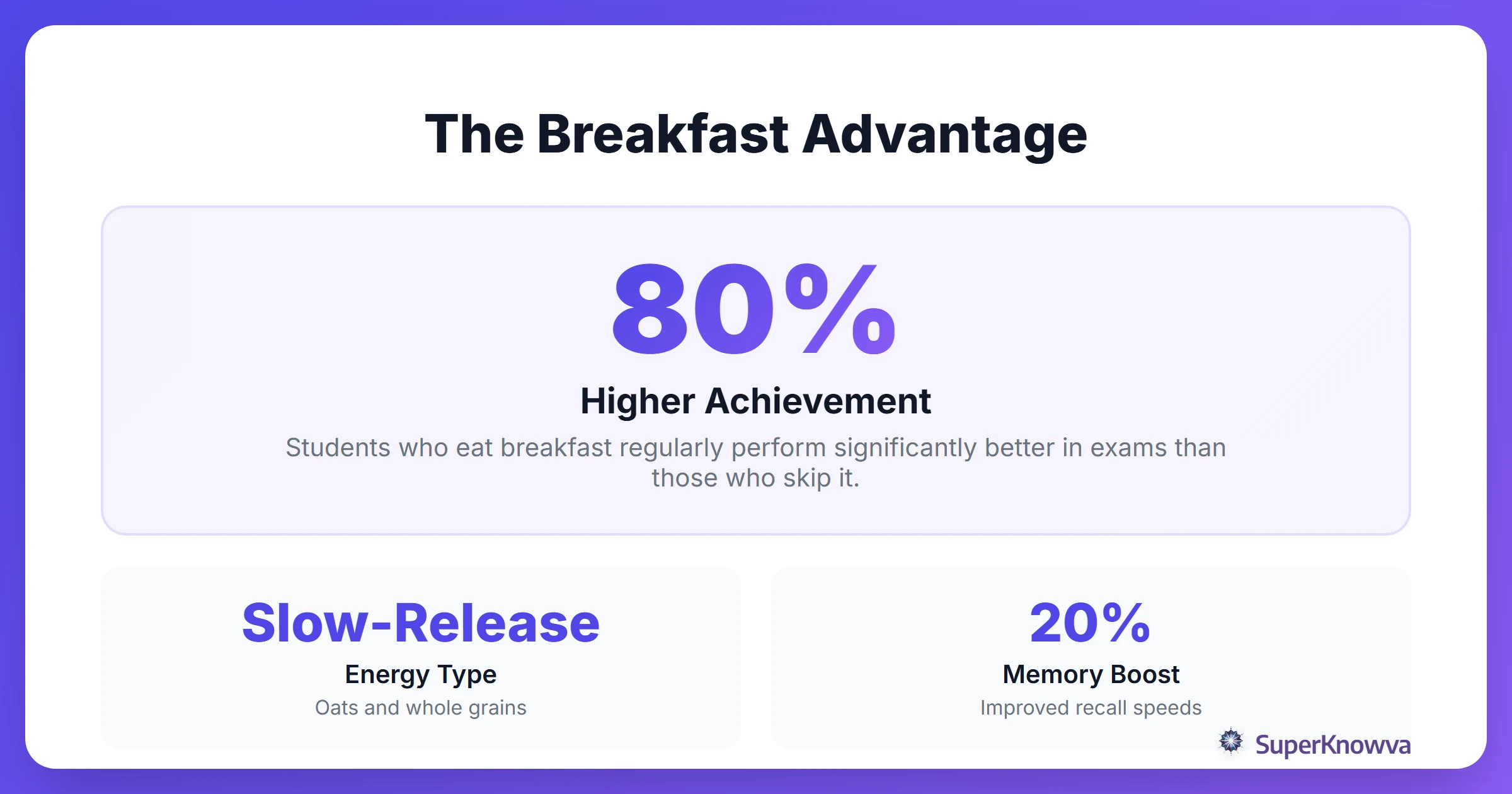
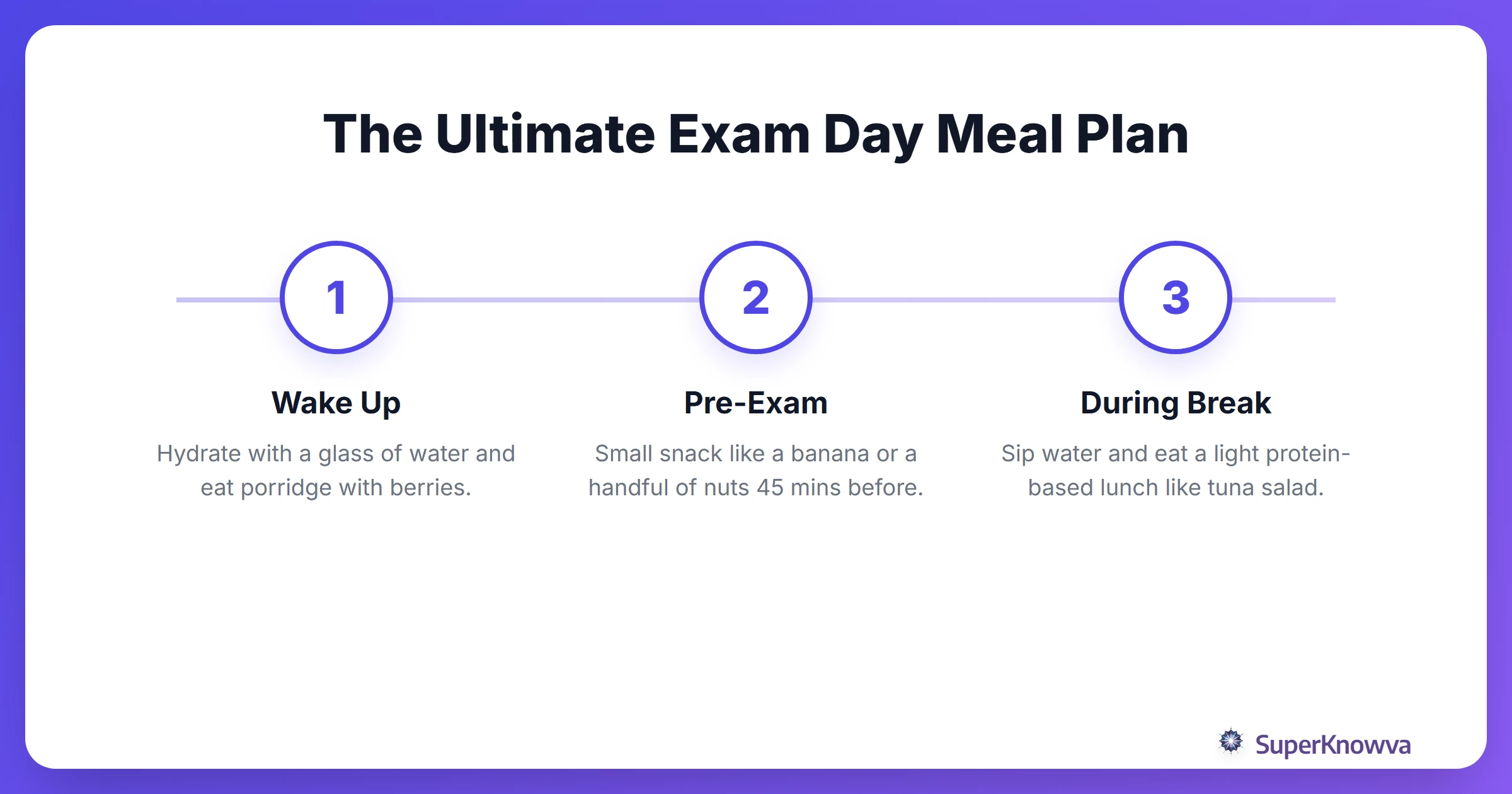
We’ve all heard that breakfast is the most important meal of the day, but during finals? It’s a non-negotiable. Ever tried to recall a complex formula while your stomach is growling loud enough for the person next to you to hear? It doesn't work. Skipping breakfast causes your blood glucose to tank, which directly kills your concentration.
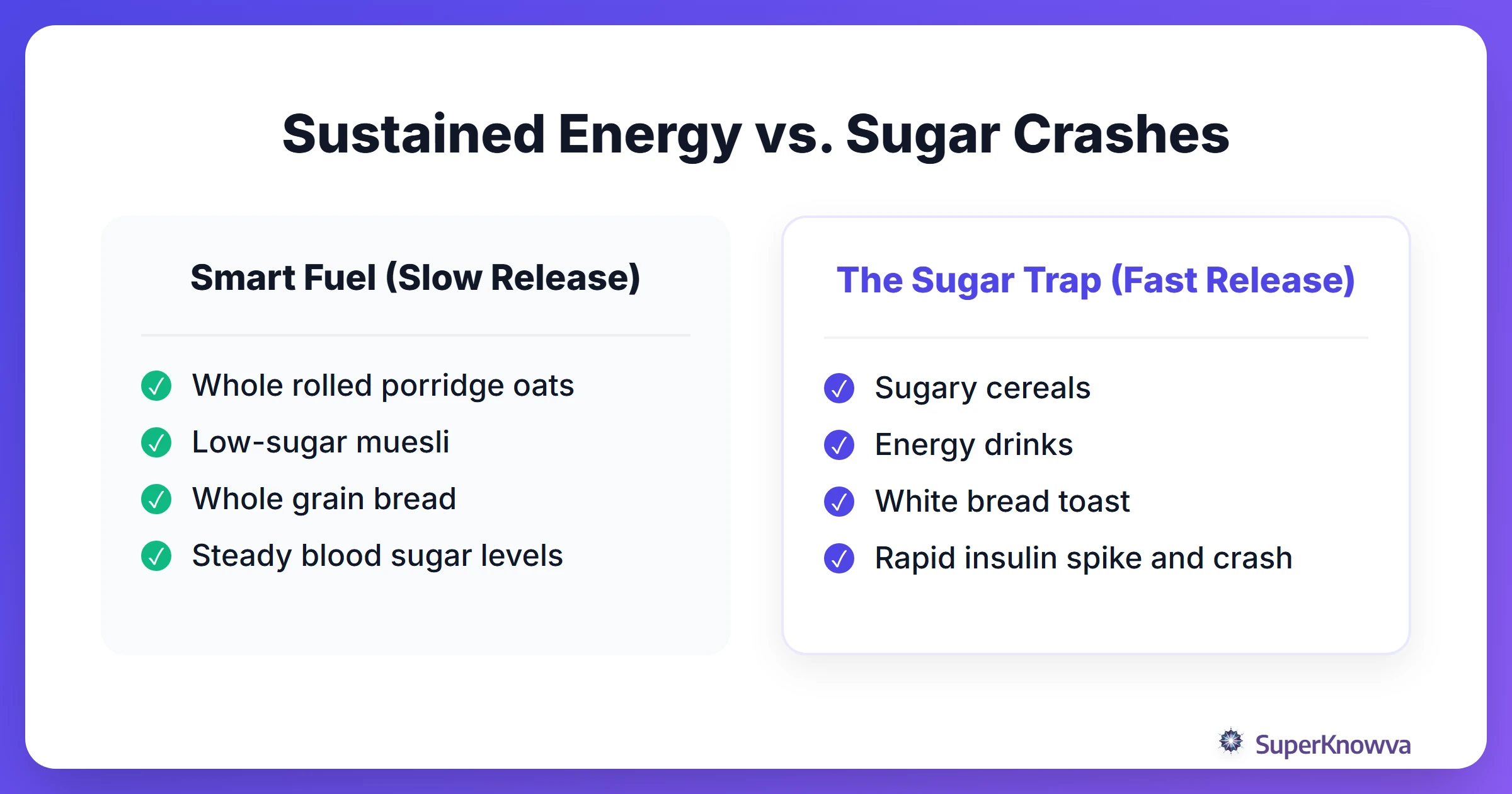
The best exam day breakfast relies on "slow-release" carbohydrates. Forget sugary cereals; they give you a 20-minute buzz followed by a massive crash. Instead, go for whole grains like oats or muesli. These release energy slowly, keeping you fueled throughout the morning. Pair them with protein (eggs, Greek yogurt, or nut butter) to avoid feeling "hangry" before lunch.
Quick May Morning Recipes:
- Overnight Oats: Mix oats with milk (or a plant-based alternative), chia seeds, and berries. Throw it in the fridge the night before for a zero-effort morning.
- Scrambled Eggs on Whole-Grain Toast: A classic, simple balance of protein and complex carbs.
Hydration: The Hidden Key to Concentration
If you find yourself re-reading the same paragraph five times without taking anything in, you might not need more study time. You might just need a glass of water. Even mild dehydration can lead to brain fog, fatigue, and a shorter fuse.
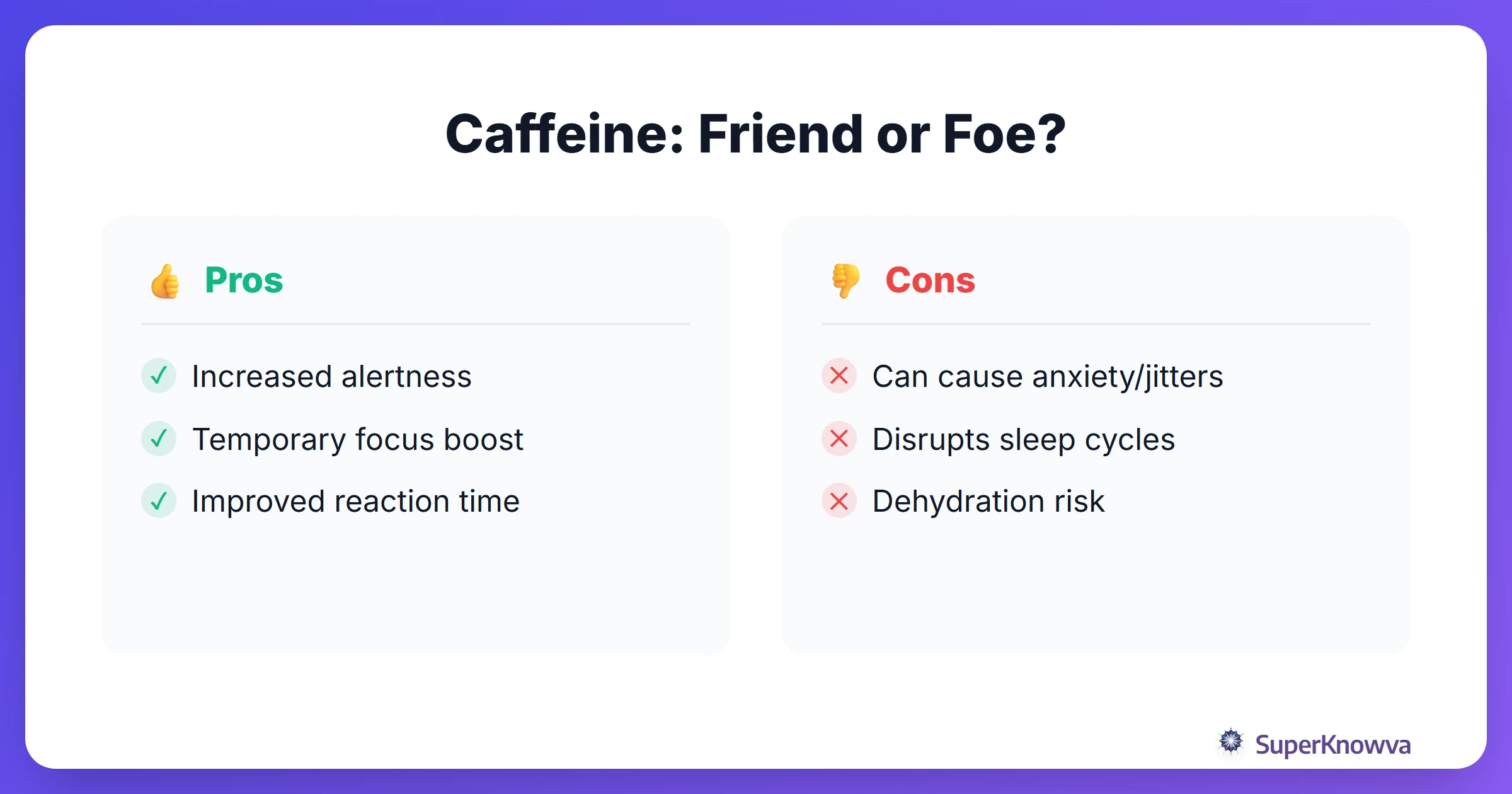
Now, let's talk about the "caffeine trap." We’ve all been there, reaching for a third cup of coffee or an energy drink at 11 PM. While a little caffeine helps, too much leads to the jitters and a ruined sleep cycle. If you want "calm focus," try green tea; it contains L-theanine, which helps keep you alert without the heart palpitations. Or, just keep a bottle of water on your desk with some lemon or mint.
Try setting a timer to drink a glass of water every hour. If you’re still struggling to settle your mind, incorporating meditation techniques for focus can help clear the mental clutter.
Smart Snacking: Avoiding the Sugar Crash
When you're deep in a revision session, the vending machine starts to look very tempting. But that chocolate bar is a trap. High-sugar snacks cause a rapid insulin spike, leading to an inevitable "sugar crash" that leaves you feeling more exhausted than when you started.
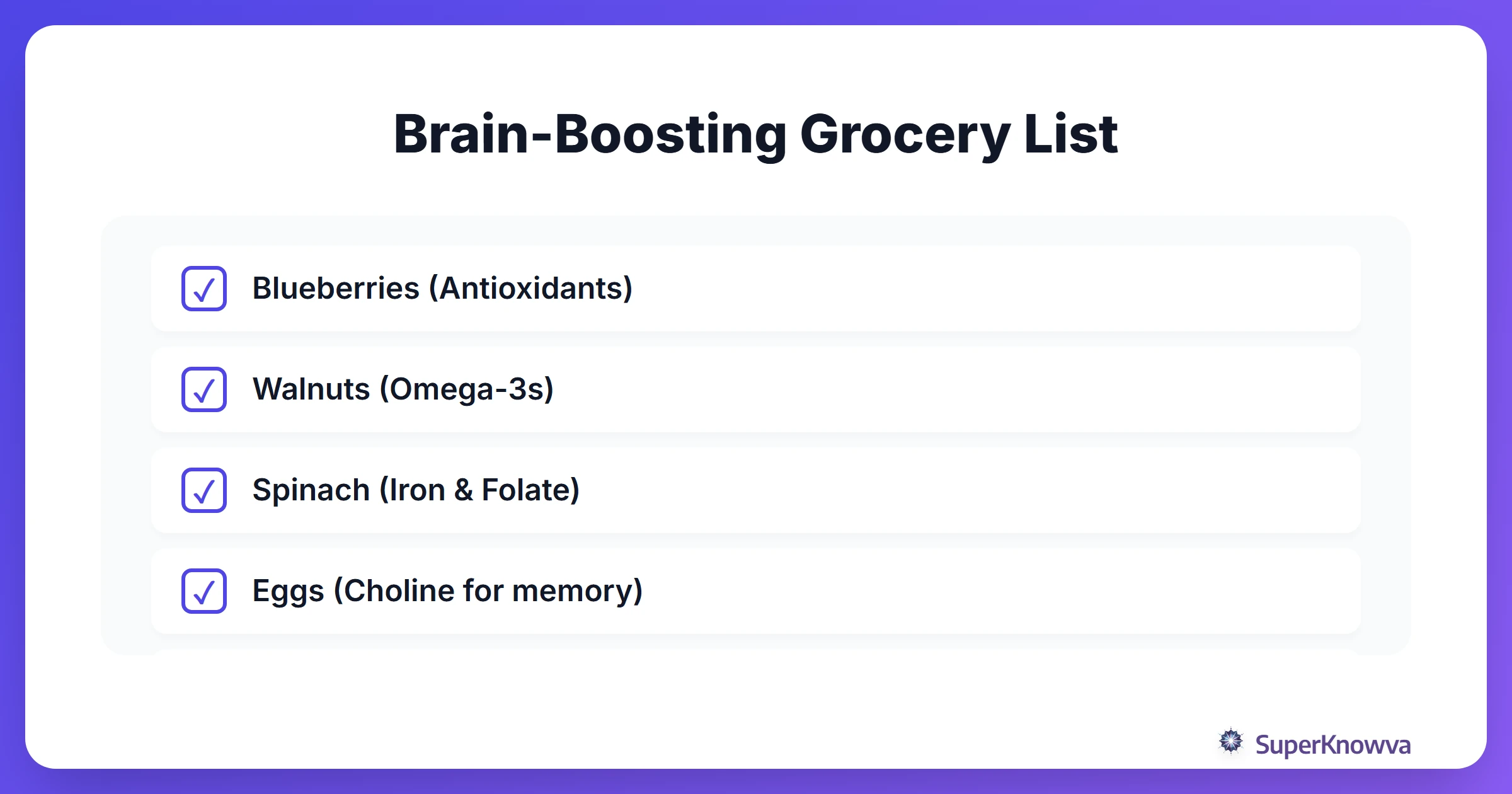
For sustained focus, you need concentration foods that actually provide nutrients. Berries are great for blood flow to the brain, while walnuts are basically the ultimate "brain food" (they even look like little brains!). They’re packed with DHA, a type of Omega-3 that helps your cognitive performance.
Keep your portions small. A handful of almonds or a square of dark chocolate (70% cocoa or higher) is usually enough to bridge the gap. For a deeper dive into what to stock in your pantry, check out our guide on the best diet for studying and exam performance.
Lunch and Dinner: Fueling Your Memory
Your main meals are about long-term stamina. This means lean proteins and lots of color. Oily fish like salmon or mackerel are the gold standard here because they’re rich in EPA and DHA, which are vital for healthy brain cells. Not a fan of fish? Lentils, chickpeas, and beans are fantastic plant-based alternatives.
And don't ignore your greens. Spinach, kale, and broccoli are loaded with Vitamin K and folate, which help keep your brain sharp. When you’re planning your plate, aim for a simple balance: half veggies, one-quarter protein, and one-quarter complex carbs (like brown rice or sweet potato).
Pro tip: Don't cook every night. Meal prep on a Sunday so you have healthy options ready when you’re too tired to think. Also, remember that your brain needs oxygen as much as it needs food; learn how physical activity boosts cognitive function to make the most of your study breaks.
The Junk Food Trap: Why Quality Matters
It’s tempting to live on takeout during finals week, but your brain will pay the price. Research consistently shows a link between heavy "junk food" consumption and lower exam scores. These foods are often full of trans fats that can actually impair your memory and mess with your mood.
Processed sugar also disrupts your sleep, making it harder for your brain to "save" the information you learned during the day. If you’re feeling constantly overwhelmed, it might not just be the exams. It could be signs of student burnout made worse by a poor diet.
You don't have to be a MasterChef. Just swap one processed snack for a piece of fruit and see how much better you feel. As BBC Food notes, the cumulative effect of a good diet can give you a massive academic edge.
Timing Your Meals for Maximum Focus
When you eat is just as important as what you eat. Instead of three heavy feasts that leave you wanting a nap, try eating smaller, more frequent meals. This keeps your blood sugar stable and prevents that post-lunch lethargy.
The One-Hour Rule: About an hour before you walk into the exam hall, have a small snack. A banana is a good choice. It provides energy and contains potassium to help keep you alert. After the exam, eat a meal to help your body recover. Visit the Healthy Food Guide for more tips.
Conclusion
Your brain is your most valuable asset this month. Treat it well. By prioritizing healthy eating for exam performance, you are doing more than filling your stomach; you are fueling your focus. Combine these student nutrition tips with the AI-powered tools at SuperKnowva to succeed in your finals.
Fuel up, stay hydrated, and go get those grades!