Memorial Day is a heavy day. It’s a time for quiet reflection, a day to remember the men and women who gave everything in service to our country. But on our college campuses, this day carries an extra layer of meaning. We aren't just looking at history; we’re looking at the faces of the growing number of veterans in higher education. These students aren't your typical undergrads. They bring a level of discipline, a global perspective, and a sense of purpose that changes the energy of every classroom they enter.
At SuperKnowva, we believe that supporting those who served isn't just a "nice to do"; it is essential for a thriving, diverse academic community. What does the transition look like for a veteran today? Let’s look at the challenges they face and the resources available to help them graduate.
Why Memorial Day Hits Differently on Campus
Walk through any university quad this week, and you’ll likely see the connection between service and learning. For many veterans, the path to a degree doesn't start until they’ve spent years in uniform. This shift from "service to study" is a massive life change, and it’s one that benefits everyone on campus.
Think about it: veterans often enter the classroom with a maturity that can ground their younger peers. They’ve seen the world in ways most students have only read about in textbooks. When institutions recognize these contributions, they build a culture of mutual respect. As more service members trade their rucksacks for backpacks, we have a golden opportunity to learn from their resilience and leadership.
Who Are Our Student Veterans?
To support our veterans, we first have to understand who they are. They aren't a monolith. According to the PNPI Veteran Factsheet, veterans make up a significant and incredibly diverse slice of the adult learner population.
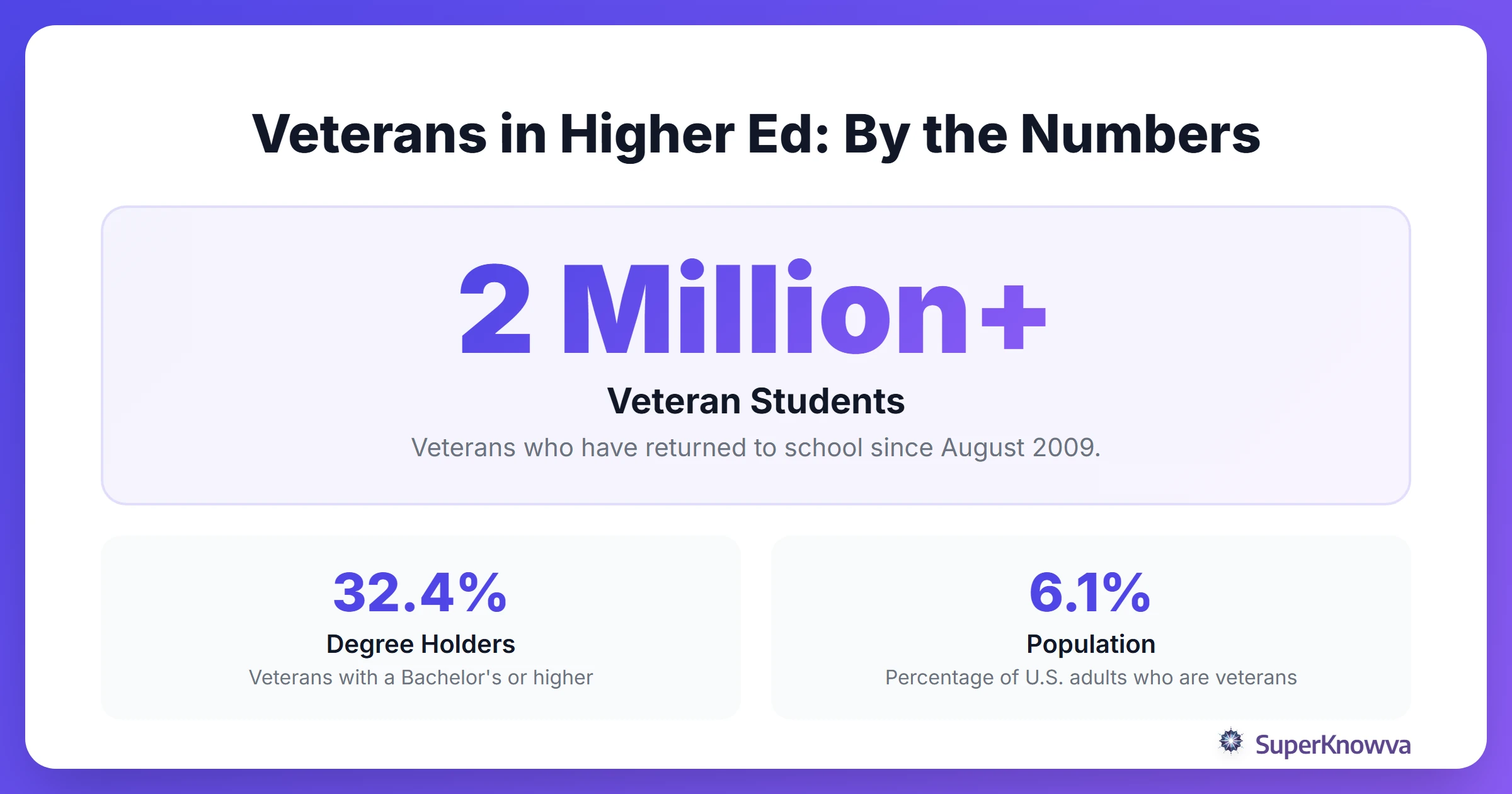
The numbers tell a compelling story. Right now, veterans make up about 6.1% of the U.S. adult population. When we look at veteran education statistics, the progress is clear: roughly 32.4% of veterans have earned a bachelor’s degree or higher. Perhaps most importantly, the veteran student body is more diverse than ever, reflecting the changing face of the military itself across gender identities and racial backgrounds.
The Reality of the Transition: From the Front Lines to the Front Row
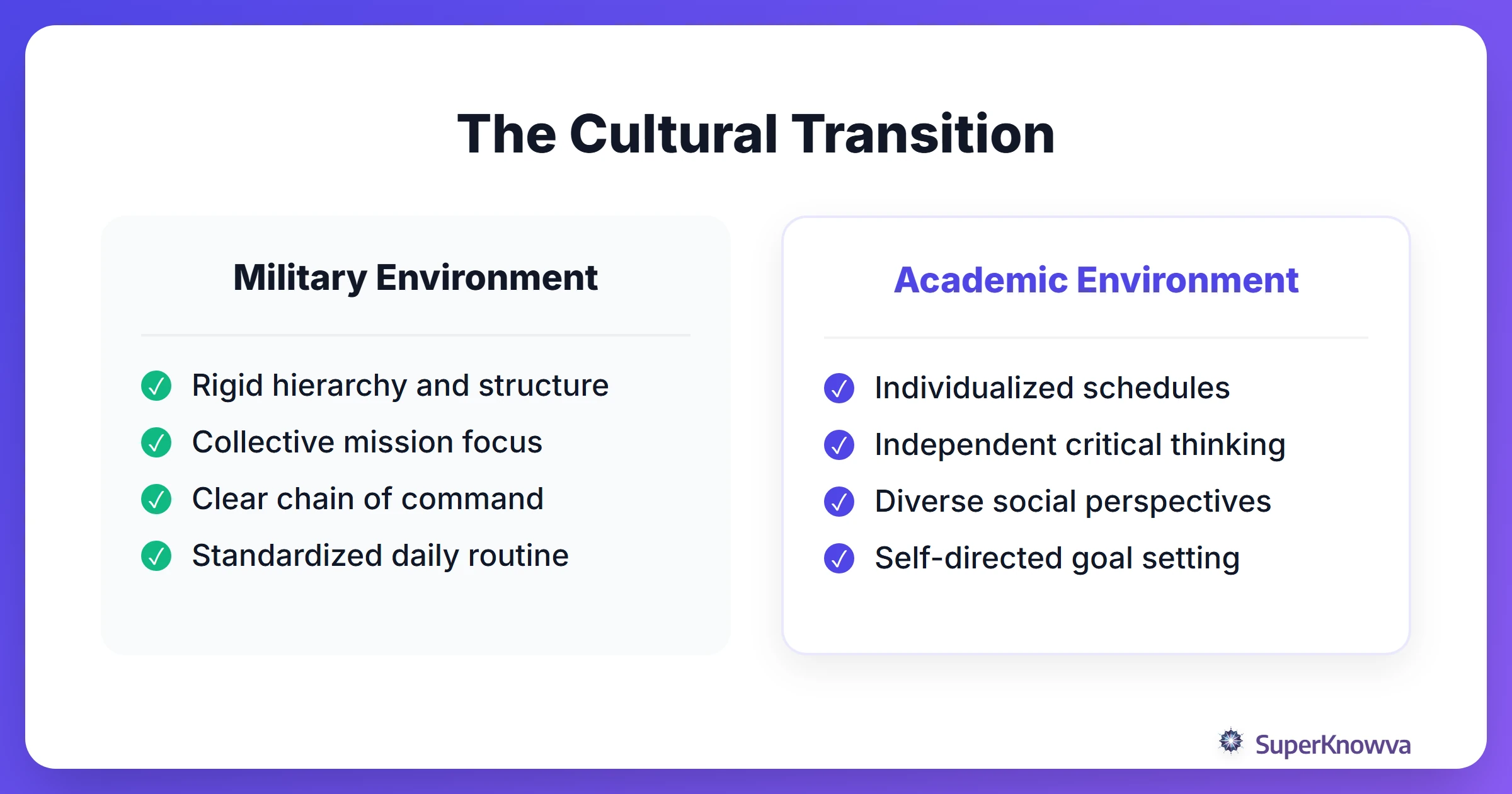
Let’s be honest: the military to college transition is tough. It might be one of the most jarring shifts a person can go through. You're moving from a world of strict hierarchy and clear orders to the self-directed, often "figure-it-out-yourself" world of academia.
Student veterans often feel the "age gap" acutely. It’s hard to relate to a 19-year-old classmate when you’ve led a platoon or managed millions of dollars in equipment. This can lead to a real sense of isolation. Then there’s the mental hurdle: overcoming imposter syndrome. Many veterans wonder if their real-world skills actually translate to an academic setting. (Spoiler: They do, but it doesn't always feel that way on day one.)
Tapping Into Support: Federal Programs That Help
You do not have to do this alone. Support is available. The Post-9/11 GI Bill has significantly increased enrollment since 2009, but the support extends beyond tuition.
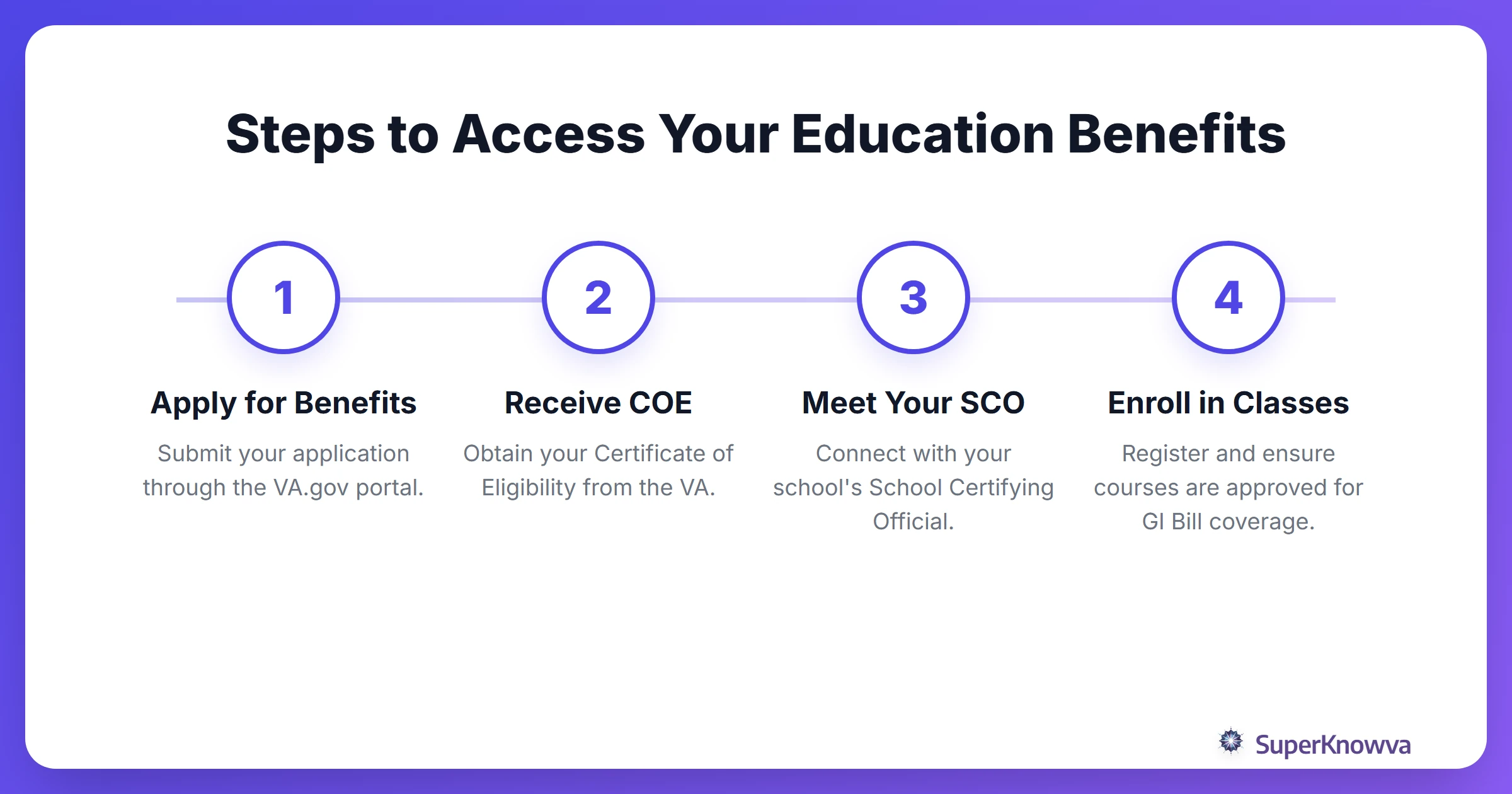
If you're looking for veteran academic support, the U.S. Department of Education Veteran Programs are a great place to start. A few key ones to keep on your radar:
- Veterans Upward Bound: This is perfect for brushing up on the skills you need to actually thrive in college-level courses.
- Educational Opportunity Centers: Think of these as your personal guides for the admissions and counseling process.
- Centers of Excellence for Veteran Student Success: These are "one-stop shops" on campus that provide personalized counseling tailored specifically to the veteran experience.
Finding Your Balance: Tips for Student Veteran Wellness
Getting through college isn't just about acing the final; it’s about not burning out along the way. Most veterans are balancing way more than just a full course load. They're often balancing work and study or raising families at the same time.
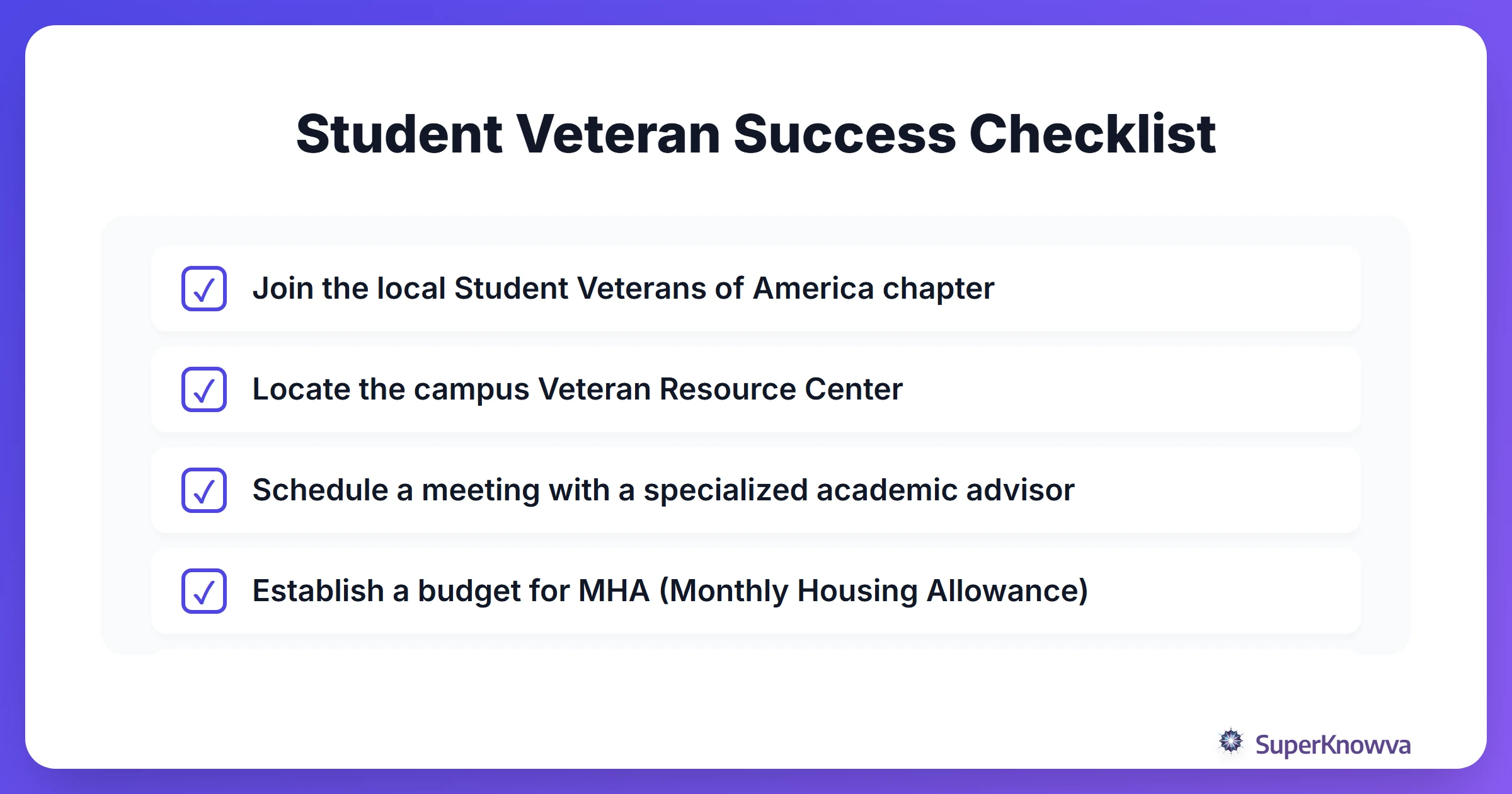
How to stay focused:
- Find Your Community: Look for a local chapter of Student Veterans of America (SVA). Connecting with people who understand your situation is helpful.
- Manage Your Finances: The GI Bill is helpful, but stipend timing can be unpredictable. Solid budgeting for students is the best way to avoid mid-semester stress.
- Watch for Red Flags: Transitioning is stressful. Learn to spot the signs of burnout early. Don’t hesitate to use campus counseling or VA mental health resources. They are there for a reason.
How Colleges Can Step Up
If we want higher education to be truly inclusive, schools have to do more than just say "thank you for your service." They need to recognize that military training is, in its own right, a high-level education.
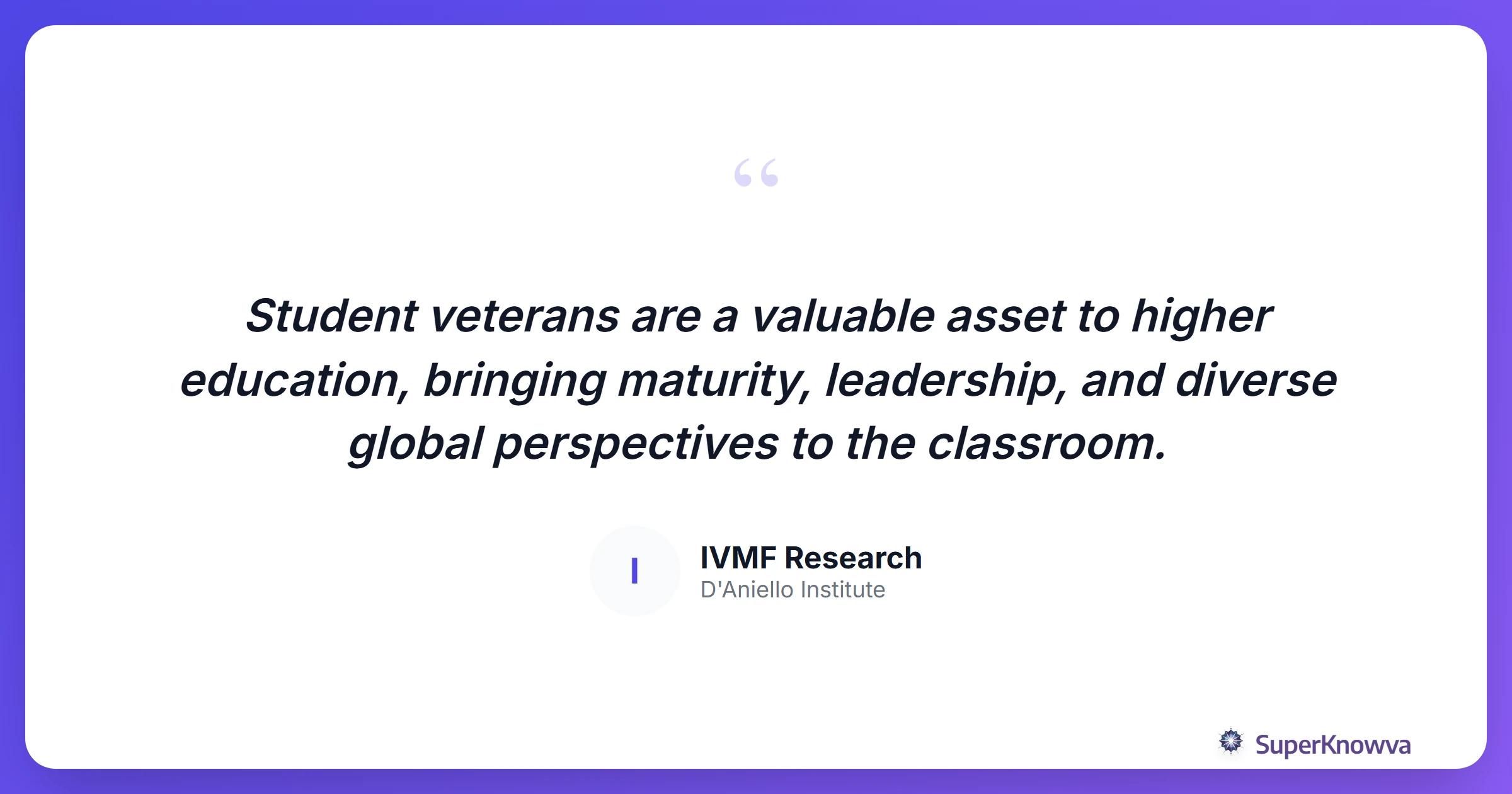
How can colleges do better?
- Give Credit Where It’s Due: Schools should proactively evaluate military transcripts to grant academic credit for relevant experience.
- Create a Space: Whether it's a dedicated lounge or a veteran-specific orientation, having a physical space to build community is vital.
- Train the Faculty: Professors need to understand the unique challenges veterans face, from service-connected disabilities to the possibility of being deployed mid-semester.
This Memorial Day, as we honor those who aren't with us, let’s also commit to the ones who are. To our student veterans: we see the work you're putting in. We see the late nights and the grit it takes to start this new chapter. Thank you for your service, and we’re proud to be part of your next mission.