Traditional scholarship search methods often lead to expired listings and frustration. While the competition for funding is high, modern tools provide more efficient ways to secure a debt-free education.
As we look toward the 2026-2027 academic cycle, securing a full ride isn't about luck; it’s about strategy. To win, you need to master modern scholarship search strategies 2026 that treat the process like a data-driven mission rather than a scavenger hunt. Here is how to build a personalized funding roadmap that actually works.
2026 Scholarships: What’s Changing?
The days of being judged solely on your GPA and SAT scores are fading. For the 2026 cycle, committees are prioritizing comprehensive review. What does that mean for you? Donors are looking for leaders. They want to see leadership-based criteria: proof that you are making an impact in your community, not just acing your exams.
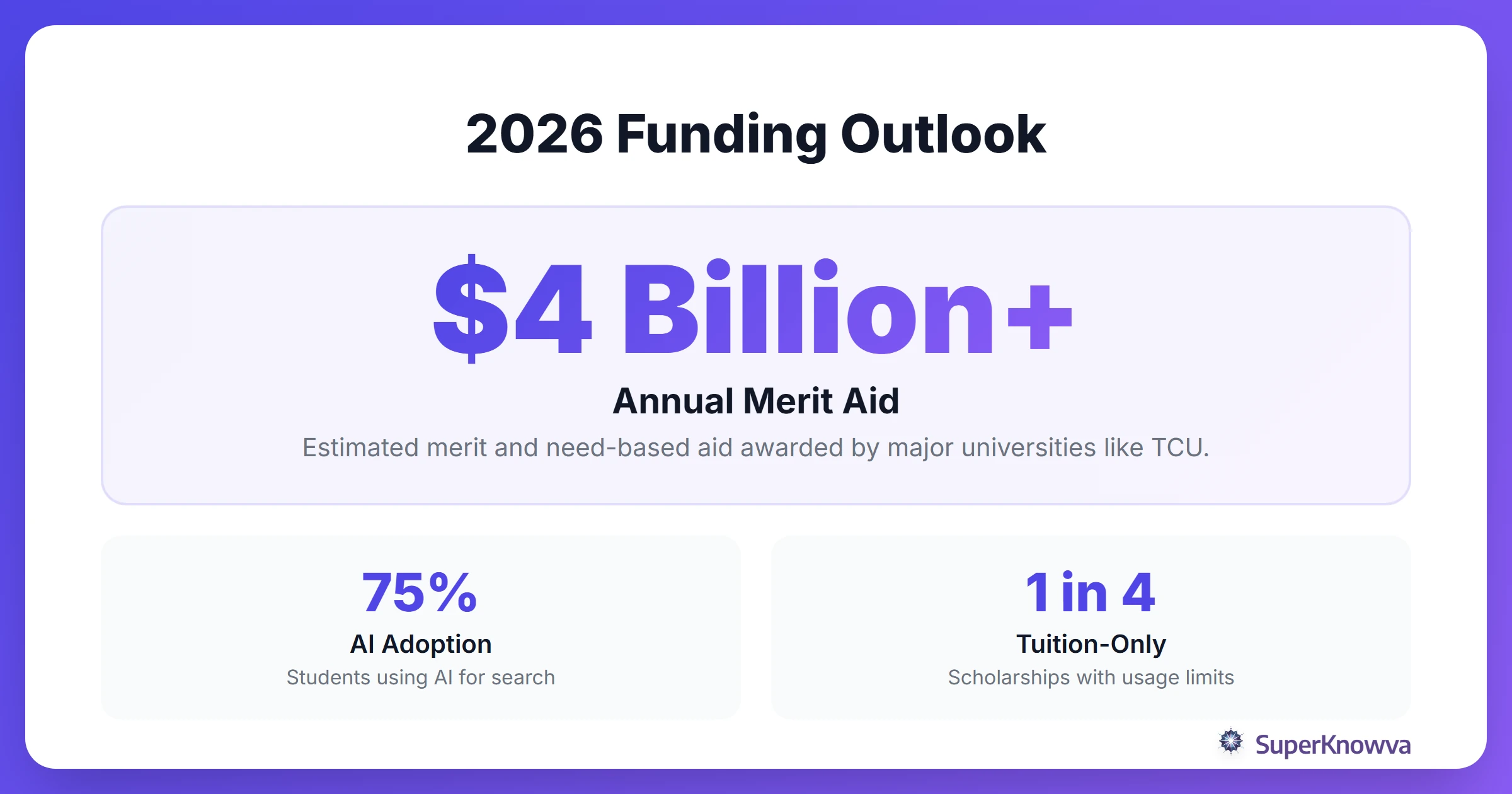
Watch for "tuition-only" restrictions. Many new awards are strictly capped and do not cover housing, meal plans, or textbooks. If you do not account for this, you could receive a "full scholarship" and still owe $15,000 a year for room and board. Because high-value awards are moving deadlines earlier, starting your search in early 2025 is a requirement instead of a suggestion.
Using AI for Hyper-Personalized Matching
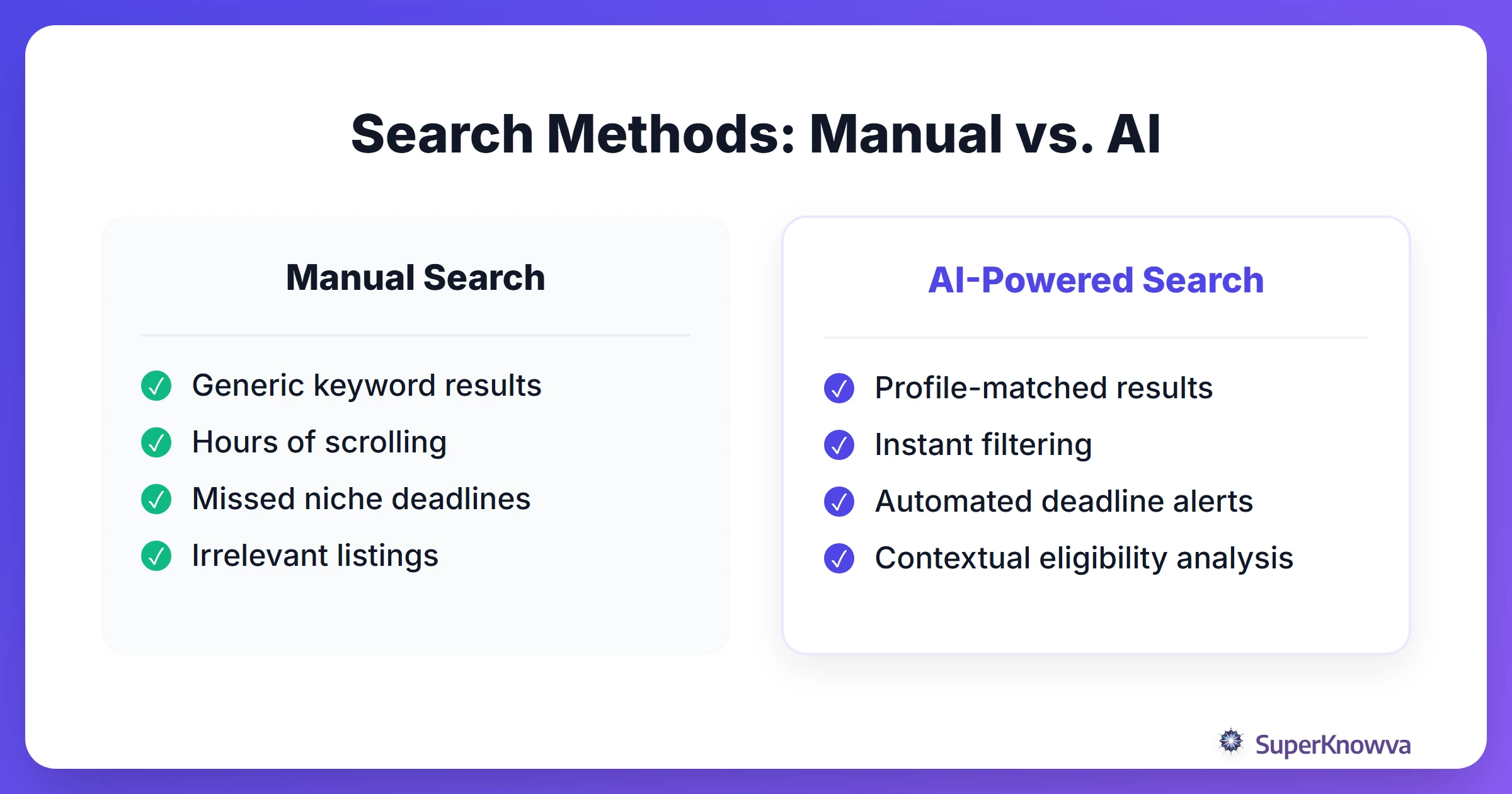
Stop wasting hours on generic search engines that spit out the same ten scholarships everyone else is applying for. AI scholarship matching is the new gold standard. These tools don’t just look at your major; they analyze your niche hobbies, your heritage, and your weirdest career aspirations to find “hidden” money.
To make AI work for you, try these tactics: * Get Specific with Prompts: Don’t just ask for “engineering scholarships.” Try: “Find scholarships for first-generation female students interested in renewable energy and competitive robotics.” * Scour University Portals: Institutional aid is often where the real money lives. Use AI to parse the fine print in dedicated portals like the TCU Horned Frog Scholar Search, which manages millions in merit-based aid. * Hunt for Longevity: A one-time $1,000 check is nice, but a "renewable" award pays out every year. Prioritize these to keep your funding stable until graduation.
Building a Winning 2026 Application Portfolio
A great application isn't just a form; it’s a story. For 2026, your portfolio needs a "scholarship resume" that quantifies your wins. Don’t just tell them you were the club president. Tell them you grew membership by 40% or raised $5,000 for a local shelter. Numbers stick; adjectives don't.
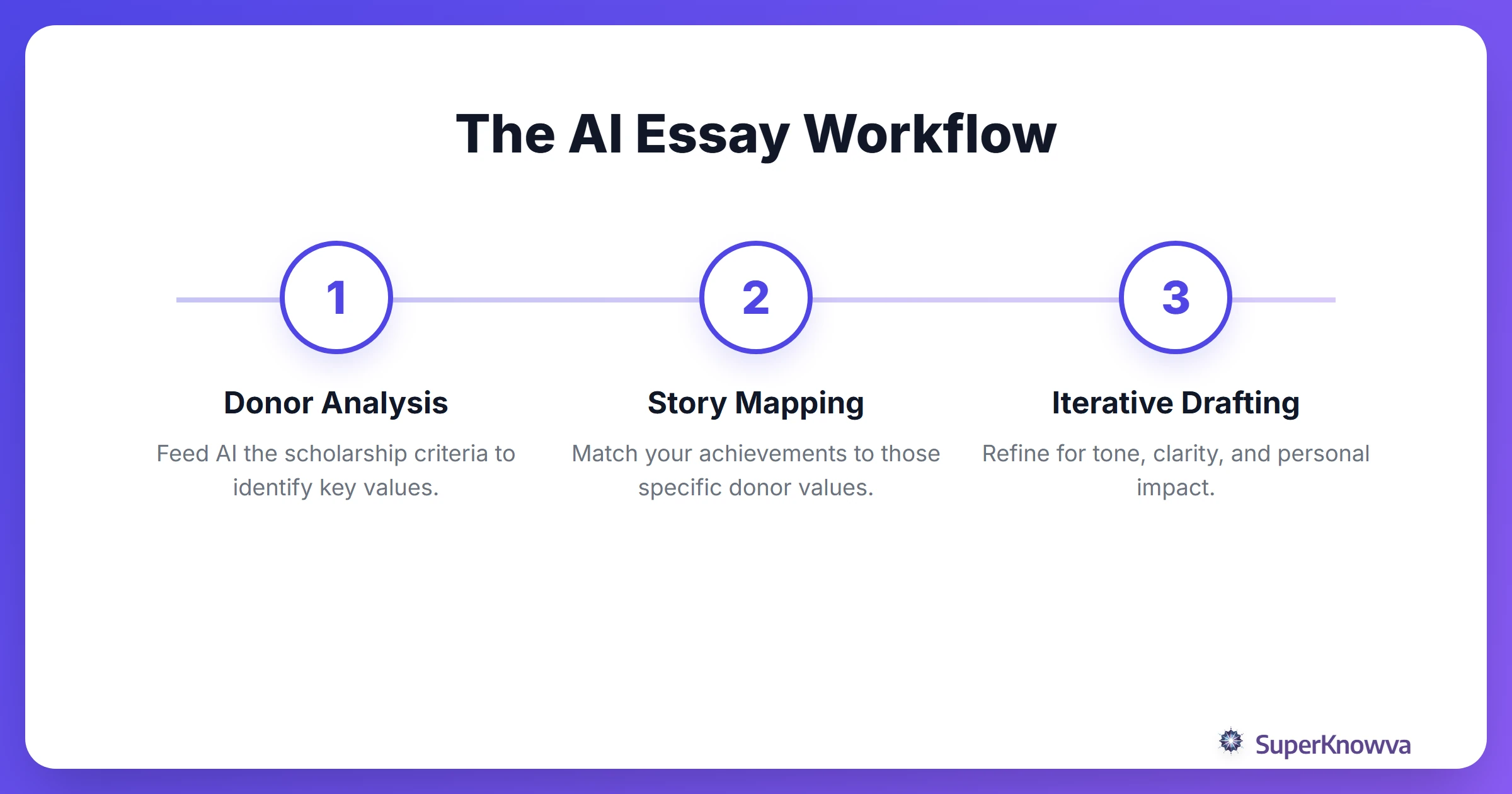
AI can be your best brainstorming partner here. If a donor prizes "resilience," you can feed a prompt into an AI to help you identify moments in your own life that prove you’ve got it.
Use AI for the initial structure, but ensure the writing is your own. Your voice must be genuine. While you pursue merit-based scholarships, remember to take care of yourself. You need to balance a high GPA with a social life to avoid burning out before the first check clears. Finally, give your recommenders a break and ask for those letters at least two months before you need them.
Managing the Pipeline: Deadlines and Sanity
The biggest reason students miss out on money isn't a lack of talent. It is a missed deadline. It is frustrating to find the perfect award only to realize the portal closed yesterday. You can stay organized by using the best study apps for 2026 to track your requirements.
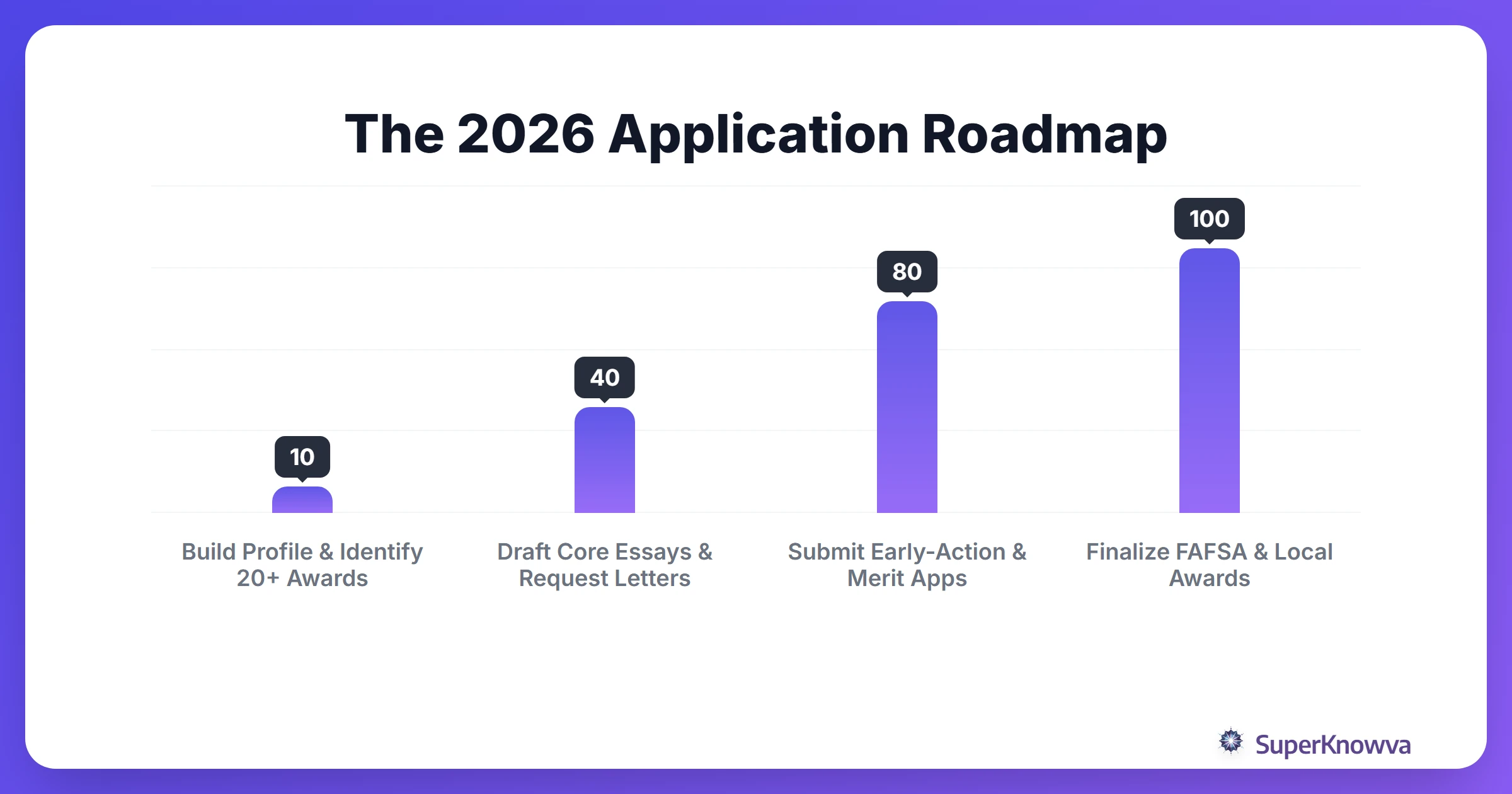
Try these productivity hacks to keep the momentum going:
- The 5-Minute Rule: Staring at a blank essay prompt? Use the 5-minute rule for students. Commit to writing for just five minutes. Usually, once you start, the hardest part is over.
- Scholarship Saturdays: Set a recurring invite on your phone. Spend one hour every week finding three new opportunities. Consistency beats intensity every time.
- Treat it Like a Job: Apply for scholarships like it's a part-time gig, but don't let it tank your current grades.
Elite International and Graduate Awards
If you’re looking at grad school or want to study abroad, 2026 offers many "global impact" opportunities. Programs like the Weidenfeld-Hoffmann Scholarships at Oxford are looking for future leaders who can solve big, messy world problems.
These elite awards are a different beast. You’ll likely face leadership assessments and multiple interview rounds. Pro tip: use AI to simulate interview questions based on the scholarship’s mission statement. It’s the best way to sharpen your responses before the real deal.
The Art of Financial Aid Stacking
Winning the money is only half the battle. Now you have to keep it. Financial aid stacking is the art of layering external awards on top of federal and state aid. But be careful of the "full-tuition ceiling." If your total awards go over the university’s calculated cost of attendance, they might actually reduce the aid they give you.
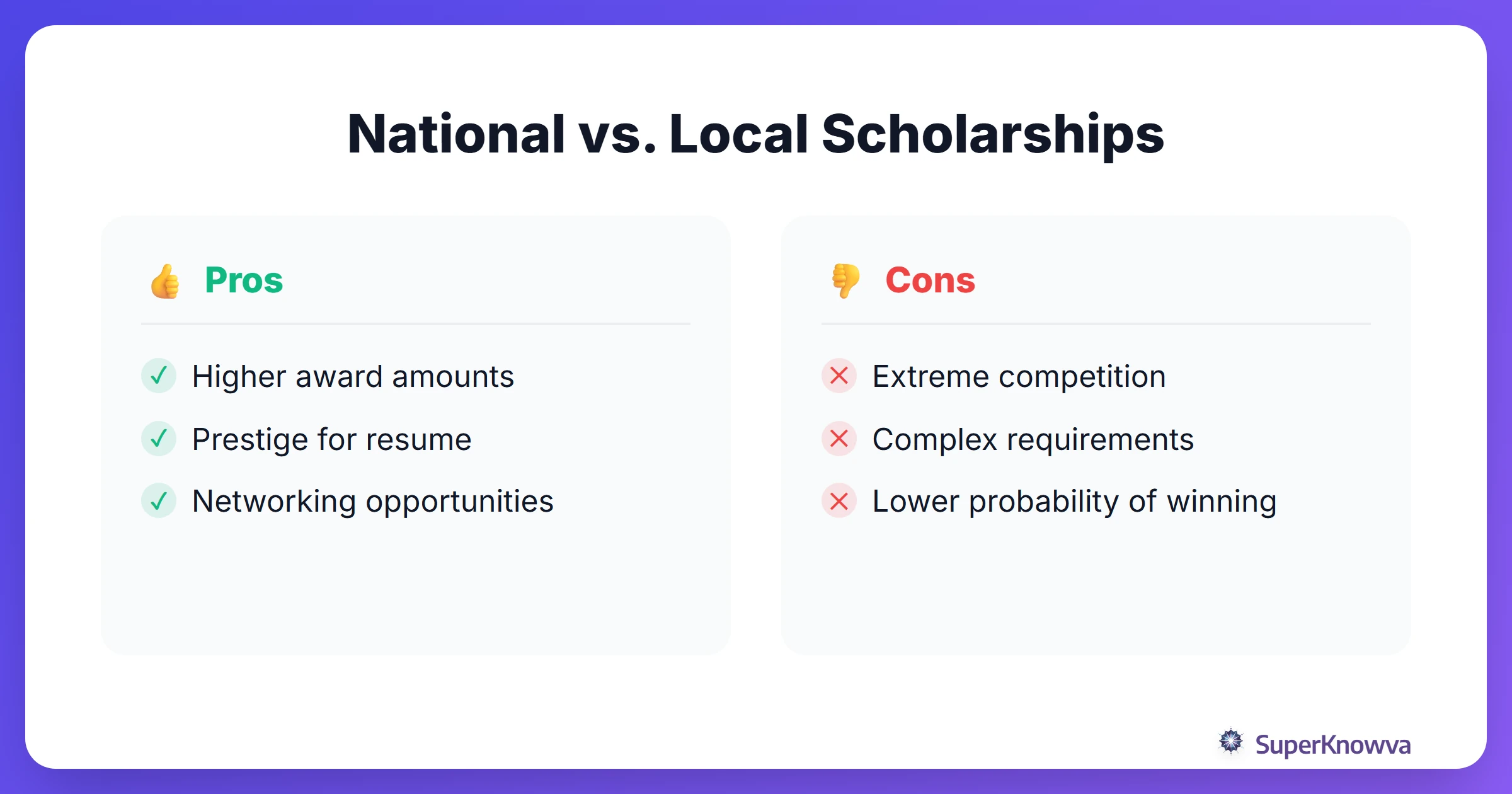
However, you can often use an outside scholarship offer as a bargaining chip. Use it to negotiate a better package from your top-choice school. When you're planning for 2026, look beyond tuition. Think about internships, books, and coffee money. By "stacking" small, local awards on top of the big national ones, you can cover the "hidden" costs that most students forget to budget for.
By mixing the speed of AI with a disciplined scholarship application timeline, you can manage the 2026 cycle without the usual stress. Start early, tell your story, and go get that funding.