You’ve spent four years (and likely a small fortune) mastering your major. You can cite theories in your sleep and handle a 20-page syllabus with your eyes closed. But then the calendar invite hits your inbox: First Round Interview.
Suddenly, your stomach drops.
Stepping from the lecture hall into a corporate boardroom is a significant transition. It is a new kind of test where there is no study guide and the stakes are high. For many recent graduates, the pressure is intense. A mentor available 24/7 can help you adapt to the workplace and build professional confidence.
That’s where AI interview coaching for jobs is changing the game. It’s moving the needle from "winging it" to walking in with total command of the room.
The Competitive Edge: Why Your Career Center Isn't Enough
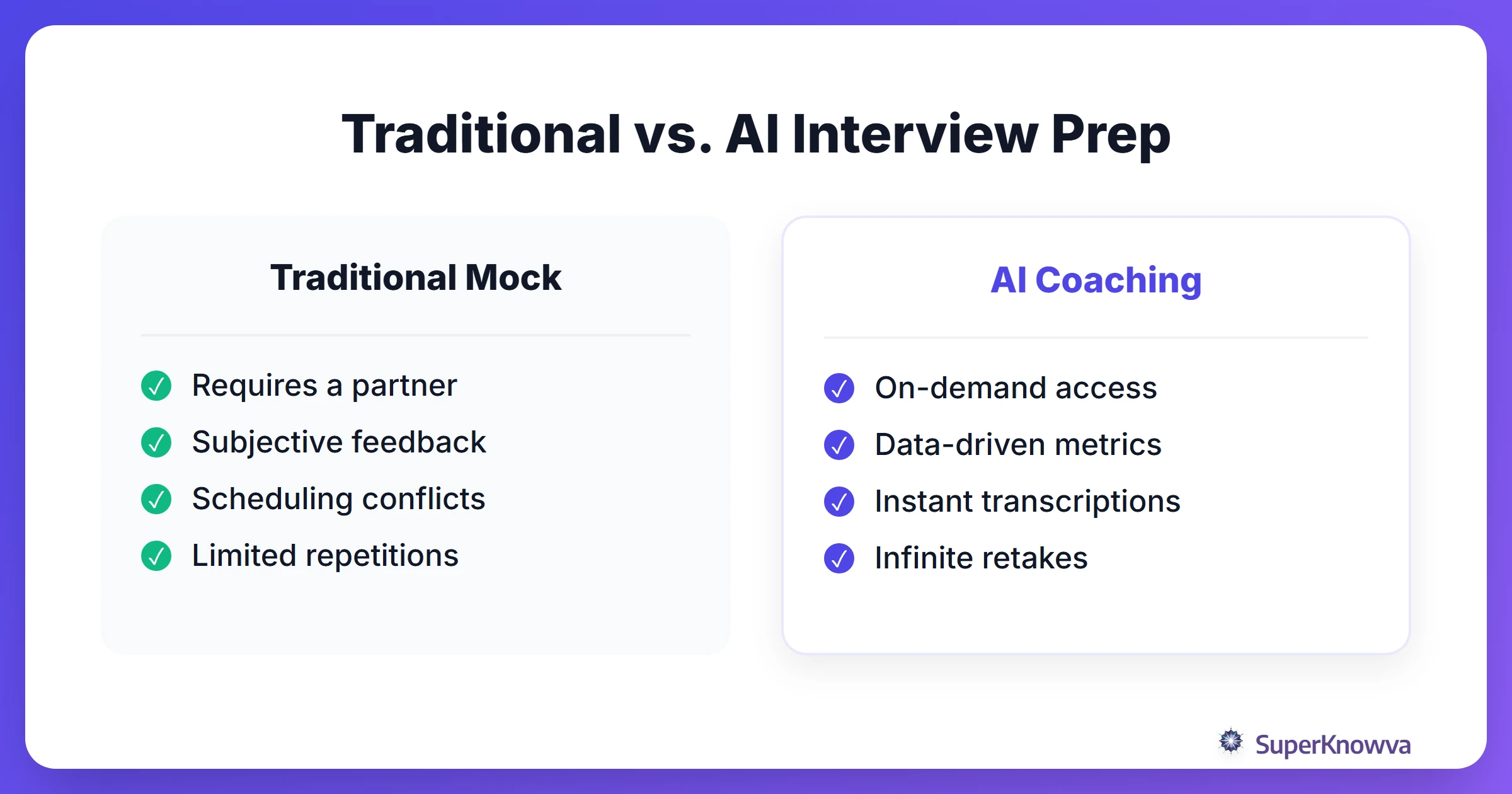
Preparing for an entry-level role once meant pleading with a roommate or a busy career counselor to run a mock interview. While they mean well, their feedback is often subjective, rushed, or a bit too nice.
AI coaching flips the script.
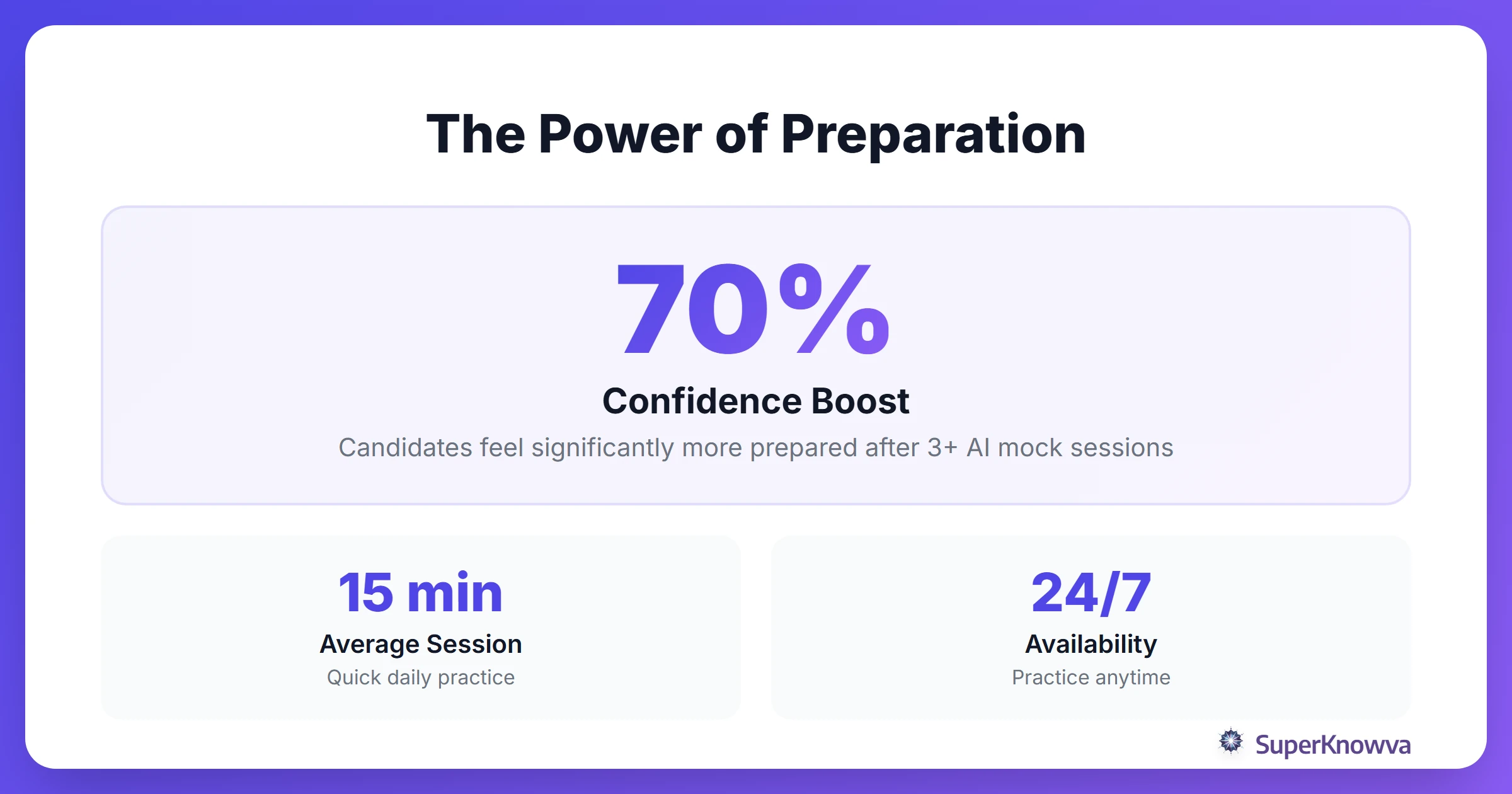
First, there’s the convenience. Whether it’s 2:00 AM or twenty minutes before your actual call, your AI coach is ready. This levels the playing field for students who might not have the budget for a private consultant.
Perhaps the biggest perk? It’s a "safe failure" zone. You can stumble over your words, forget your best talking points, or restart a dozen times without the embarrassment of failing in front of a human. It’s about building the muscle memory you need for navigating the transition to the workplace before the real pressure starts.
How AI Interview Coaches Actually Work
Modern AI tools do much more than just spit out a list of generic questions. They use sophisticated analysis to give you a 360-degree view of how you come across:
- The "Umm" Tracker: AI tracks your pacing and flags filler words like um, uh, and like. These are confidence-killers that can make you sound less prepared than you actually are.
- Relevance Checks: The AI evaluates whether you actually answered the question. It ensures you aren't just talking in circles but are providing the specific info the recruiter is looking for.
- Tone and Energy: It’s not just what you say; it’s the vibe you project. AI assesses your tone to make sure you sound professional and enthusiastic, rather than monotone or robotic.
As highlighted in this look at Refining Your Interview Approach with ChatGPT, savvy candidates are now using these tools to tailor their pitch for every single application.
Avoiding the 'Bot' Trap: Keeping It Real
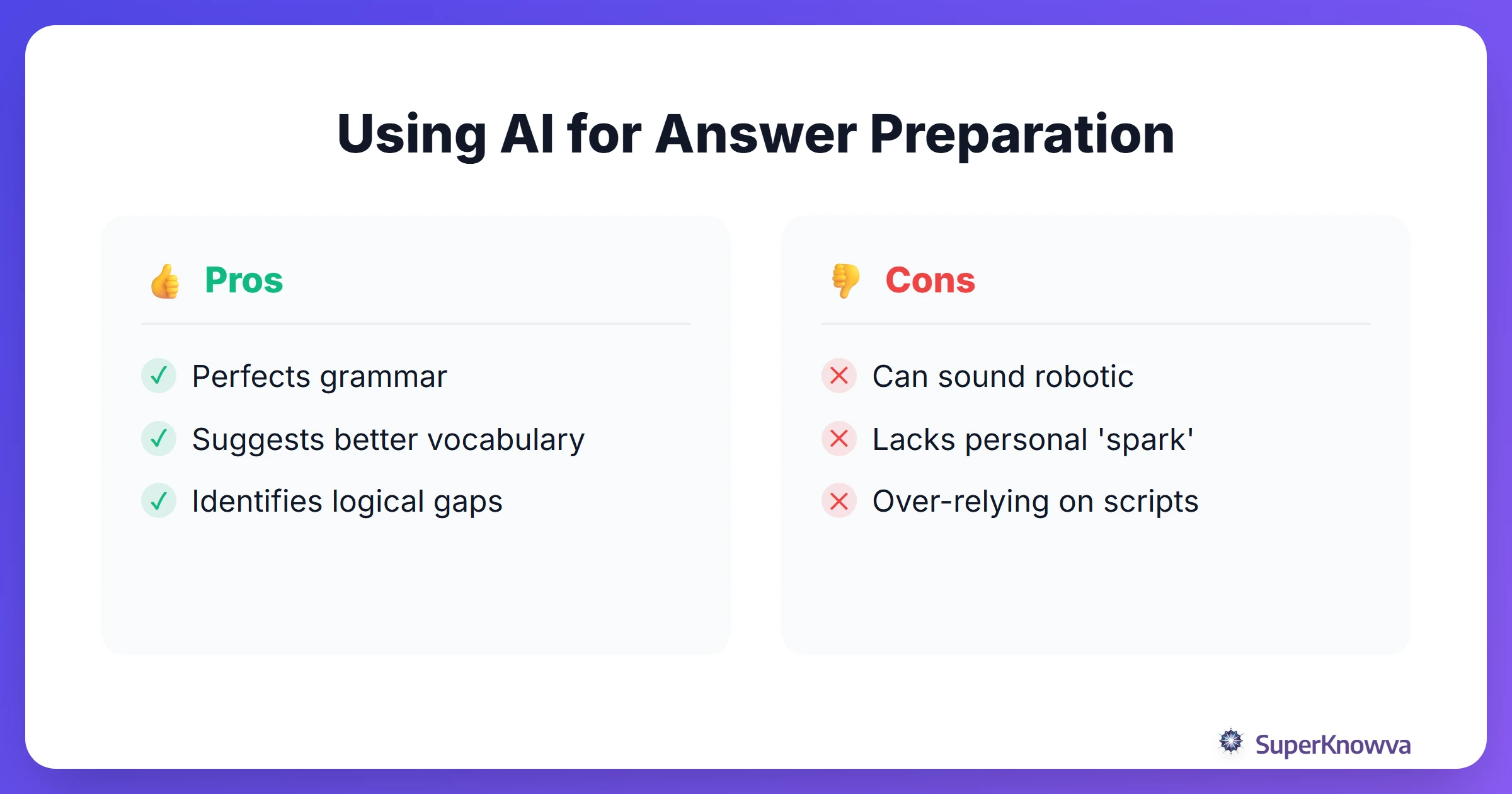
Here is the catch: you don’t want to sound like an AI wrote your life story.
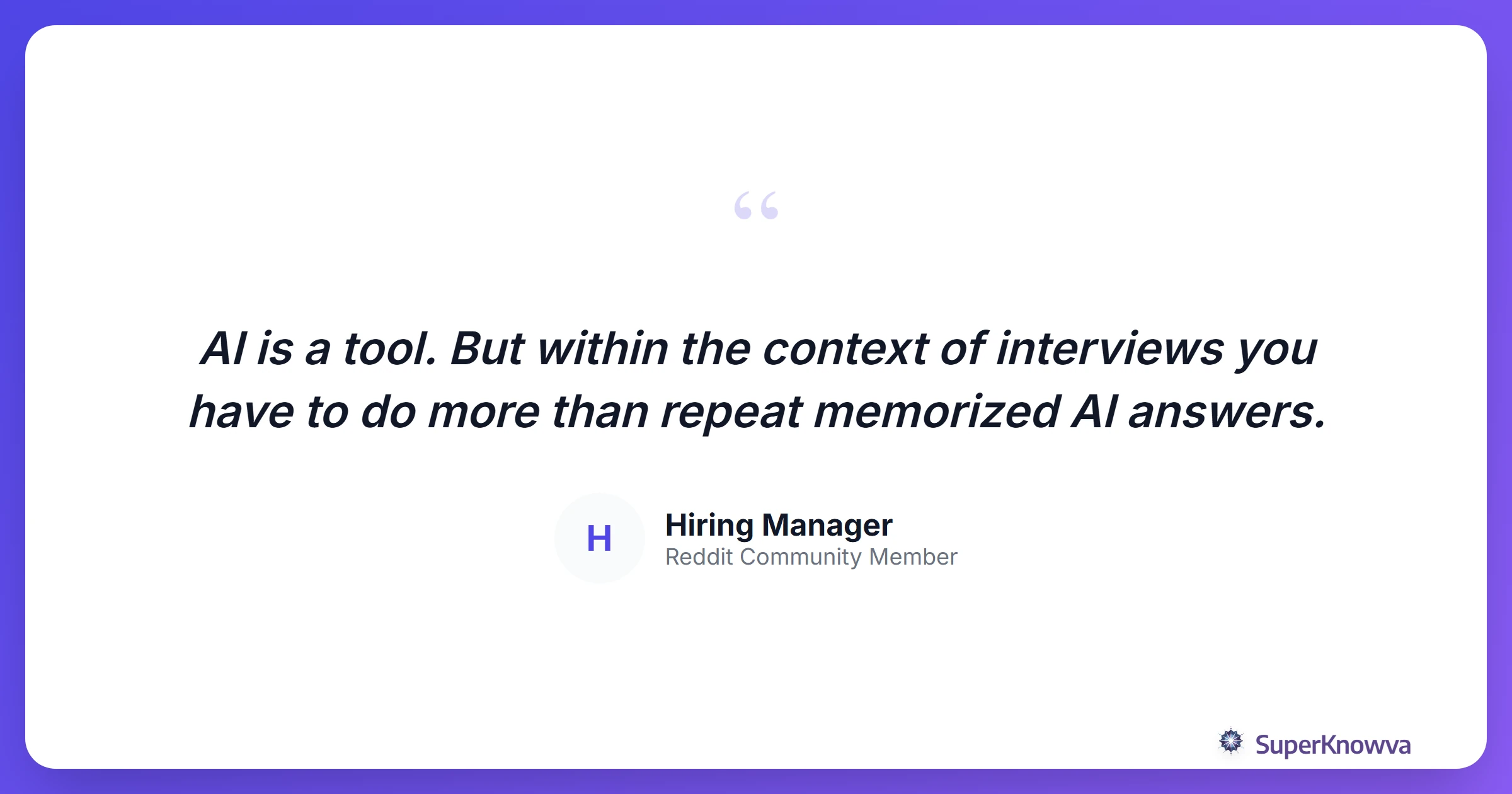
Hiring managers on platforms like Reddit are already sounding the alarm. They can spot a generic, AI-generated script from a mile away. To actually land the job, you need to use AI to structure your thoughts, not replace your personality.
To keep your answers authentic:
- Feed it the "Gold": Give the AI specific details about your actual internships, volunteer work, or that messy group project that you eventually saved.
- Ask for a Critique, Not a Script: Instead of asking "Write an answer for me," try "Here is my draft of a story about a time I solved a conflict. Where is it getting too wordy?"
- Align Your Brand: Use the feedback to ensure your answers match the image you’ve created while building an online presence.
Mastering the STAR Method (Without the Stress)
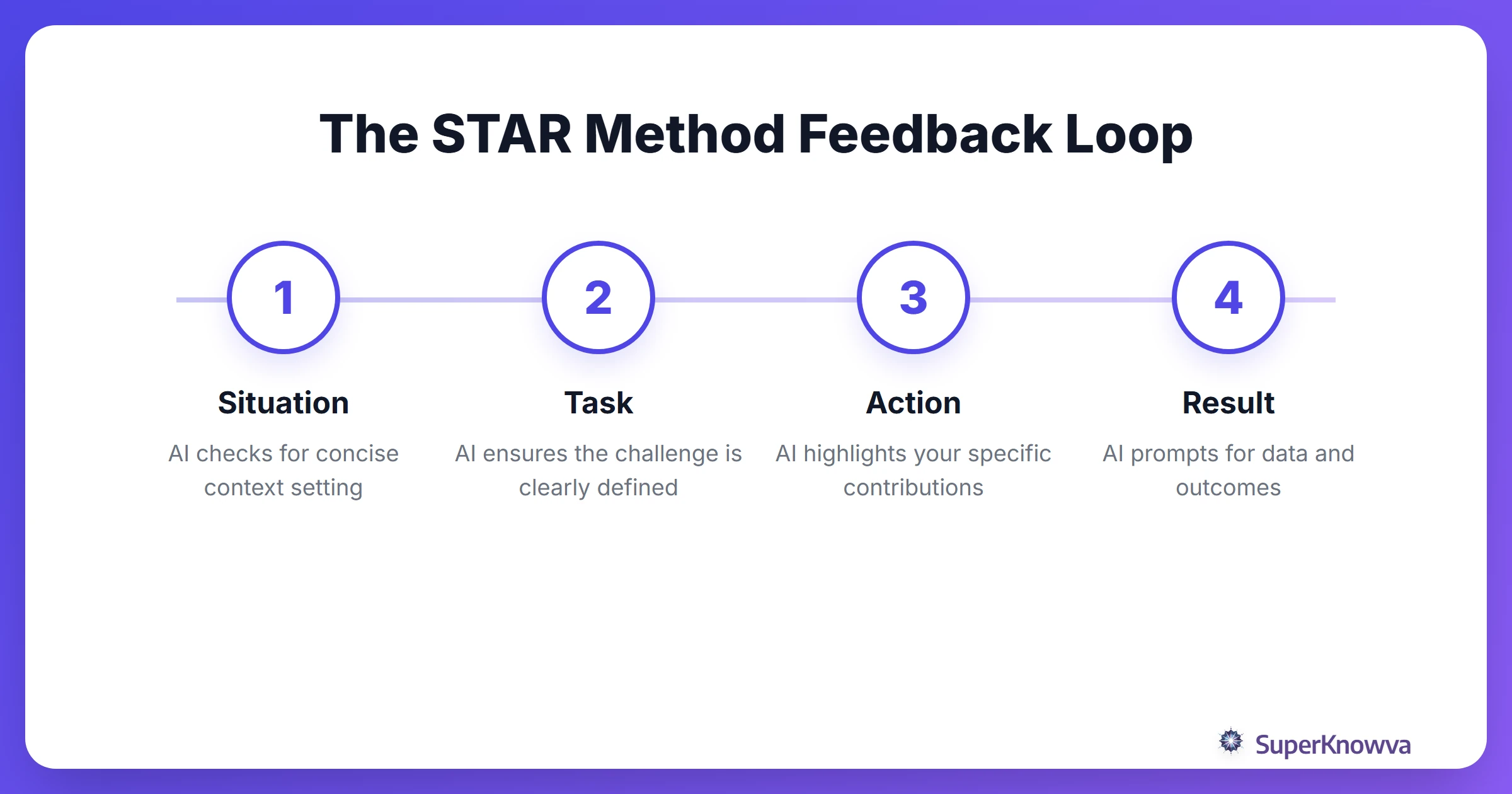
You’ve probably heard of the STAR method (Situation, Task, Action, Result). It’s the "gold standard" for behavioral questions, but most entry-level candidates struggle with the "Result" part. What if you don't have "corporate" results yet?
AI helps you quantify your experience. When you're acing the interview: using AI tools to practice, the tool can point out if you spent three minutes describing the problem (Situation) but only ten seconds on what you actually did (Action). It suggests including data, such as "reduced wait times by 15%" or "managed a budget of $500," to show impact.
The Camera Doesn't Lie: Body Language Analysis
In the world of virtual hiring, your "digital presence" is your first impression. Many AI coaching platforms now use video analysis to help you sharpen the soft skills employers are looking for.
- Eye Contact (The Digital Kind): AI can tell if you’re staring at your own face on the screen instead of looking at the camera lens.
- Nervous Ticks: It identifies if you're touching your hair, swaying in your chair, or fidgeting in a way that might distract the interviewer.
- The Lighting Check: Some tools even analyze your background and lighting, making sure you don't look like you're interviewing from a dark cave.
According to insights from tech professionals, these subtle tweaks to non-verbal cues are often what separate the "maybe" pile from the "hired" pile.
Your 5-Day AI Interview Sprint
Ready to turn your post-grad job hunting into a success story? Try this 5-day routine:
- Day 1: The Baseline: Record a "cold" session. Don't prep. Just see how you perform naturally and look at the initial data.
- Day 2: Content Fixes: Look at the AI’s feedback on your structure. Rewrite your STAR stories to ensure they are punchy and result-oriented.
- Day 3: The Delivery: Focus entirely on your voice. Try to cut those filler words in half and practice speaking at a steady, confident pace.
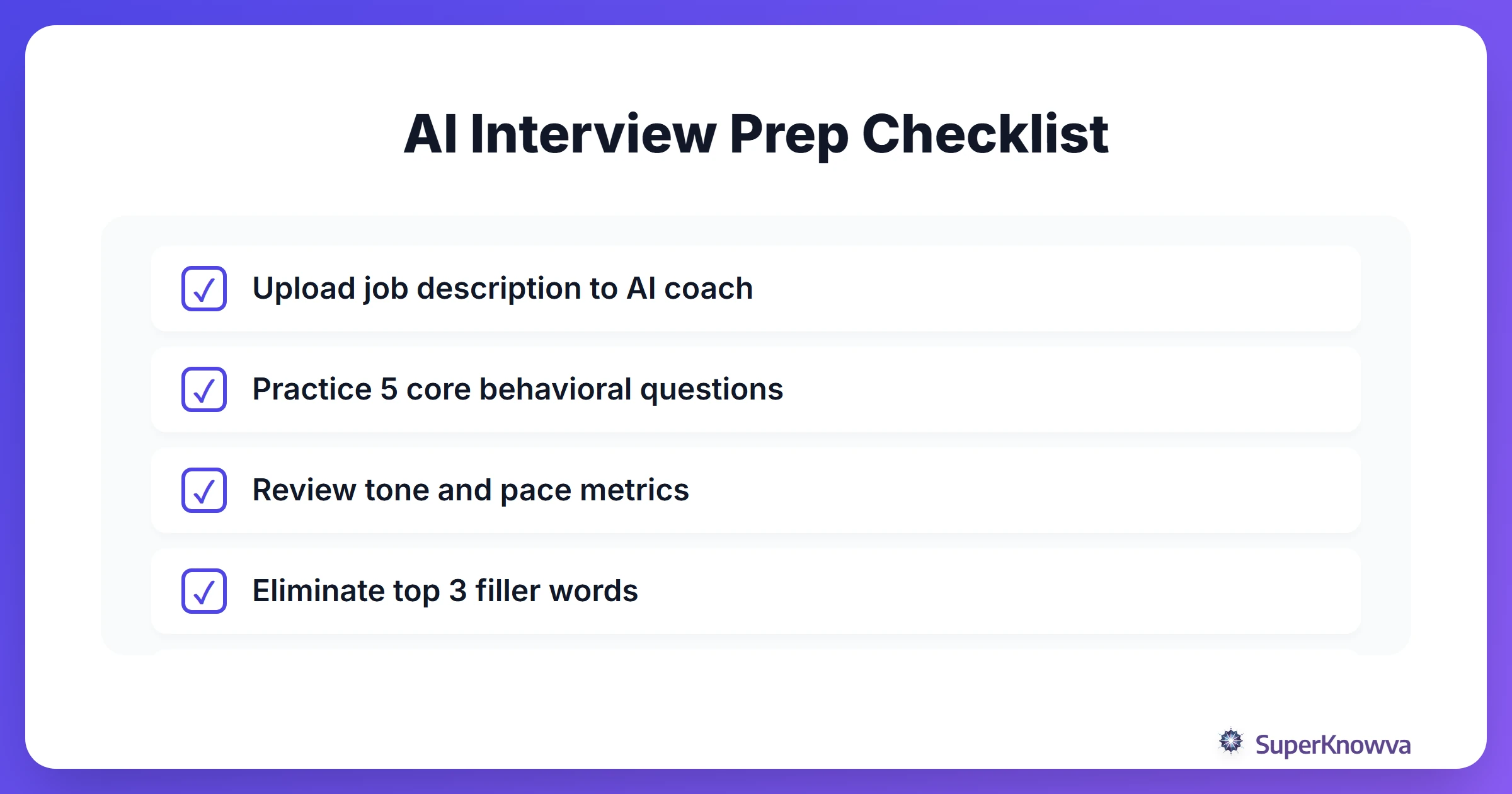
- Day 4: Customization: Upload the actual job description you're applying for. Have the AI grill you on specific requirements listed in the post.
- Day 5: The Dress Rehearsal: Do a full-length mock interview. Wear your interview outfit, check your lighting, and treat it like the real deal.
Final Thoughts
Landing your first professional job is a significant milestone. It takes more than just a degree; it requires a strategy. AI interview coaching for jobs provides the feedback needed to sharpen your skills. Use these tools to ensure you are the most prepared candidate in the room.