Ever tried to memorize anatomy flashcards while your apartment feels like the surface of the sun? It’s brutal. As the mercury rises, your GPA usually starts to feel the pressure. If you’ve ever felt like your brain was literally melting into your textbook in mid-July, you aren't imagining things. High temperatures don't just make you sweaty; they actively hijack your cognitive resources.
Finding the right summer heat study focus tips isn't just a matter of comfort; it’s a survival strategy for your grades. Let’s look at how to use summer productivity hacks, from hacking your environment to tricking your own biology, so you can stay sharp while everyone else is checked out at the pool.
Why Your Brain Quits in July: Summer Fatigue Syndrome
Before you can fight the heat, you need to know what you’re up against. Many students fall victim to summer fatigue syndrome. This isn't just "being lazy." It’s a physical state where your body spends so much energy trying to keep you cool that there’s nothing left for your prefrontal cortex.
When it’s sweltering, your brain prioritizes thermoregulation over complex problem-solving. Think of it like a computer fan running at 100%; the system slows down because all the power is going toward preventing a meltdown. Plus, that extra summer sunlight? It can mess with your circadian rhythm, suppressing melatonin and making your sleep quality take a nosedive.
Watch out for these signs of heat-related lethargy:
- That "thick" feeling of brain fog or sudden dizziness.
- A total loss of appetite that leaves you running on empty.
- Getting irritated at your notes for no reason.
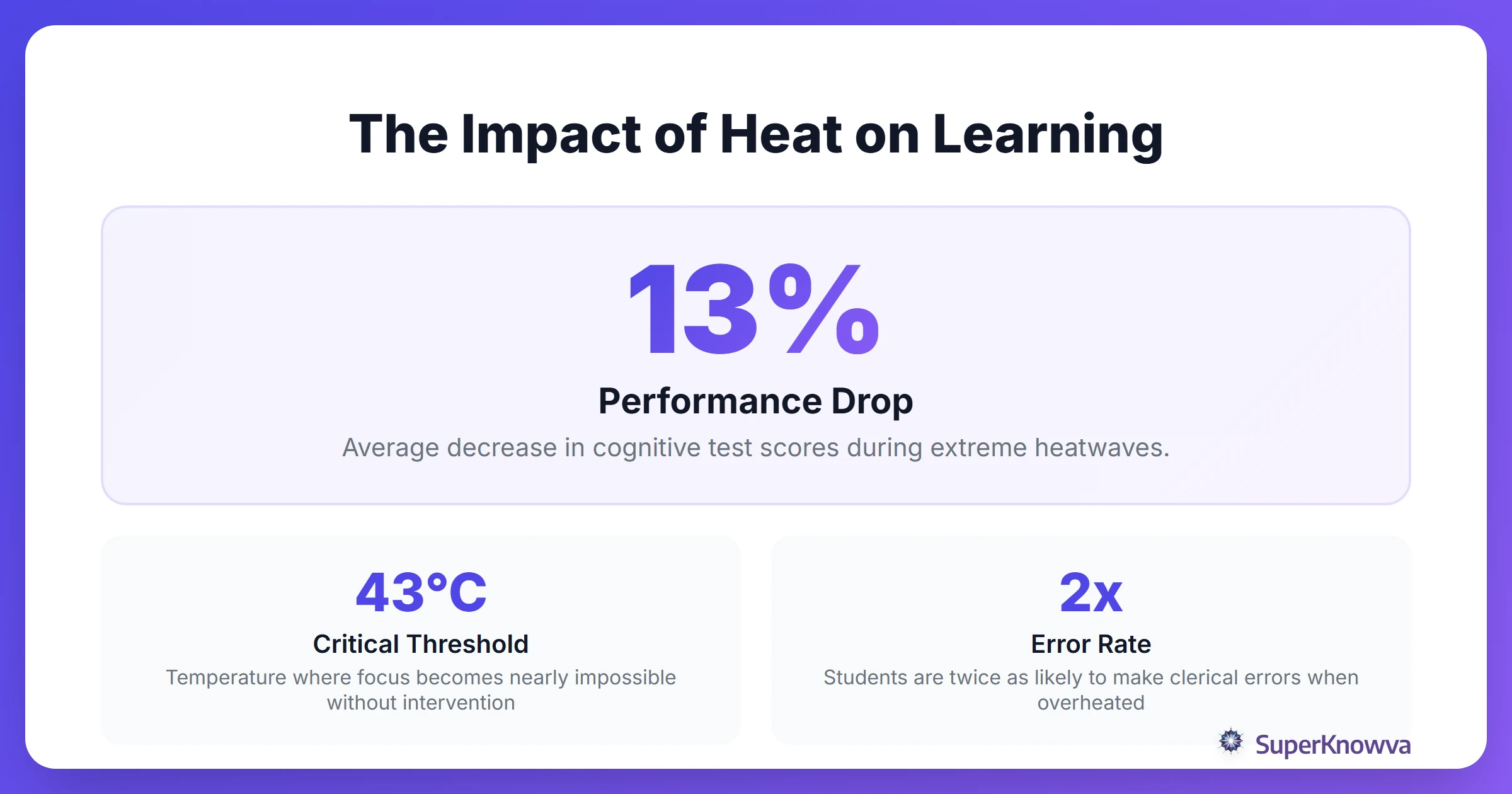
Research on Understanding Summer Fatigue Syndrome suggests that the physical toll of a heatwave is as taxing as a full-day workout. No wonder you can't focus on Calculus.
The Internal Cooling System: Hydration and Brain Food
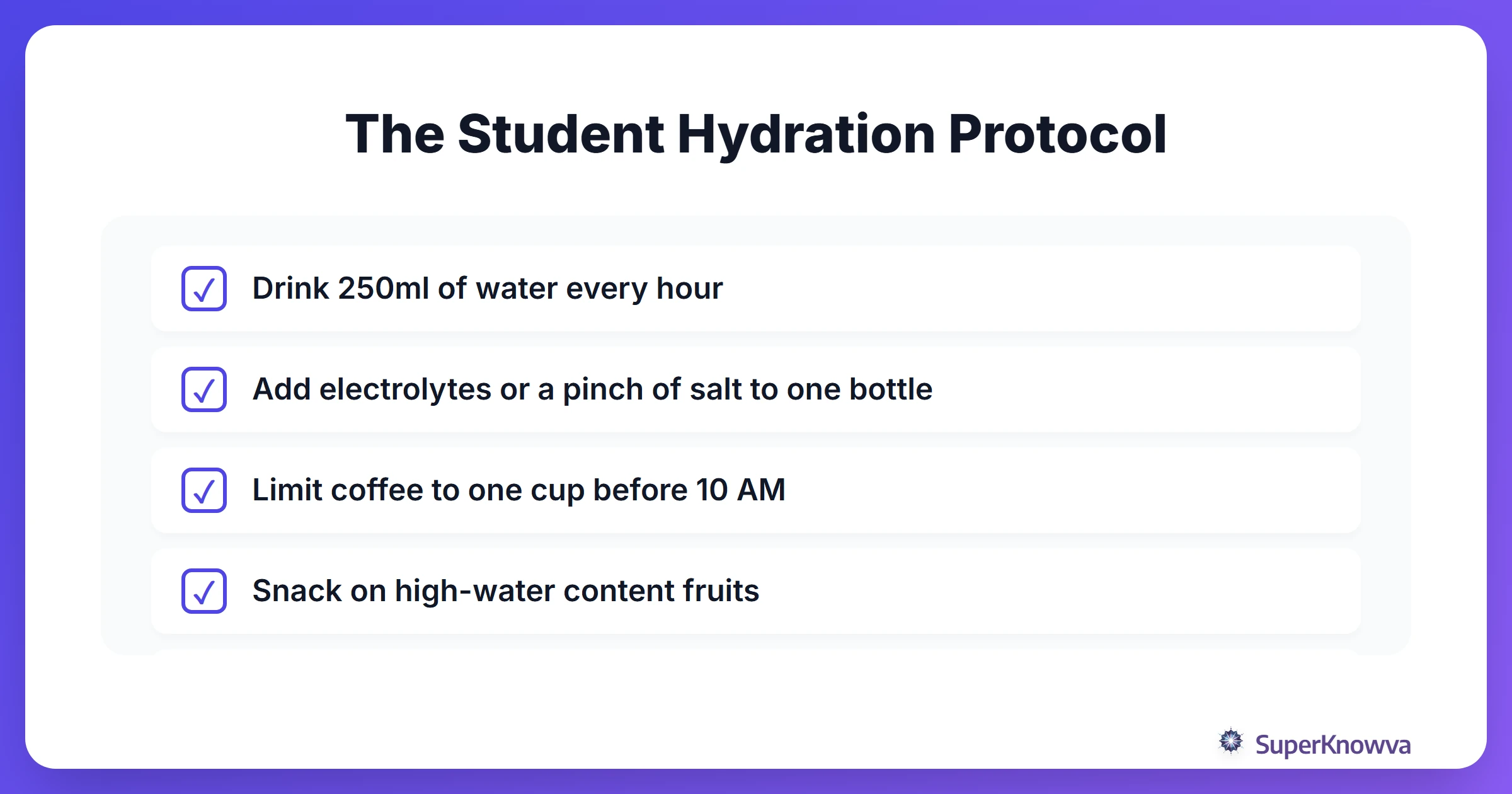
Your first line of defense is what you put in your body. It’s tempting to grab a massive, ice-cold energy drink, but that’s a trap. Caffeine and sugar are diuretics. They might give you a 20-minute boost, but the subsequent dehydration and "crash" feel ten times worse when it's 90 degrees outside.
To keep your brain from quite literally shrinking (yes, dehydration causes brain tissue to lose volume), you need 8–10 glasses of water as a baseline. If you want the best diet for studying, reach for high-water-content snacks like cucumbers, watermelon, and berries. They provide steady hydration and antioxidants without that heavy, "I need a nap" feeling that comes after a big meal.
Avoid heavy, protein-rich meals during the peak of the day. Digestion creates internal heat, a process called thermogenesis, which makes the afternoon slump harder to beat.
Environmental Hacks: Studying Without AC
Not everyone has the luxury of a central air unit. If you’re studying without AC, you have to get a little creative with physics.
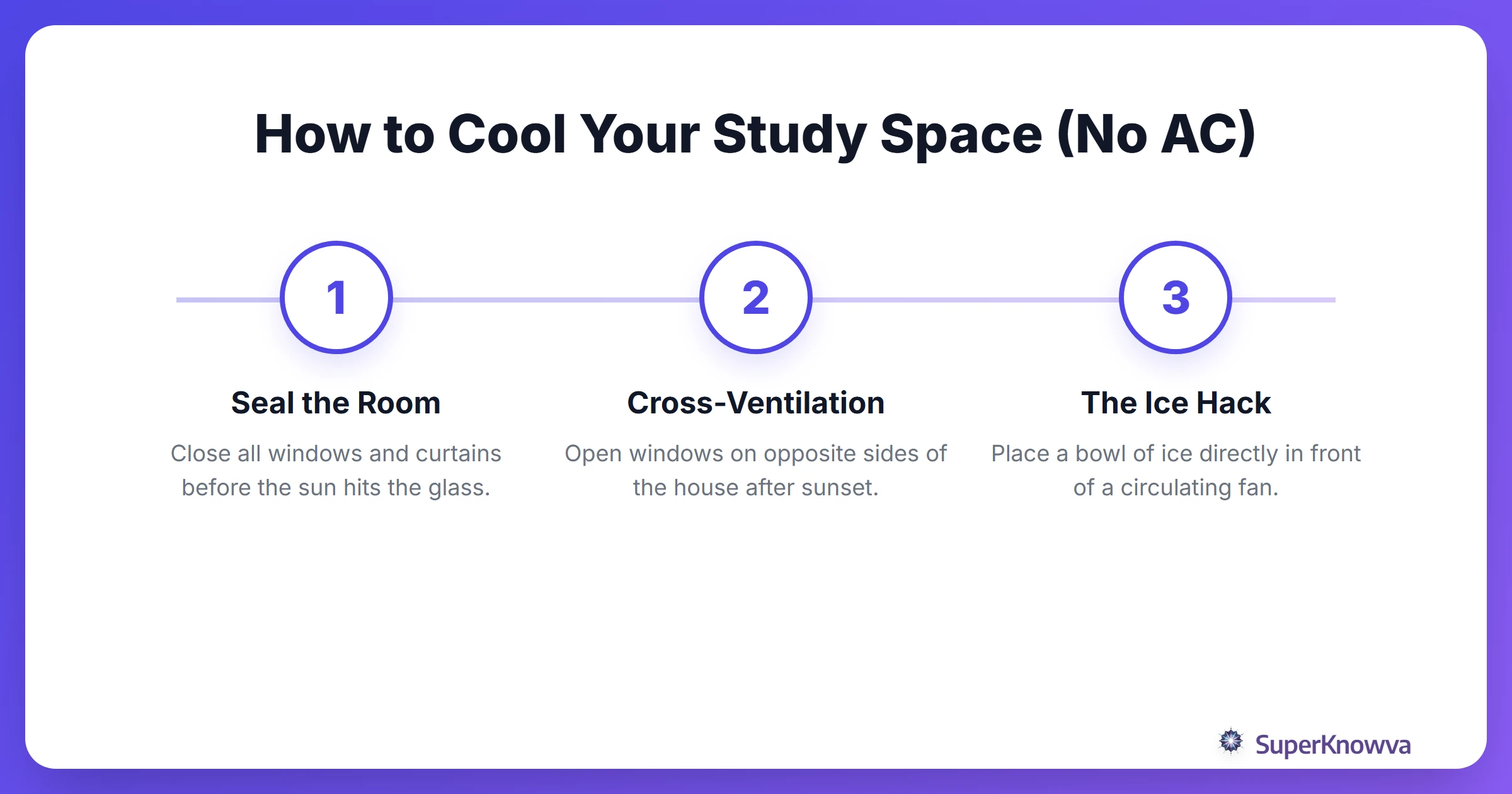
First, stop pointing your fan directly at your face. It feels good for a second, but it mostly just moves hot air around. Instead, try to create a cross-breeze. Place one fan facing out of a window to push the hot air out, and another fan on the shaded side of your home to pull cool air in.
Need an immediate fix? Try the "Ice Fan" hack: put a large bowl of ice or a frozen gallon jug directly in front of your fan. It creates a DIY swamp cooler effect that can drop the temperature in your immediate "study bubble" by several degrees. Also, keep those curtains closed! Blackout curtains or reflective films are lifesavers when it comes to blocking the greenhouse effect.
When your room becomes an oven, migrate. Public libraries, community centers, or that one freezing-cold local cafe are perfect for high-intensity sessions.
The Shift Strategy: Kill the 9-to-5
During a heatwave, the traditional study day is difficult. The sun is strongest between 12 PM and 4 PM. This is when productivity often drops.
Try a "Shift Strategy." Become an early bird or a night owl. Tackle your hardest, most brain-draining tasks between 6 AM and 10 AM when the air is still crisp. This is a total contrast with a winter study routine, where you might actually want to utilize the midday warmth.
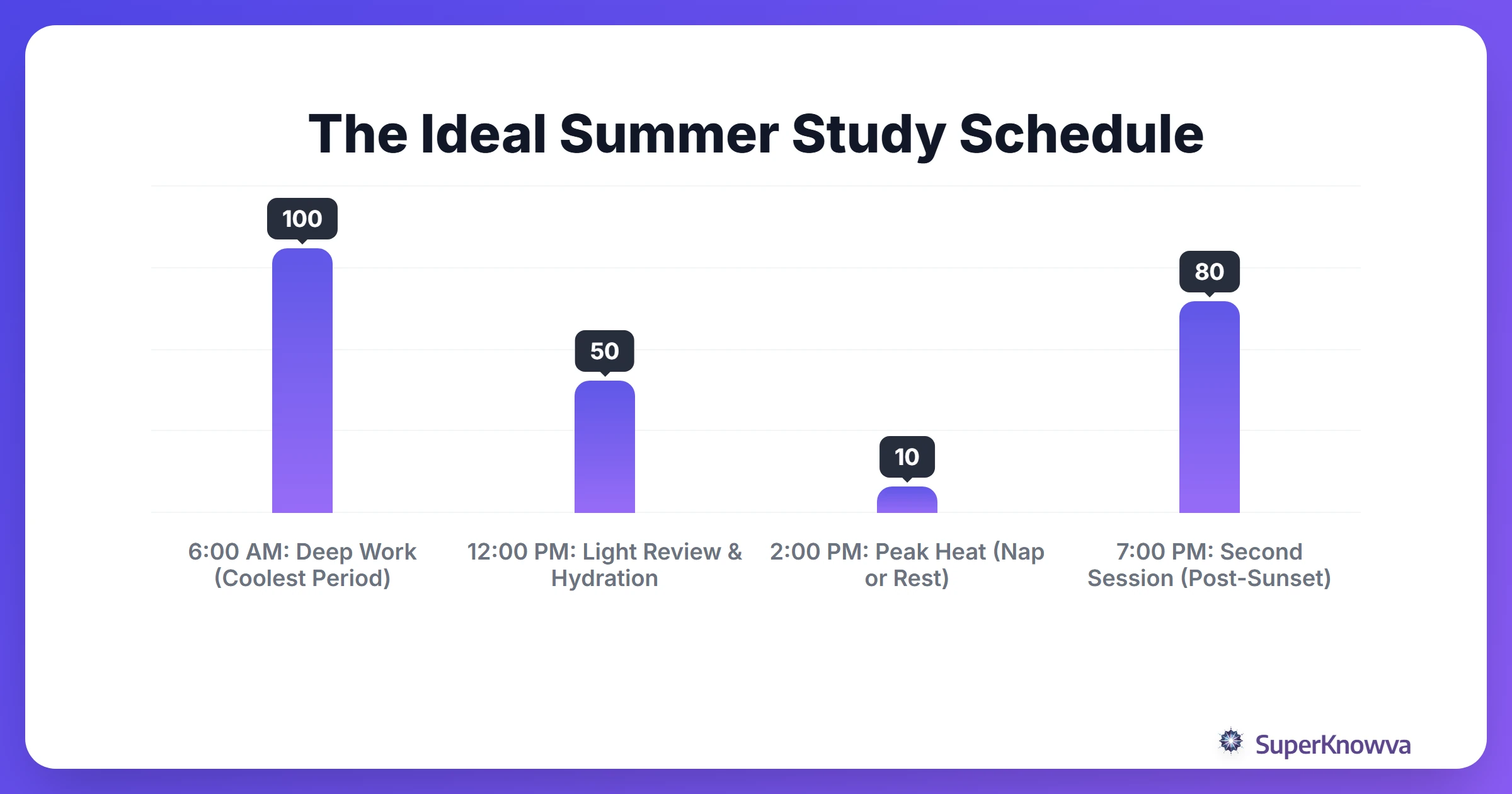
Use the Pomodoro technique to build in "cool-down" breaks. Every 25 minutes, step away. Splash cold water on your face, or stand in front of the freezer for thirty seconds. It keeps your core temperature from creeping up while you’re sitting still.
Wardrobe Wins and Pulse Points
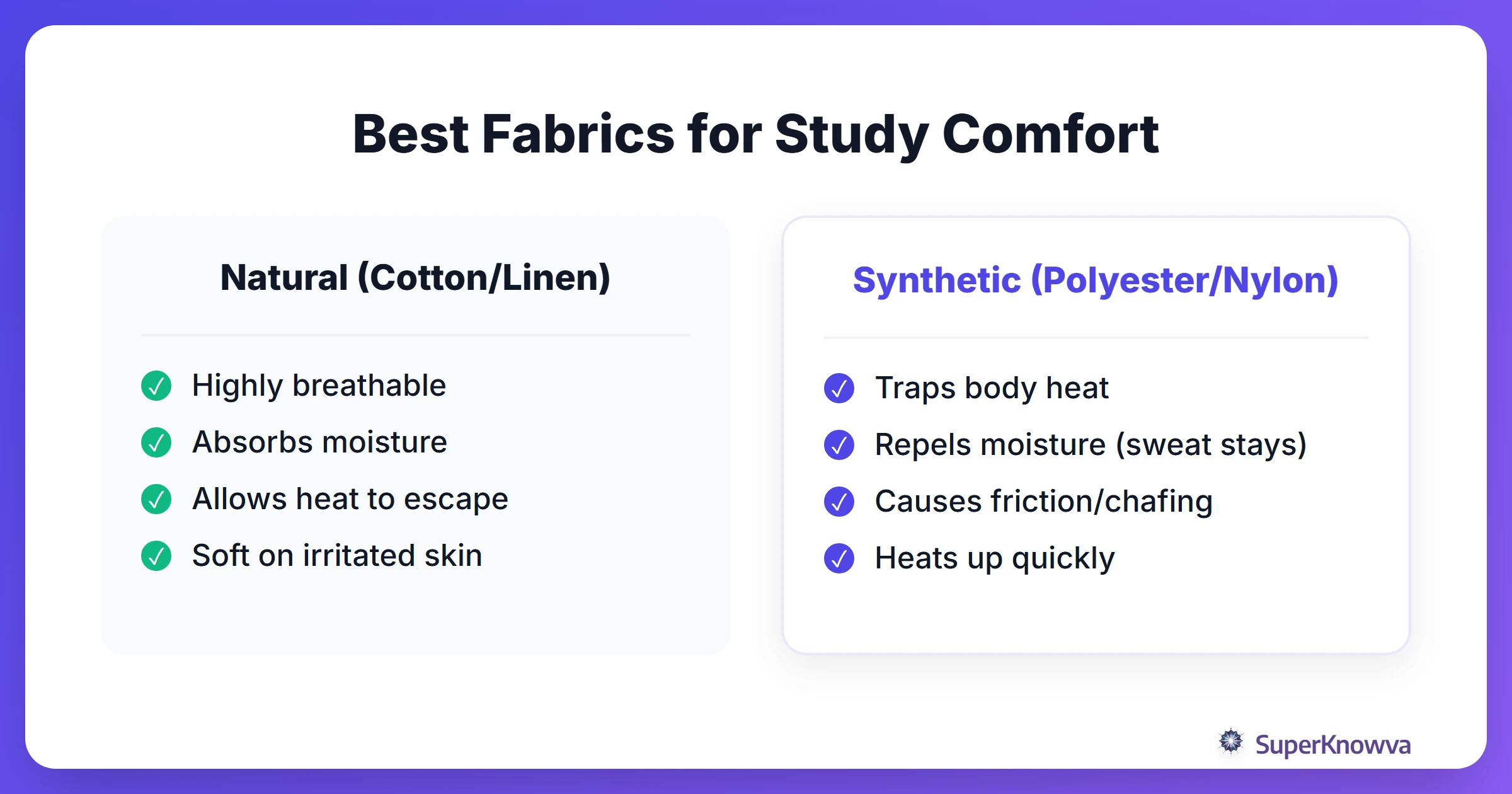
What you wear matters more than you think. Natural fibers like cotton and linen are your best friends because they actually let your skin breathe. Synthetics like polyester? They’re essentially wearable saunas.
If you feel your focus slipping, try the "Cold Pulse Point" trick. Hold an ice pack or a cold damp cloth to your wrists, neck, or temples. These areas have blood vessels close to the surface, and cooling them sends a "we’re okay" signal to your entire nervous system. Also, lose the shoes. Going barefoot helps heat escape through your feet, which are major thermoregulation points for the body.
Mind Over Matter (and Heat)
Finally, don't ignore the psychological side of things. It is incredibly frustrating to feel "too hot to think," and that stress actually raises your heart rate and body temperature even more. When the "heat rage" starts to set in, use meditation techniques for focus to bring your stress levels back down.
Be realistic with yourself. If a record-breaking heatwave hits, you might not get through a 10-hour marathon session, and that’s okay. Pushing too hard in extreme heat is a fast track to recognizing signs of student burnout.
For more safety tips on staying healthy in the sun, check out the University of Alabama Heat Safety Tips.
By hacking your environment and respecting your biology, you can keep your brain sharp even when the world is scorching. Stay cool, stay hydrated, and let SuperKnowva help you breeze through that summer coursework!