Think back to your first day of medical school. You likely pictured yourself in a white coat, pager buzzing, navigating a busy hospital hallway. But for the Class of 2026, that vision is just one piece of a much larger puzzle. The ground is shifting. While the stethoscope remains the heartbeat of the profession, the career-paths-for-medical-graduates today stretch far beyond the traditional exam room.
Whether you are driven by surgery, lab research, or the tech sector, your degree is more versatile than ever. This isn’t just about finding a job; it’s about navigating a market that looks nothing like it did a decade ago.
The Residency Gauntlet: Clinical Practice in 2026
For most of you, the path still leads through MSY3 and MSY4 toward that high-stakes Friday in March. But let’s be honest: surviving the medical residency match 2026 takes more than just crushing your boards. Programs are looking for more than a high percentile; they want humans who can actually talk to patients. They want candidates who show genuine empathy and a nuanced bedside manner in an era where everyone is burnt out.
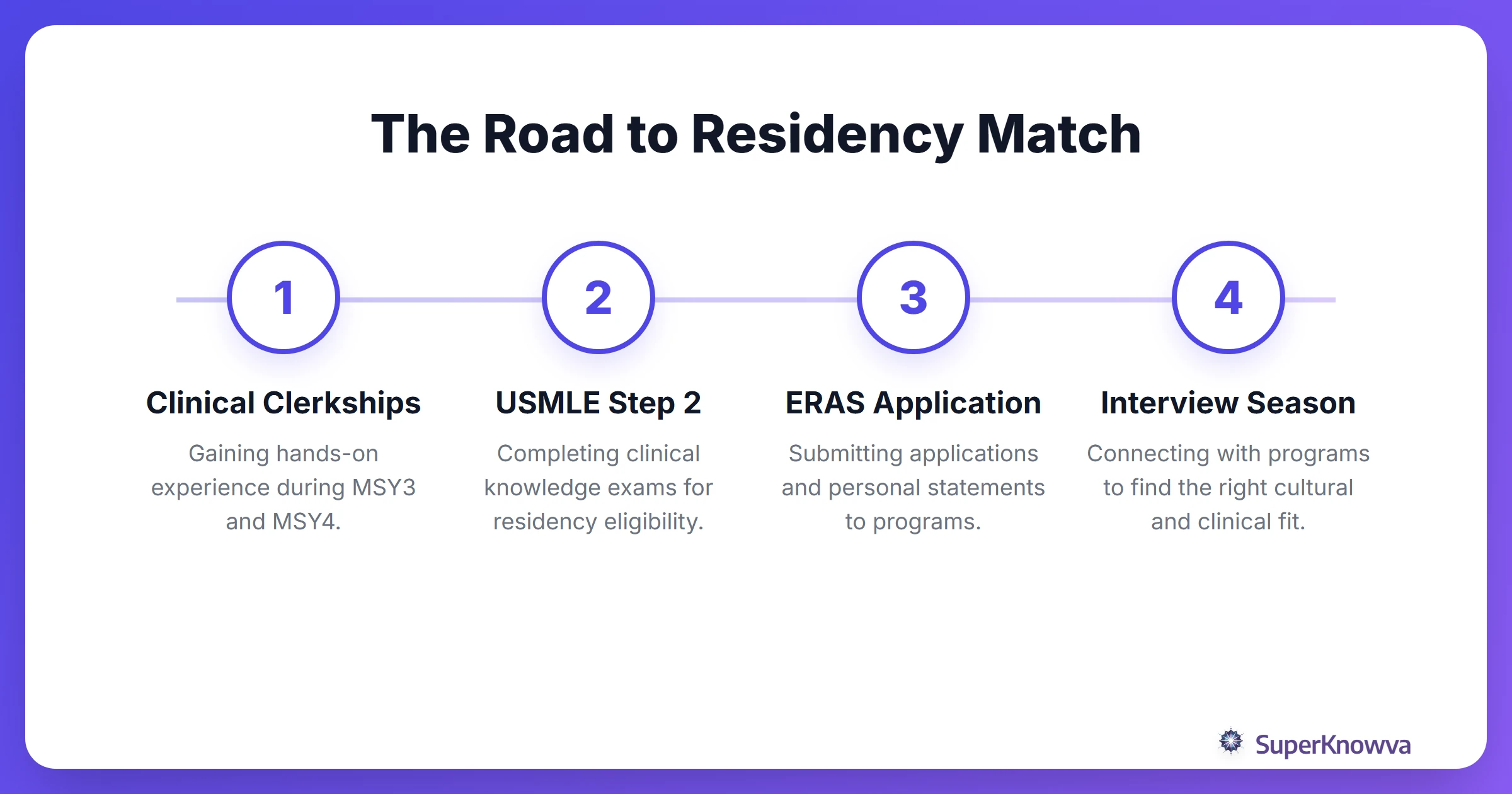
New doctors are changing where they choose to practice. The private practice model is losing ground to large teaching hospitals because they offer more resources and a wider variety of cases. When preparing applications, your personal narrative is your strongest asset. Whether you are aiming for a surgical residency or a technical specialty, check out our Resume Building Guide for 2026 Graduates to help your story stand out. If you are still weighing your options, the AAMC: What Can I Do With My Degree? provides a breakdown of traditional medical disciplines.
The Physician-Scientist: From Bench to Bedside
Are you the student who spends more time reading the "Methods" section of a paper than the "Conclusion"? If the why matters to you as much as the how, you might belong in the lab. Physician-scientists are the essential bridge between raw data and real-world healing.
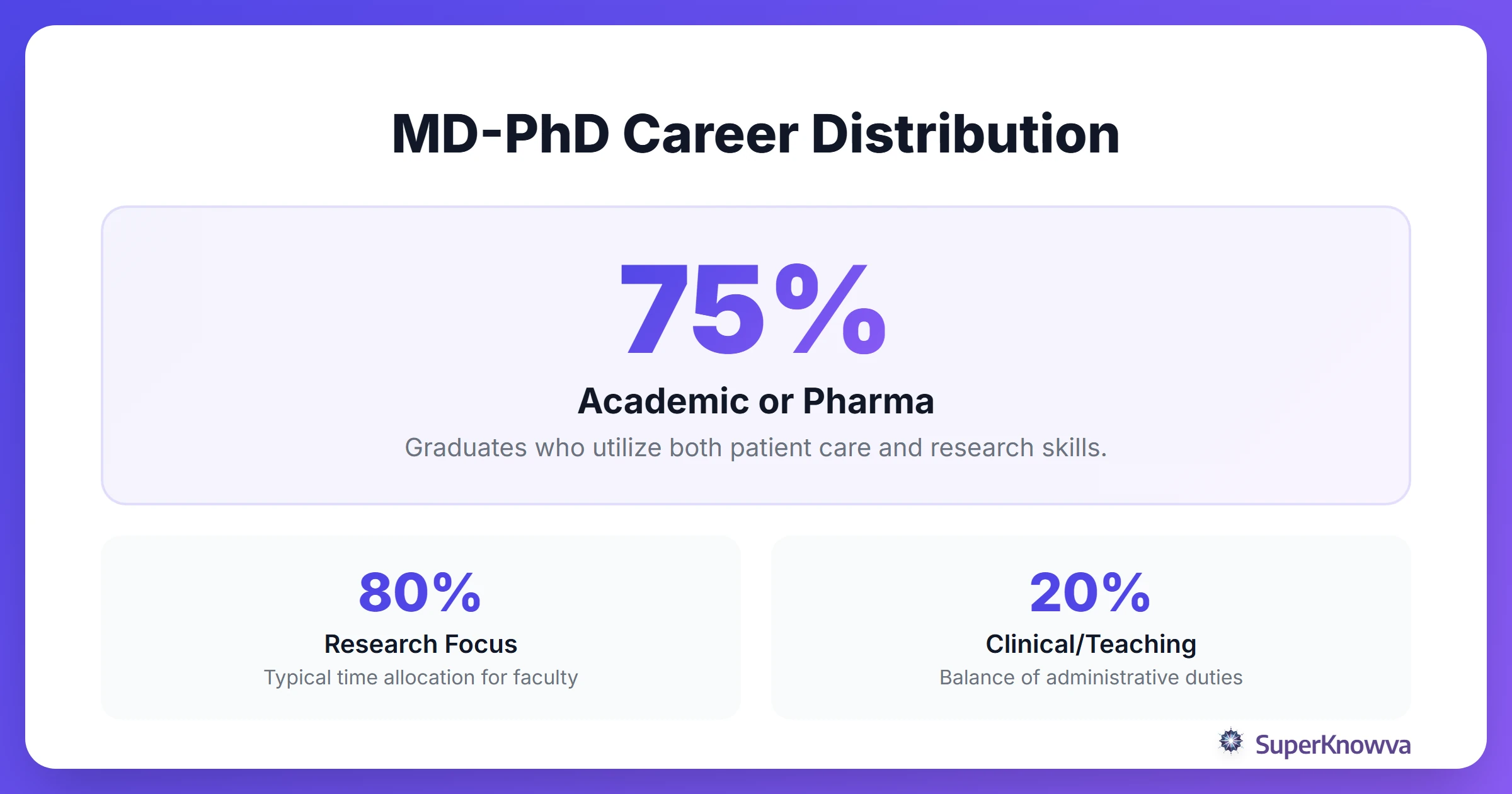
Most physician scientist jobs live within academic medical centers. It’s a unique lifestyle, often a 70/30 split between research and clinical time. You get to focus on clinical trials while still keeping one foot in patient care. According to the AAMC, the majority of dual-degree holders find their home in academia. If this is your goal, start hunting for mentors now. Getting your name on a peer-reviewed publication early is the best way to prove you’re ready for the rigors of research.
The AI Frontier and Digital Health
We aren't just using technology anymore; we're living inside it. The explosion of roles for MDs in healthtech and AI is nothing short of a revolution. Companies are desperate for doctors who can help design clinical informatics systems or build EHRs that don't actually make clinicians want to quit.
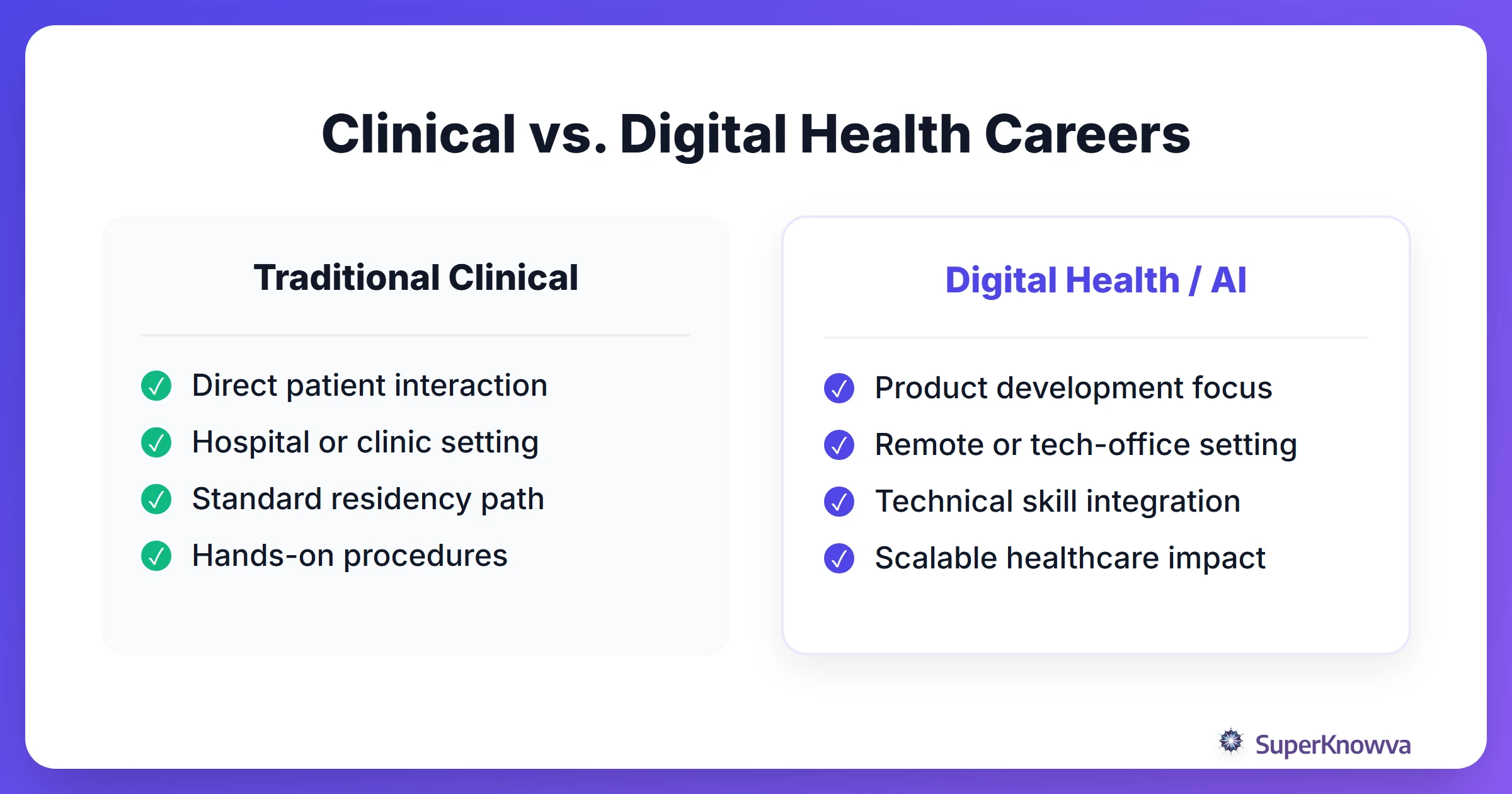
Digital health careers for MDs are no longer "alternative" paths; they are mainstream. From telemedicine to remote monitoring, the way we treat patients is becoming decentralized. This is why future-proofing your degree against automation is necessary. You don't need to be a computer scientist, but you do need technical literacy. In 2026, being "good with tech" is a core clinical competency.
Pharma and Biotech: Thinking at Scale
If the 15-minute patient slot feels too small for your ambitions, consider the pharmaceutical and biotech sectors. Here, MDs aren't just treating individuals; they’re influencing the health of millions. You’ll find doctors leading drug development, designing complex clinical trials, and heading up medical affairs.
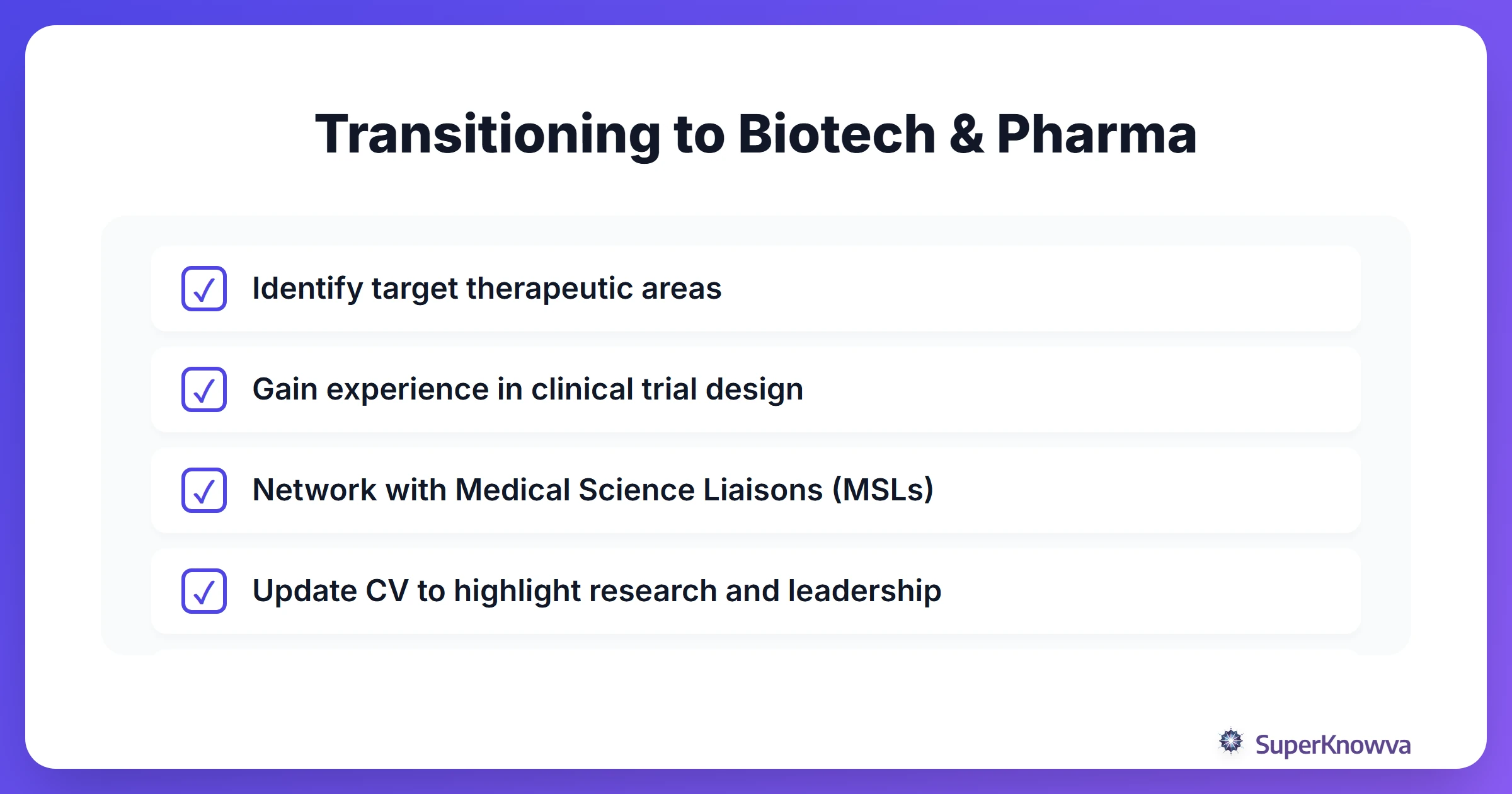
Many graduates find their niche in non-clinical medical careers like regulatory affairs or pharmacovigilance. It’s a shift in mindset. You’re trading immediate clinical feedback for long-term product lifecycles and population-level health. It’s a corporate environment, sure, but the impact is massive.
The Boardroom: Administration and Consulting
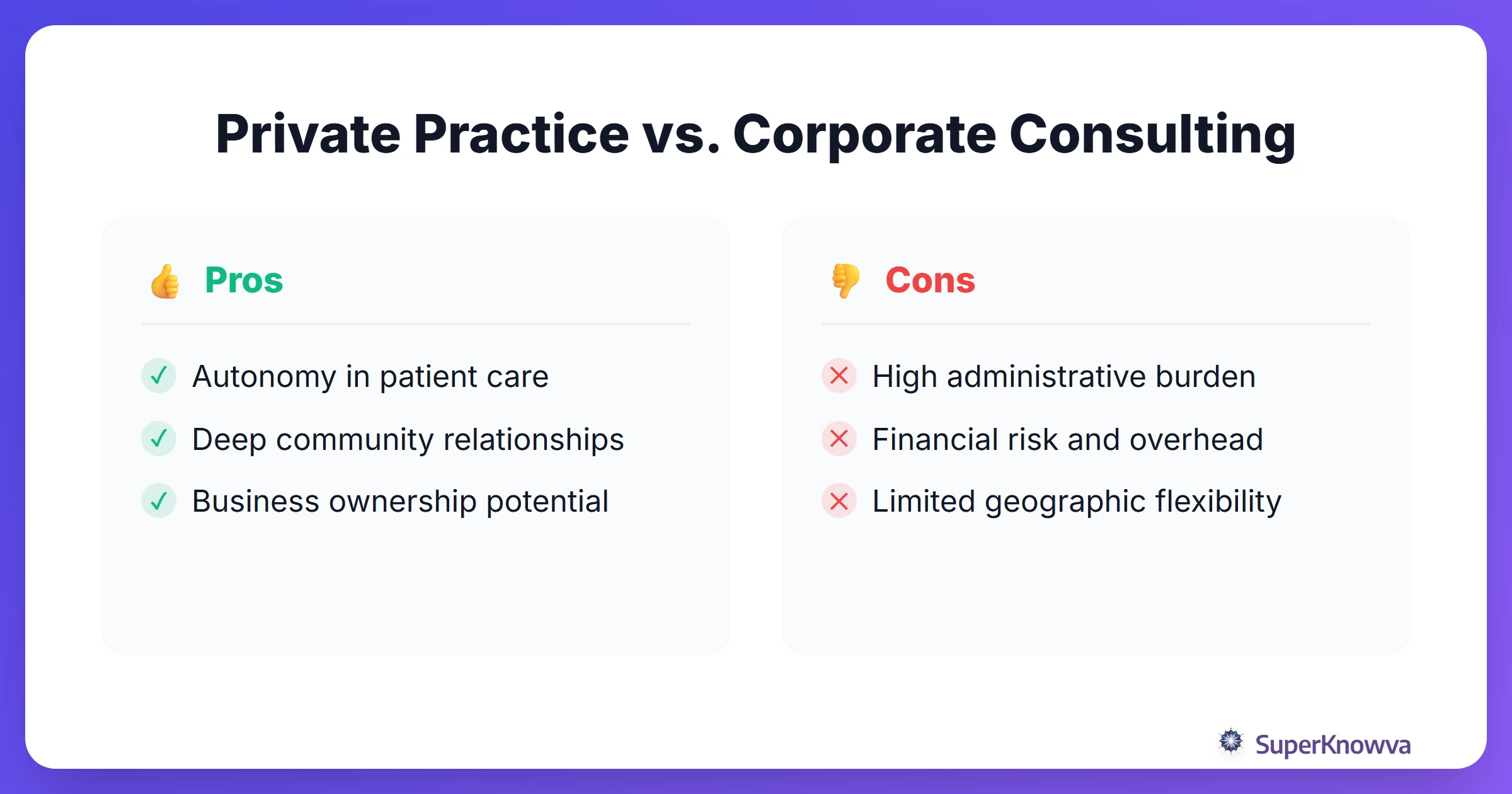
Ever looked at a hospital’s workflow and thought, I could fix this? Healthcare administration and medical consulting might be your calling. MDs are increasingly moving into Chief Medical Officer (CMO) roles where they can influence policy and operational efficiency from the top down.
Then there’s the world of healthcare consulting for doctors. Firms like McKinsey and BCG are always on the hunt for medical graduates who can solve problems on a macro scale. Even venture capital firms need MDs to tell them if a new medical startup is actually viable. It’s a fascinating intersection of law, business, and medicine.
Making the Move: Skills That Matter
No matter which door you choose to walk through, the transition from student to professional is a culture shock. In 2026, your "hard skills" are a given. To truly stand out, you need to master soft skills in the AI era. Empathy, leadership, and high-level communication are the things AI can’t touch.
Finally, don't try to do this alone. The "lonely doctor" trope is dead. Success in 2026 depends on your network. Follow our networking guide for students to start building those connections now. Use LinkedIn, join specialized societies, and start defining your personal brand before you even graduate.
Your medical degree is a versatile foundation. It’s up to you to decide which path to take. Whether you’re at the bedside or in the boardroom, you’re ready to lead.