Graduation is approaching. For the Class of 2026, that realization usually hits right about now, somewhere between finals and your morning coffee. The transition from campus life to the corporate world is challenging, and while your GPA is good, it is rarely the first thing a recruiter sees.
Your digital presence is your new first impression. Let’s be real: mastering linkedin optimization for new graduates isn't a "nice-to-have" anymore. It's the difference between your profile gathering digital dust and actually landing you an interview.
In this guide, we’re moving past the basics. We’ll show you exactly how to flip your profile from a static resume into a high-performance career magnet.
The Visual First Impression: Your Digital Handshake
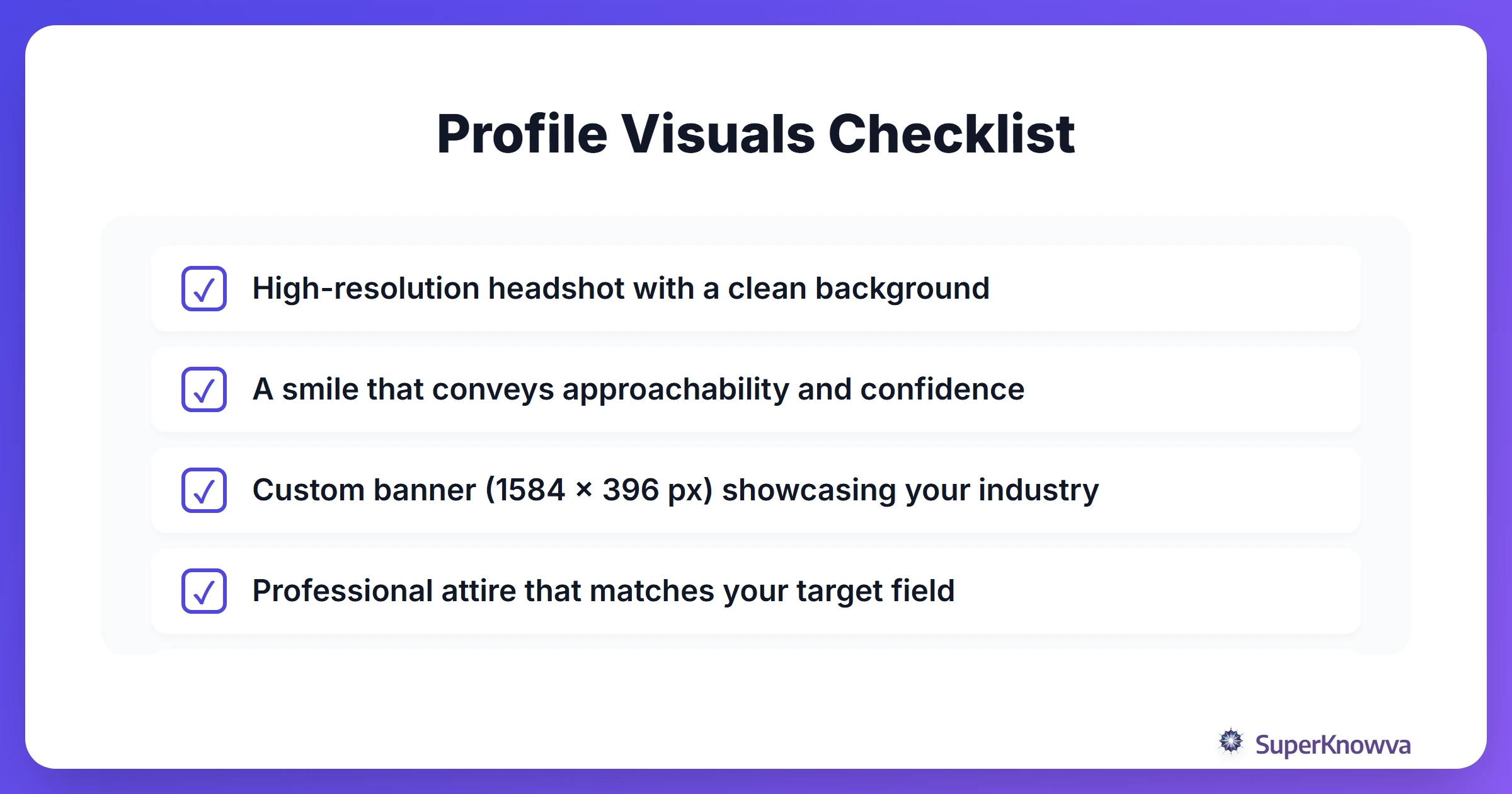
Before a recruiter reads a single word about your internships, they see your face. A professional appearance is essential. Start with a high-quality headshot. You do not need a $500 studio session; a modern smartphone and natural light are sufficient. Keep the image professional. Research shows a friendly, approachable smile usually outperforms a serious expression for entry-level roles. It makes you appear coachable.
Your banner is a key part of your profile. Most people use the default LinkedIn background, but you can use this space to highlight your brand. Choose a custom image that reflects your field, such as a clean workspace, a tech-inspired graphic, or a shot of you presenting at a university symposium.
Finally, check your settings. Ensure your profile is "Public" so you actually show up in Google searches, and customize your URL (like linkedin.com/in/yourname) to keep your resume looking sharp. And that "Open to Work" frame? Some people think it looks "desperate," but for new grads, the consensus is clear: it’s a green light for recruiters to reach out immediately. Use it.
The Headline Hook: Stop Being Just a "Student"
Your headline is the most important SEO field on your page. When recruiters use LinkedIn’s search tools, the algorithm looks at your headline first. Most students make the mistake of just putting "Student at State University." That tells a recruiter what you are, but not what you can do.
As seen in discussions on entry-level headlines across the web, specificity wins every time.
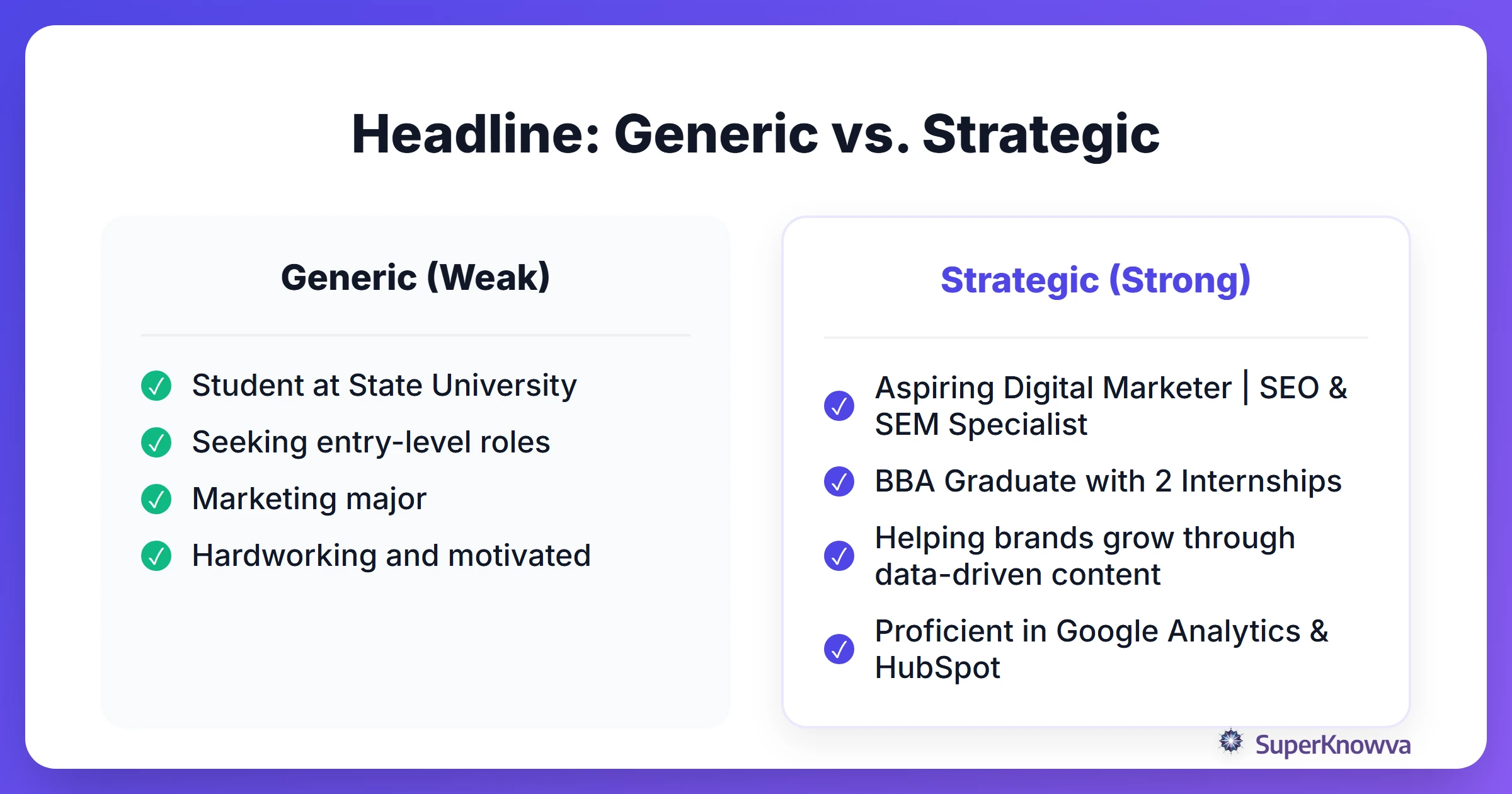
To stand out, try this formula: [Target Role] | [Key Skill/Specialization] | [Value Proposition].
For example: Aspiring Data Analyst | Python & Tableau | Transforming Complex Data into Actionable Business Insights. Using words like "Aspiring" or "Entry-level" is perfectly fine. It helps recruiters filter for the right roles without making you look like an amateur.
Crafting an "About" Section That Actually Gets Read
Your "About" section is where you tell your story. This is your chance to explain your "why." Why did you pick your major? What kind of problems do you actually care about solving?
But remember: LinkedIn cuts off your text after a few lines. You have to grab their attention in the first three sentences before they have to click "See More." Optimizing your LinkedIn is a massive part of building an online presence before graduation to ensure your digital footprint is professional and engaging.
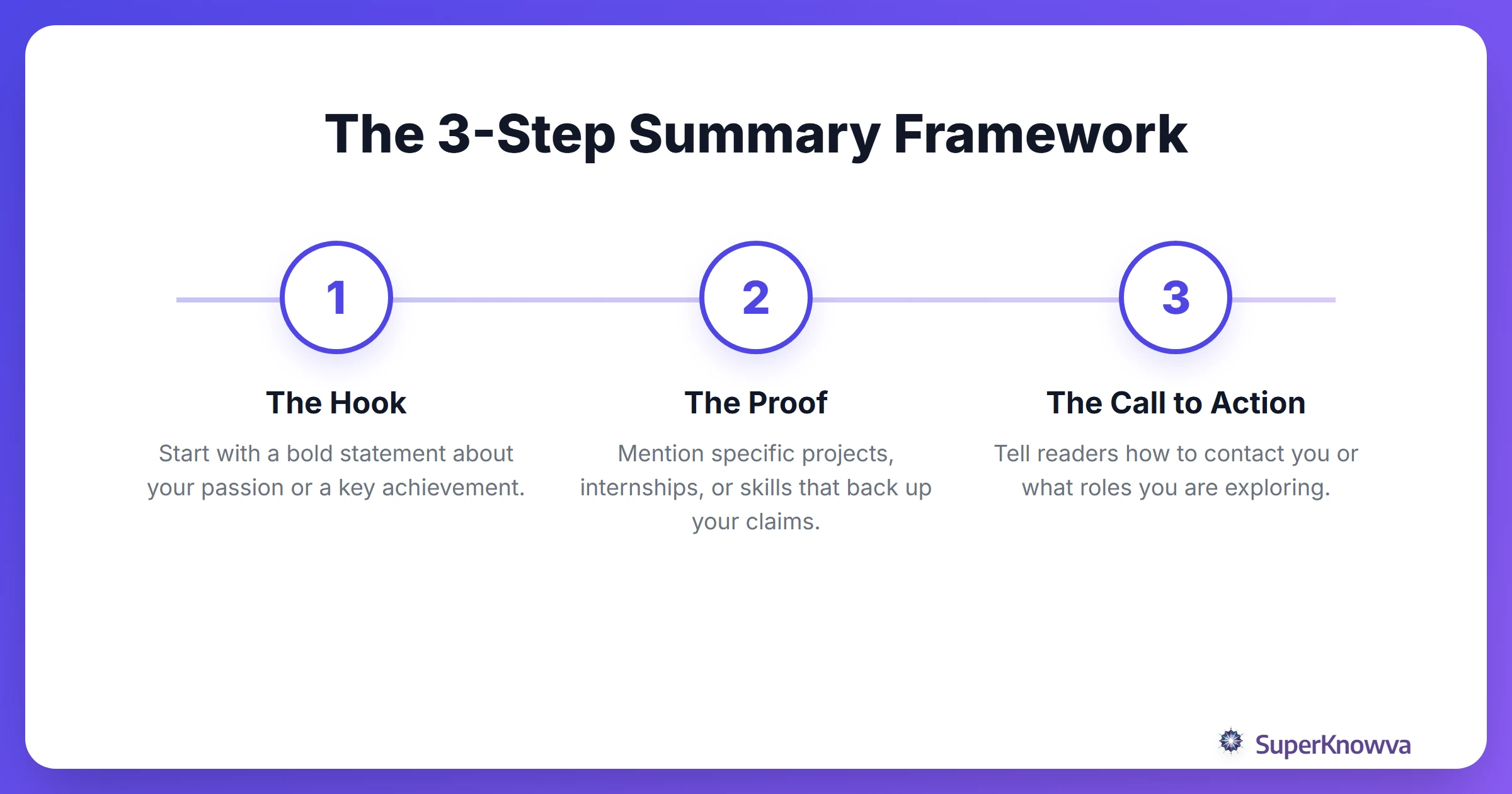
Don't just leave them hanging at the end. Wrap it up with a Call to Action (CTA). Tell recruiters you’re open to connecting or mention that you’re looking for opportunities in specific cities or industries.
No "Real" Experience? No Problem.
Staring at a blank "Experience" section can feel like a nightmare. You’re thinking, "I’ve spent four years in a library, not a boardroom. What do I even put here?"
LinkedIn has specific sections to help bridge this gap. Use the "Projects" section to show off your academic wins. If you built an app for a class or ran a market research study, list it. Describe the tools you used and the results you got.
Frame your volunteer work and campus leadership roles (like being a club treasurer or a resident assistant) as professional experience. These roles prove you have "soft skills" like time management and leadership, qualities every manager wants to see.
And don't forget the Education section. Add relevant coursework and honors to show your specialized knowledge. You can even attach media like PDFs or videos to create a digital portfolio. Once your profile is locked in, make sure your CV matches the energy by checking out our Resume Building Guide for 2026 Graduates.
Skills and Endorsements: The Algorithmic Secret Sauce
The "Skills" section is the engine of LinkedIn’s search algorithm. Industry experts suggest that LinkedIn optimization tips for students should focus heavily on this area to stay competitive.
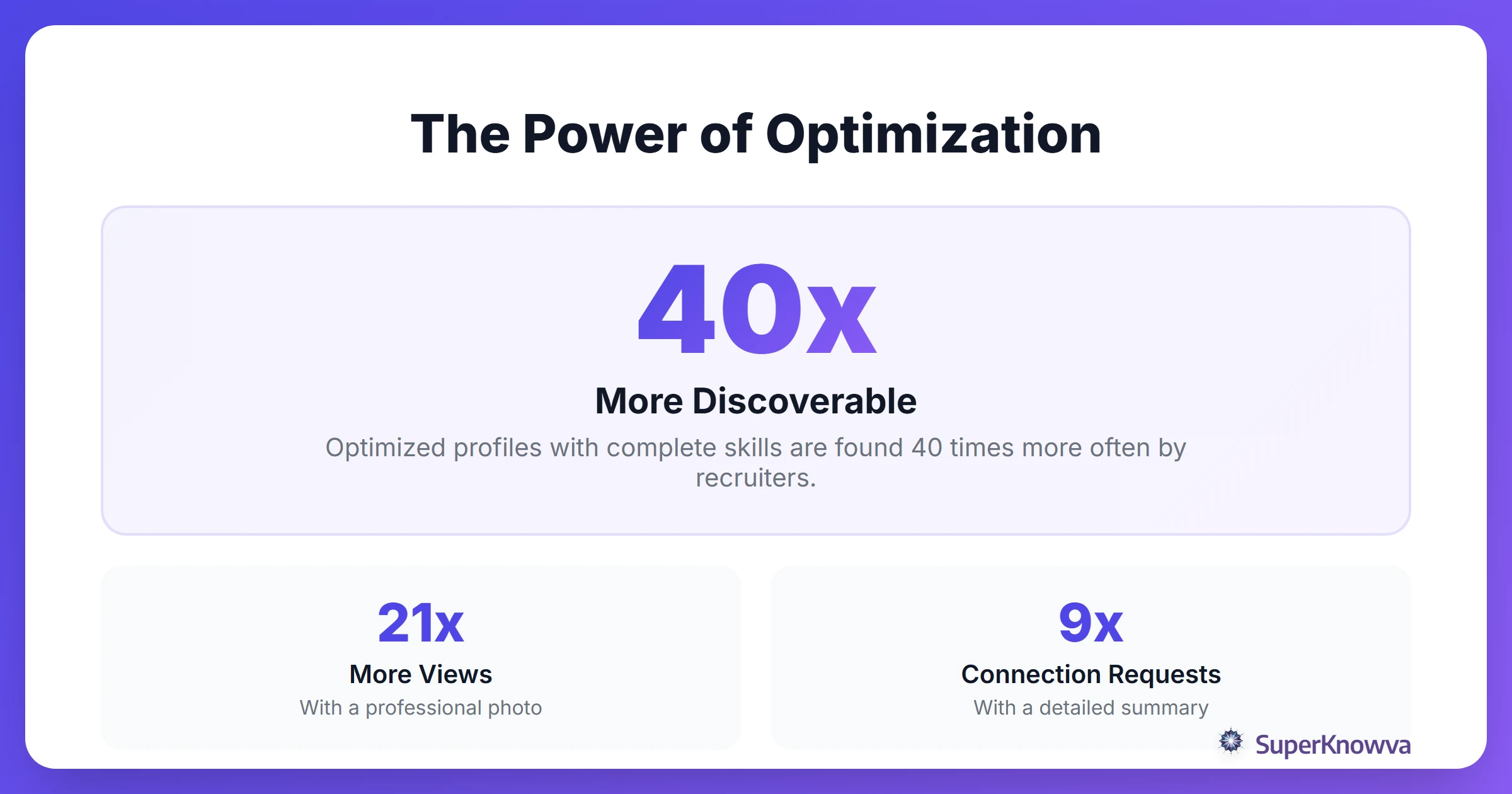
Pick your top three skills and pin them to the top. You want a healthy mix:
- Hard Skills: Things like Python, SEO, Financial Modeling, or Adobe Creative Suite.
- Soft Skills: Public Speaking, Project Management, or Bilingual Communication.
To strengthen your profile, ask professors, internship supervisors, or peers to endorse you. Offer to do the same for them. This reciprocal approach is effective. You can also take LinkedIn Skill Assessments to earn verified badges and gain credibility with the algorithm.
Strategic Networking: Don’t Be a Bot
Having a pretty profile is only half the battle. You have to be active. When you reach out to someone, never send a blank connection request. It’s the digital equivalent of walking up to someone at a party and just staring at them.
Write a quick, personal note. Mention a shared interest, a post they wrote, or the fact that you both went to the same university.
Engaging with content is another "low-effort, high-reward" move. Leaving a thoughtful comment on an industry leader's post makes you visible to their entire network. Also, join Alumni Groups. Alumni are usually the most willing to help new grads break into the "hidden" job market.
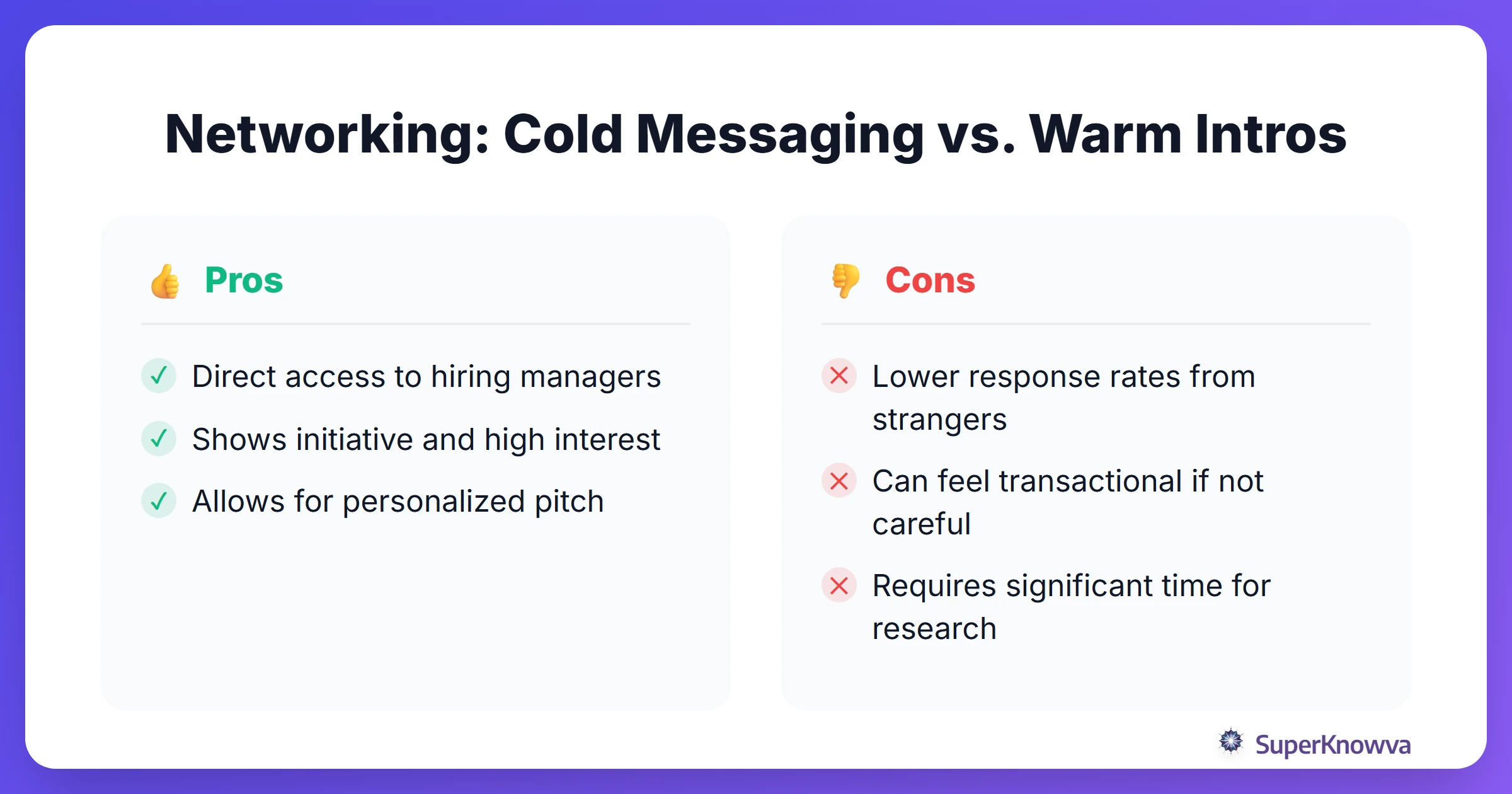
Try asking for Informational Interviews. These are just 15-minute chats where you ask for advice, not a job. It’s a low-pressure way to build a relationship that could lead to a referral later. For templates on how to reach out, see our student's guide to building professional connections.
Conclusion
The Class of 2026 is entering a market that values resilience and technical skills. By following these LinkedIn optimization steps, you are doing more than fixing a profile; you are building a professional foundation. Start today by updating your headline. By graduation, you will be better positioned to find the right career opportunities.