It’s July. While everyone else is planning beach trips and summer BBQs, you’re likely reviewing a large volume of study material and wondering if you’ve actually retained it. The heat is on, and not just because of the weather. With the August exam window approaching, the next four to six weeks are critical. This is where you decide if you’ll see a "Pass" or a "Fail" on results day.
If you’ve been coasting through the curriculum, it’s time to snap out of it. Preparing for the CFA August exam isn’t about how many pages you can flip; it’s about precision. You need to stop guessing and start identifying your CFA knowledge gaps with surgical accuracy.
In this guide, we’ll break down how to put AI study tools to work so you can stop spinning your wheels and start building real confidence for exam day.
The July Squeeze: Why "Reviewing" Isn't "Cramming"
The final 4 to 6 weeks are often called the "Review Phase," but many candidates treat it like a desperate "Cram Phase." There is a clear distinction between the two. Passive reading, such as highlighting notes and re-reading chapters until your eyes glaze over, is the fastest way to fail. It feels like work, but it does not build the skills needed to solve complex problems when the clock is ticking.
Success in August requires a shift in mindset. You need a rigorous July schedule that treats study sessions like high-intensity interval training. Move away from the "I'll study when I have time" trap. Build a daily routine that prioritizes active engagement. If you aren't struggling with a problem, you aren't learning.
Identifying Your Knowledge Gaps with AI Diagnostics
The volume of Level 1 is enough to make anyone’s head spin. It’s easy to get overwhelmed and tell yourself, "I’m just bad at Fixed Income." But that’s not a plan. That’s a white flag. To improve, you need to know exactly which Learning Outcome Statement (LOS) is the problem.
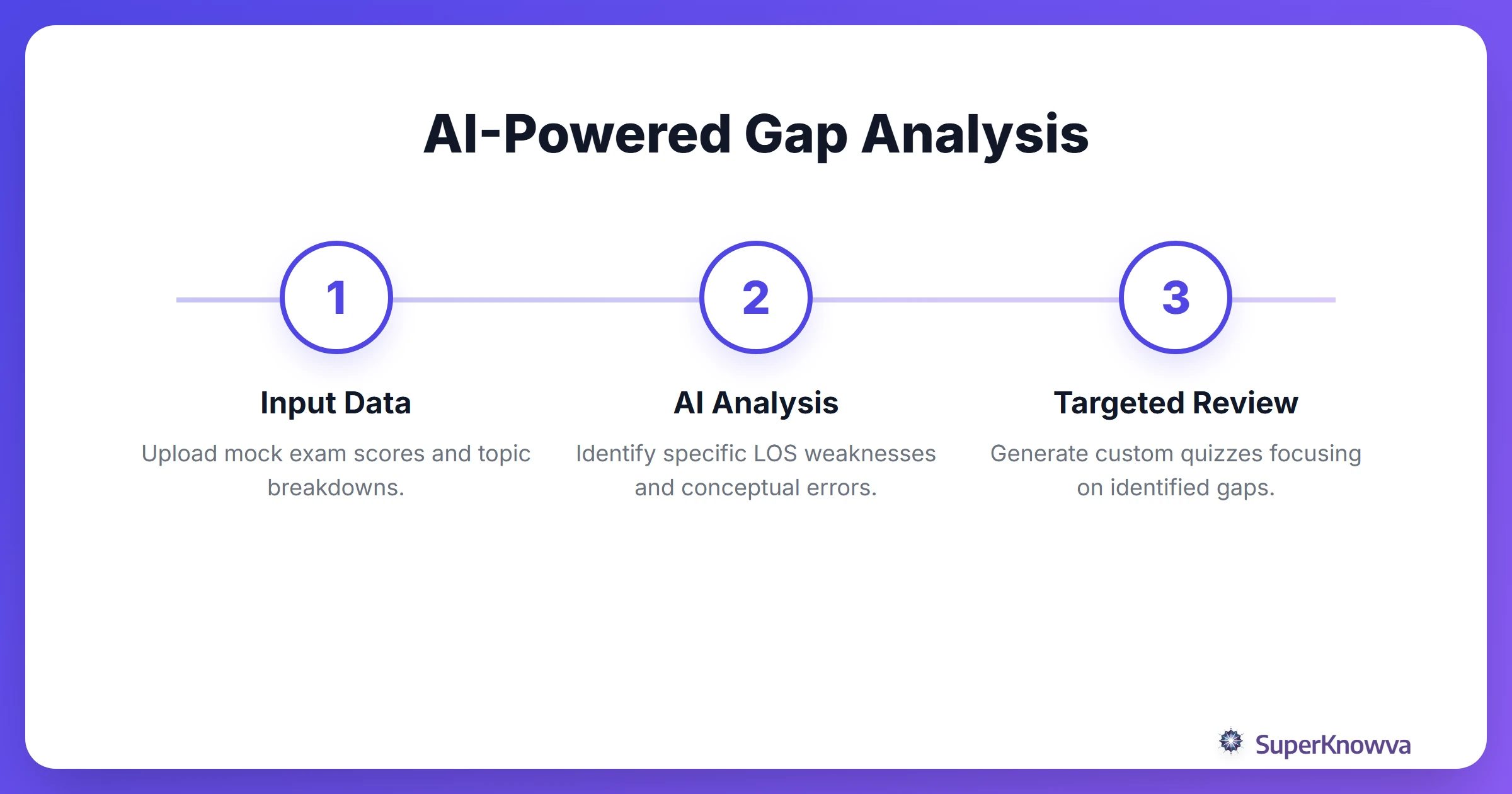
By using AI-powered question banks, you can move beyond generic scores to find specific gaps. AI diagnostics can pinpoint that you aren't struggling with all of Fixed Income; you are specifically struggling with duration and convexity. This allows you to stop reviewing material you already know and prioritize high-weight topics like Financial Statement Analysis (FSA) and Ethics. Focus your study time on the areas that need the most improvement.
Mastering the 'Confusing Wording' of Ethics
If you spend five minutes on the CFA Reddit community, you’ll see the same complaint: Ethics is a minefield. The questions feel subjective, and the CFAI phrasing is notorious for leading well-prepared candidates right into a trap.
CFA Ethics review isn't about memorizing a list of "thou shalt nots." It’s about the "vignette," the story behind the question. AI tools simulate tricky phrasing and provide personalized feedback that explains the logic, not just the rule.
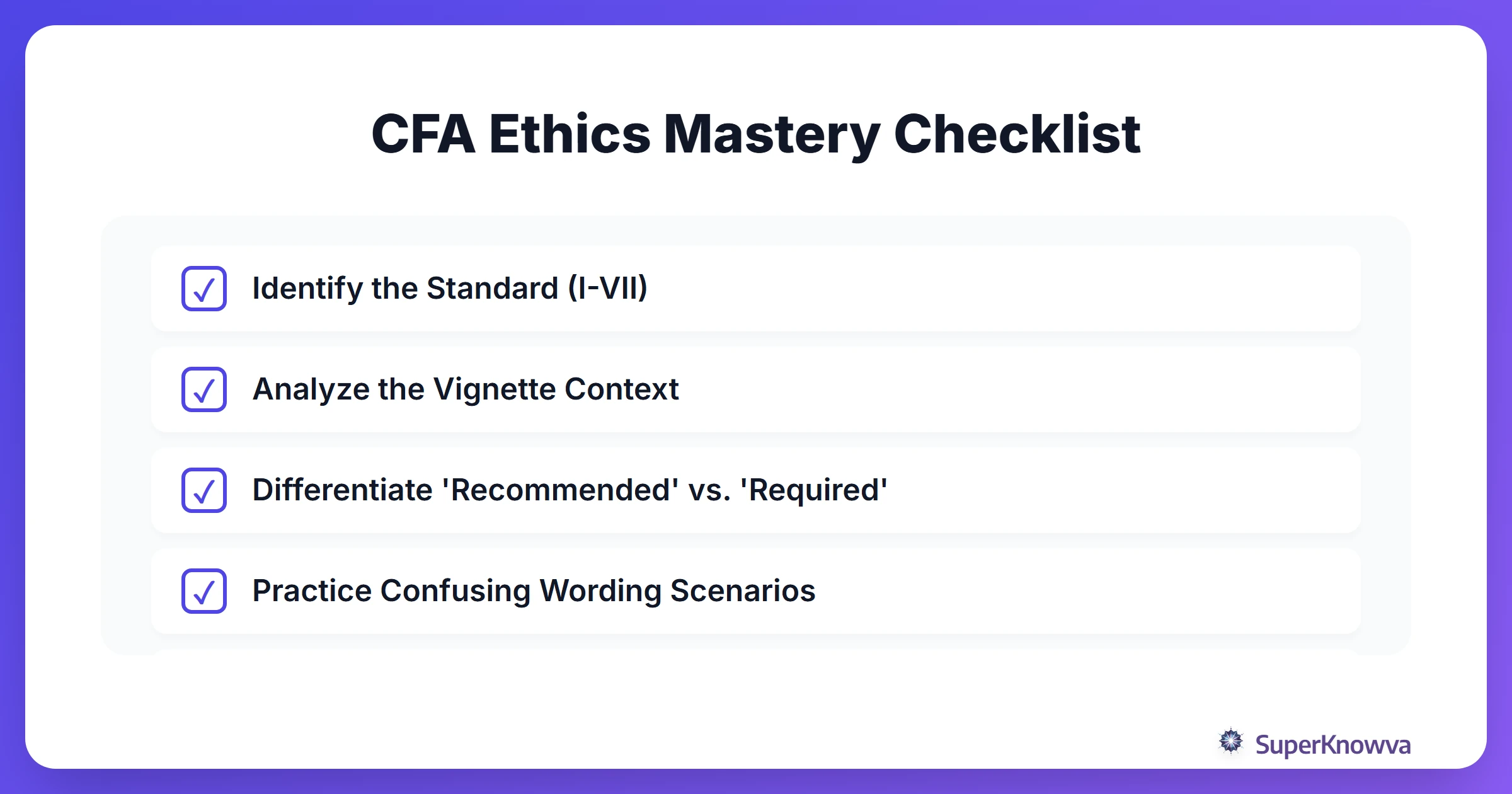
When you’re working through Ethics, keep an eye out for "recommended" vs. "required" actions. AI-driven simulations train your brain to spot these linguistic pivots before they cost you points on the actual exam.
Beyond 300 Hours: Quality Over Quantity
We’ve all heard of the "300-hour rule." It’s a staple of CFA lore, but in the era of computer-based testing (CBT), it’s becoming an outdated metric. We’ve seen candidates put in 1,000 hours and still fail because they spent that time on passive reading rather than active recall.
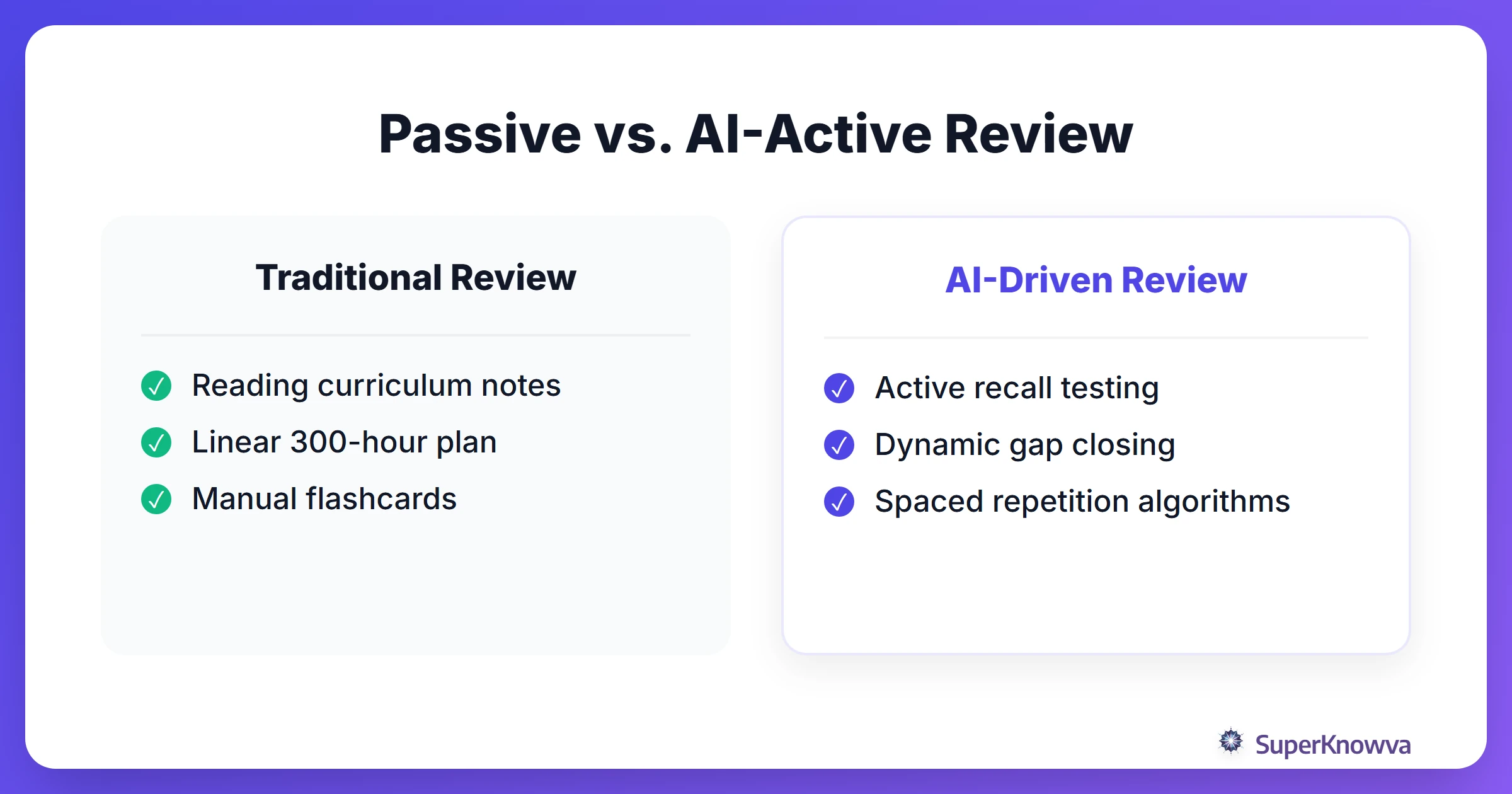
Leveraging AI allows you to maximize the "utility" of every hour. Instead of spending two hours drowning in a 50-page chapter, spend 30 minutes on an AI-generated quiz that forces you to pull information from your memory. This is called "desirable difficulty." It’s uncomfortable, it’s tiring, but it’s the only way to cement concepts into your long-term memory.
Simulating the Exam: AI-Powered Mock Analysis
By August, mock exams are essential for your preparation. Whether you use free or paid resources, they test your stamina and identify your limits.
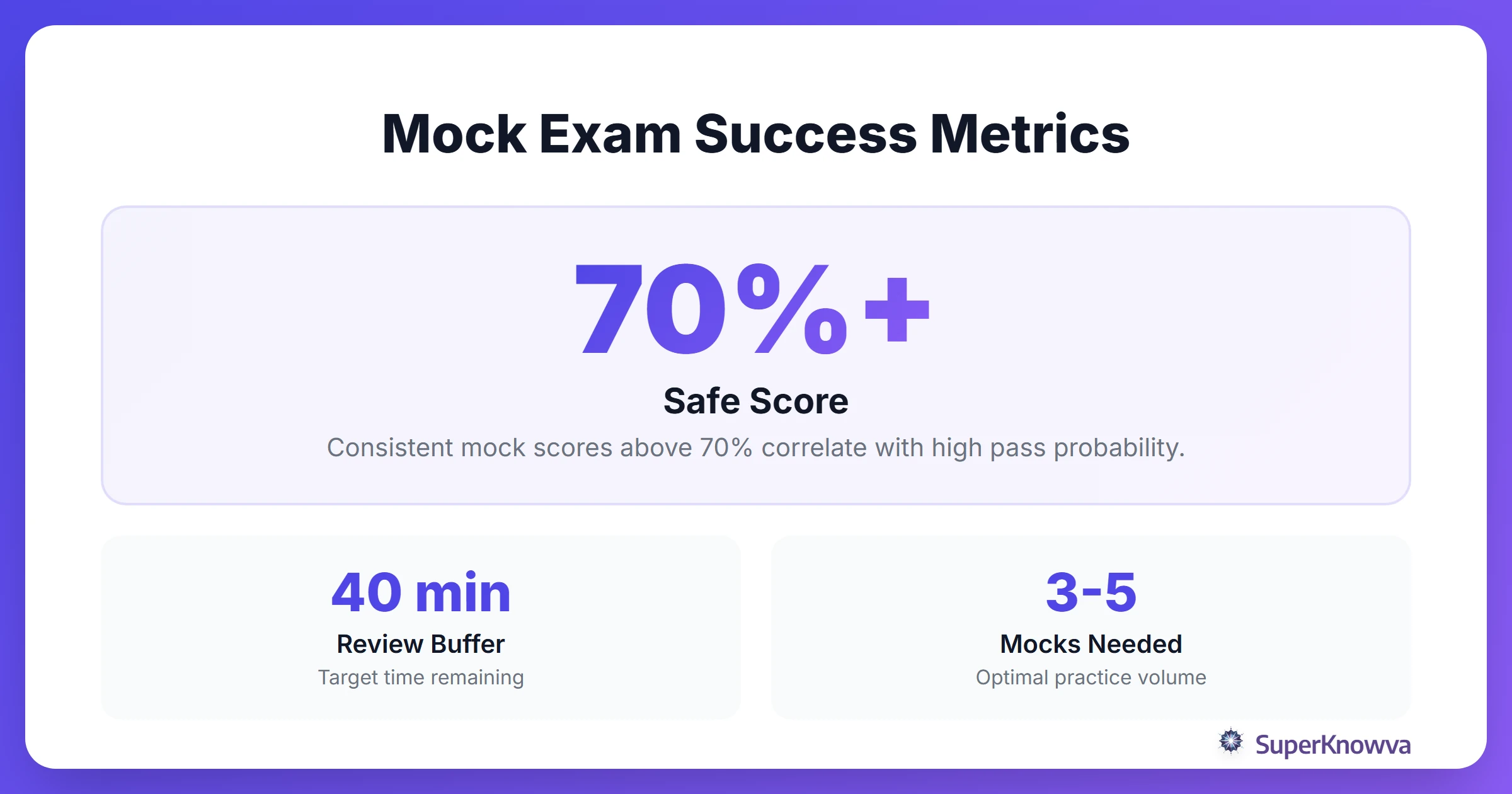
Successful candidates focus on how they review their mocks rather than the score itself. Don’t just look at the percentage. Use AI to explain exactly why the "wrong" answer was tempting and why the "right" one was correct. Aim for a "40-minute review cushion" to finish the exam with enough time to revisit flagged questions without the panic of the countdown timer.
High-Yield Topics: Where to Focus Your Energy
When time is your scarcest resource, you have to play the percentages. A smart review of CFA Level I material should always prioritize the heavy hitters:
- Financial Statement Analysis (FSA): This is the engine of the morning session. If you don't master revenue recognition and lease accounting, you're leaving easy points on the table.
- Quantitative Methods: Move beyond the formulas. Use AI tutors to turn complex calculations into a conceptual understanding of probability and TVM.
- Fixed Income and Derivatives: Often the most intimidating. AI can help break these complex calculations down into manageable, step-by-step logic.
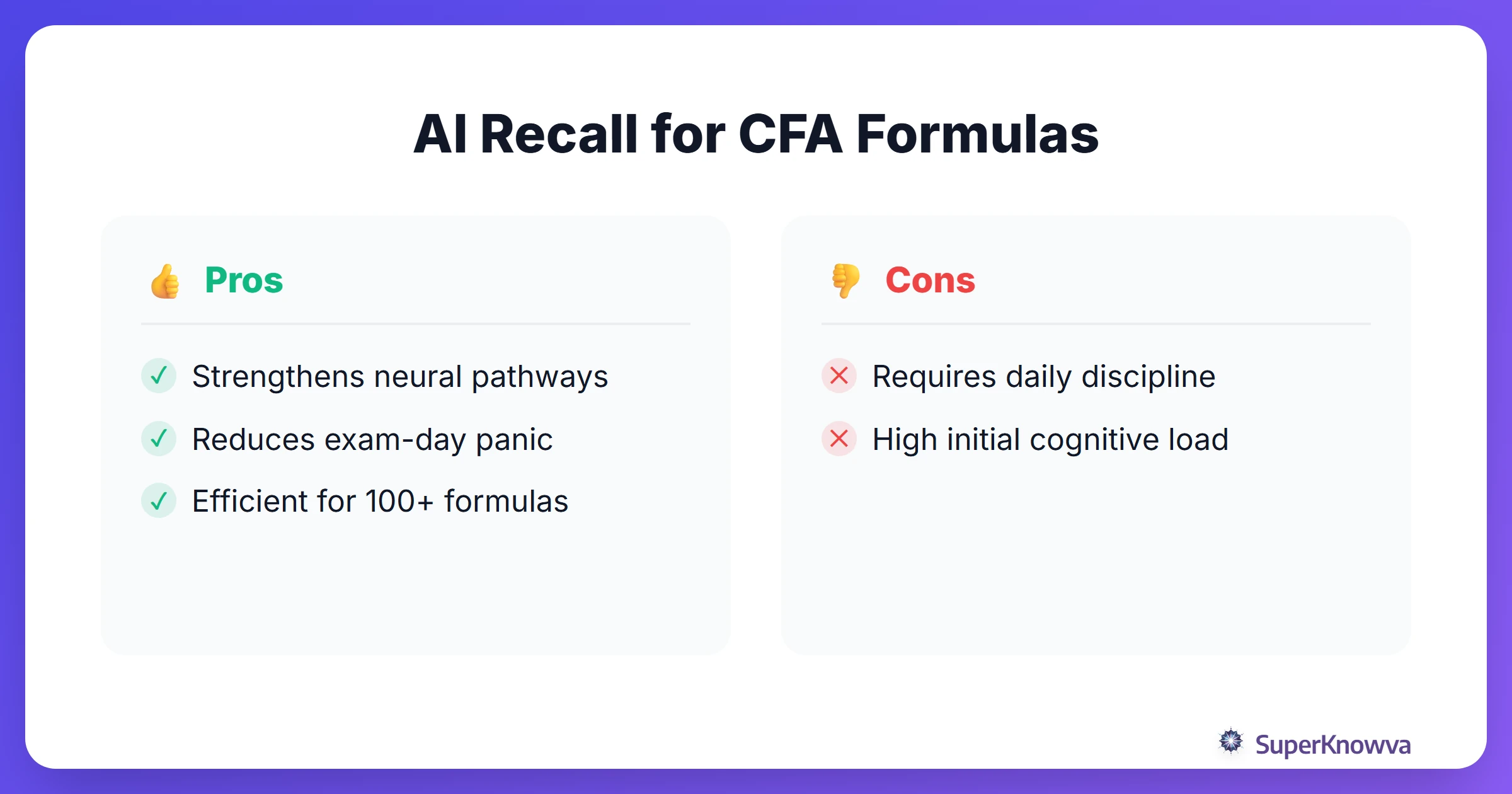
The Final Countdown: Building Mental Stamina
The final two weeks aren't about learning new material; they’re about psychology. Managing test anxiety is just as important as knowing the Dividend Discount Model. You need to transition from "Cram Mode" to "Game Day Mode."
Get familiar with the CBT interface and the logistics of your testing center. The goal is to eliminate every possible stressor so that when you sit down, the only thing you’re thinking about is the content.
By using AI to bridge your knowledge gaps throughout July, you are working more efficiently. Stay disciplined, trust your data, and finish this summer review strong. Success in August is within reach.