It’s July. The sun is out, the temperature is rising, and for students, mid-year exam pressure is reaching its peak. But while you try to focus on your notes, your phone sits nearby, buzzing with notifications and tempting you with a quick scroll that often turns into an hour of lost time.
If you feel like your attention span has been shredded just when you need it most, you aren't alone. It isn't a lack of willpower; it’s a digital design problem. To survive this season, a digital detox for focus might be the smartest move you make for your grades.
Let’s talk about how to reclaim your brain and turn your smartphone back into a tool, rather than a master.
The July Focus Crisis: Why Your Brain is Fried
Late July is a strange time to be a student. You are stuck in a focus crisis, trying to memorize complex theories while your social feed is filled with summer vacations and beach trips.
This creates what psychologists call attention residue. Think of it like this: every time you check a text or a notification, a part of your mind stays stuck on that message even after you look away. You return to your textbook, but you aren't really there. This makes "Deep Work" impossible. If you’re reaching for your phone every time a paragraph gets difficult, you might be seeing early signs of student burnout.
A digital detox isn’t about living like a monk or throwing your phone in a lake. It’s about cognitive recovery. It’s giving your brain the breathing room it needs to actually process information.
The Science of the Scroll: Dopamine vs. Your Grades
Ever wonder why it’s so hard to just stop? Most apps are built like slot machines. Every like, comment, or video loop triggers a hit of dopamine, the brain’s "reward" chemical. It feels good for a second, but it leaves you craving more, creating a loop that fragments your focus.
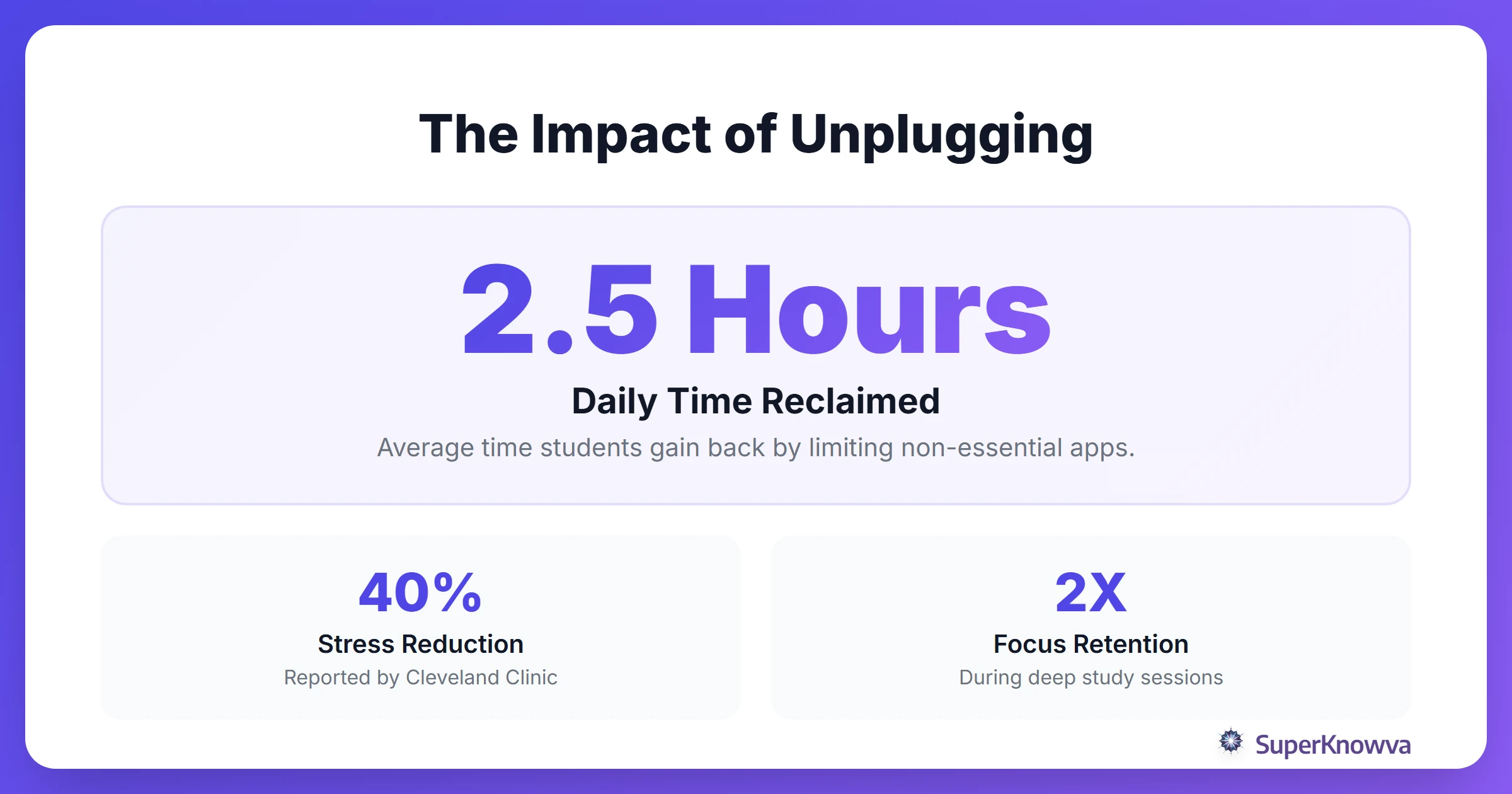
The cost of this constant stimulation is higher than you think. High screen time is linked to increased cortisol (your body’s stress hormone). According to the Cleveland Clinic: Mental Health Benefits of Digital Detox, stepping away from the screen does more than just save time. It lowers anxiety and drastically improves sleep quality. And let's be real: you aren't passing that exam on four hours of "scrolling sleep."
Designing Your Detox: Two Ways to Reset
You don't have to go cold turkey to see results. Depending on how close you are to your deadlines, pick the strategy that feels doable:
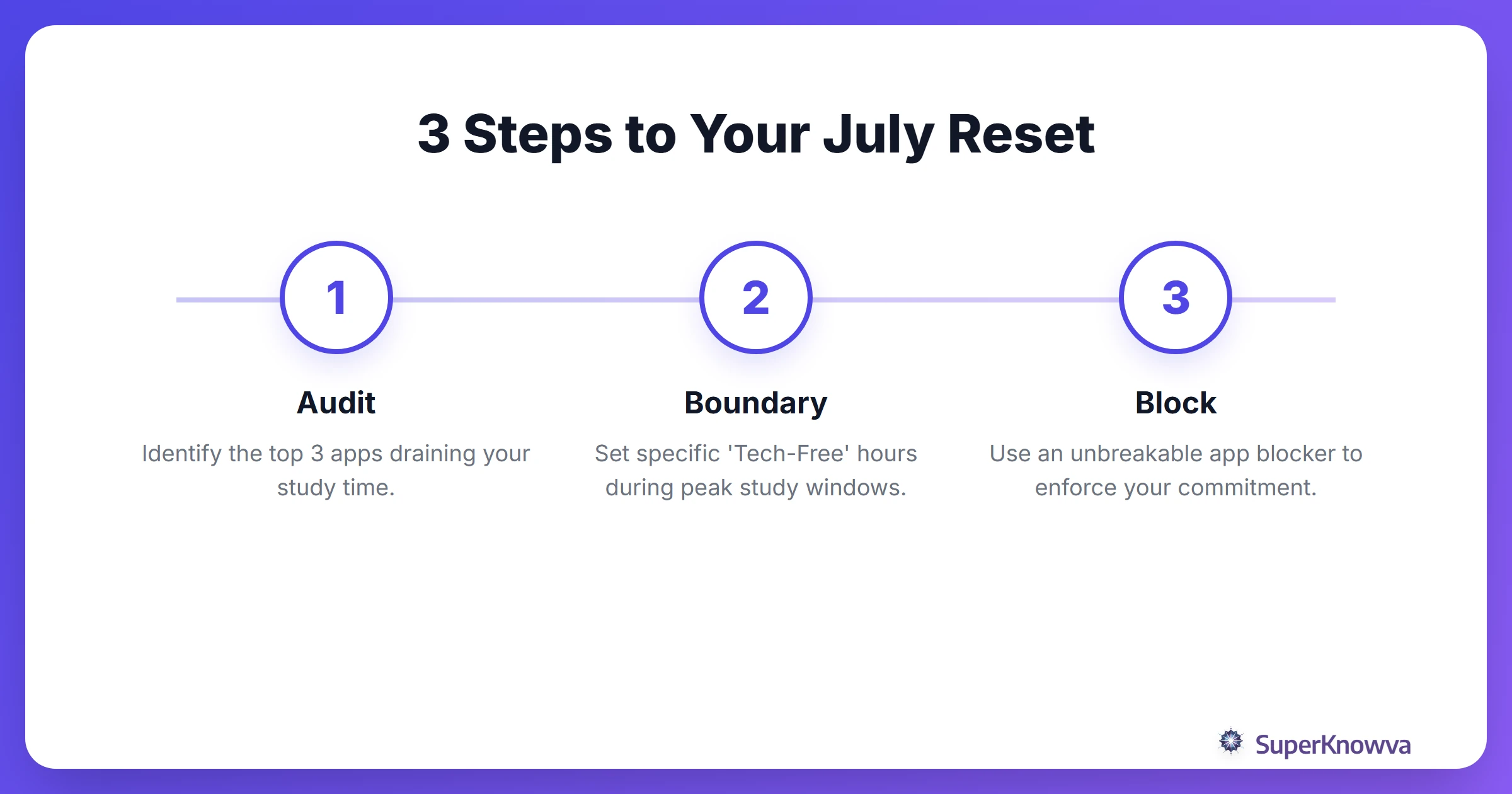
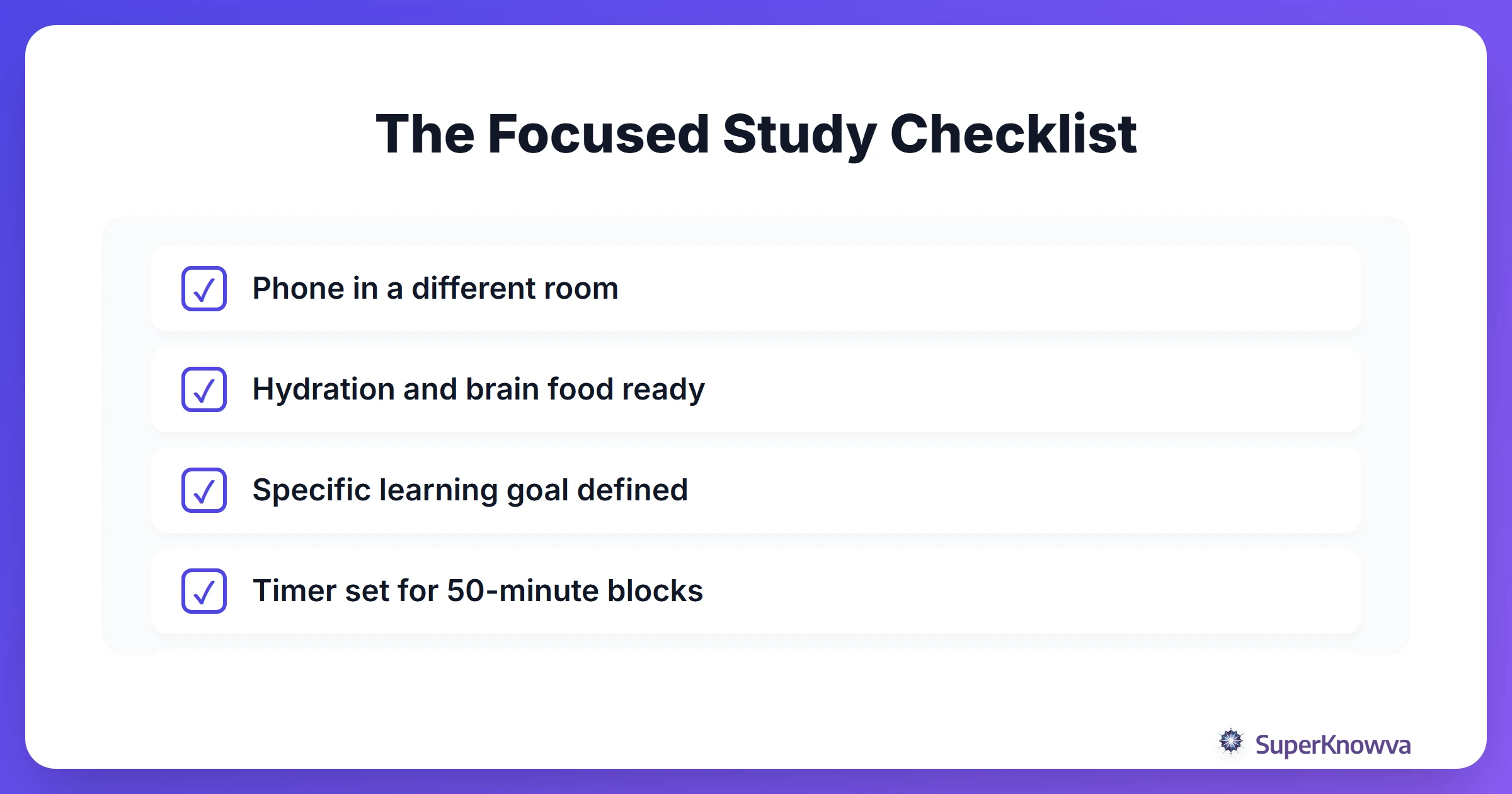
- The Light Reset: Create "No-Phone Zones." Your desk and your bed are tech-free areas. Set specific hours, like 9 AM to 12 PM, where the phone stays in another room.
- The Deep Reset: If your biggest exam is days away, disconnect. Delete the most addictive apps for the week. You can reinstall them later; they are not going anywhere.
The trick to making this stick? Tell your friends. Let them know you’re going into "exam mode" and won't be replying instantly. Most of them will probably be jealous of your discipline.
Tools to Help You Fight Back
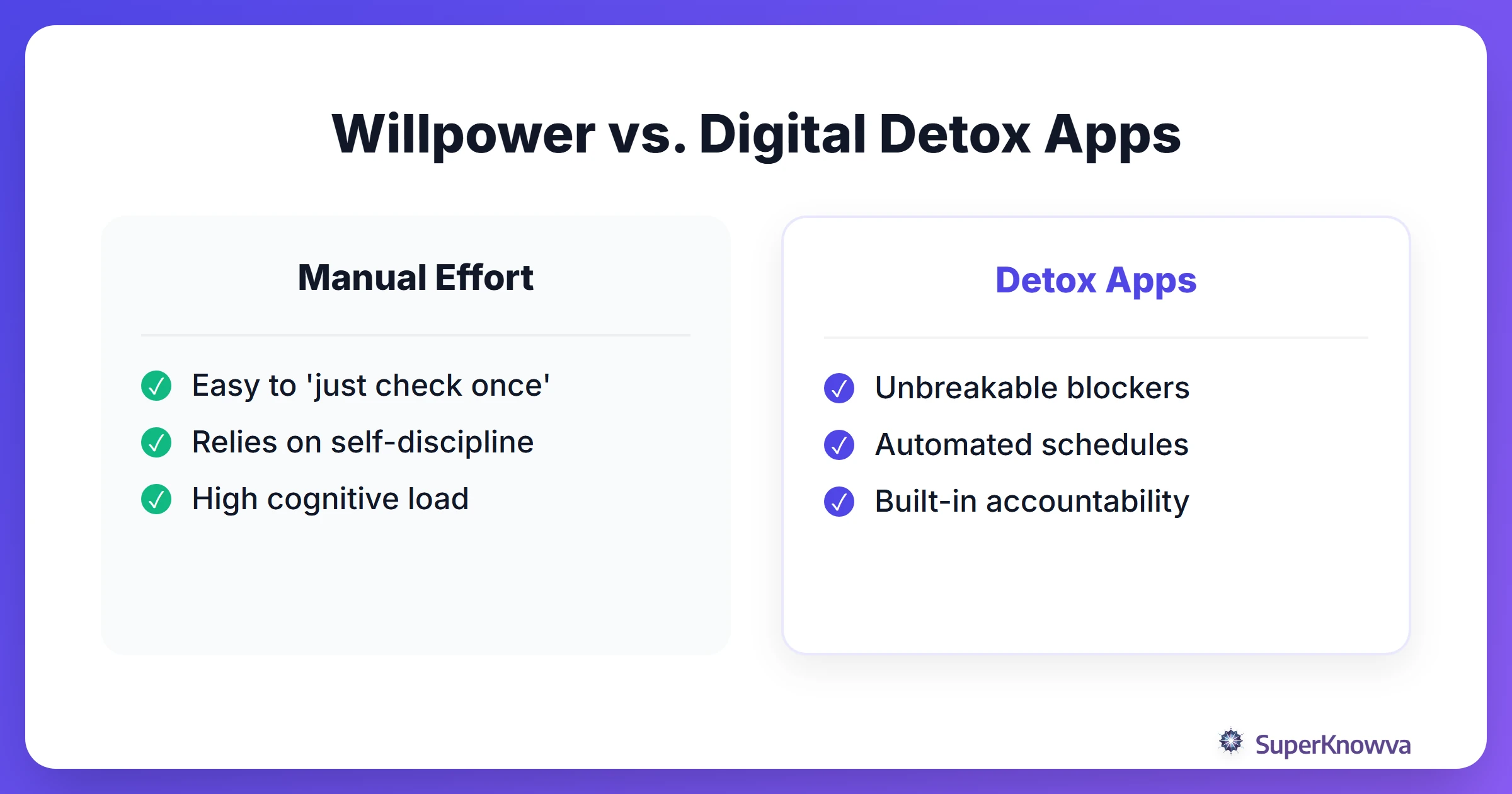
Willpower is a finite resource, and by 4 PM on a Tuesday, yours is probably running low. This is where you use technology to beat technology.
- Hardcore App Blockers: If you find yourself reflexively opening Instagram, use the Digital Detox: Focus & Live App. The "unbreakable" mode ensures you cannot cheat until the timer is up.
- The Greyscale Trick: Go into your phone’s accessibility settings and turn the screen to greyscale. TikTok and Instagram are less addictive when they appear in shades of grey.
- Mindful Moments: Instead of a digital distraction, try mindfulness for students. It helps you notice the urge to check your phone without acting on it.
What to Do With Your Reclaimed Time
When you stop scrolling, you’ll suddenly realize you have an extra 2 or 3 hours in your day. Don't just stare at the wall. Use that time for high-impact breaks.
- Get Moving: Instead of a "scroll break," take a 15-minute walk. We know that exercise boosts cognitive function, meaning you’ll actually remember what you just studied.
- Active Rest: Try a quick power nap or some stretching. Your brain needs "offline" time to move information from short-term to long-term memory.
From FOMO to JOMO
The biggest hurdle is always FOMO (Fear of Missing Out). You feel like if you aren't online, you’re missing the summer.
But there’s a better way to look at it: JOMO (The Joy of Missing Out). It’s the peace of mind that comes with knowing you’re doing exactly what you need to do to succeed. Remember, balancing friendships and grades isn't about being "on" 24/7; it’s about being intentional.
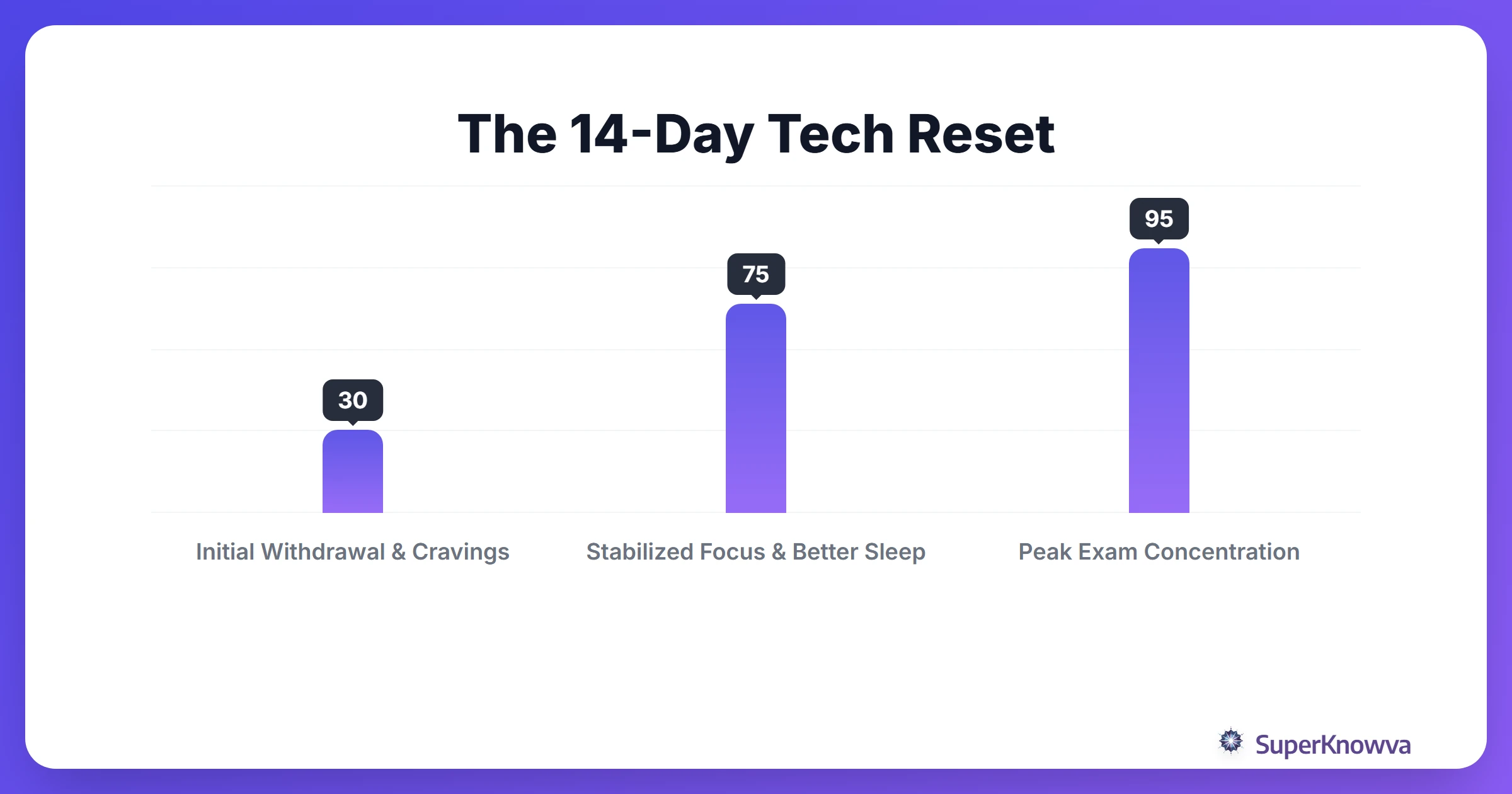
By the time your final exams roll around in late July, you want a brain that is sharp, rested, and ready. Start your reset today. Even a 24-hour break can be enough to shift your momentum and get your grades back on track.