Finals are done. The laptop is finally closed. The grades are slowly trickling into your inbox. By all accounts, you should be feeling on top of the world, so why do you still feel completely drained?
If you’ve spent the last few months tethered to a screen for lectures, late-night research, and AI-powered study sessions, you’re likely carrying a massive "digital load."
A digital detox for students summer break isn't just a trendy wellness buzzword; it’s a necessary biological reset. After a semester of constant connectivity and high-stakes focus, your brain needs a chance to recalibrate. In this guide, we’ll look at why unplugging is the single best move you can make for your mental health and how to actually transition from "always-on" student mode to a restorative, screen-free summer.
The Digital Hangover: Why Students Need a Break
We’ve all been there: that fuzzy, "fried" feeling that hits after an eight-hour marathon of Zoom calls and digital note-taking. This is the "digital hangover." While tools like SuperKnowva make studying significantly more efficient, the sheer volume of screen time required for modern education takes a real physical and mental toll.
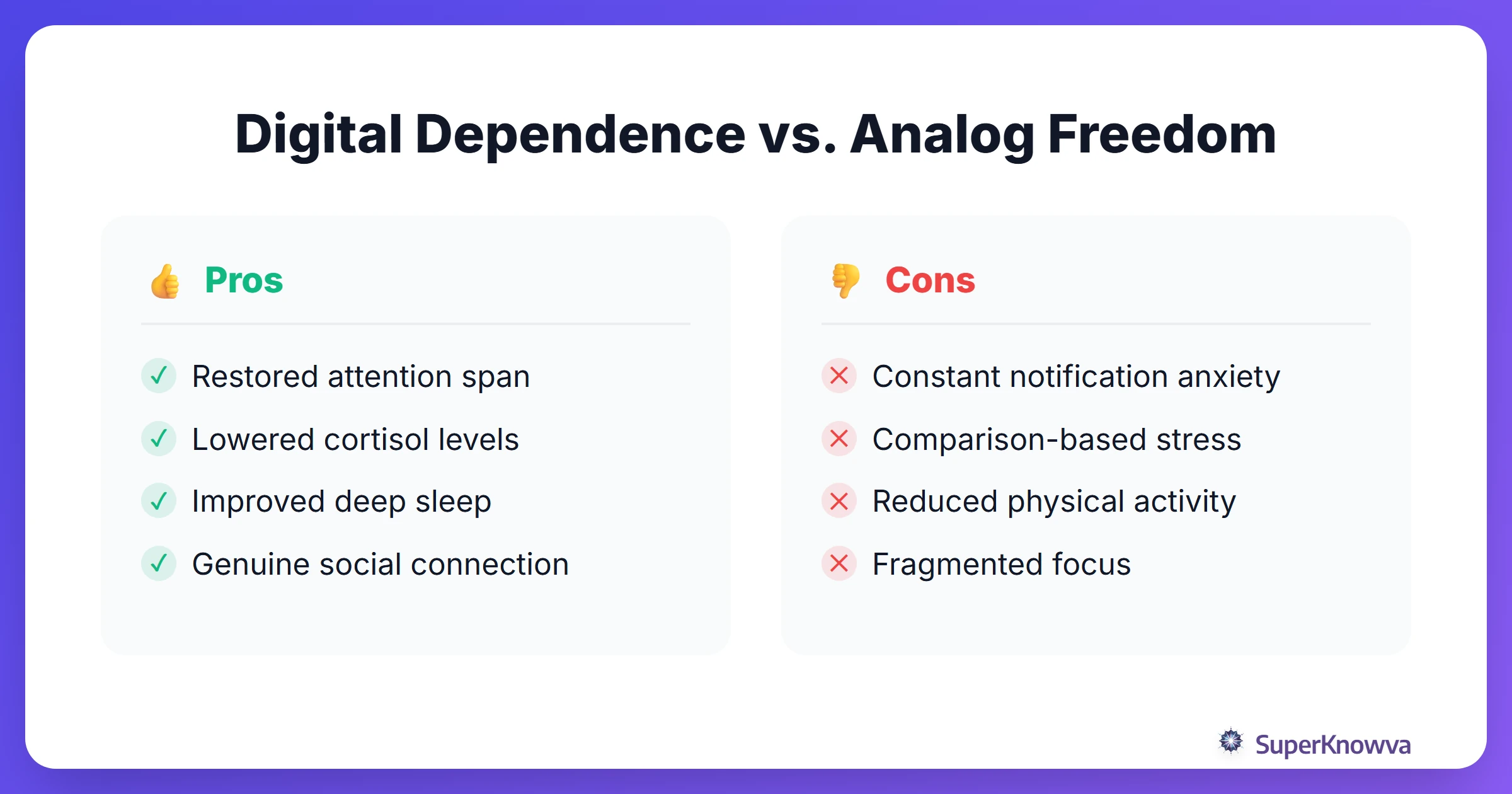
Physical symptoms often appear first. Eye strain (digital fatigue), "tech neck" from poor posture, and disrupted sleep patterns caused by blue light are common student complaints. There is also persistent anxiety. The constant ping of notifications, such as Canvas updates, frantic group chats, or social media alerts, creates a cognitive load that never lightens. If you feel completely drained, you might be seeing the classic signs of student burnout.
The Science of Unplugging: What Happens to Your Brain
When you step away from the screen, your brain does not sit idle; it begins to repair itself. According to Attention Restoration Theory, digital environments drain our "directed attention" (the focused energy used to solve a math problem). Nature and analog environments allow your prefrontal cortex to rest.
By stepping away from the "like" button and the endless scroll, you’ll see a measurable drop in cortisol levels (the stress hormone). Without an algorithm fighting for your attention every three seconds, your brain can finally rediscover its baseline for long-term focus and creativity.
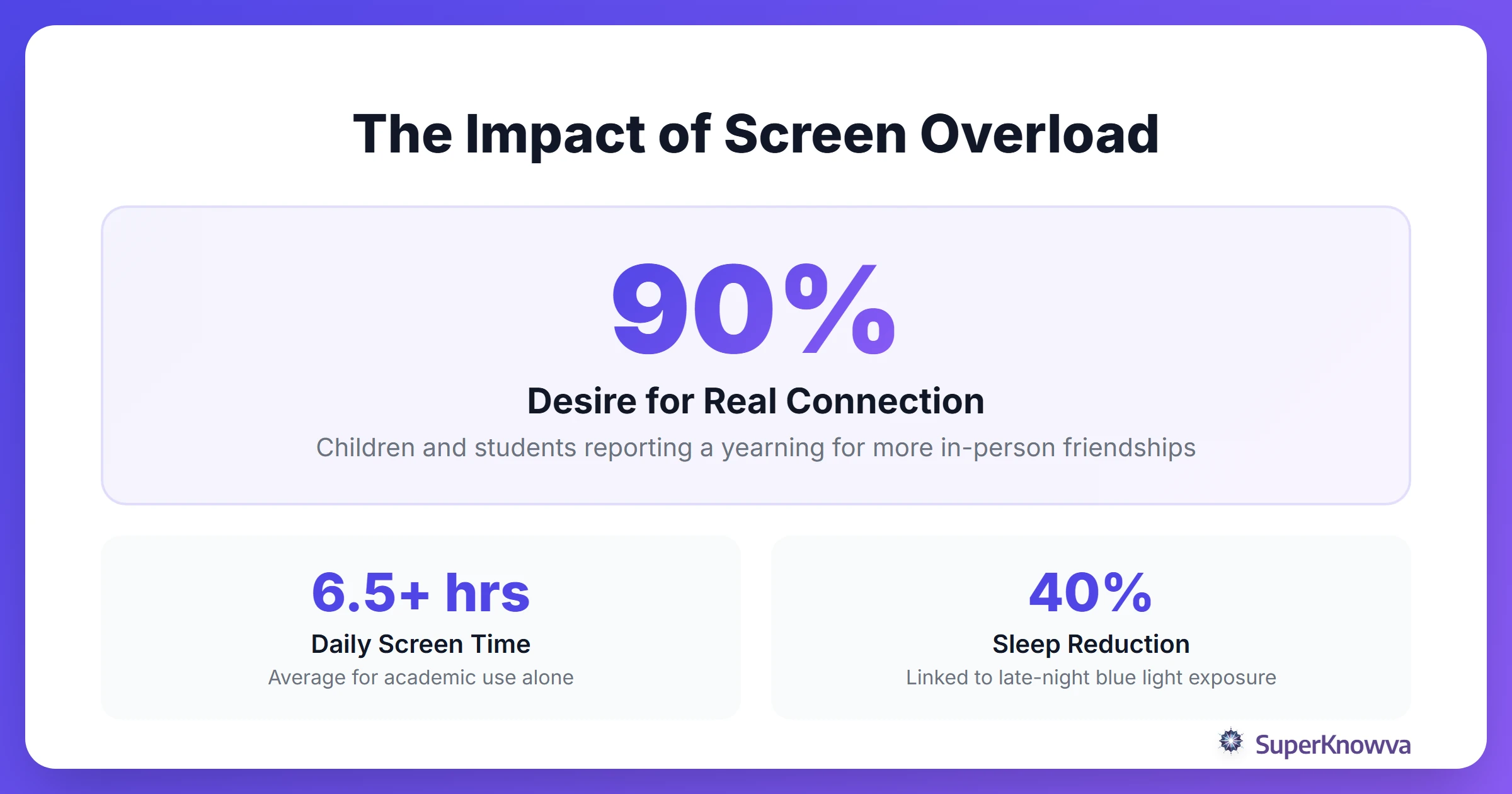
It’s also about human connection. We are wired for face-to-face interaction, and a screen is a poor substitute. A YMCA study on digital habits found that 90% of students actually want more real-world friendships, highlighting a deep yearning for in-person moments that Zoom just can’t replicate.
Step-by-Step Guide to Your Summer Digital Detox
Ready to begin? Don’t worry. You don’t have to throw your iPhone in a lake to see results. A successful digital detox for students summer plan is about setting boundaries that work.
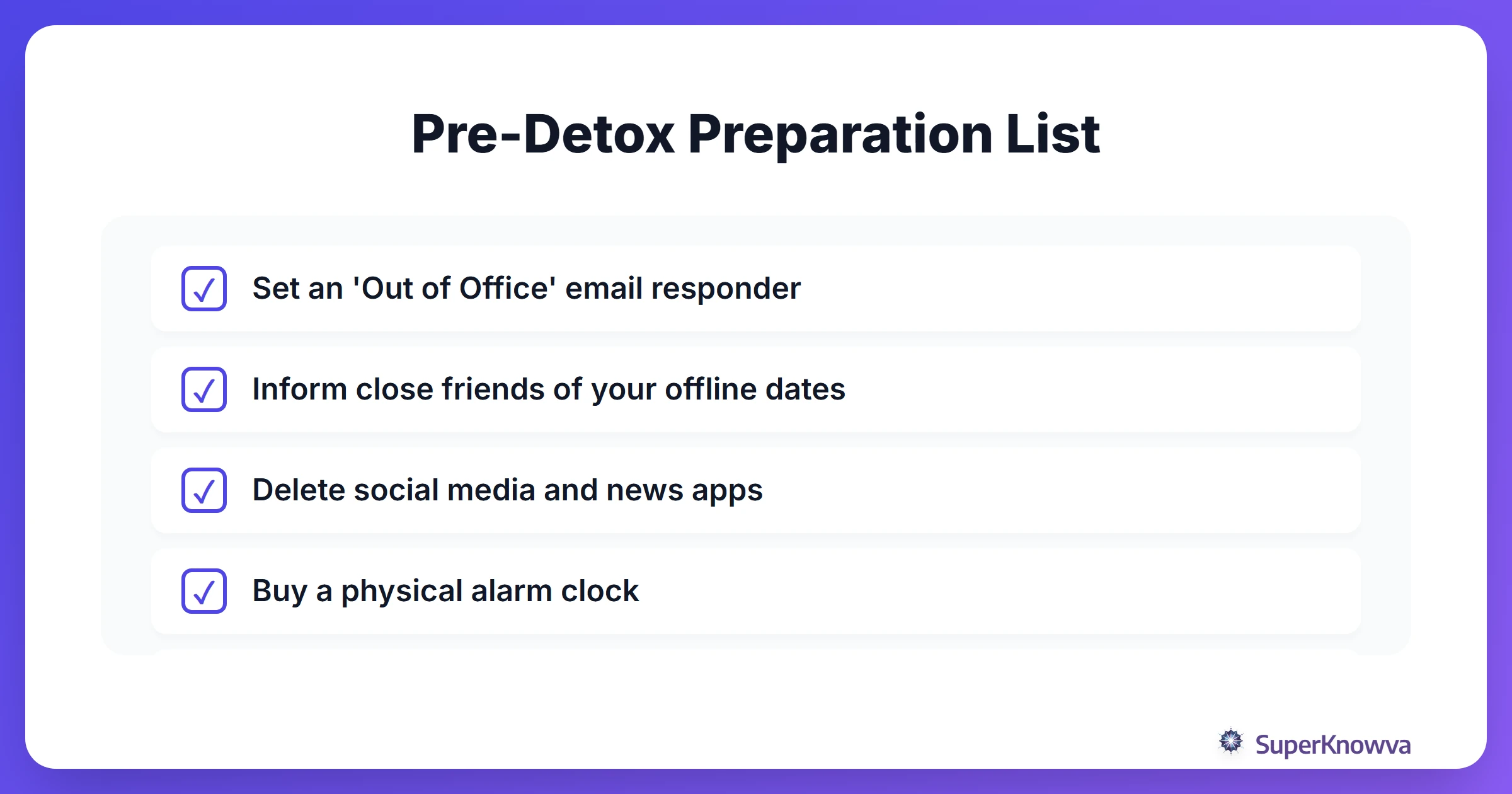
- Announce Your "Offline" Status: Tell your friends and family you’re taking a break. Set an "Out of Office" responder on your email or a status update on your messaging apps. It removes the "reply-guilt" immediately.
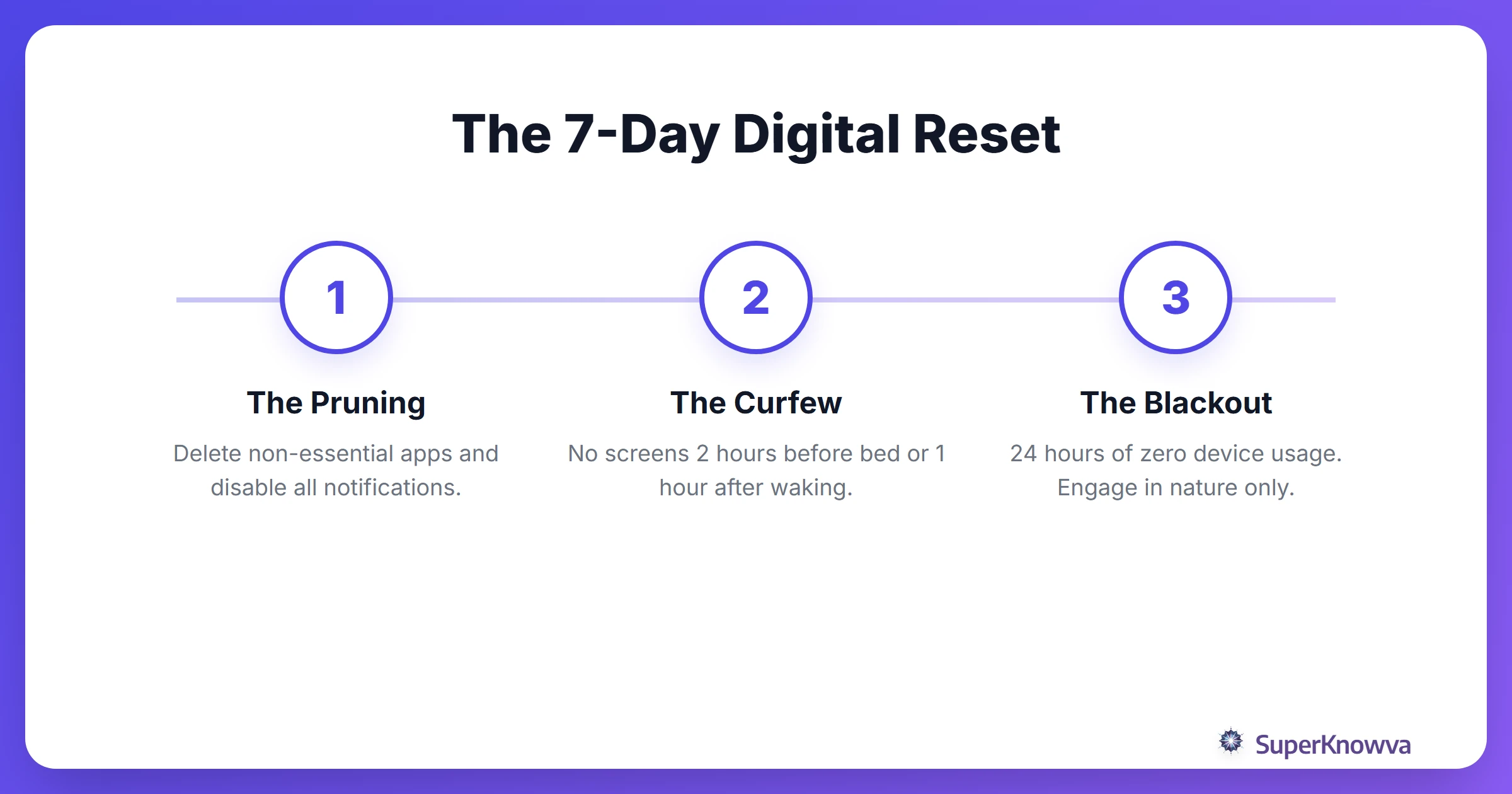
- The "Delete and Retreat" Strategy: For the first week of summer, delete the apps that suck your time. If it’s not for an emergency or a basic utility (like Maps), it goes. You can always reinstall them later.
- Establish "No-Phone Zones": Make your bed, the dining table, or the back porch tech-free sanctuaries. If you enter these zones, the phone stays in another room.
- Go Grayscale: Switch your phone to grayscale mode in the accessibility settings. It’s amazing how much less addictive TikTok and Instagram look when they’re just shades of gray.
To stay grounded, try incorporating simple meditation techniques into your morning routine before you even think about reaching for a device.
Replacing the Scroll: Analog Activities for Recovery
Successful detoxing involves more than avoiding a phone; it requires finding a better use for your hands. Physical activity shifts your mood quickly. Replacing screen time with a workout clears your mind and boosts cognitive function over the long term.
Summer is the perfect time to embrace "Slow Hobbies." Pick up a physical book (yes, the kind with paper pages), start a handwritten journal, or hit a local hiking trail. These activities engage your senses in the real world, which speeds up your mental recovery.
Don't forget the social aspect. A digital detox gives you the space needed for maintaining real-world friendships without the filter of social media. Whether it’s a beach day, a camping trip, or a backyard BBQ, unplugged gatherings create memories that a "like" never could.
Mindful Re-entry: Building Better Habits for Next Semester
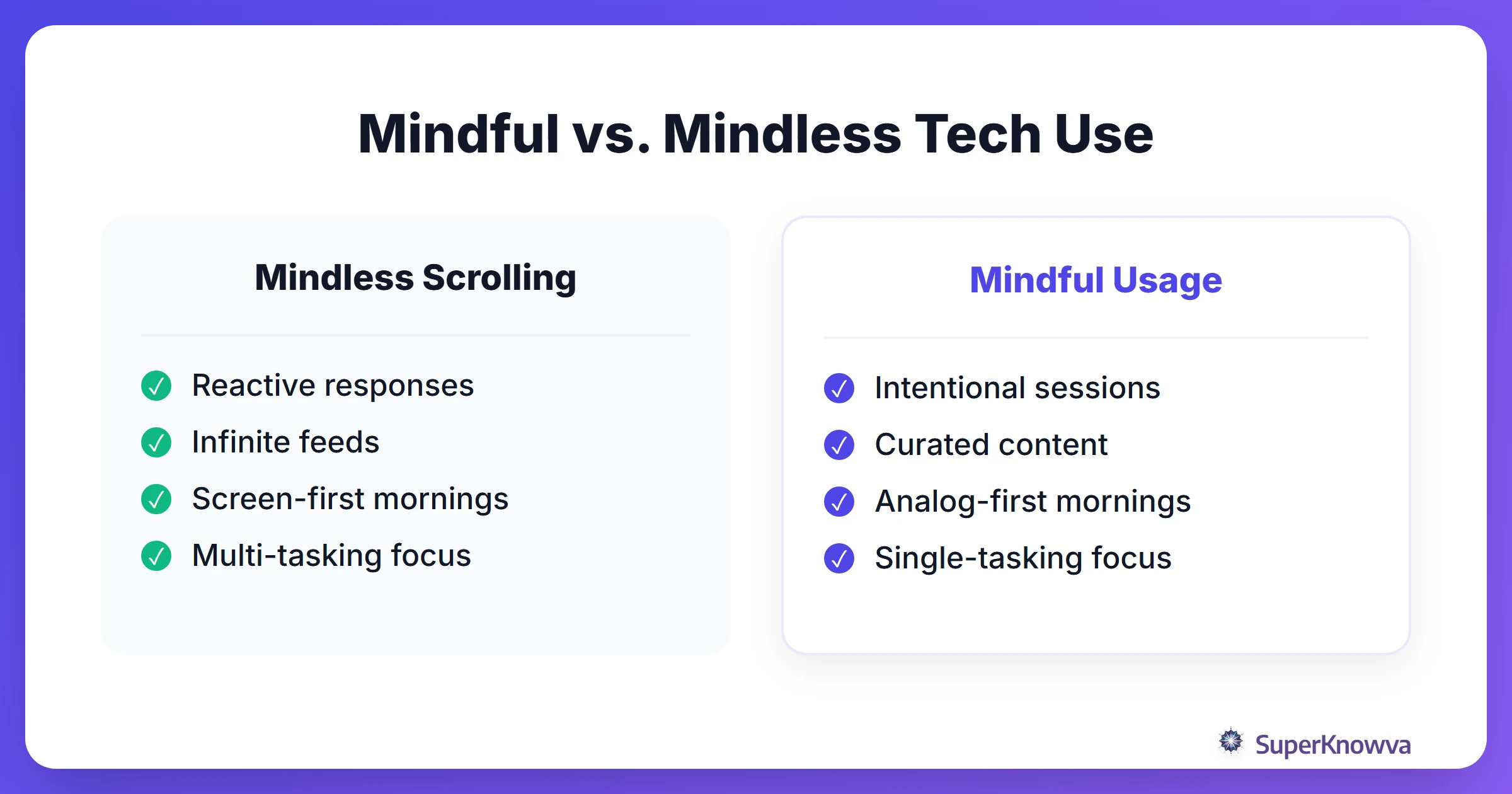
As August approaches, the goal isn't to stay offline forever. It's to return with a healthier relationship with your devices. Mindful re-entry means slowly bringing your tools back into your life without falling back into habitual scrolling.
Consider trying "Digital Sabbaths," one full day a week (like Sunday) where the phone stays completely off. This keeps your focus strong even when the school year gets intense. When you return to your studies, use your platforms purposefully. When using study tools like SuperKnowva, set a specific goal, finish your task, and then walk away.
By creating a sustainable digital wellness plan now, you ensure that when the next semester hits, you’ll be ready to tackle it with a clear mind, a rested soul, and a lot less brain fog.