College life is demanding. Between late-night study sessions and piles of laundry, trying to live sustainably can feel like another chore on a busy schedule. The modern university experience is shifting. Students are no longer just chasing a degree; they are looking for a way to live that protects the planet without exhausting their savings.
If you’re hunting for eco friendly student living tips that actually work in a tiny dorm room, you’re in the right place. Transitioning to a sustainable lifestyle doesn’t mean you have to go "off the grid" or stop eating. It’s about small, intentional tweaks that make your life easier and the planet a little healthier.
In this guide, we’re celebrating Earth Day by showing you how to audit your habits and turn your living space into a "green sanctuary."
The Rise of the Eco-Conscious Student
Sustainable living has officially moved from a niche hobby to a core part of student wellness. Why? Because in the high-pressure world of academia, many are realizing that a "less is more" philosophy is the best way to clear the mental fog. Earth Day is the perfect annual checkpoint to look at your daily routine and ask: What can I cut out?
Adopting a simpler, more intentional lifestyle is a huge part of mindfulness for students. It helps you stay grounded when the academic pressure starts to boil over. By focusing on what you actually need rather than what you’re told to want, you clear the clutter from your desk and your mind, creating a much more focused study environment.
Setting Up Your Green Sanctuary: Eco-Friendly Dorm Decor
Your dorm room is your home base, but it shouldn't look like a plastic-filled showroom. When you're setting up your space, prioritize sustainable campus life by hitting the thrift stores or scrolling through online marketplaces. Why buy a brand-new, flimsy desk when you can find a solid, vintage piece with actual character? It stays out of the landfill, and it saves you a ton of cash.
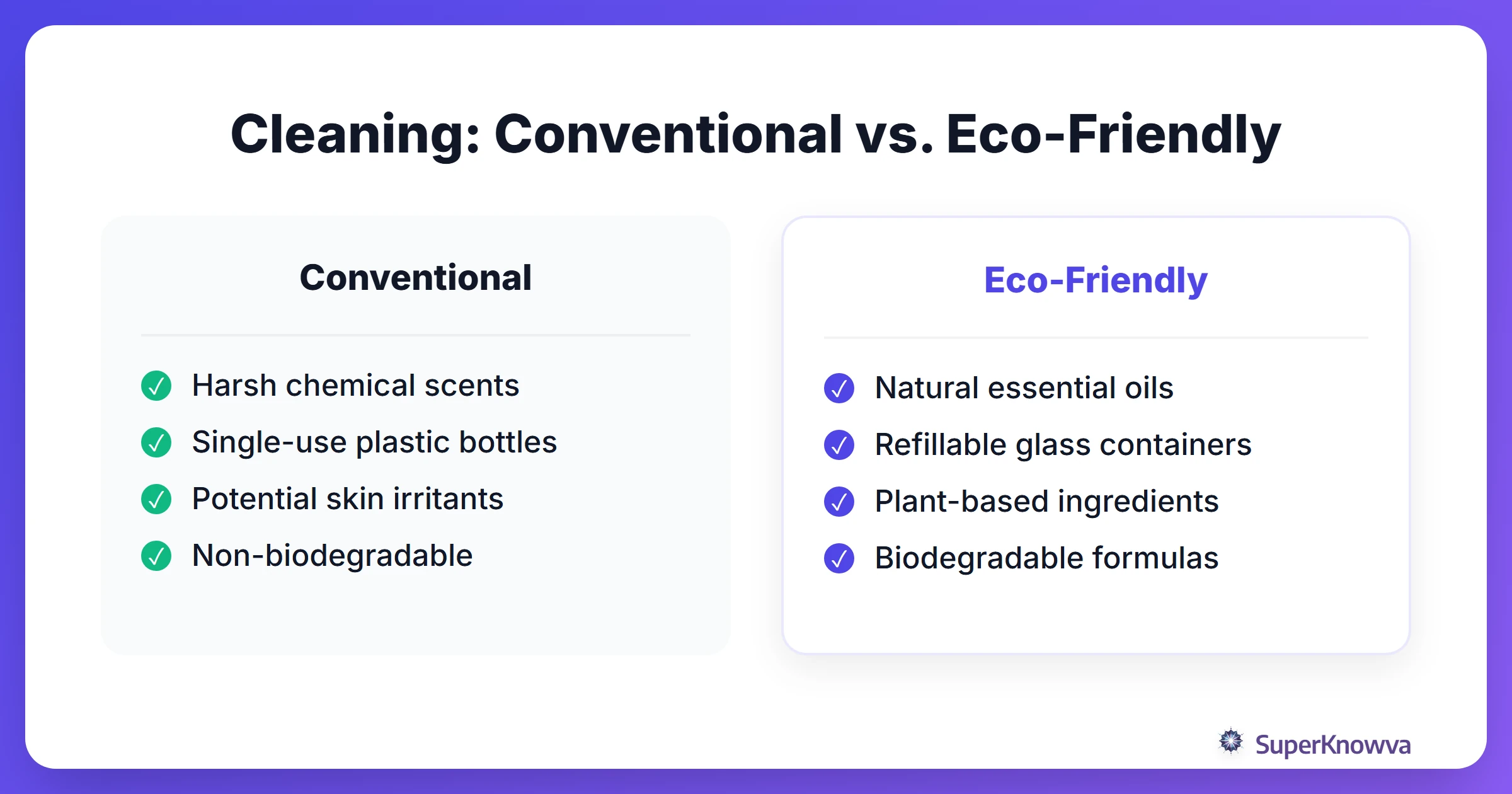
Choose eco-friendly dorm essentials, starting with cleaning supplies. Conventional cleaners often contain harsh chemicals that lower indoor air quality. Switching to non-toxic, plant-based alternatives is better for your health and the planet. Indoor plants are also effective. They offer more than just a specific aesthetic; they act as natural air purifiers and help improve your mood during long study sessions.
Remember, a cluttered, wasteful environment is a one-way ticket to signs of student burnout. A sustainable declutter might be exactly the mental reset you need.
Sustainable Eating on a Student Budget
Can you eat sustainably without going broke? Absolutely. In fact, eating green is often the cheapest way to live. Sustainable living and budgeting tips for college students go hand-in-hand because reducing consumption naturally protects your wallet.
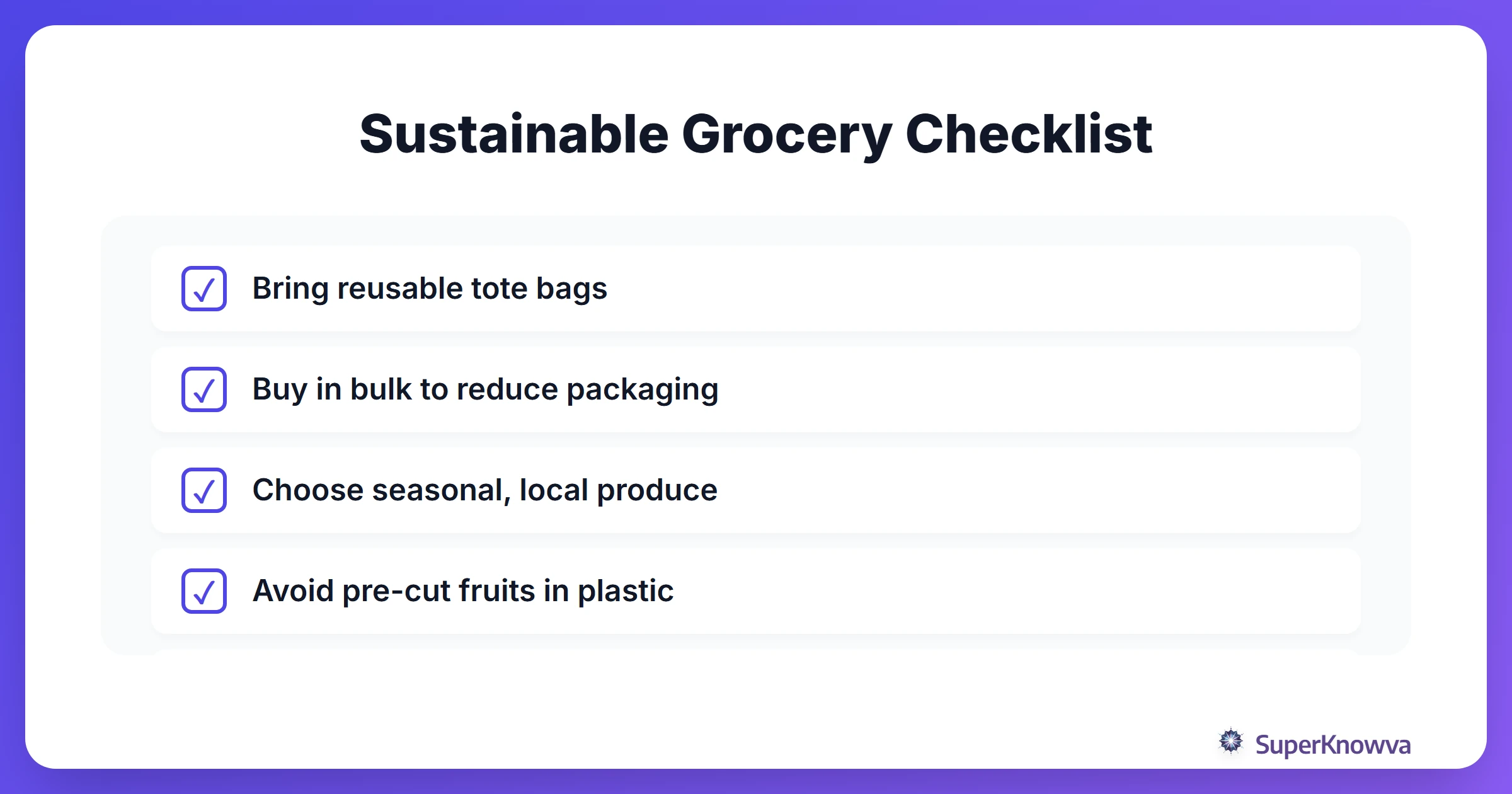
To master a sustainable student budget, try these three simple moves:
- Meal Prepping: This is the ultimate hack. Plan your meals to avoid those expensive, plastic-wrapped impulse buys at the campus cafe.
- Plant-Forward Choices: You don't have to go full vegan overnight. Just trying "Meatless Mondays" significantly lowers your carbon footprint and your grocery bill.
- Ditch Single-Use Plastics: Grab a high-quality water bottle and some beeswax wraps. They pay for themselves in no time.
When you're picking your meals, you can also optimize for the best diet for studying to keep your brain sharp during finals week.
Energy and Water Conservation in Shared Spaces
Living in green student housing reduces your environmental impact. Even if you do not pay the electric bill, the cost of wasted energy is significant. "Vampire" electronics are chargers and appliances that draw power even when turned off. Unplugging them when not in use is a simple habit that saves energy.
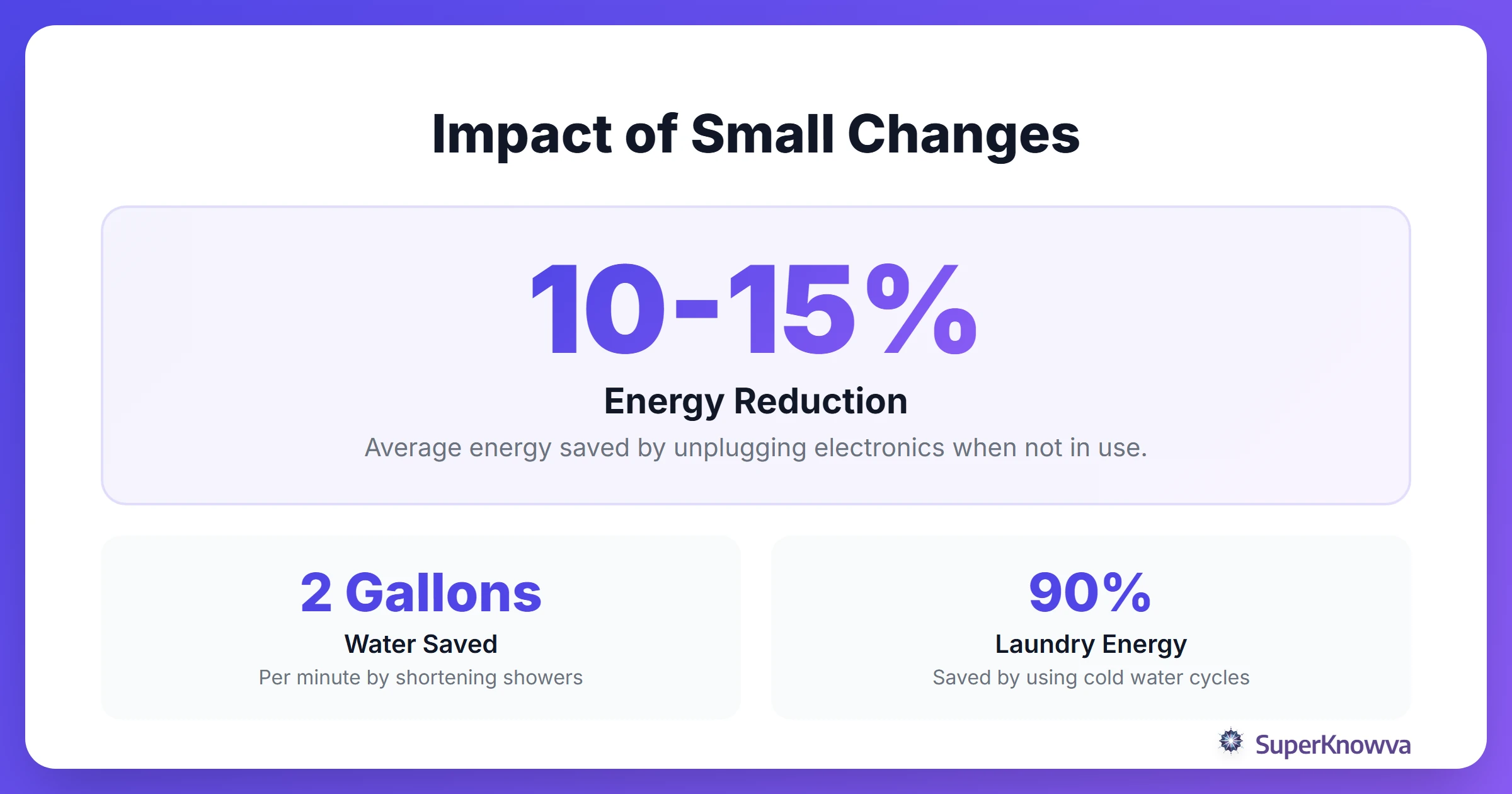
Water is just as precious. Try to shave a few minutes off your shower time and report those annoying leaky faucets to maintenance the second you see them. When it's laundry day, use cold water cycles. It saves up to 90% of the energy the machine uses and helps your clothes last longer. Win-win.
Sustainable Study Habits: Digital vs. Paper
The amount of paper wasted in universities every year is staggering. If you want to use zero waste college tips in your actual schoolwork, it’s time to go digital.
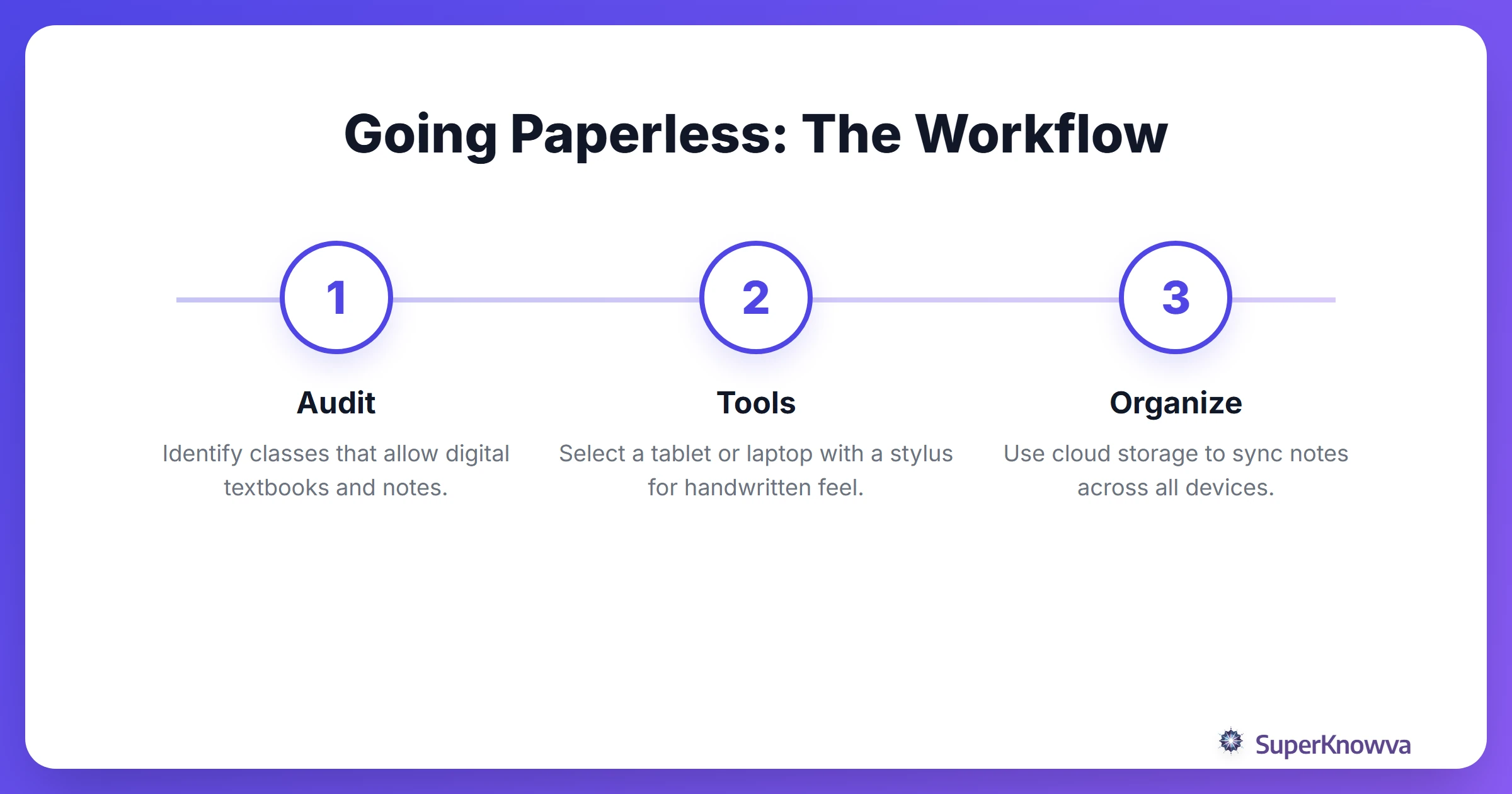
Switching to a tablet for notes and opting for e-textbooks lightens your backpack and your environmental footprint. If you’re a die-hard fan of physical paper, at least stick to recycled stationery and refillable pens. Digital tools like SuperKnowva make this transition even easier. You can upload your digital notes and generate AI-powered quizzes instantly, keeping your study process fast, efficient, and entirely paper-free.
Eco-Friendly Commuting and Campus Life
How do you get to class? If you can walk or bike, do it. Most campuses now offer bike-share programs or discounted transit passes to make it easier to leave the car behind.
Want to go bigger? Get involved. For specific advice on waste reduction, the Georgia Tech Sustainable Living Guide is a comprehensive resource that works for almost any campus. If you are an international student, Sustainable Living for International Students is a practical guide for navigating eco-friendly housing in a new country. Joining an eco-conscious student group benefits the planet and offers a way to meet people who share your interests.
The 'Green Goodbye': Sustainable Move-Out Strategies
The end of the semester is usually the most wasteful time of year. We’ve all seen the "dumpster piles" of perfectly good furniture and clothes left on the curb. Don't be that person. Plan your move-out early.
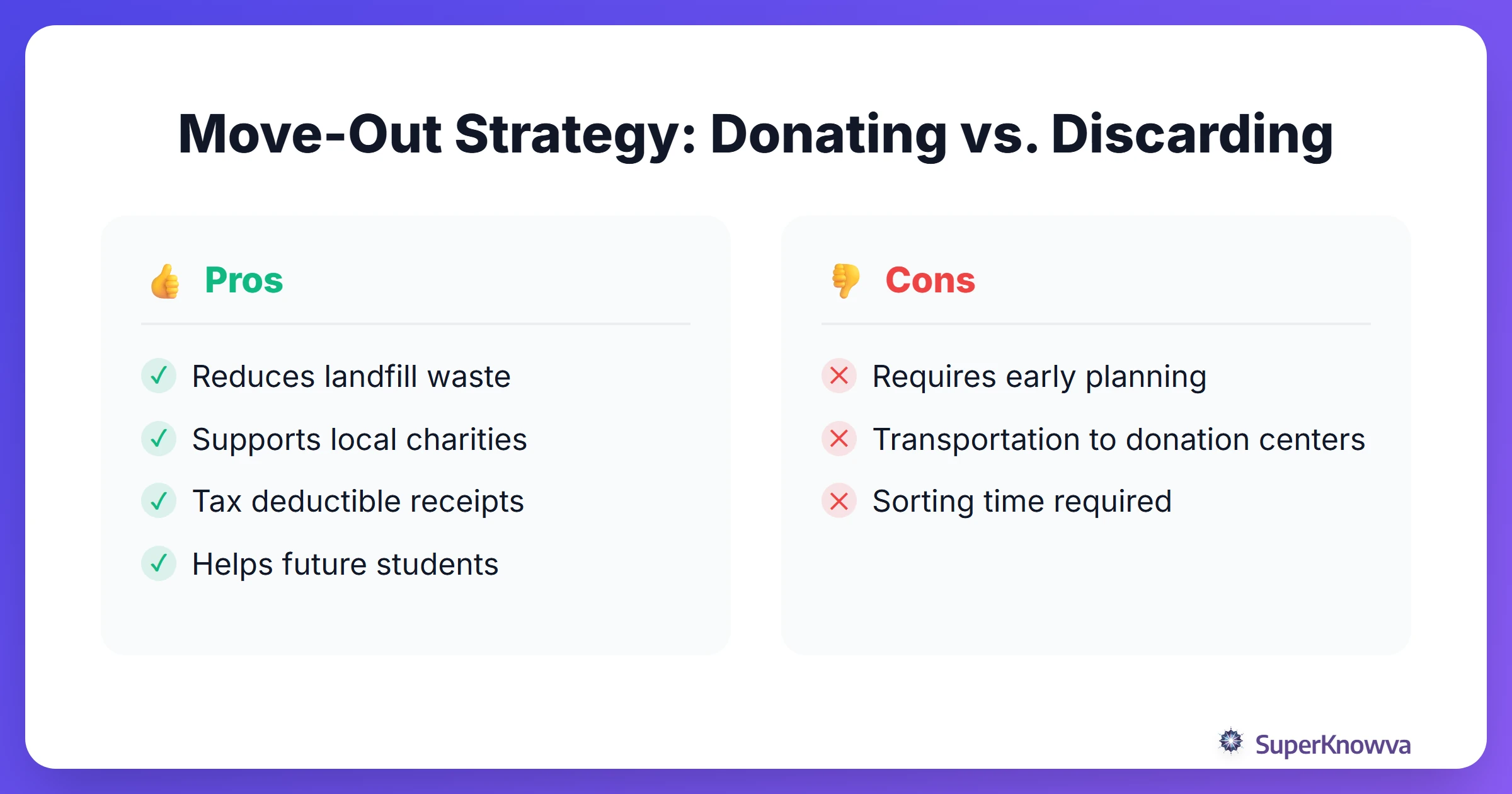
Instead of tossing your stuff, donate it to campus thrift shops or local charities. Many schools host "move-out collections" specifically to keep usable items out of the landfill. Finally, make sure you drop off old batteries and electronics at proper e-waste recycling points. By finishing the year as sustainably as you started it, you make sure your "green sanctuary" is ready for the next student to move in.