The university campus looks different than it did three years ago. In 2023, the conversation around generative AI in higher education focused on plagiarism concerns and chatbot demonstrations. By 2026, AI is no longer a new addition. It is not just a guest in the classroom; it is essential infrastructure.
We’ve moved past the "if" and "should we" debates. Now, the real work has begun. How do we use these tools to actually think harder, rather than just work faster? From personalized study paths to AI-augmented research, let’s look at the trends actually moving the needle in higher education today.
The Evolution of the 'AI Divide' in 2026
AI was supposed to be the great equalizer, but 2026 has brought a tougher reality to light: the "AI Divide." We aren't just talking about who has a subscription to a premium model anymore. The gap is widening between students who have mastered high-level AI orchestration and those who are left with basic, surface-level tools. This is a new form of socio-economic gatekeeping, especially in high-stakes fields like genomics or corporate law where specialized, domain-specific AI is the price of entry.
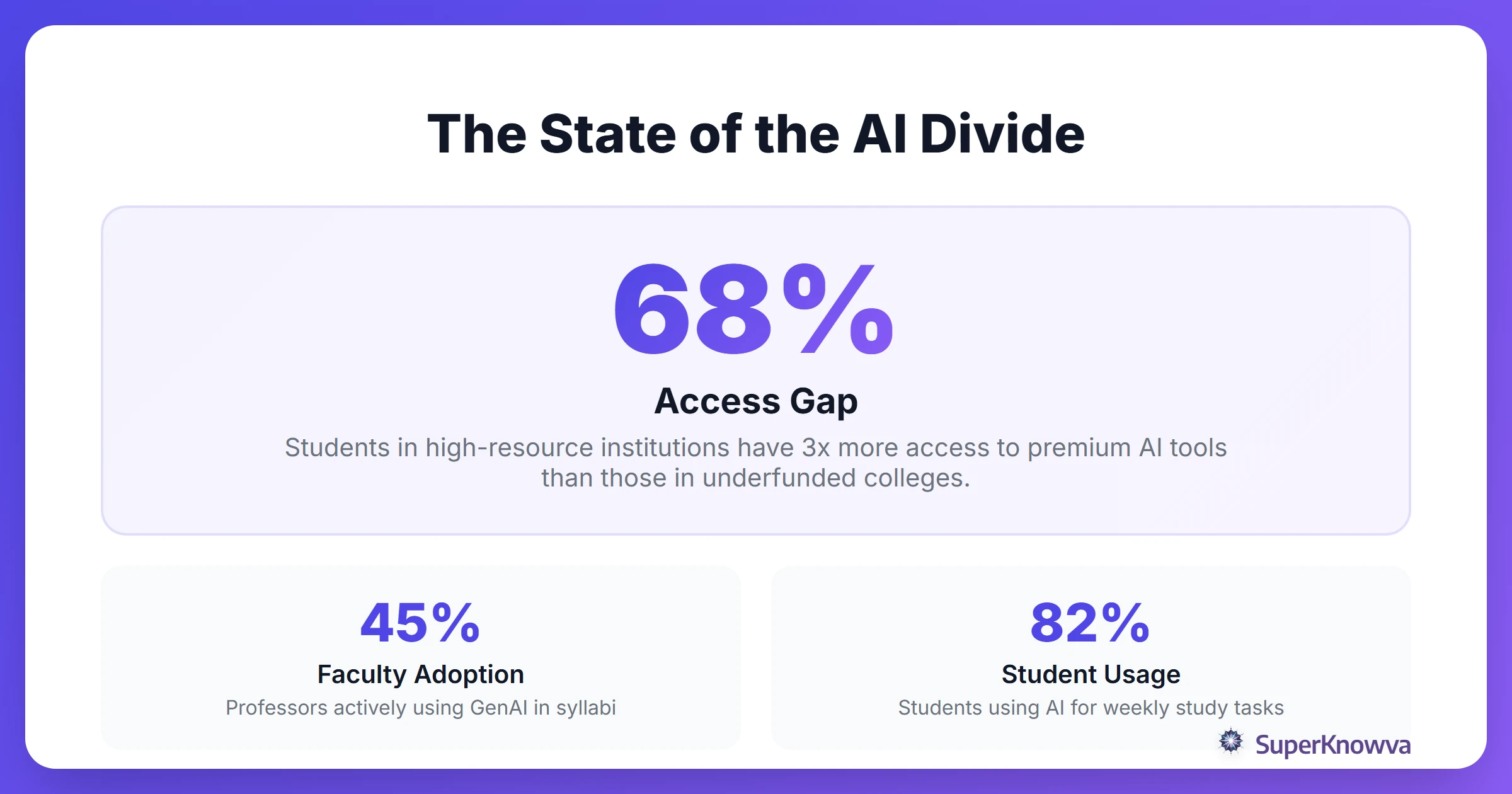
Universities are treating AI access as a fundamental utility, comparable to high-speed internet. Recent Virginia Tech research on AI integration reveals that while adoption is widespread, roadblocks to equity remain. To address this, institutions are replacing general-purpose bots with secure, university-sanctioned AI environments. The goal is to ensure every student has access, regardless of their financial status.
From Tool to Teammate: AI as a Research Collaborator
AI has moved beyond basic spellchecking. Graduate and undergraduate researchers now use "Co-intelligence" to treat AI as a research partner. These tools analyze large datasets and identify patterns that would otherwise take a team months to find.
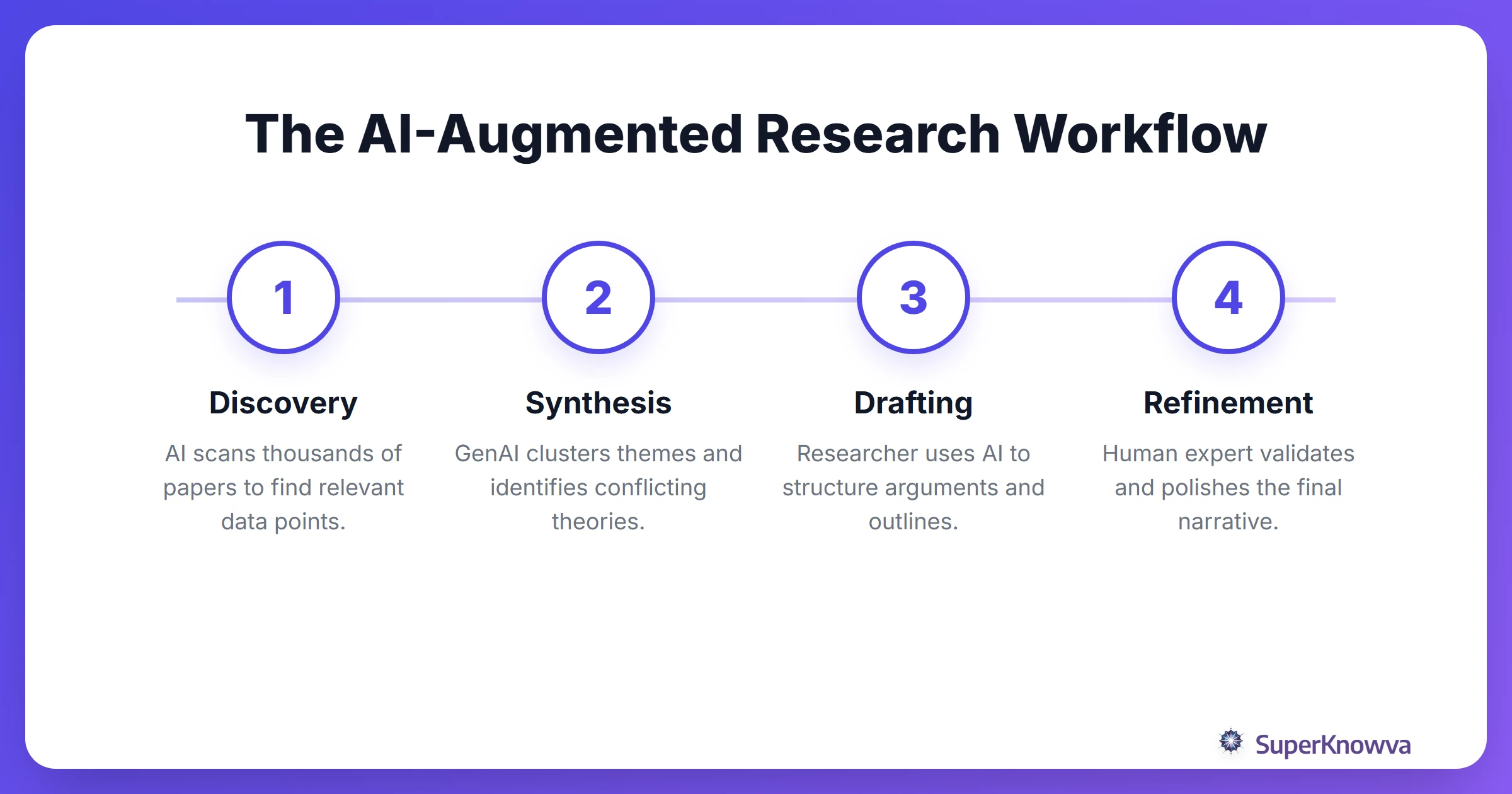
You’ve likely seen students using AI-powered note taking to capture the nuance of a lecture, freeing them up to actually participate in the discussion rather than just scribbling. For a deeper look at this shift, the text Generative AI in Higher Education: The ChatGPT Effect by Chan and Colloton remains the gold standard. As AI handles the heavy lifting of literature reviews, the academic world is now setting new, transparent standards for how we disclose AI's role in peer-reviewed work.
Hyper-Personalized Learning Paths and AI Tutors
The "one-size-fits-all" lecture is officially a relic. In 2026, the 24/7 AI tutor is your constant companion. These aren't just Q&A bots; they are adaptive systems that learn you. If you’re struggling with a specific calculus concept at 2 AM, the AI doesn't just give you the answer. It realizes you’re missing a foundational piece of algebra and re-routes your entire study module to fix the leak.
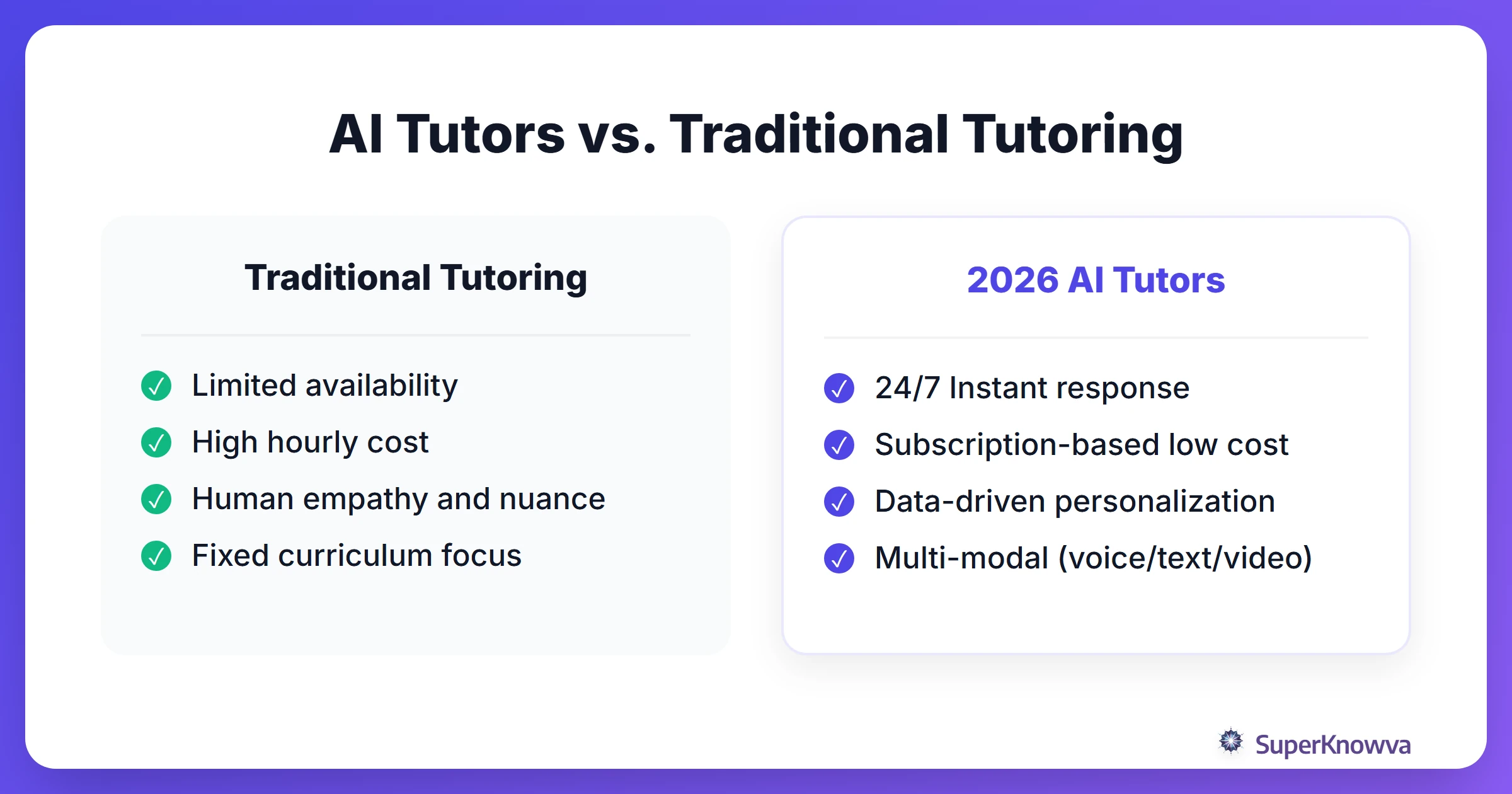
When it comes to your own study habits, you might wonder about AI Tutors vs. Human Tutors and which one actually helps you retain information. While we still need human mentors for those "big picture" ethical debates and emotional support, AI tutors provide a level of immediate, scalable feedback that no office hour schedule could ever match.
Redefining Academic Integrity: The "Paper Trail of Thought"
The "essay-pocalypse" of 2023 forced us to rethink what intelligence actually looks like. By 2026, the traditional take-home essay has mostly been retired. In its place? Process-oriented assignments. Faculty aren't just grading your final PDF anymore; they’re looking at the evolution of your work.
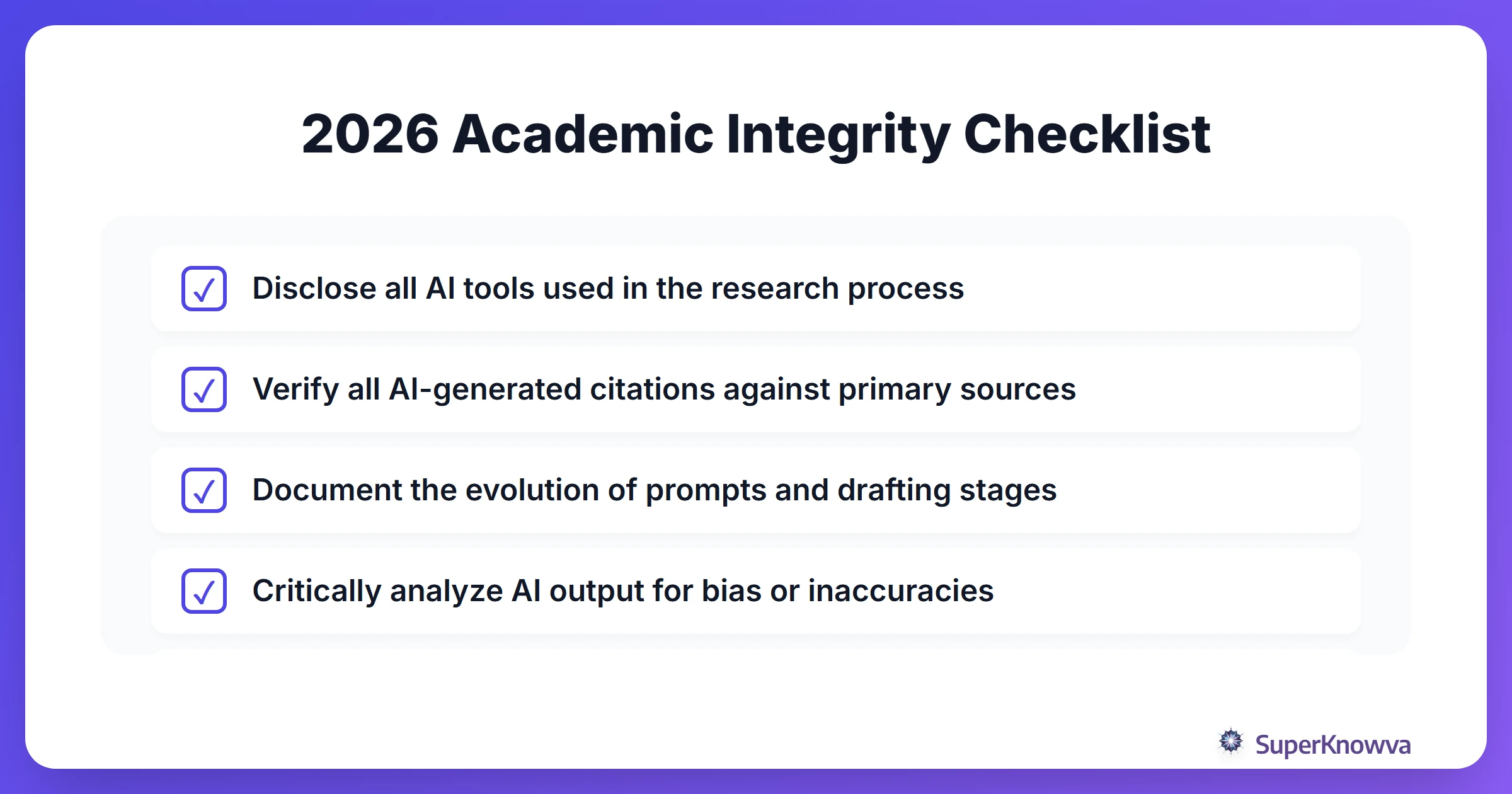
We’ve seen the fall of "AI detectors," which were always a bit of a coin toss anyway. Now, universities have shifted toward authentic, live assessments and oral exams. The new standard is the "Paper Trail of Thought." You have to document your prompts, show how you cross-referenced the AI's output, and prove that the final synthesis is yours. The focus is on the process, not just the result.
AI Literacy as the New Core Competency
You can't graduate without it. AI literacy is no longer an optional elective; it is a core requirement. Curricula now incorporate prompt engineering, algorithmic bias awareness, and the ability to detect AI inaccuracies. We're training critical thinkers who provide oversight and ensure these tools are used ethically.
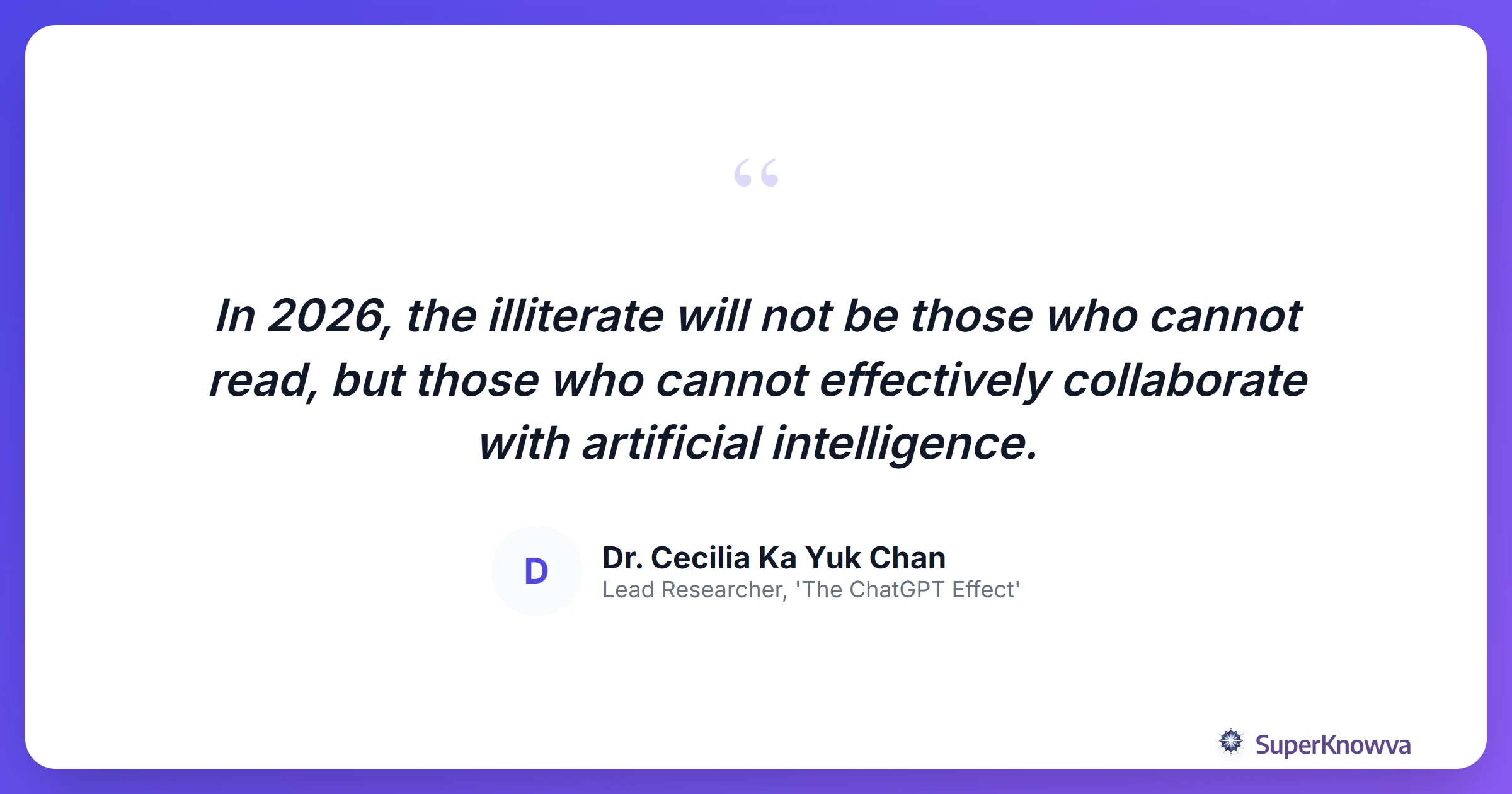
Professors are also getting a makeover. Faculty development now focuses on treating GenAI as a partner in pedagogy. By launching specialized degree tracks, universities are betting that the next generation of leaders will be those who know exactly how to collaborate with an algorithm without losing their human edge.
Immersive Simulations and the Virtual Campus
The final frontier of 2026 is where generative AI meets VR and AR. We’re seeing immersive simulations that let you fail safely. Whether it’s AI for science simulations in a virtual chemistry lab or a simulated surgical theater, students are getting "hands-on" experience without the high-stakes consequences of a real-world mistake.
This tech is also a massive win for accessibility. From real-time sign language generation to inclusive learning tools for students with disabilities, AI is breaking down physical barriers. We’re seeing global collaboration in law and business through interactive case studies that feel like you’re in the room, even if you’re thousands of miles away.
Conclusion
In 2026, generative AI has transformed the tools we use and our approach to education. Focusing on academic integrity, equity, and literacy allows us to evolve our thinking rather than simply updating a syllabus. Learning is collaborative, personalized, and engaging.