July is a strange month. While half the world is mentally at the beach, the other half is staring at their LinkedIn feed, wondering how everyone else seems to be "leveling up." If you’ve been feeling that mid-year itch to do something more with your career, you’re actually in luck. July isn't just for vacations; it’s a massive strategic window.
Think about it: the corporate world slows down just enough for you to catch your breath, but the heavy-hitting Q4 hiring season is right around the corner. If you start now, you can have a fresh, valuable professional certification on your resume exactly when recruiters start their end-of-year talent hunt.
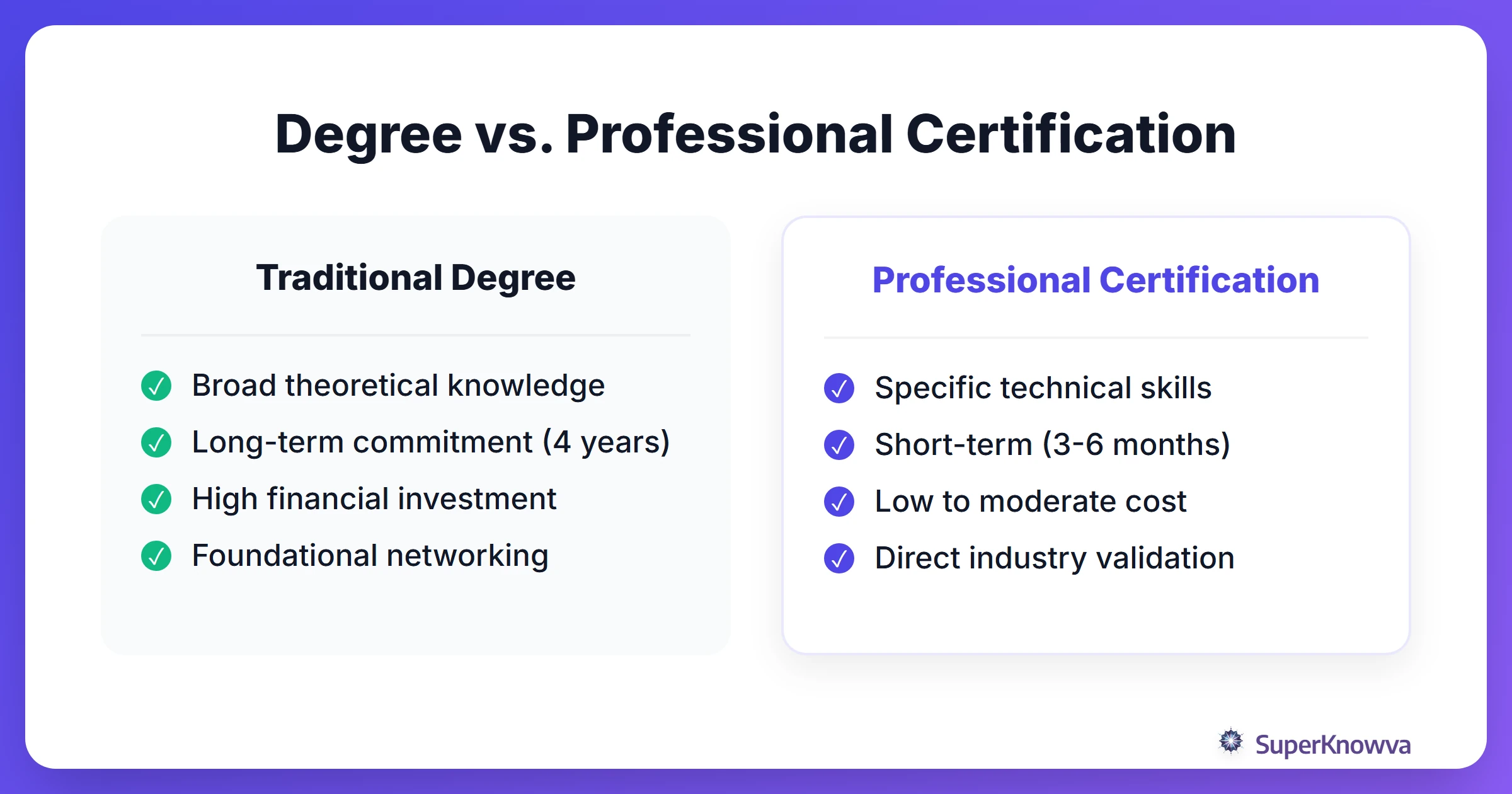
Traditional degrees are valuable, but technology moves quickly. These industry recognized credentials bridge the gap between classroom learning and the high-demand skills companies value today.
Why July is the Mid-Year Sweet Spot
We like to call July the "mid-year reset." It’s that moment where you realize 2024 is half over and you still haven't touched those professional goals you set in January. But there’s a bigger reason to move now: skill disruption 2025.
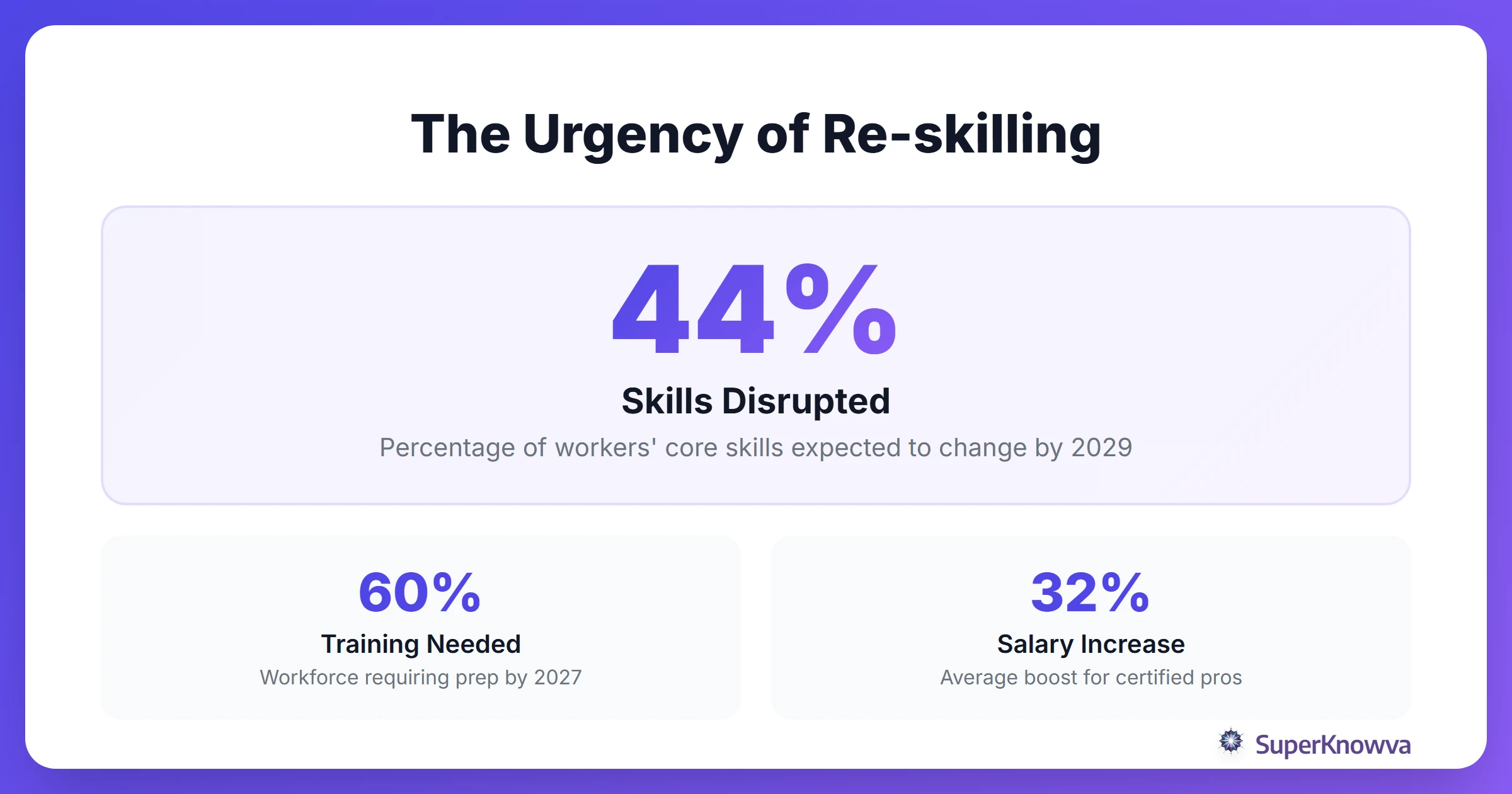
The World Economic Forum recently dropped a staggering stat: nearly 60% of the workforce will need a serious skills refresh before 2027 just to keep their jobs.
In today’s market, "micro-credentials" are becoming just as vital as a four-year degree. While these certifications give you immediate technical wins, it’s also worth looking at how you can future-proofing your degree against automation to stay relevant for the long haul.
1. Data Analytics and AI: The Universal Language
Data skills are evolving. For 2025, AI is the primary tool for processing information. Simply being proficient in Excel is no longer enough. Employers want people who can analyze large datasets and use machine learning to identify patterns.
The Google Data Analytics and IBM Data Science certificates are still the heavy hitters here. They don't just teach you how to code in Python or SQL; they build your AI literacy.
- The Remote Reality: This is easily one of the best certifications for remote work. If you can handle the data, it doesn't matter if you're in a high-rise in NYC or a coffee shop in Bali.
- The Payoff: Early-career pros with these certs often see a salary jump of 15-25% compared to those without them.
2. Project Management (PMP & CAPM): Leading the Change
Do you find yourself naturally organizing the chaos in your group projects or at the office? Project management might be your calling.
If you are starting out, the CAPM (Certified Associate in Project Management) is the entry point. If you have three or more years of experience, choose the PMP (Project Management Professional). It is the industry standard.
Project management is largely "AI-proof." While an AI can track a timeline, it cannot manage a room full of stakeholders with conflicting egos or resolve a team conflict on a Friday afternoon. When you combine these technical skills with the soft skills that employers value, you become a strong candidate for career advancement certifications.
3. Cloud Computing (AWS & Azure): The Infrastructure of Remote Work
The world has moved to the cloud, and there is no turning back. As companies lean harder into hybrid and remote work, the people who understand AWS and Microsoft Azure are becoming the most important people in the building.
You don't need to be a hardcore developer to benefit from this, either. Marketing managers, sales leads, and ops specialists who understand how the "cloud" actually functions are increasingly rare and valuable.
- AWS Practitioner: The perfect "Step 1" for understanding global tech infrastructure.
- Cloud Security: This is going to be a massive focus for 2025. Keeping data safe in a decentralized world is a high-stakes game.
- Global Reach: These certifications are recognized by every major tech firm on the planet.
4. Cybersecurity (CompTIA Security+): Protecting the Future
There is a massive, global shortage of cybersecurity talent. We’re talking millions of unfilled jobs. As data breaches get more sophisticated, companies are getting desperate for people who know how to lock the digital doors.
The CompTIA Security+ is the industry standard for a reason. It covers the sweet spot between technical security and the legal side of things (like GDPR). With nearly 0% unemployment in this field, it’s about as "future-proof" as a career gets.
5. Digital Marketing & Growth Hacking: Driving Value
Marketing is a data-driven science, not just "vibes" and pretty pictures. If you want a job in a modern marketing department, HubSpot and Google Ads certifications are no longer "bonuses." They are the baseline.
In 2025, it’s all about ROI-focused skills. Can you prove that the money a company spends on an ad is actually turning into a profit? If you can track that return using analytics and growth-hacking, you’ll never be out of work.
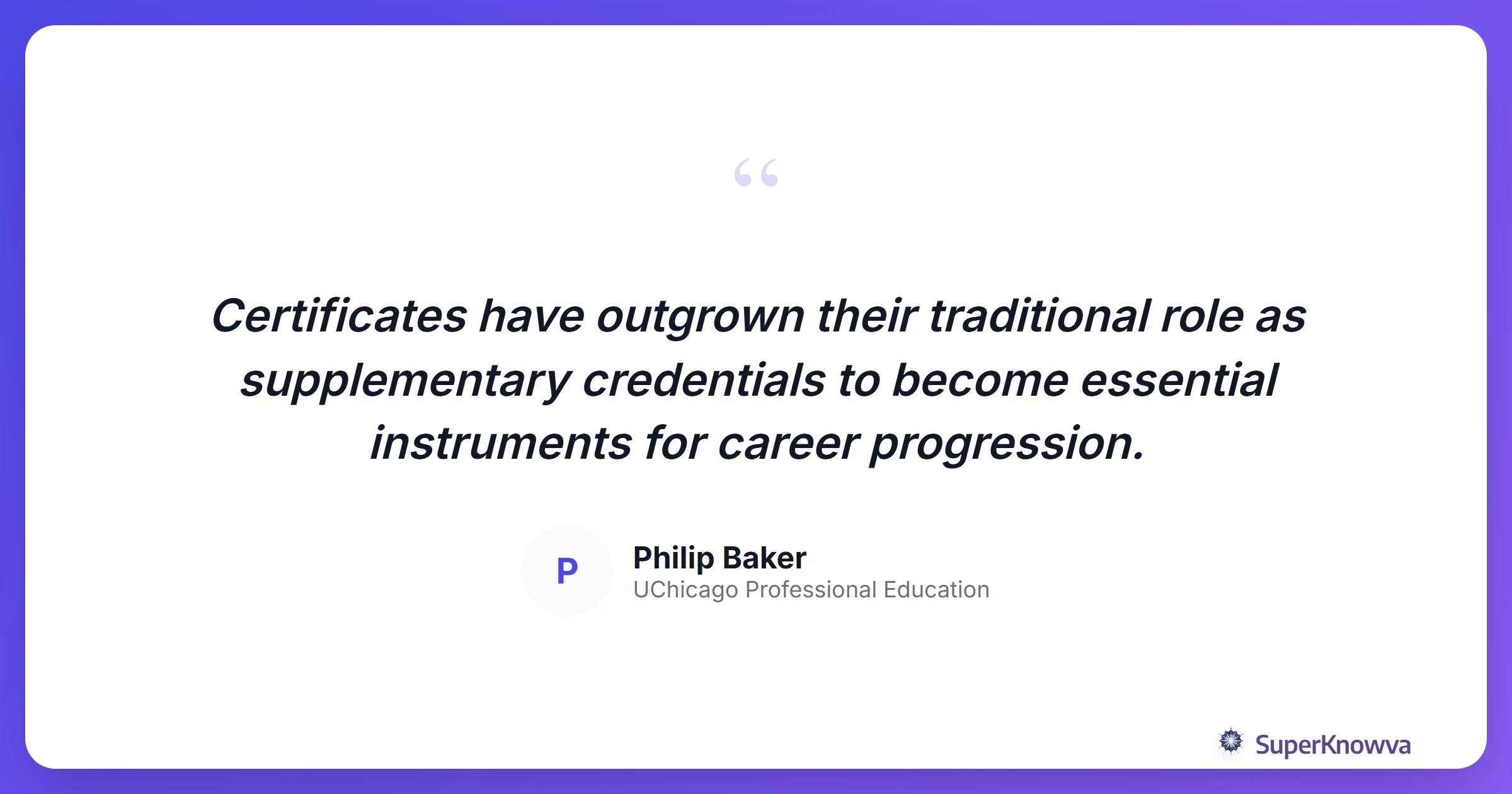
As noted in the study on The Rise of Professional Certificates by UChicago, these credentials are fast-tracking careers by filling the specific technical gaps that traditional degrees often miss.
How to Choose the Right Path
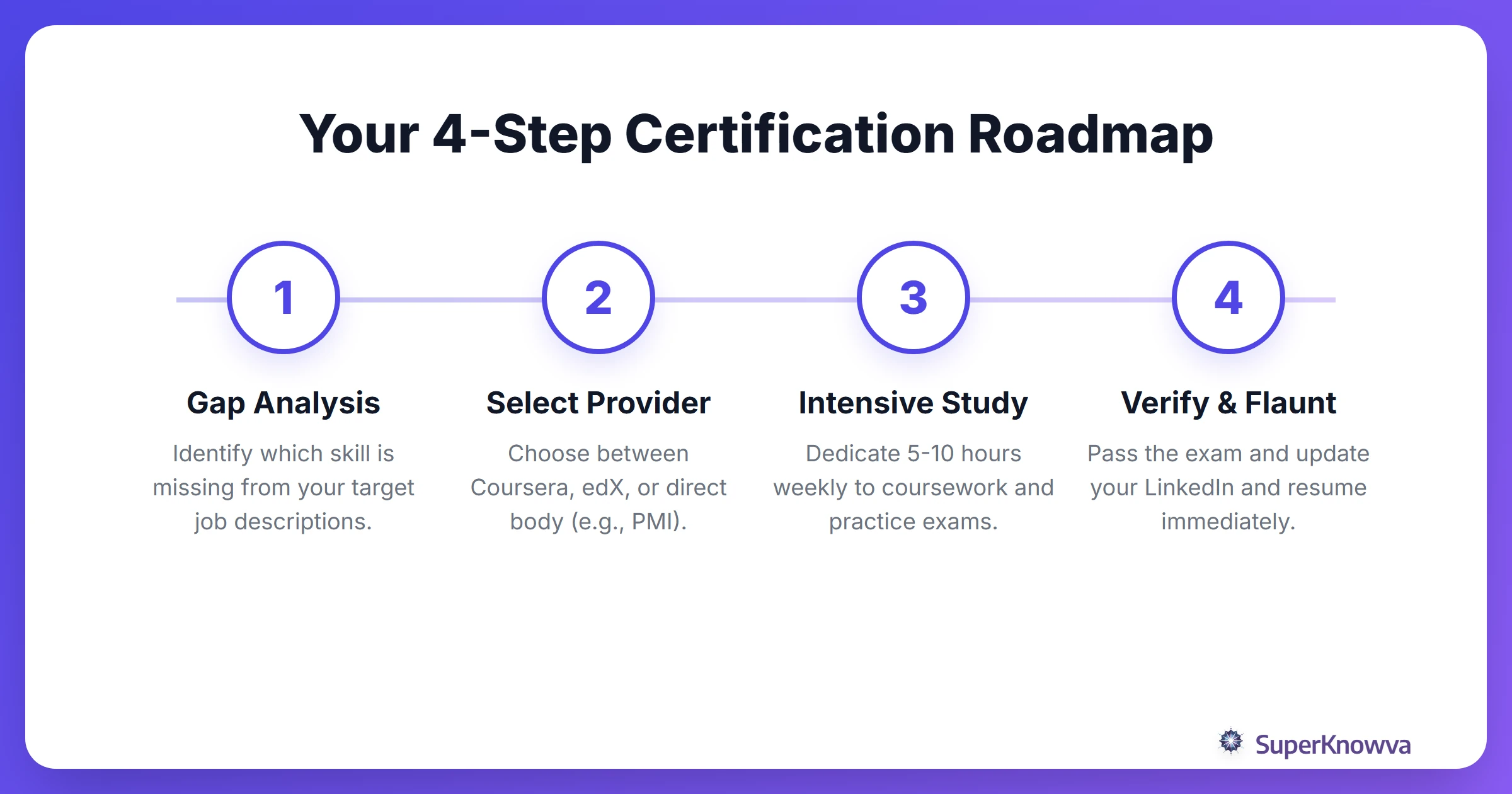
Feeling overwhelmed? Don't just pick the one that sounds the coolest. Start with a "gap analysis." Find five job descriptions for your dream role and highlight the tools they mention that you don't know yet. That’s your roadmap.
Budgeting and Planning
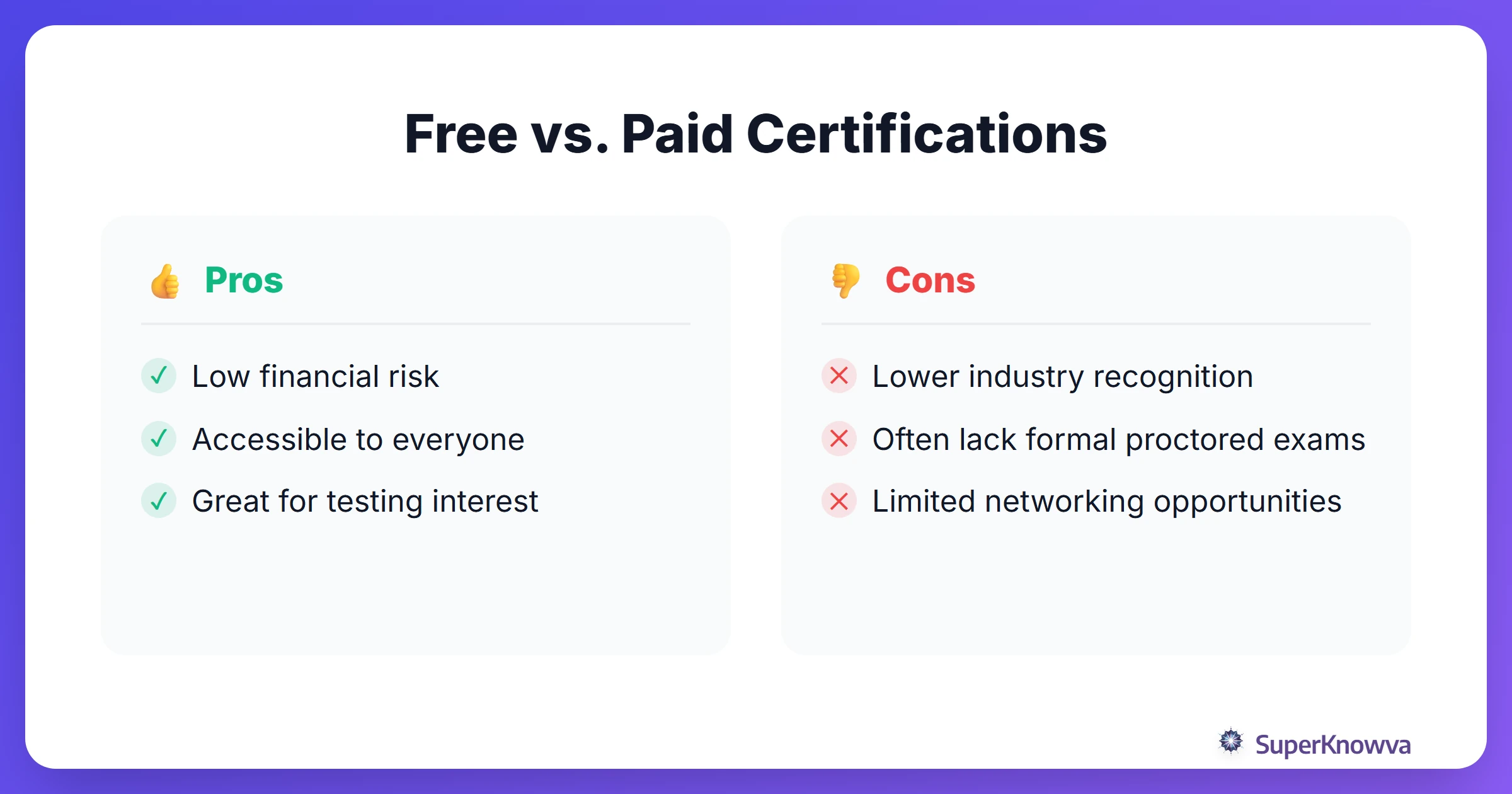
You don't need to drop thousands of dollars to get ahead. According to edX on in-demand certifications for 2025, many of the highest-value courses are available for a fraction of the cost of a single college credit.
The Final Push
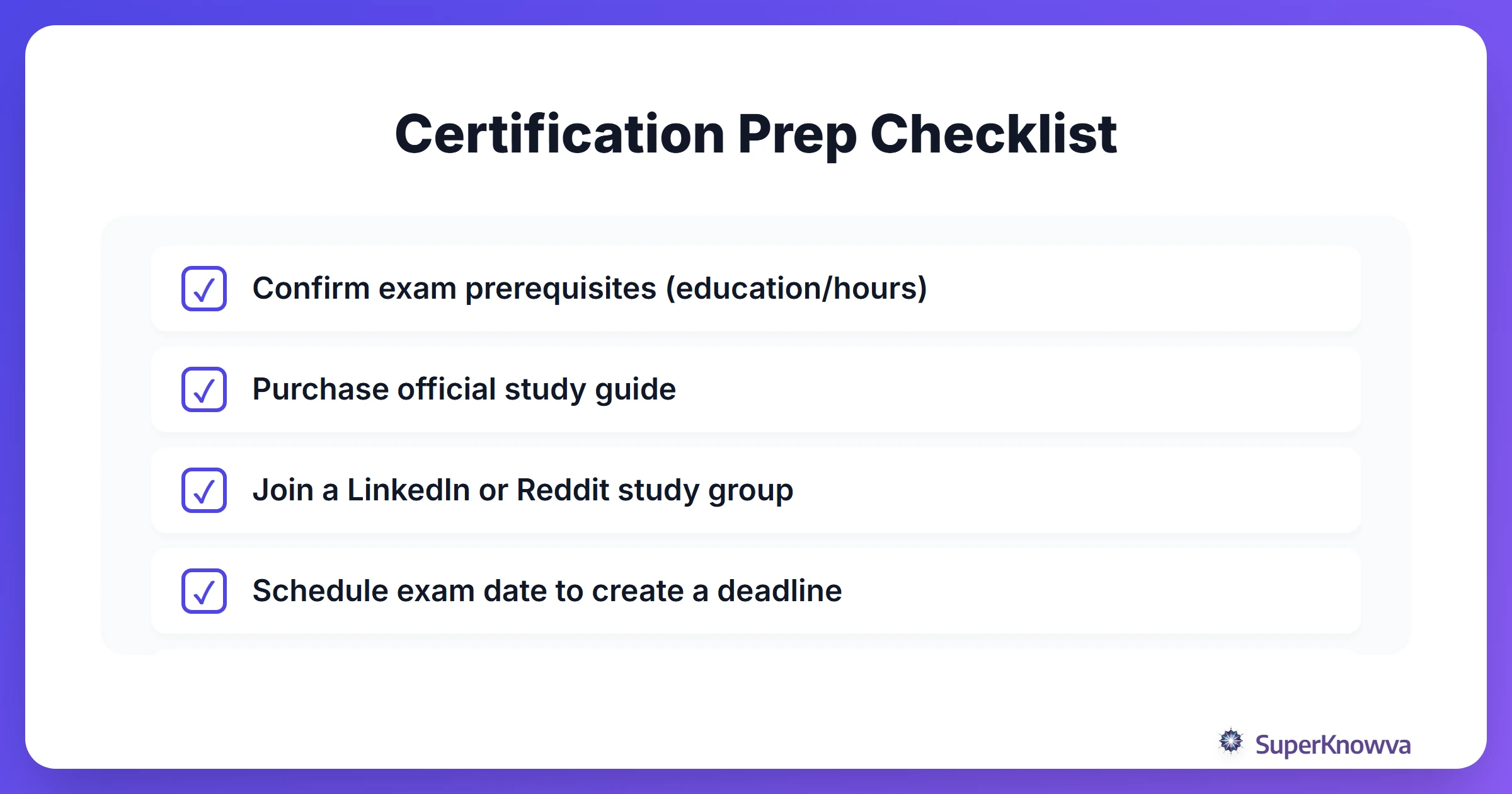
Once you've picked your course, use this checklist to make sure you actually finish it (because we’ve all started a course we didn't finish):
After you’ve earned that badge, head over to our comprehensive resume building guide to make sure it gets noticed. And don't forget: building an online presence on LinkedIn while you're still studying is a great way to get recruiters to come to you.
Don't let this July slip away. Pick one certification, set a deadline, and start building the career you actually want.