It’s mid-July. Your social media feed is a montage of beach trips and iced coffees, but your reality is a flickering laptop screen and a looming syllabus. If you feel like you’re running on fumes while the rest of the world is on vacation, you aren't alone. This is the "mid-year slump," a high-risk period where preventing student burnout becomes more about survival than just "staying focused."
When that New Year energy has long since evaporated and the finish line is still months away, willpower isn't enough. You need a strategy. Let’s look at how to spot the signs of exhaustion before they stop you in your tracks, and how to actually stay energized when you’d rather be anywhere else.
Recognizing the Signs of Mid-Year Fatigue
Burnout isn’t just "being tired." A good night's sleep can fix tiredness, but burnout is a deeper depletion of your internal battery. It’s a state of chronic physical and emotional exhaustion that leaves you feeling cynical or totally detached from your goals.
Expert advice from Florida National University's guide on preventing burnout notes that catching these symptoms early is the only way to pivot before you hit a wall.
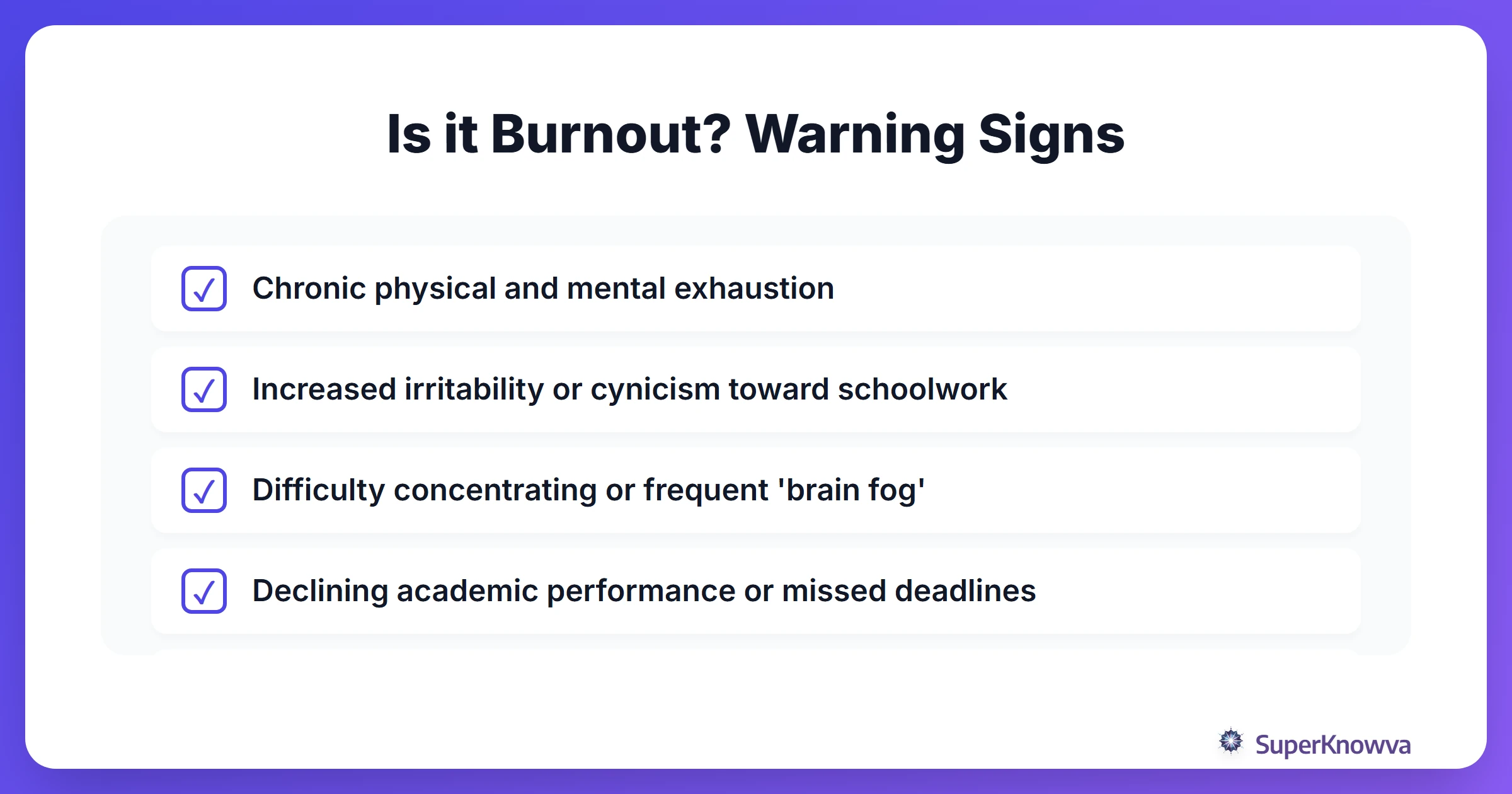
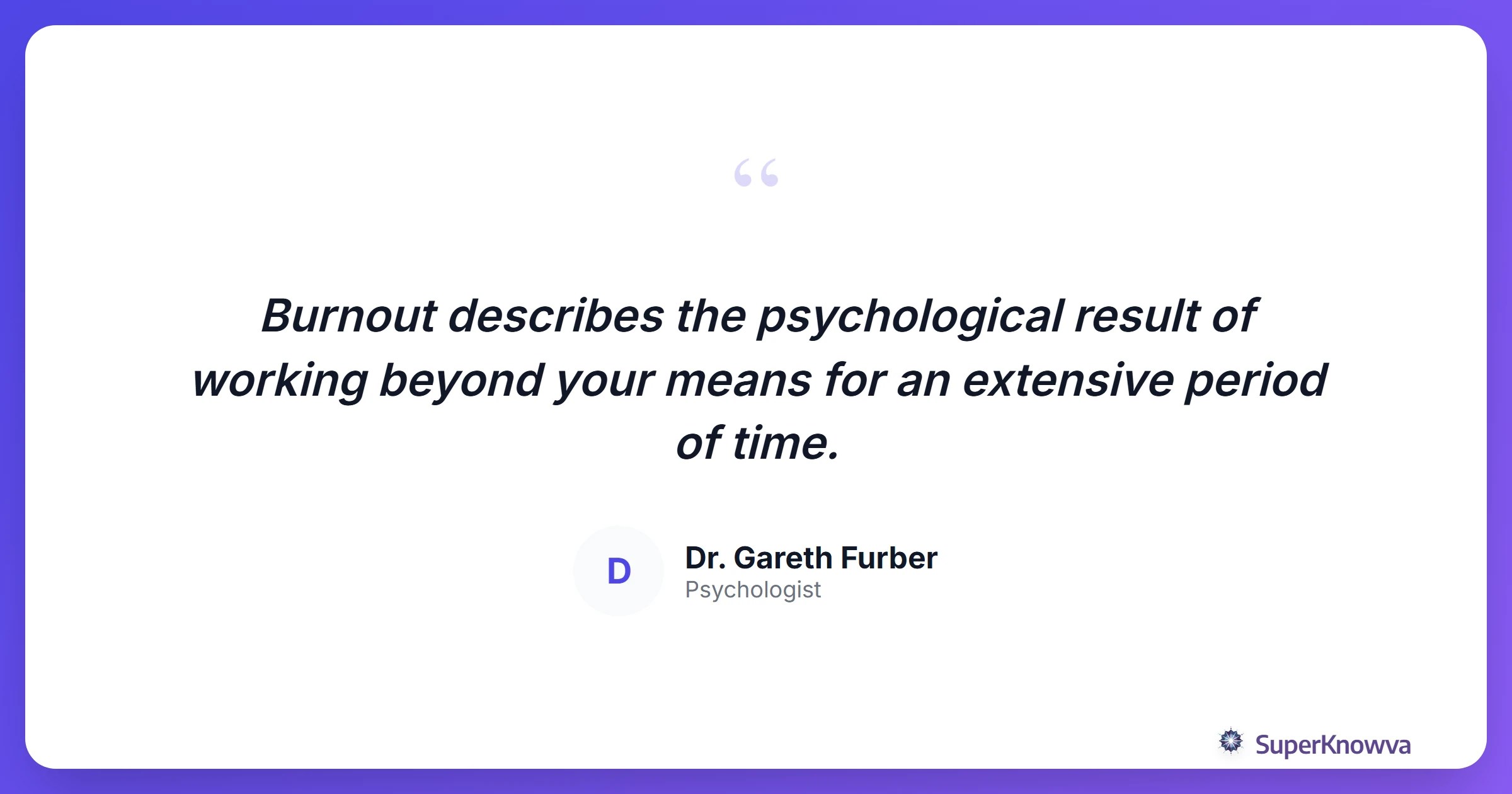
Are you staring at the same paragraph for twenty minutes? Does a simple assignment feel like climbing Everest? Common symptoms include chronic fatigue, a total lack of motivation, and a dip in your grades. According to RIT's academic burnout tips, burnout happens when the demands on your time simply exceed your capacity to meet them.
If you’re wondering whether you’re just lazy or actually hitting a breaking point, check out these 7 signs you're exhausted to help you figure out your next move.
The Power of Strategic Rest and Active Recovery
Most students make the mistake of "passive rest." You finish a study session and immediately collapse onto the couch to scroll through TikTok for two hours. The problem? Your brain is still processing information, and the blue light and rapid-fire content leave you more overstimulated than when you started.
To truly recharge, you need active recovery.
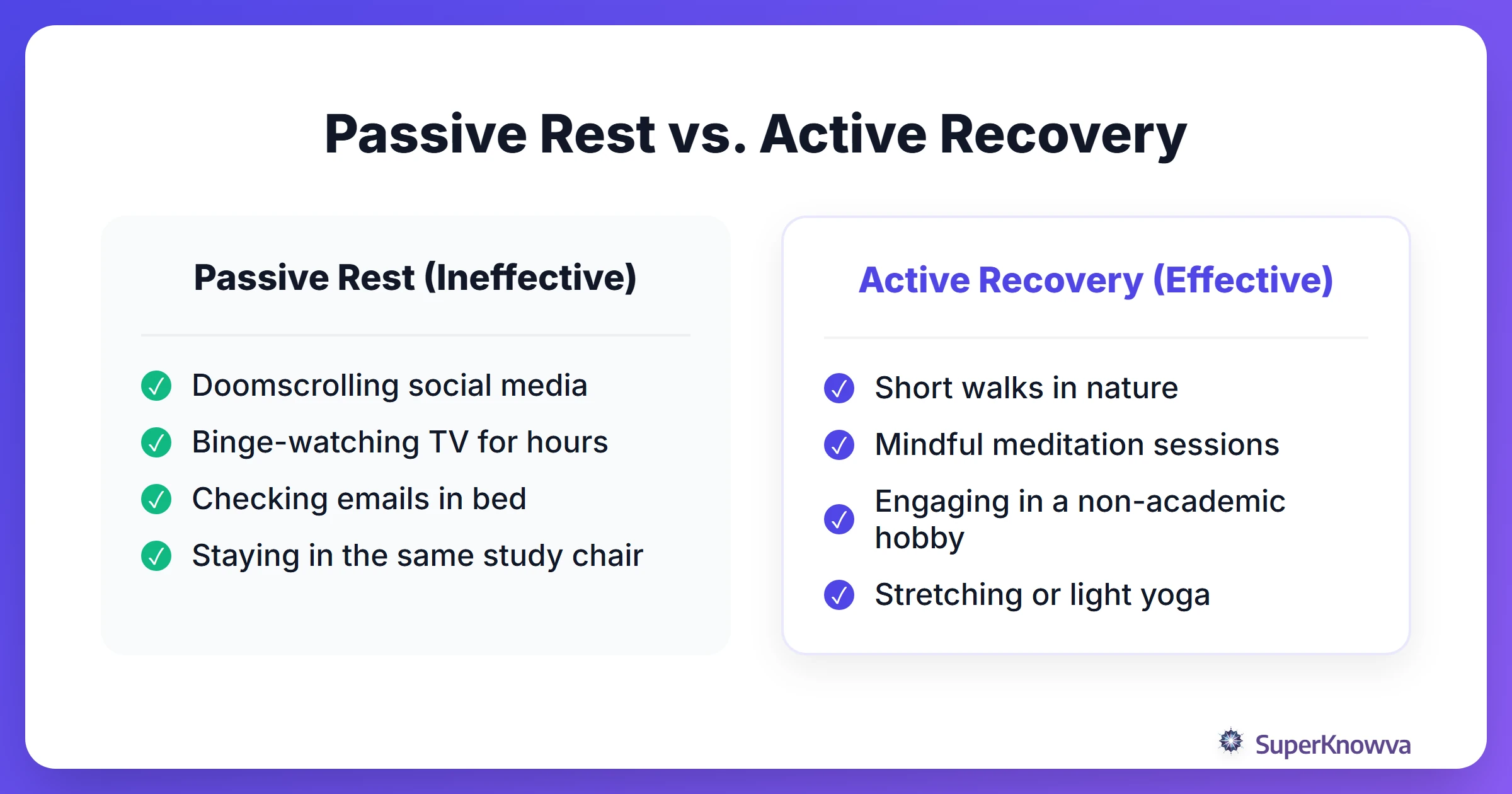
Try the 50/10 rule: work with total focus for 50 minutes, then get up and move for 10. Walk away from the screen, stretch, or grab a glass of water. This physical movement helps clear the "brain fog" and resets your focus for the next block.
Also, let’s be real: sleep hygiene is your best friend. Consistent sleep cycles regulate the hormones that manage stress. If your brain won't shut off at night, try these simple meditation techniques to lower your cortisol levels. Pro tip: treat your downtime like a doctor’s appointment. If it’s not in your calendar, you’ll probably skip it.
Optimizing Your Study Environment for Summer Success
Studying in the summer brings a specific kind of FOMO. It’s hard to focus on organic chemistry when the sun is shining outside. To fight this, you have to trick your brain into "work mode" the second you sit down.
- Ditch the Bed: Never study where you sleep. Your brain needs a clear boundary between "rest zone" and "work zone."
- Keep it Cool: Summer heat makes you lethargic. Keep the air moving and use natural light to keep your internal clock on track.
- The "Study-cation": Feeling stuck? Change the scenery. Taking your laptop to a quiet park or a new library can provide just enough of a novelty boost to break the monotony of the mid-year grind.
Balancing Social Connections and Academic Rigor
When you're overwhelmed, it’s tempting to go into "hermit mode" and cancel every plan until finals are over. Don't do it. Social isolation is the fastest track to burnout. Human connection is actually a biological buffer against stress.
The trick is being selective. You can maintain friendships while acing exams by prioritizing quality over quantity. Say "no" to the late-night party that will leave you wrecked the next day, but say "yes" to a quick dinner with a friend who actually makes you laugh. Want to multi-task? Form a study group. It turns the grind into a shared experience rather than a lonely chore.
Physical Wellness: Fueling Your Focus
Your brain is a biological organ, not a machine. If you treat your body like an afterthought, your cognitive performance will follow suit. Research consistently shows how physical activity boosts cognitive function, especially during high-stress periods.
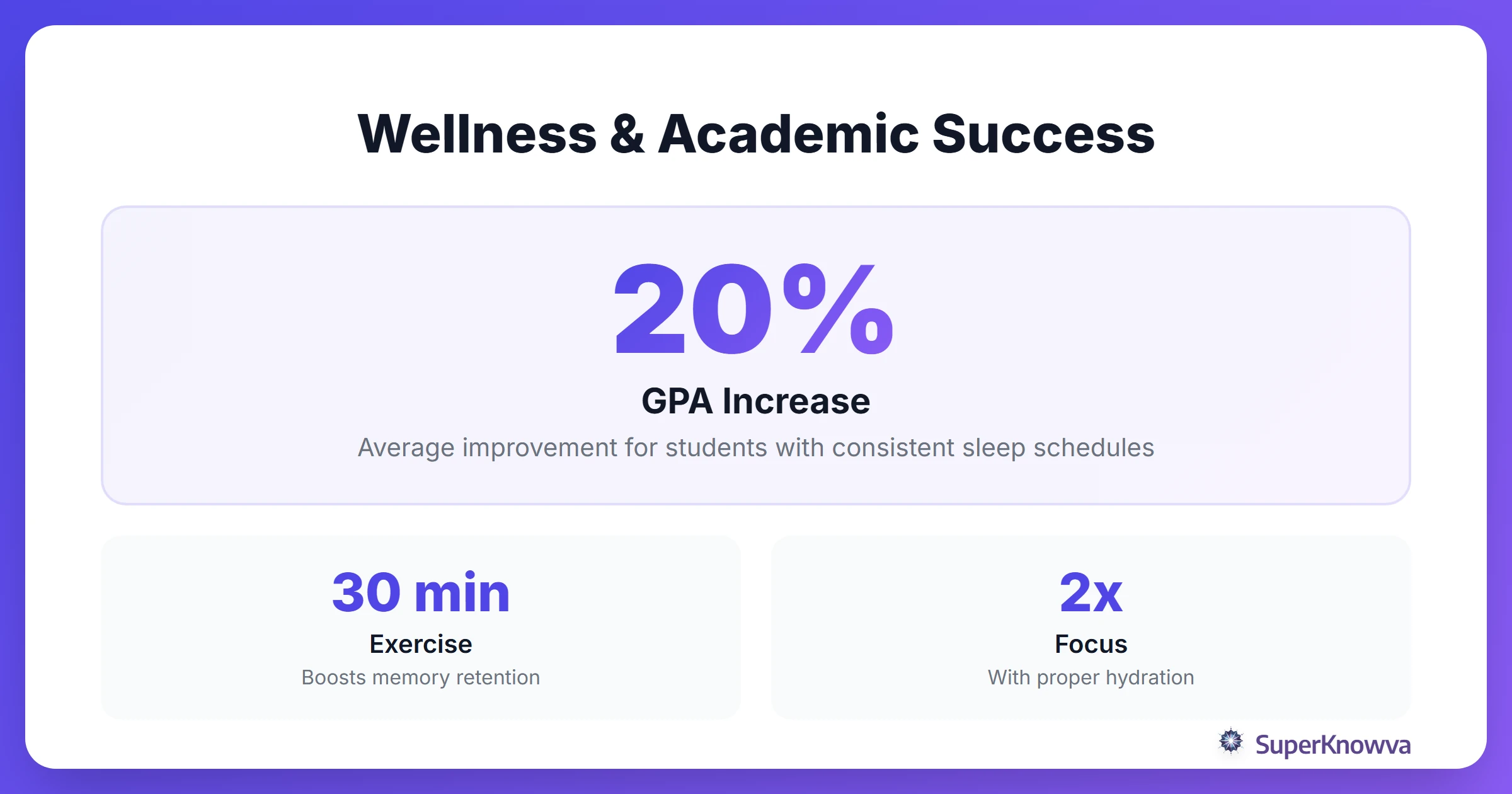
Watch your fuel. The sugar crash from energy drinks and snacks disrupts focus. Opt for proteins and complex carbs that provide steady energy. Drink water. Even mild dehydration can make your coursework feel twice as difficult as it actually is.
Leveraging Technology to Reduce Cognitive Load
In today’s world, you don’t have to do it all by hand. The "cram-and-burn" cycle usually happens because we’re overwhelmed by the sheer volume of information. This is where you can let technology do the heavy lifting.
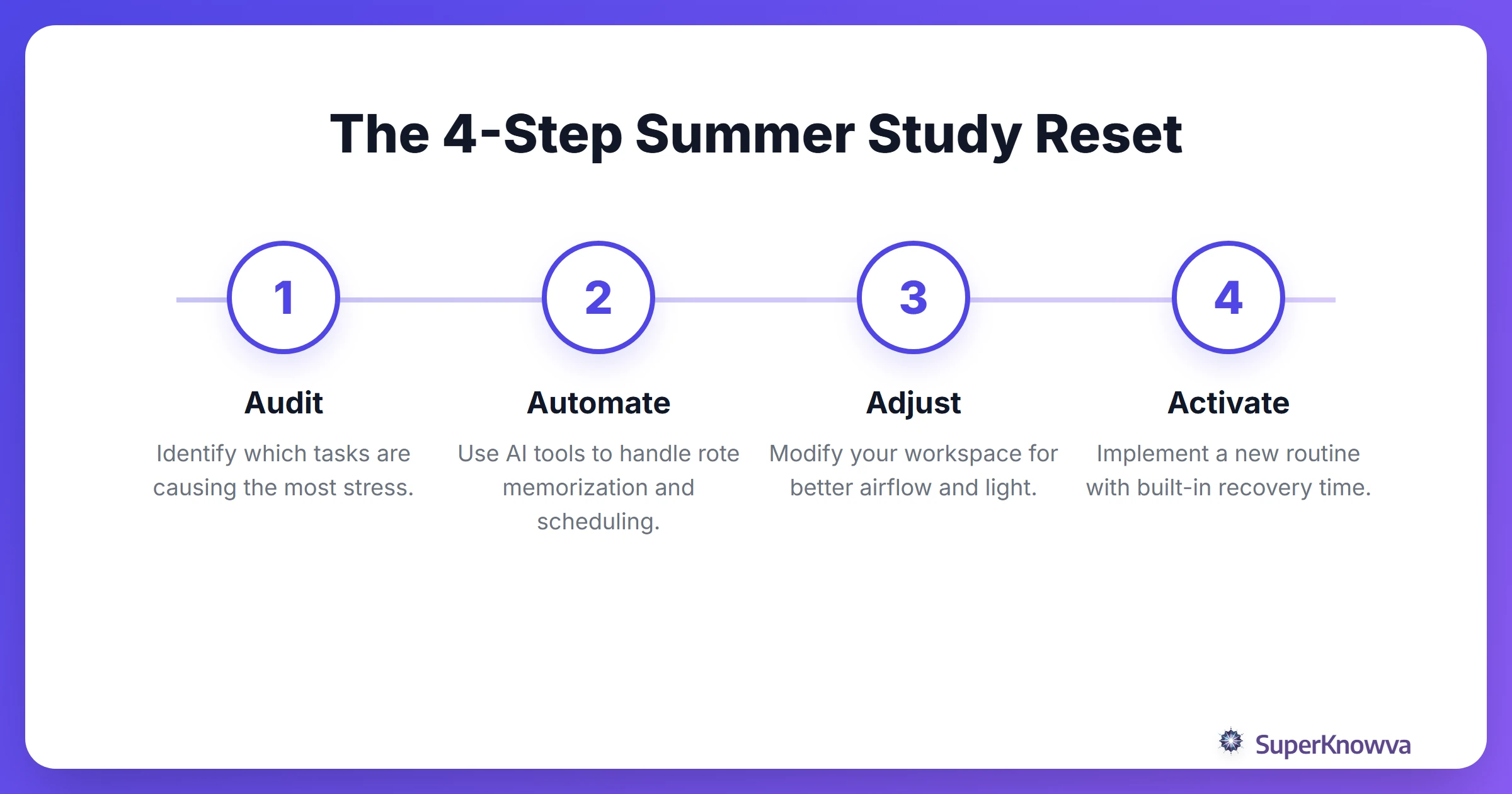
SuperKnowva is designed to save your mental energy by automating the tedious parts of learning. Instead of spending hours manually writing flashcards, you can use AI tools to generate them from your notes in seconds. By using spaced repetition, you ensure you’re only reviewing the material you’re actually at risk of forgetting. No more all-nighters; just efficient, targeted study.
Finally, don't forget to unplug. Set app limits during your deep work sessions so your phone serves your goals instead of hijacking them. By pairing these wellness strategies with smart tools, you can keep your momentum high and finish the year stronger than you started.