The final school bell has rung, the textbooks are gathering dust, and the sun is finally out. While summer is the perfect time for a well-deserved mental reset, it’s also your best chance to get ahead of the game. If you want to stand out to internship coordinators, college admissions officers, or future employers, you need more than just a transcript. You need a way to show them what you can actually do.
Think of a student digital portfolio guide as your roadmap. It’s about taking those projects you worked so hard on and turning them into a visual story that proves your worth.
In this guide, we’ll show you how to flip the script on your summer break and build a professional "home" for your skills, projects, and AI-driven learning.
Why Summer is Your Secret Weapon
Most students wait until the middle of a chaotic fall semester to scramble their materials together. By then, you’re drowning in homework and college applications. Starting now gives you a massive advantage. You actually have the "brain space" to look back at your best work without the pressure of a deadline hanging over your head.
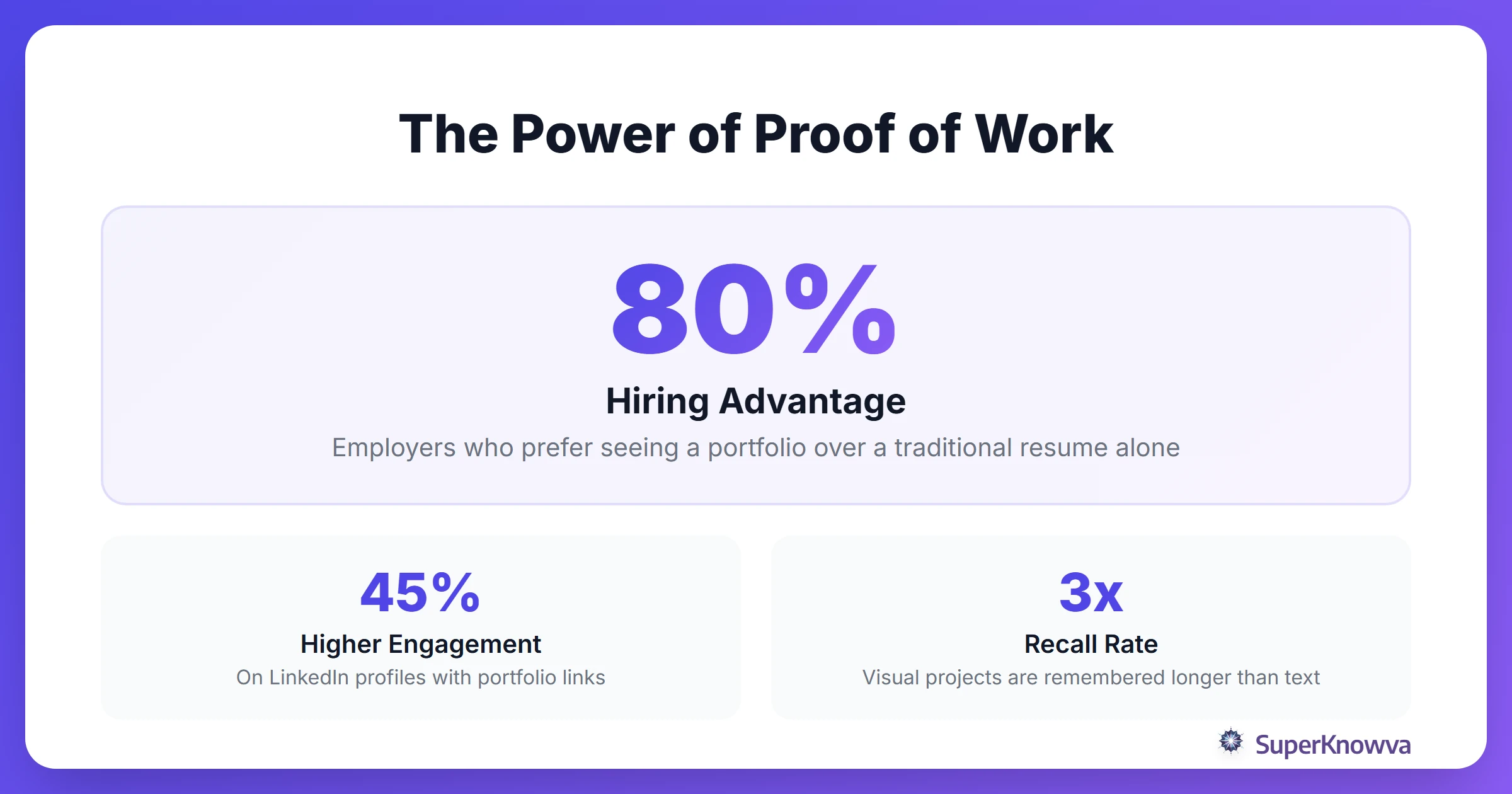
A digital portfolio connects a flat, one-page resume building guide to your actual talent. Hiring now focuses on "proof of work." Whether you are targeting a creative agency or a tech startup, people want to see how you think, not just a list of classes. Having a live site ready by September showcases your work and shows initiative.
Choosing Your Platform: Where Should Your Work Live?
Before you start uploading files, you need a "home base." The right platform depends on what you’re trying to achieve.
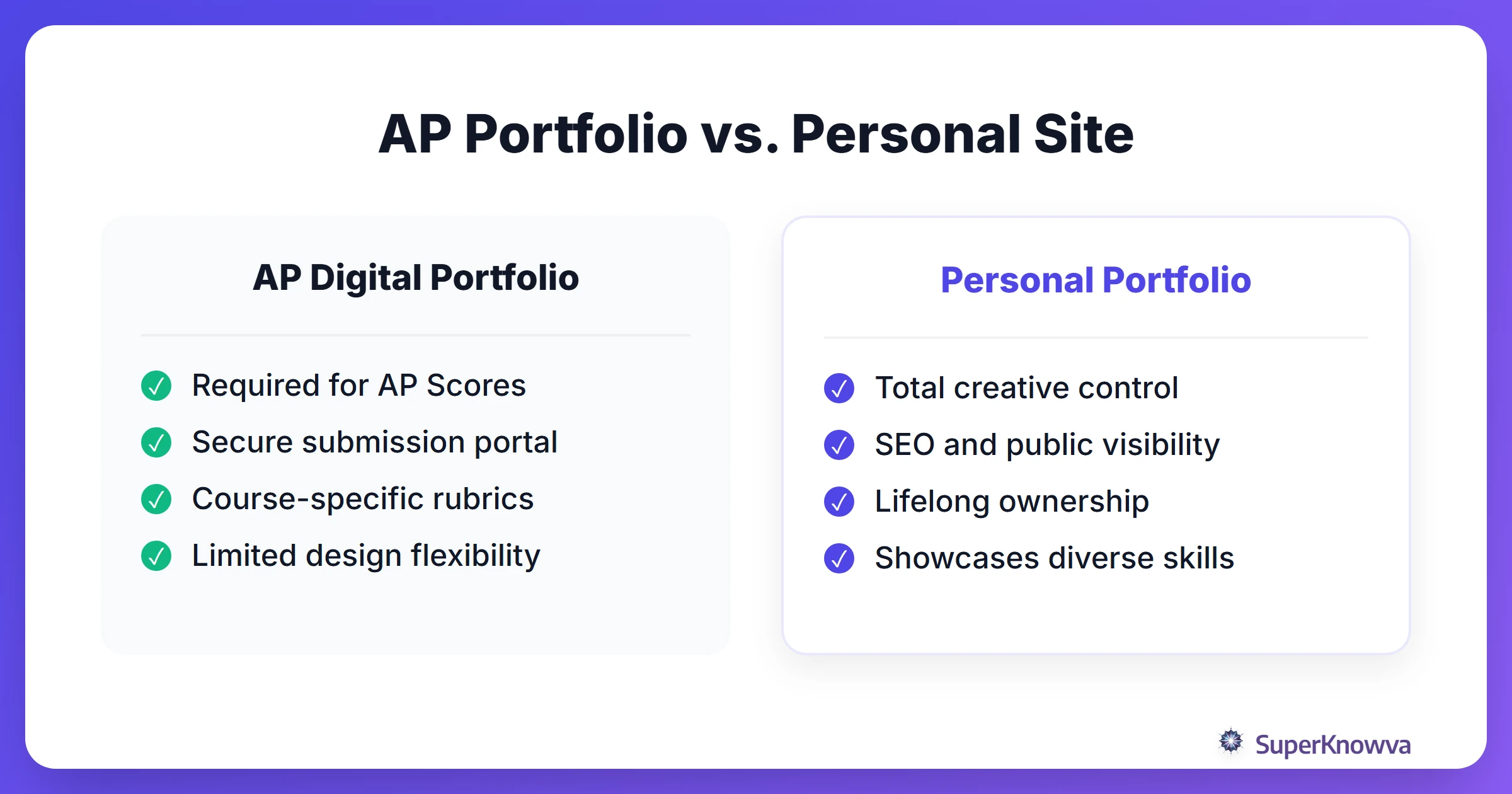
If you’re currently in AP Art and Design, AP Capstone, or AP Computer Science Principles, you’re likely already using the College Board AP Digital Portfolio Resource. These are great for your scores, but they’re a bit stiff and don't allow for much personal flair.
For a true career digital portfolio, you want something more flexible:
- Wix & Squarespace: Perfect if you want a polished, professional look with easy drag-and-drop tools.
- GitHub Pages: The gold standard for developers and CS students who want to host their code and show they know their way around a repository.
- Canva: A fantastic, free option for creating a portfolio that feels like a high-end, interactive presentation.
One quick tip: make sure your site is mobile-responsive. Recruiters are busy people; they’re probably going to click your link while they’re on their phone. If the text is too small or the images don't load, you’ve lost them.
Curating Your Best Work: Don’t Include Everything
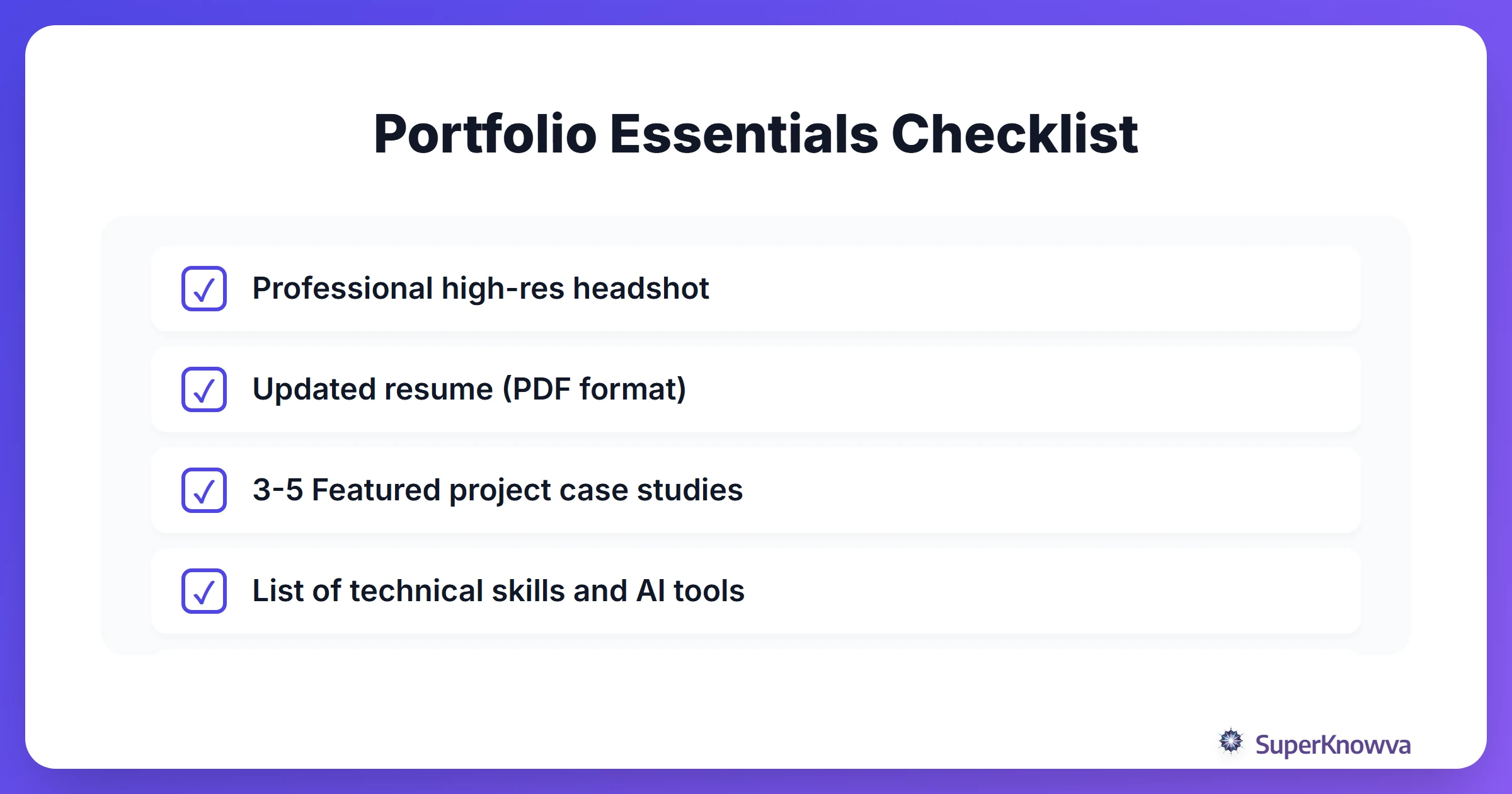
Avoid treating your portfolio like a junk drawer. You do not need to include every worksheet or quiz you have finished. Your portfolio is a curated gallery. Look for "Quality Artifacts" such as research papers, deep-dive coding projects, or a short video of you explaining a complex concept.
When you're picking summer projects for students, remember that the process is often more interesting than the final result. Did your engineering project fail three times before it worked? Show the sketches of those failures. It proves you have the grit to solve problems, a trait every employer is looking for. As highlighted in these ASU Tips for Curating Digital Portfolios, organizing your content into clear categories like Academic, Extracurricular, and Personal Passions makes it much easier for people to follow your story.
Flaunt Your AI Literacy and Digital Fluency
In 2024, saying you’re "good with computers" is like saying you know how to use a pen. To really stand out, you need to showcase your AI skills. Employers want to see that you know how to use AI tools ethically, creatively, and efficiently.
If you’ve been using SuperKnowva to sharpen your study habits or streamline your research, talk about it! Documenting your use of AI study tools shows you’re a forward-thinker. You could even add a "Tech Stack" section to your portfolio listing the tools you’ve mastered.
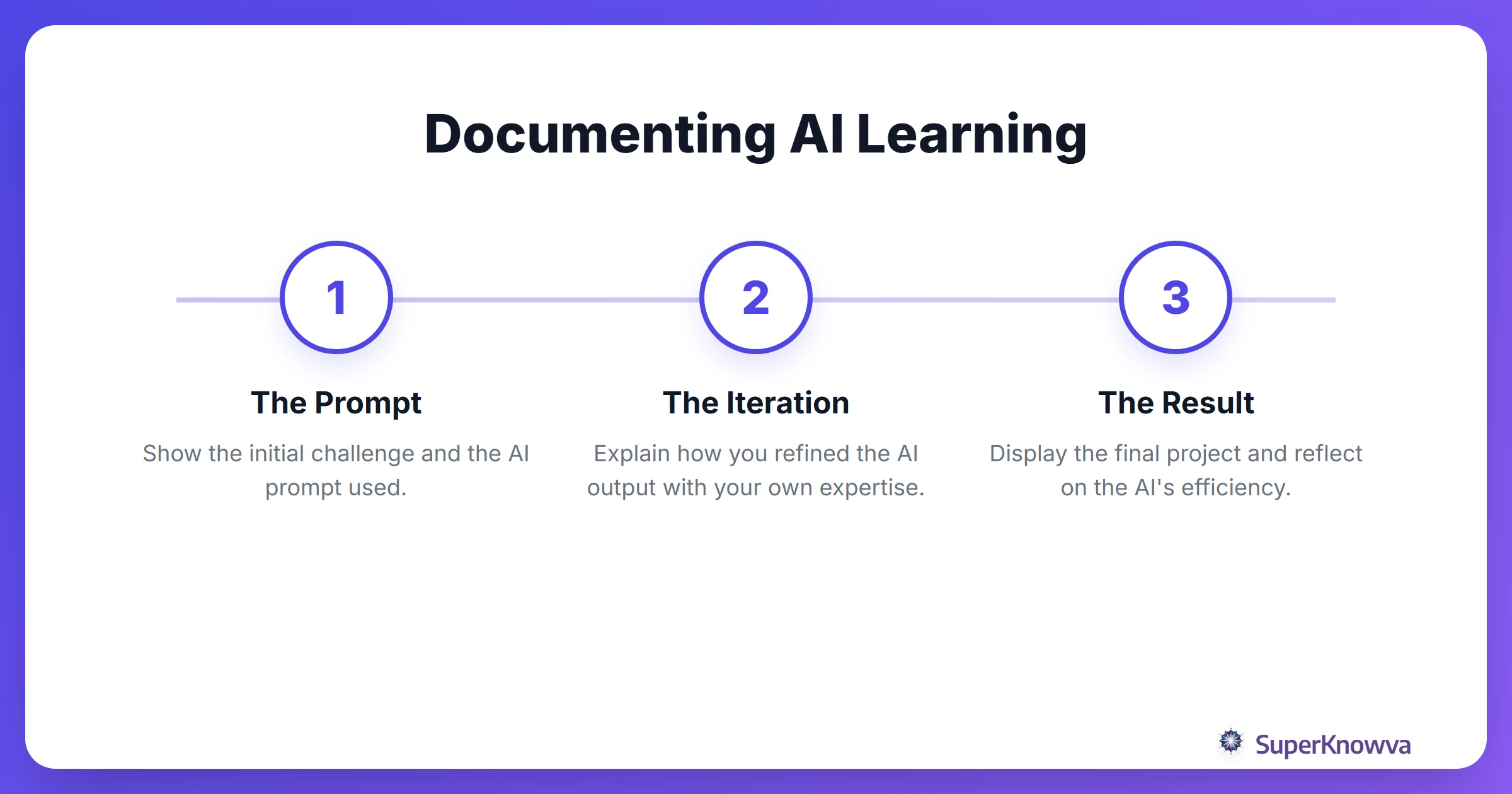
When you showcase a project, try breaking down your methodology:
- The Goal: What were you trying to solve?
- The Tool: How did you use an AI tool to brainstorm, research, or draft?
- The Human Touch: How did you take that AI output and refine it with your own unique perspective?
Transparency is key here. Showing that you understand the balance between human creativity and machine assistance is a major green flag for recruiters.
Your Personal Brand: Tell a Story, Not Just a Stat
Your portfolio is the visual version of your personal branding for students. It should give people a sense of who you are beyond your GPA. Start with an "About Me" section that actually has some personality. What’s your "why"? What kind of impact do you want to make?
Keep things consistent. Pick a color palette and a couple of fonts that fit your vibe. If you’re a designer, go for something bold. If you’re a data scientist, keep it clean and minimalist. Adding a personal mission statement or even a short video intro makes you much more memorable than a name on a PDF. Once you’re done, don’t forget to link your site to your LinkedIn profile to start building professional connections.
Staying Safe and Keeping it Fresh
As you build your ePortfolio platforms, don't forget about digital safety. You want to be found, but you don't necessarily want your home address or private school data out in the open. Use password protection for sensitive projects if you need to.
To make sure your digital resume for college actually shows up in searches, use your name in the page titles and include keywords related to your field.
Finally, remember: a portfolio is a living document. Set a reminder on your phone to update it every few months. There’s nothing worse than a "Portfolio" link that leads to a bunch of 404 errors or projects from three years ago. Check your links, test your contact form, and keep that headshot updated!
Conclusion
Building a digital portfolio is a productive way to spend your summer. It helps you organize your wins, learn new digital tools, and think about your goals. By the time school starts back up, you won't just be telling people what you can do; you will be showing them.
Ready to get started? Take a look at your best work from the past year and let your potential shine!