The job market isn't just changing; it’s being completely rebuilt. If you’re a student aiming for a dream internship or that first "real" job, you’ve probably felt the pressure. The bar for entry-level roles has moved. As you gear up for the next recruitment cycle, there is one specific set of tools that has jumped from "cool bonus" to "non-negotiable": AI skills.
Whether you’re a designer, a coder, or a marketing major, showing employers that you can work with artificial intelligence instead of being replaced by it is a strong way to stand out. This isn’t about becoming a robot. It’s about being the person who knows how to use the technology.
In this guide, we’ll look at the specific AI competencies you should master this summer to make sure your CV doesn't just sit at the bottom of a digital pile.
Why "AI Literate" is the New "Proficient in Excel"
Remember when knowing how to use a pivot table was a flex? Those days are gone. Today, hiring managers are looking for AI literacy. This doesn't mean you need a PhD in machine learning; it means you understand how AI tools work, what their limits are, and how to use them to get work done faster and better.
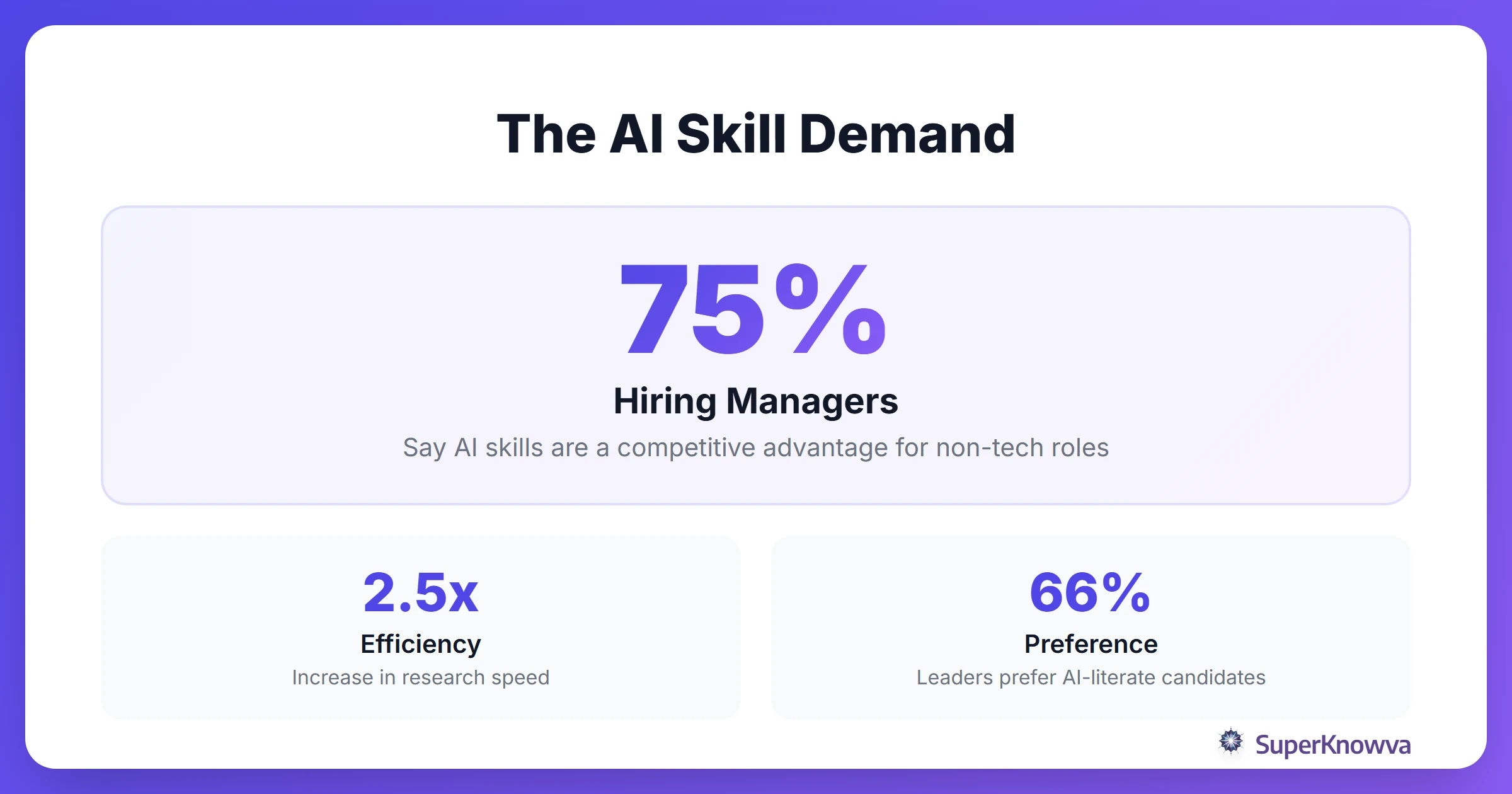
For anyone graduating in 2026, treating AI as a novelty is a mistake. It is a workflow. Employers look for candidates who integrate human strategy with algorithmic execution. As this breakdown of AI Literacy and Job Security points out, being AI-literate is no longer optional. It is a pillar of career stability. Companies are hiring for roles where collaborating with an AI "teammate" is part of the daily routine.
Generative AI: Moving Beyond "Copy-Paste"
We’ve all used ChatGPT to draft a quick email, but professional generative AI for productivity goes much deeper. Tools like Claude, Gemini, and ChatGPT are sophisticated partners for brainstorming, drafting reports, and refining code.
The trick to standing out? Don't let the AI do the work for you. Let it help you do better work. When you update your resume, avoid vague phrases. Instead, use keywords like "Content Augmentation" or "AI-Assisted Drafting." These terms tell a recruiter: "I know how to use these tools to scale my output without losing the human touch or making embarrassing factual errors."
Data Analysis Without the Headache
AI’s real superpower is its ability to chew through massive amounts of data in seconds. Instead of spending your entire internship manually copying numbers from PDFs into a spreadsheet, you could be using AI research tools to handle the heavy lifting.
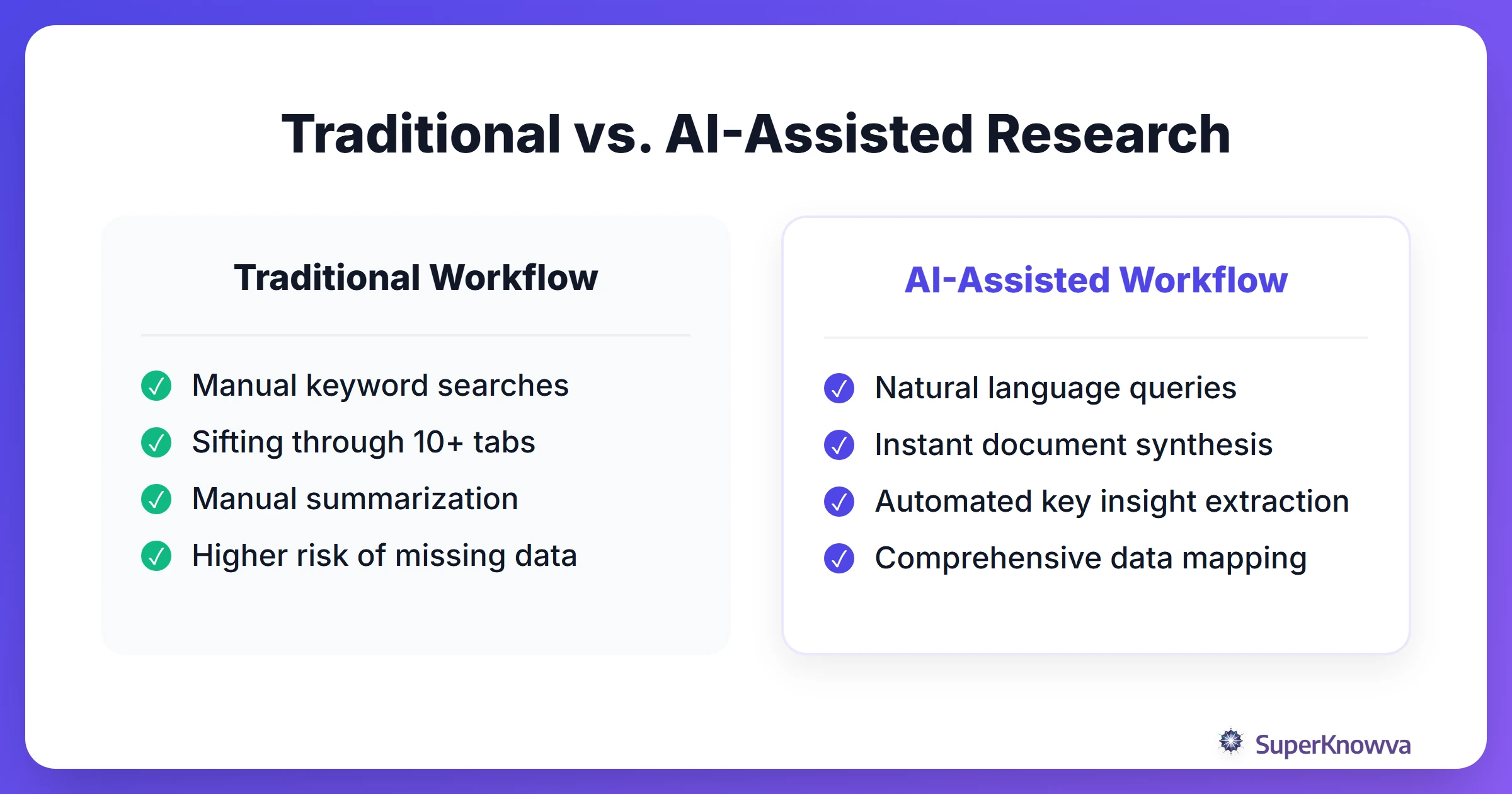
By mastering Data Synthesis and Automated Reporting, you shift your value from "the person who finds the data" to "the person who explains what the data means." That’s a massive promotion in terms of perceived value. Mentioning these skills on your CV shows you’re focused on high-level strategy, not just busywork.
Prompt Engineering: The Art of Asking the Right Question
You’ve heard the term, but let’s be real: prompt engineering is just a fancy way of saying "knowing how to talk to the machine." It’s a soft skill disguised as a technical one. It involves techniques like chain-of-thought prompting (giving the AI a step-by-step logic path) and few-shot prompting (providing examples to set the tone).
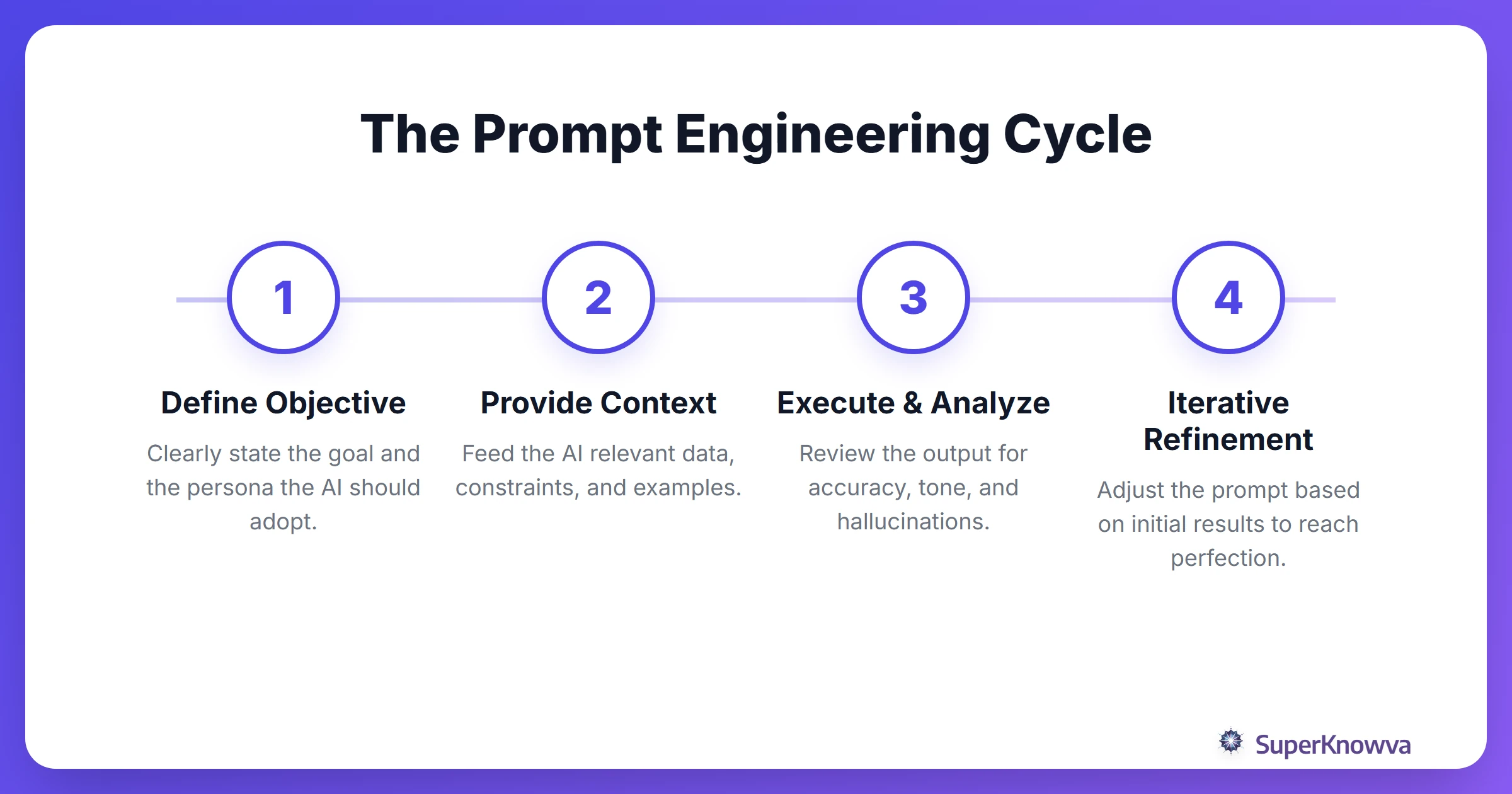
If you can prove you know how to reduce "hallucinations" (when the AI just makes stuff up) and get professional results on the first try, you have a technical edge. Put this in your "Tools" or "Skills" section. It signals that you’re a power user, not just someone who occasionally asks an LLM for a joke.
Ethics: Don't Be a Liability
Here’s the truth: Employers are actually a little scared of AI. They worry about data leaks, copyright issues, and bias. If you can show that you understand Responsible AI Use, you instantly become a "safe" hire.
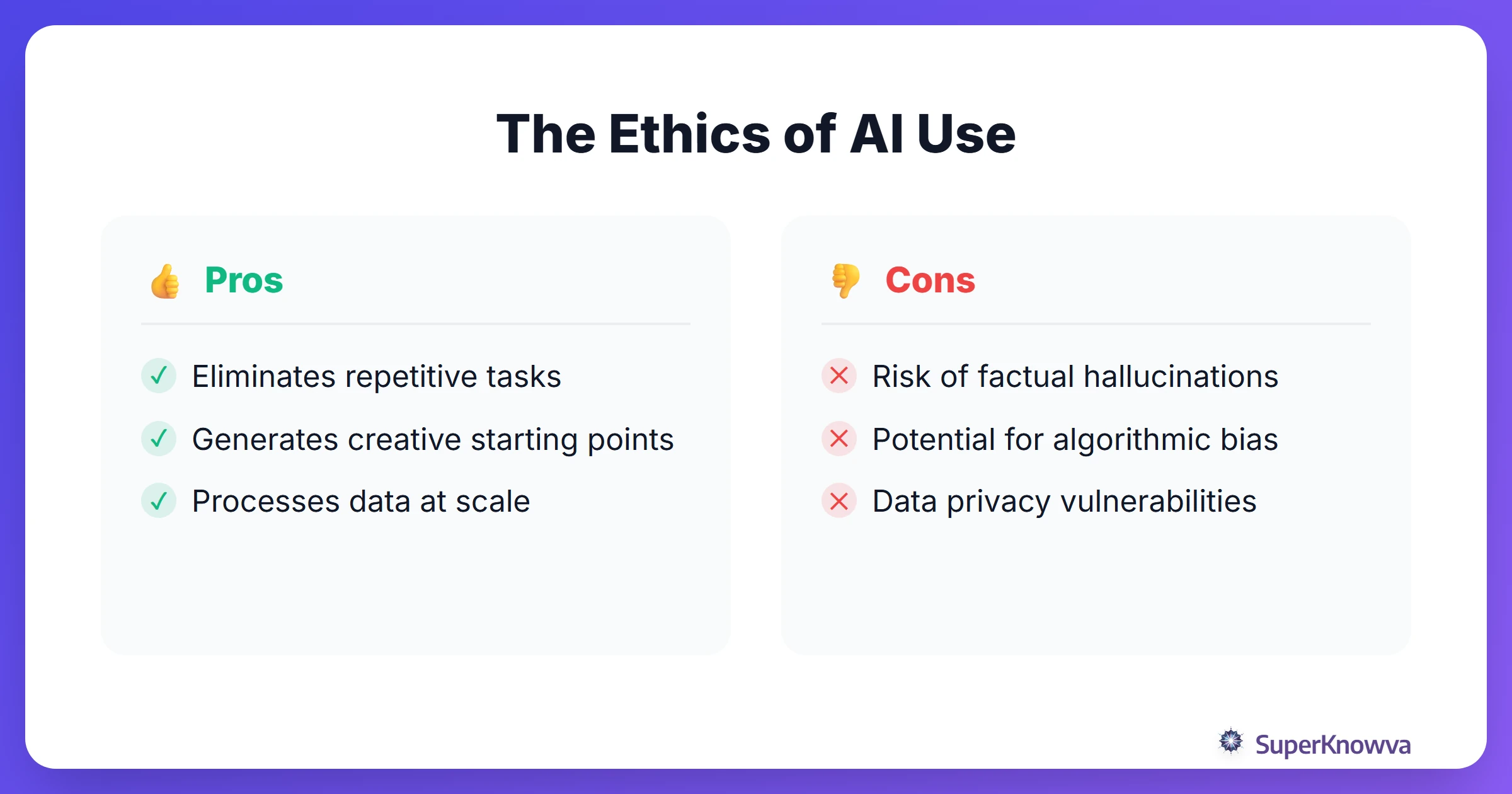
Being the candidate who understands bias and knows exactly which company secrets never to type into a public AI model is a distinct advantage. It shows you have a thorough fact-checking process and that you aren't just taking shortcuts. You are being efficient and ethical.
How to Make These Skills Pop on Your Resume
Listing "AI" as a skill is a bit like listing "The Internet." It’s too broad. To make your resume actually move the needle, you need to quantify your impact.
Instead of saying "Used AI for research," try: "Reduced market research turnaround by 40% using AI-driven data synthesis tools to analyze competitor trends."
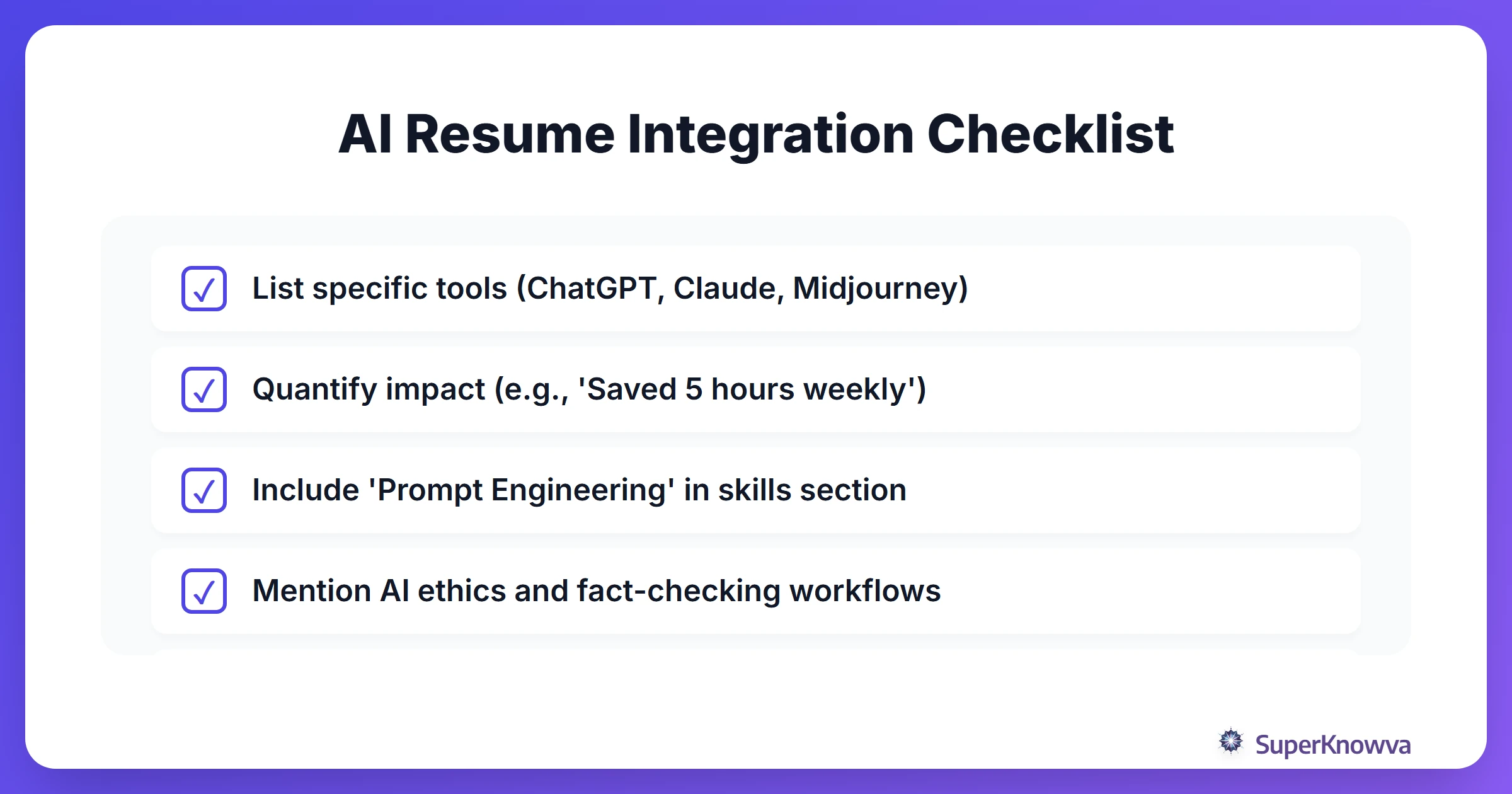
How to include it:
- The Summary: Describe yourself as an "AI-literate professional focused on workflow optimization."
- The Experience: Mention specific tools like DALL-E for visuals, GitHub Copilot for code, or Perplexity for research.
- The Technicals: Make sure to optimize your CV for Applicant Tracking Systems so the systems scanning your resume recognize your AI expertise.
If you’re starting from scratch, check out this resume building guide for 2026 graduates to see where these skills fit in your layout. For more inspiration, Rachel Wells has a solid list of 17 AI Skills To Put On Your Resume In 2025.
Future-Proofing Your Career
The tech world moves fast, like "new update every Tuesday" fast. Future of work skills are less about what you know right now and more about how fast you can learn the next thing.
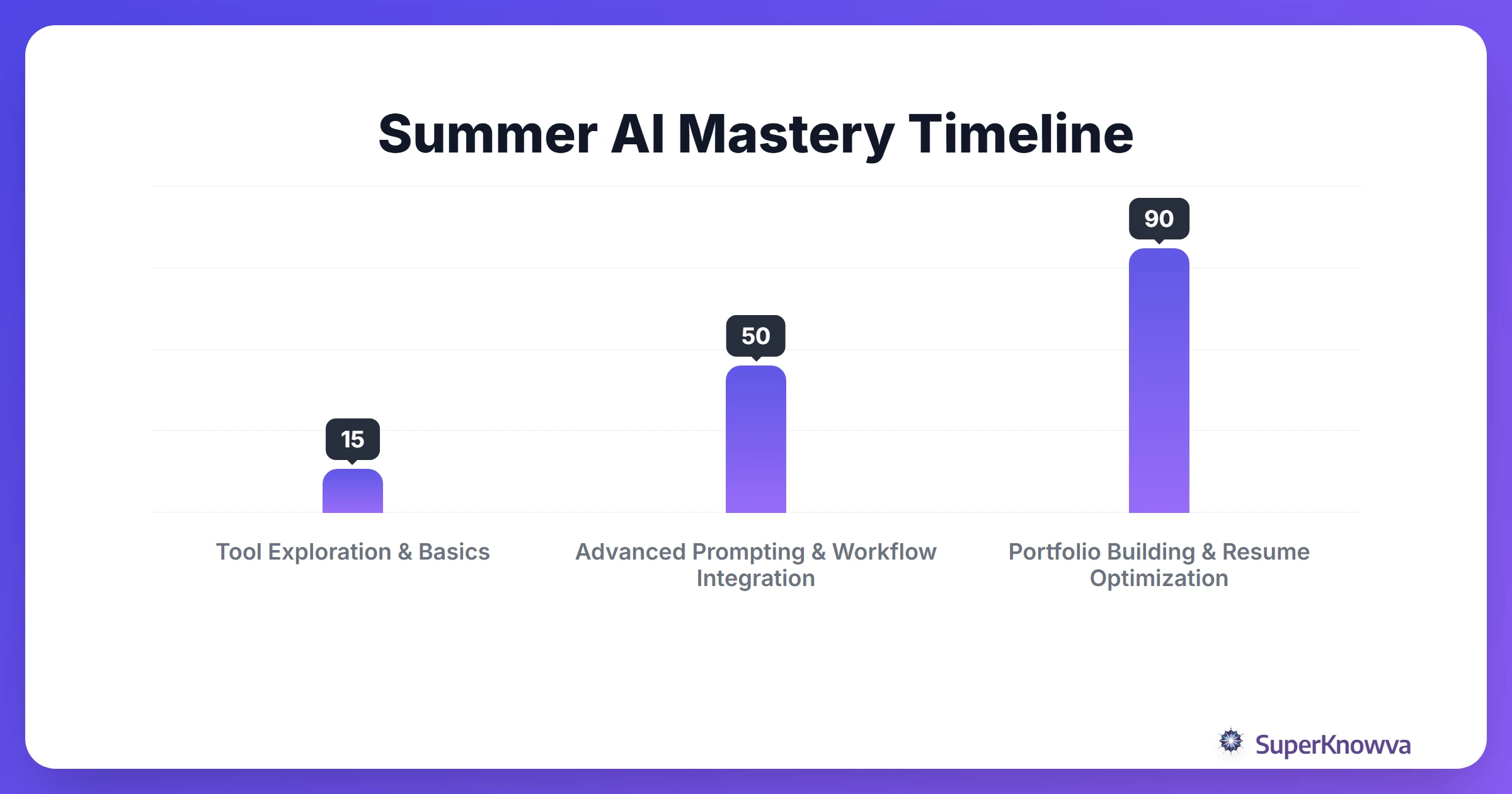
Use this summer to build something. Start a blog, analyze a dataset, or automate a boring task. Having a tangible project is worth ten bullet points on a resume. While you're at it, don't neglect the soft skills that AI can’t replicate, like empathy and critical thinking.
Once your resume is ready and your skills are sharp, you can start using AI tools to practice for interviews. By the time recruitment season arrives, you will be the candidate everyone is looking for.