Most students spend June through August catching up on sleep and Netflix. And honestly? You deserve it. But while everyone else is unplugging, savvy career-starters see a massive, untapped window of opportunity. If you’re looking to jumpstart your career, learning how to build professional network as student during these months is just as vital as keeping your GPA up.
At SuperKnowva, we know AI can help you crush your coursework, but it’s your human connections that actually turn that knowledge into a paycheck. Think of it this way: the summer is your time to build the bridge between "student" and "professional."
In this guide, we’re going to show you how to flip the script on your summer break and turn it into a launchpad for your future.
Why Summer is the Critical Window for Networking
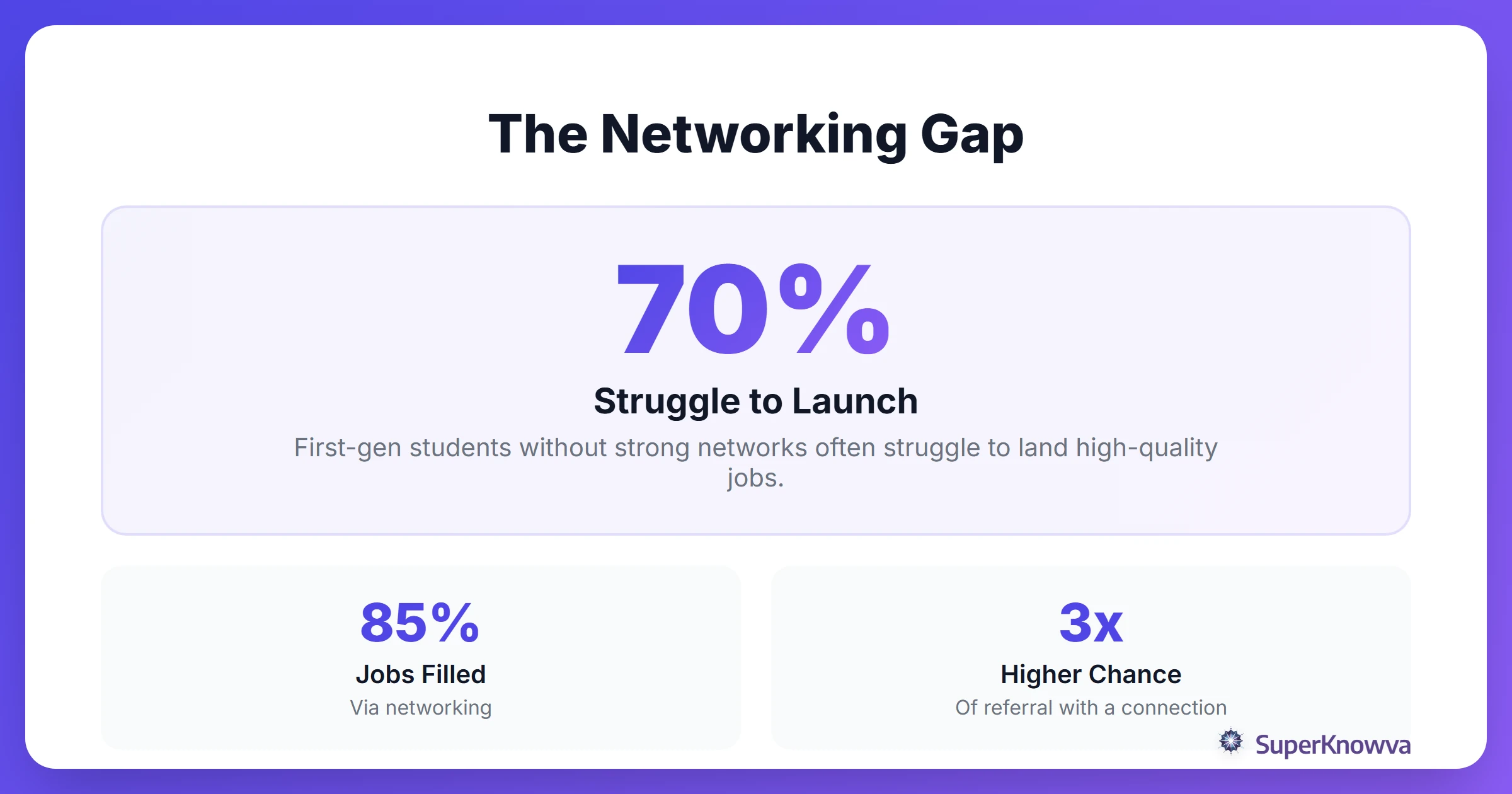
The "hidden job market" is a reality. Research shows that up to 85% of jobs are filled through networking rather than traditional job boards. For low-income and first-generation students, these connections are critical. They bridge the "social capital gap" that often keeps talented people on the sidelines.
Summer is the perfect "low-stakes" environment. Without the pressure of midterms or 8:00 AM lectures, you actually have the mental bandwidth to focus on Soft Skills That Employers Look For, like communication and relationship management. By the time the fall semester rolls around, you won't just have a updated resume; you'll have a list of advocates ready to vouch for you.
Start With Who You Know: Leveraging Your Existing Circle
Many students feel like they don’t have a "network," but that’s almost never true. Your network starts with the people already in your life: family friends, former teachers, or even that supervisor at your part-time summer job.
To go beyond your immediate circle, try the Creighton University "Alumni Tool" approach. Go to your school’s LinkedIn page, hit the "Alumni" tab, and filter by your major or dream industry. Reaching out to an alum isn't nearly as awkward as you think; most are more than happy to help someone who’s walking the same halls they once did.
Keep your first message simple: "I see you also graduated from our university and are now working in your field. I'm a current student and would love to hear a bit about your career."
Crafting Your 30-Second Commercial
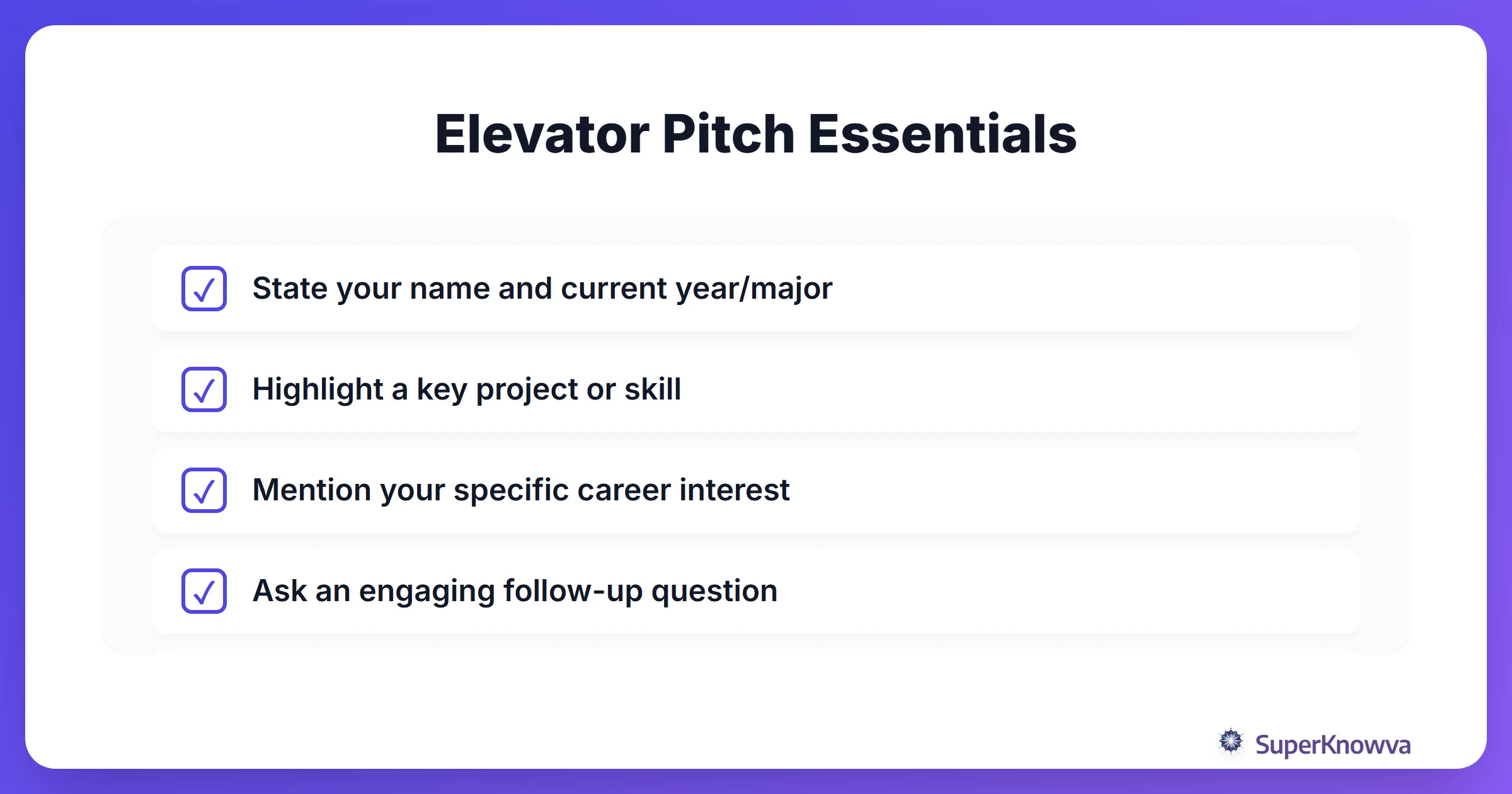
What happens when you actually meet someone at a local meetup or even a family barbecue? You need to be ready. This is your "elevator pitch," but don’t think of it as a script. It’s a 30-second commercial where you share your story and your goals, not just a list of classes you’ve taken.
Remember, first impressions aren't just about what you say. Maintain eye contact, offer a firm handshake, and keep your body language open. If you’re feeling nervous, practice in front of a mirror or record a quick video on your phone. The goal is to sound prepared and confident, not like a robot.
Strategic LinkedIn Growth for Students
Think of your LinkedIn profile as your 24/7 digital billboard. During the summer, you need to move from being a "passive observer" to an "active participant." If your profile is still a work in progress, check out our guide on Building an Online Presence Before Graduation to get it polished.
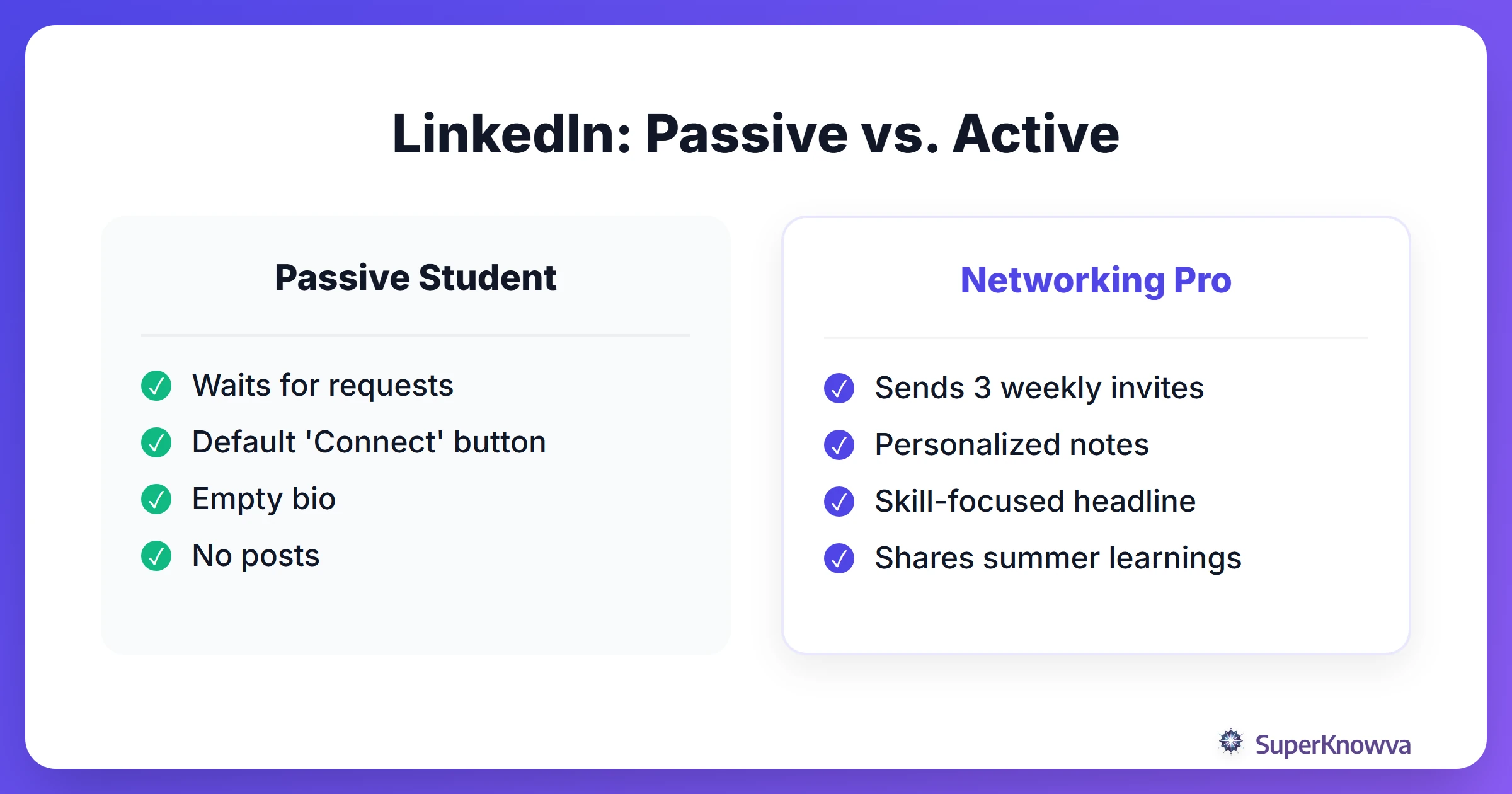
When you send a connection request, never use the default message. Always include a personalized note. Mention a specific article they wrote or a project their company just finished. As you work on your own summer projects, even if you’re just doing self-led study sessions with SuperKnowva, post an update. Documenting your learning process shows you have curiosity and discipline.
Mastering the Informational Interview
An informational interview is one of the most powerful tools in Networking 101: A Student's Guide. Just remember: this is not a job interview. You’re asking for advice, not a paycheck. Most professionals are happy to give 15 minutes to a student who is genuinely curious.
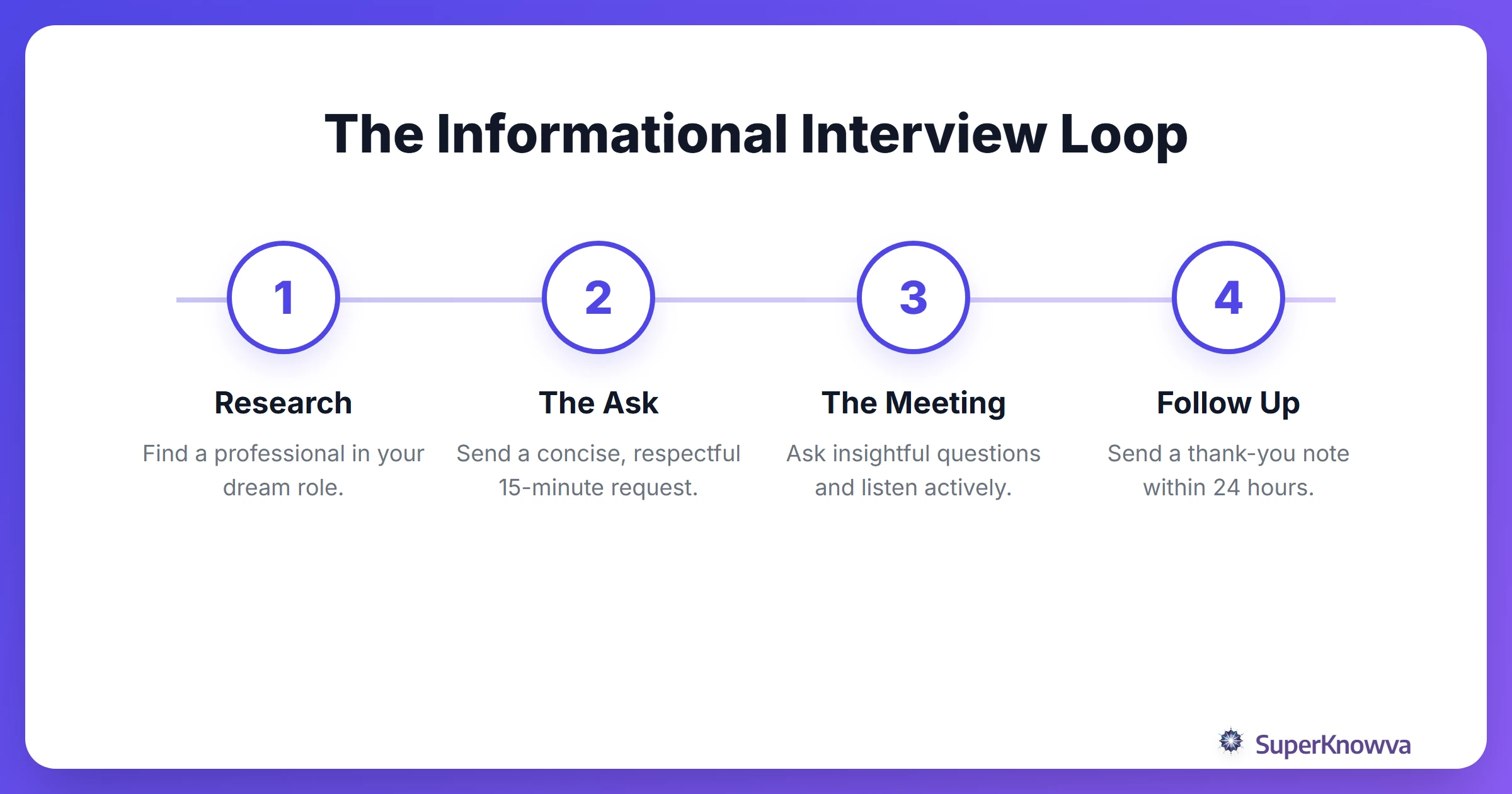
Try asking these questions:
- "What’s the one thing you wish you knew when you were starting out?"
- "Which skills are actually the most valuable in your day-to-day work?"
- "Are there any industry groups or newsletters I should be following?"
According to UMBC’s networking tips, the real magic happens in the follow-up. Send a thoughtful email (or even a handwritten note) within 24 hours. Mention one specific piece of advice they gave that you’re going to use. It shows you were actually listening.
Networking for First-Generation Students
If you’re the first in your family to enter the professional world, "imposter syndrome" is common. Your background and resilience are huge assets, not things to hide.
Look for mentors who understand your specific background. Many organizations have specialized programs designed specifically for first-gen success. As this HBR guide on networking for first-generation students points out, building a network is about finding "sponsors": people who will mention your name in rooms you haven't entered yet.
Maintaining Connections Long After Summer Ends
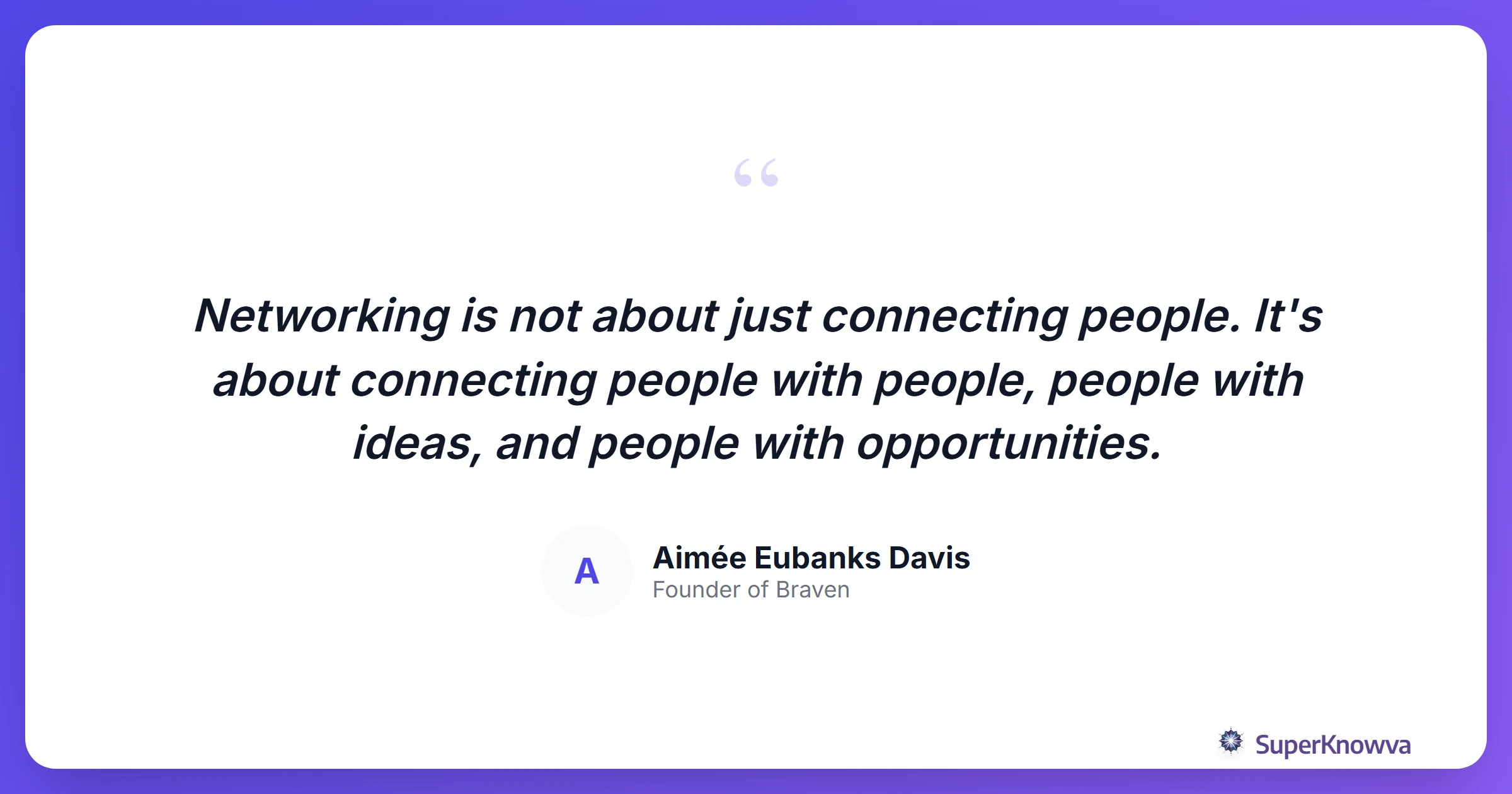
The biggest mistake you can make? "Transactional networking." That’s when you only reach out when you need a job or a favor. To build a real network, you have to keep the relationship alive.
Keep a simple spreadsheet to track who you’ve talked to and set a reminder to check in every few months. You don’t need a massive reason to reach out. Sending an interesting article or congratulating them on a company milestone is plenty.
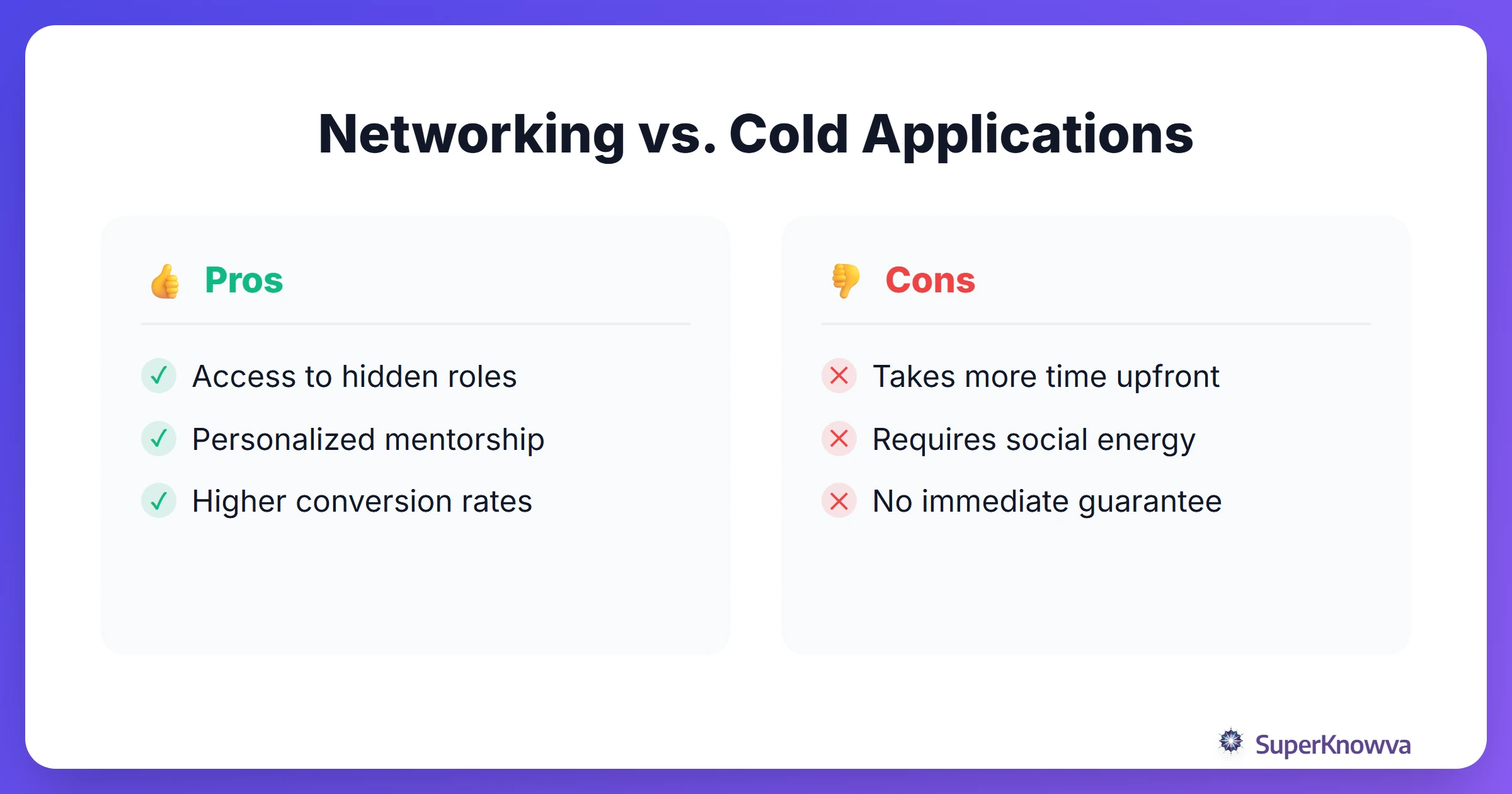
Networking takes more effort than hitting "Easy Apply" on a job board, but the results are worth it. By using these Strategies for Landing Competitive Internships and building your network now, you ensure that when you graduate, you aren't just looking for a job; you're starting a career.
Ready to level up? Use your summer to connect with people, and use SuperKnowva to master your studies so you have the confidence to talk shop with the best in the business.