You’ve got the badge. You’ve got the laptop. You’ve even figured out how to use the fancy espresso machine in the breakroom. But as July rolls around, a new kind of pressure starts to kick in: how do you actually turn this temporary gig into a permanent career?
Here’s the truth: doing great work is only half the battle. The real secret to staying on the radar after your last day is your outreach. If you want to be the first person your manager thinks of when a full-time spot opens up, you need to master a few student networking tips that go beyond just "being nice."
Let’s break down how to handle office dynamics and build a professional circle that lasts.
Stop Treating People Like Tasks
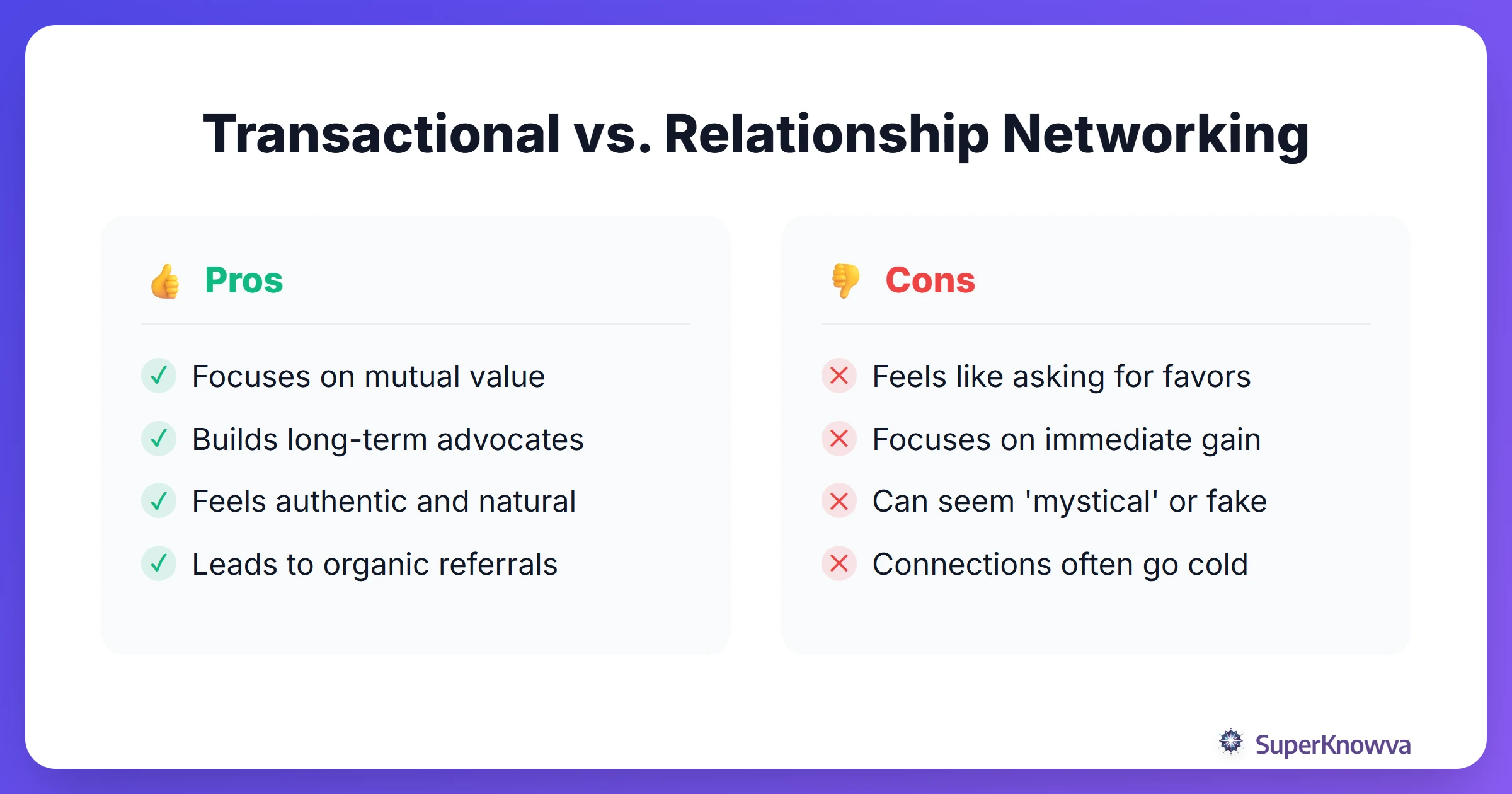
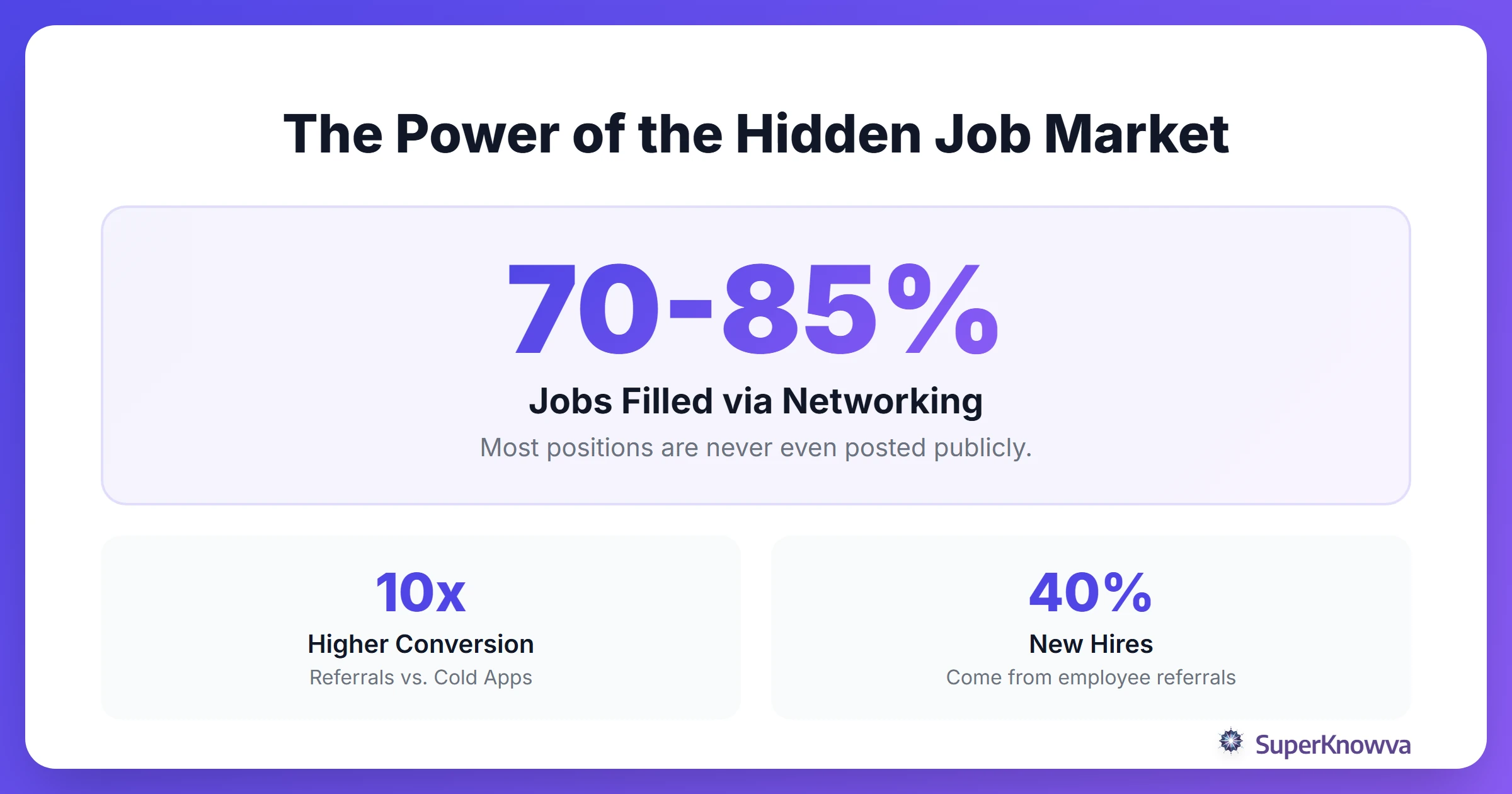
Too many students treat networking like a vending machine: you put in one conversation and expect a job offer to pop out. It doesn’t work like that. The most effective career growth for students happens when you stop looking for a "win" and start focusing on professional relationship building.
Think of it this way: instead of trying to "network," try being genuinely curious. Why did the senior VP choose this industry? What’s the one problem that keeps your team up at night? When you lead with curiosity, that "mystical performance" anxiety usually disappears. It’s not a stage play; it’s just a conversation.
To keep yourself on track without burning out, set a small goal: two outreach messages per week. It’s enough to keep your pipeline moving, but not so much that you neglect your actual work. If you’re feeling a bit rusty on the basics, our Networking 101: A Student's Guide to Building Professional Connections can help you get your footing.
The Coffee Chat: Your Secret Weapon
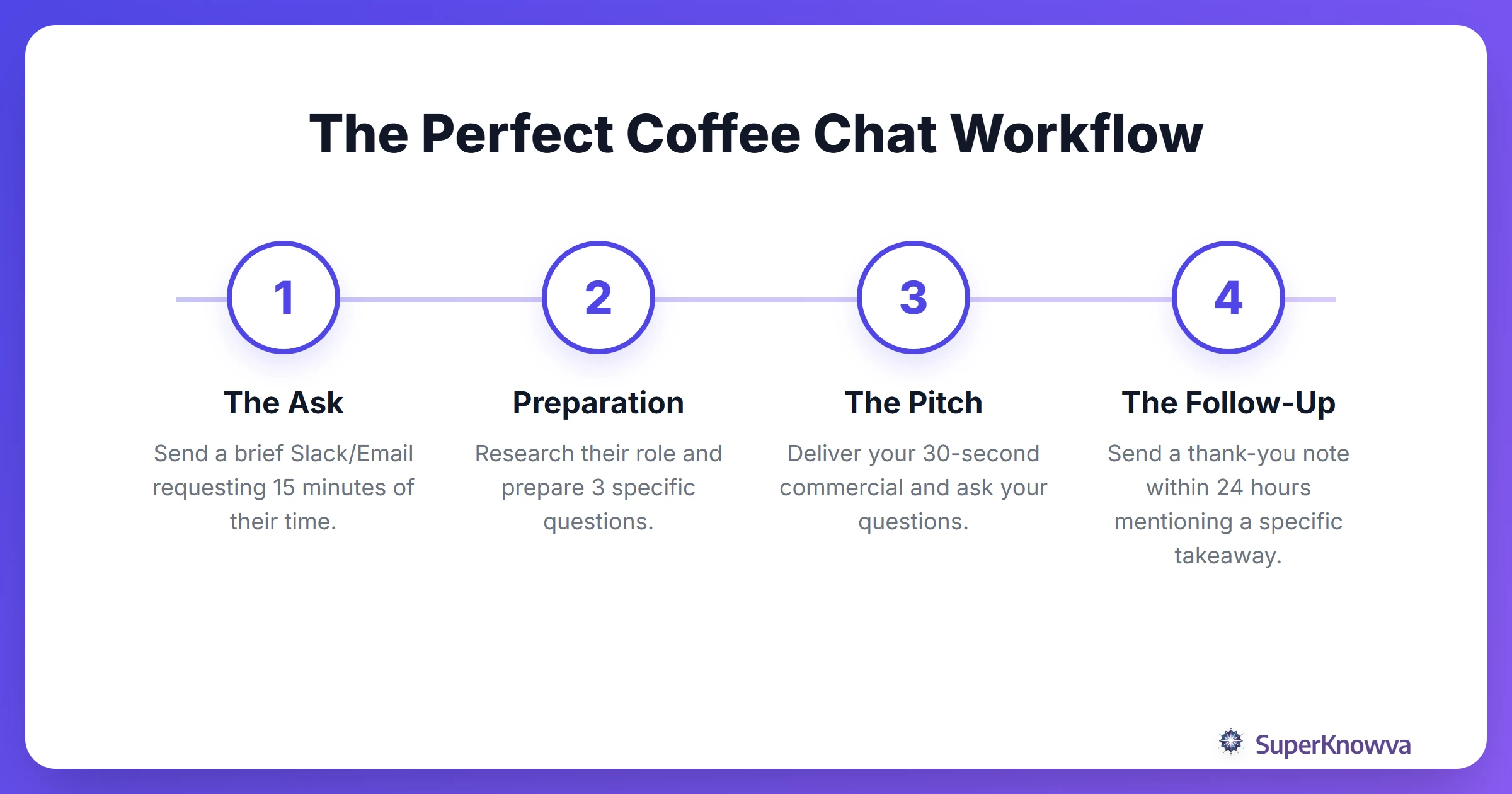
In a modern office, the "coffee chat" is the ultimate currency. It’s low-stakes, high-reward, and usually starts with a simple Slack or a quick email.
The Invite: Keep it short and human. Try something like: "Hi, I’m an intern on the Marketing team. I have been following the project you are leading and would love to hear how you got started in this field. Do you have 15 minutes for a coffee or a virtual chat next week?"
When you sit down together, have your 30-second commercial ready. This is not a sales pitch. It is a brief summary of who you are, what you are working on, and what you hope to learn. To stand out, ask questions that show you are thinking about the company's objectives:
- "How does our team's work contribute to company goals this quarter?"
- "What is one skill you think is essential for someone starting out today?"
Don’t just hide in your own department, either. Sit in on cross-functional meetings and talk to people in other silos. It shows you’re interested in the whole company, not just your specific corner of it.
Your Digital Headquarters: LinkedIn for Interns
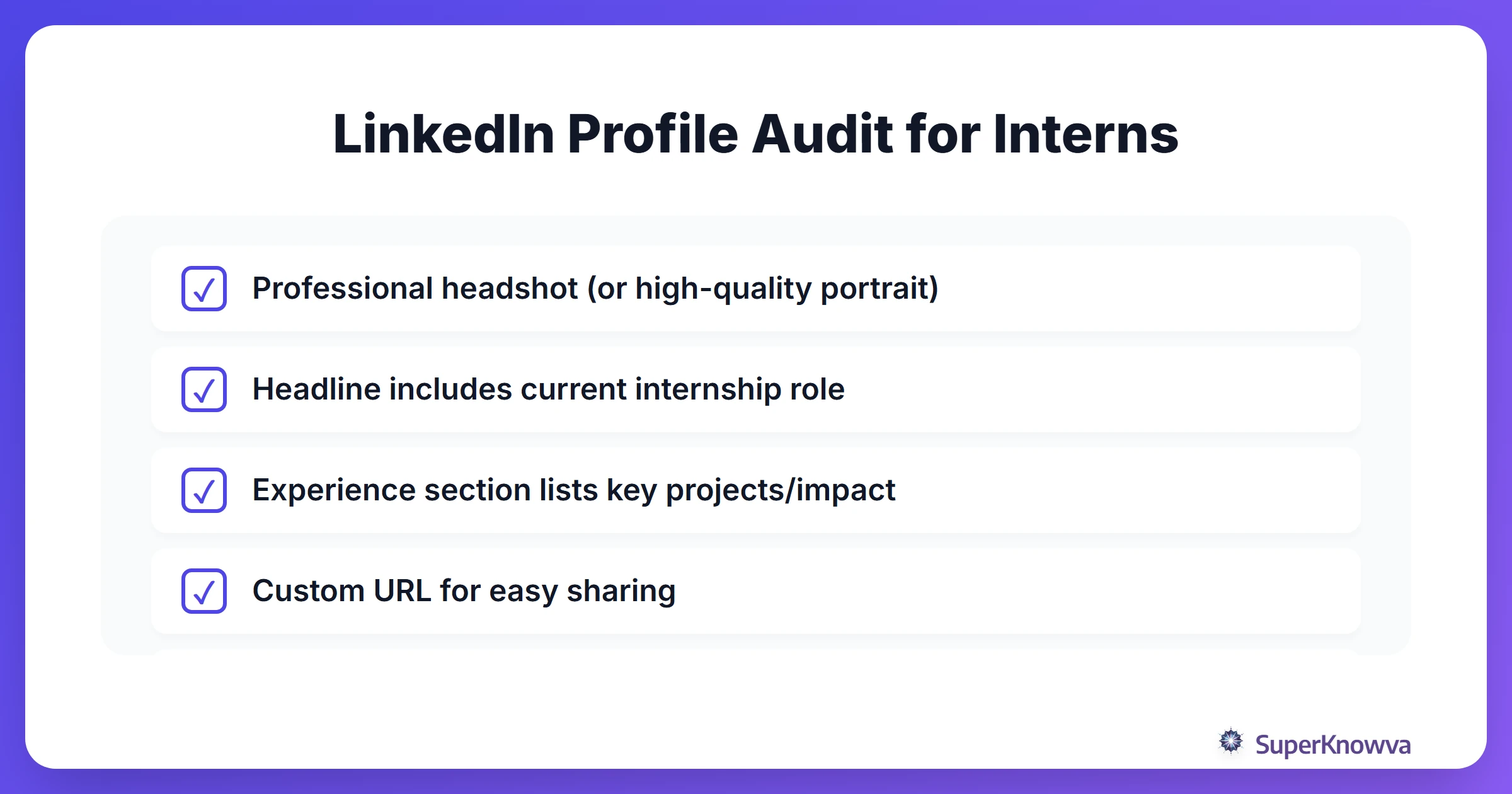
Your physical presence in the office matters, but your digital presence is what lives on after you leave. In the tech world, LinkedIn for interns is your home base.
Don’t wait until the end of August to update your profile. Write down your wins and responsibilities while they’re still fresh in your mind. If you meet someone in the elevator or at a lunch-and-learn, have a digital business card or a LinkedIn QR code ready on your phone. It’s a fast, modern way to stay memorable.
Also, don't be a ghost. If your CEO posts an update or the company shares a big win, leave a thoughtful comment. It’s a simple way to build a personal brand that aligns with the company's goals. For more on this, check out our guide on Building an Online Presence Before Graduation.
How to Handle Social Events Without the Awkwardness
Company mixers and industry conferences can feel like a gauntlet. If you’re feeling nervous, try the "standing and nametag" rule: Always stand up when someone is introduced to you, and put your nametag on your right side. Why? Because when you reach out to shake hands, their eyes will naturally follow your arm straight to your name. Simple, but effective.
If you just watched a leader give a presentation, don't be afraid to walk up afterward. You don't need a profound question. A simple, "I really liked what you said about [Specific Topic]. How do you see that changing next year?" is a perfect, non-intrusive icebreaker.
The goal is to find a balance. Be professional, but let your personality show. People hire people they enjoy being around. If you're worried about the "vibe" of a professional setting, read more on Navigating the Transition to the Workplace.
The Long Game: Staying Relevant After August
The internship ends, but the relationship shouldn’t. The 24-hour thank you note is a non-negotiable. Whether it was a formal interview or a 10-minute coffee, send a note that mentions one specific thing you learned from them.
To stay organized, keep a simple "Relationship CRM" (a basic spreadsheet is fine). Track:
- Who you met.
- What you talked about.
- The last time you reached out.
The best way to stay on someone’s radar is to provide value. If you see an article that relates to a project your mentor mentioned, send it over with a quick "thought of our conversation." It keeps you top-of-mind without you having to "ask" for anything. As the UMBC Career Center points out, staying connected is often the deciding factor in who gets the job.
The "Secret Sauce": Soft Skills
Networking isn't about having a perfect resume; it’s about how you make people feel. Active listening and eye contact go a lot further than a fancy degree. If you’re an introvert, don’t feel like you have to work the room at a big party. Focus on informational interviews instead. One-on-one settings are usually less draining and allow for much deeper connections.
One of the smartest things you can do is ask for feedback instead of a job. Asking, "Based on my work this summer, what should I focus on during my senior year to be a top candidate here?" shows you have a growth mindset and a lot of humility.
Employers want to see emotional intelligence. You can explore more about Soft Skills What Employers Are Really Looking For to round out your strategy. As SHRM notes, these "human" elements are what truly transform a summer internship into a lifelong career.