Summer break is the reward for finishing finals week. It is the season for beach trips, sleeping in, and deleting 8:00 AM calendar alerts. While most classmates catch up on Netflix, the smartest students are building their careers.
Think about it: you finally have the mental bandwidth to focus on you without a midterm looming over your head. Using the right networking tips for students during these quiet months can completely change your outlook before the fall semester even hits.
In this guide, we’re breaking down how to turn your break into a summer career growth engine by making professional connections that actually stick.
Why Summer is the "Secret Season" for Networking
While many professionals seem checked out during the summer, the "Summer Slowdown" is a significant competitive advantage. In most industries, project deadlines soften as people head out on vacation. This means the people who are in the office actually have a minute to breathe and a minute to talk to you.
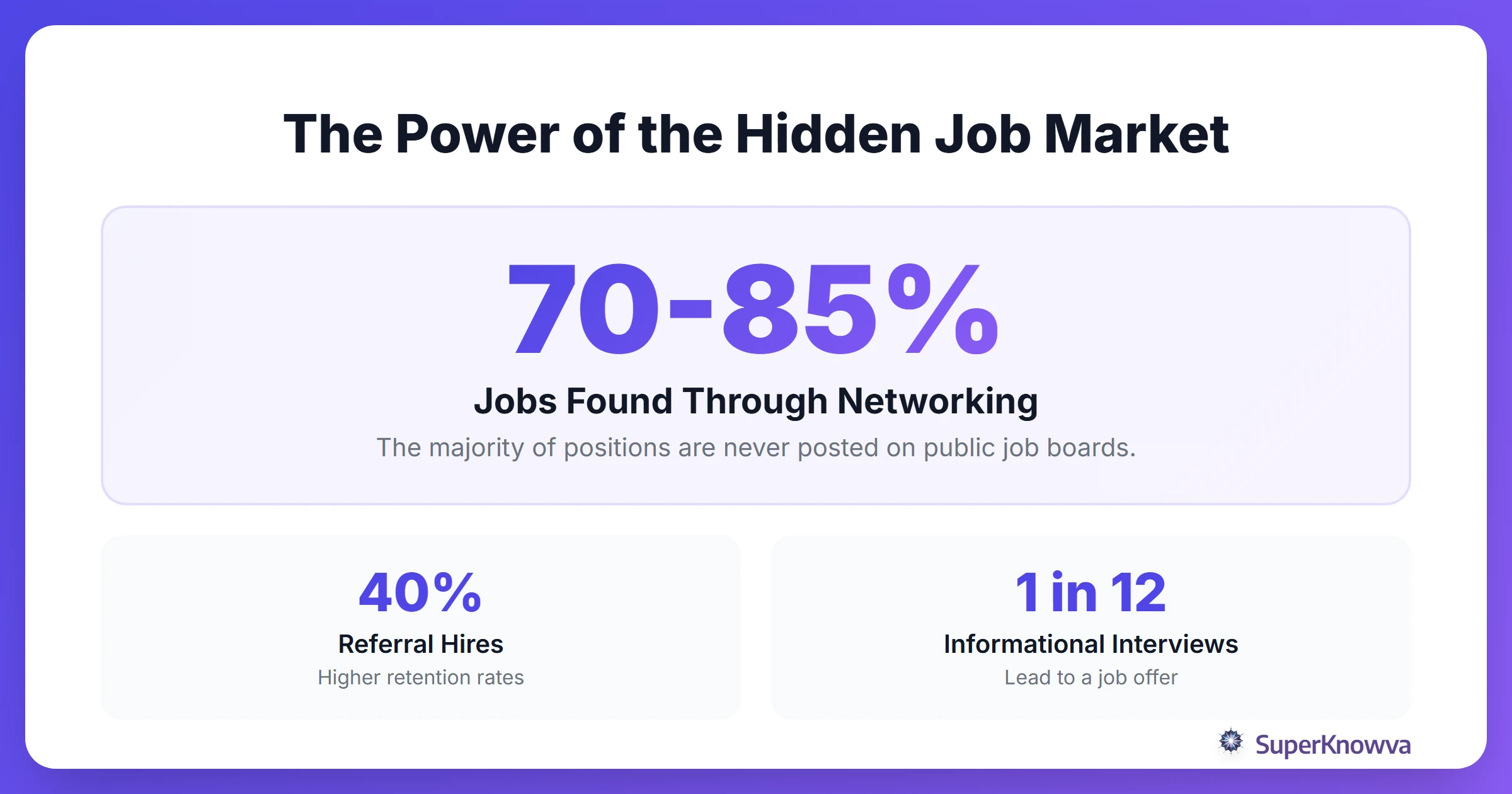
Because the pace is slower, industry pros are often much more open to a 15-minute Zoom call or a quick coffee. Plus, you have the luxury of time. You can spend a Tuesday afternoon prepping for a meeting or traveling into the city for a chat without worrying about a 2,000-word paper due at midnight.
By starting now, you’re building a "warm" network. When the chaotic fall recruitment season kicks off, you won't be just another faceless resume in a stack of hundreds. You’ll be the person who reached out months ago just to learn. If you're new to the game, start with our comprehensive networking guide.
Audit Your Digital Doorstep
Before you send a single message, you need to make sure your digital house is in order. The second you reach out to a professional, the very first thing they’re going to do is click on your profile. What will they see?
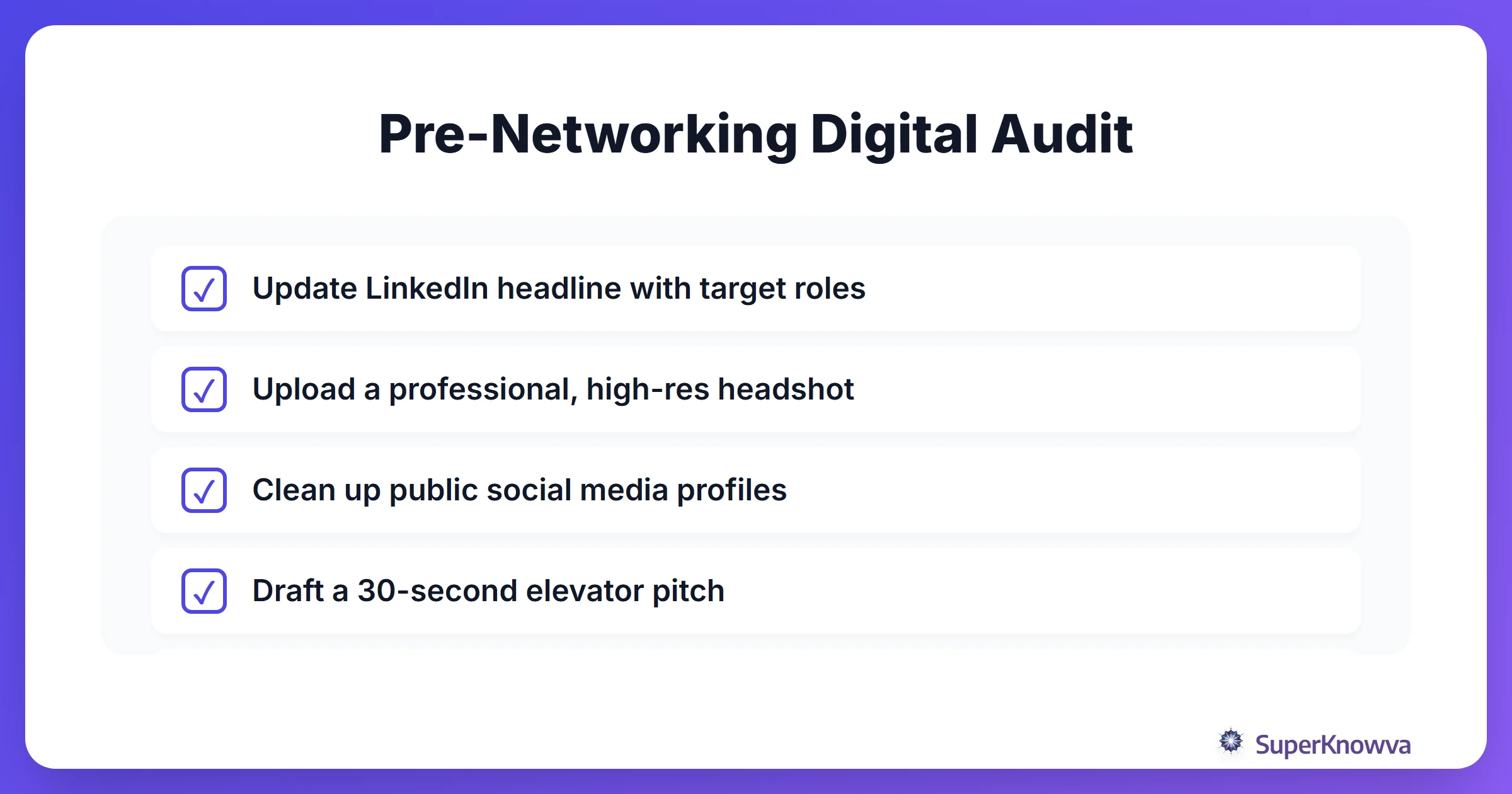
Building a profile for LinkedIn for students does not require a 10-year work history; it is about showing your professional direction. Update your headline to reflect your goals (e.g., "Aspiring UX Designer | Junior at your college"). Your "About" section should be more than a list of classes. Explain what you are passionate about this summer.
Your online footprint needs to match your ambition. Now is the perfect time to focus on building an online presence that highlights your side projects, certifications, and what you're learning outside of the classroom.
The Art of the "Warm" Cold Outreach
The easiest place to start? Your school’s alumni. Alumni networking is incredibly effective because you already share a common bond. They’ve sat in the same lecture halls you have, and most are more than happy to "pay it forward" to a current student. You can find them in seconds using the "Alumni" tab on your university’s LinkedIn page.
When you reach out, keep the pressure low. You aren't asking for a job (not yet, anyway). You’re asking for perspective.
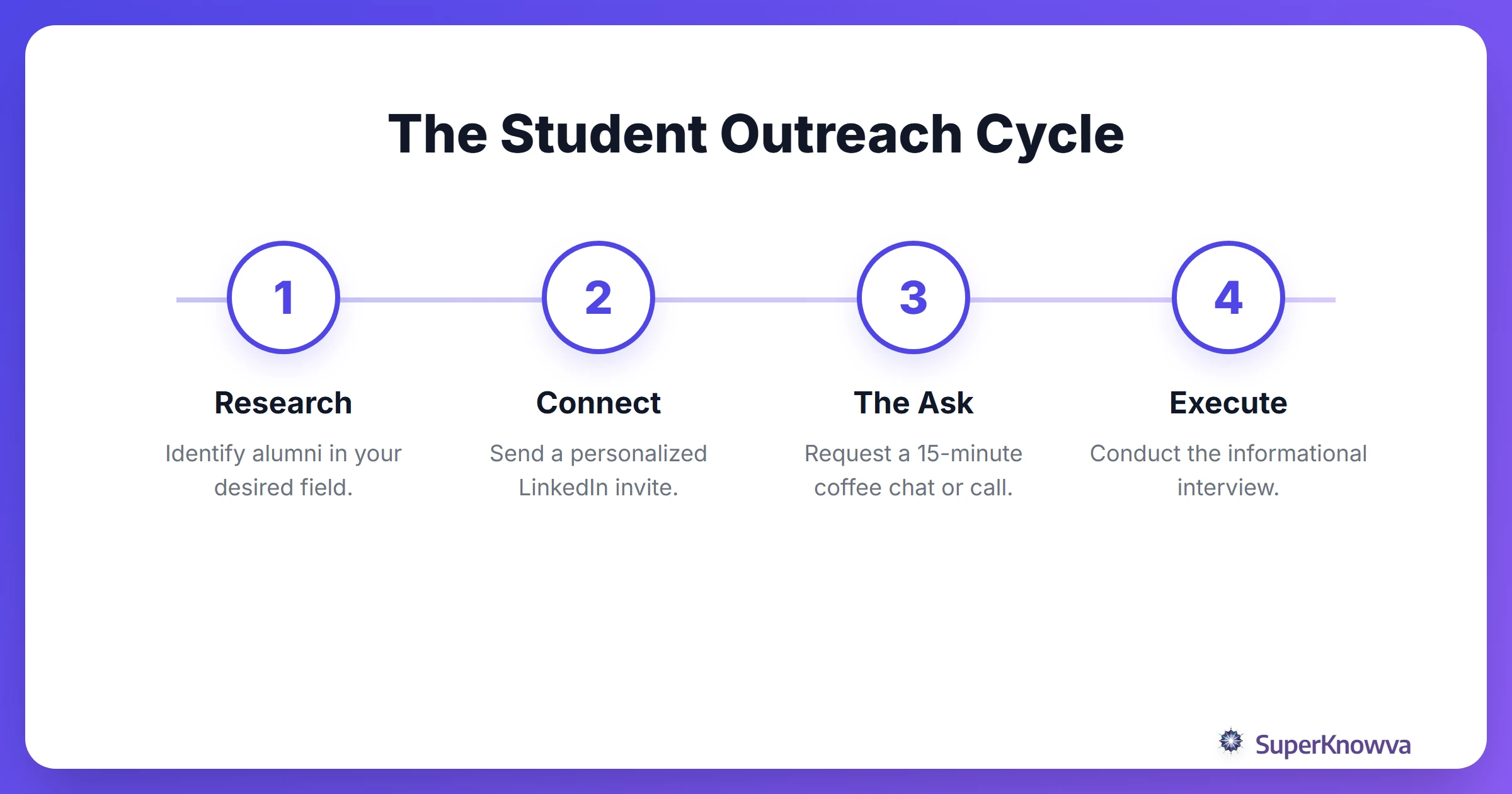
The Outreach Template:
"Hi Sarah, I’m a junior at Stanford studying Computer Science. I saw your work on the OpenSource initiative and wanted to ask how you transitioned from Stanford to your current role. Do you have 15 minutes for a quick call next week?"
Keep it short. Mentioning a specific detail about their career or a shared campus tradition makes a "cold" message feel personal and human.
Mastering the Informational Interview
They said yes. An informational interview is a conversation, not an interrogation. You lead the discussion.
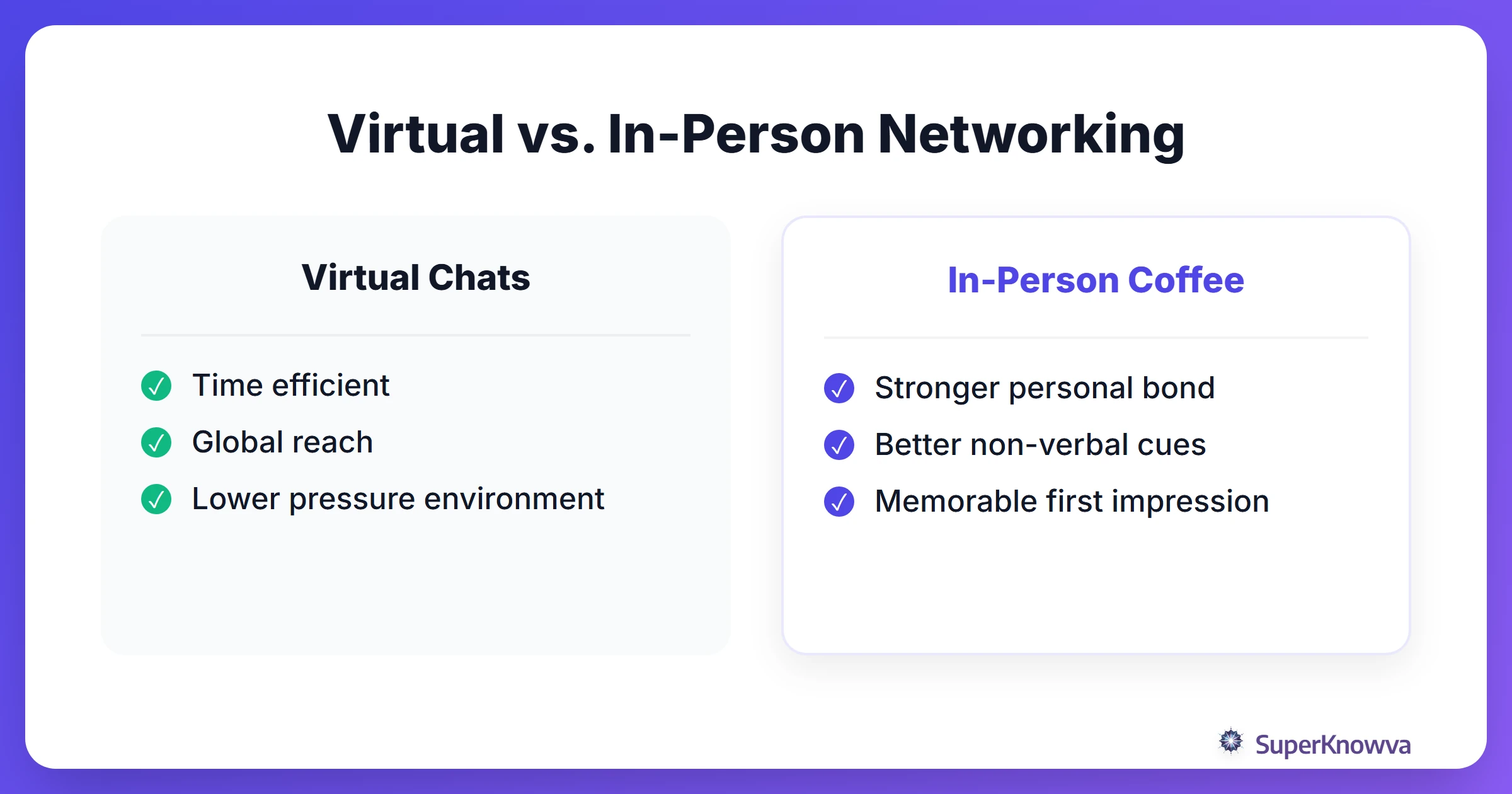
To leave a lasting impression, ask questions that show you’ve done your homework. Instead of the generic "What’s a typical day like?", try something like: "I saw your company recently pivoted toward AI-driven analytics; how has that shifted the way your team handles data?"
You should also have your "30-second commercial" ready to go. This is a quick intro that covers:
- Who you are.
- What you’ve done (projects, internships, or even tough classes).
- What you’re looking to learn.
Sharpening these essential soft skills will help you lead the chat without feeling like you're overstepping.
Get Out of the House: Local Events
Networking shouldn't just happen behind a screen. If you’re home for the summer, check out local industry meetups or Chamber of Commerce events. Sites like Eventbrite or Meetup are goldmines for "Young Professional" mixers that are often very student-friendly.
When you're "working the room," remember: listen more than you talk. Ask people about the hardest part of their job or what they wish they knew at your age. If you hit it off, don't let it end there. Ask, "I’ve really enjoyed our chat; would it be okay if I added you on LinkedIn to stay in touch?" This is a massive part of any successful internship search strategy.
The Follow-Up: Don't Be a Ghost
This is the step where 90% of students fail. The networking process doesn't end when you hang up the Zoom call or finish your coffee. The follow-up is where the actual relationship begins.
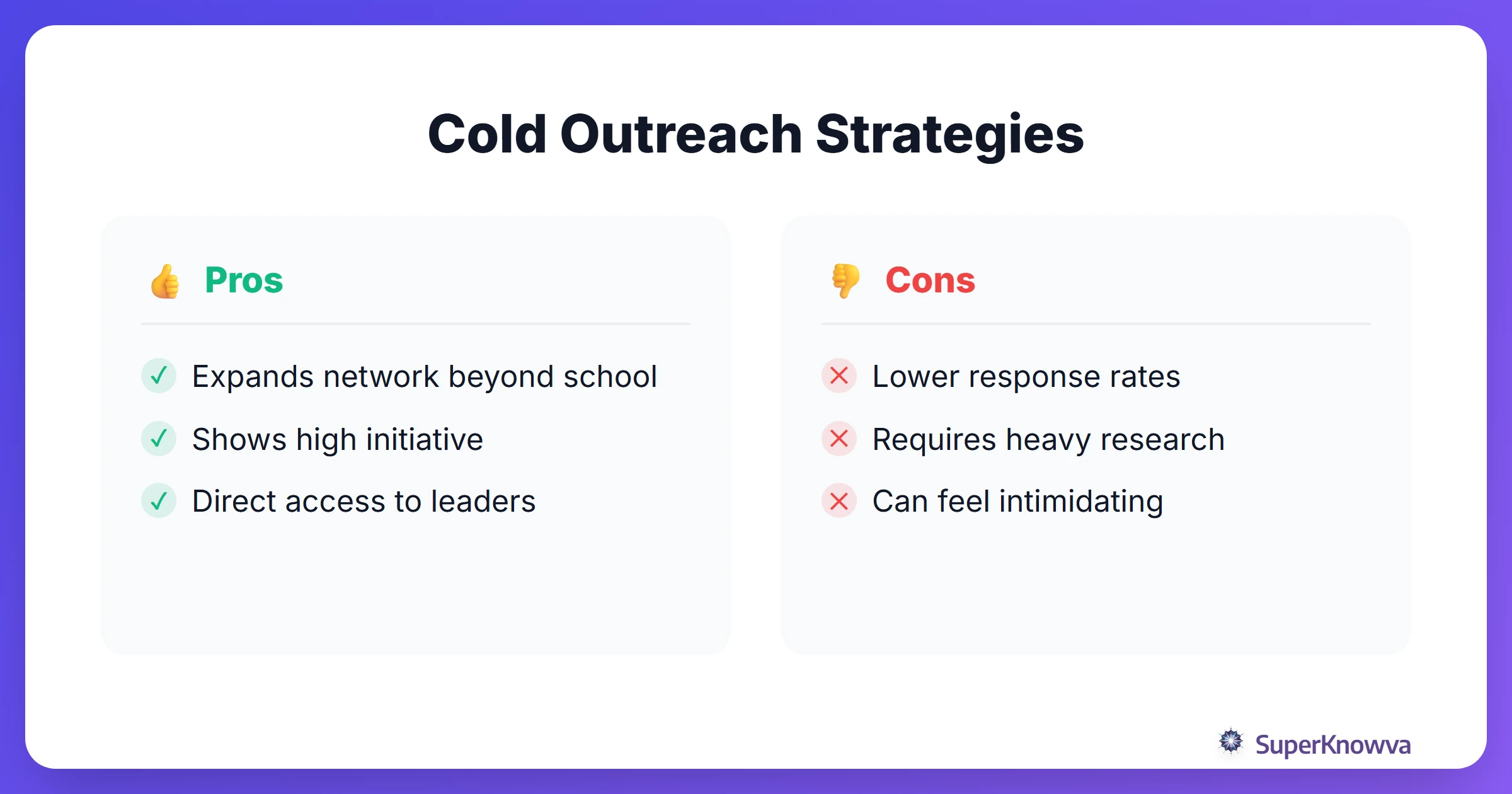
Send a personalized thank-you note within 24 hours. Mention one specific thing they said that stuck with you. Stay in touch by sending a quick update every few months, such as an article you found interesting or a note about a project you finished.
Stay organized. Use a simple spreadsheet to track:
- Name and Company
- Date of last contact
- One key takeaway from your talk
- A reminder to check in again in two months
For more deep dives into professional etiquette, check out these UMBC Career Center Networking Tips or these Columbia University Networking Insights.
Conclusion
Summer break is a gift of time. By cleaning up your digital presence, reaching out to alumni, and actually following up, you’ll head back to campus in September with more than just a tan. You’ll have a professional support system.
Start small. Send just two LinkedIn messages this week. You’ll be surprised at how quickly a 15-minute chat can turn into a life-changing career opportunity.