You did it. The cap is tossed, the gown is probably in a heap on your floor, and your LinkedIn profile still lists "Full-Time Student" as your primary identity. It’s a weird transition. One day you’re worrying about finals, and the next, you’re staring at a blank calendar wondering how to actually get your foot in the door.
While the "real world" feels intimidating, May is actually the most strategic time to focus on building professional network after college.
Why? Because right now, you have a temporary superpower. It’s a unique window where professionals are exceptionally willing to help the "new kid." Here is how you can use this "Graduation Halo" to launch your career without the usual post-grad panic.
Why May is the Ultimate Networking Power Month
The "Graduation Halo" is a real psychological phenomenon. During May and June, established professionals are primed to be helpful. They see graduation posts and remember exactly what it felt like to be in your position: anxious, eager, and slightly lost.
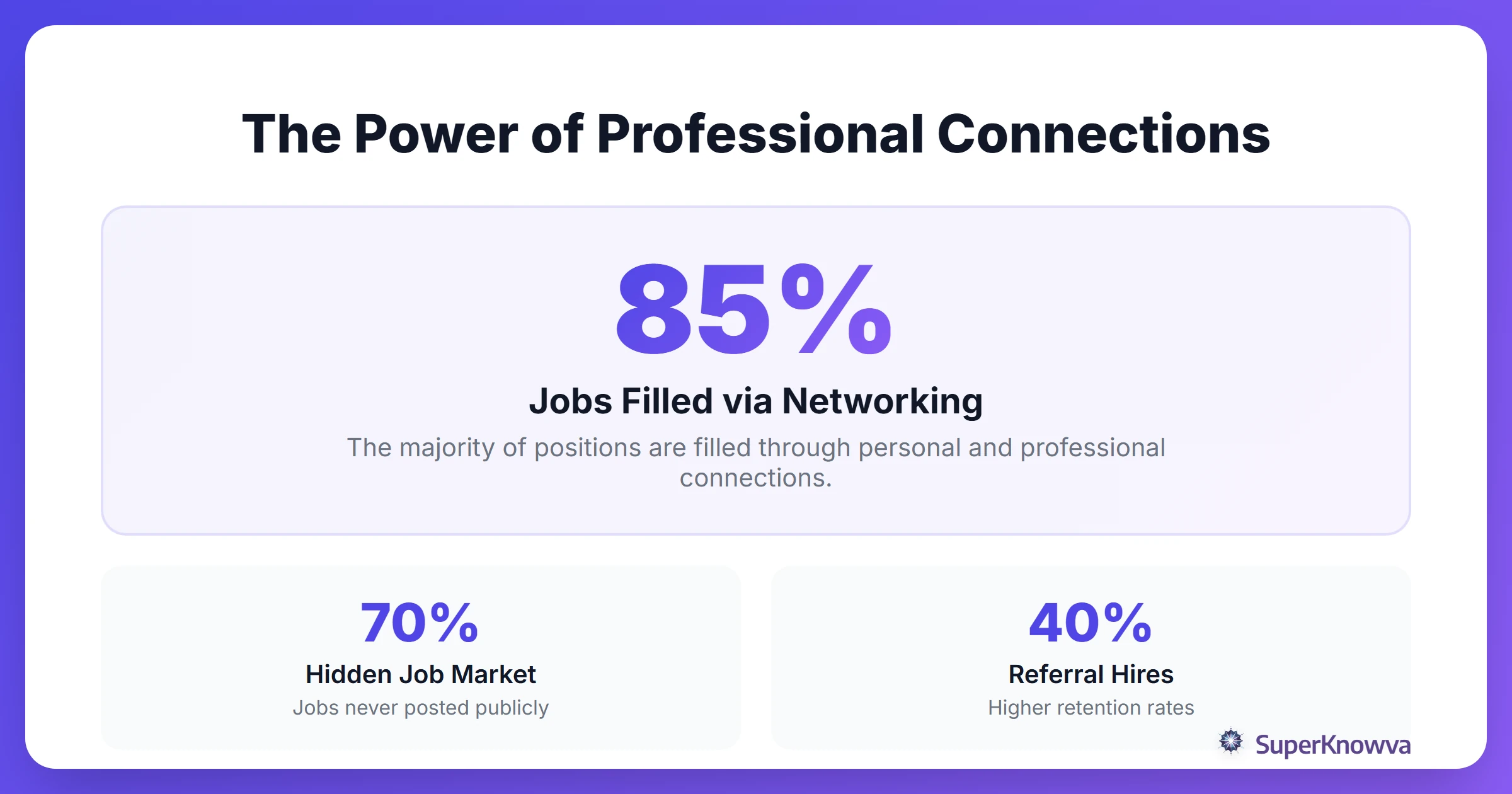
This is also about momentum. If you start reaching out now, you avoid the "summer slump," the period of post-grad burnout where job hunting feels unproductive. By acting early, you ensure you are the first person a hiring manager thinks of when their Q3 budget opens and they need new hires.
The Mindset Shift: Relationships Over Resumes
Most grads treat networking like a transaction. They think: I talk to this person, and they give me a job. But if your first message is a request for a referral, you’re not networking; you’re cold-calling. It’s awkward for everyone involved.
Experts suggest that the secret is shifting from "job seeking" to "relationship building."
As you transition from balancing a high GPA with a social life into the professional world, your social skills become your most valuable currency. Focus on curiosity. Ask people about their mistakes, their favorite projects, and what they wish they knew at 22. Networking is a two-way street. Even as a junior, you can offer value by sharing a fresh industry perspective or simply being the person who actually follows up and says "thank you."
Maximizing Your Alumni Network
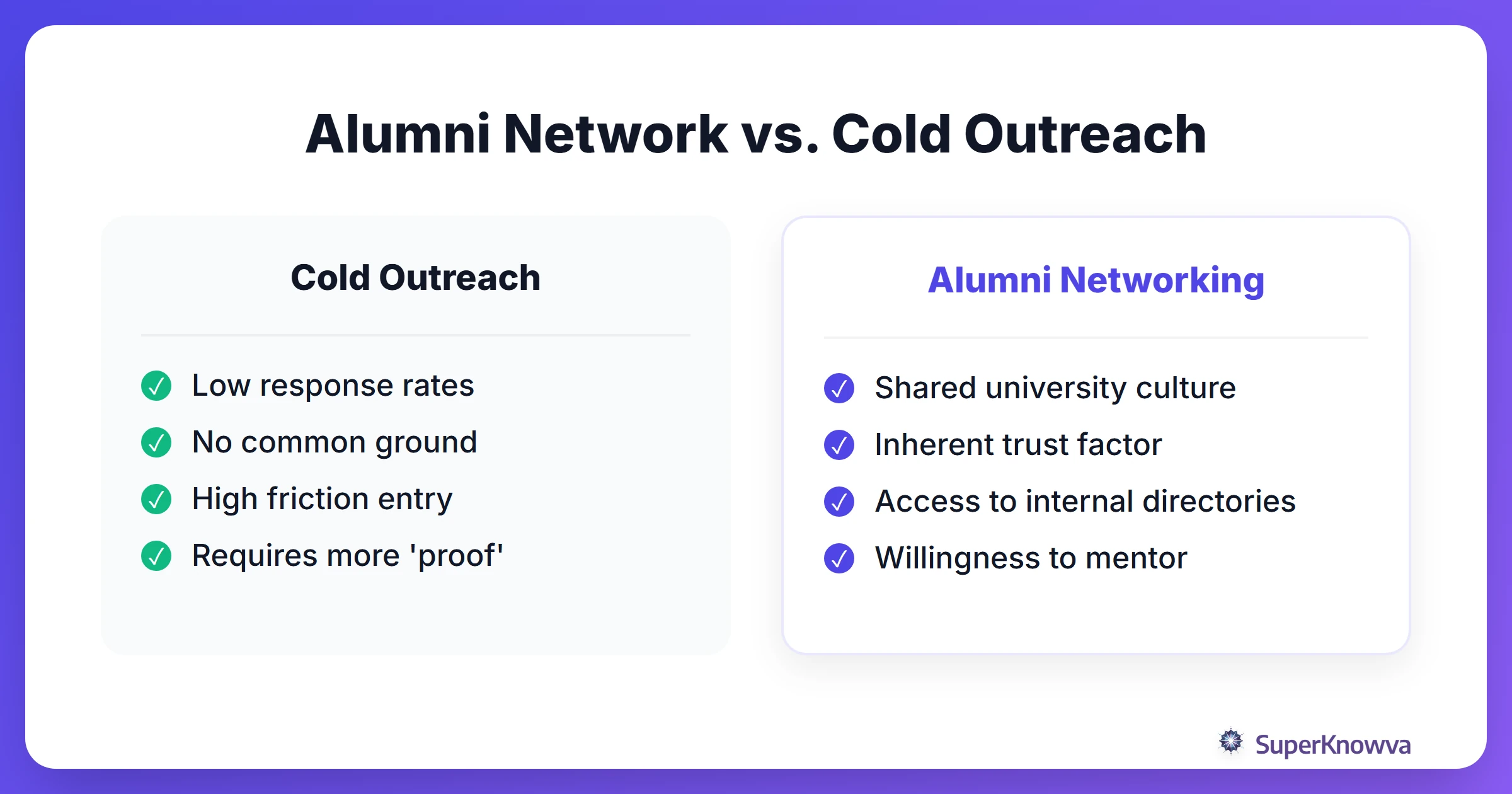
Your university’s alumni network is a goldmine that most people leave untapped. Understanding alumni networks means realizing you have an immediate "in" with thousands of people who already want you to succeed because you wore the same jersey or sat in the same lecture halls.
How do you actually use it?
- The LinkedIn Filter: Go to your university’s LinkedIn page, click "Alumni," and filter by city or company. It’s the fastest way to find people who have already walked the path you’re eyeing.
- The Shared Hook: When you reach out, mention a specific professor or a campus landmark. It’s an instant icebreaker that lowers the barrier to a "yes."
- Show Up in Person: Look for local alumni chapters. These "New Grad Welcome" mixers are specifically designed for post-grad networking tips and low-pressure connections. It’s much easier to chat over a drink than a cold DM.
The Digital Handshake: Optimizing Your LinkedIn Presence
Think of your LinkedIn profile as your 24/7 digital handshake. If it still looks like a student resume, you're missing out. For LinkedIn for college seniors, the goal is to look like a peer, not just a pupil.
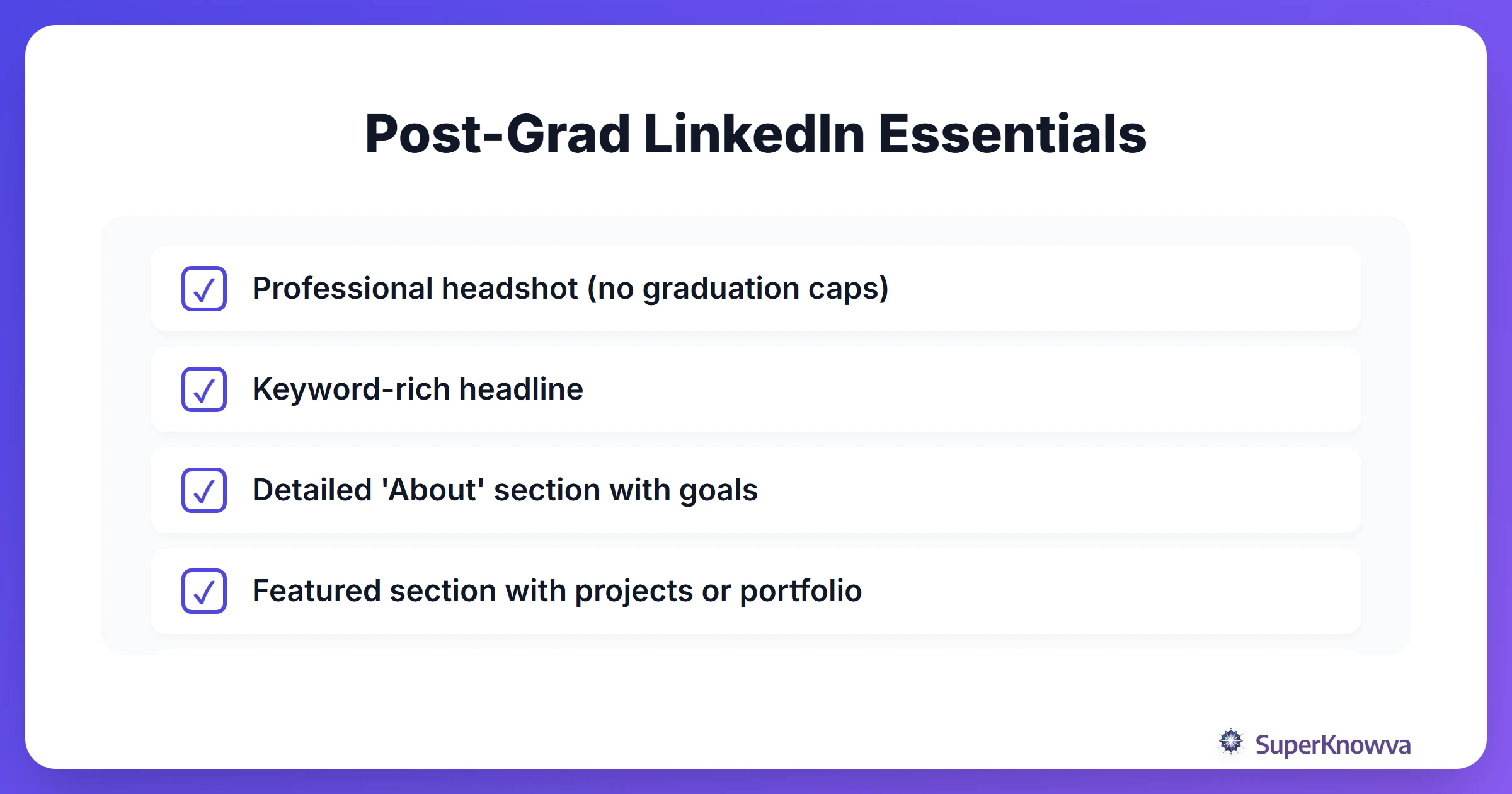
Ditch the "Student at XYZ" headline. Try something like "Aspiring Marketing Specialist | Content Strategy & Data Analytics | Recent Graduate." Your summary shouldn't just list classes; it should tell a story about where you’re going.
And please, stop using the default LinkedIn connection request. If sending that first message feels terrifying, use the 5-minute rule to push through the hesitation. Spend exactly five minutes writing a short, personal note about why you admire their work. That’s it. Hit send and move on.
Mastering the Informational Interview
An informational interview is not a job interview. Read that again. It’s a reconnaissance mission. This is one of the best networking for recent graduates strategies because it takes the pressure off. You aren't asking for a job; you’re asking for a roadmap.
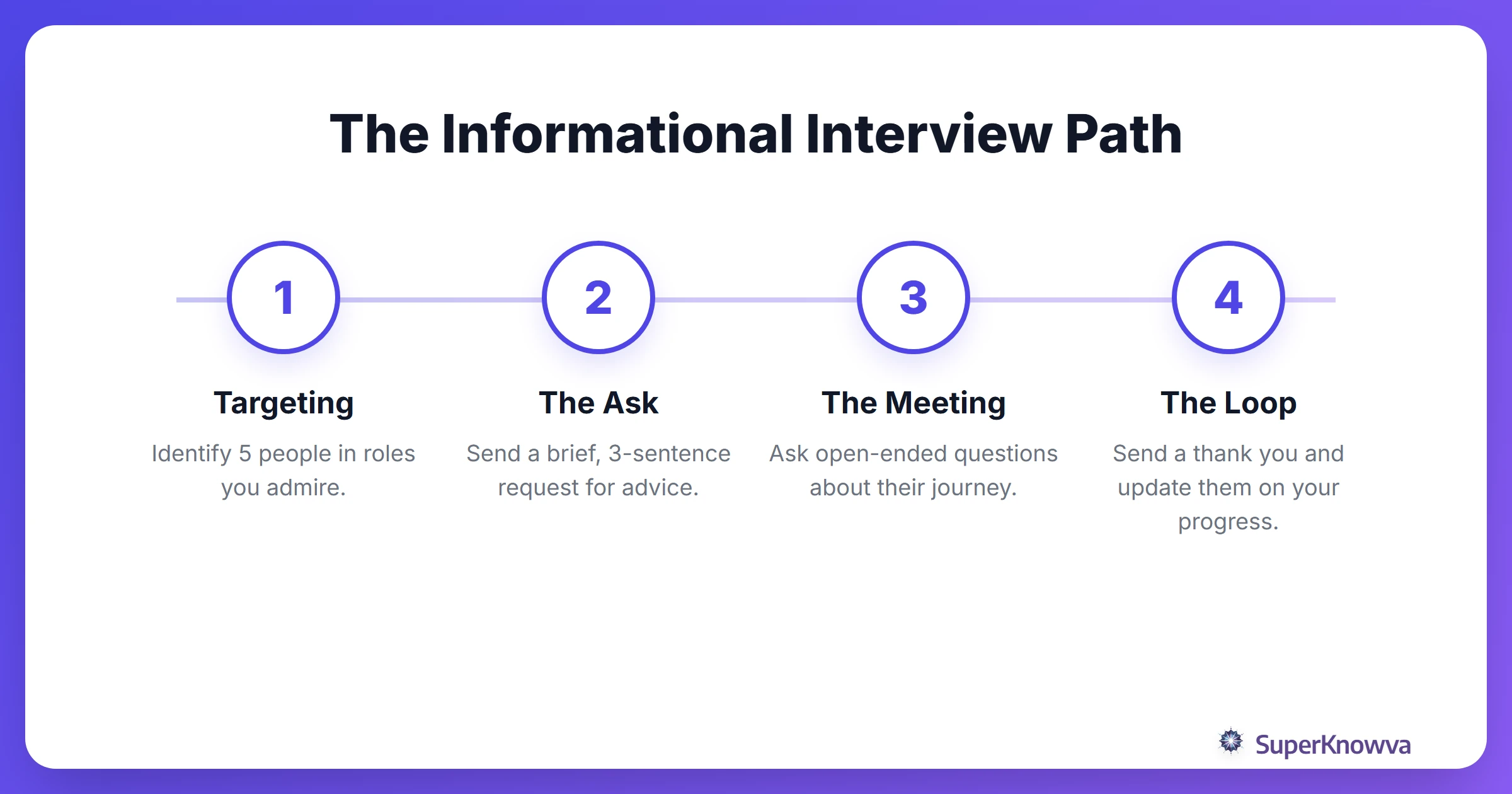
When you ask for a meeting, follow the 15-minute rule. Ask for a brief 15-minute Zoom call or coffee to ask three specific questions. Respecting someone’s time is the fastest way to earn their respect. Do your homework first. Don't ask them questions they’ve already answered in their LinkedIn "About" section.
Networking Beyond the Screen
LinkedIn is useful, but don't limit yourself to it. Face-to-face interactions are where professional relationships are built. Look into associations like the AMA or IEEE. Most offer discounts for "Junior" members. Take advantage of these while you still have your student ID or a recent transcript.
Go to "Young Professional" meetups. Is it a little awkward? Sure. But everyone there is in the same boat. You can also volunteer for industry-related nonprofits. It’s a great way to prove your work ethic to senior leaders while doing something good. Just as you used the best productivity apps to survive finals week, use a simple spreadsheet to track who you've met and when you last spoke.
The Art of the Follow-Up: Don't Ghost Your Connections
The biggest mistake grads make? They have a great coffee chat and then disappear. The real networking happens after the meeting.
- The 24-Hour Rule: Send a thank-you note within a day. Mention one specific thing they said that actually helped you.
- The "Circle Back": If they recommended a book or a software tool, message them two weeks later to tell them you checked it out. People love knowing their advice wasn't wasted.
- Stay on the Radar: Set a reminder to check in every few months. A simple "I saw this article and thought of our conversation" goes a long way.
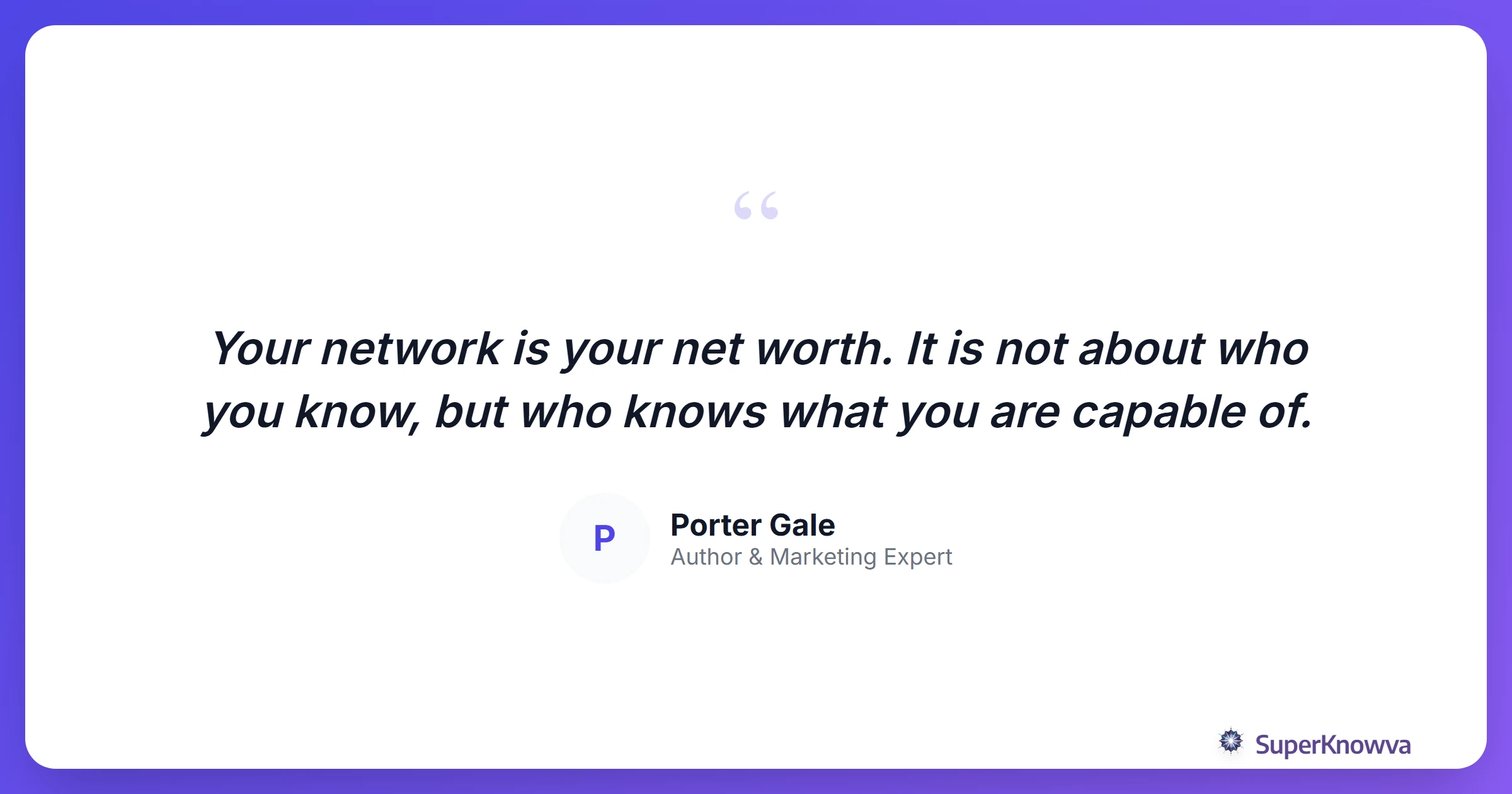
Building a network isn't about collecting a stack of business cards or hitting 500+ connections. It’s about planting seeds. Start this May, be consistent, and you'll find that the "real world" isn't nearly as lonely as it looks from the graduation stage.