You’re staring at the screen, heart racing, waiting for the results to load. Then, there it is: "PASS."
Take a breath. You’ve put in the hours, survived the late-night study sessions, and finally earned those credentials. It’s a massive milestone. But here’s the reality: that certificate is just the engine. Now, you have to learn how to drive it. Understanding the diverse careers after professional certification is the difference between letting that paper gather digital dust and using it to launch a life-changing career move.
In this guide, we look past the exam and focus on the "now what?" We’ll cover how to enter the job market, pivot between industries, and ensure you get a real return on your investment.
The Immediate ROI: More Than Just Letters
The second you add those new initials to your name, your professional identity shifts. You aren't just telling employers you "know" the material; you’re showing them you’ve been vetted against rigorous industry standards.
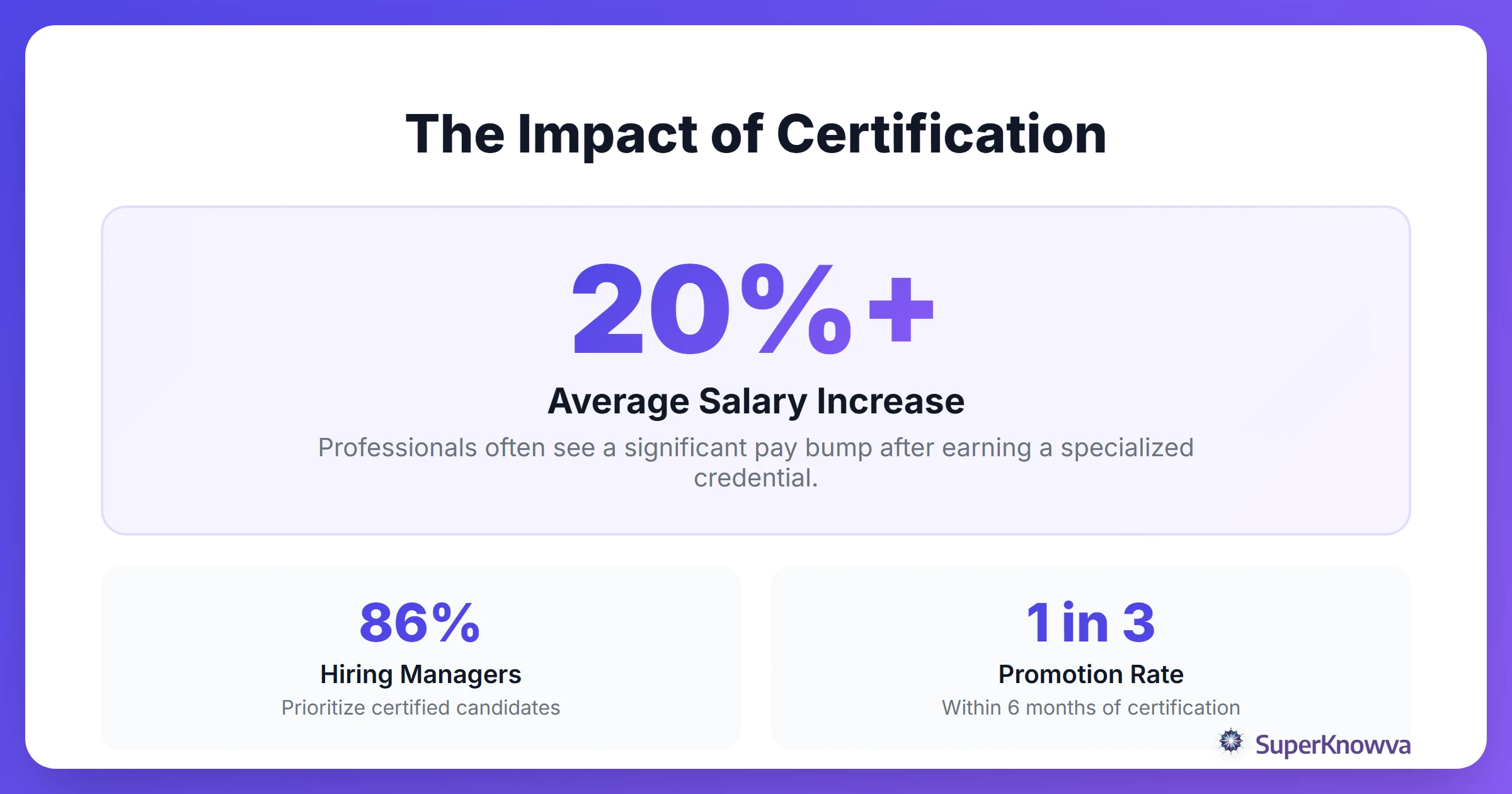
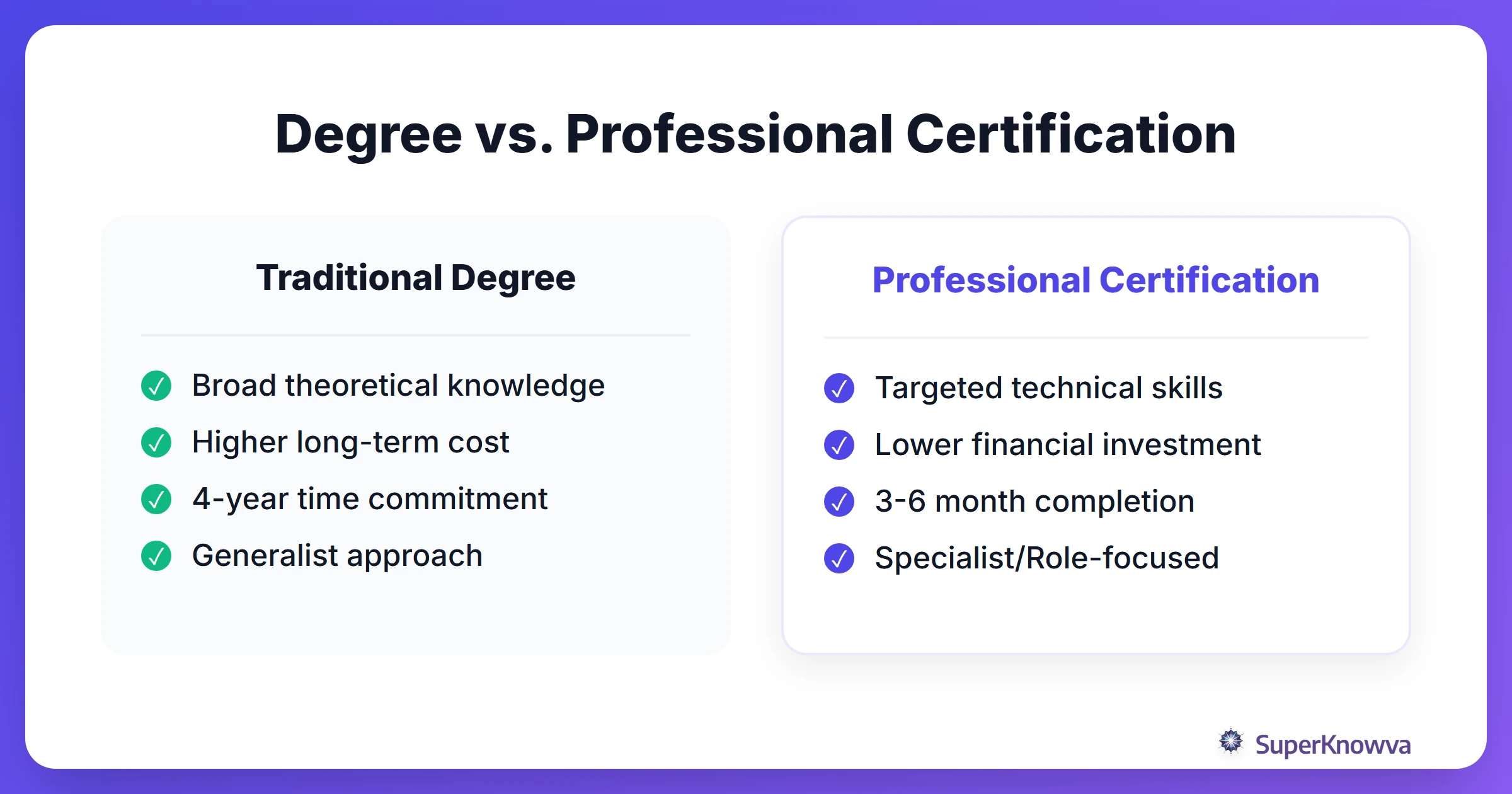
The professional certification benefits are often felt in your bank account first. On average, certified pros see a salary bump of 20% or more. But it’s not just about the paycheck. For many, certifications are the ultimate equalizer, providing a fast, affordable entry point into high-paying roles that used to require a four-year degree.
It’s also worth noting the difference between an "Initial" and "Career" certificate. Think of the initial certificate as your ticket into the stadium. The career-level certifications? Those are your VIP passes. They require documented "in-the-trenches" experience and prove you’ve moved from a learner to a master of the craft.
Healthcare: Beyond the Exam Room
If you’ve earned credentials from a body like AHIMA, you’re entering the central nervous system of modern medicine. The healthcare sector is incredibly stable, but the career paths are more varied than most people realize.
- Certified Coding Specialist (CCS): This certification leads to certified coding specialist jobs in major hospitals where accuracy is required for hospital reimbursement and medical research.
- RHIA and HIM Roles: Health Information Management (HIM) professionals work in data analytics to maintain the security and accuracy of patient records.
- Privacy and Security: As healthcare systems digitize, the need for data integrity specialists continues to increase.
- Direct Care: There is significant demand for Certified Direct Care Professionals (CDCP) who provide home health and long-term care support.
Want to see where you fit? Check out the AHIMA Certification Overview for a deeper dive.
Tech and Data: Mastering the Digital Economy
In the tech world, degrees are becoming optional, but skills are mandatory. Certificates from heavyweights like Google and IBM have become the new currency for entry-level roles.
Starting a data analytics career path usually begins with a foundational cert. But don't stop there. To stand out in a sea of applicants, you need to pair that certification with a "toolbox" of technical skills like SQL, Python, and Tableau.
Where can this take you?
- Data Analyst: You’re the translator, turning messy data into clear business decisions.
- BI Analyst: You use Business Intelligence tools to spot trends before the competition does.
- Data Scientist: The "pro" level, where you move into predictive modeling and advanced stats.
The Transition: Military Discipline to Civilian Success
For veterans and military spouses, certifications are more than education; they translate military skills for civilian employers. Programs like Onward to Opportunity (O2O) help turn military experience into civilian language.
Employers actively hunt for certified veterans because the certification proves that your military discipline translates into industry-standard skills. Whether you’re pursuing project management (PMP) or Information Technology (CompTIA), these paths provide the "civilian stamp of approval" on your leadership. You can find more resources through IVMF Career Training for Veterans. For more on making the jump, read our guide on transitioning to the workplace.
Upgrading: From Execution to Leadership
Think of your first certificate as "Level 1." It gets you the job. To get the promotion, you have to focus on career advancement with certifications. This usually means moving from an initial certificate to a "career continuous" status.
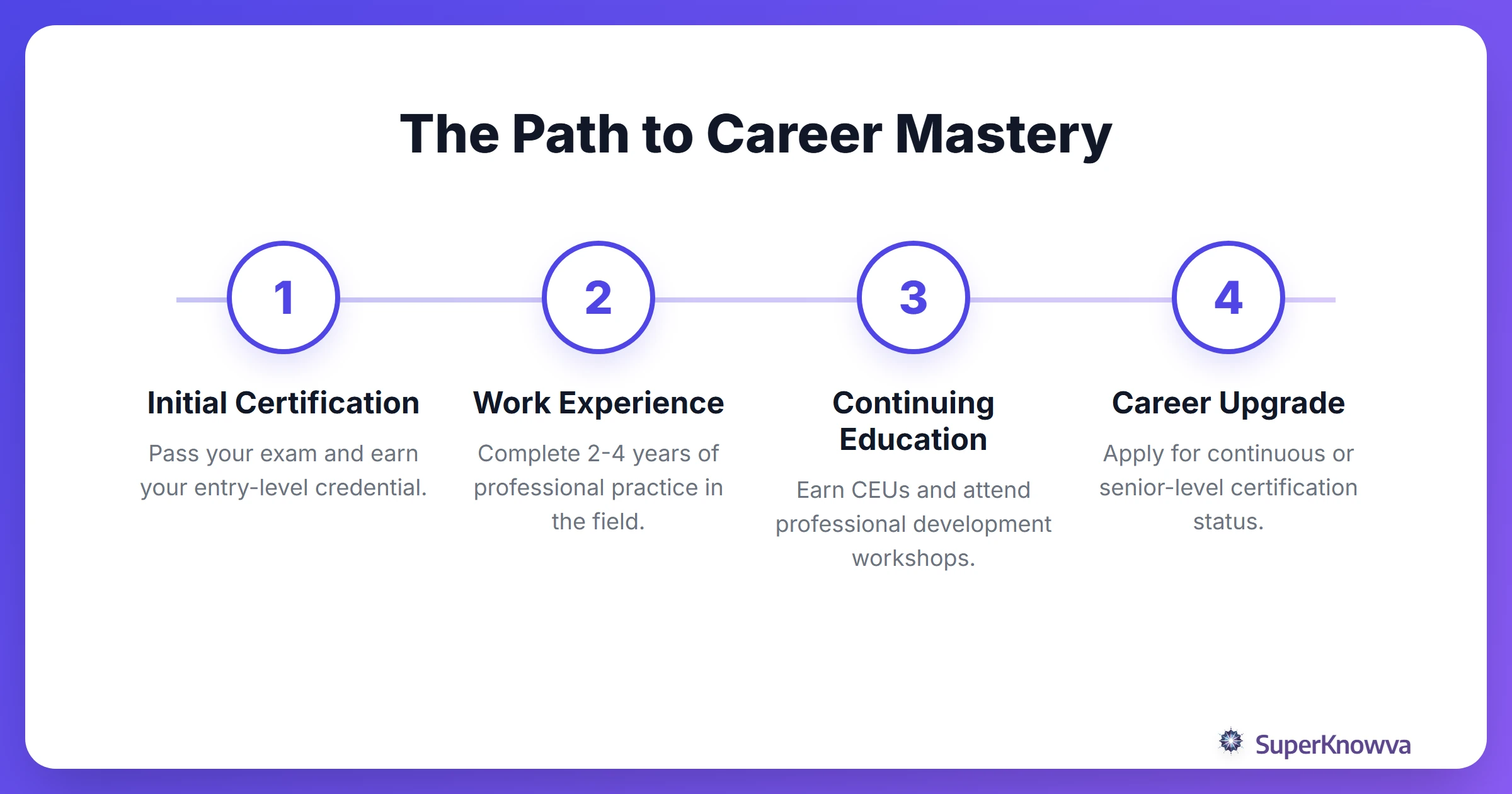
In the Missouri DESE system, teachers move through different certification levels as they gain experience and Continuing Education Units (CEUs). This logic applies to the corporate world. Staying active in professional development shows leadership that you are not just keeping up; you are leading the way.
Marketing Your New Self: Resumes and Branding
Passing the exam is only half the battle. The other half is making sure the world knows about it. To successfully transition careers with certs, you have to be your own hype-man.
- Beat the "Robot" Filter: When you optimize your CV for ATS, make sure you spell out the certification and the issuing body exactly. If a recruiter searches for "PMP," and you only wrote "Project Manager," you might get skipped.
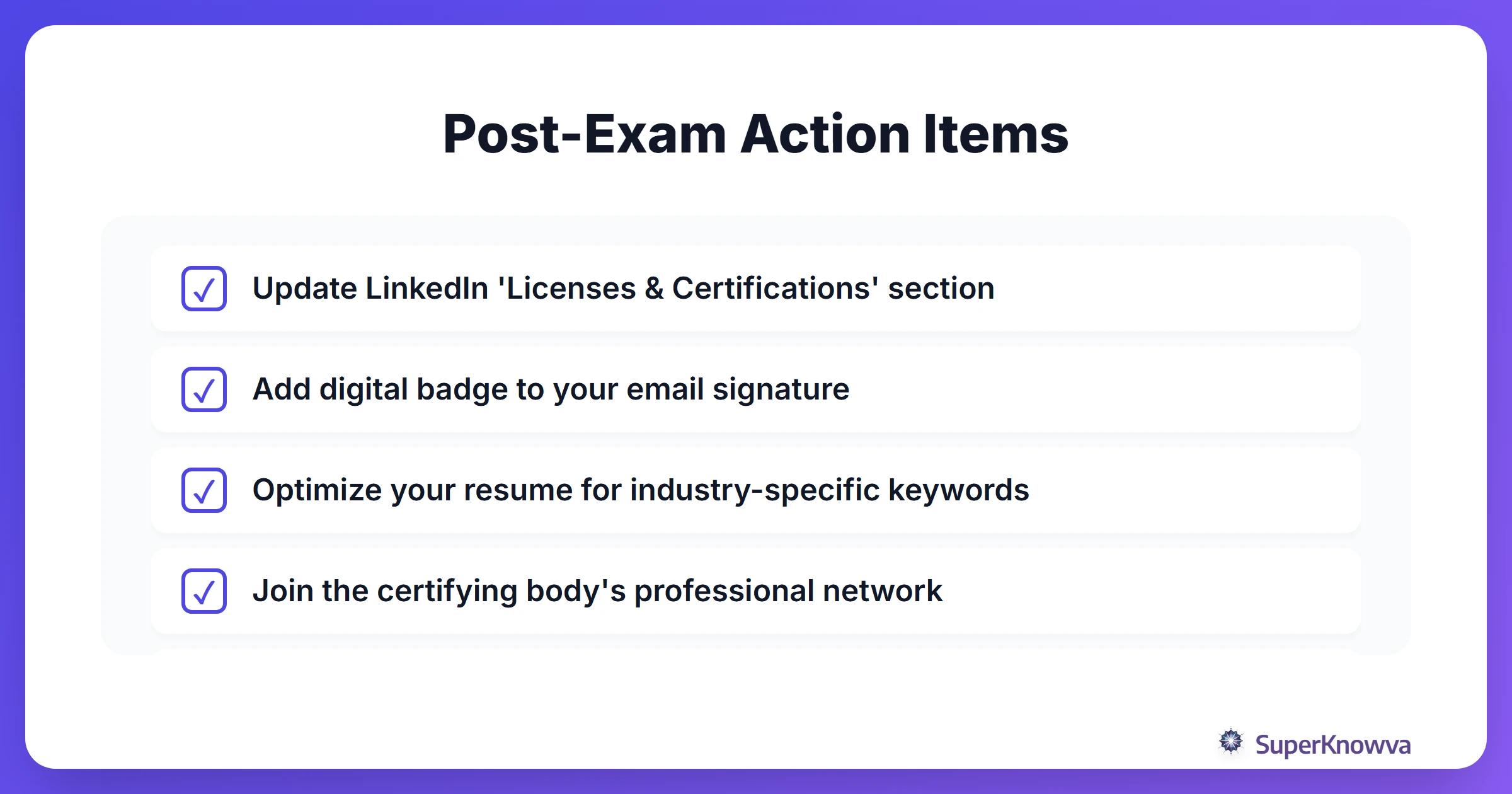
- Level Up Your LinkedIn: Don't just list the cert. Add the digital badge, update your headline, and share a post about what you learned. Personal branding is how you get headhunted instead of having to hunt.
- Find Your Tribe: Stop working in a vacuum. Start building professional connections by joining groups specifically for your credential. These are the people who will hear about job openings before they hit LinkedIn.
Final Thoughts
Whether you are hunting for certified coding specialist jobs or carving out a data analytics career path, your certification is the fuel. But you are the driver. Stay active in your community, keep your skills sharp, and remember: the best way to predict your future is to build it, one credential at a time.