You did it. You’ve crossed the stage, tossed the cap, and said your goodbyes. Now, university life begins. But let’s be honest: that "new student" excitement usually comes with some nerves. The jump from a cozy high school classroom to a massive university lecture hall is a big one.
If you want to walk onto campus feeling like you actually belong there (and not like you're already behind), you need a game plan. Think of a college freshman summer academic prep strategy as your secret weapon. It’s not about doing more schoolwork; it’s about bridging the gap so you can hit the ground running.
The Reality Check: High School vs. College Academics
The shift to university life is about more than just a new zip code. It’s a total overhaul of how you learn. In high school, you’re usually guided every step of the way. Teachers check your homework, remind you of deadlines, and pace the class so nobody gets left behind.
In college? You’re the pilot.
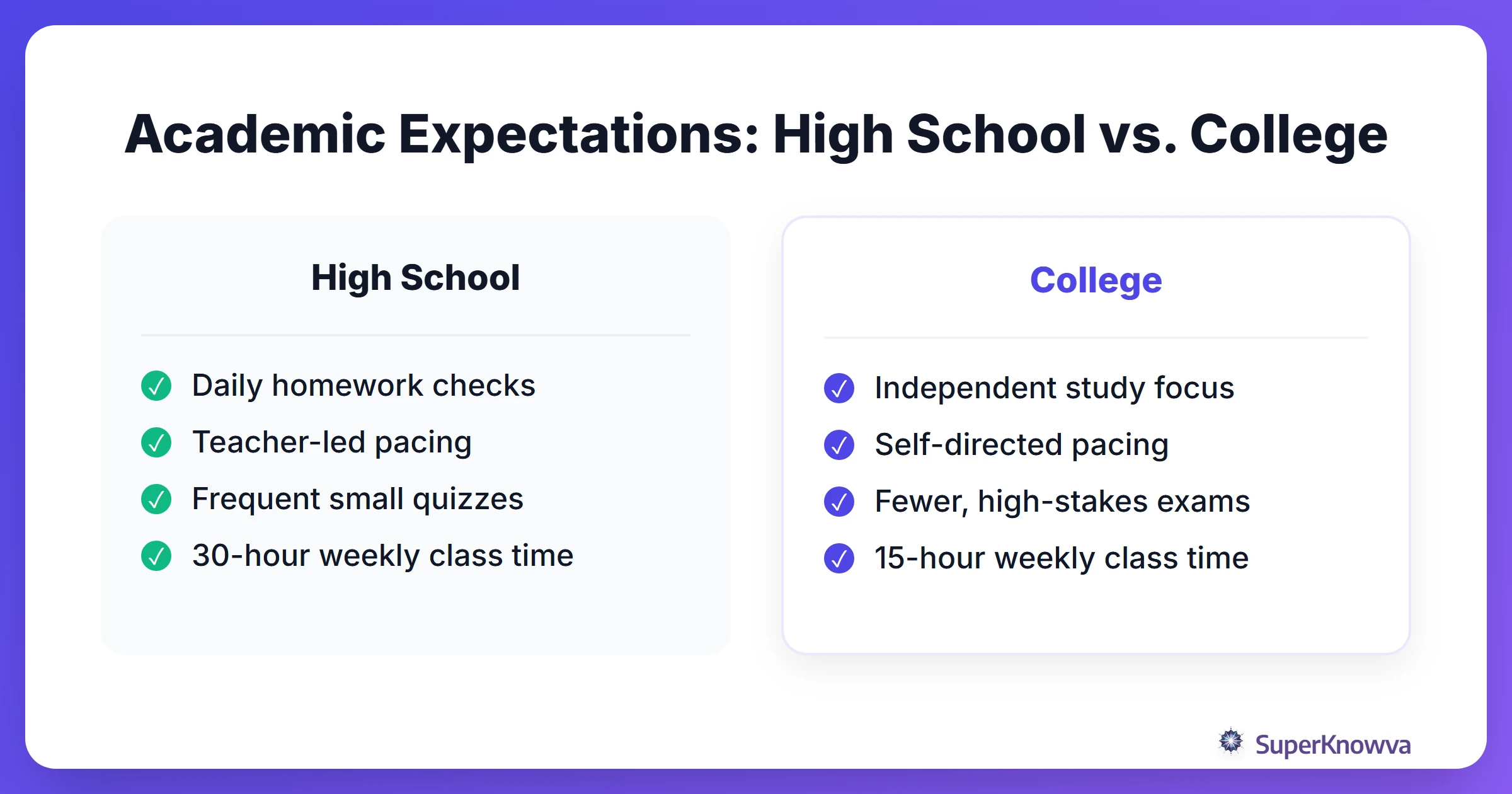
University courses move fast, often covering a week’s worth of high school material in a single hour. Reading lists are longer and expectations are higher. Summer is a good time to prepare. Evaluate your skills. Are you "rusty" in math? Does a 10-page research paper seem daunting? Addressing these gaps now prevents them from causing problems in September.
Mastering the College-Level Study Skillset
Here’s a hard truth: Highlighting a textbook isn't studying. It’s just coloring. To survive a heavy course load, you need to move past passive reading and start using strategies that actually stick.
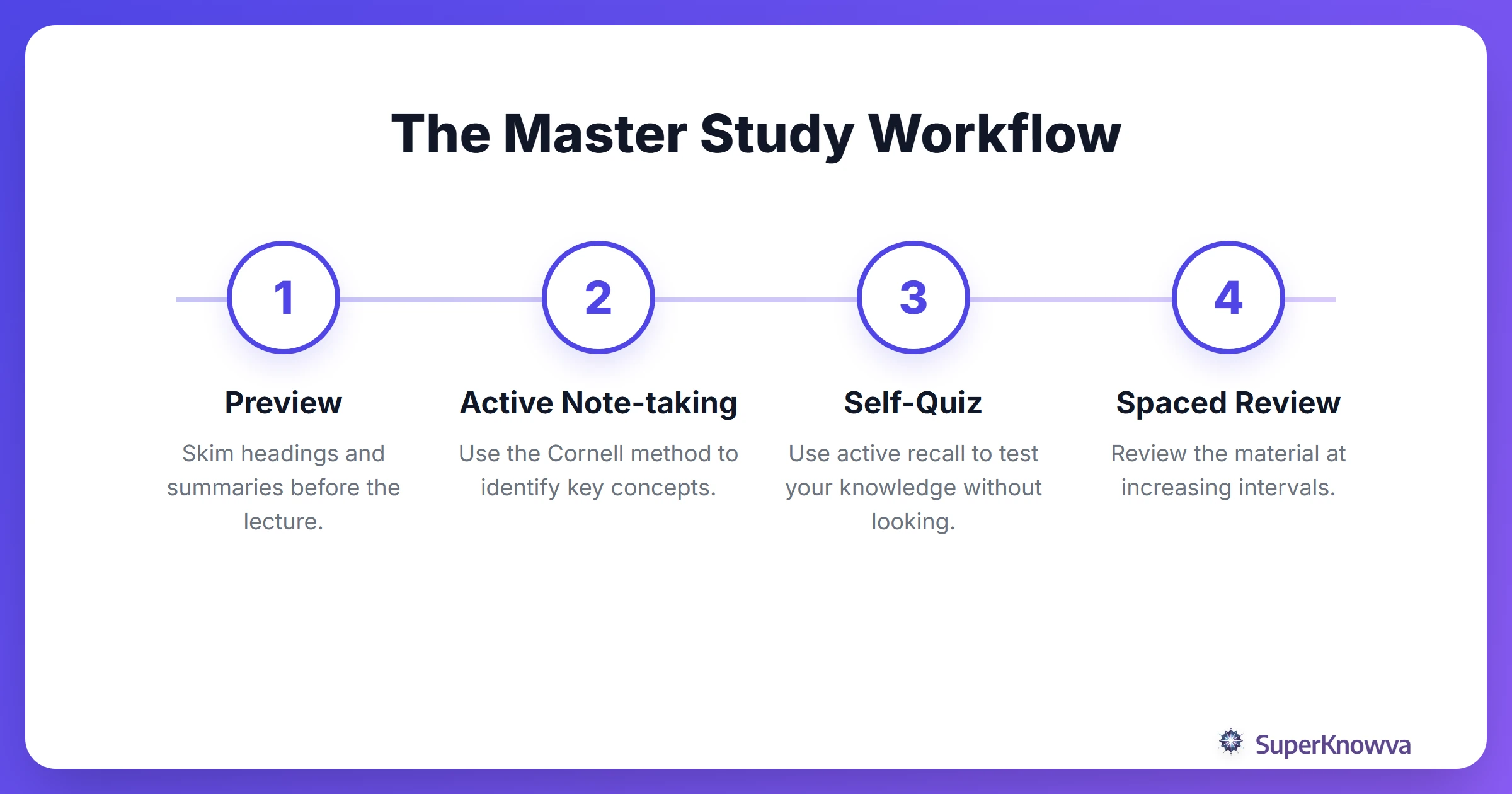
- Active Recall and Spaced Repetition: Don't just re-read your notes until your eyes glaze over. Quiz yourself. This process of Active Recall vs. Re-reading forces your brain to work, which is exactly how you build long-term memory.
- Smarter Note-Taking: College textbooks are dense. If you try to write down every word, you’ll drown. Instead, learn taking notes from a textbook using the Cornell Method or outline mapping. It’s about synthesizing the "why," not just transcribing the "what."
Try this: Set a timer for 90 minutes of "deep work." No phone, no distractions. Building that kind of academic stamina now will save you during your first finals week.
Pre-College Enrichment and Credit Programs
If you’re the type who prefers a bit of structure, look into pre-college enrichment programs. Many top-tier schools offer "summer bridge" programs that give you a literal trial run of university life.
For example, Georgetown University Summer Programs allow you to earn actual credits while living on campus. If you're eyeing a career in medicine or STEM, Columbia University S-PREP offers intensive prep to make sure you're ready for the rigor of Ivy League science.
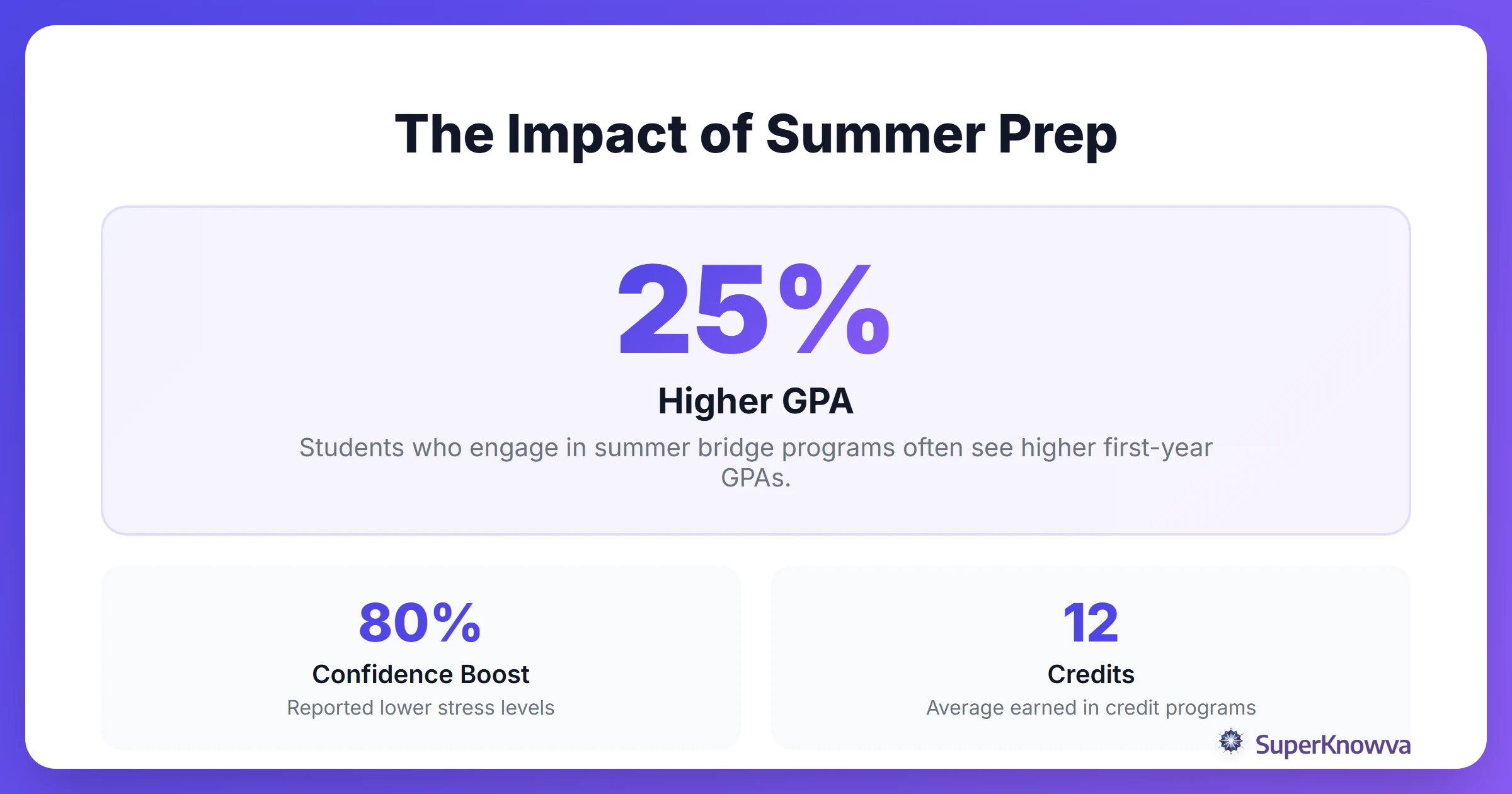
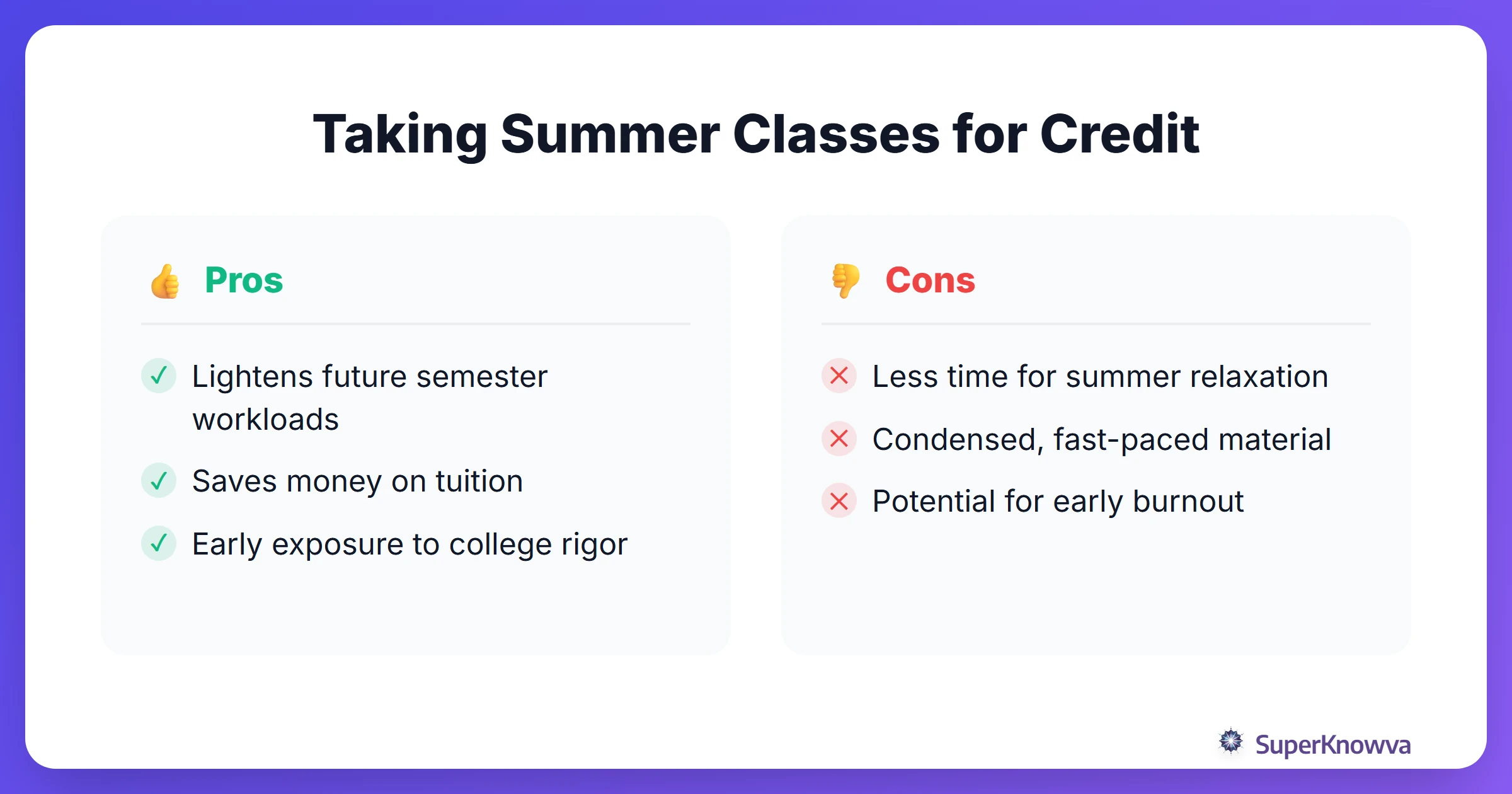
Knocking out a few credits early doesn't just save money; it lightens your first-year load. This gives you more time to join clubs, make friends, and enjoy being a freshman.
Bridging the STEM and Quantitative Gap
Heading into Engineering, Pre-Med, or Computer Science? The learning curve is about to get steep. Your college readiness checklist should put math and science foundations at the very top.
Most universities use placement exams for Calculus or Chemistry. Prepare for these in advance. Use Khan Academy or OpenStax to refresh the basics. Also, get comfortable with scientific writing. In a university lab, writing a clear, concise report is as important as the experiment itself. Check your department's website to see if you need to know Python or R. Start early.
Building Your Digital Study Environment
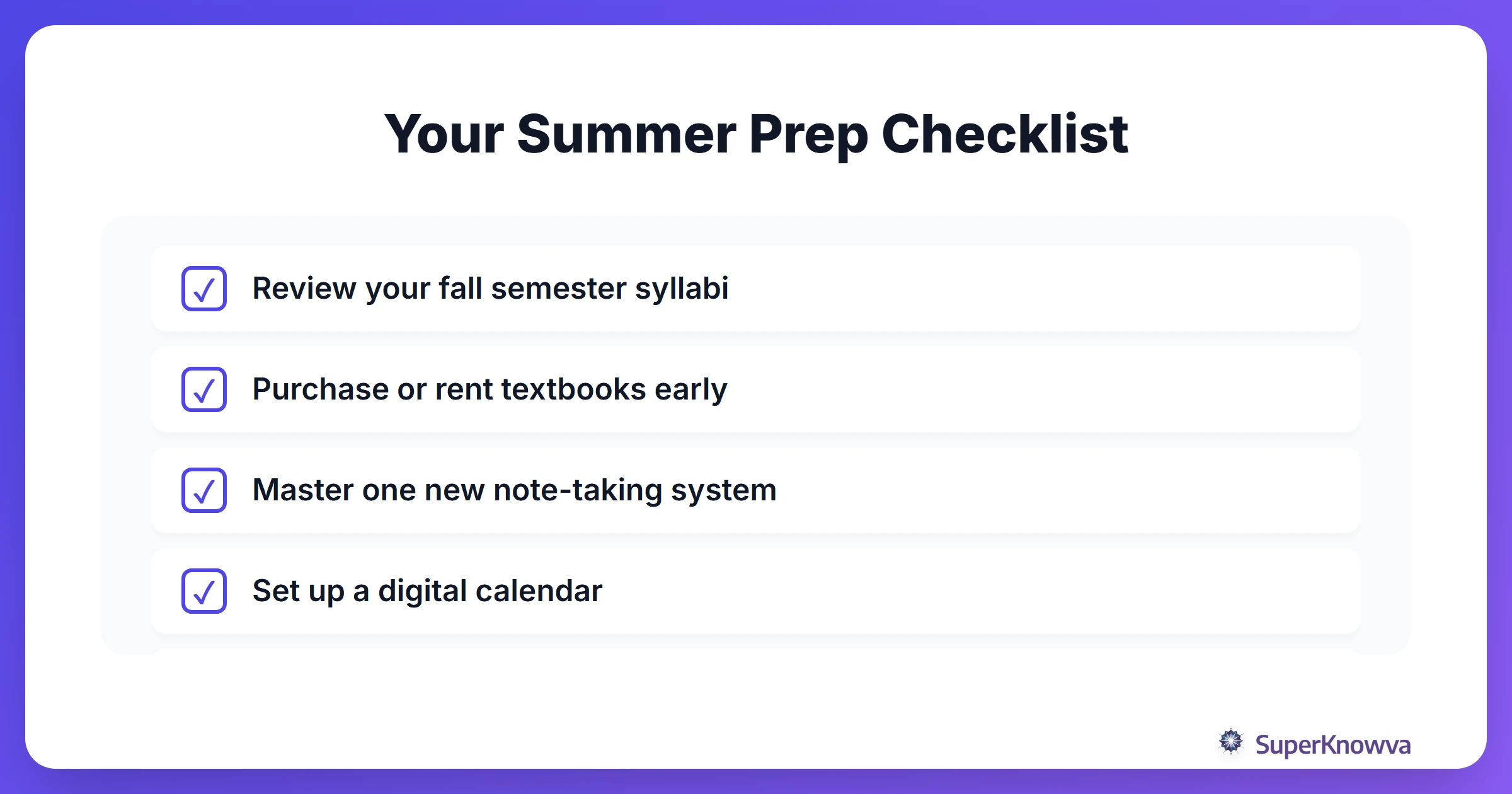
Your digital organization is just as important as your physical desk. Don't wait until week three to realize your files are a mess. Use the summer to find the tools that work for you.
- Organization: Set up your "Digital HQ" in Notion or Google Drive. Create folders for every class on your schedule and drop the syllabi in there as soon as you get them.
- Reference Management: Do yourself a favor and learn Zotero or Mendeley now. Trying to figure out citations at 2:00 AM the night before a paper is due is a nightmare you want to avoid.
- Beat Procrastination: Feeling stuck? Use the 5-minute rule. Tell yourself you’ll work for just five minutes. Usually, the hardest part is just opening the laptop.
Balancing Prep with Summer Wellness
Let’s be clear: the goal isn't to spend your entire summer in a library. You don't want to burn out before you even move into your dorm.
It’s all about balance. Do your prep work in the morning so your afternoons are free for the beach or hanging out with friends. Learning how to balance a high GPA with a social life is a skill in itself. Use this time to connect with future classmates on social media or university portals. Having a support system on day one makes everything easier.
By taking a few intentional steps this summer, you are doing more than prepping for classes; you are building the foundation for the next four years. Focus on consistency and prepare for the upcoming semester.