The graduation parties are over, the trunk is squeezed into a tiny dorm room, and the "real world" finally feels within reach. Independence is great, right? But as the initial excitement of move-in day fades, many freshmen realize they’ve overlooked the biggest hurdle of all: the classroom.
Transitioning to college academics isn't just about tackling harder subjects. It’s a total rewiring of how you learn, how you study, and how you manage your intellectual life. In high school, you were likely guided every step of the way. In college? The training wheels are gone.
To help you handle this jump in rigor, we’ve put together a roadmap for mastering your first semester and beyond.
The Fundamental Shift: High School vs. College Rigor
The move from teacher-led instruction to student-led learning is a major transition. In high school, teachers often act as project managers. They remind you of deadlines, check your homework daily, and provide "busy work" to keep you on track. In college, that safety net vanishes.
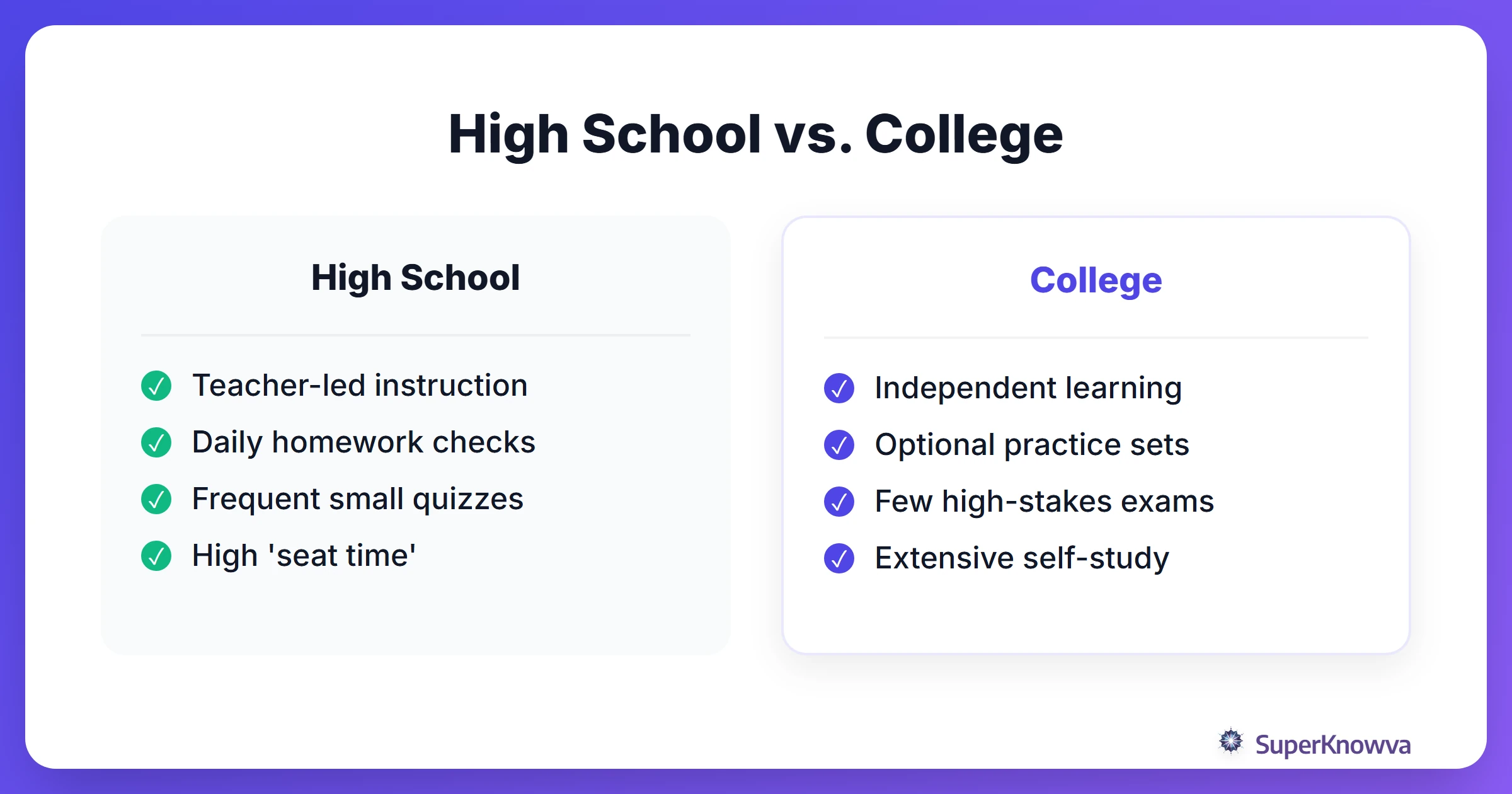
One of the most vital first year college tips is simple: treat your syllabus like a binding contract. It’s not just a piece of paper; it’s the master plan for your entire semester. Professors expect you to know exactly what’s coming without a single reminder.
You will also notice the grading scale changes. Instead of dozens of small assignments padding your grade, your entire GPA might hinge on just two midterms and a final paper. This makes "deep work," the ability to focus intensely without distraction, essential.
Managing the 'Free Time' Trap
On paper, a college schedule looks like a dream. You might only have 12 to 15 hours of class per week, leaving massive gaps of "free time." Don't be fooled. This is the ultimate trap.
To meet college academic expectations, you need to follow the golden rule: for every one hour spent in a lecture, expect to spend two to three hours studying or working independently. If you find yourself paralyzed by the sheer volume of work, try the 5-minute rule for students.
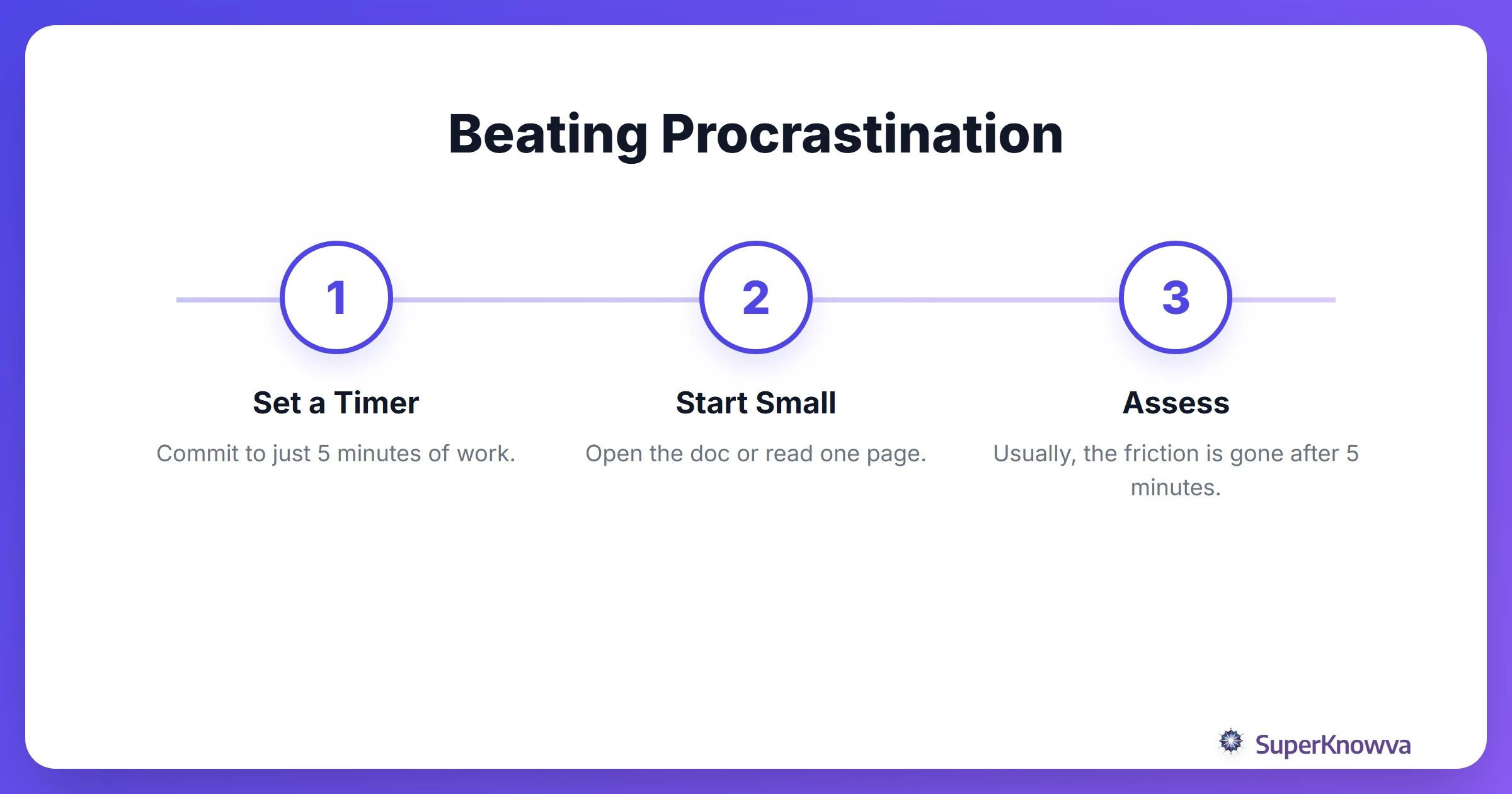
Structure is essential. Build a weekly schedule that accounts for "hidden tasks" like library runs, laundry, and, most importantly, dedicated study blocks. If you treat school like a 40-hour-a-week job, your evenings are yours to enjoy guilt-free.
Mastering College-Level Reading and Note-Taking
In high school, you could probably skim a chapter and still ace the quiz. In college, that strategy will fail you. The reading load is massive, and you’re moving from passive reading to critical analysis. You aren't just reading to memorize facts; you’re reading to synthesize complex arguments.
When you take notes from a textbook, stop focusing on "what" and start asking "why" and "how."
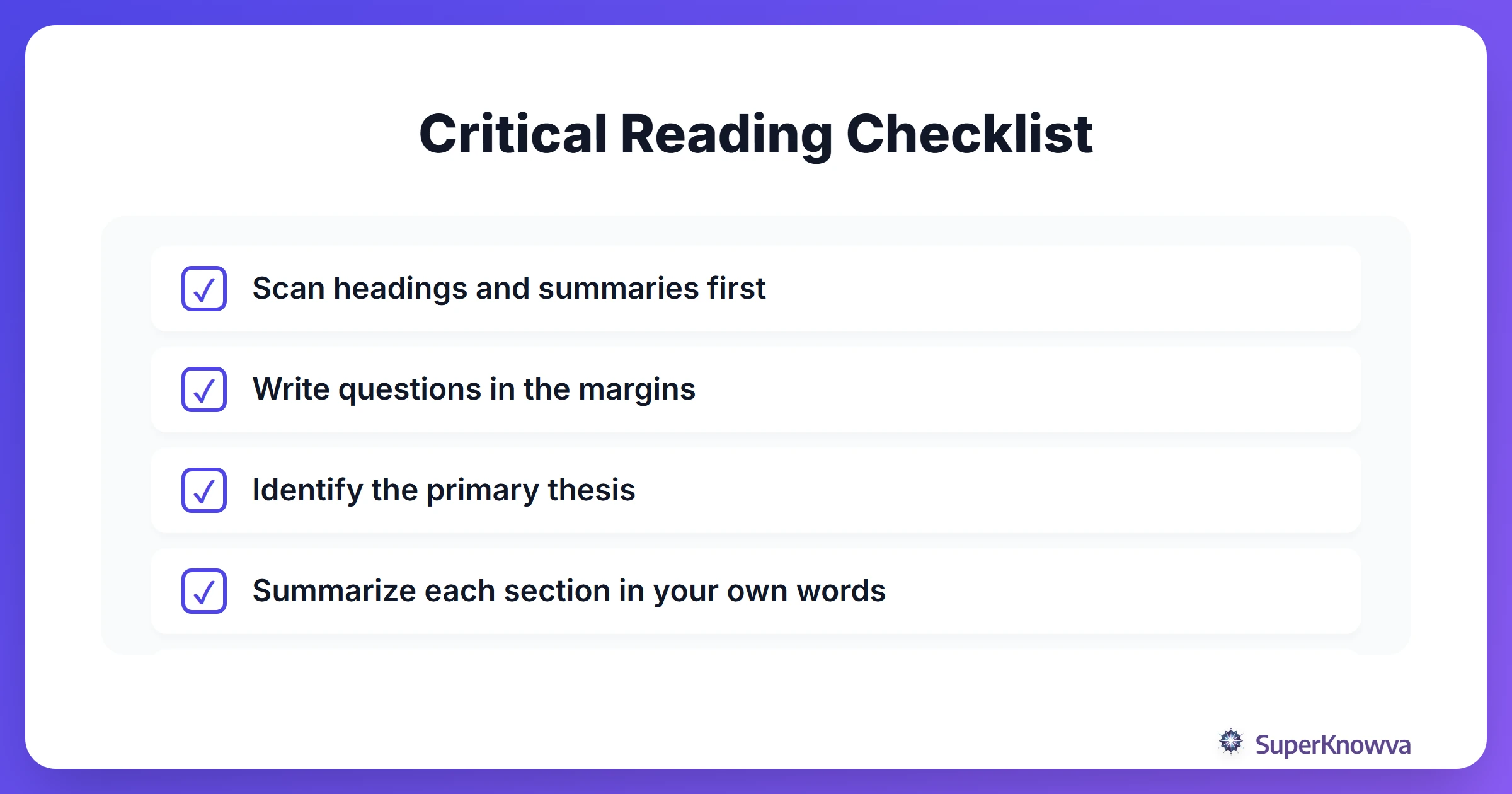
Developing these academic transition skills early is essential. Review your lecture notes within 24 hours of the class. It sounds tedious, but this small habit is the fastest way to move information from your short-term memory into long-term storage.
Active Learning: The Key to Retaining Complex Information
Many students arrive at college with outdated college study habits, relying on the "highlight and hope" method. But here’s the truth: re-reading your notes is actually one of the least effective ways to study. It creates an "illusion of competence" where you recognize the words but don't actually understand the concepts.
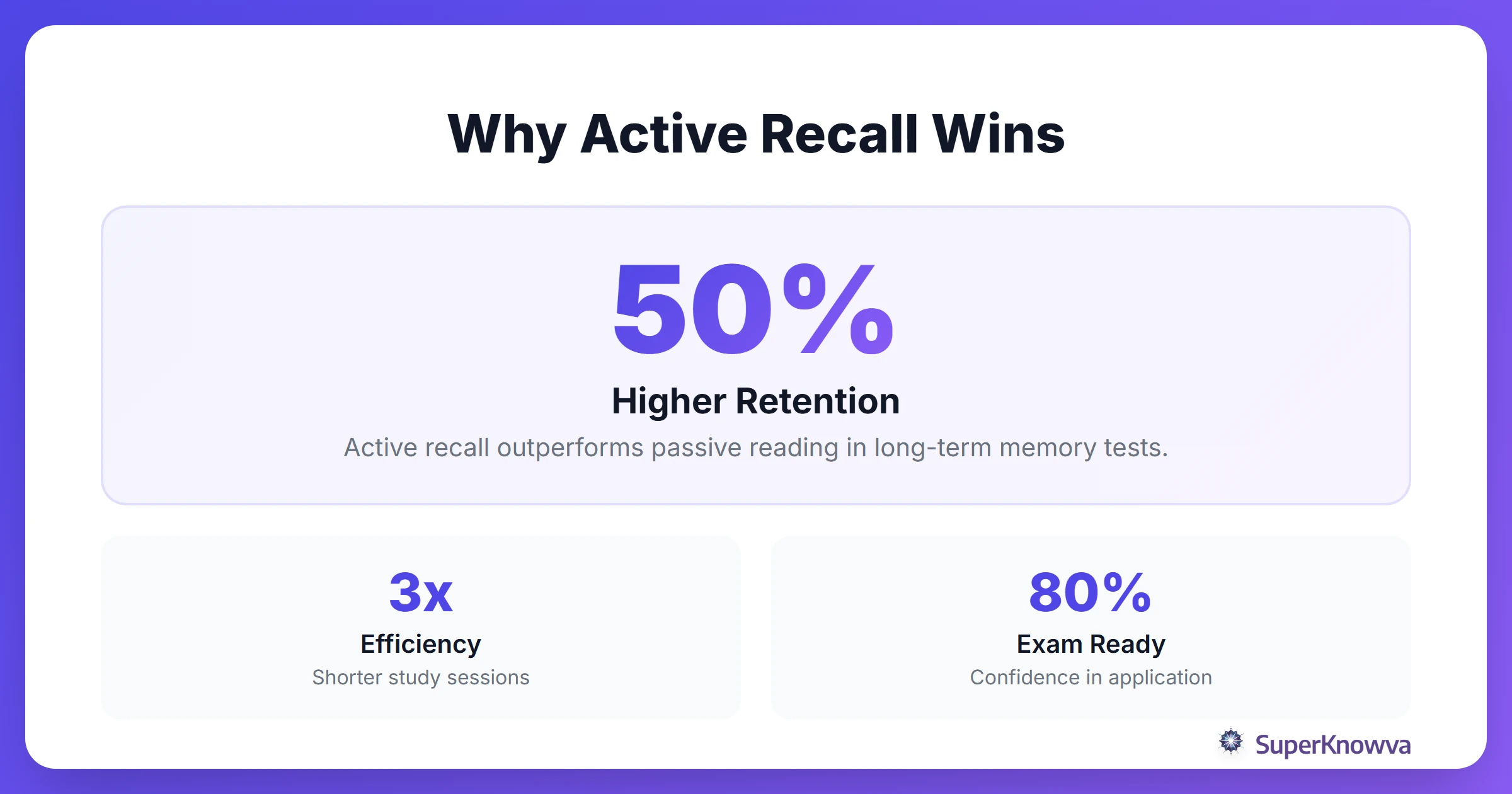
The most successful students use active recall vs. re-reading to constantly test their knowledge. Close the book and try to explain a concept out loud as if you’re teaching it to a friend. You can also use tools like SuperKnowva to turn your notes into practice questions instantly.
Study groups are effective when you focus on teaching each other. This approach forces you to apply knowledge to new scenarios, which is what professors expect on the final exam.
Utilizing Campus Support Systems
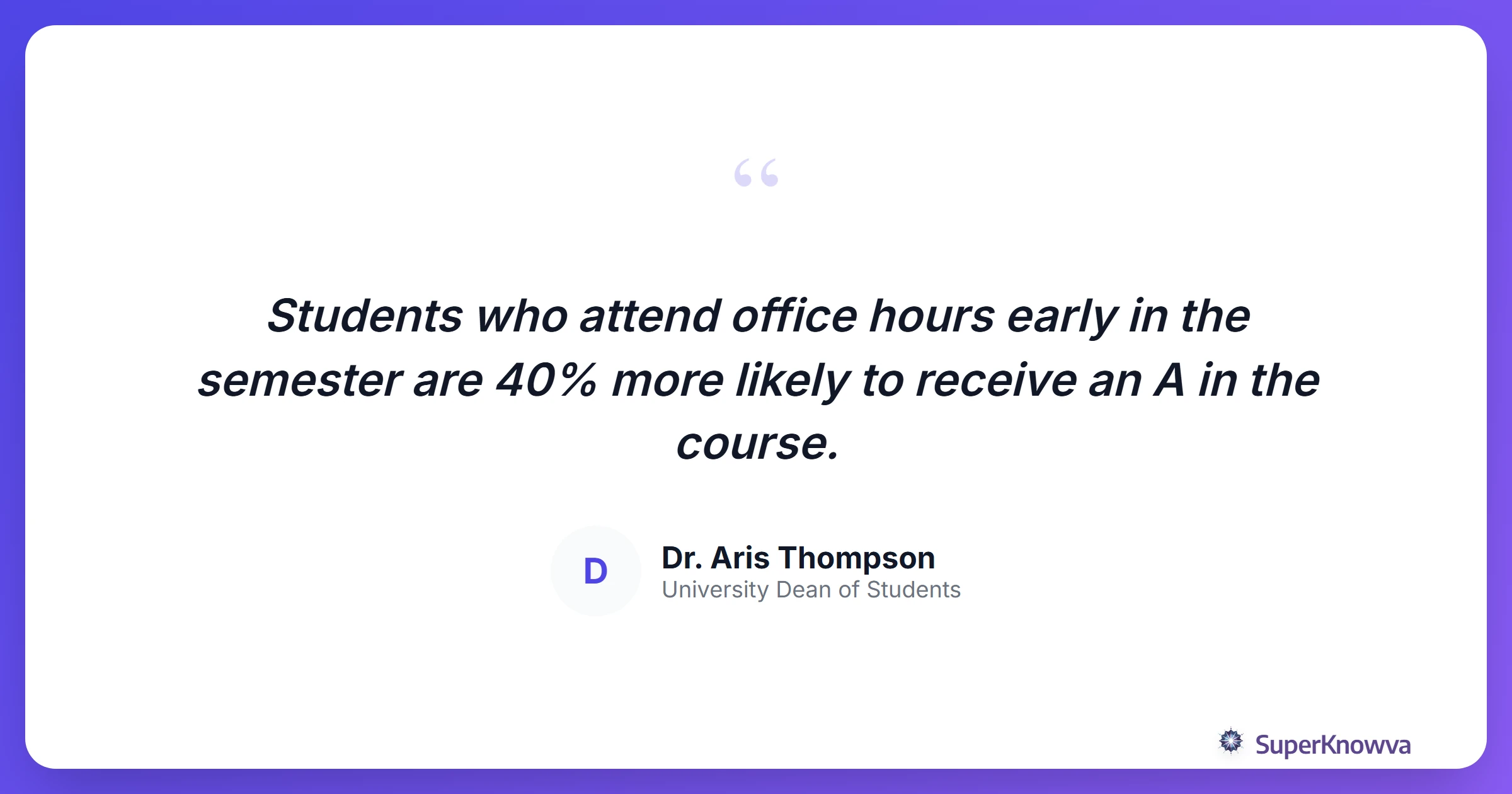
You don't have to do this alone. One of the most underutilized resources on any campus is Professor Office Hours. Are they intimidating? Sometimes. Are they worth it? Absolutely. Attending office hours isn't just for students who are failing; it’s a way to build a relationship with your instructor and get clarity on complex topics before they become a crisis.
Beyond your professors, use the Writing Center for those high-stakes essays and seek out tutoring services early. If you do hit a snag and need to recover from a failed exam, these systems are your fastest path back to a high GPA. For more practical tips for adjusting to college, check out your university's student success center during the first week.
The Balancing Act: GPA and Social Life
Finally, remember that college is a marathon, not a sprint. While your academics are the priority, your social life and mental health are the fuel that keeps you going. The trick is to balance a high GPA with a social life by setting firm boundaries.
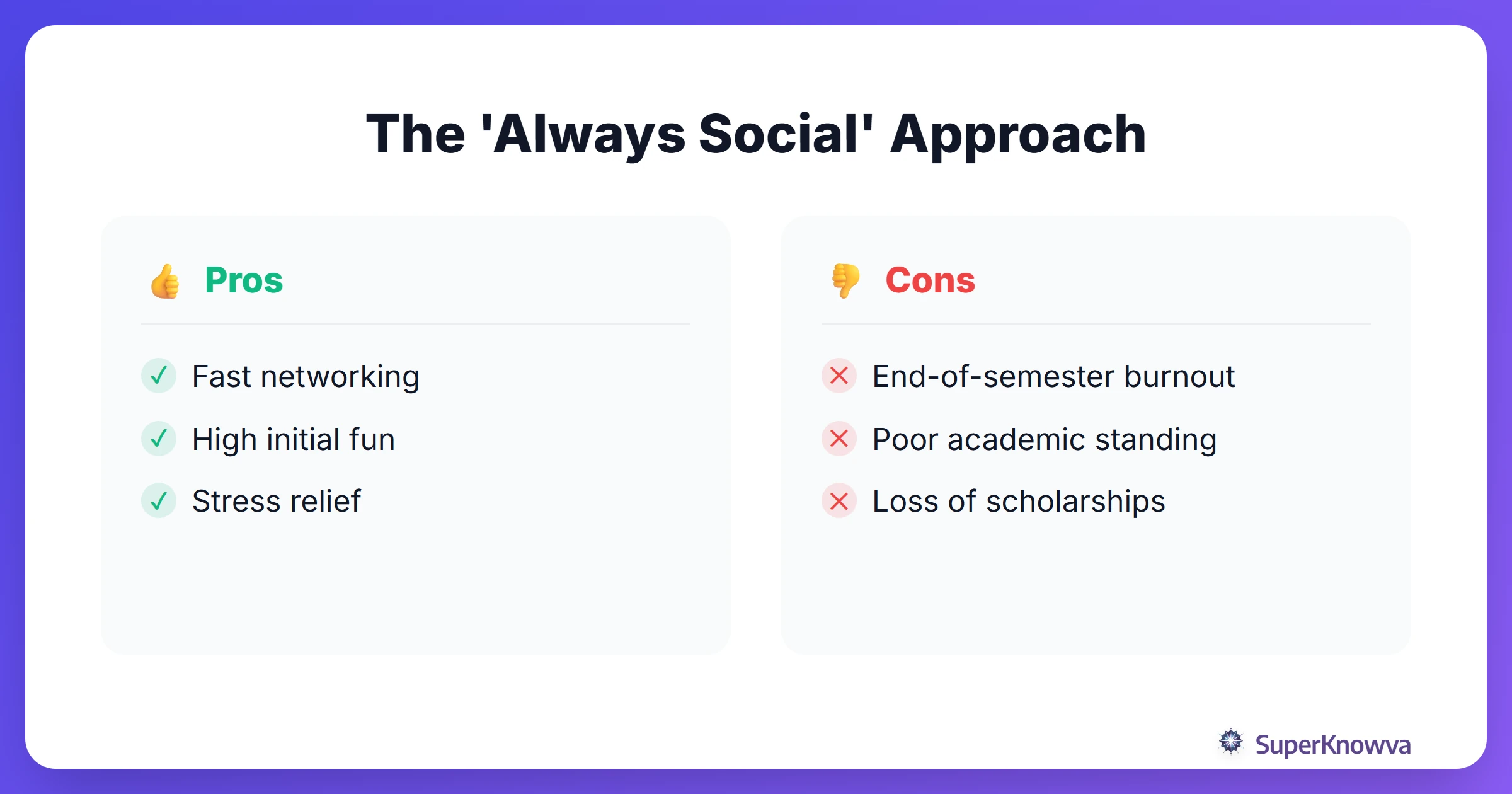
Adopt a "Work Hard, Play Hard" philosophy. Earn your downtime by hitting your study goals first. Maintaining a solid GPA during your first year provides a crucial safety net for the more difficult upper-division courses you’ll face later.
Watch for signs of burnout. If you feel overwhelmed, take a break and reach out for support. The transition to college is significant, but with a proactive mindset and the right strategies, you can manage the change effectively.