The semester is finally in the rearview mirror. You should be feeling a sense of relief, right? But for many of us, the brain still feels "plugged in." Between the infinite scroll of TikTok, the relentless pings of Discord, and the silent pressure to curate a perfect summer aesthetic, break doesn't always feel like a break.
If you are finishing the year feeling more exhausted than refreshed, a digital detox for students is more than a wellness tip; it is a necessary reboot. It helps you reclaim your focus and give your mind the rest it needs before next semester begins.
The Mental Tax of Being "Always On"
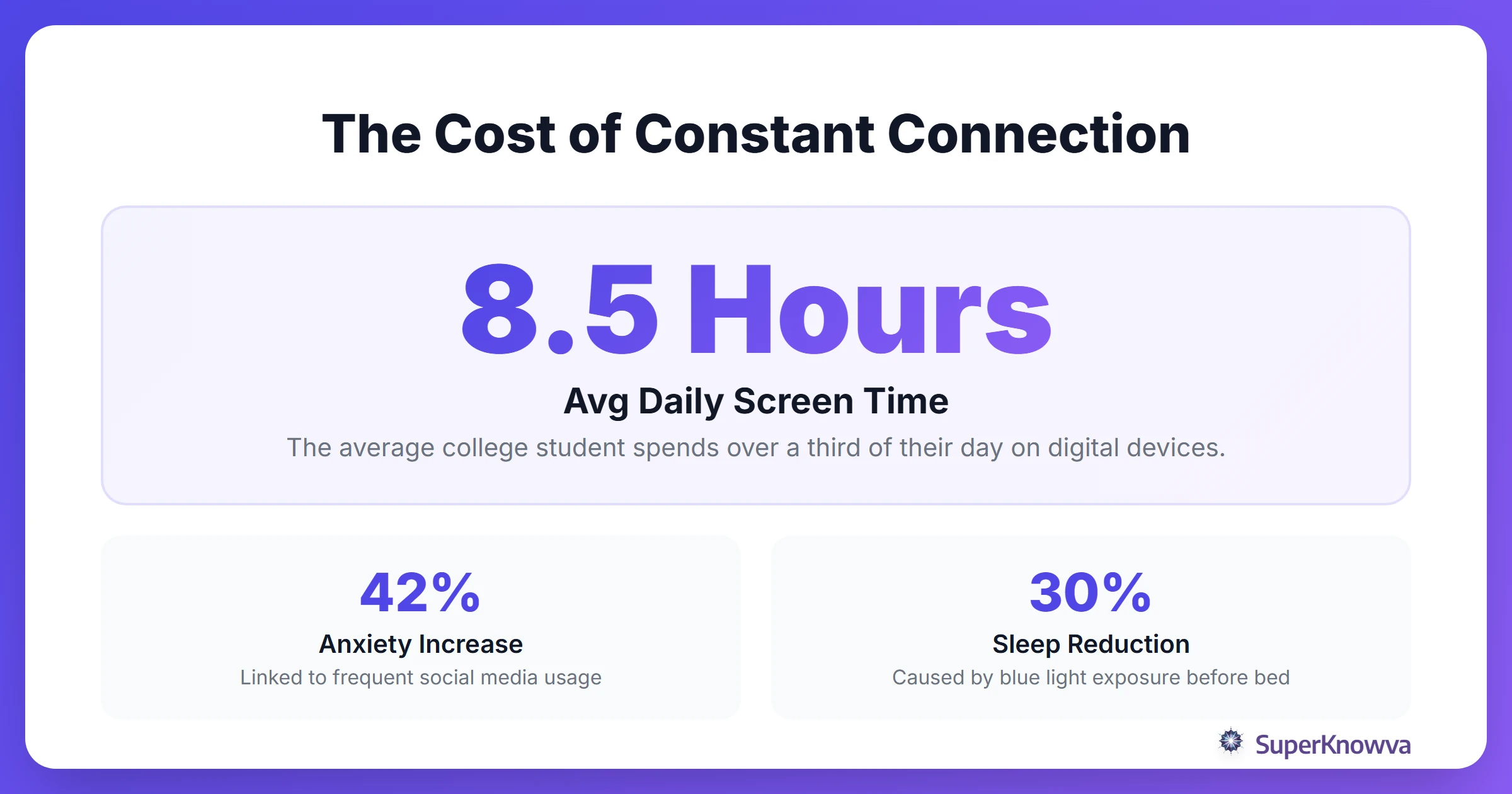
We often treat our phones like a reward for a hard day's work. We sit down, start scrolling, and tell ourselves we’re relaxing. But your brain begs to differ. Constant notifications force you into a state of "cognitive overload," where your mind is stuck processing a fragmented stream of memes, news, and messages. You aren't resting; you're just processing data.
Then there’s the "highlight reel" effect. It’s hard to feel good about your own summer when you're constantly comparing your real life to everyone else's filtered best moments. This digital comparison trap is a fast track to anxiety and low self-esteem.
It’s not just in your head, either. Excessive student screen time has real physical consequences: "tech neck," eye strain, and elevated cortisol levels that keep your body in a state of low-level stress. If you feel like you're running on empty, you might be seeing student burnout signs and recovery starts with putting the phone down.
Why Your Brain Craves the "Off" Switch
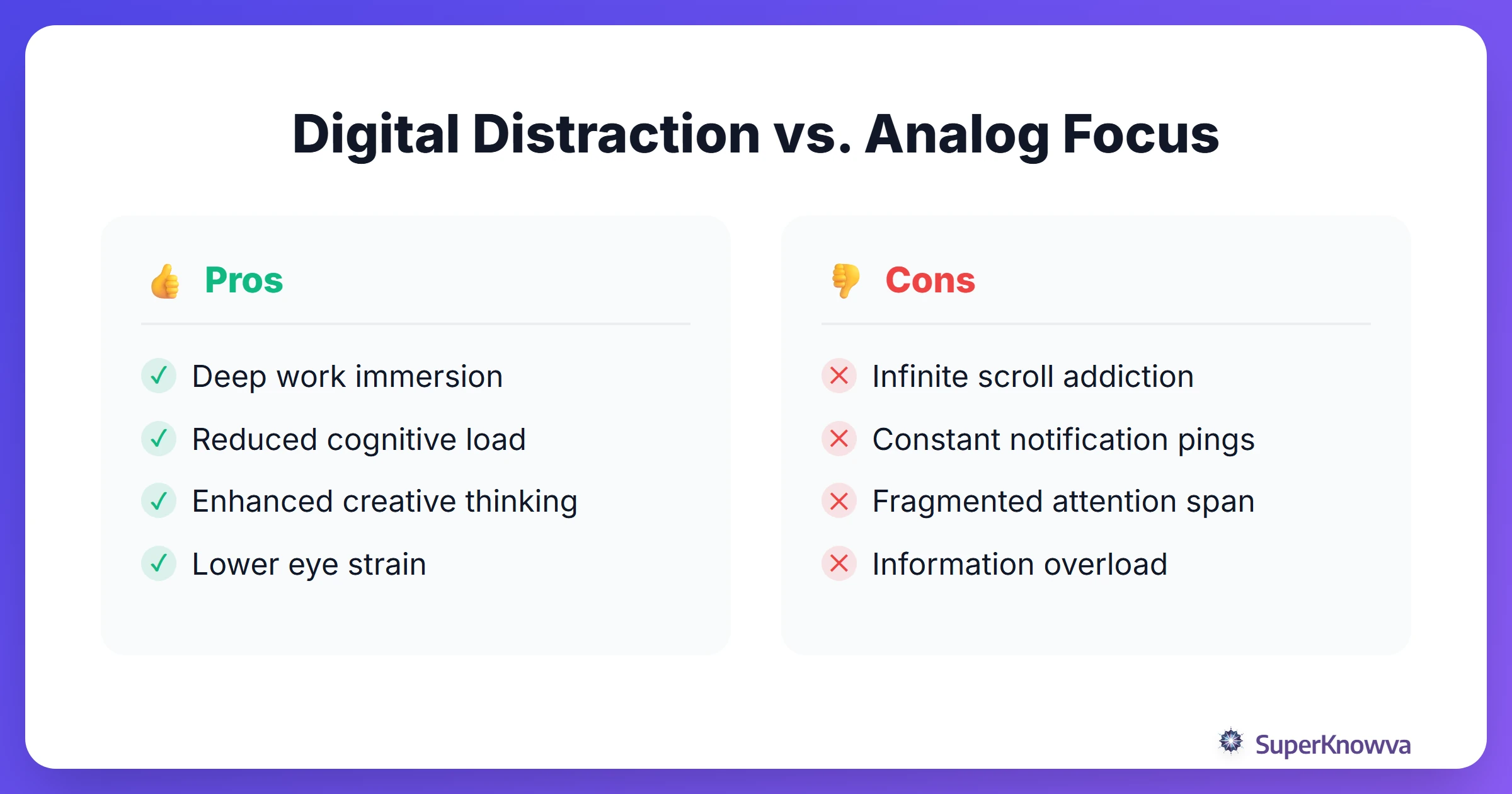
What happens when you actually unplug? Your brain enters what neuroscientists call the "default mode network." This is the mental space where creativity lives, where you reflect on who you are, and where you solve problems without even trying. You can't get there if you're chasing the next dopamine hit from a "like."
Summer is an ideal time for a mental reset. Without the pressure of deadlines, you can practice "deep work," the ability to focus intensely without distraction. By cutting back on screen time, you train your brain to function more effectively. You’ll find your memory improves and your thoughts feel less cluttered because you’ve given your mind the quiet it needs to organize itself.
Want to level up that cognitive boost? Try trading the scrolling for some movement. We’ve broken down the link between exercise and grades and how physical activity clears the mental fog.
Fixing Your Sleep (and Your Melatonin)
If you’ve ever stayed up until 2:00 AM scrolling through videos you don't even like, you've experienced "revenge bedtime procrastination." It’s that weird urge to stay awake just to feel like you have control over your time.
The problem? The blue light from your screen is a melatonin killer. It tricks your brain into thinking it’s daytime, ruining your sleep quality. To fix this, try a "digital sunset." Turn off the screens at least an hour before bed. High-quality sleep is the ultimate academic hack; a well-rested brain processes information faster and handles stress way better than a sleep-deprived one.
If the silence feels a bit uncomfortable at first, experimenting with mindfulness for students can help you stay grounded while you transition to a screen-free evening.
The 30-Day Summer Detox Challenge
Going "cold turkey" usually ends in a relapse by day two. Instead, try a structured approach. If you want a detailed roadmap, the Regis University 30-Day Digital Detox Challenge is a fantastic resource to follow.
Here is how to break it down:
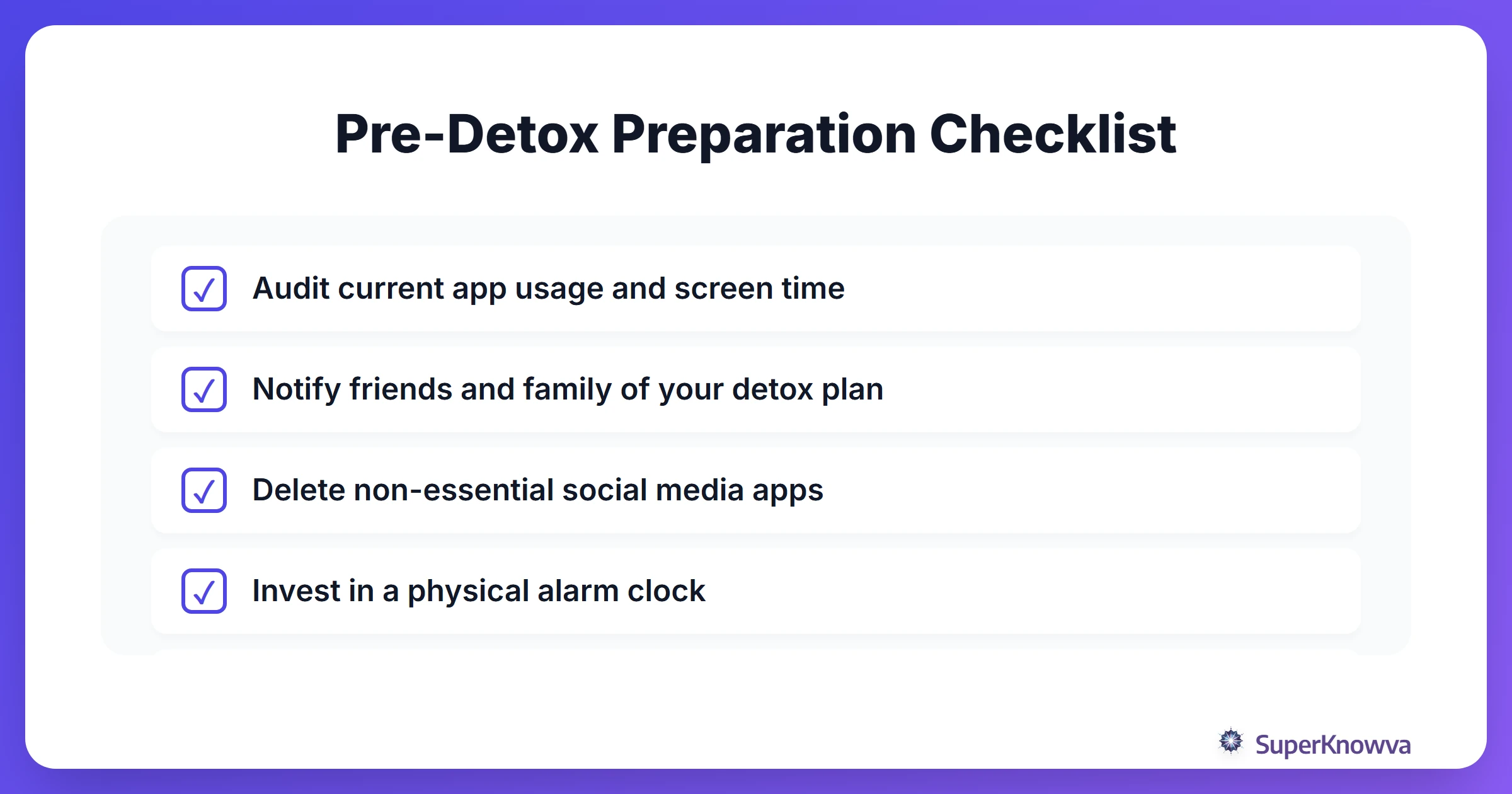
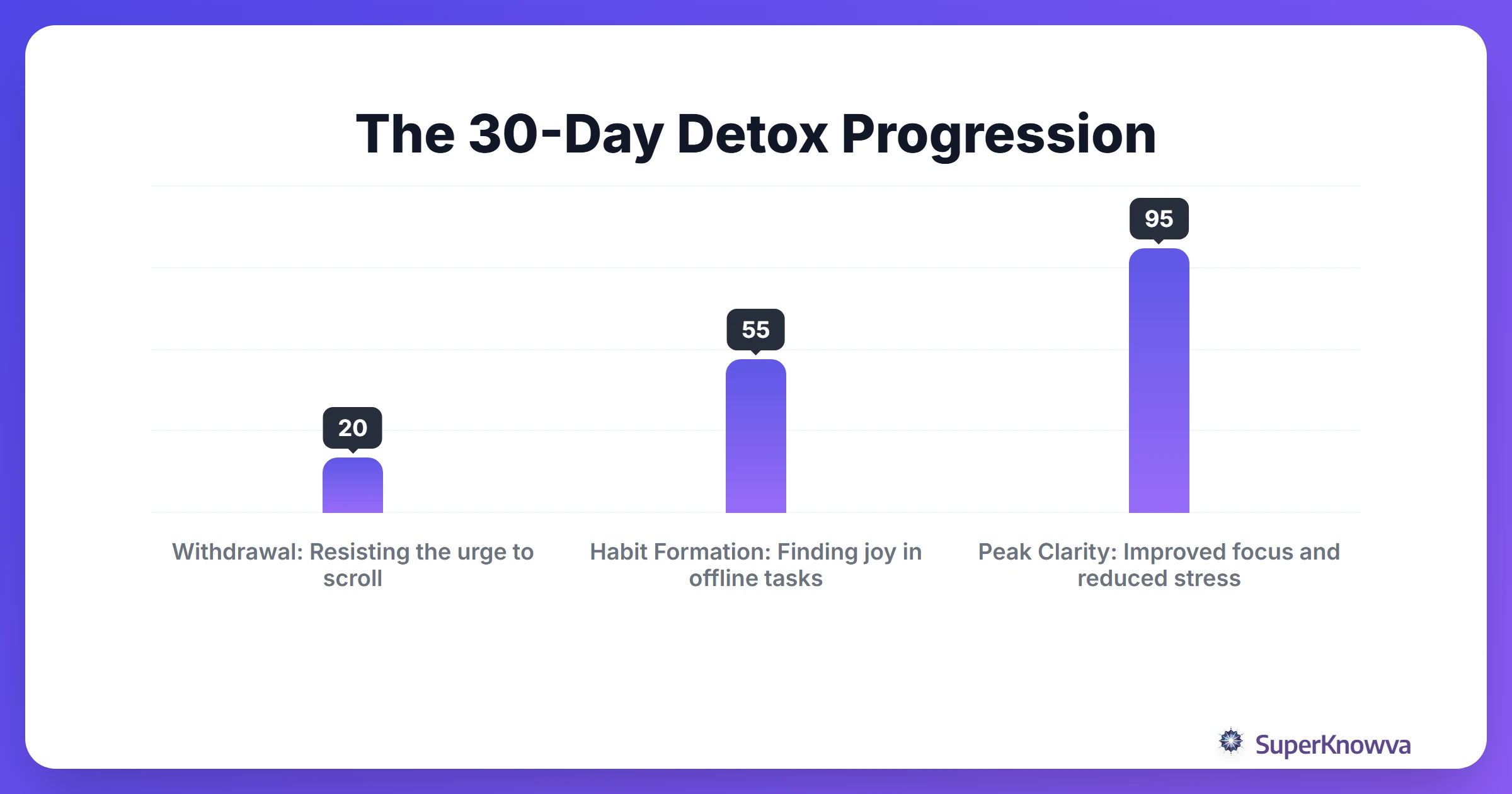
- Week 1: The Audit. Track your usage. Seeing that you spent 40 hours on your phone in one week is a wake-up call. Start small: disable all non-essential notifications.
- Week 2: Habit Formation. Delete the apps that make you feel worse, not better. Get a friend to do it with you. Accountability is essential.
- Week 3: Deep Unplugging. Try a full "offline Sunday." Grab a physical journal and see how your mood changes when you aren't checking your pockets every five minutes.
- Week 4: Clarity. This is where the "phantom vibrations" stop. You will notice you are more present, less twitchy, and more focused.
Getting Your Life Back
A detox isn't just about what you’re losing; it’s about what you’re gaining. Unplugging for summer frees up hundreds of hours. What could you do with that time? Hike, paint, learn a new instrument, or actually talk to your friends in person.
Attention restoration theory suggests that nature recharges your brain. Real-world social interactions offer an emotional depth that a "like" never will. When you unplug, you find a healthier social life vs grades balance. You are not just "there"; you're present.
Heading Back to Campus with Intention
The goal isn't to delete your digital life forever. It's to make sure you're the one in charge. As the fall semester creeps closer, start reintroducing tech with some ground rules:
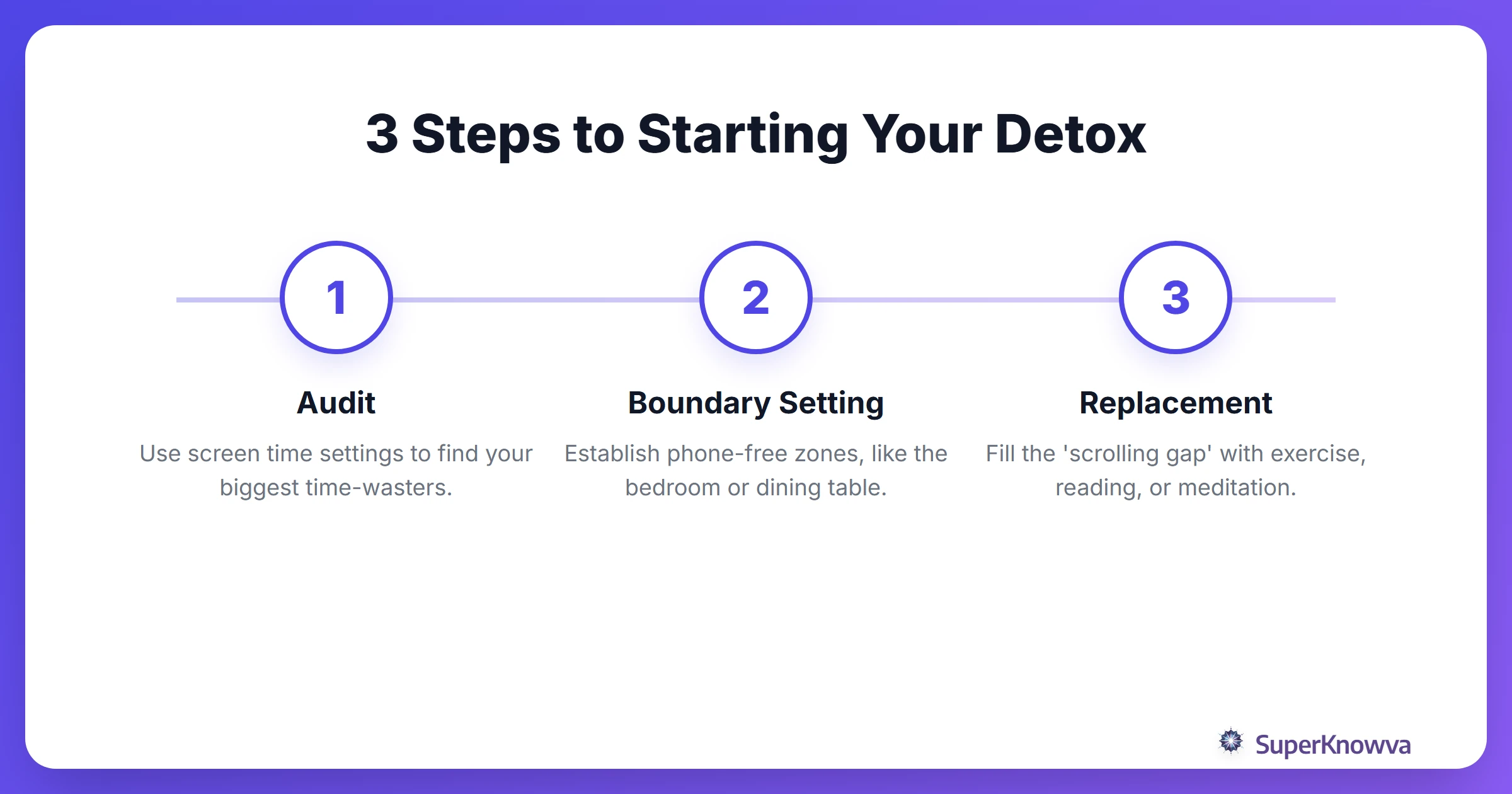
- App Limits: Use your phone’s built-in tools to lock you out of distracting apps after a certain time.
- Tech-Free Zones: Keep the phone away from your desk when you study and away from your bed when you sleep.
- The "Why" Test: Before you check your phone, ask: "What am I actually trying to do right now?"
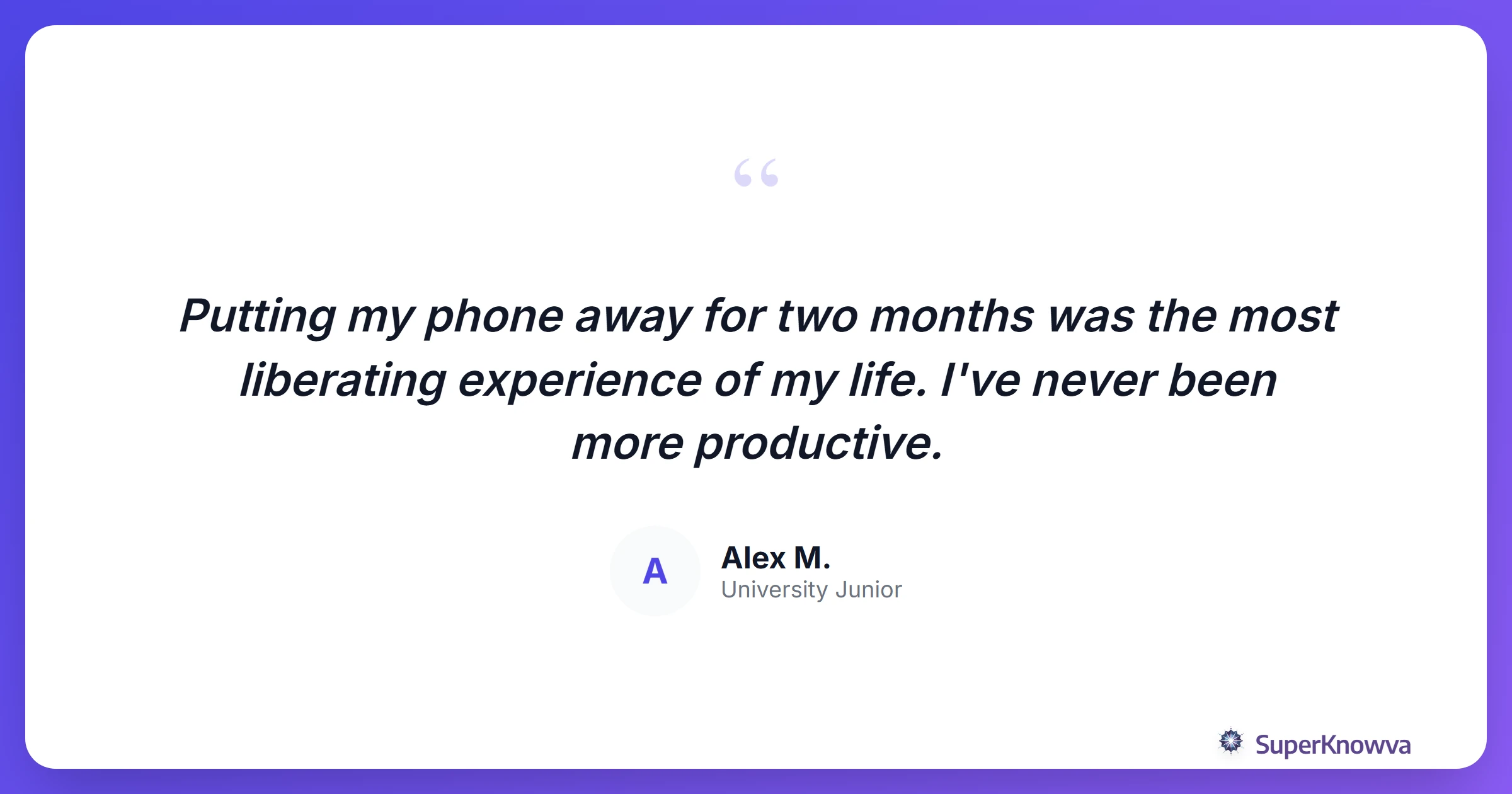
One student at Arizona State University shared how a digital detox helped them overcome anxiety attacks caused by phone dependency. It’s proof that these aren't just "small changes." They can be life-altering.
By reducing academic burnout through a summer of digital wellness, you’ll head back to campus with a sharper mind and a better mood. Give your brain the break it deserves. Start your detox today.