Summer school is a grind. You are trying to squeeze sixteen weeks of material into a few short weeks, all while your friends are posting beach photos. In this intense environment, it is natural to look for an edge.
But here’s the reality: understanding the ethics of ai in education isn't just a "nice to have" anymore. It’s a survival skill. As AI tools weave themselves into our study habits, that line between a helpful assistant and a shortcut that kills your actual learning is getting thinner by the day. At SuperKnowva, we’re all about using AI to help you master a subject, not just help you check a box on an assignment.
The New Frontier: AI in the Summer Classroom
AI has changed how students approach accelerated courses. When midterms happen every Monday, these tools offer immediate help. However, they carry risks. They can support your learning or leave you unprepared for the final exam.
AI in summer school demands a higher level of self-awareness. Because the timeline is so compressed, there’s zero room for error. If you let an AI do the thinking for you instead of just helping you organize your own thoughts, you’re missing out on the "deep encoding" your brain needs to actually retain info. Using AI responsibly means using it to bridge the gaps in your logic, not to replace the logic itself.
Defining Academic Integrity in the Age of AI
The rules of the game haven't changed, even if the equipment has. The core principle is still the same: the work you turn in needs to be a reflection of your brain, not a server's.
So, where’s the line? Distinguishing between AI-assisted learning and straight-up AI-generated plagiarism is your first step toward passing with your integrity intact. For instance, using responsible AI-powered note taking to distill a two-hour lecture into a study guide? That’s smart. Asking a chatbot to write your entire 1,000-word analysis of "The Great Gatsby"? That’s a one-way ticket to an academic hearing.
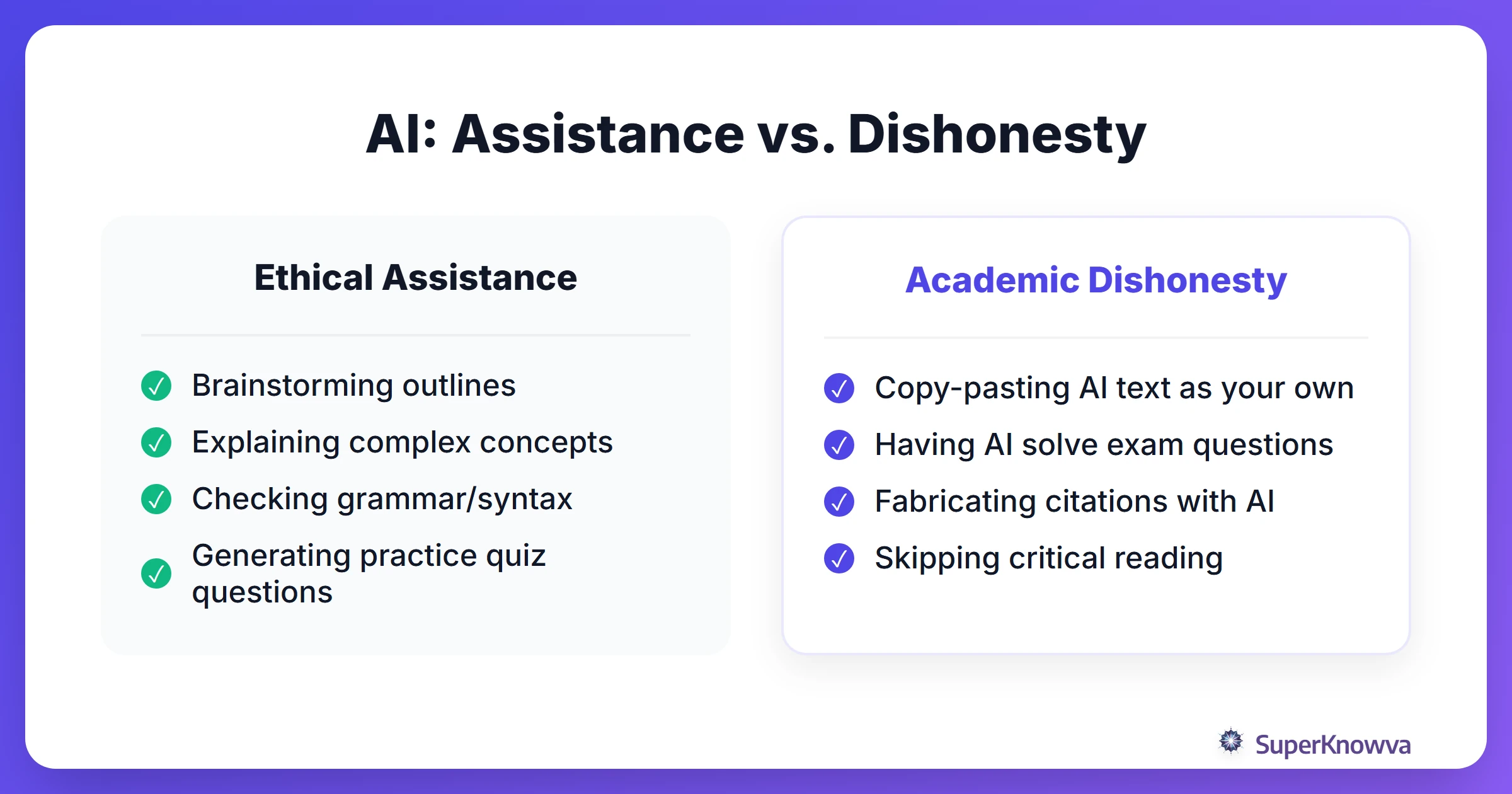
Most schools are still figuring out their generative AI policies on the fly. When you hit a "Gray Area," play it safe. Using AI to brainstorm an outline is usually fine, but the second the AI starts "drafting" your sentences, you’ve probably crossed the rubicon. Always, always check your syllabus for those "AI Allowed" or "AI Prohibited" tags.
Bias, Fairness, and Inclusion in AI Tools
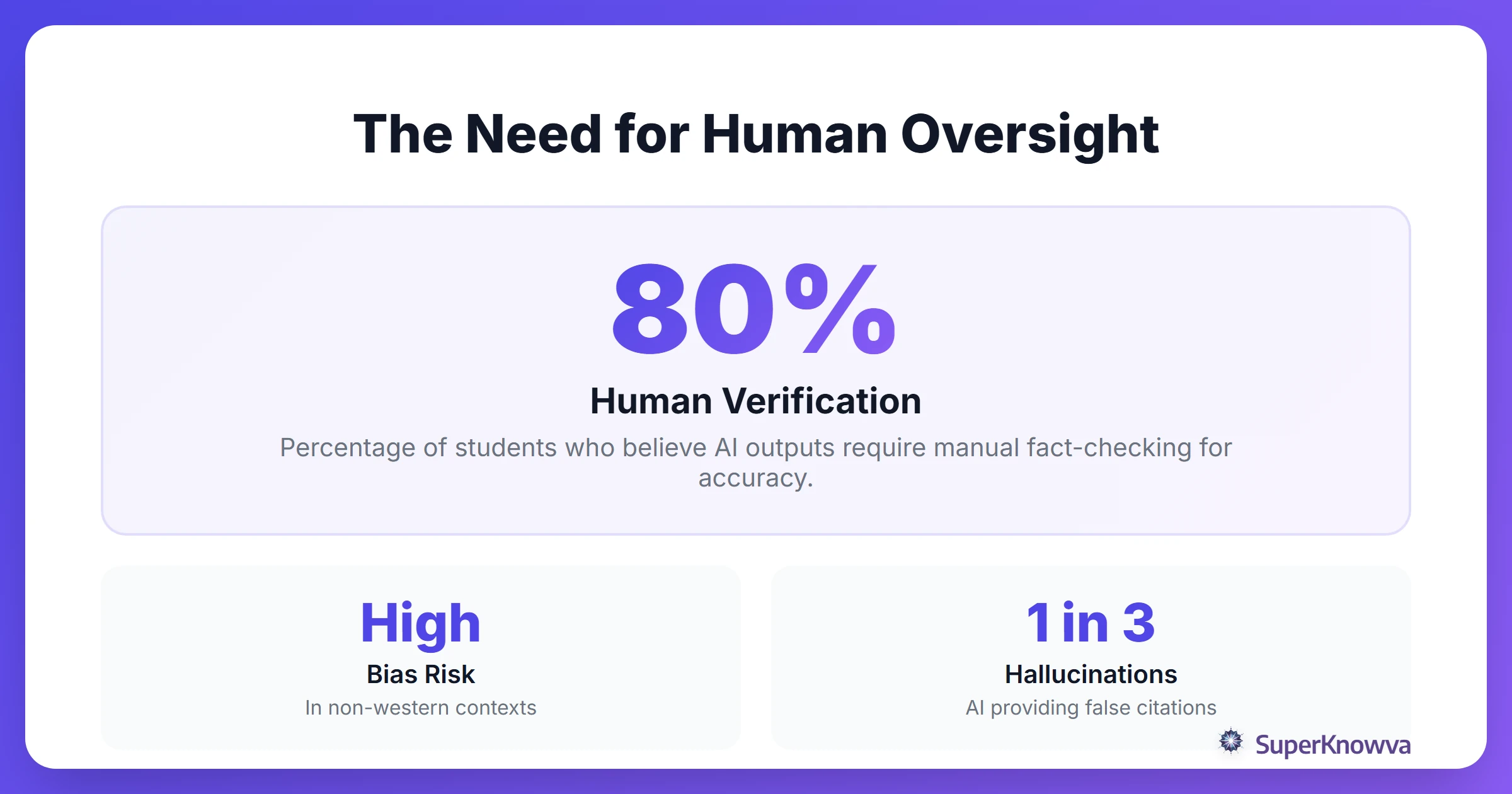
AI is not a neutral technology. Models reflect and amplify the biases found in their training data. This leads to algorithmic bias in learning, where certain voices or cultural perspectives are excluded.
Your best defense? Critical thinking. When you’re looking at AI-generated output, don't just take it at face value. Ask yourself:
- Whose perspective is missing here?
- Is this answer leaning toward a specific cultural viewpoint?
- Is the AI relying on lazy stereotypes?
True equity means making sure these tools work for everyone. If you’re curious about how this applies to different learning needs, take a look at how we can achieve inclusive learning through AI to help level the playing field.
Data Privacy and Student Rights
Have you ever stopped to think about where your prompts go after you hit enter? Every document you upload and every question you ask becomes "fuel" for the model to learn from. This opens up a massive can of worms regarding student data privacy.
Before you feed your unpublished research or personal reflections into a bot, check the Terms of Service. Many free tools don’t give you any guarantees about your intellectual property. Protecting your data is just as vital as protecting your GPA. For a deeper look at how the pros are handling this, check out this guide from Harvard GSE: Developing AI Ethics in the Classroom.
Human-AI Collaboration: Finding the Right Balance
The most successful students use AI as a tutor, never a ghostwriter. That’s the heart of the AI vs. human tutoring balance. A tutor guides you to the answer; a ghostwriter just hands it to you and robs you of the "aha!" moment.
Also, don't forget that AI "hallucinates." It can confidently tell you a flat-out lie or cite a book that doesn't exist. You have to stay the boss of the process. Verify everything.
Practical Checklist for Ethical AI Usage
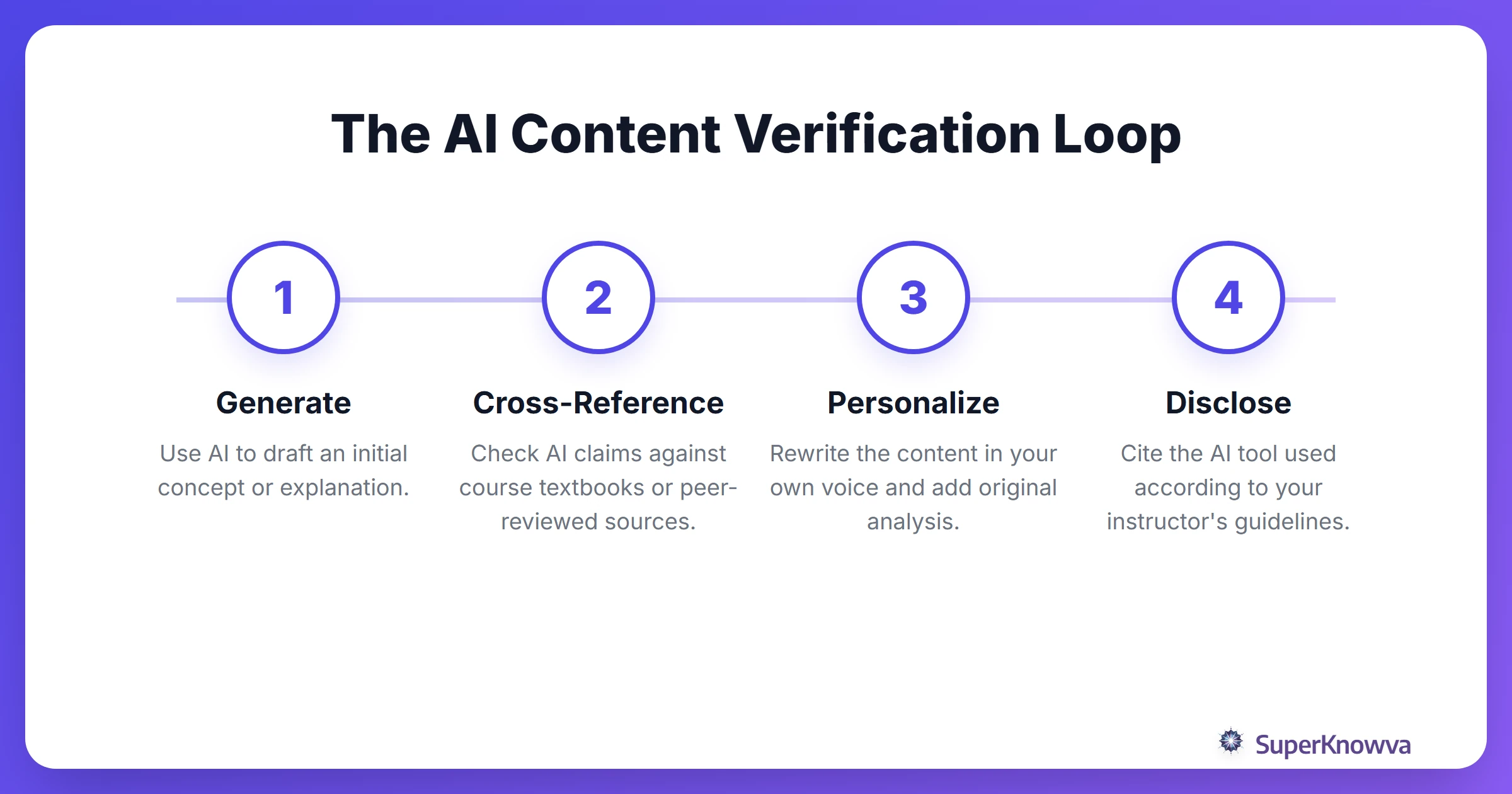
Before you hit "submit" on that big summer project, run through this checklist to make sure you’re staying on the right side of the rules.
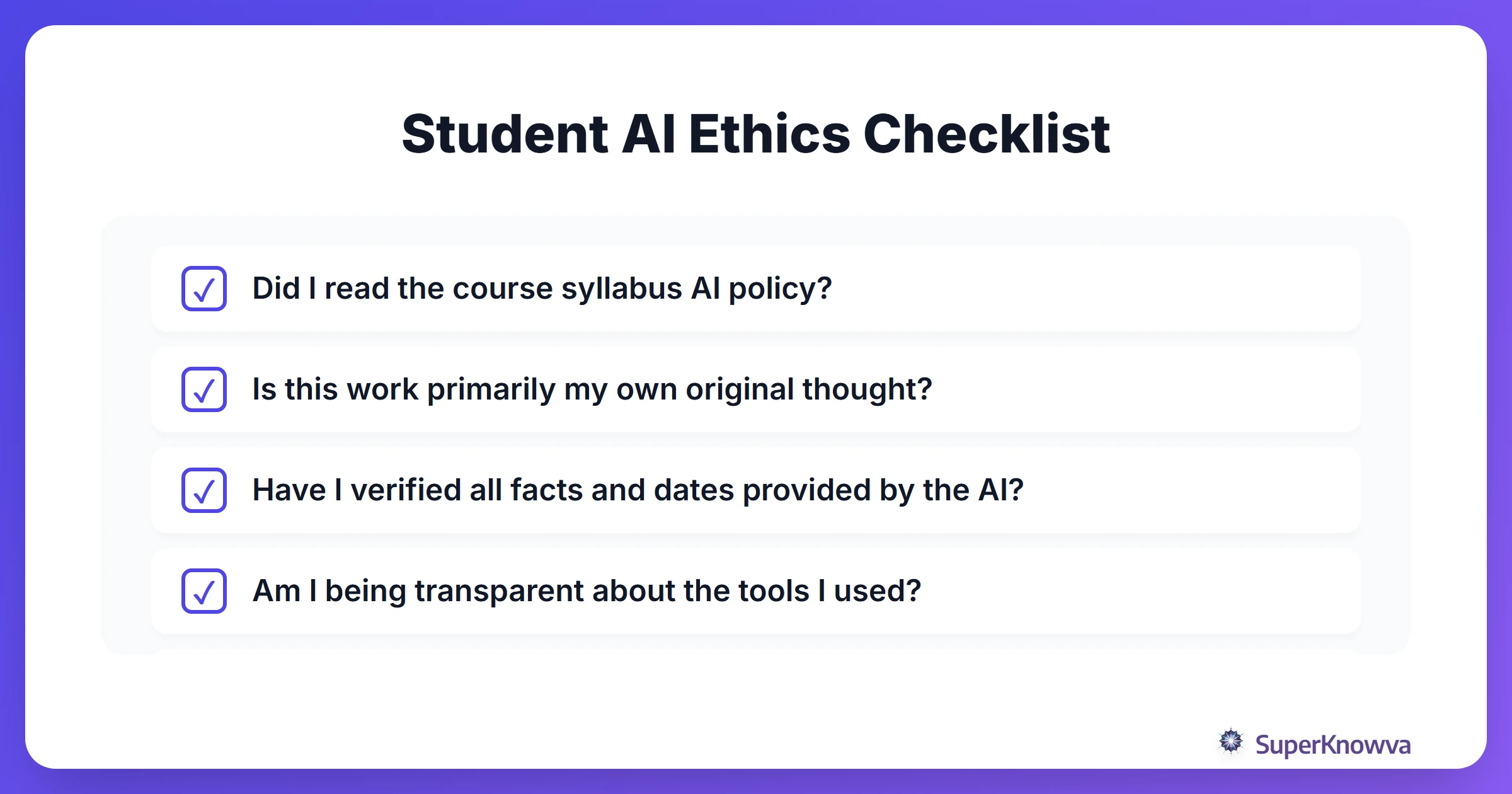
Transparency is your best friend. If AI helped you structure your thoughts, just say so. A lot of professors actually appreciate a "Disclosure Statement" at the end of a paper explaining exactly how you used the tech. It shows you’re being intentional, not sneaky.
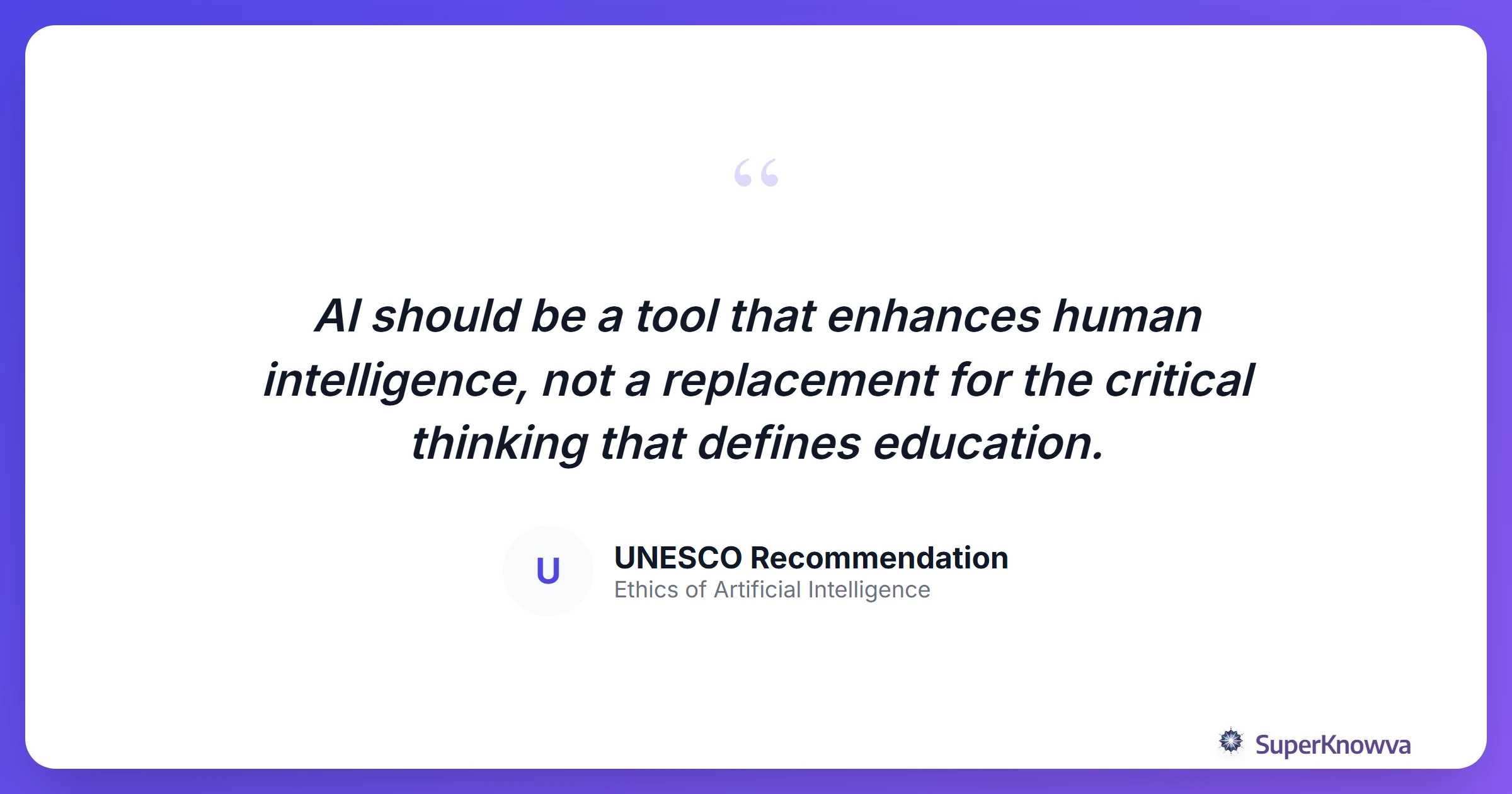
When it comes to the ethics of ai in education, the goal is to level up your own intelligence, not outsource it. To see the bigger picture of how these standards are being set globally, you can dive into the UNESCO Recommendation on the Ethics of Artificial Intelligence.
Approach your summer courses with your eyes open. If you use these tools to sharpen your own thinking, you’ll head into the fall with grades you actually earned and a brain that’s actually stronger. Happy studying!