Remember the panic of 2023? Professors were scrambling, detection software was flagging everything in sight, and the "death of the essay" was the only thing anyone could talk about.
By 2026, higher education has transformed. These systems provide a stable foundation for the university experience. What was once a disruptive novelty now serves as a central component of learning. From personalized study plans for individual learning styles to AI-driven research labs, these tools have established a new educational standard.
The Rapid Evolution of the AI Classroom
In the early days, institutions reacted to Large Language Models (LLMs) with bans and restrictions. It was a game of whack-a-mole that nobody was winning. By 2026, those "ban" strategies have been tossed out in favor of full integration.
Universities now recognize that AI literacy is not just a bonus skill; it is as fundamental as knowing how to write a thesis or cite a source.
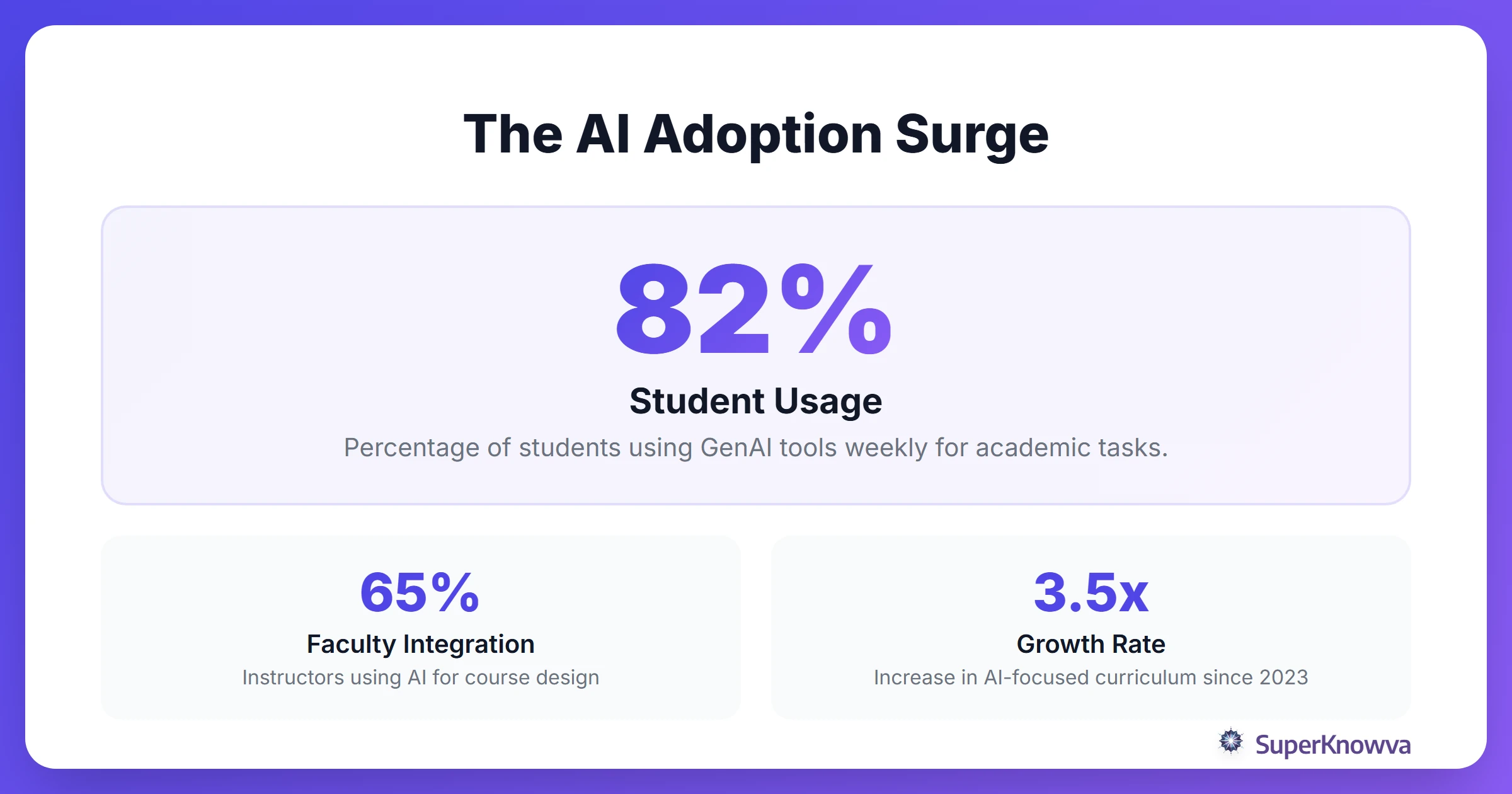
The numbers tell a clear story: roughly 82% of students now use GenAI tools weekly to manage their workloads. Faculty aren't lagging behind, either. About 65% have integrated AI into their course design to build more dynamic, interactive syllabi. As highlighted in this Virginia Tech Study on AI Integration Gaps, the debate is no longer about if we should use AI, but how to do it ethically and effectively.
Personalized Learning Pathways and AI Tutors
For centuries, the "Oxford-style" tutorial, one-on-one instruction with an expert, was a luxury reserved for the elite. 2026 changed that. Intelligent tutoring systems make mentorship accessible to every student, providing a guide that understands their specific pace and pitfalls.
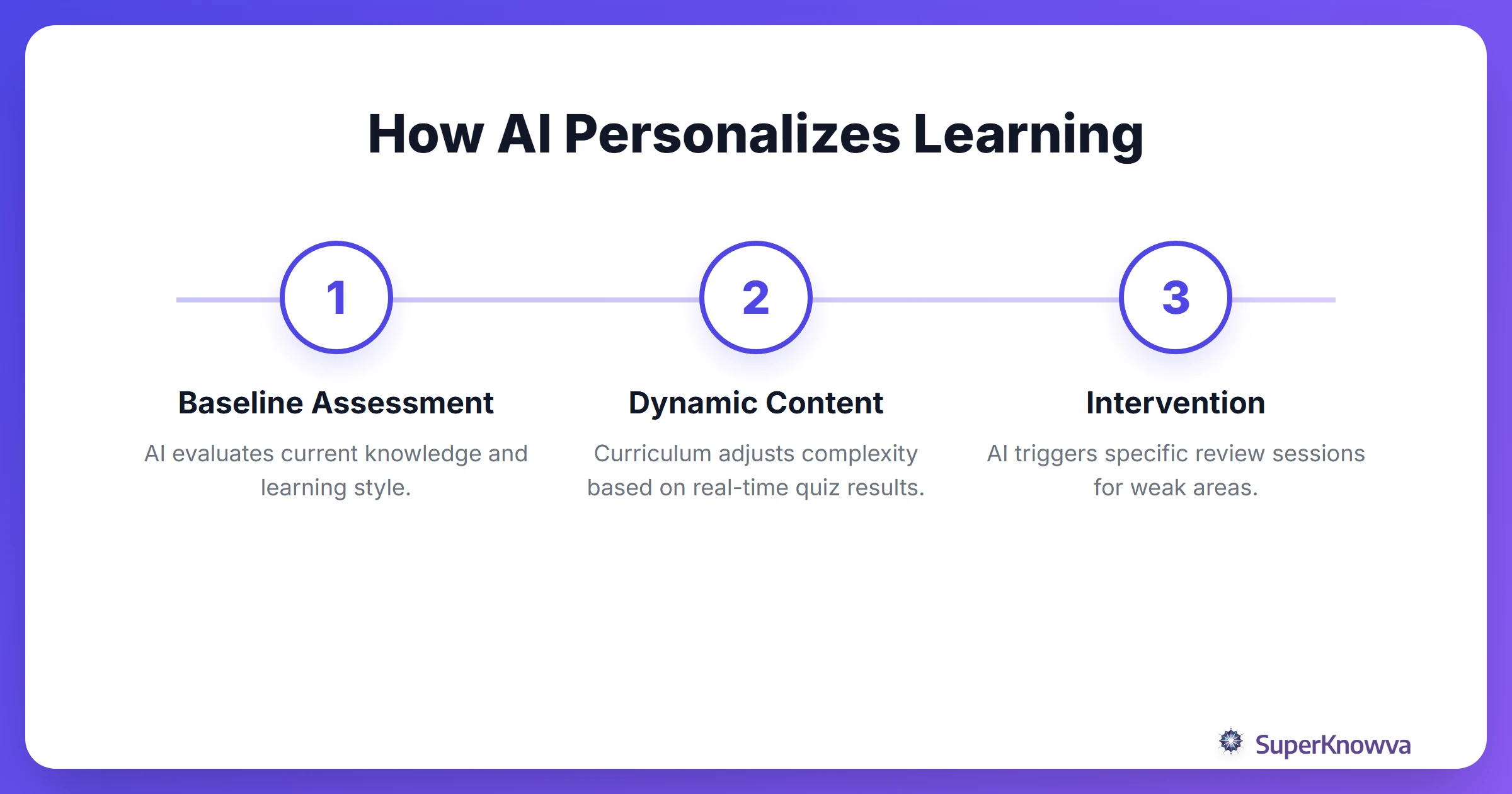
These AI tutors provide more than just answers. If you are struggling with organic chemistry, the AI identifies the specific knowledge gap, such as a forgotten concept from three weeks ago, and builds a custom review module instantly. This tailored approach is a major reason why retention rates in difficult STEM and humanities courses are increasing.
Of course, this raises a new question for many: how do these digital mentors stack up against the real thing? Students are increasingly weighing the pros and cons of AI Tutors vs. Human Tutors to find the right balance for their degree.
Automated Grading and the Feedback Loop
We’ve all been there: you pour your heart into an essay, submit it, and then wait two weeks for a grade. By the time you get the feedback, you’ve already moved on to the next unit. The learning moment is gone.
In 2026, automated grading systems have finally closed that loop.
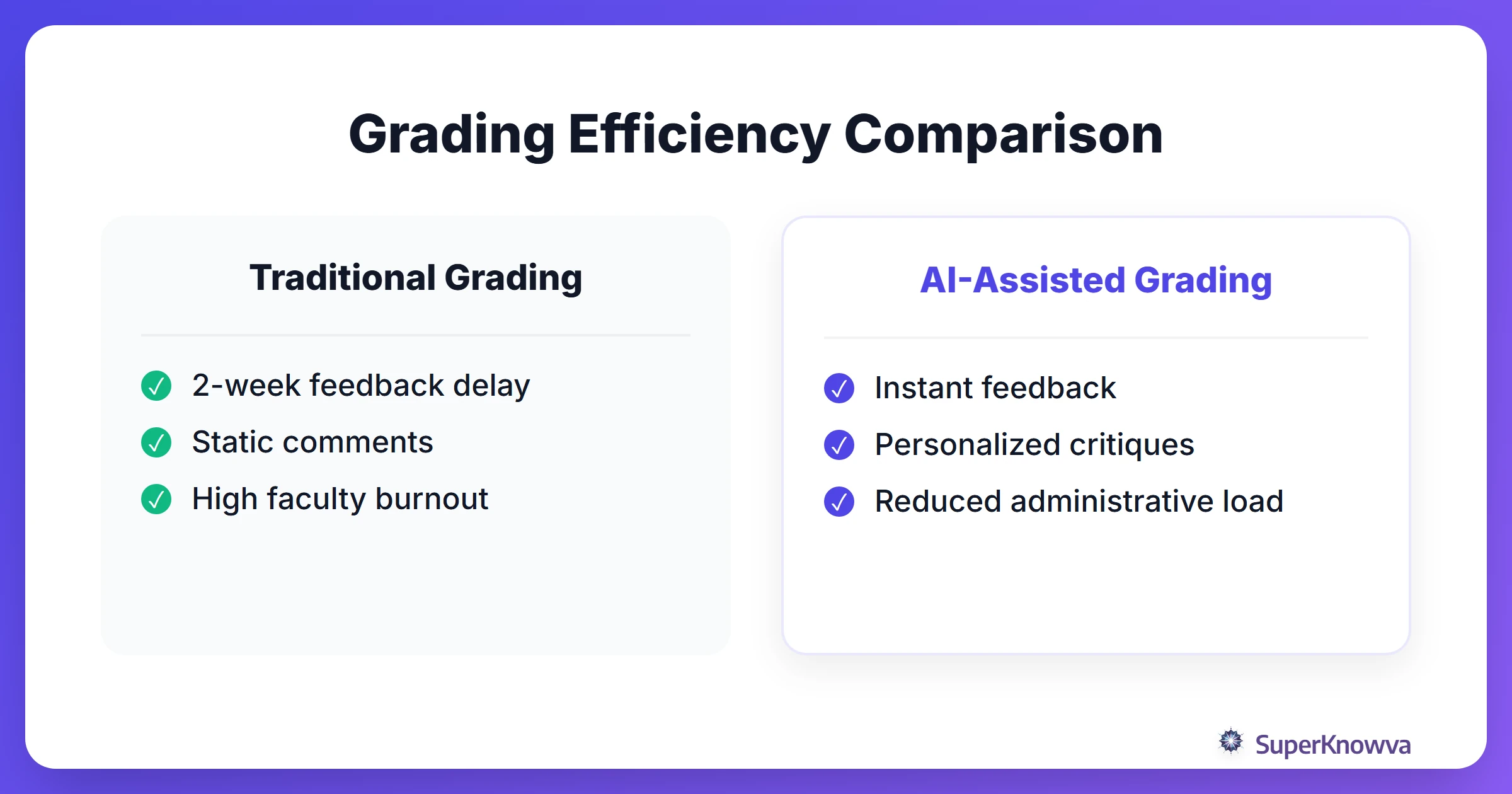
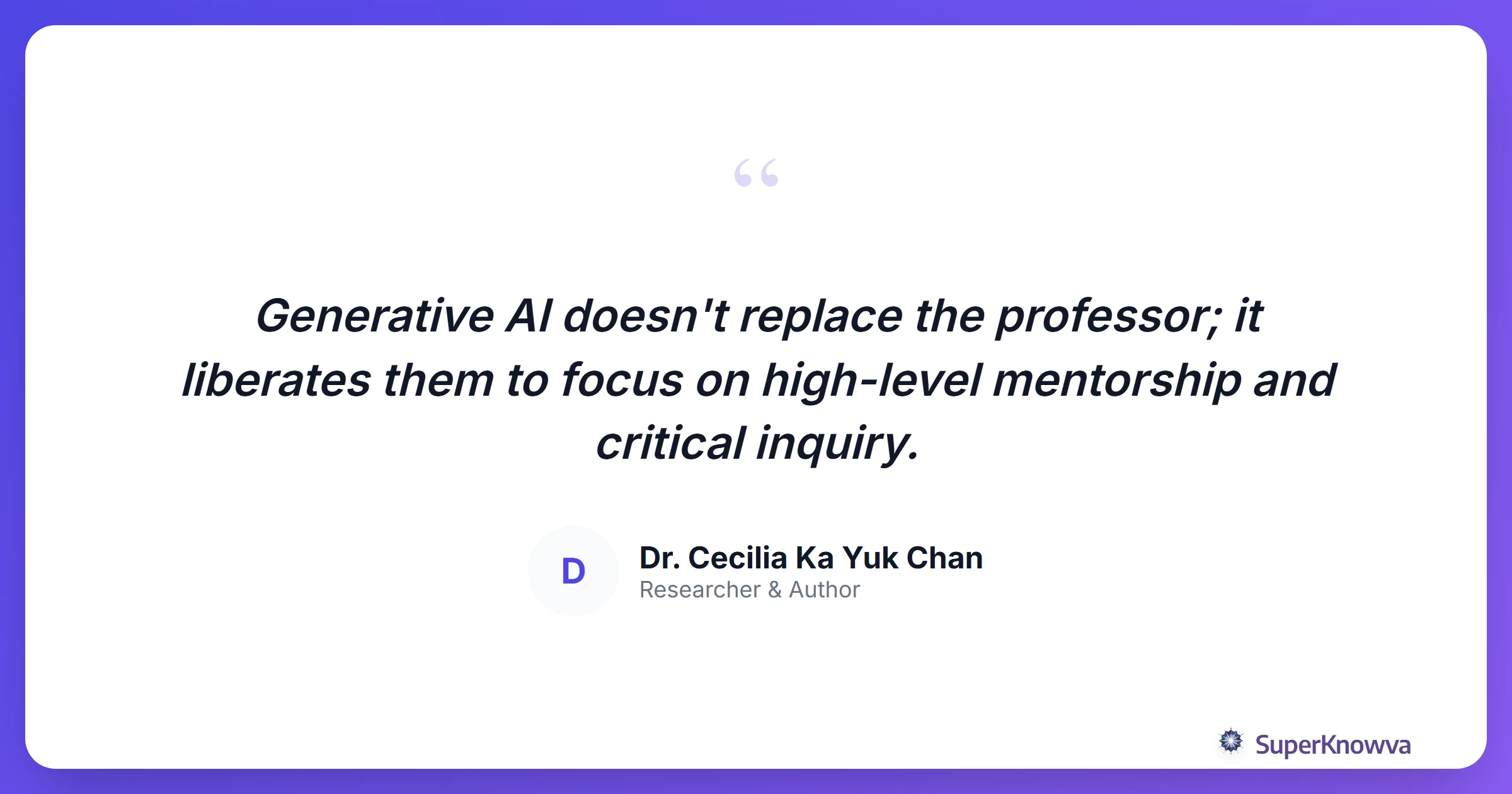
AI-assisted assessment provides instant, pedagogical feedback. It points out where your argument faltered while the ideas are still fresh in your mind. This isn't just a win for students; it’s a lifeline for faculty. By automating the routine administrative heavy lifting, professors are spending less time buried in grading rubrics and more time on high-level mentorship. Many are also encouraging students to use advanced AI note-taking tools so they can stay present during live discussions rather than just scribbling frantically.
Addressing the 'AI Divide' and Digital Equity
As AI becomes a core requirement for academic success, we have to face a hard truth: the "AI Divide." There is a growing gap between students who can afford the latest high-reasoning models and those stuck with free, limited versions.
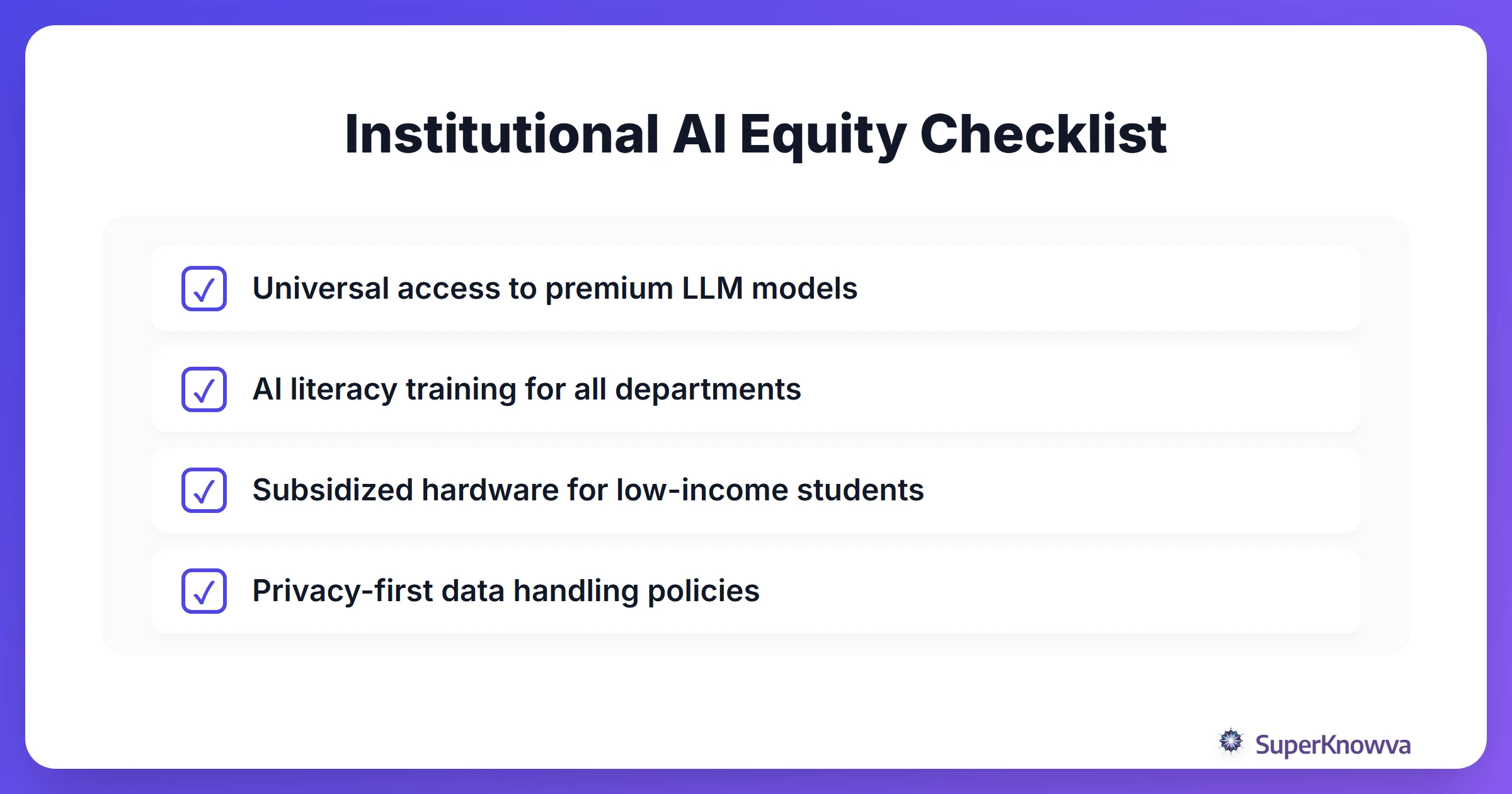
Forward-thinking universities are treating AI access like a utility, much like campus Wi-Fi or library databases. Beyond basic access, AI provides essential resources for supporting students with disabilities. Real-time transcription, cognitive support, and text-to-speech tools that used to be prohibitively expensive are now becoming standard campus features.
Academic Integrity and Policy Frameworks
The "cat and mouse" game of AI detection? It’s over. Detectors proved to be unreliable, and the focus has shifted toward process-based assessment.
Instead of only grading the final PDF, instructors now look at the "breadcrumbs": the outlines, the early drafts, and the logs of how a student collaborated with AI.
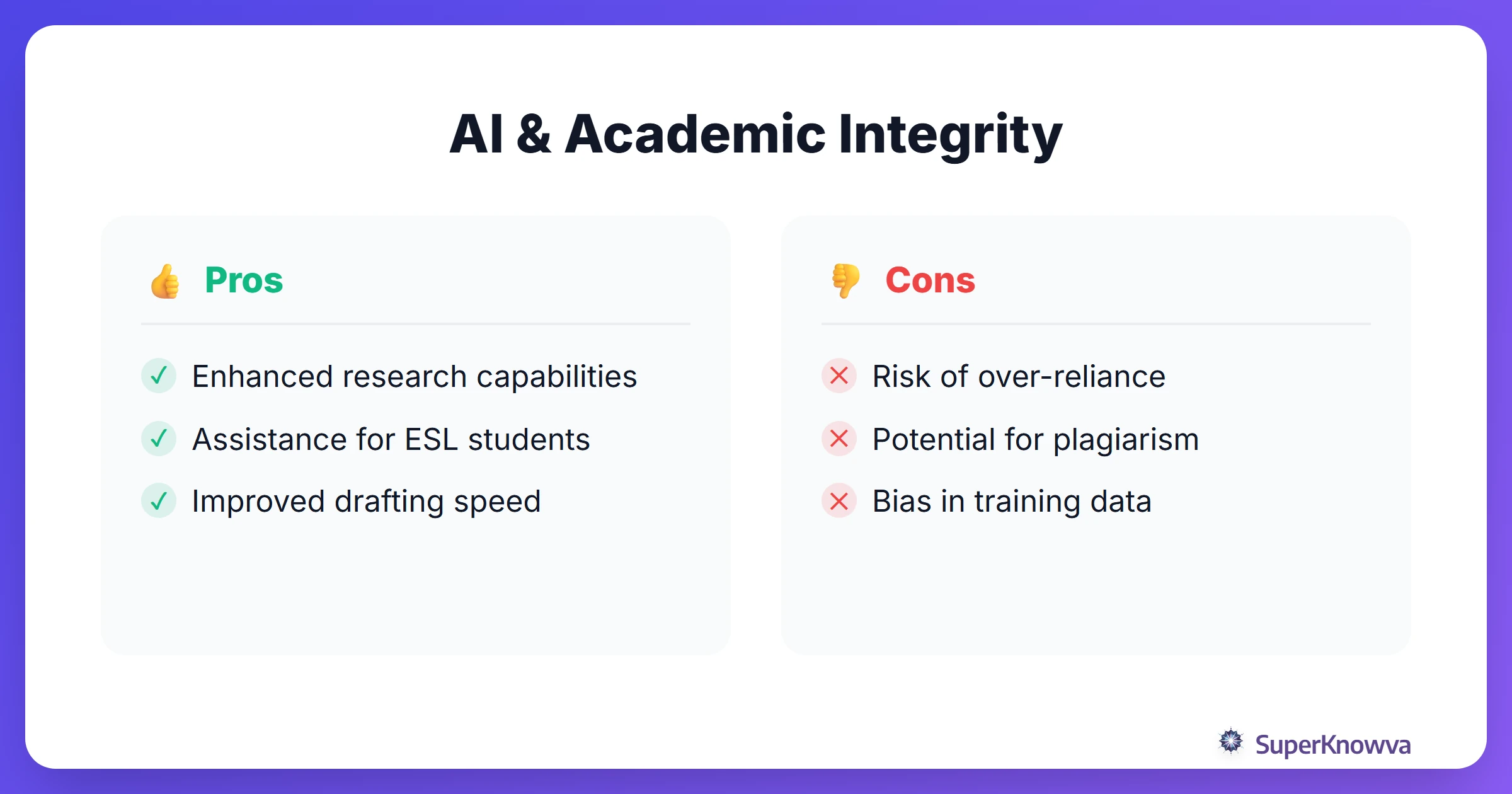
Honor codes have evolved to define "authorized" vs. "unauthorized" use, focusing on transparency. As noted in Generative AI in Higher Education: The ChatGPT Effect, the goal is to graduate students who can critically evaluate AI output for bias and "hallucinations." This shift is explored in depth within this Comprehensive Review of AI Challenges in Higher Ed.
Future Outlook: The Campus of 2026 and Beyond
Looking ahead, AI is moving off the screen and into the physical campus. We’re seeing labs where multimodal models assist in real-time data analysis for medicine and law. These tools are even helping with the mental health crisis on campus, specifically through reducing test anxiety through AI by providing low-stakes, simulated practice environments that build confidence.
In 2026, the value of a degree isn't just about what you know. It’s about how well you can succeed in a world where human and artificial intelligence work in tandem. The "AI-augmented student" isn't just a prediction anymore. They are the ones leading the way into the future workforce.
Ready to elevate your study game? See how SuperKnowva’s AI-powered tools can help you master your coursework and stay ahead of the curve.