You are facing a blank page with dozens of browser tabs open, a pile of research papers, and a deadline that is approaching quickly. For most students, the hardest part of an assignment is not the research; it is the process of organizing the material. Building a structure, ensuring flow, and managing manual citations can make even the most dedicated students feel stuck.
This is why ai academic writing help is no longer just a trend; it’s a survival strategy. Using AI isn't about taking a shortcut to a finished paper. It's about working smarter, refining your voice, and ensuring your final draft actually reflects the hard work you put into your research.
Beyond the Robot: Writing in the Age of AI
We’re currently in the middle of an "AI Learning Revolution," and it’s completely flipping the script on how we approach education. Not that long ago, students spent hours agonizing over comma placements and APA formatting rules. Today, AI is taking over that "busy work," shifting the focus back to what really matters: critical thinking and original ideas.
But let’s be clear: there’s a massive difference between AI-generated content and AI-assisted writing. Letting a bot write your entire paper is a recipe for a generic, shallow essay (and a likely visit to the dean’s office). AI-assisted writing, however, is about using technology as a high-powered collaborator to brainstorm, structure, and polish your unique insights.
Beating Writer’s Block: From Blank Page to Solid Outline
"Blank page syndrome" is the ultimate productivity killer. You have the ideas, but they’re scattered. Tools like ChatGPT are surprisingly good at helping you find the thread. Instead of waiting for a lightning bolt of inspiration, you can use AI to explore different angles or test the logic of your thesis.
To get the most out of an ai essay structure, you have to ditch the one-sentence prompts. If you ask a bot to "write an outline about climate change," you’ll get something boring. Instead, try being specific: "I’m writing a 3,000-word thesis on the economic impact of carbon taxes in Northern Europe. Can you help me build a logical, multi-level outline that covers the introduction, three specific economic variables, and a conclusion?"
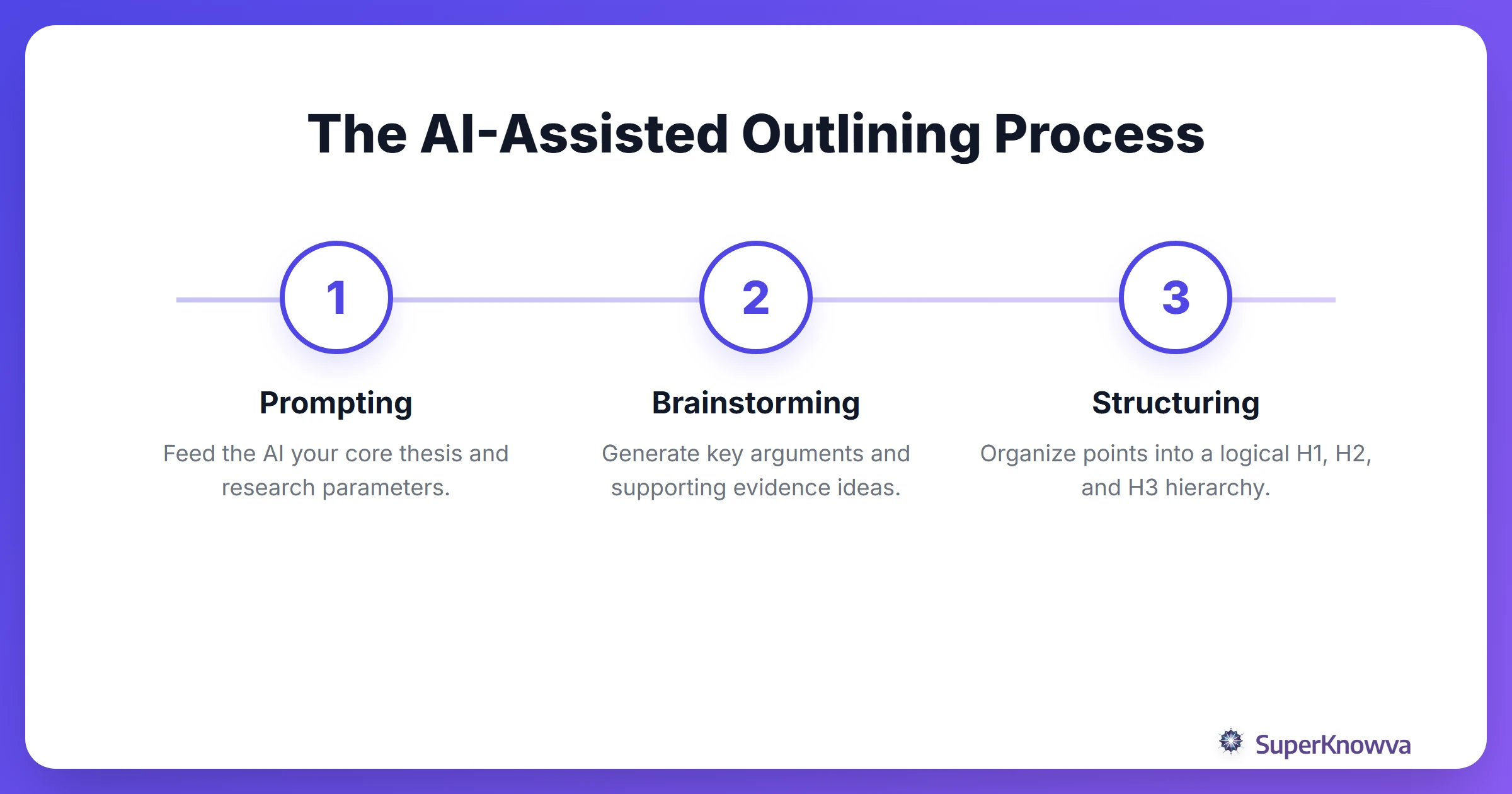
By breaking dense concepts into manageable chunks, the actual writing process starts to feel like a series of small wins rather than an impossible mountain to climb.
Refining Clarity, Flow, and That "Academic Voice"
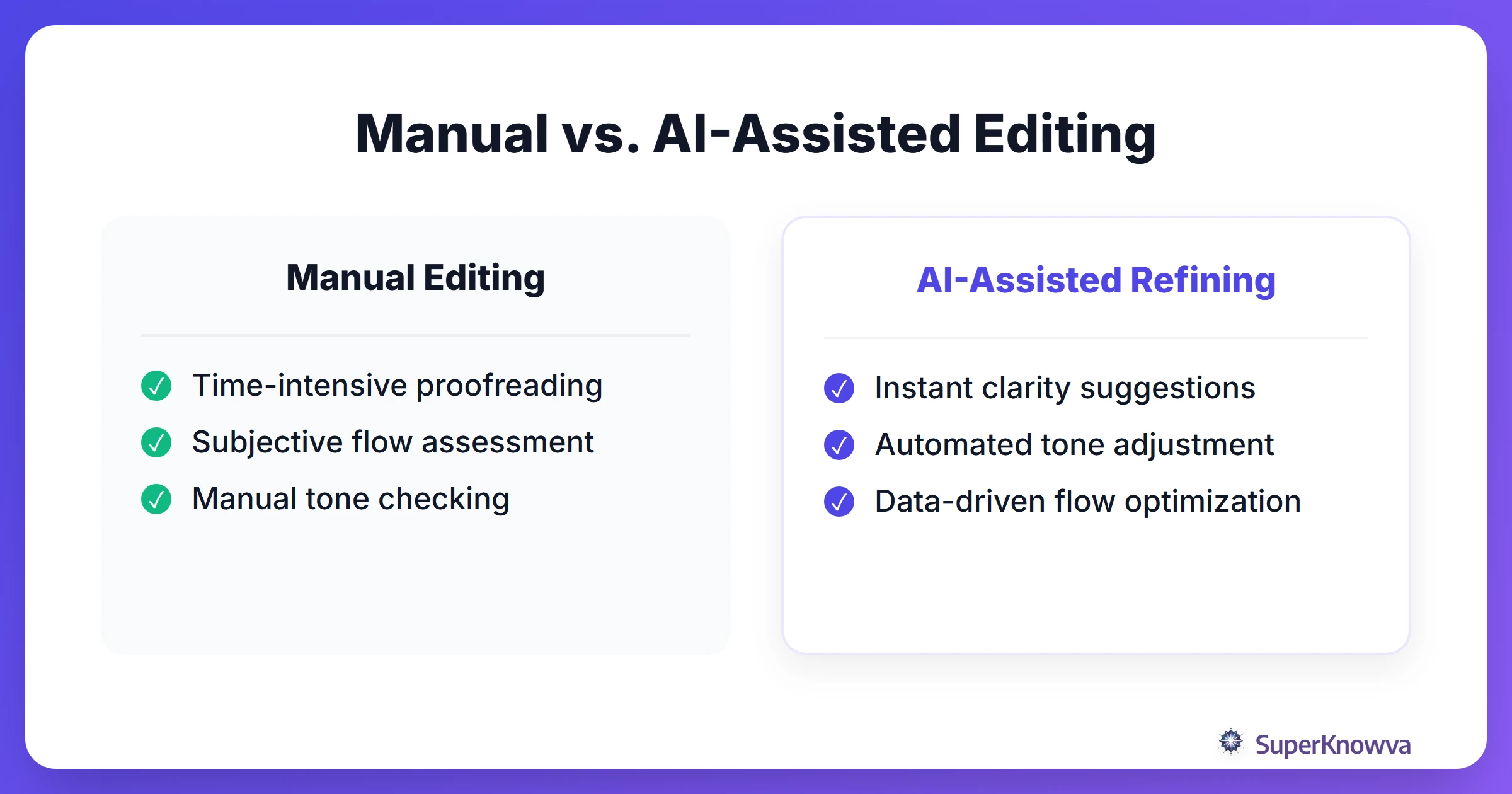
Once you’ve got words on the page, the next hurdle is improving writing flow with ai. Your ideas might be brilliant, but if they’re buried in clunky sentences, your grade will suffer. Tools like Grammarly and Walter Writes AI act like a 24/7 editor, helping you smooth out transitions and tighten up your prose.
Nailing the right "voice" is also key. A history paper shouldn't sound like a lab report. AI tools allow you to tweak your tone instantly, suggesting more formal synonyms or helping you cut the fluff.
This technology is also a massive equalizer. AI supports students with disabilities in articulating complex thoughts that might be difficult to get down on paper. Similarly, for non-native English speakers, these tools are a lifeline for maintaining high academic standards without losing the nuance of their original research. If you're looking to push your style even further, you might even explore AI tools for creative writing to help find a voice that’s uniquely yours.
Research Management and Automated Citations
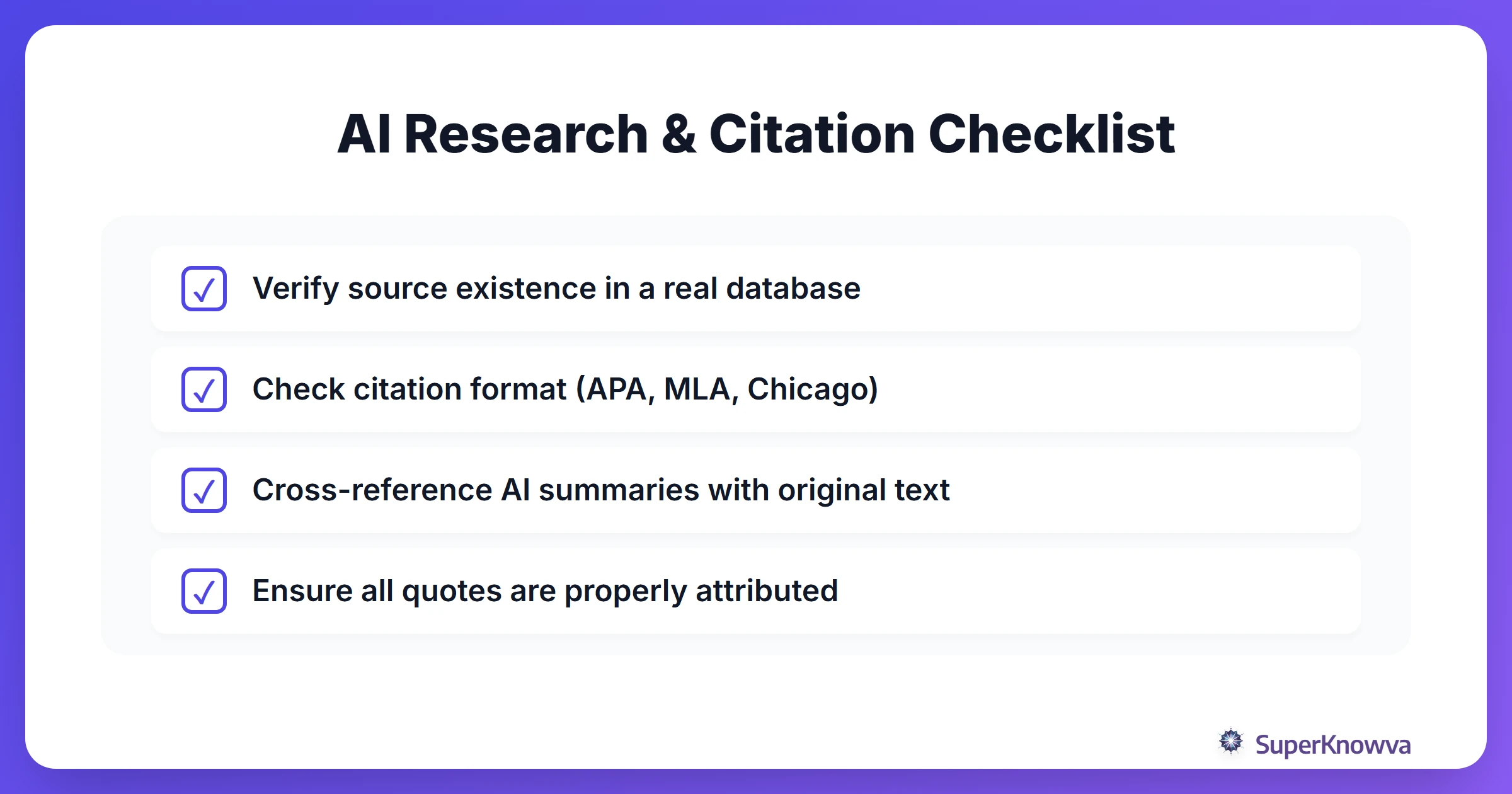
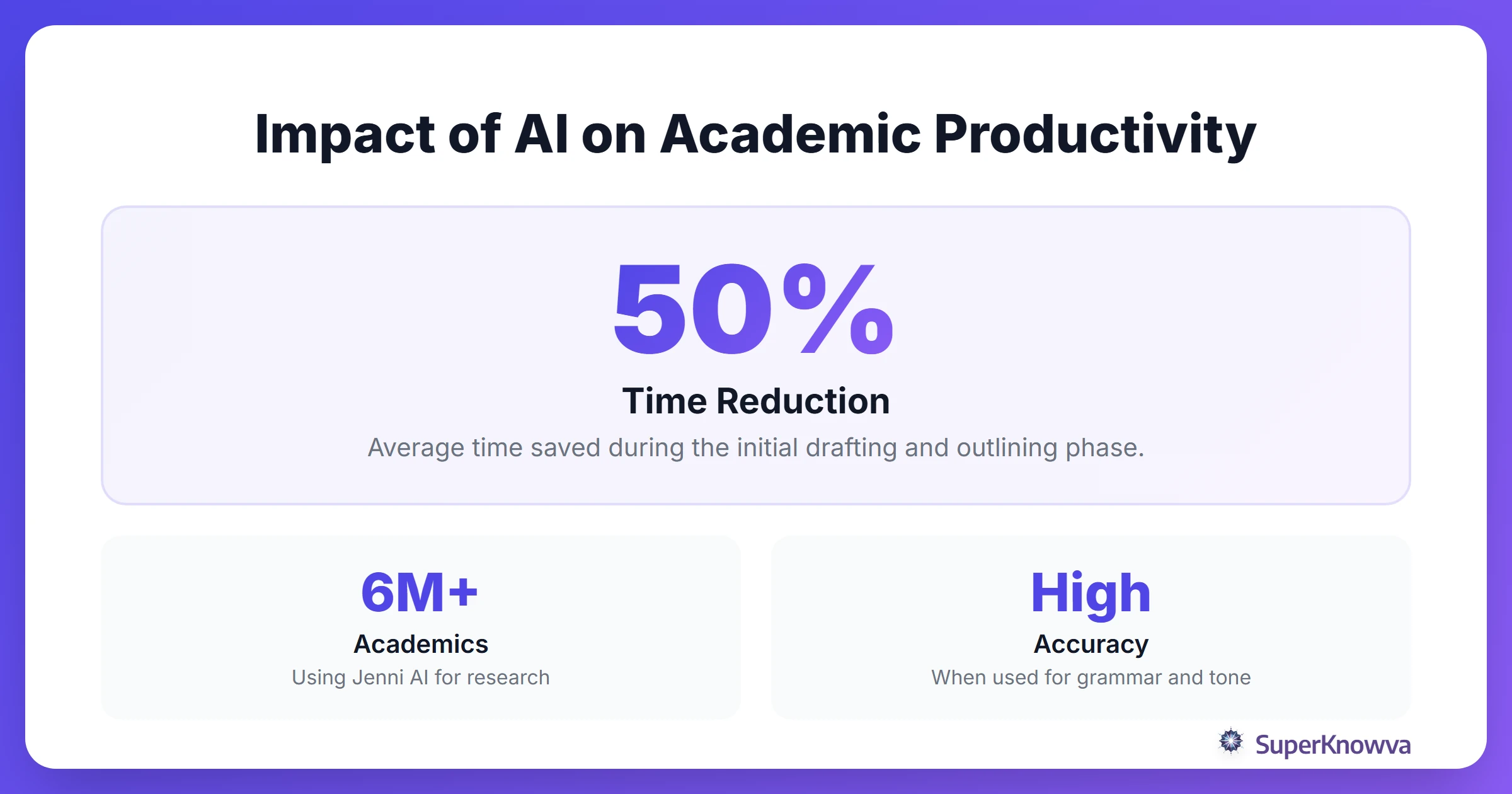
Let’s be honest: managing sources is the most tedious part of ai for research papers. When you're juggling dozens of PDFs, it’s easy for a crucial quote to get lost in the shuffle. Jenni AI Research Assistant solves this by providing a workspace where you can read, write, and cite all in one place.
Before you even type the first word, organization is everything. Our AI-powered note-taking guide can help you streamline the early stages of your project. AI can now help you summarize massive stacks of papers, so you can quickly decide which ones are worth a deep dive and which ones can stay in the "maybe" pile.
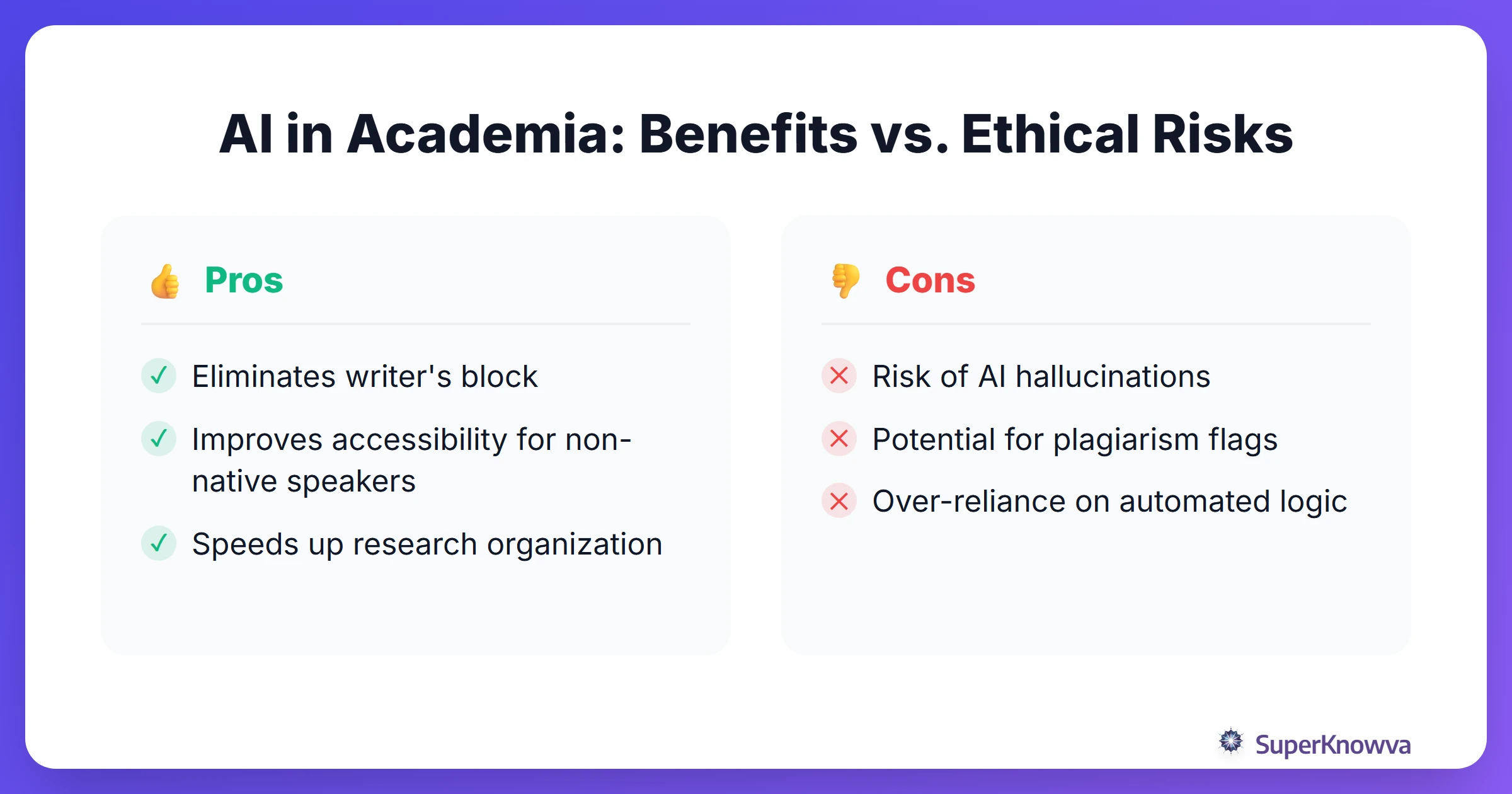
One quick warning: always use an ai citation assistant with a critical eye. AI can sometimes generate incorrect information or make things up. Always double-check your bibliography against the actual source.
Navigating Ethics: Plagiarism and Detection
As academic writing tools become standard, schools are also stepping up their game. Turnitin and other checkers are now incredibly sensitive to AI patterns. Understanding the ethical boundary isn't just about avoiding trouble; it’s about maintaining the integrity of your degree.
To stay on the right side of the line:
- Be Transparent: If your department allows it, mention the tools you used in your methodology or a footnote.
- Own the Argument: Ensure the "aha!" moments and core logic are yours. The AI is the assistant, not the author.
- Fact-Check Everything: Never take an AI-generated fact at face value.
Building Your "AI Writing Stack"
The best way to optimize your workflow is to build a personalized toolkit. Most successful students don't just use one app; they use a combination. You might use ChatGPT for the initial brainstorm, Jenni AI for the drafting phase, and Grammarly for the final "is this comma in the right place?" check.
When you're trying to stress-test your arguments, it’s also worth looking at the feedback loops found in AI Tutors vs. Human Tutors. While Jenni AI is a powerhouse for citations, ChatGPT is often better for general logic-checking and "devil's advocate" style brainstorming.
If you head over to Reddit, you'll see students debating which AI tools are actually useful for high-stakes environments like the IB or AP programs. The consensus? The best tool is the one that helps you think more clearly, not the one that thinks for you.
By embracing these tools ethically, you can stop fighting the writing process and start focusing on what really matters: your ideas.