We’ve all been there. The professor finishes the lecture, clears their throat, and drops the bombshell: "This will be a group project."
Cue the collective groan. Collaborative learning experiences often become logistical nightmares. Common issues include ghosting teammates, confusion over tasks, and one person doing most of the work. Technology can help fix the human element. By mastering group project dynamics with AI, you can stop managing your peers and focus on building a high-quality project.
In this guide, we’re diving into how you can use AI tools to coordinate tasks, keep the peace, and turn in professional-grade work without the usual 3:00 AM stress.
The Evolution of Group Projects: Why AI is a Game Changer
Let’s be honest: group projects usually fail because of "administrative friction." We spend more time trying to figure out when everyone is free for a Zoom call than we do actually working on the assignment. When communication breaks down, the learning stops. AI is flipping the script by handling the "busy work" so you can focus on the actual problem-solving.
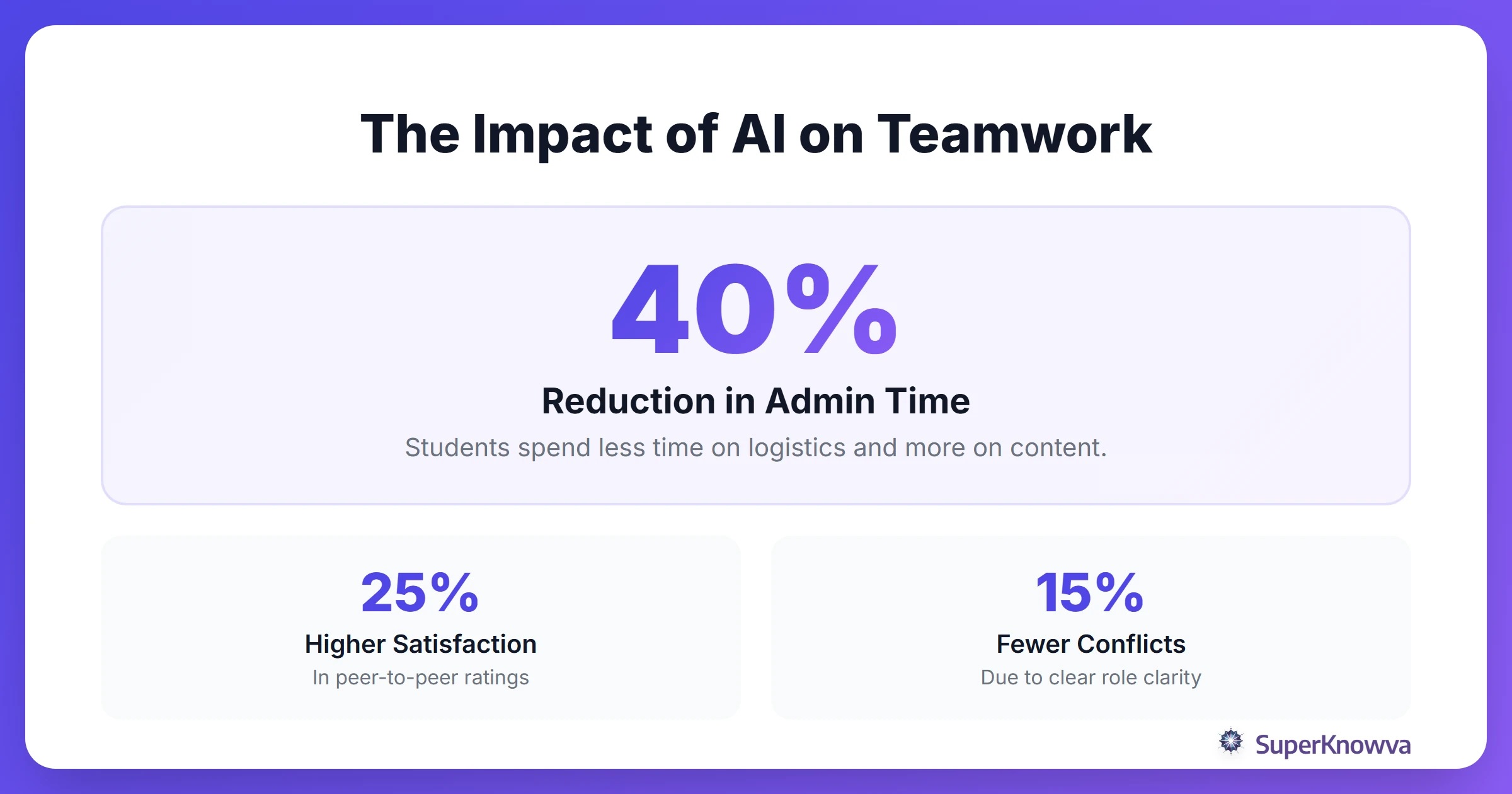
Learning to use these tools isn't just about getting an A. It’s about building 21st-century skills like digital literacy and adaptive leadership. By setting up an AI-driven framework, you create a streamlined environment. Everyone knows their role, the data is centralized, and the focus stays on the quality of the final output rather than the mechanics of working together.
Smart Task Allocation: No More Guesswork
The "kick-off" meeting is usually where things go off the rails. Who’s the best writer? Who’s the data wiz? Instead of awkward volunteering, let AI play matchmaker. You can feed your project rubric into an AI tool to break it down into specific, manageable sub-tasks.
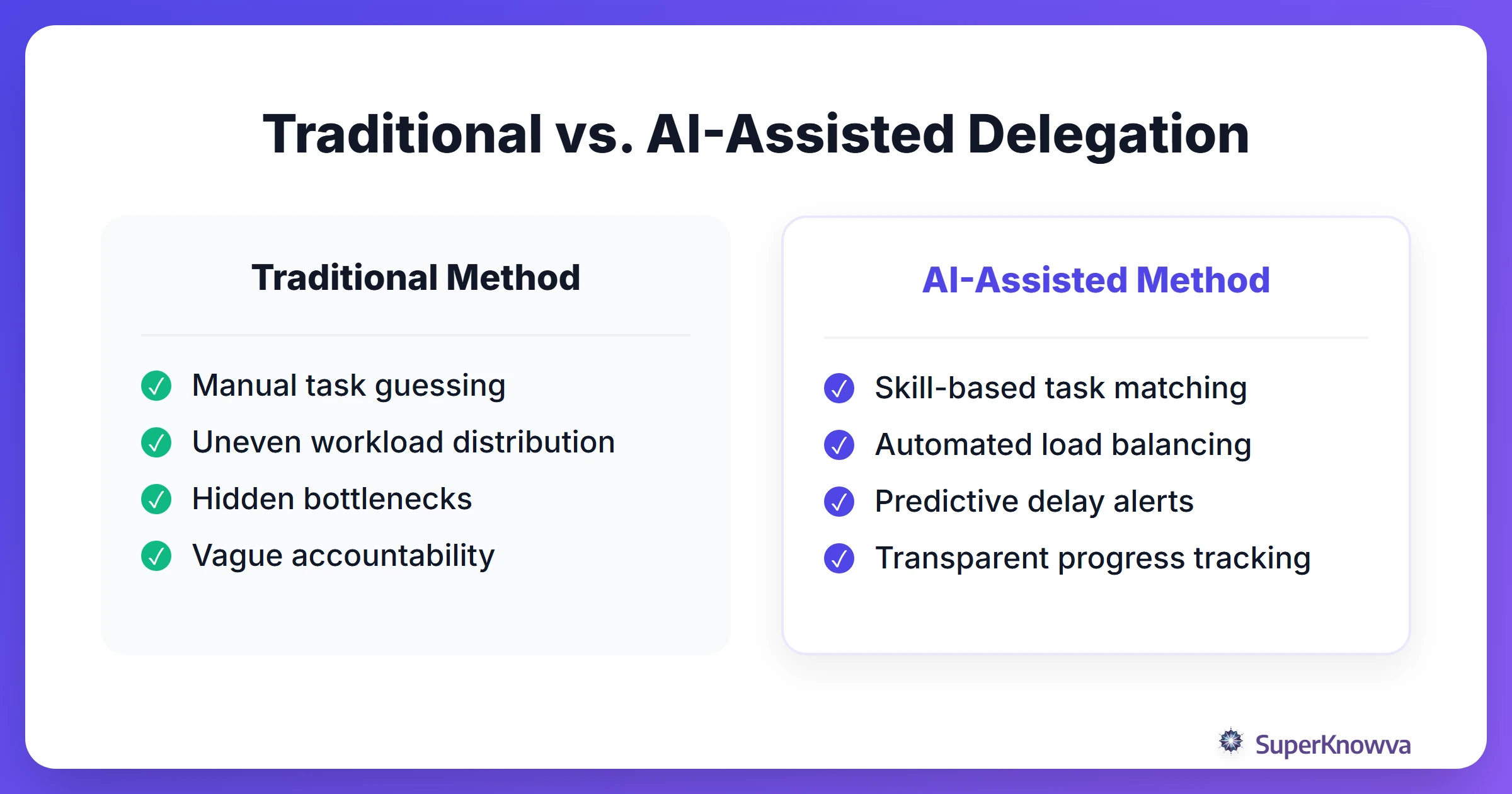
When you automate delegation, you get instant transparency. By integrating these AI insights with platforms like Notion or Trello, you create a visual "command center." If a teammate hasn't touched their section in three days, the board shows it in real-time. It’s not about being a micromanager; it’s about making sure nobody gets left behind (or left doing everything).
Streamlining Communication: Killing "Meeting Fatigue"
Is there anything worse than a 40-minute meeting that could have been a three-sentence email? AI-generated summaries are a lifesaver here. If a teammate misses a quick sync, they don't have to watch a grainy recording; they can just read a concise, AI-generated bulleted list of the decisions made.
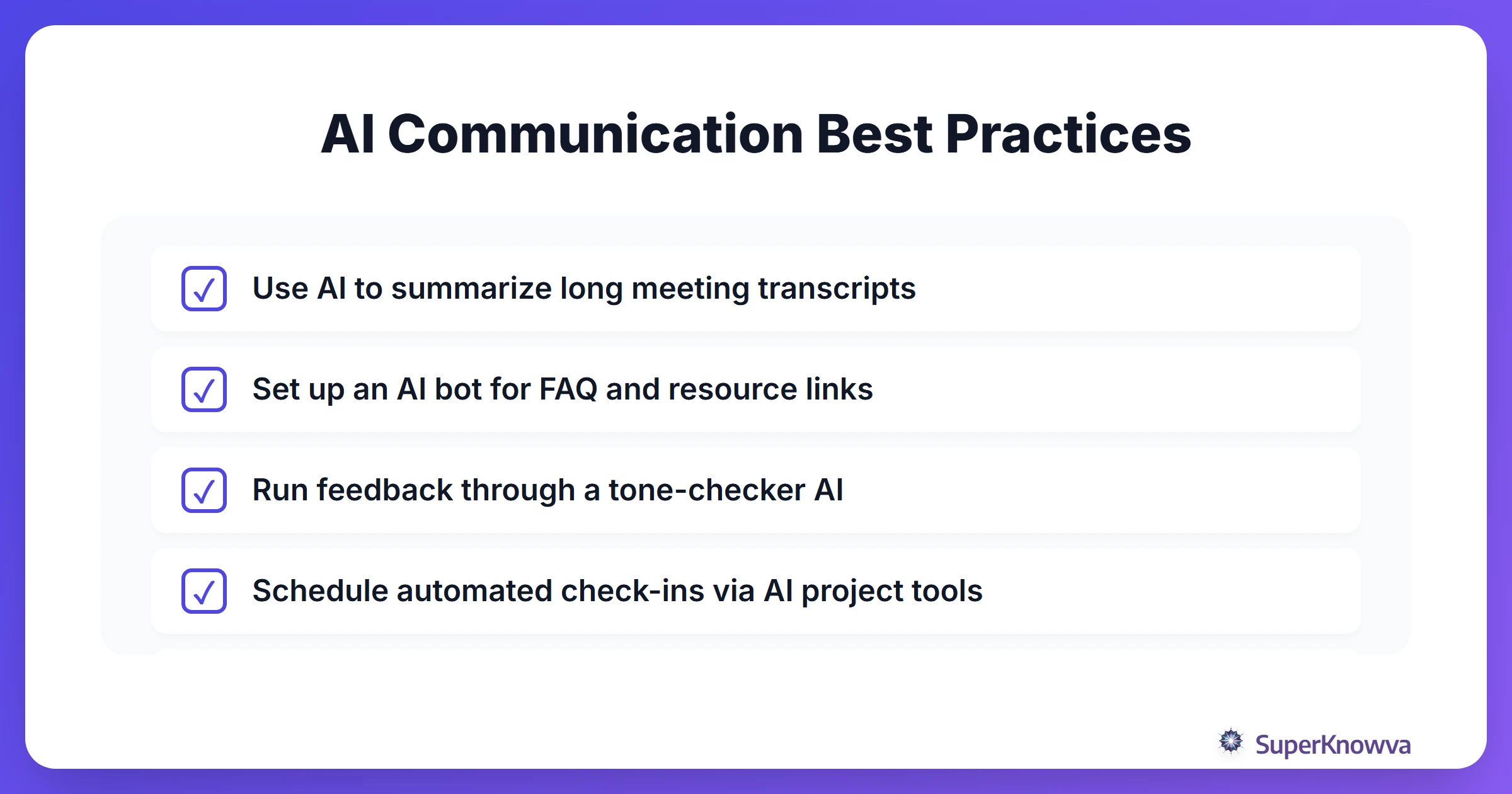
You can find many of these features baked into the best study apps for students hitting the market this year. From AI writing assistants that keep team feedback sounding professional to real-time translation for international teams, the "language barrier" is effectively gone. Pro tip: Set up a simple AI chatbot in your group chat to pull up project links or FAQs instantly so no one has to scroll through 200 messages to find the Google Doc.
Collaborative Drafting: Fixing the "Frankenstein" Paper
We’ve all seen it: a group paper that looks like it was stitched together from four different brains. One paragraph is academic and dry, the next is casual, and the third is just... weird. AI can help synthesize individual contributions into a single, cohesive voice.
While you're building out your sections, using advanced note-taking strategies ensures that everyone’s research is organized and verified. AI then acts as your final editor, checking for consistency in tone and making sure the formatting meets your professor’s standards. Just remember: AI is the polisher, not the author. Keep the ideas original, but let the tech handle the flow.
Managing Deadlines Without the Drama
Missed deadlines damage team morale. AI project managers are effective because they are objective. These tools set "soft deadlines" that adapt based on your actual pace. If the research phase slows down, the system automatically adjusts the drafting schedule to compensate.
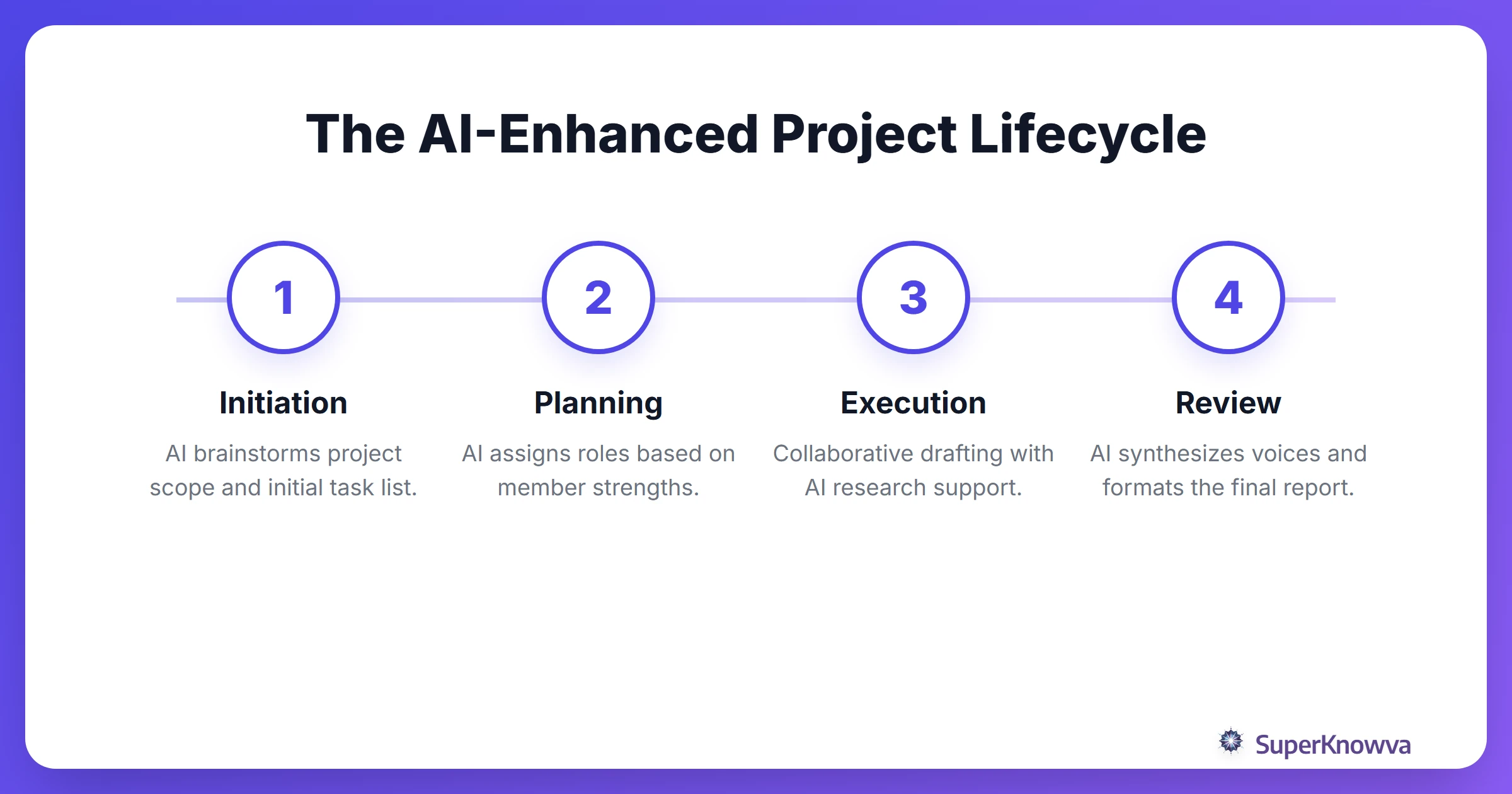
This kind of predictive planning is how you balance a high GPA with a social life. When the project management is automated, you don't have to spend your Friday night chasing people down for their slides.
Conflict Resolution: AI as the Neutral Party
Conflict usually happens when someone feels things aren't fair. AI provides objective data on who contributed what and when, which serves as a neutral basis for peer evaluations. It’s hard to argue with a timestamped log of contributions.
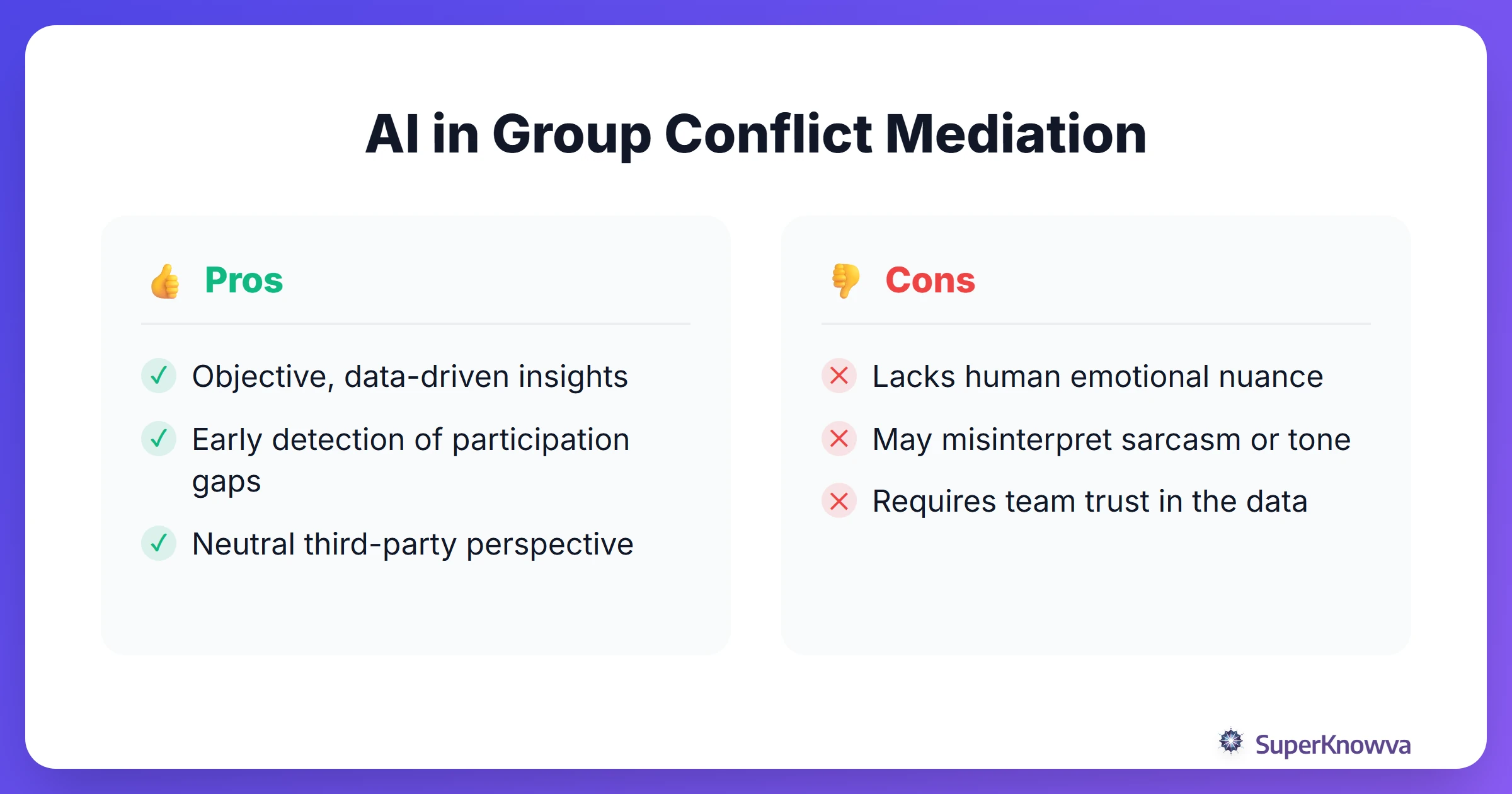
Some high-end tools even use sentiment analysis to flag when a group chat is getting a bit too "spicy," suggesting a check-in before a disagreement turns into a full-blown argument. If things are stalling, encourage the team to stop procrastinating using the 5-minute rule to get the momentum back. For those who want to turn teamwork into a career strength, a Mastering Team Dynamics Course can help you pair these AI tools with essential soft skills like empathy and negotiation.
Conclusion
Mastering group project dynamics isn't about finding the perfect teammates; it’s about using the right systems. By bringing AI into your workflow, you strip away the administrative headaches and focus on the actual learning. The next time a group project is announced, don't groan. Grab your tools, set your systems, and lead your team to an A+.