Congratulations, Class of 2026! You’ve tossed the cap, grabbed the diploma, and walked off stage into the most daunting "final exam" of your life: the entry-level job market. It’s a weird transition. One day you’re worrying about a GPA, and the next, you're staring at a blank LinkedIn profile wondering where the "Entry Level" jobs requiring five years of experience went.
While the shift feels heavy, you don't have to wing it. Having a strategic set of post graduation job search tips can turn a stressful summer of refreshing your inbox into a successful career launch.
At SuperKnowva, we believe the same AI-powered efficiency you used to crush your finals can be applied to your career search. Entering the workforce today takes more than just a polished PDF; it requires a mix of automation, smart networking, and serious mental resilience. Here is your guide to navigating the noise and landing that first role.
The Application Trap: Quality vs. Quantity
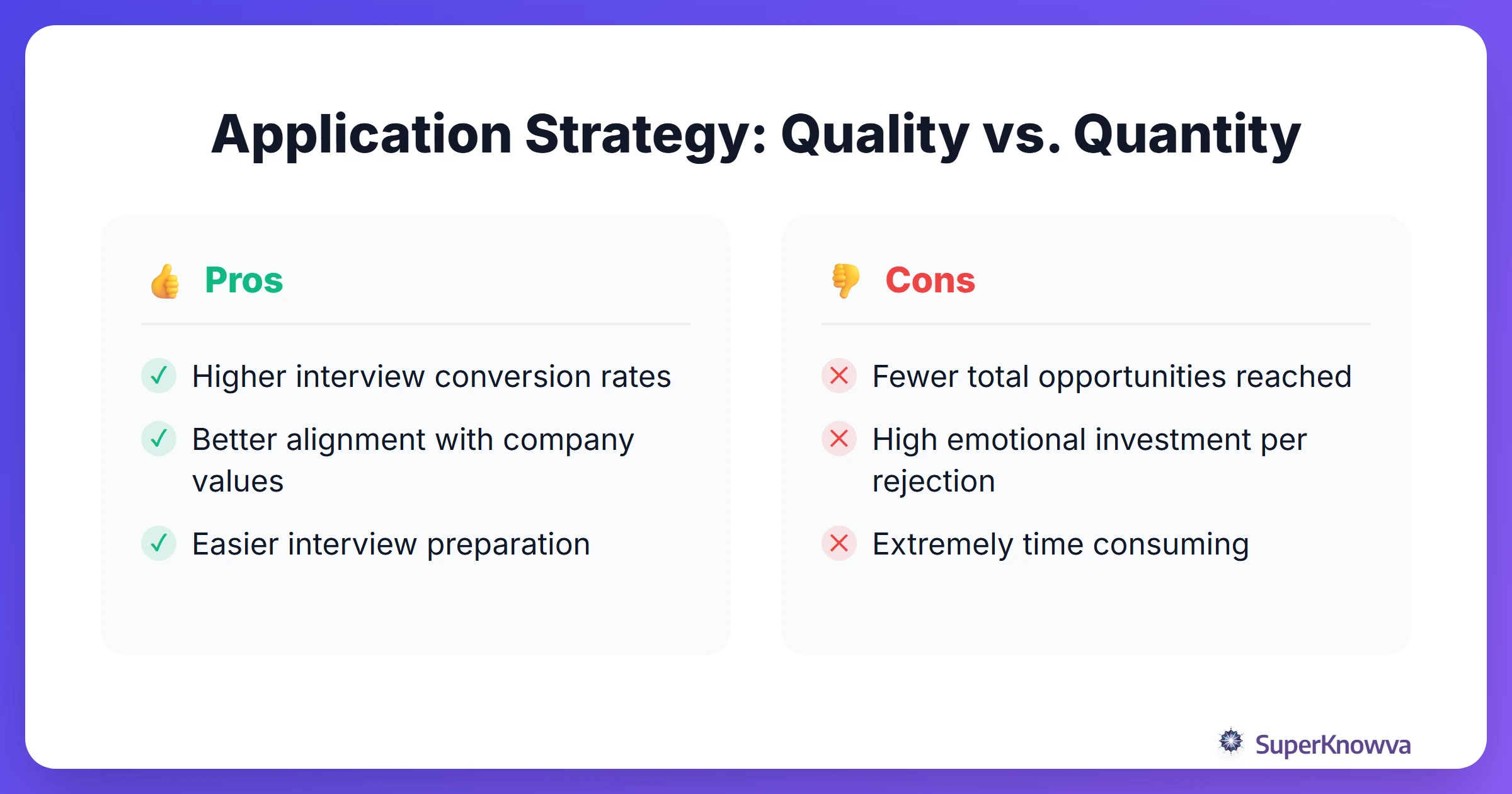
Every new grad hits the same wall early on. Do you fire off 100 generic resumes a week, or spend five hours agonizing over a single cover letter?
The answer isn't "one or the other." It’s about finding a middle ground. Mass applying usually leads to "ghosting," while over-personalizing every single line leads to burnout by Tuesday. Instead, try creating "modular" application materials. Build 3-4 versions of your resume tailored to different sub-sectors of your industry. Create a cover letter template with "plug-and-play" sections where you can swap out specific skills and company names in minutes, not hours.
- Set a Daily Target: Don't aimlessly scroll. Aim for 3-5 high-quality, tailored applications per day. It’s a marathon, not a sprint.
- The "Dream Role" Exception: When you find a position that actually makes you excited, throw the modular approach out the window. Go all out. Reach out to the hiring manager directly, record a 30-second video intro, or build a small project that proves you can do the job.
Winning Over the Robots: Beating the ATS
Here’s a frustrating stat: nearly 75% of resumes are never seen by a human. They get filtered out by Applicant Tracking Systems (ATS) before a recruiter even finishes their morning coffee. To get noticed, you have to treat your resume like a search engine optimization (SEO) project.
Before you start hitting "Apply," make sure you are optimizing your resume for ATS to avoid the dreaded automated rejection. Modern recruiters use AI to scan for specific keywords found in the job description. If a posting asks for "Data Visualization" and you wrote "Making Charts," the robot might not make the connection.
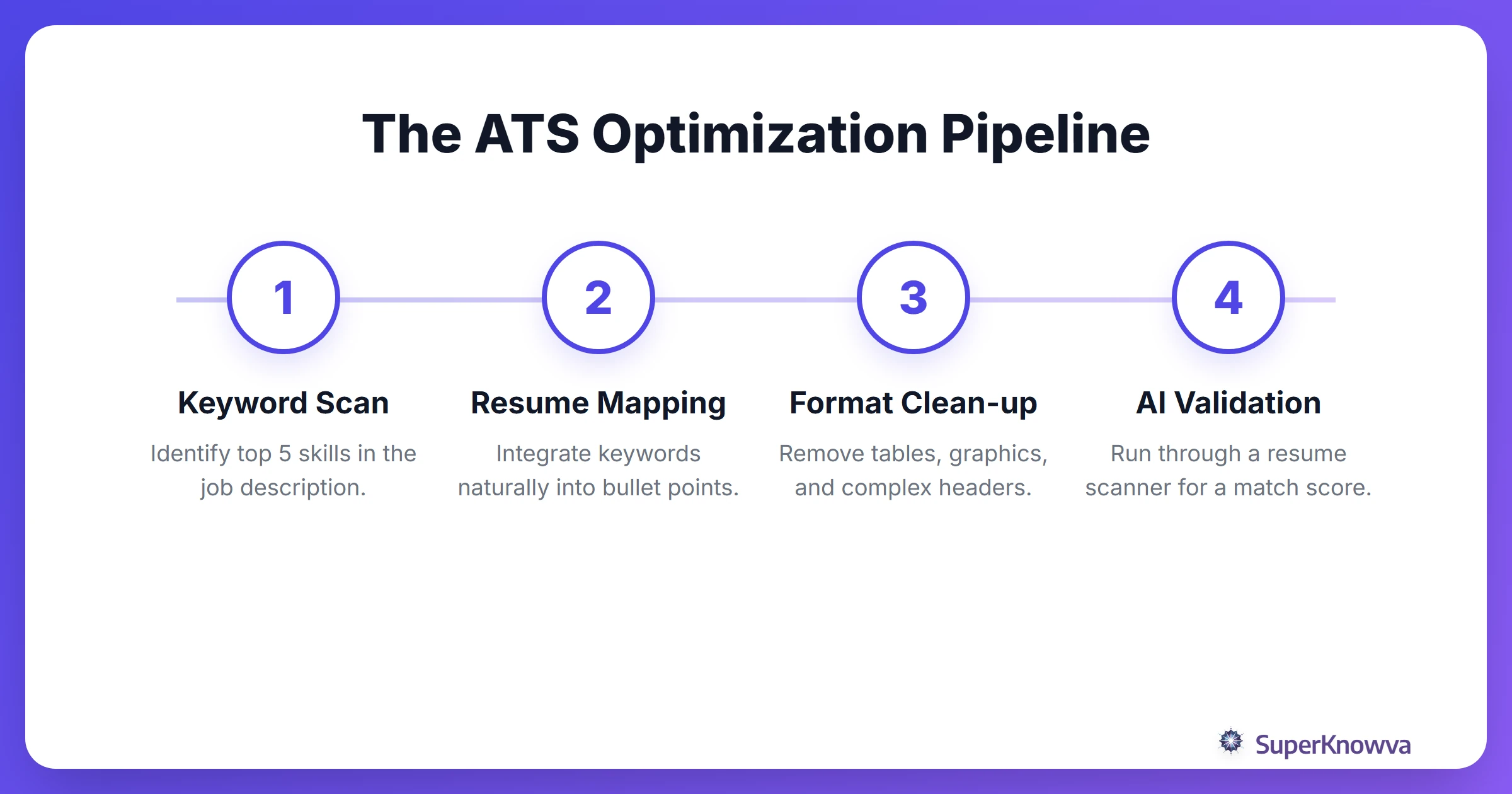
Keep the formatting simple. A creative, multi-column layout might look sleek to you, but it can turn into gibberish for an ATS. Stick to a clean, single-column format with standard headings. Use AI tools to compare your resume against the job post to ensure your "match score" is high enough to pass the first gate.
Beyond LinkedIn: The Hidden Job Market
LinkedIn is a powerhouse, but it’s also the loudest, most crowded room in the building. To find the roles that aren't drowning in 500+ applications within an hour, you need to look where others aren't.
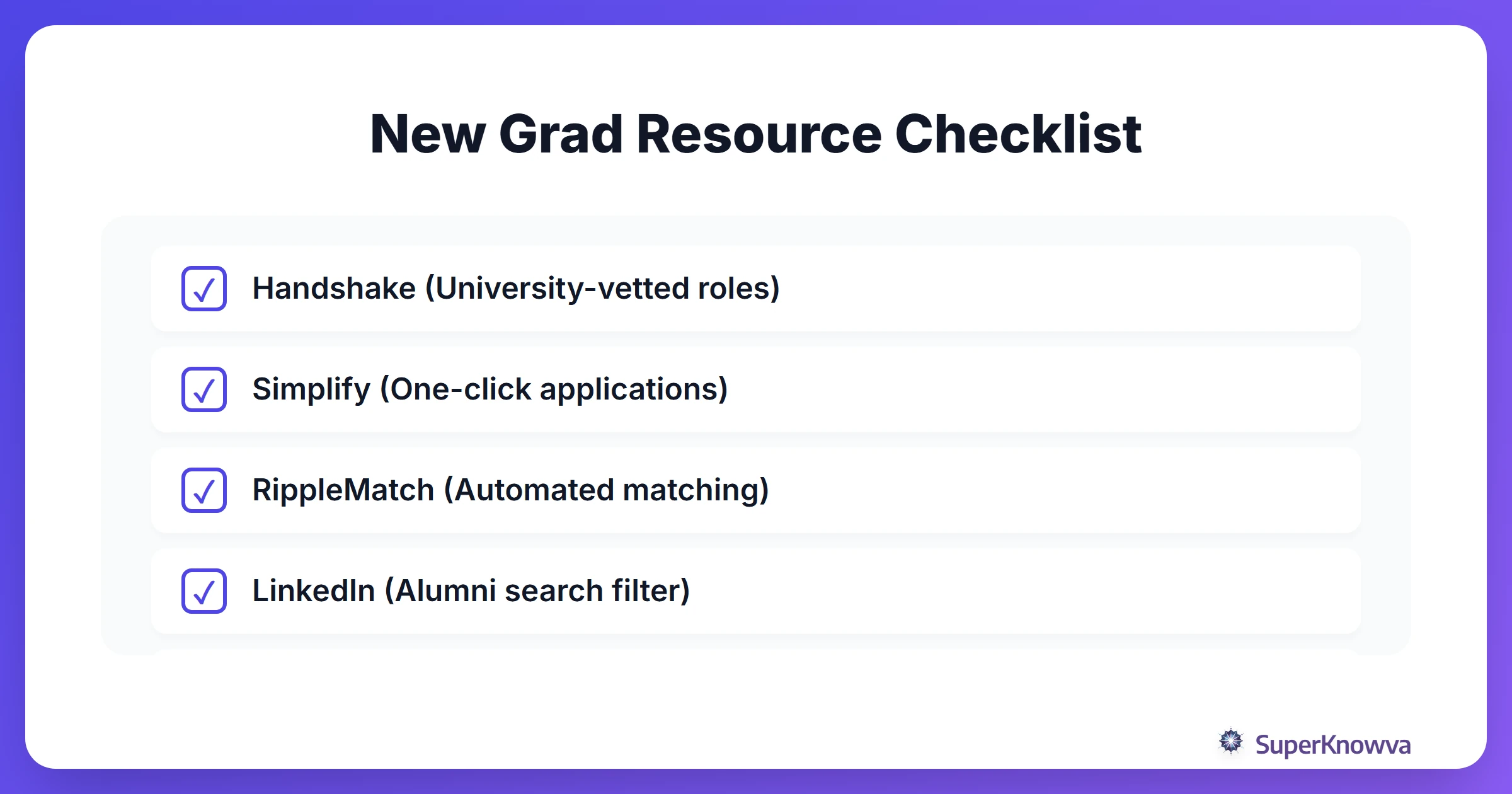
Start with niche job boards designed for early-career talent. Platforms like Handshake, Simplify, and RippleMatch connect students directly with recruiters specifically looking for entry-level energy. Also, don't sleep on your school's resources. University career services, like those at Penn State, offer massive support for recent grads, often giving you access to exclusive job portals long after you've graduated.
Pro tip: Check the "Careers" page on company websites directly. Many firms post roles there days before they hit the major boards.
Networking (Without the Cringe)
The word "networking" usually brings up images of awkward career fairs and forced small talk. But it is simply about making a connection. Career expert Andy LaCivita emphasizes that the modern job market requires a different approach: one focused on being a person, not a solicitor.
Shift your mindset from "asking for a job" to "seeking information." Most people actually like talking about their career path. If you're nervous about reaching out to alumni, our student's guide to professional networking has templates to help you get the ball rolling.
Try the 2-Line LinkedIn Message:
"Hi, I’m a recent grad and follow your work. I have two questions about how you broke into the industry. Do you have 10 minutes for a chat?"
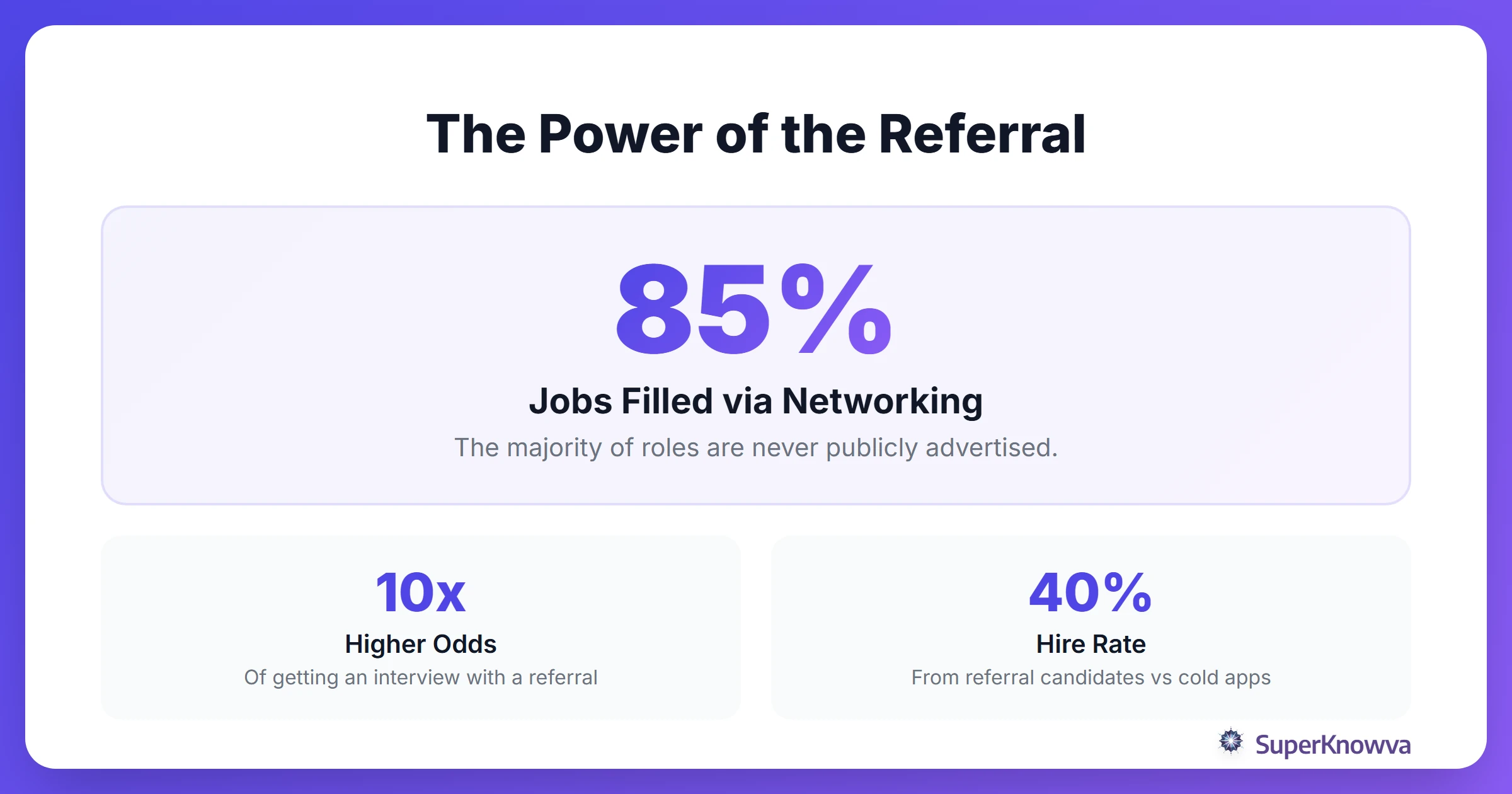
A referral from an employee can increase your odds of an interview by up to 10x. It is, quite literally, the best use of your time.
Managing the Mental Game
The market is difficult. Seeing a "1 in 100" callback rate is common and can affect your confidence. Treat the search like a job, but one with a strict "clock-out" time.
Create a routine. Dedicate your mornings to the heavy lifting (applications and outreach) and your afternoons to skill-building or getting away from the screen. Use a spreadsheet to track your progress so you can see the work you’re putting in, even on the days you don't hear back.
If the search takes longer than you hoped, don't feel guilty about taking a "bridge job." Whether it's retail, tutoring, or freelancing, a bridge job provides a change of pace and financial security. It doesn't make you a "failure"; it makes you a professional who knows how to manage a transition.
Building Your Brand While You Wait
You aren't "just a student" anymore. You’re a professional in training. Use this gap time to update your digital footprint to reflect that. Don't forget the importance of building a professional online presence to attract recruiters while you sleep.
- Showcase Projects: No internship? No problem. Treat your senior capstone, a volunteer project, or even a deep-dive blog post as "Professional Experience" on your resume.
- Lean into Human Skills: Soft skills like adaptability, communication, and emotional intelligence are more valuable than ever. Have stories ready that prove you have them.
- The Mindset Shift: Preparing for your first role also means transitioning from campus to corporate life effectively. Start adopting the habits and the confidence of the professional you want to become.
The road from graduation to your first paycheck is rarely a straight line. It’s full of detours, ghosted emails, and "thanks but no thanks" messages. But by staying organized, beating the robots, and leaning on your network, you’ll find that the right opportunity is closer than it feels. Keep pushing, stay curious, and welcome to the professional world!