You’ve walked across the stage, tossed the cap, and successfully survived four years of caffeine-fueled all-nighters. But as the graduation high fades, a new reality sets in: the "real world" is officially calling your name.
For the Class of 2026, the jump from campus to career isn’t what it used to be. You aren't just competing with other graduates; you’re navigating a job market defined by AI-driven hiring bots and a "hybrid-first" work culture. Sending out a hundred generic resumes and hoping for the best? That’s a recipe for burnout.
To help you cut through the noise, we’ve put together the ultimate post-graduation career checklist. Whether you’re eyeing a spot at a Fortune 500 giant or a scrappy, high-growth startup, these steps will help you move from "recent grad" to "hired" by June.
Audit and Elevate Your Digital Footprint
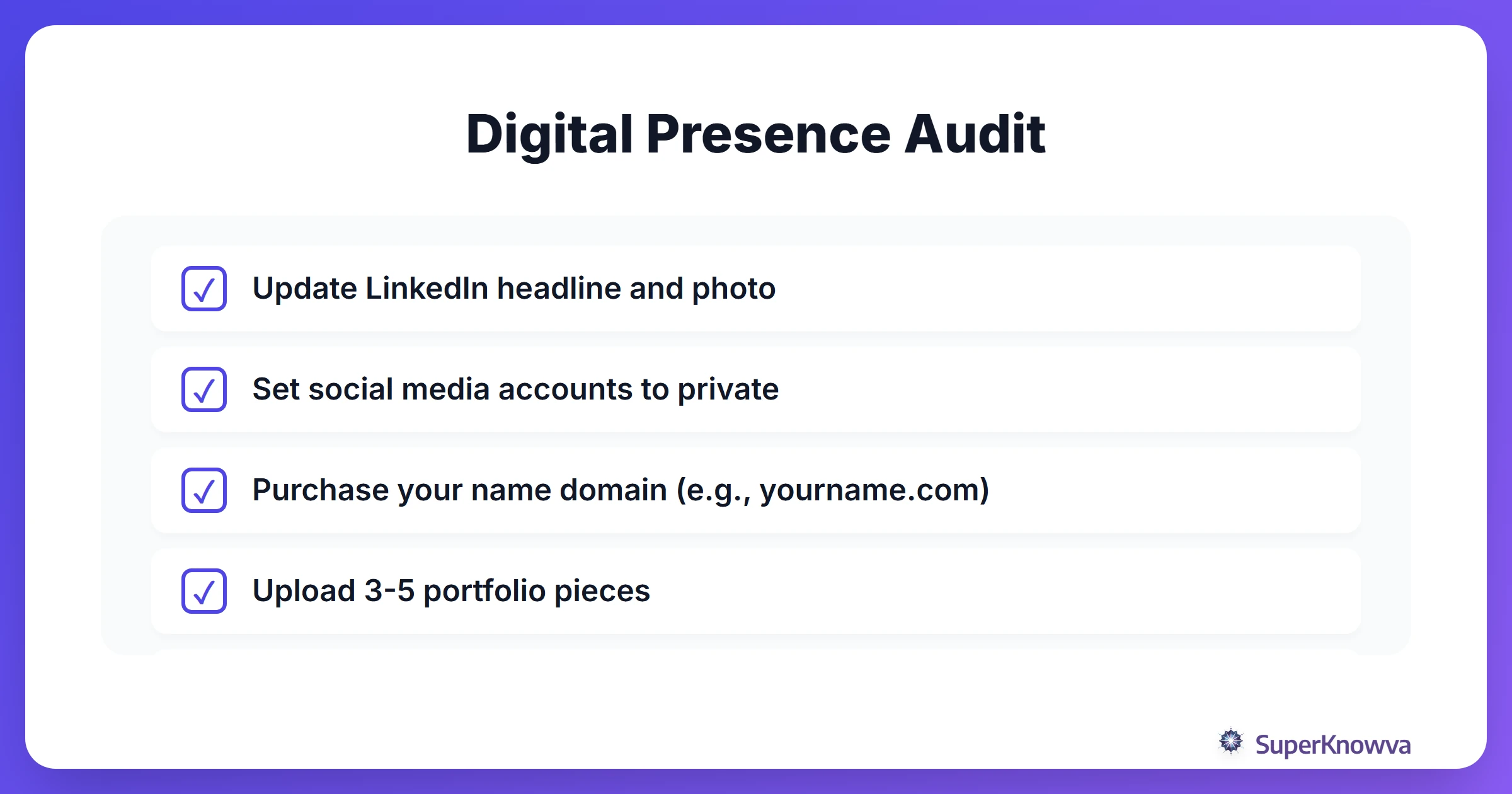
In 2026, your online presence is your first interview. Before a recruiter sends an introductory email, they have likely Googled your name and scrolled through your social media. A personal branding for students strategy is no longer optional. It is your digital ID.
Start with a "vibe check" of your social media. If your public profiles don't reflect the professional you want to be, it’s time to hit the privacy settings. Next, fix that LinkedIn headline. "Recent Graduate" tells a recruiter nothing. Instead, highlight the specific value you bring and the problems you’re ready to solve. Finally, give them something to look at. In an age where AI can write a cover letter in seconds, a digital portfolio or personal website provides the "proof of work" that humanizes your application.
The 2026 Resume: AI-Ready and ATS-Optimized
Let’s be honest: your resume will probably be read by a robot before a human ever sees it. Most companies now use sophisticated Applicant Tracking Systems (ATS) that use AI to rank candidates. If your entry-level job search feels like it's hitting a brick wall, your formatting might be the culprit.
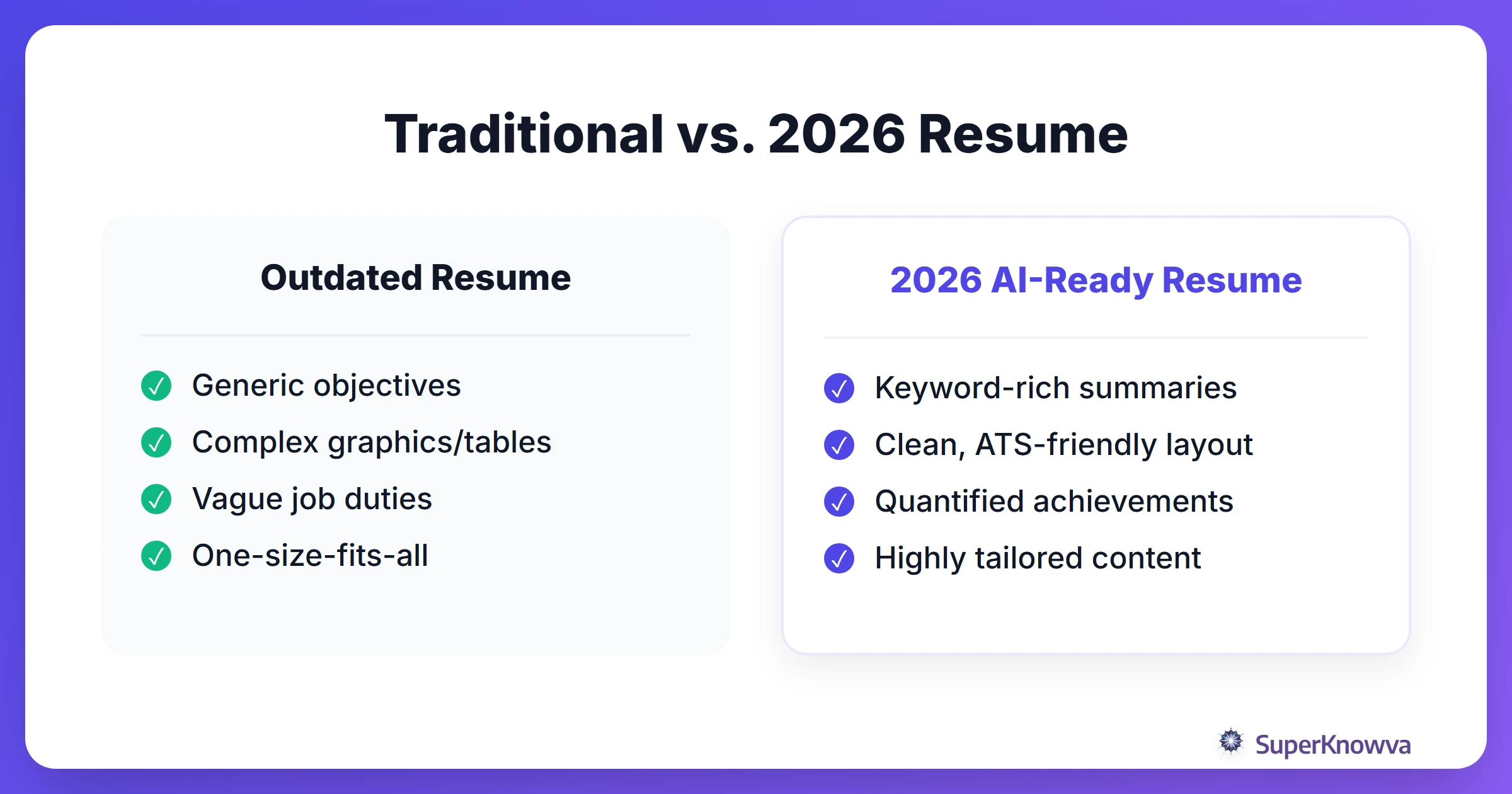
- Mirror the Language: Look at the job description. If they mention "cross-functional collaboration," don't just write "teamwork." Use their words.
- Numbers Over Adjectives: "Managed social media" is boring. "Increased engagement by 25% over three months" is a result. Quantify your impact, even in internships.
- Keep it Simple: Don't get fancy with tables or complex graphics. They often confuse the ATS and get your resume tossed. A clean, linear layout is your best friend.
Strategic Networking Beyond the Career Fair
Applying online is a marathon; networking is a shortcut. But forget those awkward, crowded career fairs. In 2026, building professional connections is about finding your niche.
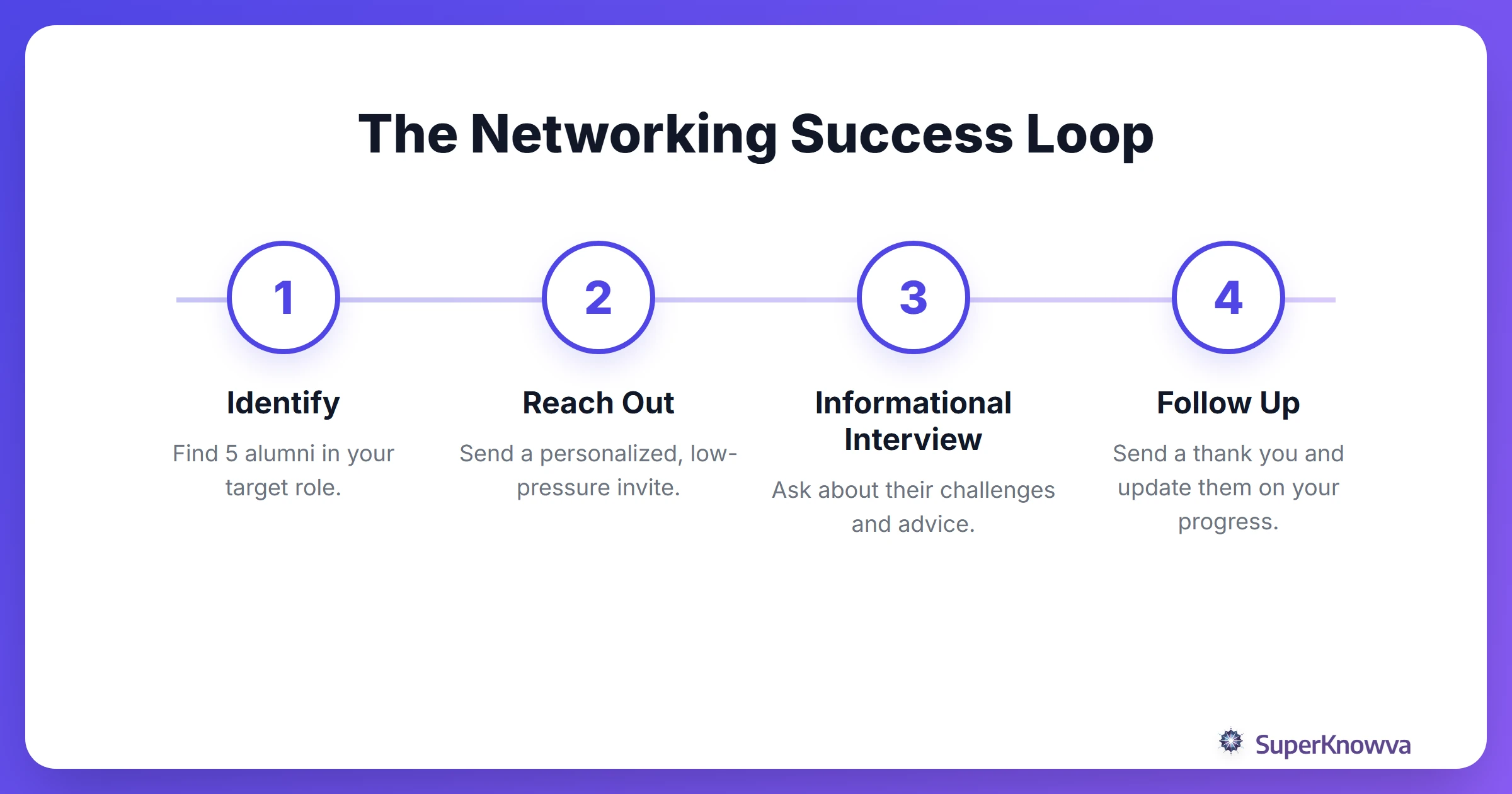
Start with your alumni network. Use LinkedIn to find people who graduated from your school and are now doing what you want to do. Reach out for a quick fifteen-minute "informational interview." People love talking about themselves; use that to your advantage. Join professional Discord servers or Slack communities. These are often where hidden job boards live. Give before you get. Share an interesting article or leave a thoughtful comment on their post before you ask for a referral.
Bridging the Skill Gap: AI and Soft Skills
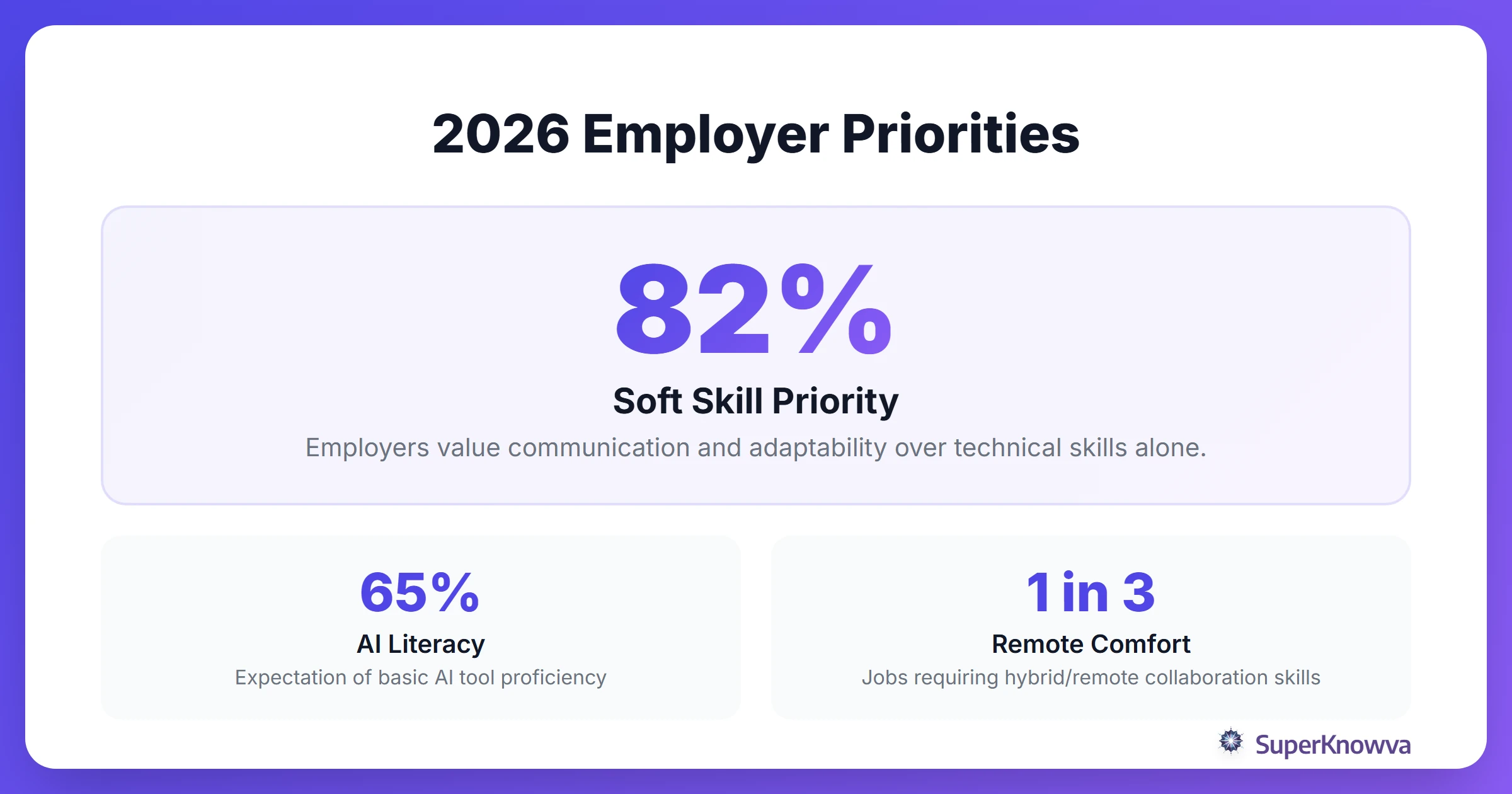
The 2026 job market is looking for a specific hybrid: someone who is technically savvy but deeply human. As AI takes over the repetitive, "boring" tasks, employers are desperate for graduates who bring emotional intelligence, ethical judgment, and complex problem-solving to the table.
According to the Northwestern Undergraduate Career Checklist, staying current with industry-specific AI tools is essential. Whether it’s AI-driven data viz for marketing or specialized LLMs for legal research, being "AI-literate" provides a significant advantage. Pair that technical knowledge with the soft skills that matter today to show you are more than just a prompt engineer. You are a leader.
Mastering the Modern Interview Process
If you land the interview, get ready for a screen-to-screen showdown. Many companies now start with an asynchronous video interview (think HireVue), where you record your answers to a timer. It’s awkward, yes, but it's the new standard.
To nail it, use the STAR method (Situation, Task, Action, Result). It keeps your stories tight and focused on outcomes. And please, do your homework. Don't just read the "About Us" page. Look up the company’s recent wins, their culture, and their competitors. When they ask if you have questions, don't lead with "What's the salary?" Ask something high-level, like, "How is the team currently integrating generative AI into its daily workflow?"
The Transition: From Campus to Corporate Culture
The final box on your post-graduation career checklist is the "adulting" phase. Navigating the transition to the workplace is about more than just showing up on time; it’s about mastering the etiquette of a hybrid office.
In your first 90 days, focus on learning. Set clear expectations with your manager and find a mentor to guide you. Use this time to manage your professional tasks. Review your benefits, set up your 401k (especially if there is a match, which is free money), and build a realistic budget. The Career Connected Campus Checklist provides frameworks for early-career success.
The job market moves quickly, and feeling overwhelmed is natural. By following this checklist, you are doing more than applying for jobs; you are building a career. You earned your degree; now show employers your value.