Summer is supposed to be about late sunsets and beach trips. But if you’re enrolled in an accelerated session, your reality probably looks more like caffeine-fueled study marathons and a mountain of flashcards. Let’s be honest: trying to cram 15 weeks of chemistry or macroeconomics into a single month is brutal.
Summer courses move fast, often doubling the standard workload. That initial drive to get ahead can quickly turn into exhaustion. To finish the term with your GPA and your sanity intact, you need a plan. This guide covers summer school stress management and academic pacing to help you stay productive until the final exam.
Why Summer Courses Are a Different Kind of Stress
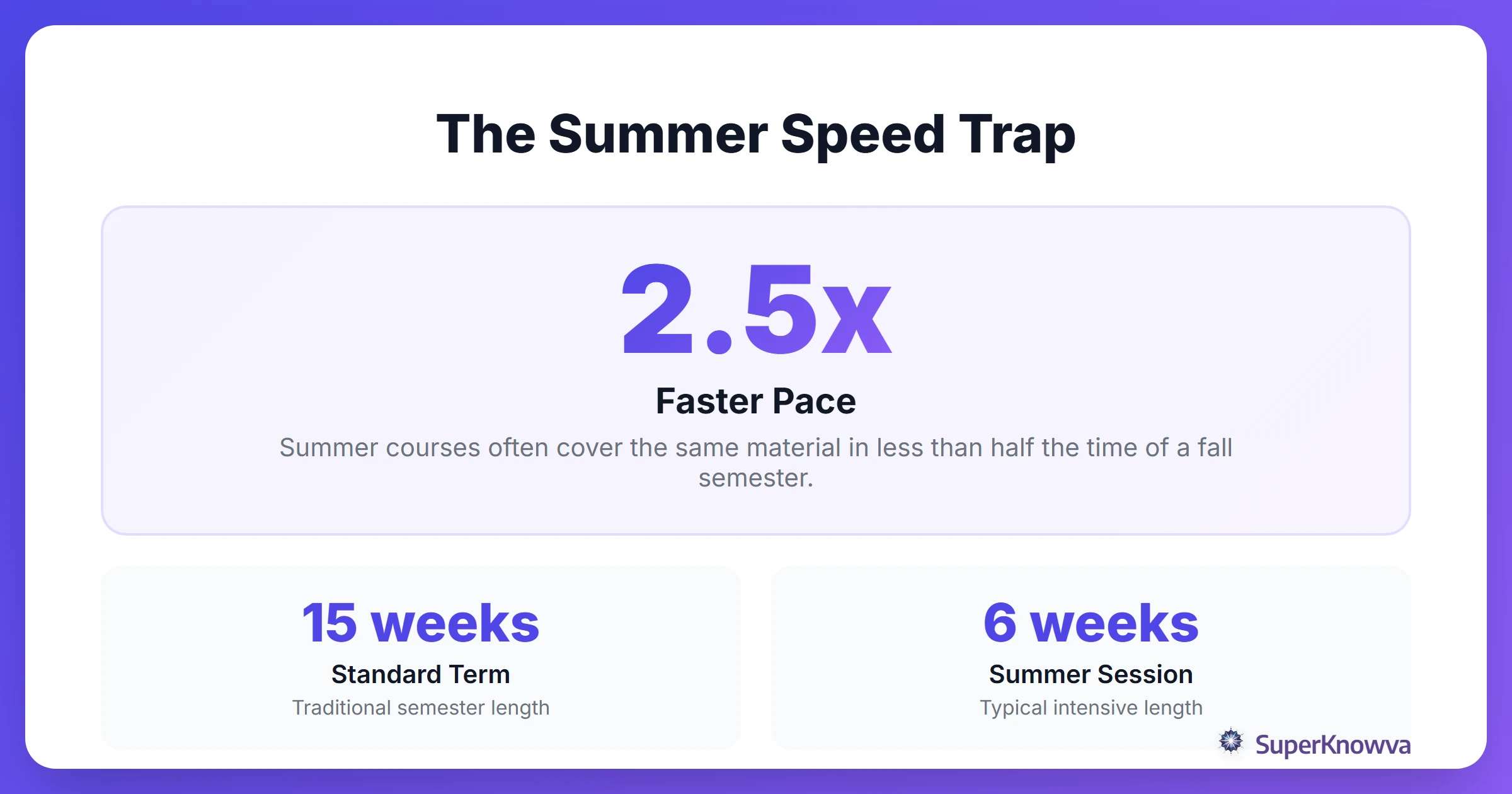
Summer courses are an academic sprint. In a standard semester, you have 15 weeks to digest the material. In the summer? You’re lucky if you get six. This means you’re processing information at roughly 2.5 times the normal speed. That "one chapter a week" pace you’re used to in October becomes a frantic race to finish three chapters by Wednesday in July.
There’s also the "recovery gap." Most students dive straight from grueling spring finals into a summer session without a real break. Your brain hasn't actually reset. Add in the FOMO (fear of missing out) from seeing your friends on vacation while you’re stuck in a library, and you have a recipe for a total meltdown. Beating Summer Burnout starts with realizing that the transition from June to July is usually where the wheels start to come off.
Spotting the Warning Signs Before You Crash
Burnout doesn’t hit you like a truck; it’s more like a slow leak in a tire. At first, you’re just a little tired. Then, suddenly, you can’t bring yourself to open your laptop. Differentiating between "I'm tired today" and "I'm reaching my limit" is the first step in student burnout recovery.
If you’re already feeling the weight, take a second to check out these 7 signs you're exhausted and how to recover.
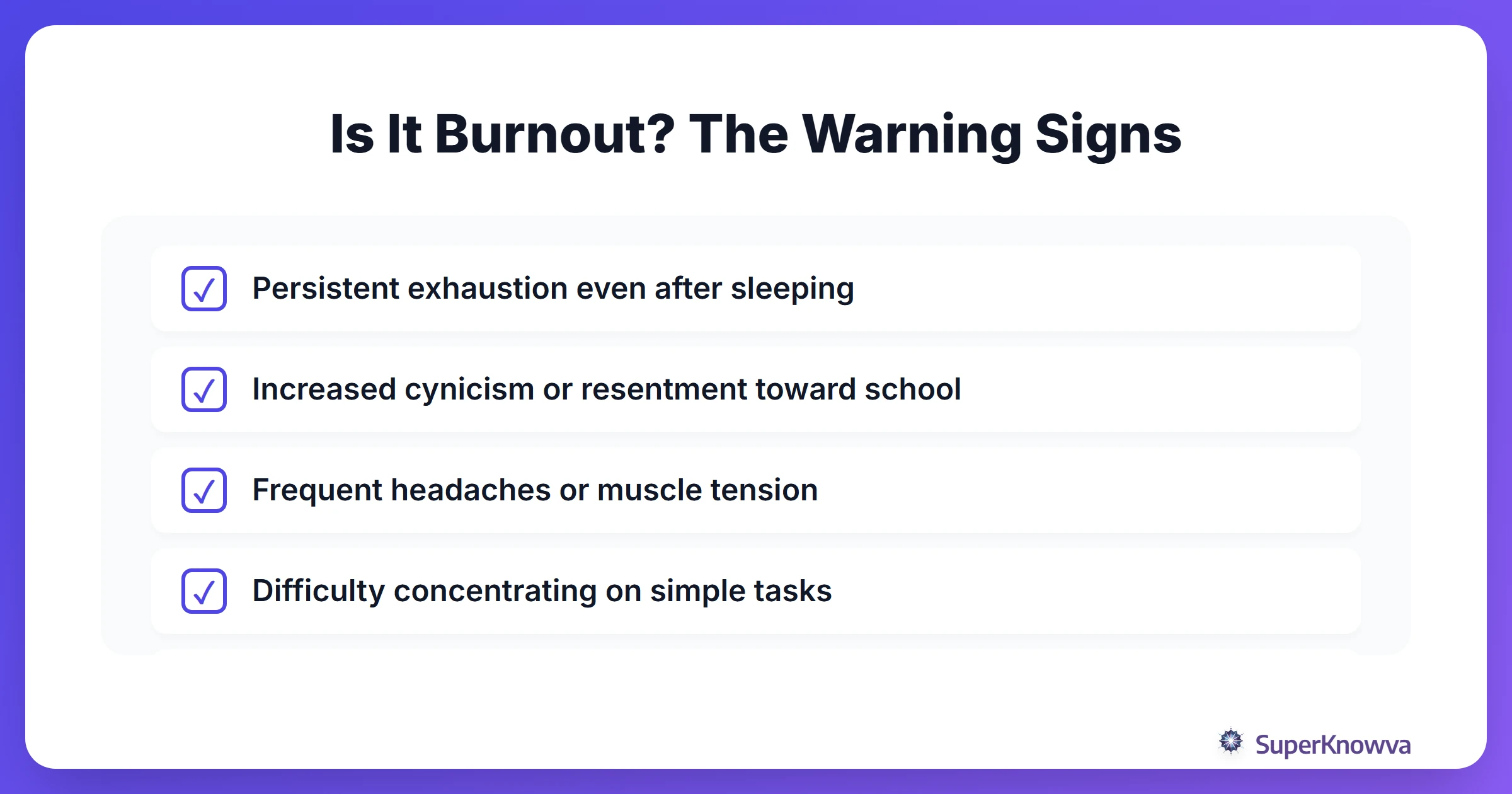
Keep an eye out for these red flags:
- The Physical Wall: You’re sleeping eight hours but still feel like a zombie. You’ve got "study headaches" that won't quit.
- The "I Don't Care" Phase: You’re usually a good student, but suddenly, you just don't care about the grade. You’re becoming cynical about the coursework.
- Brain Fog: You read the same paragraph four times and still don't know what it said. Your concentration is shot.
Choice Architecture: Hack Your Environment
One of the most effective intensive summer session tips is a concept called "choice architecture." Essentially, you want to design your room (and your life) so that the "right" choice is the easiest one to make. When you’re exhausted, your willpower is low. Don't waste it on deciding where to sit or looking for your charger.
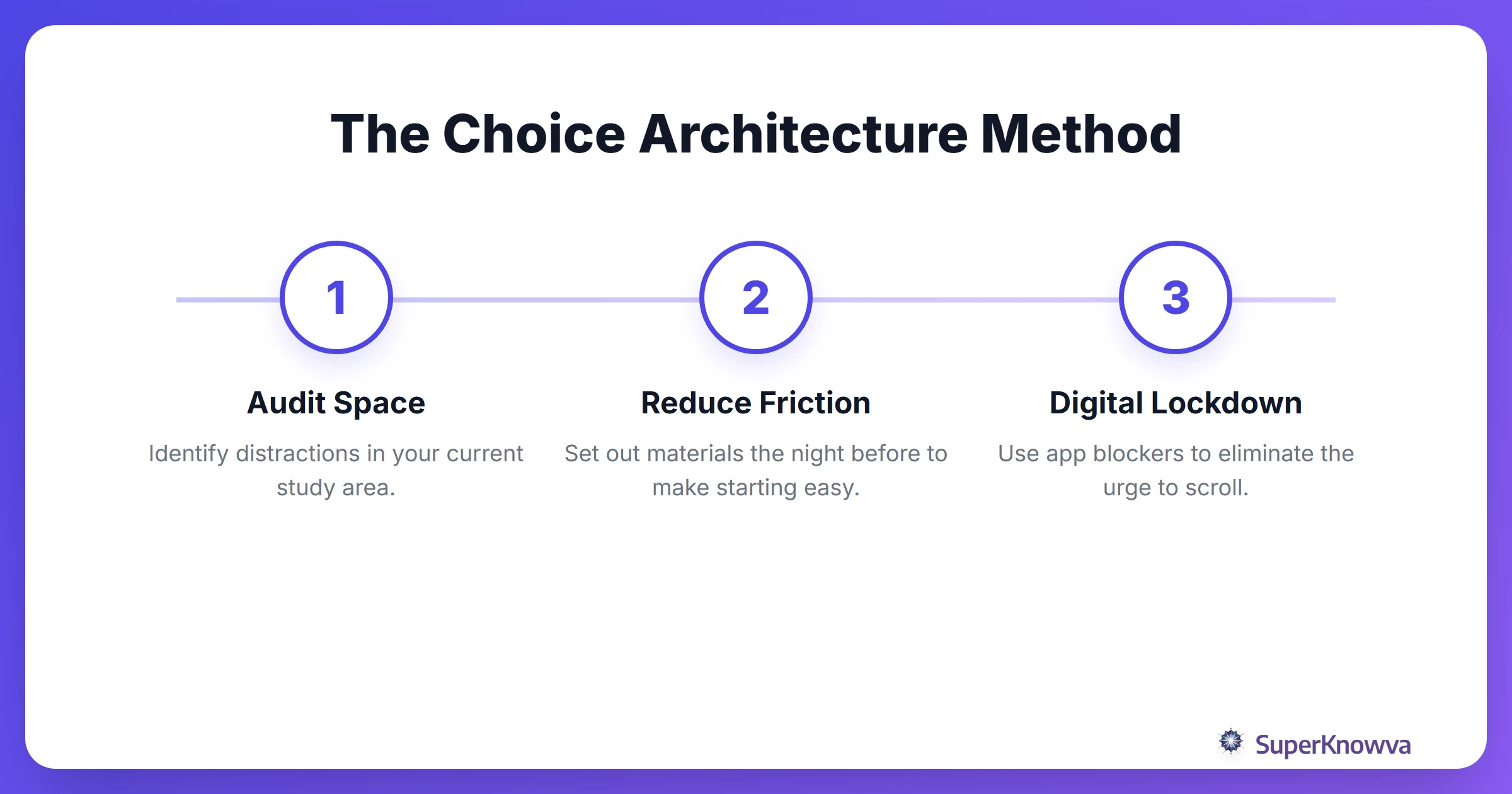
The goal is to reduce friction. Set your books out the night before. Open the document you need to work on so it’s the first thing you see when you wake up. If your materials are ready to go, the "cost" of starting is lower. Also, get the phone out of the room. In a six-week course, you don’t have time for "doomscrolling" breaks that turn into hour-long distractions. You need a dedicated "deep work" zone where your brain knows it’s time to perform.
Strategic Pacing: The Sprint and Recover Method
In a short course, one bad weekend can tank your grade. You don't have a "dead week" or a mid-semester break to catch up. This is why academic pacing is your best friend.
Forget the 12-hour "grind." It’s not sustainable. Instead, try the Sprint and Recover approach. Work in high-intensity blocks, then take a mandatory, scheduled break. And please, stop making "to-do" lists with 20 items. You’ll never finish them, and you’ll just feel like a failure. Pick three big wins for the day and stop there.
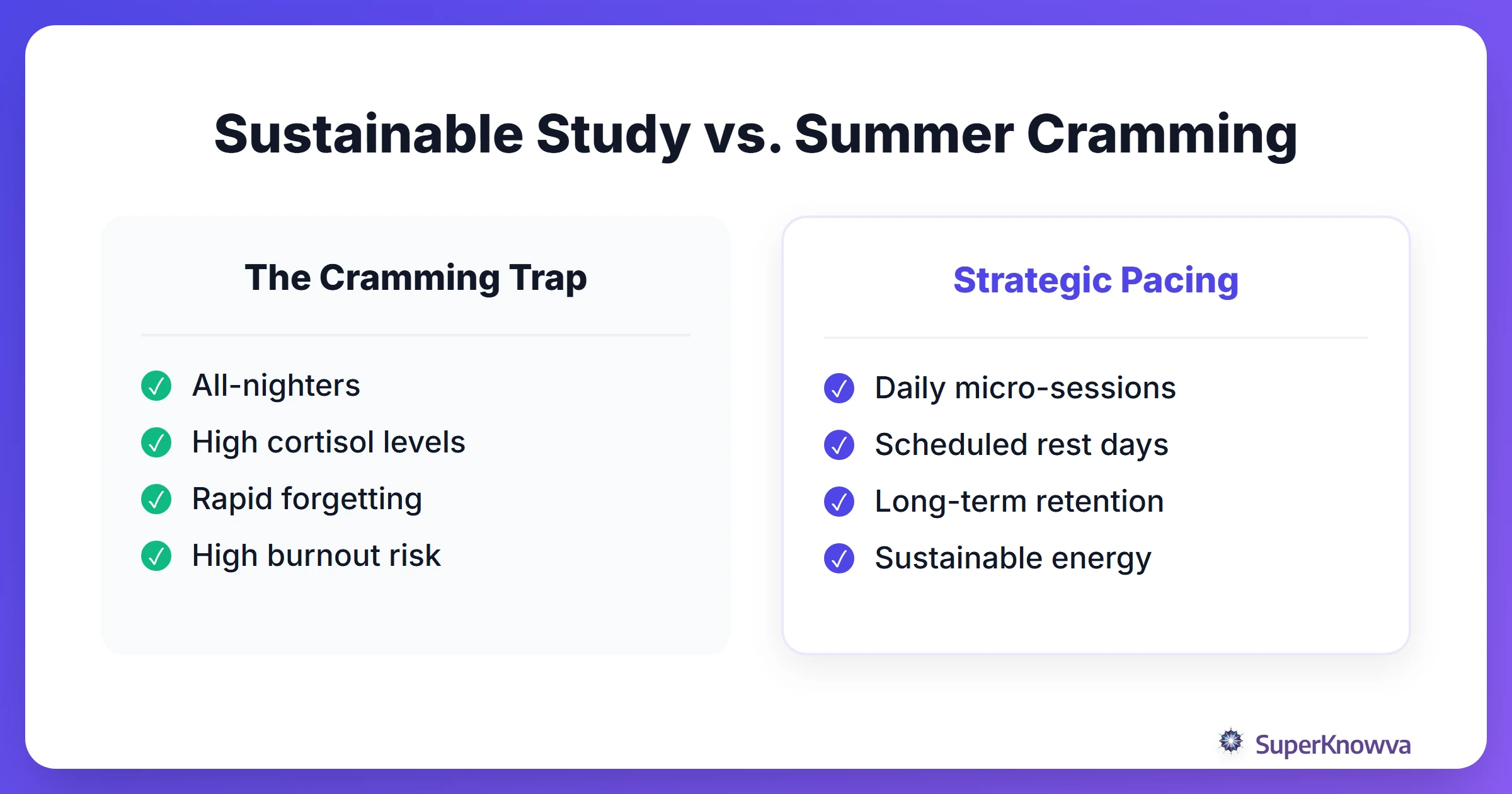
To save time, stop re-reading your notes. Use active recall and spaced repetition to retain information the first time. Platforms like SuperKnowva help you learn faster so you can spend more time outside.
Don't Let Wellness Be the First Thing to Go
When things get busy, we usually stop exercising and start eating junk. But your brain is a physical organ. If you don't fuel it, it won't work.
The data is clear: physical activity boosts cognitive function. Even a 15-minute walk can lower your cortisol and clear the "fog." And sleep? It’s non-negotiable. Sleep is when your brain moves what you learned today into your long-term memory. If you don't sleep, you’re basically deleting your hard work.
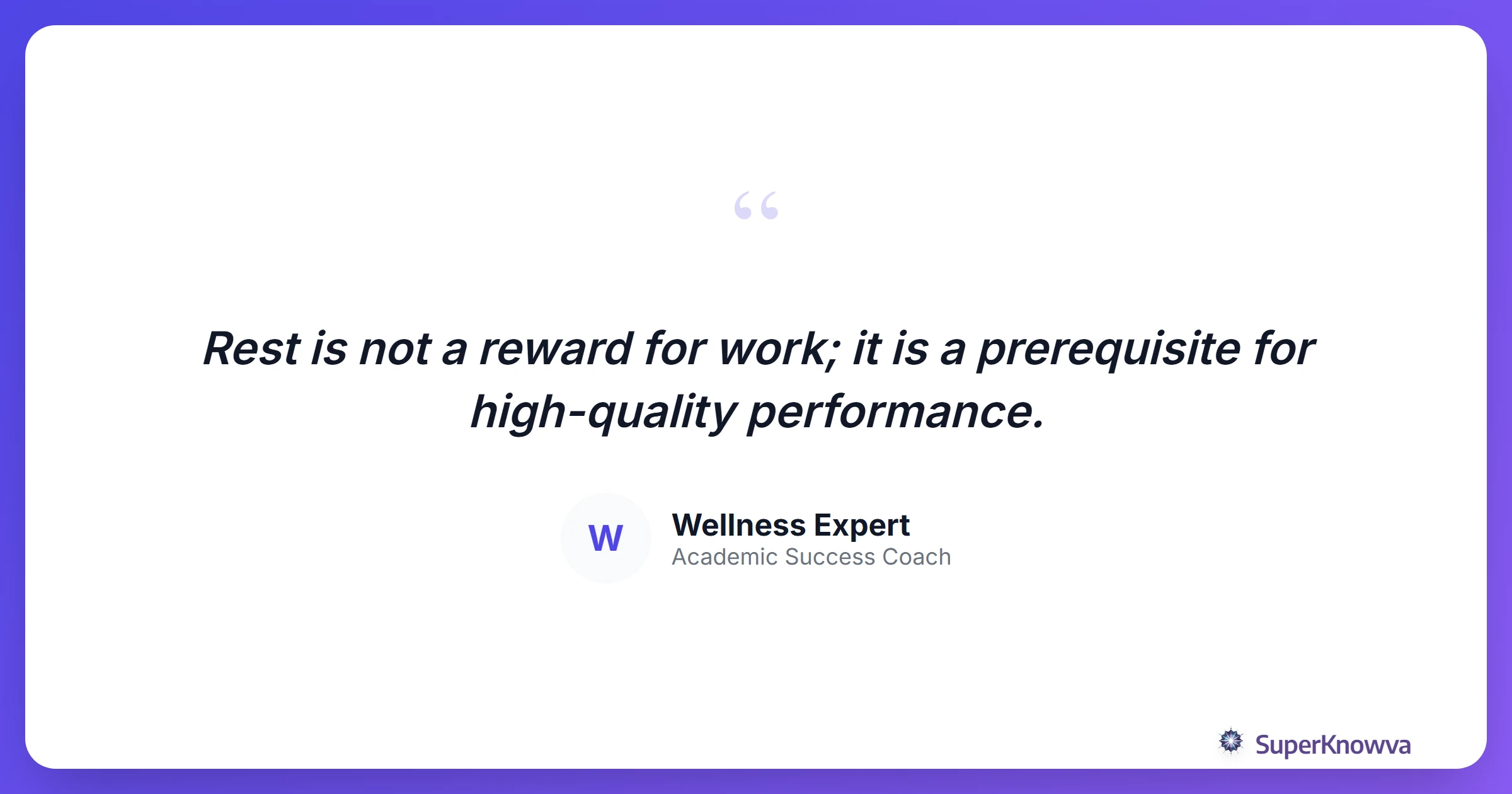
Try some basic mindfulness for students to keep your anxiety in check when the syllabus looks impossible. Think of these habits as maintenance for your most important tool.
Social Life: How to Have One Without Failing
You don't have to live in a cave to get an A. In fact, if you isolate yourself completely, you'll burn out even faster. You can maintain friendships while acing exams, but you have to be strategic about it.
Try using your social life as a reward. Tell yourself: "If I finish this problem set by 6 PM, I’m going to go grab tacos with the crew." This gives you a "social reward" that keeps you focused.
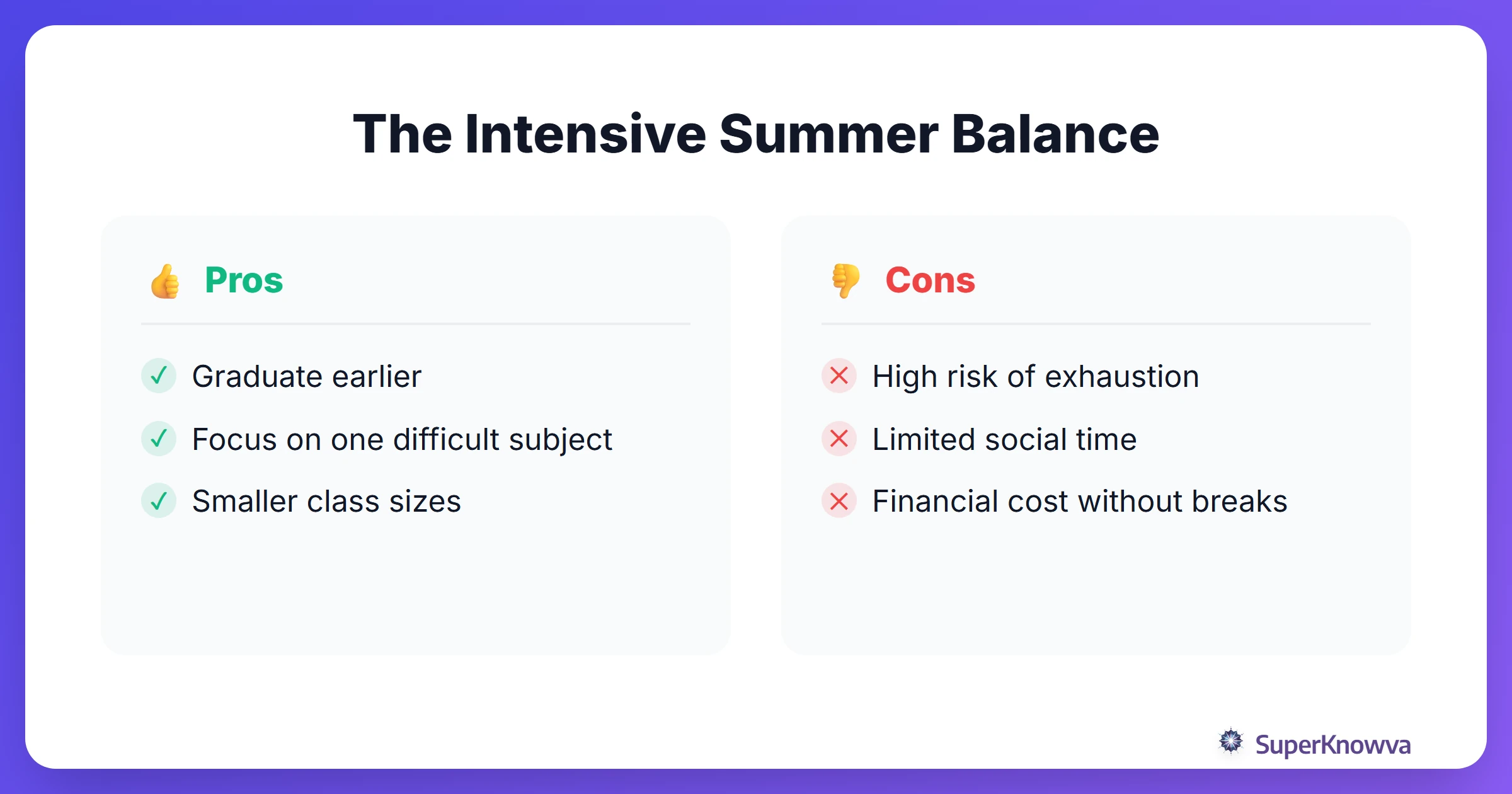
Be upfront with your friends who aren't in school. Let them know your schedule is tight but you still want to see them. Whether you're Preventing Burnout During Intensive Training in a classroom or an athletic program, the key is intentional rest. Plan a "micro-vacation" on your Sunday where you don't even look at a screen. That reset is what will get you through the next week’s sprint.
Summer courses are a test of endurance, but you’ve got this. Keep your pace steady, watch for the warning signs, and remember: the semester is short. The finish line is closer than you think!