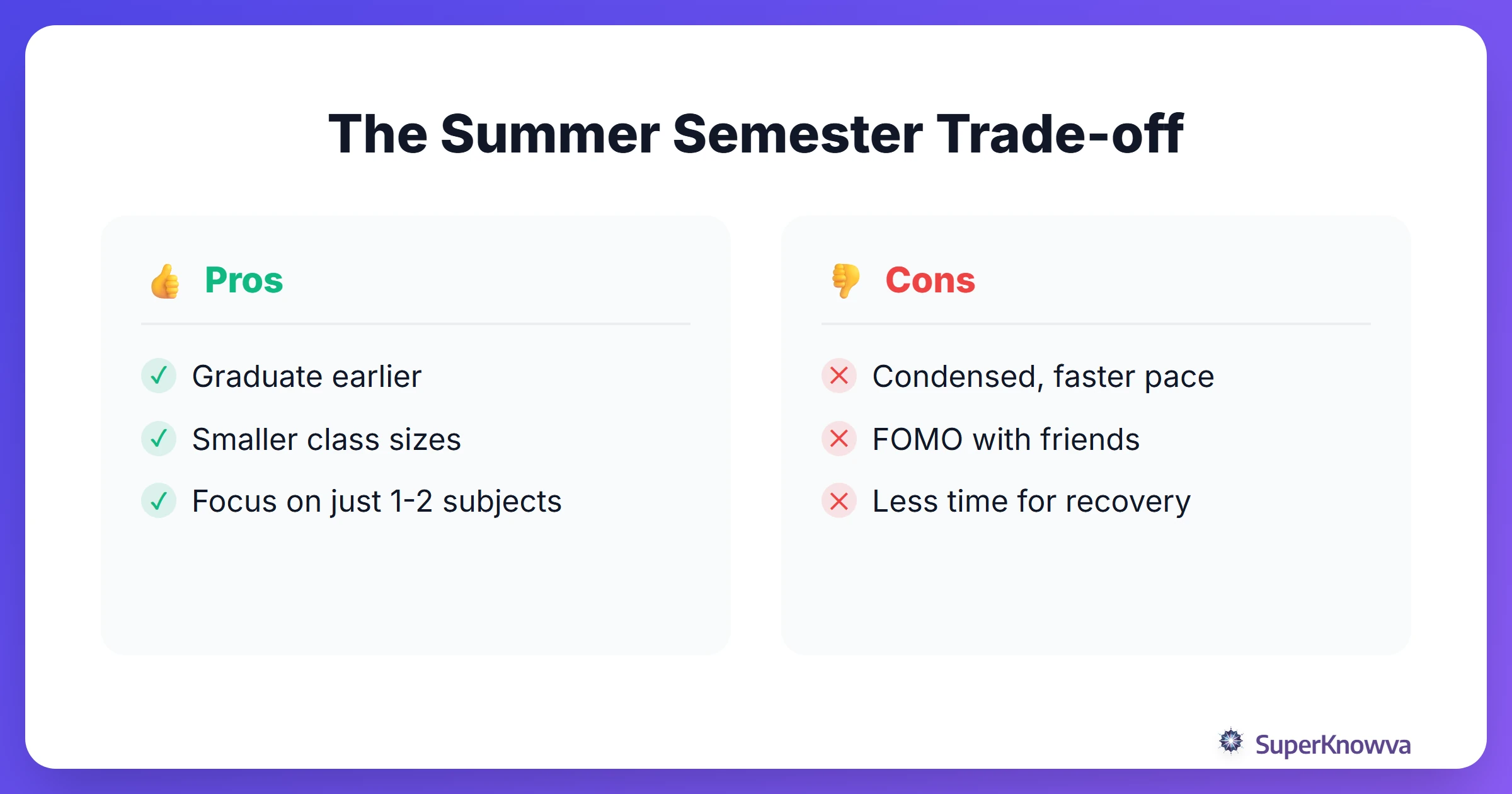
The sun is blazing, the grill is smoking, and your Instagram feed is a non-stop parade of beach trips and cold drinks. Meanwhile, you’re hunched over a desk staring at a syllabus. The FOMO is real. Taking summer courses is a genius move to get ahead or lighten your fall workload, but let’s be honest: staying motivated when the weather is perfect feels almost impossible. Without a rock-solid plan, those weeks slip away fast. Before you know it, you're pulling a panicked all-nighter for a final while everyone else is at a bonfire.
To turn your summer session into a win rather than a chore, you need a strategy. Learning how to set smart goals for summer semester coursework is the secret to staying on track without missing out on the best parts of the season.
Why Summer Semesters Require a Different Goal-Setting Approach
Summer school isn't just the fall semester with better weather; it’s a completely different beast. Most terms are condensed into a blistering 6 to 8 weeks. That means you’re cramming 15 weeks of material into half the time. There is zero room for error.
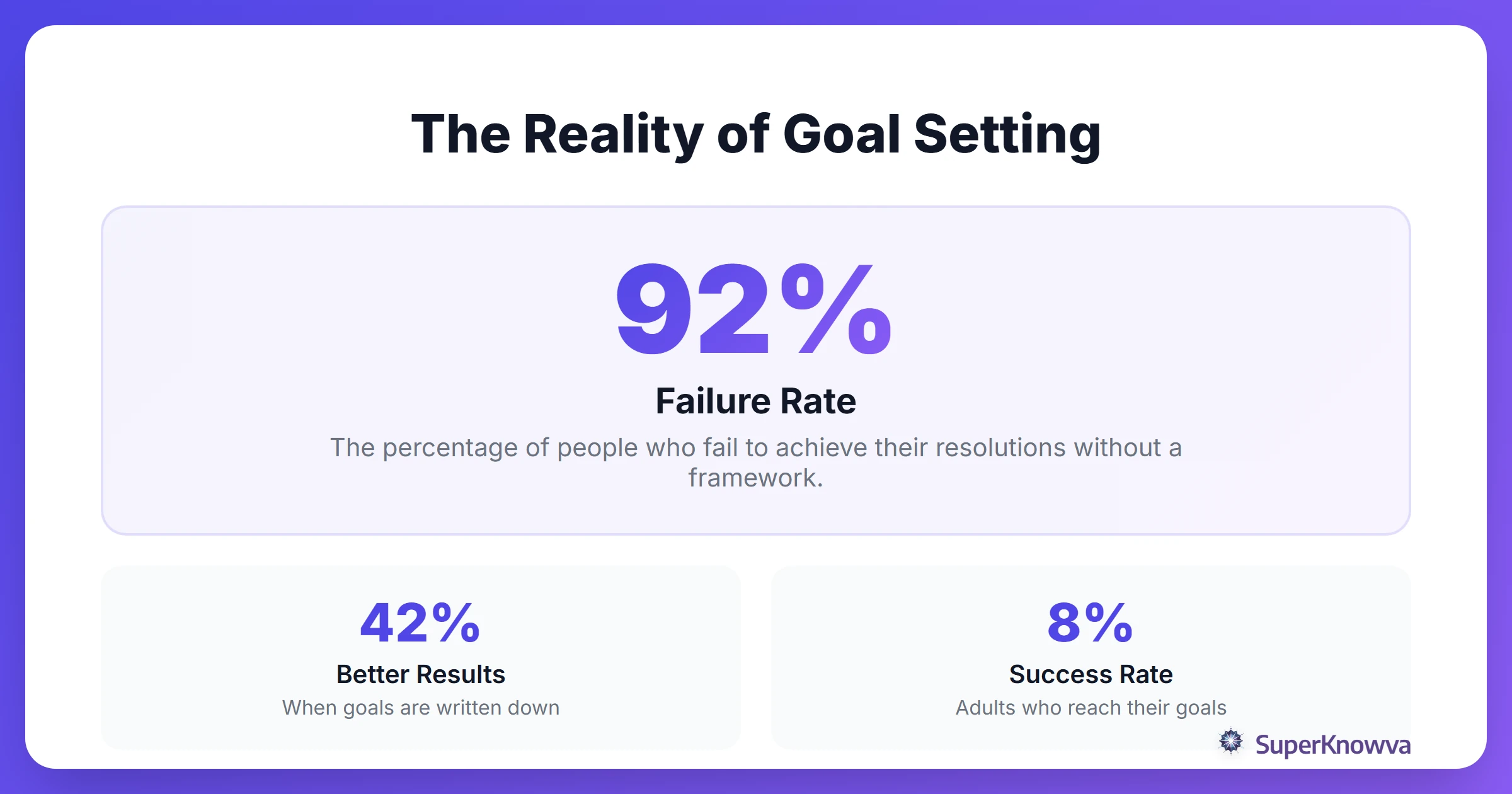
In a traditional semester, you might survive a week of procrastination. In the summer? Falling behind for seven days means you’ve just missed 20% of the entire course. It’s easy to fall into a "false sense of security" in early June, only to get hit by a freight train of deadlines in July. Research cited by Harvard Summer School's guide to goal accomplishment shows that only 8 percent of adults actually hit their goals without a structured plan. Don't leave your GPA to chance.
To keep your momentum when you’d rather be outside, you need a framework that turns "I should study" into "I’m getting this done." That’s where SMART goals come in.
Breaking Down the SMART Framework for Summer Students
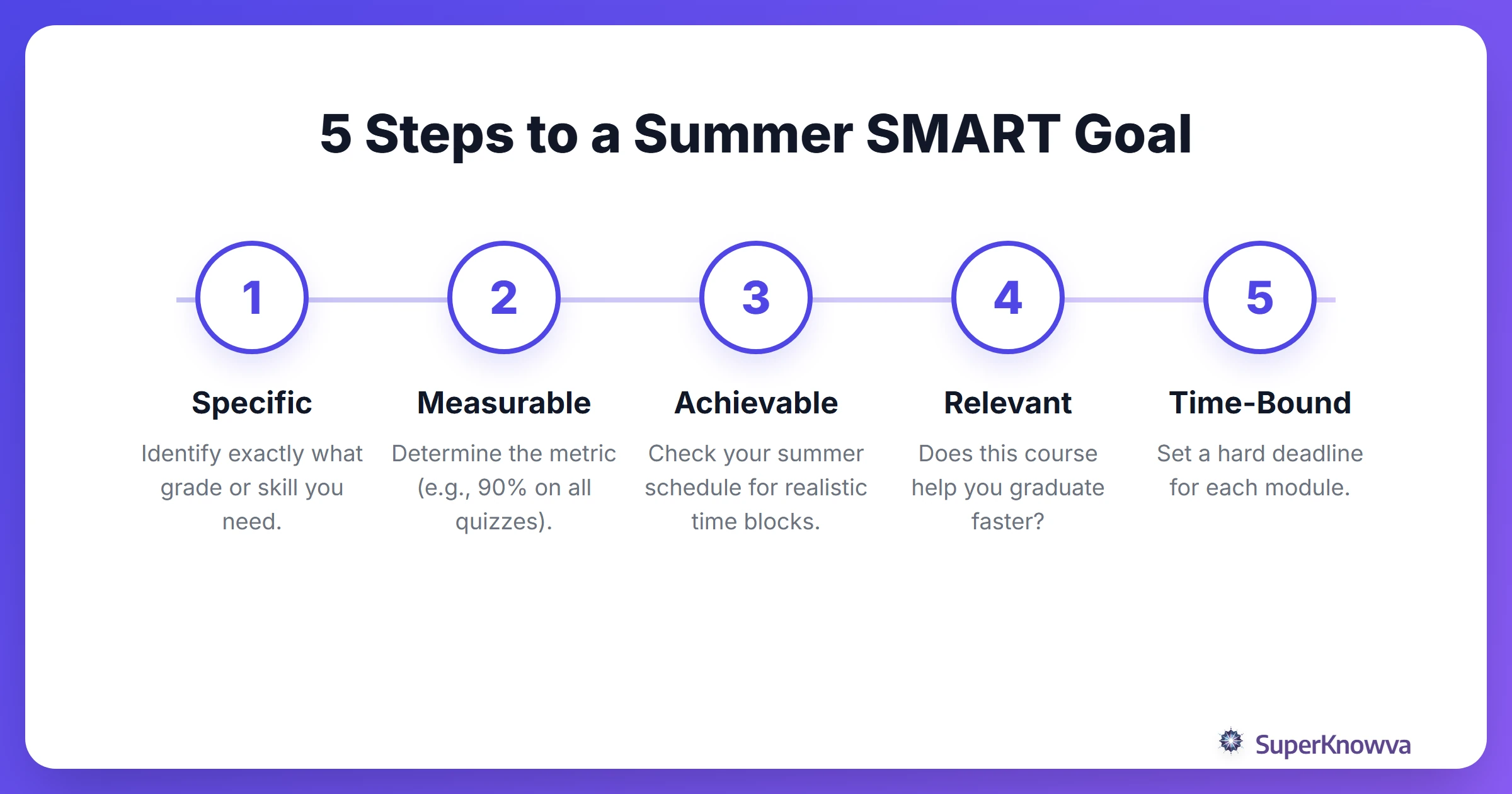
You’ve probably heard of the SMART acronym, but it’s particularly powerful for the "sprint" nature of summer classes. Here’s how to actually apply it to your current mountain of work:
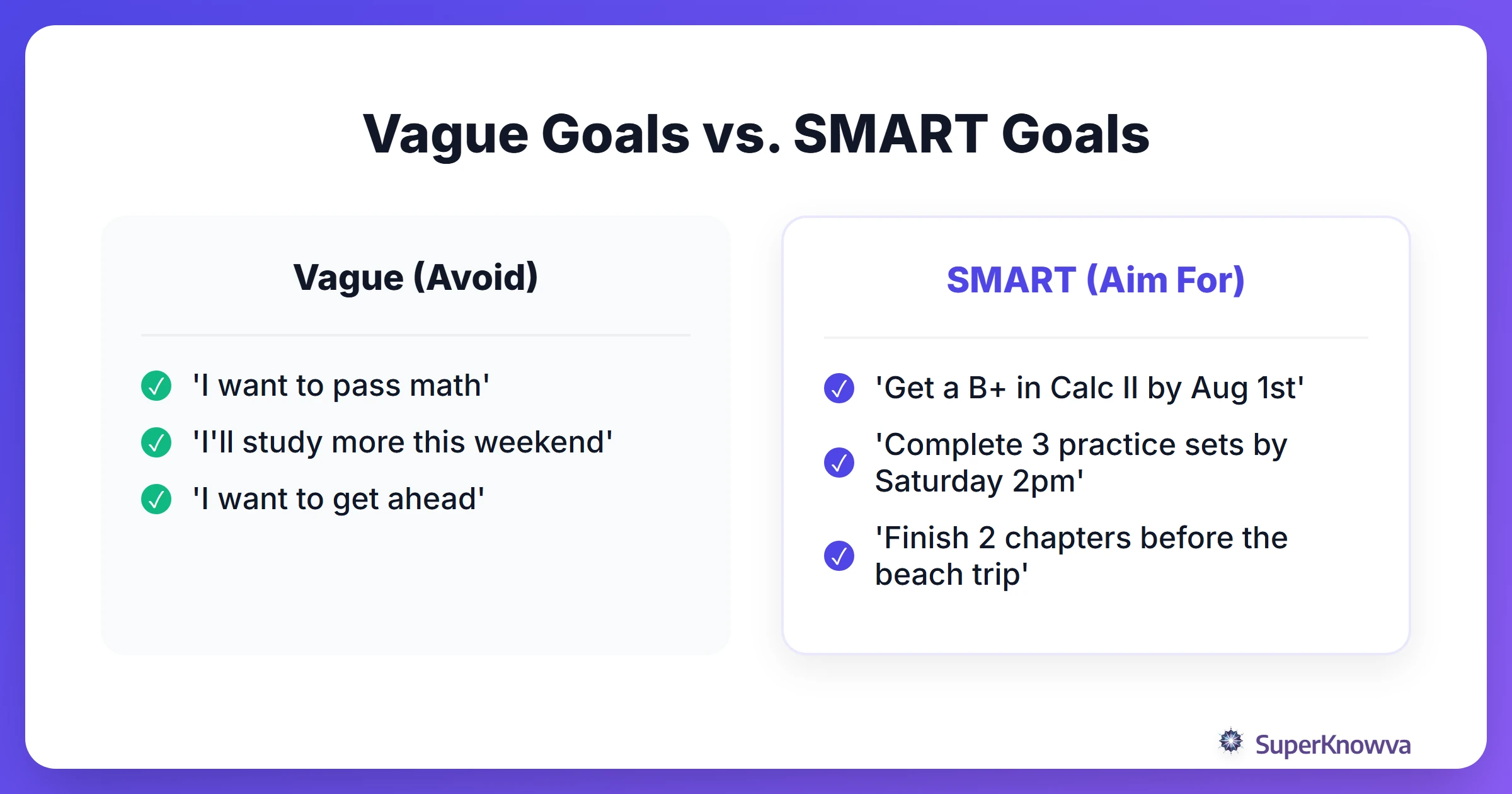
- Specific: Vague goals are where productivity goes to die. Instead of saying, "I want to do well," try, "I want to earn an A in Organic Chemistry."
- Measurable: How do you know you're winning? Give yourself data. This could be maintaining a 90% average on weekly quizzes or finishing three chapters of reading by Wednesday night.
- Achievable: Be real with yourself. Taking three high-level STEM classes in a 6-week window might look good on paper, but is it humanly possible? Make sure your goals don't lead straight to burnout.
- Relevant: Does this class actually move the needle for your degree? If it’s a prerequisite, your goal might be "mastering the fundamentals so I don't drown in next year's advanced courses."
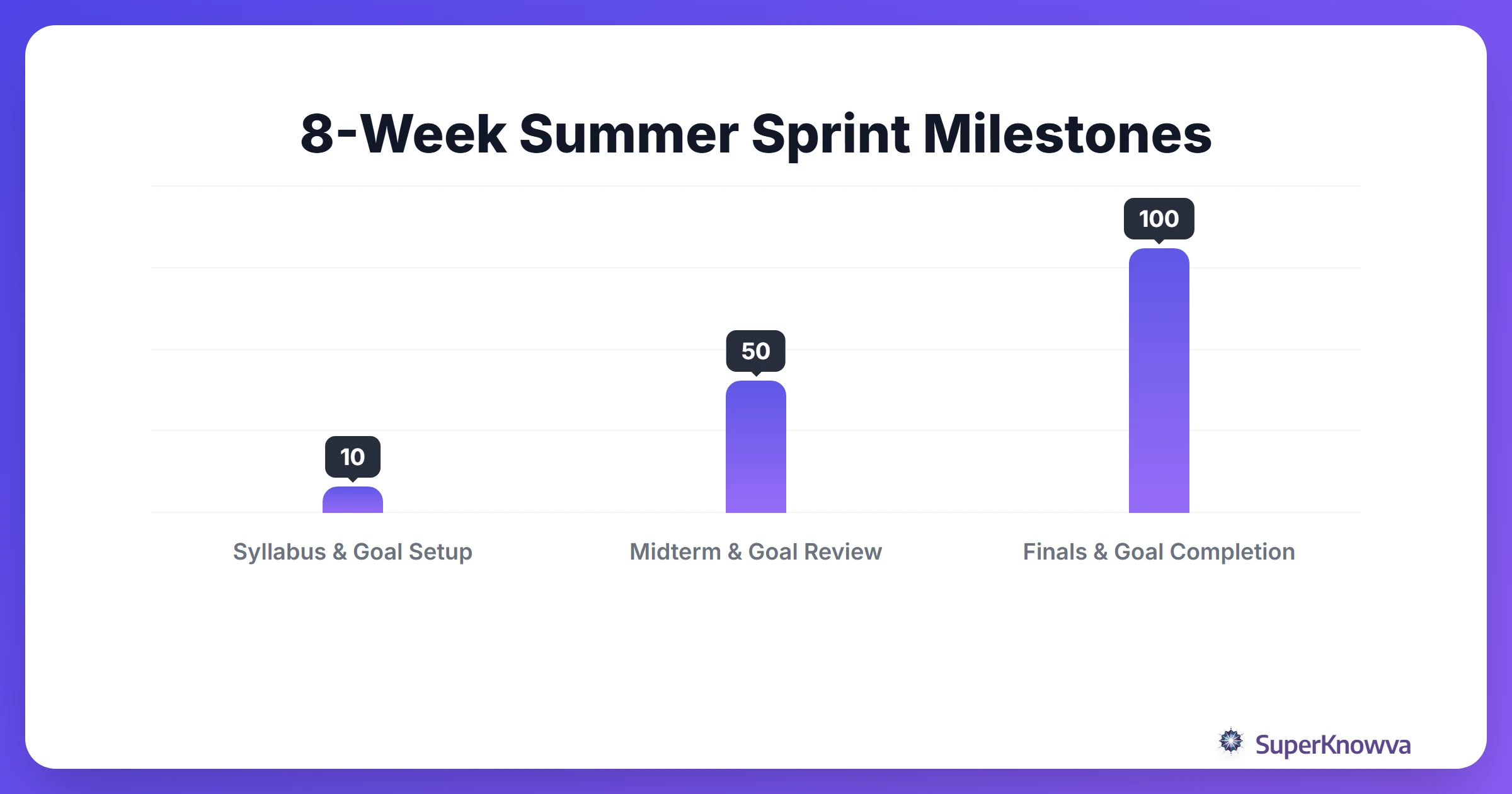
- Time-Bound: Summer moves at 2x speed. Set weekly milestones rather than just one big goal at the end of the term.
Need more examples? Purdue Global's Guide to SMART Goals offers a great breakdown for students at every level.
Specificity: Narrowing Your Focus in a Shorter Term
When the temperature hits 90 degrees, decision fatigue is real. If you sit down with a vague plan to "study for a few hours," your brain will immediately start looking for any excuse to go to the pool. Specificity kills that hesitation. It removes the need to make decisions in the moment.
If you’re struggling to get moving, try the 5-minute rule for students. Tell yourself you’ll work on one tiny, specific task, like outlining a single paragraph, for five minutes. Often, starting is the hardest part. Once the timer goes off, you have already made progress.
By setting specific targets, you lower the mental energy required to get to work. That leaves you with more "brain fuel" to actually enjoy your summer evenings guilt-free.
Measuring Success and Staying Accountable
Because summer is a sprint, you can’t afford to wait until the midterm to see if you’re failing. Measurable goals require a weekly pulse check. Every Sunday, look at your syllabus: Did you hit your targets? If you missed the mark, why?
To keep your progress visible, check out our list of the best study apps for students in 2026. These tools help you track hours, monitor how well you’re actually learning the material, and even gamify the process so it feels less like a grind.
If you find the pace is too fast by Week 3, don’t panic; pivot. An "Achievable" goal is one that pushes you without breaking you. If you’re overwhelmed, shift your goal from "Mastering every tiny detail" to "Securing a solid B+ through focused active recall."
Balancing a High GPA with a Summer Social Life
How do you balance a high GPA with a social life when the sun is out? The secret isn't to lock yourself in a dark room until August. It’s about using the fun as the carrot on the stick.
Try a "Work Hard, Play Hard" approach. If you hit your SMART milestone for the day (e.g., "Finish the practice exam by 2:00 PM"), you go to the BBQ. If you don't, you stay in. It’s that simple.
Pro-Tip: "Eat the Frog" by studying early. If you knock out your toughest academic tasks by noon, your entire afternoon and evening are wide open. You get the grade and the tan.
Tools and Templates for Your Summer SMART Goals
It’s 2026. You don’t have to do this with just a highlighter and a prayer. Digital planners and AI tools help manage the student productivity summer crunch.
- Visual Goal Boards: Keep a digital board above your desk showing your "8-Week Sprint." Seeing the finish line get closer helps when the July heat makes you want to quit.
- AI Study Assistants: Use platforms like SuperKnowva to maximize your efficiency. When time is tight, using AI to generate practice questions from your specific lectures ensures you aren't wasting time on fluff.
- Time-Blockers: Use a calendar to block out "Deep Work" and "Summer Fun." If it’s on the calendar, it’s real.
By using the SMART framework, you aren't just surviving your summer courses; you are mastering them. Set goals, track your progress, and make room for summer memories.