When library walls feel like they are closing in, staring at flickering fluorescent lights makes the world outside look far more inviting. The Summer Solstice is the longest day of the year and the best time to leave the desk and take your books outdoors.
While staying indoors feels like the "productive" choice, the truth is that a change of scenery can actually sharpen your focus. We’ve put together the ultimate guide to outdoor study environment tips to help you soak up the sun without sacrificing your GPA.
The Science of Nature and Learning
There’s a reason you feel a mental "reset" after five minutes in a park. It is not just in your head; it is biology. Research into Designing Learning Environments shows that natural elements drive cognitive growth.
When you move your studying outdoors, you’re tapping into "Attention Restoration Theory" (ART). Think of your brain like a phone battery: urban environments and screens drain it, while nature acts as a fast-charger.
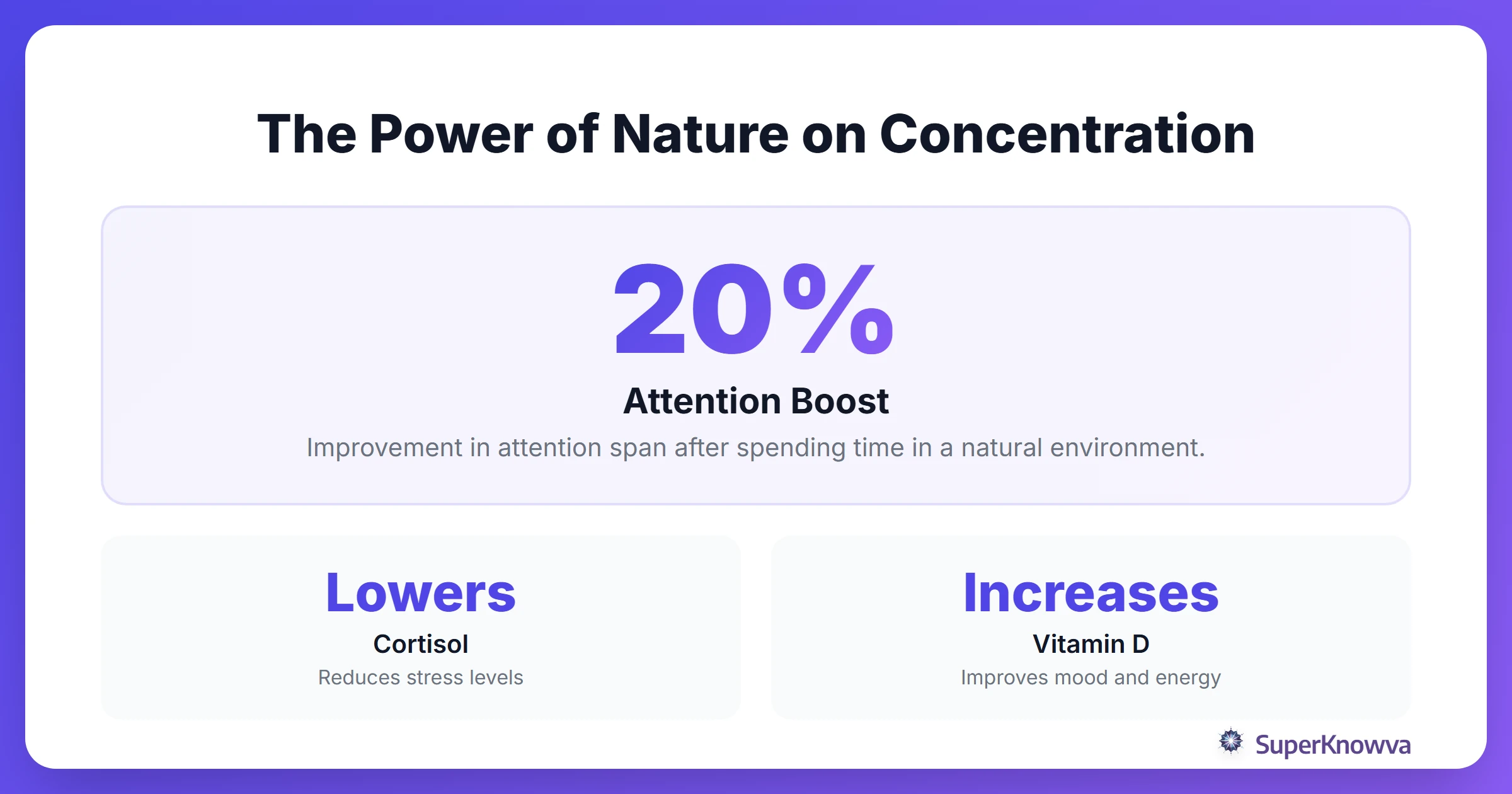
Fresh air and sunlight do more than just improve your mood; they actively drop your cortisol levels. Just as exercise boosts cognitive function, a bit of green space can help you process complex information faster. The Summer Solstice gives you a massive window of daylight to hit that natural "refresh" button.
Finding the Perfect Solstice Spot
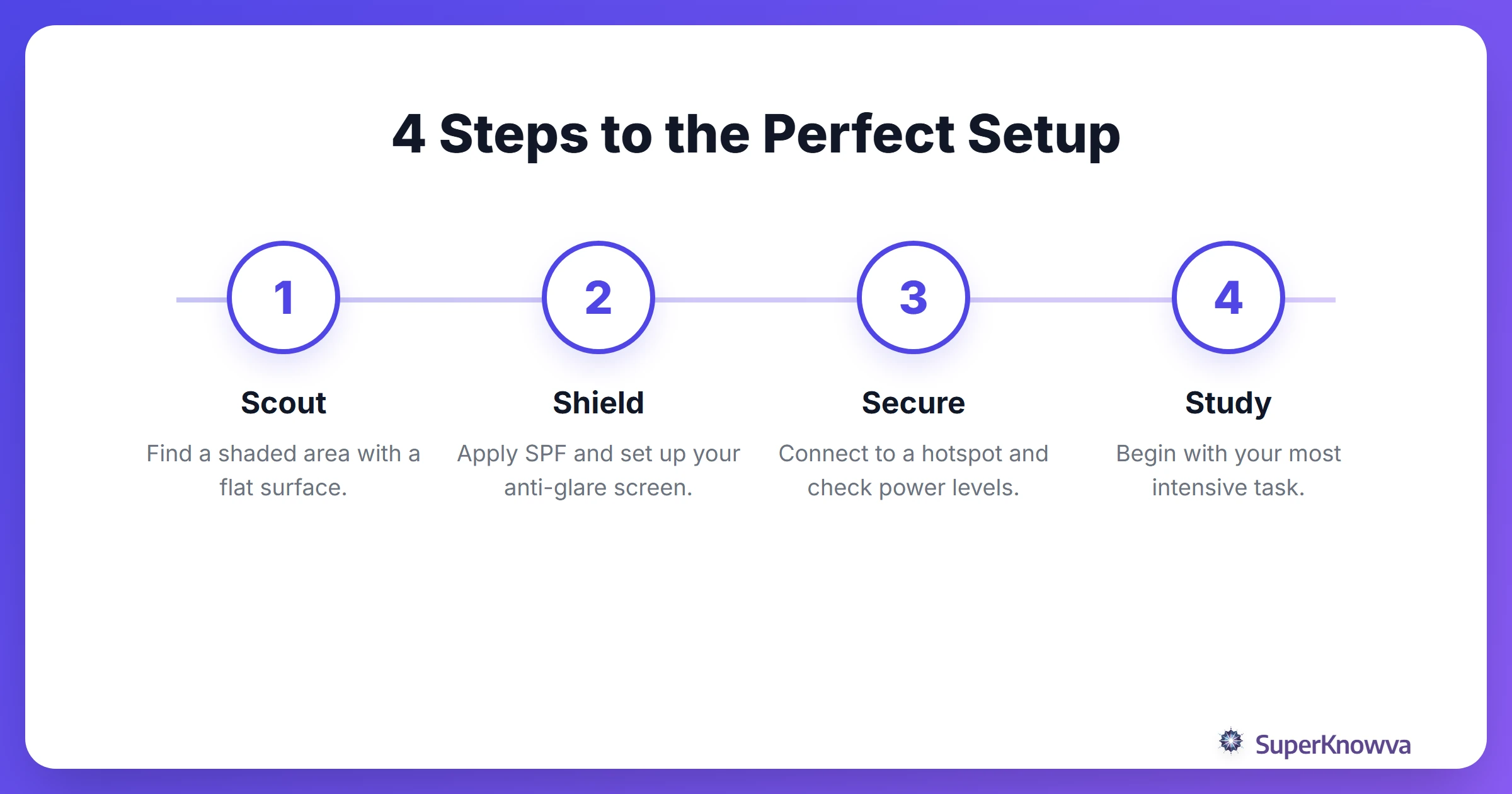
Not every patch of grass is a good workspace. To see those outdoor learning benefits, you have to be strategic. Solstice light is great, but screen glare makes work difficult. Look for dappled shade under a leafy oak tree or a sturdy patio umbrella. You want the brightness without the squinting.
Don't forget about ergonomics. A hammock sounds like a dream, but after twenty minutes of organic chemistry, your neck will disagree. Aim for a stable surface and a chair with actual back support.
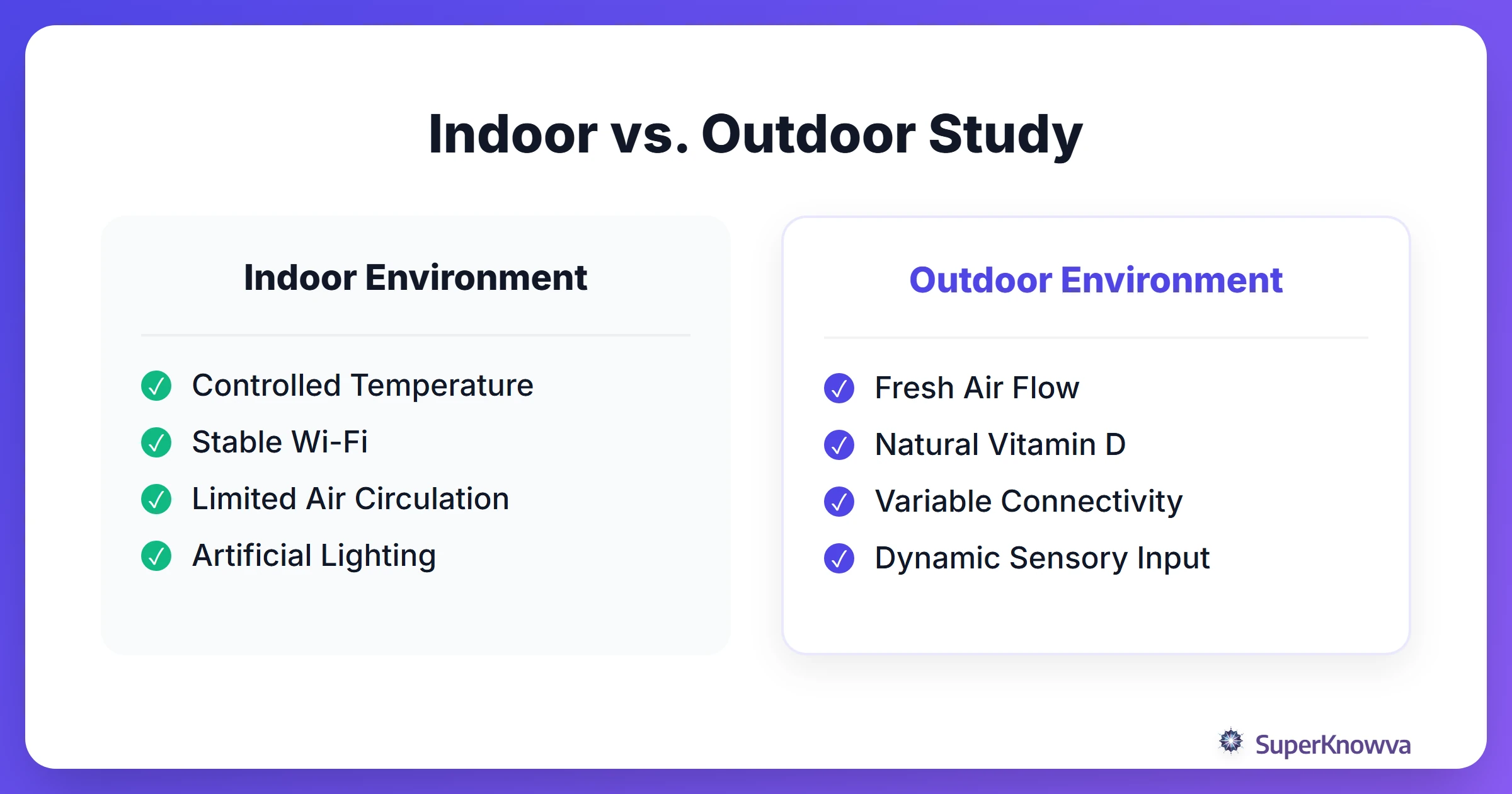
Noise matters, too. That "quiet" park might actually be a hotspot for toddlers or leaf blowers. Find a secluded corner or a low-traffic area of your backyard. If you’re planning to use SuperKnowva, double-check your Wi-Fi signal or make sure your hotspot is ready to go. If the connection is spotty, use the time for heavy reading or active recall. Switching up your environment is one of the best ways to go about preventing student burnout when finals are looming.
Combatting the Elements: Tech and Gear
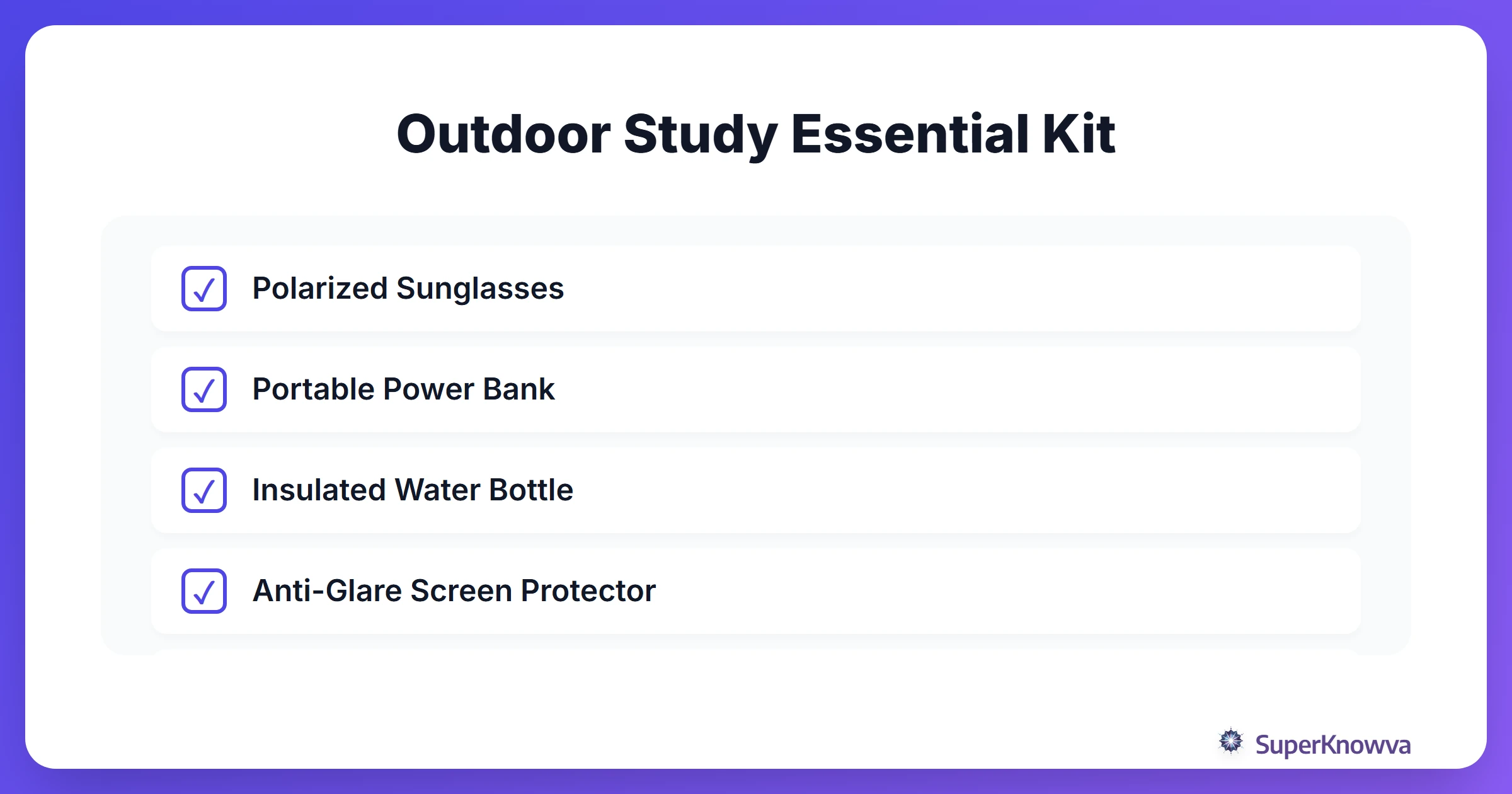
To keep your focus in nature, you have to prepare for the elements. Heat and electronics don't mix well. You’ll likely need to crank your screen brightness to see anything, but fair warning: that’s going to eat your battery alive. An anti-glare screen protector is a small investment that makes a massive difference for a summer solstice study session.
Since outdoor outlets are basically urban legends, bring a high-capacity power bank. To keep yourself from melting, a small portable fan or a damp cooling towel can be a lifesaver. And don't let the local bugs ruin your flow. Grab some DEET-free repellent and stay away from standing water unless you want to spend your study break swatting mosquitoes.
Timing Your Study for Maximum Productivity
The Summer Solstice gives us nearly 15 hours of light, but do not try to work through all of them. You will be exhausted before the sun sets. Instead, aim for the "Golden Hours" of the early morning or late evening. The air is crisp, the light is soft, and you won’t feel like you’re sitting in an oven.
The "danger zone" is typically between 12 PM and 3 PM. That peak heat leads straight to brain fog and lethargy. Use the long day to your advantage by breaking your work into chunks. Tackle the hard stuff, like writing an essay or solving equations, when it’s cool out. Save the easy tasks, like organizing your calendar or flipping through flashcards, for the brighter, hotter periods.
Wellness and Hydration in the Heat
Your brain is about 75% water. Even slight dehydration impairs memory and focus. When studying in the heat, an insulated water bottle is essential.
When you're Creating Outdoor Learning Spaces, pay attention to your surroundings. Part of that is respecting your body’s limits. Pack "brain foods" that won't turn into a melted mess in your bag. Almonds, walnuts, and dried fruit are perfect.

One more thing: SPF is non-negotiable. Even in the shade, UV rays reflect off concrete and water. Don't end your study session with a sunburn. Finally, move around! Every hour, stand up, stretch, and take a quick lap around the park to keep the blood flowing.
Overcoming Environmental Distractions
Nature is noisy. The wind in the trees is great, but the neighbor’s lawnmower? Not so much. Noise-canceling headphones are your best friend here. If you’re in a public space, set some boundaries. If friends or family are around, let them know you’re in "the zone" so they don't pop over for a chat every ten minutes.
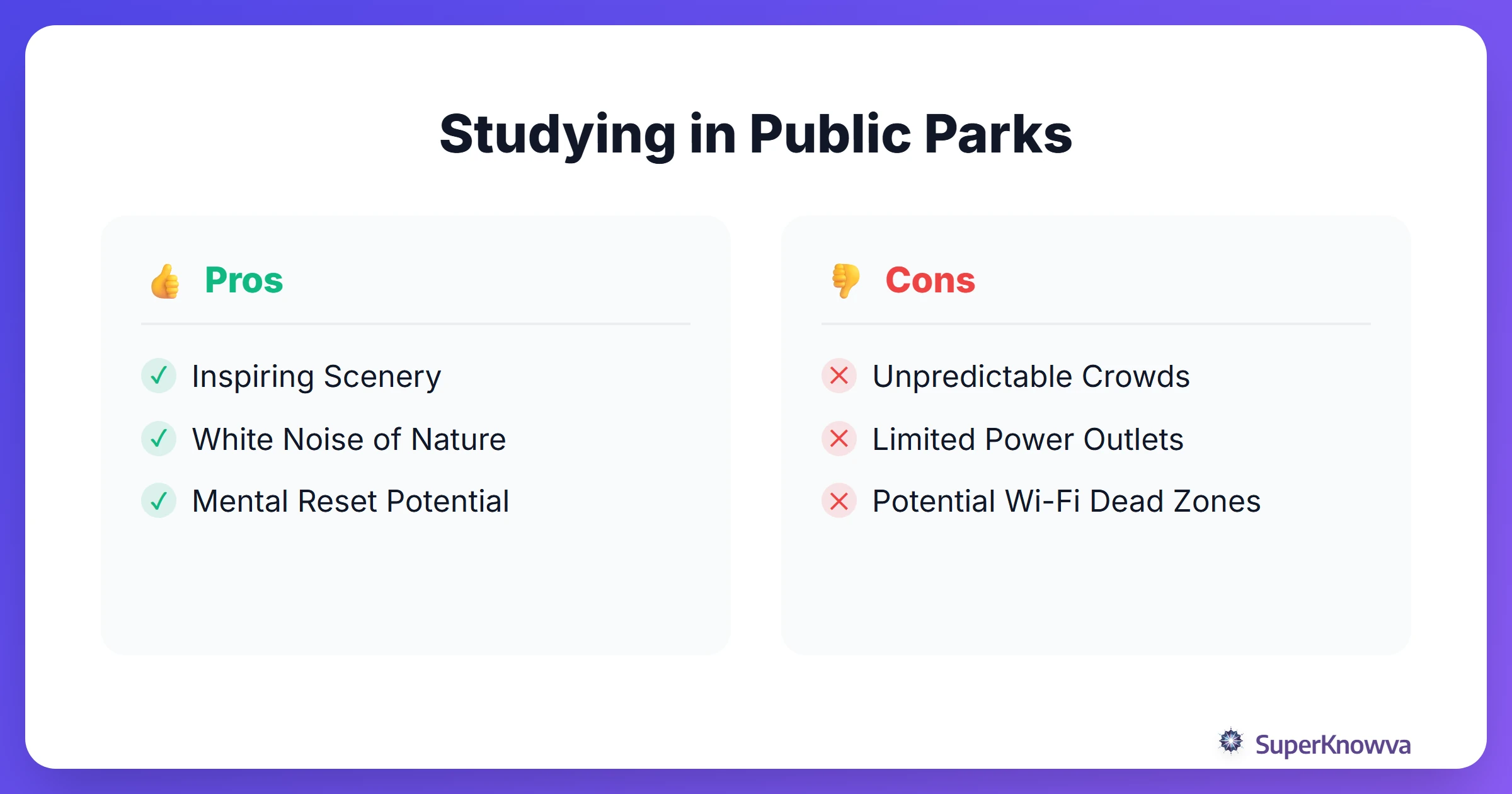
If you find your mind wandering, try these simple meditation techniques to get back on track. Use the sounds of nature as a background hum rather than a distraction. To make the transition easier, keep a "mobile study kit" packed and ready to go. Having your laptop, chargers, and notebooks in one bag means you can head outside the moment the inspiration strikes.
By using these outdoor study environment tips, you can turn the Summer Solstice into your most productive day of the season. Grab your gear, find some shade, and let the fresh air do the heavy lifting for your brain.