Congratulations, Class of 2026! You’ve spent the last few years becoming an expert at being a student. You’ve mastered the art of the 2:00 AM library session, decoded complex grading rubrics, and successfully handled the chaos of campus life. But as you trade your graduation gown for business casual, you’re about to face a reality that a textbook can’t prepare you for.
The secret to early career success? It’s not just about what’s on your diploma. It’s about the student to professional mindset transition.
Moving from academia to a fast-paced corporate environment requires a shift in perspective. It changes how you think, how you act, and most importantly, how you communicate. Here is how to manage the campus to corporate transition.
The Core Shift: From Grades to Results
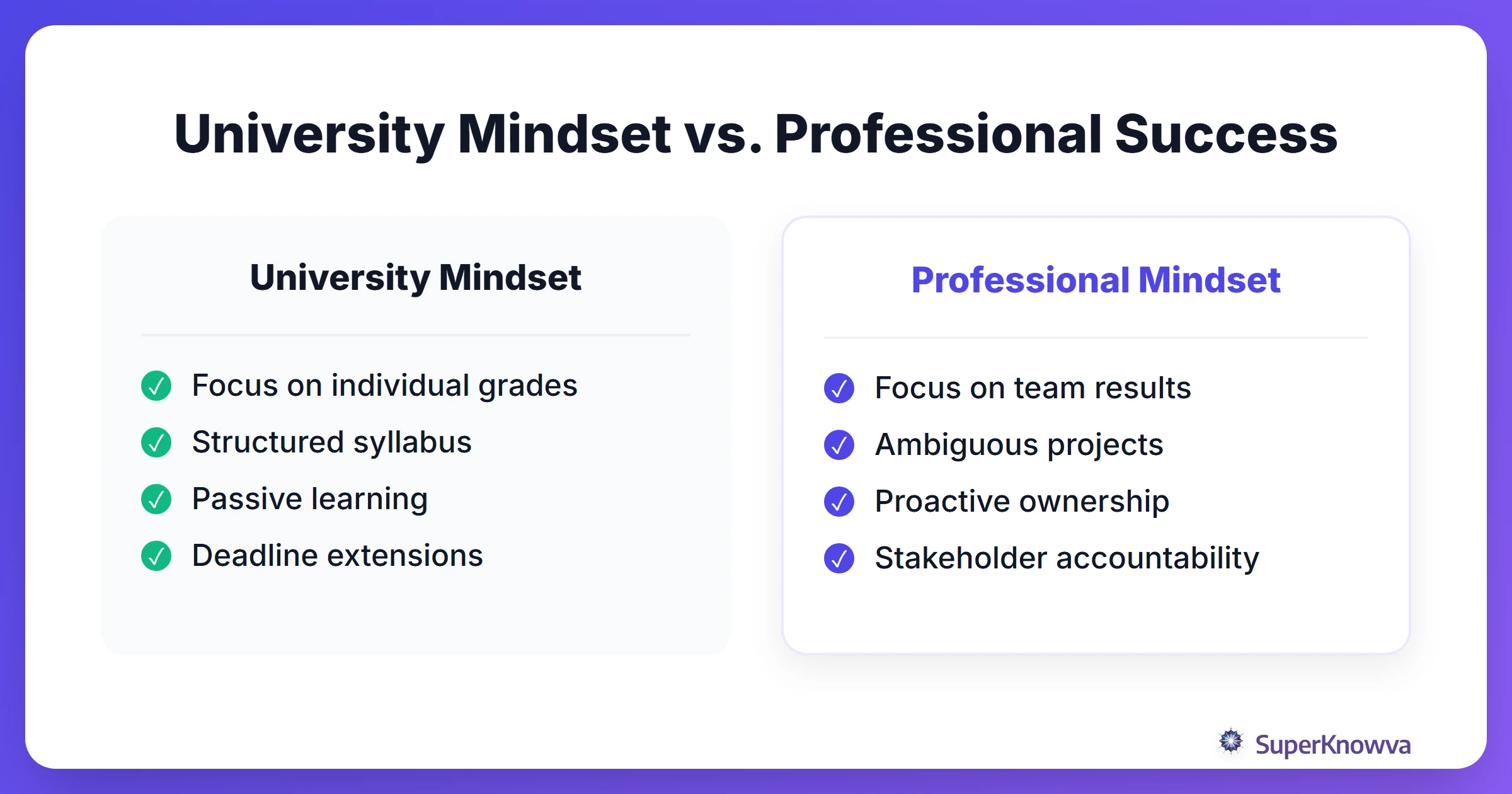
In college, your world revolved around personal achievement. Your success was a letter grade, and that grade was yours alone. In the workplace, that script gets flipped. The focus is now entirely on organizational outcomes.
Suddenly, it doesn’t matter how hard you studied the "material." What matters is how your work moves the needle for the company’s bottom line or solves a problem for a client.
One of the hardest parts of career readiness for the class of 2026 is breaking the "syllabus habit." In a classroom, you’re given a roadmap with clear deadlines and specific instructions. In the professional world? Projects are often a bit of a mystery. You might be handed a goal with zero instructions on how to reach it. Success here means getting comfortable with that gray area and figuring out the "how" on your own.
Remember "showing your work"? In a math exam, it was just to prove you didn't cheat. In a professional team, it is a transparency necessity. Keeping your manager in the loop isn't "tattling" on yourself; it is how you prevent double-work and keep the project moving.
Accountability and Ownership: No More Extensions
Professionalism is really just a fancy word for high-level accountability. Think about it: in school, if you blew off an assignment, the only person who suffered was you. In a job, your "assignments" are the foundation for someone else’s work. If you drop the ball, the whole team trips.
Stop thinking about "completing tasks" and start thinking about "owning results." What's the difference? A student mindset sees a problem and asks for an extension. A professional mindset sees a snag, flags it early, and walks into the manager’s office with two potential solutions already in hand.
Reliability is your new currency. Being five minutes late to a lecture might be the norm, but being five minutes late to a client call can tank a multi-million dollar relationship. If you're feeling the friction of these new expectations, check out our guide on the campus to corporate transition.
Communication: Trading Slang for Strategy
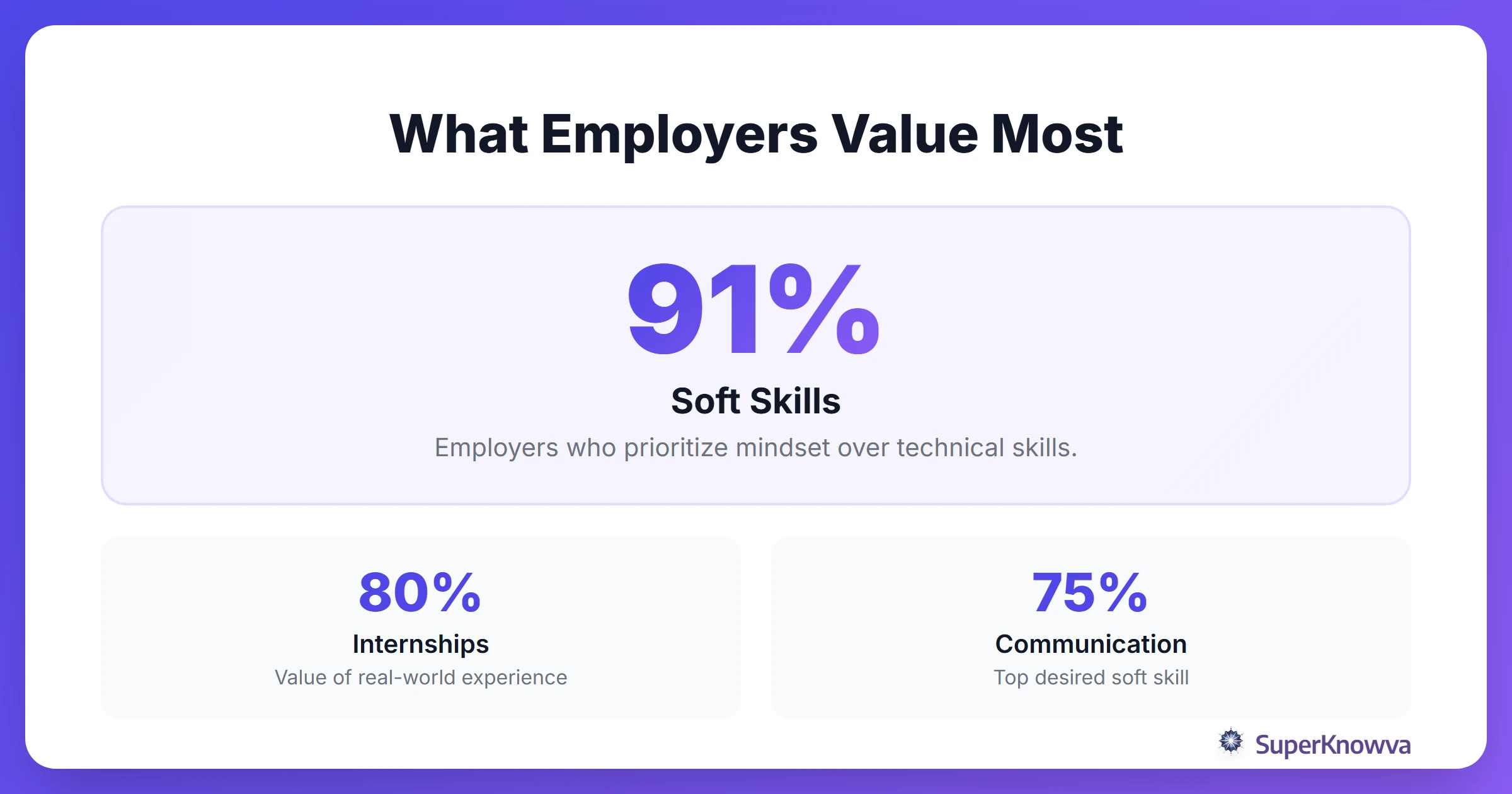
We all love a quick Discord chat or a shorthand text, but the workplace demands a different frequency. Effective communication is consistently ranked as the top soft skills for employment, yet it’s often the one new grads struggle with most.
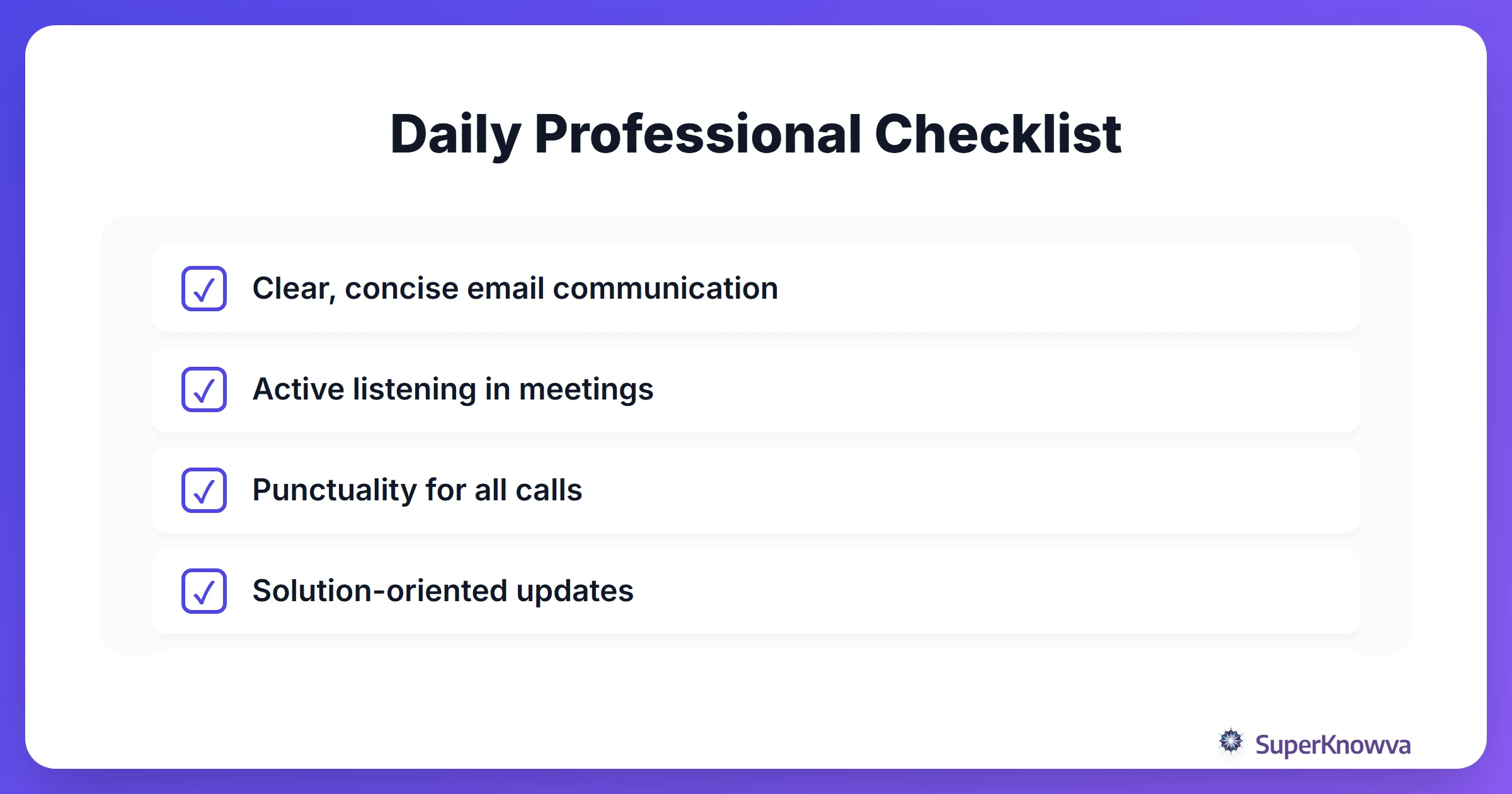
- The Inbox is Your Office: Write professional emails. Use clear subject lines, a proper greeting (no "Hey!"), and get to the point. On Slack or Teams, stay professional. It might feel like social media, but your HR department sees it differently.
- Active Listening: Don’t just wait for your turn to talk. Take notes. It sounds simple, but it shows you’re engaged and prevents you from asking the same question twice.
- The Feedback Loop: In school, feedback is a final grade, marking the end of the road. In an office, constructive feedback is a tool for growth. Don't take it personally; use it as a guide for your next promotion. Experts have identified 8 Ways to Transition from Student Life to Working Life, and bridging this communication gap is a priority.
Proactivity: The End of Passive Learning
The days of "waiting to be told what to do" are officially over. If you want to stand out, you have to be proactive. Instead of sitting at your desk waiting for a task, look for the gaps. Is there a process that’s broken? A file that needs organizing? A research gap that needs filling?
To be proactive without being a nuisance, use the 15-minute rule: If you hit a wall, spend 15 minutes trying to solve it yourself. Check the internal docs, use Google, or look at past projects. If you’re still stuck, then ask for help. This shows your colleagues that you value their time and have the initiative to find your own answers.
This kind of initiative is a core part of the "soft skills" that are becoming even more vital as AI changes the workplace. You can see what else recruiters are hunting for in our post on Soft Skills Employers Look For.
Time Management: Marathons, Not Sprints
The "all-nighter" is a college rite of passage, but it’s a career killer. The workplace isn't a series of sprints ending in finals week; it’s a marathon that requires consistency.
You’ll likely be juggling five different stakeholders and ten competing deadlines at once. To survive, you have to learn the difference between Deep Work (undistracted time for the hard stuff) and Shallow Work (emails and meetings). Even seasoned pros struggle with this, which is why mentors are so important. Social work experts emphasize that finding a mentor is one of the best ways of Transitioning Smoothly into Professional Practice.
Building Your Professional Identity
Your first 90 days are about more than the work; they are about establishing your reputation. Every office has unwritten rules: the culture, social cues, and how people actually get things done. Pay attention to the office dynamics as much as the data.
Networking isn't just for LinkedIn; it’s for the breakroom, too. Your colleagues are your best resources for learning the ropes. Start building those bridges early by following our networking guide for students.
Finally, take a look at your digital footprint. Does your online presence match your new professional title? If not, it’s time for a refresh. Check out our tips on personal branding for students to make sure your social profiles aren't holding you back.
Final Thoughts
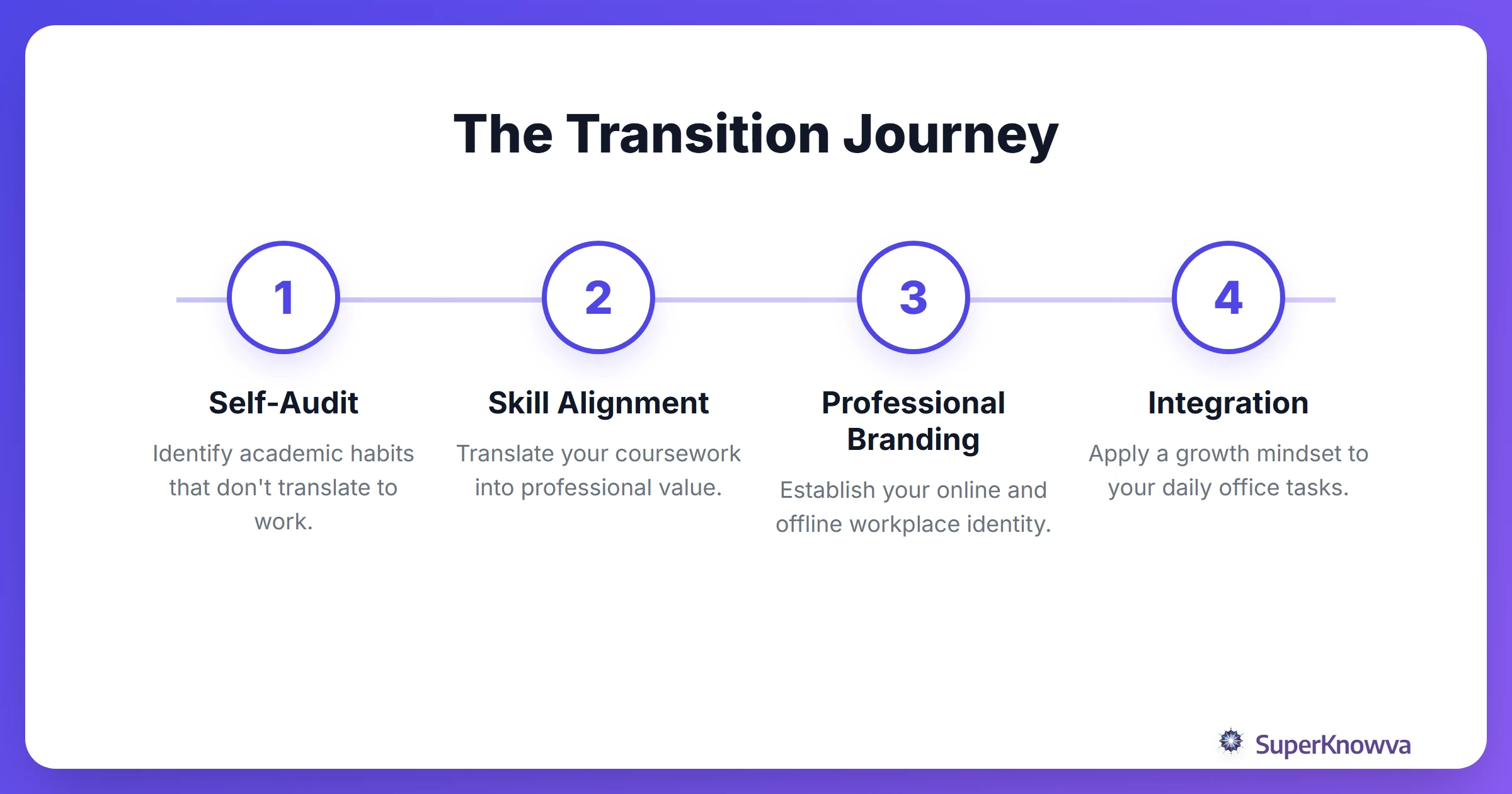
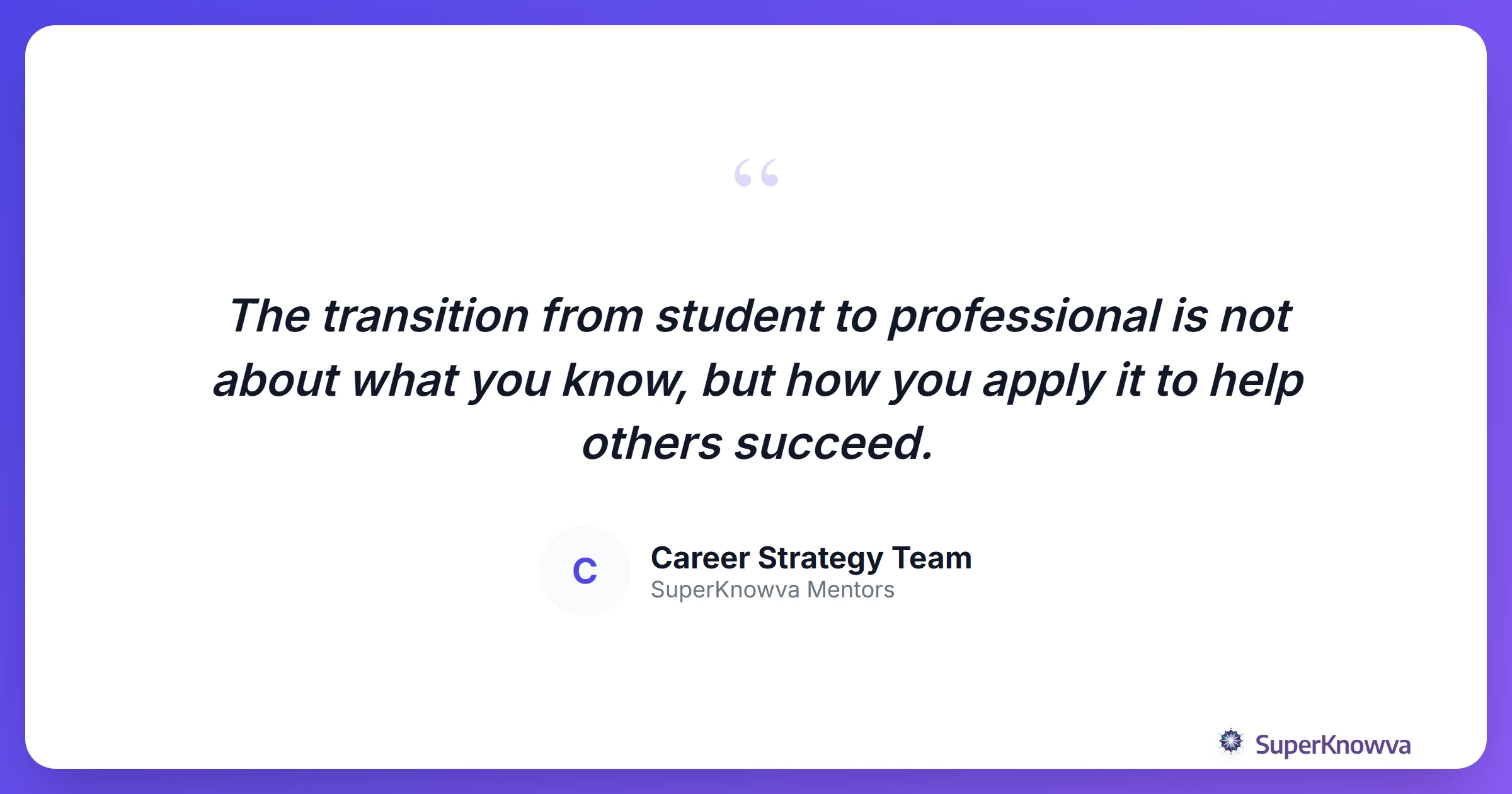
The transition from student to professional doesn’t happen the moment you get your diploma. It is built through small, daily adjustments. By focusing on results, taking real ownership of your work, and staying proactive, the Class of 2026 can turn academic potential into a strong career. See you in the boardroom!