As we celebrate Juneteenth, we’re reflecting on a day that marks the end of one era of injustice and the start of a long, often difficult path toward true equality. But let’s be honest: while the physical chains of the past are gone, the modern struggle for freedom has moved. It’s now happening in our classrooms and on our digital screens.
In the 21st century, social justice in education technology is the new frontier. It’s about making sure that every student, no matter their zip code or background, actually has the tools they need to succeed.
At SuperKnowva, we believe education isn't a privilege; it’s a fundamental human right. For far too long, the best academic resources have been locked behind expensive paywalls or reserved for those in the wealthiest school districts. We’re here to change that. By using artificial intelligence to bridge the gap, we’re working to democratize access to elite study tools and build a future that’s actually equitable for every learner.
Juneteenth and the Modern Struggle for Educational Equity
The history of Juneteenth is tied directly to the right to learn. For centuries, literacy was "forbidden fruit" for enslaved people. Oppressors knew that knowledge was the ultimate tool for liberation. When the news of freedom finally reached Galveston, Texas, in 1865, one of the first things the newly emancipated did was build schools. They knew that to stay free, they had to be educated.
Today, social justice in digital learning means ensuring technology doesn't become a new wall. Educational equity isn't just about having a seat in a classroom anymore. It’s about having access to the same advanced tools that define success in the modern world. By bringing AI-powered study platforms to a global audience, we’re trying to honor that Juneteenth legacy, breaking down the barriers that keep marginalized communities from reaching their full potential.
Breaking the Digital Divide: AI as a Tool for Inclusion
We often talk about the "digital divide" in terms of who has a laptop and who doesn't. But have you heard of the "participation gap"? It’s just as critical. Even when students have the hardware, they often lack the personalized support that wealthier peers get through private tutoring. This is where AI becomes a massive engine for digital inclusion.
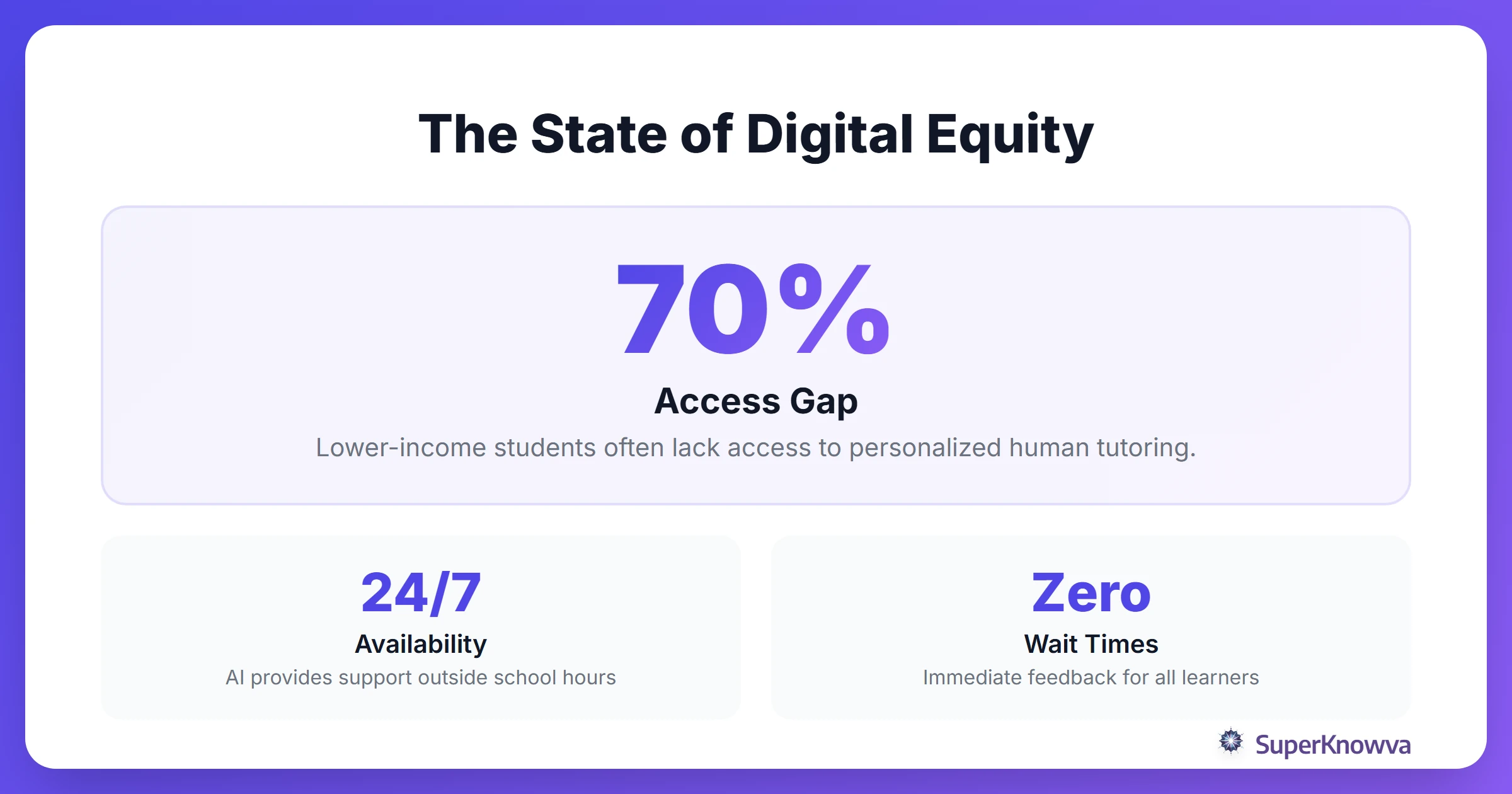
Think about the cost. A private tutor can easily run you $100 an hour. Most families can’t afford that. An AI tutor, however, is available 24/7 for a fraction of that cost, or even for free.
We also know that for many students in underserved communities, a smartphone is their only computer. You shouldn’t need a $2,000 MacBook to get an A. By prioritizing mobile-first AI tools, we make it possible for students to study effectively while on the bus, during a break at a part-time job, or in a home without a dedicated desk.
Inclusive Design: Supporting Diverse Learning Needs
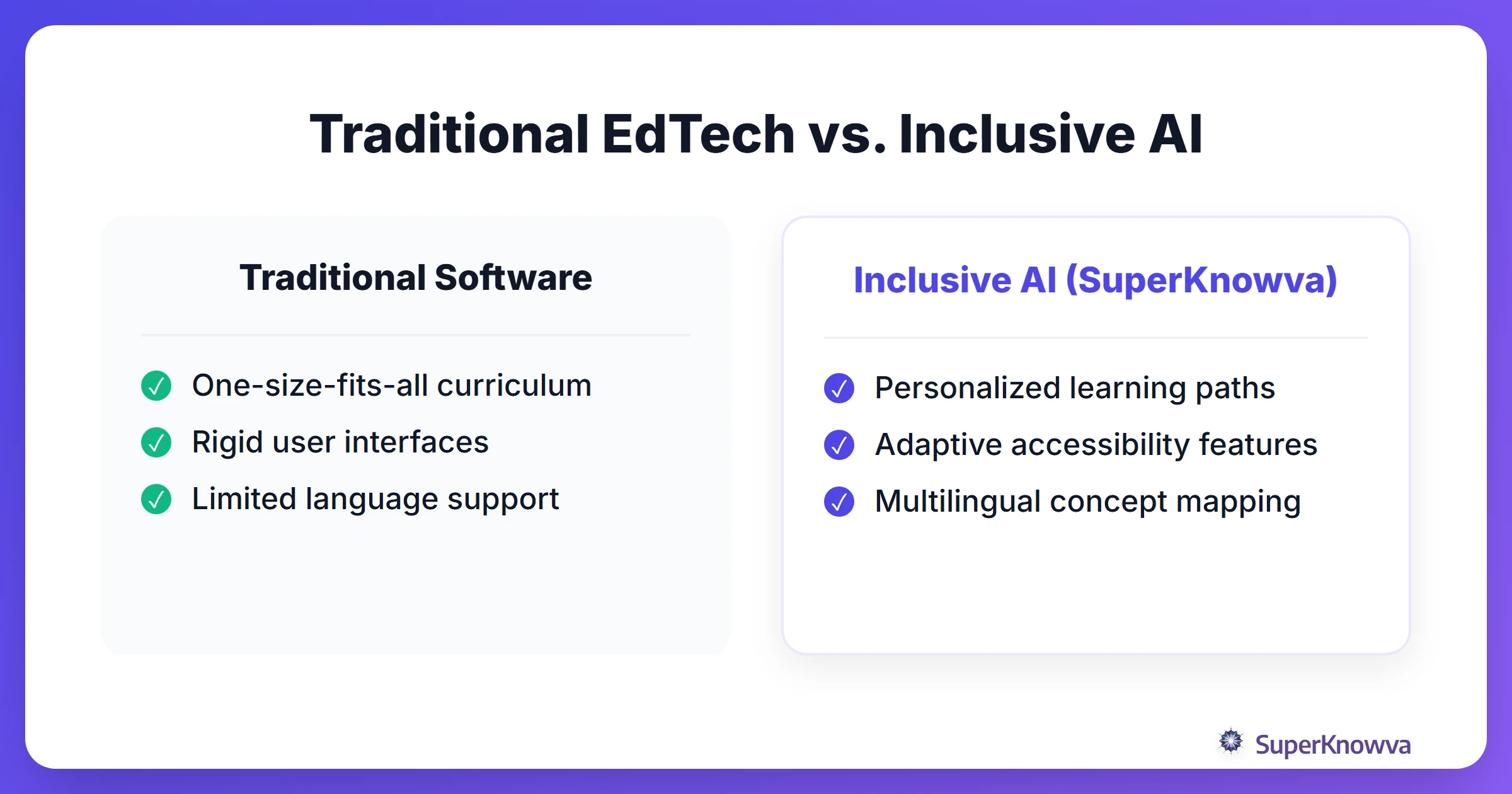
Equity isn't just about access; it’s about inclusive learning technology that actually reflects the real world. Have you ever used software that felt like it wasn't built for you? Traditional educational tools often rely on Eurocentric examples or rigid structures that can make students from diverse backgrounds feel like outsiders. AI gives us the chance to pivot toward content that is culturally representative and adaptable.
Inclusive design is a cornerstone of social justice. For example, how AI supports students with disabilities can completely level the playing field. Whether it’s voice-to-text for students with motor impairments or simplified interfaces for neurodivergent learners, AI creates a space that fits the student, rather than forcing the student to fit the space.
We also believe we must integrate AI and emotional intelligence in learning to support student well-being. When an AI can sense that a student is frustrated and adjusts its tone or difficulty, it creates a safer, more supportive environment for those who might already feel marginalized by traditional systems.
Confronting Algorithmic Bias in Educational AI
We have to be real: technology isn't automatically neutral. Algorithmic bias in education happens when the data used to train AI reflects the prejudices of the people who built it. If an AI is only trained on data from elite prep schools, it’s going to struggle to understand the life experiences or linguistic nuances of students from different backgrounds.
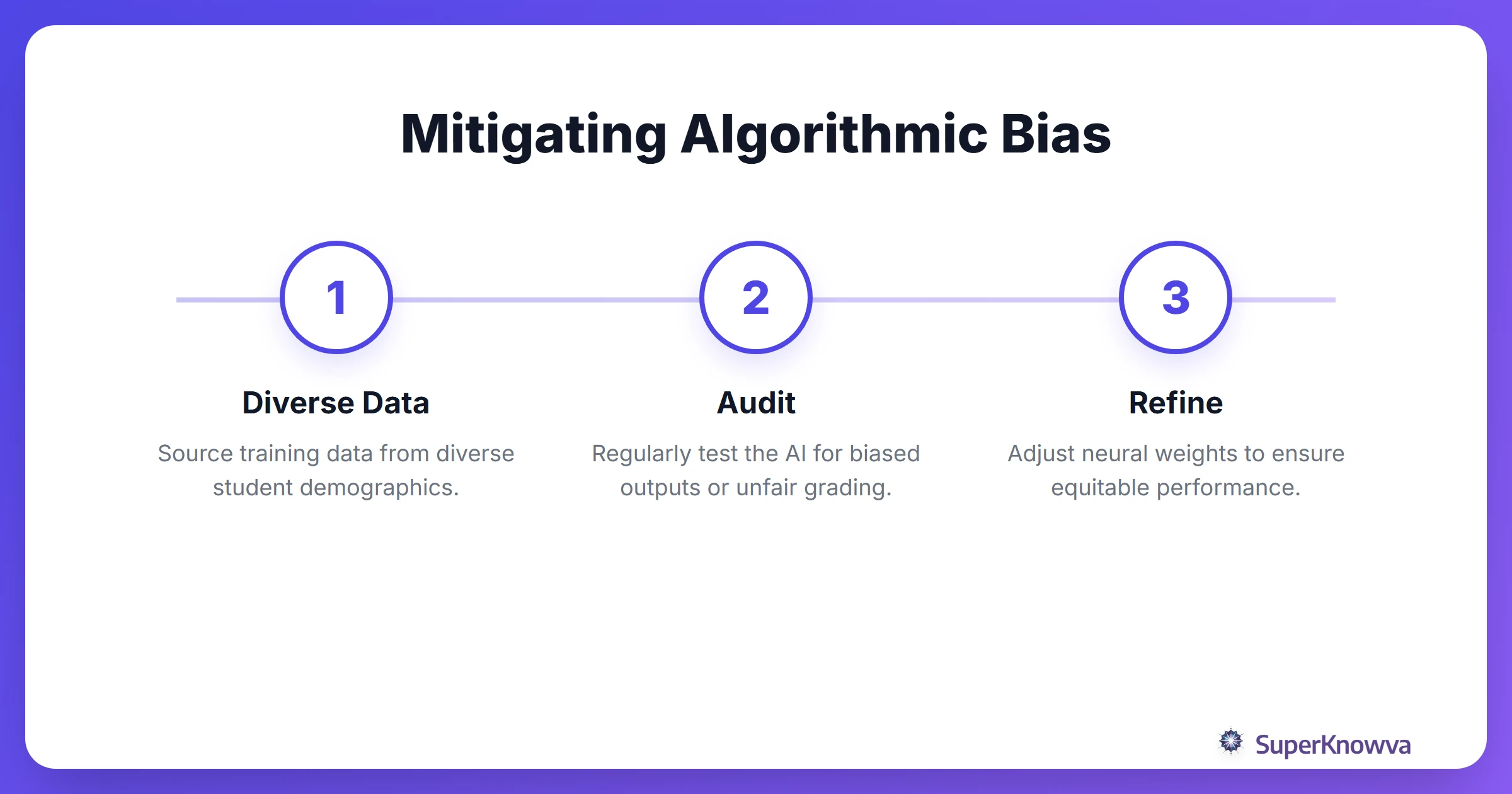
At SuperKnowva, we advocate for "Justice-Oriented" AI development. To us, that means:
- Diverse Data Sourcing: Making sure training data includes a wide range of voices and demographics.
- Regular Audits: Constantly testing our software for unfair grading patterns or biased outputs.
- Transparency: Being open about how our algorithms work and where we still need to improve.
If we identify and fix these biases now, AI can be a ladder for advancement instead of a gatekeeper.
Supporting Students through AI Literacy and Advocacy
True social justice means moving students from being consumers of technology to being the creators of it. We want to see marginalized students leading the next wave of AI innovation. That starts with AI literacy, teaching students not just how to use these tools, but how they actually work and how to demand they be used fairly.
Tools like AI-powered note taking help students stay organized, giving them the mental bandwidth to focus on higher-level research and advocacy. We’re also seeing universities step up, offering programs like the MSc in Education (Digital and Social Change) to tackle these issues head-on. For educators, pursuing a Certificate in Social Justice Education is a powerful way to better support marginalized groups in this new digital environment.
A Roadmap for Socially Just EdTech Implementation
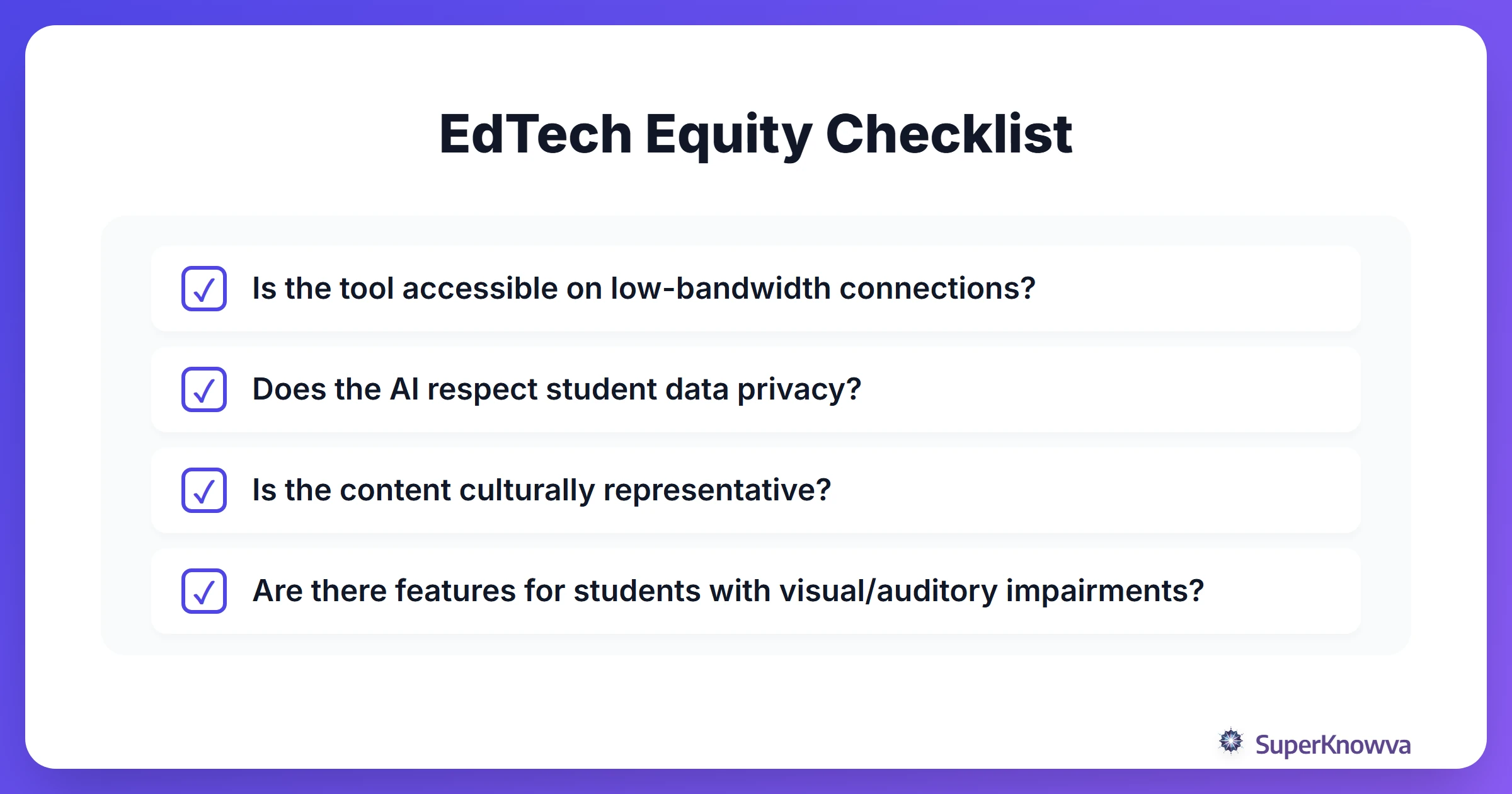
Looking ahead, the goal is simple: make AI for accessibility and equity the standard, not the exception. For schools looking to bring in new tools, we’ve put together a checklist to ensure these technologies actually serve the cause of justice.
But it’s not just about the software. We need to invest in professional development for teachers. Educators need the training to manage this digital shift and help their students understand the ethics of an AI-driven world.
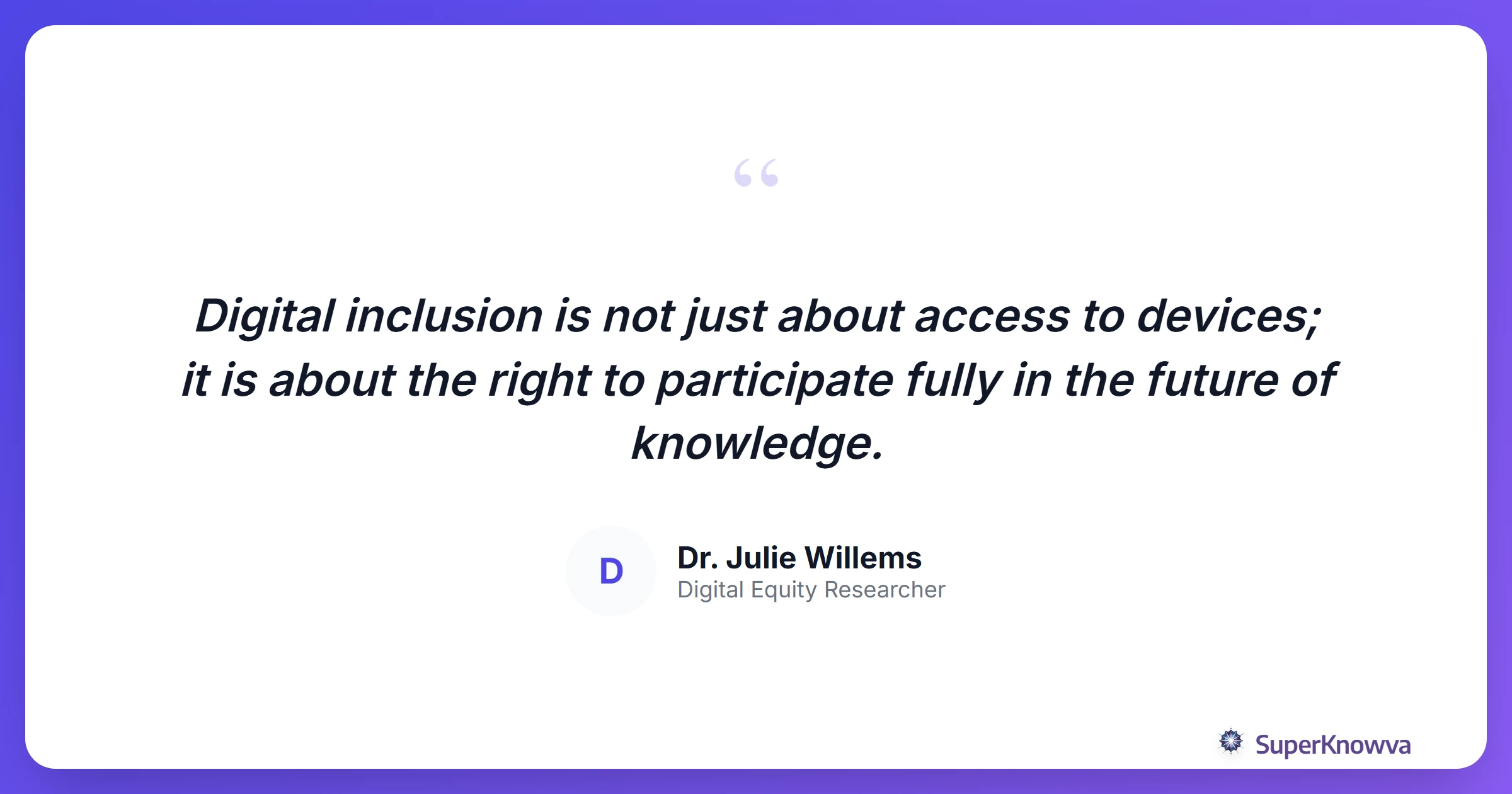
The future of AI in education is bright, but only if we are intentional about steering it toward justice. This Juneteenth, let’s commit to a world where the power of knowledge is truly open to everyone; where technology serves as a bridge, not a barrier, to the dream of equality.