You’ve finally made it. You’re sitting in that dream lecture hall abroad, but there’s one problem: the professor is speaking at 100mph, and your brain is still stuck translating the first slide. It’s a sinking feeling. Whether it’s missing the punchline of a joke or staring at a blank page struggling with "academic" English, the obstacles are real.
But here’s the good news: you don't have to just "get by" anymore. The rise of generative technology is fundamentally breaking language barriers with AI, helping international students move from surviving to actually thriving in English-speaking universities.
At SuperKnowva, we believe your success should be defined by your ideas and your grit, not just your English proficiency. Let’s look at how AI is finally leveling the playing field.
Beyond the Pocket Dictionary: The Evolution of Translation
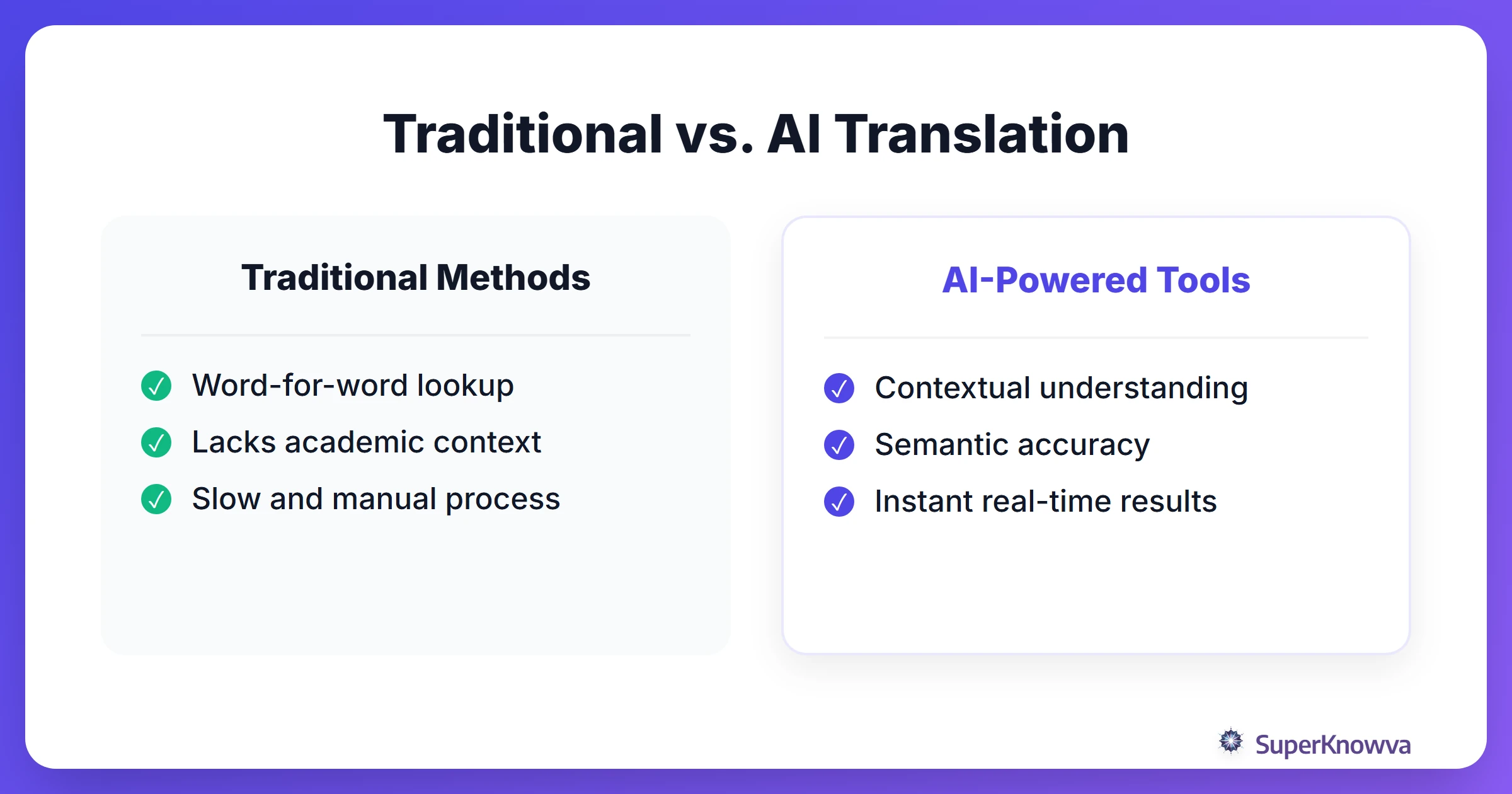
Remember those clunky bilingual dictionaries? Or basic digital translators that turned your sophisticated thoughts into word-salad? For years, students were stuck with tools that were frustratingly literal. If you’ve ever tried to translate a complex thesis statement word-for-word, you know exactly how much gets "lost in translation."
Modern Large Language Models (LLMs) have changed the game. Unlike the old tools, AI now understands intent and context. It knows that a "cell" in a biology lab is very different from a "cell" in a sociology paper about prison reform. By using context-aware AI, you can keep the nuance of your original thoughts while expressing them fluently in English.
Keeping Up in the Classroom: Real-Time Communication
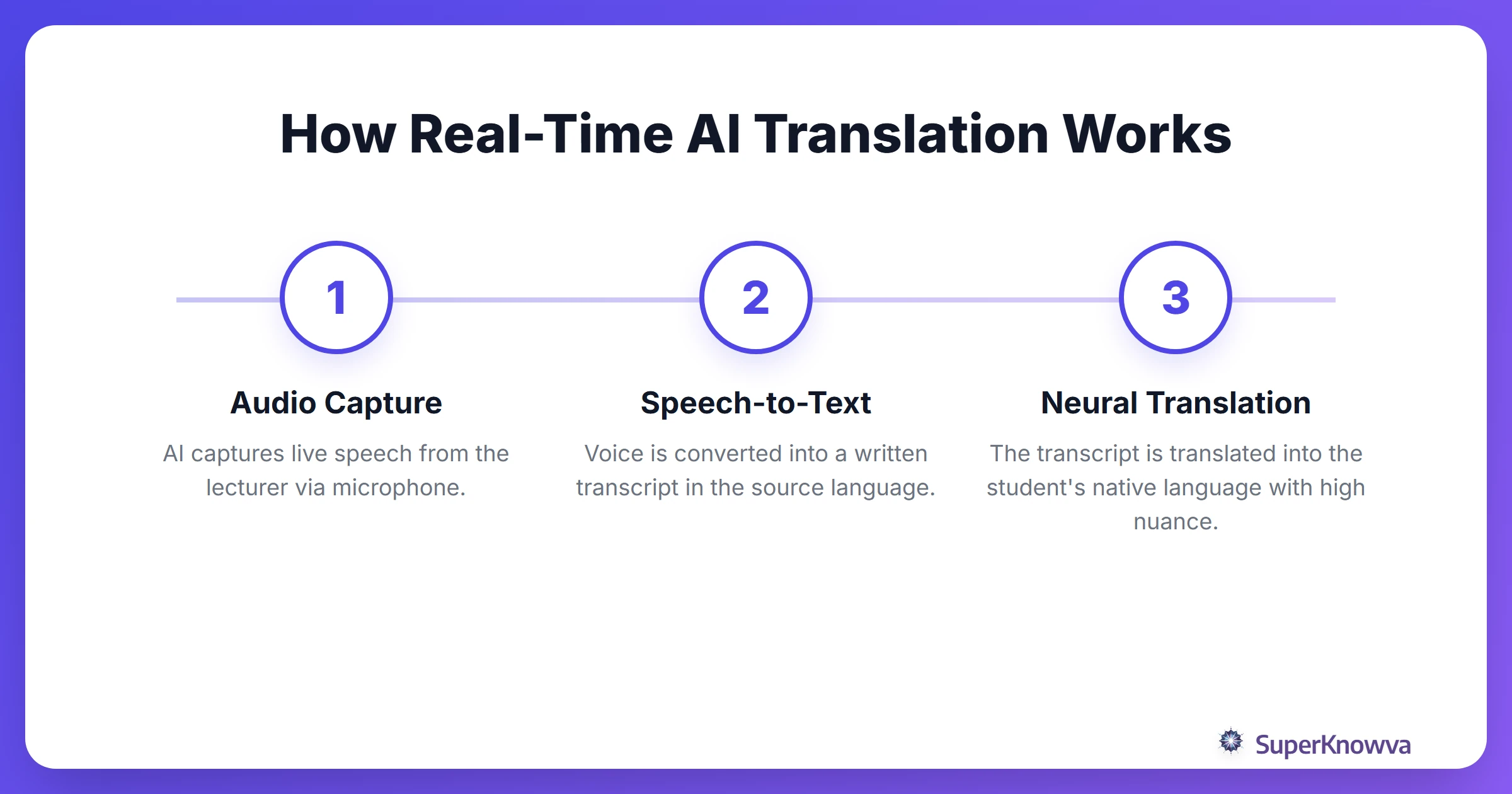
The biggest hurdle? The speed of spoken English. When a lecturer has a thick accent or talks like they’re in a race, keeping up feels impossible. This is where AI-Powered Note Taking and real-time transcription save the day.
Tools like DeepL and AI Communications and features found in Samsung Galaxy AI allow you to capture live speech and turn it into text instantly. These aren't just transcribing; they can translate on the fly. This means you can follow a seminar in your native language while simultaneously watching the English transcript to sharpen your listening skills. It’s like having a personal interpreter sitting right next to you.
Finding Your Voice: Writing Beyond Basic Spellcheck
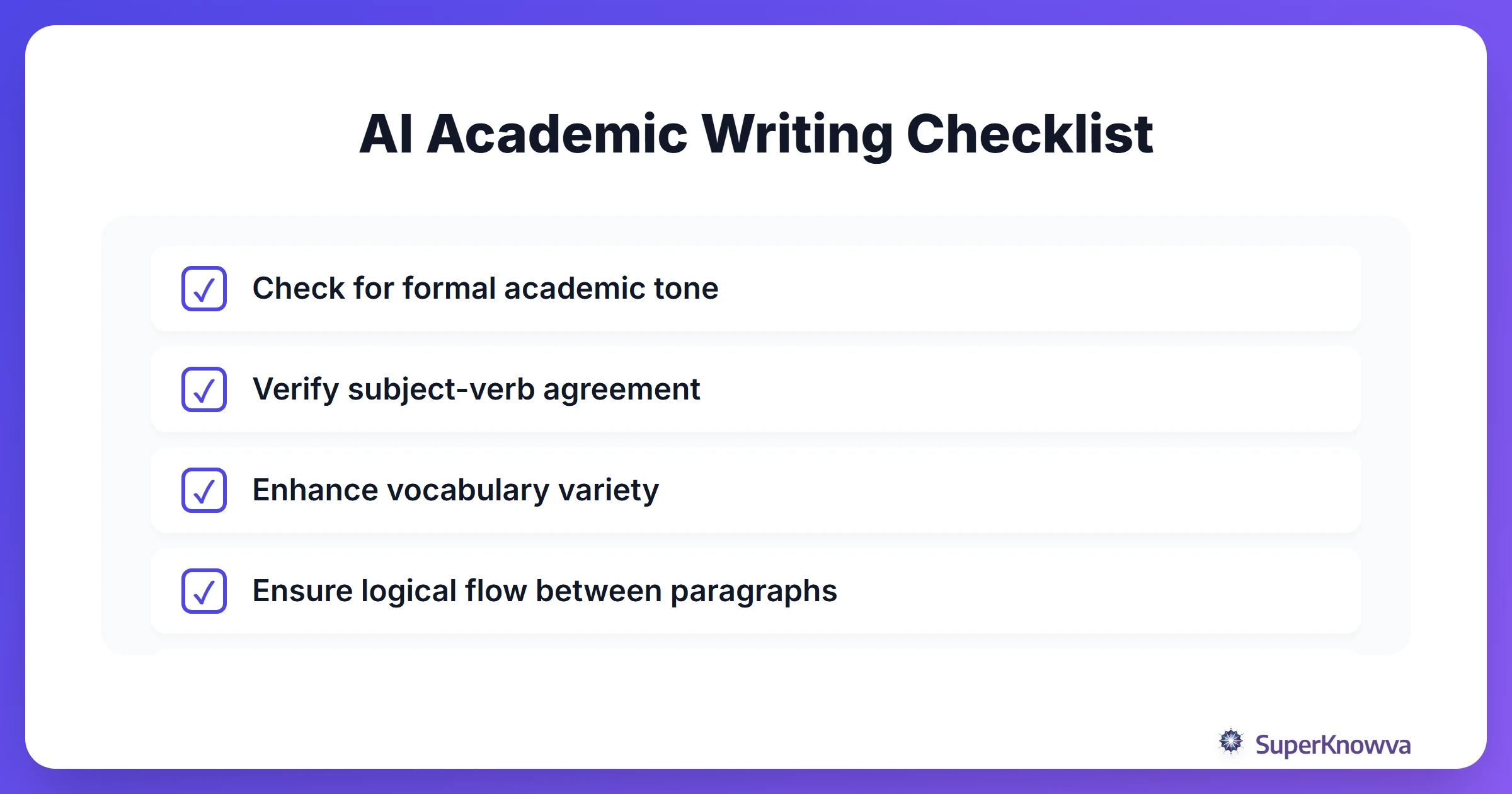
University-level writing is about more than just avoiding typos; it’s about finding that elusive "academic voice." Many English as a Second Language AI tools have moved far beyond grammar correction. They’ve become stylistic coaches.
Instead of just fixing a comma, AI can suggest ways to make a sentence sound more formal or point out where your transition between ideas is a bit shaky. The goal isn't to let the AI write the paper for you. The goal is to use it as a mentor to learn the patterns of academic phrasing. You keep your unique perspective; the AI just helps you polish the delivery.
The 'Hidden' Barrier: Cultural Context and Etiquette
Language is more than just words; it is culture. International students often struggle with hidden rules, such as how to phrase an email to a professor without sounding too blunt or too formal. While early AI models were often English-centric, recent breakthroughs in Translation Augmented Generation in LLMs are addressing these nuances.
These modern systems are much better at interpreting cultural idioms and providing advice on academic etiquette. They help you adapt to the environment, ensuring you don't just speak the language, but you actually understand the social "vibe" of your university.
Your Major, Your Vocabulary: Personalized Learning
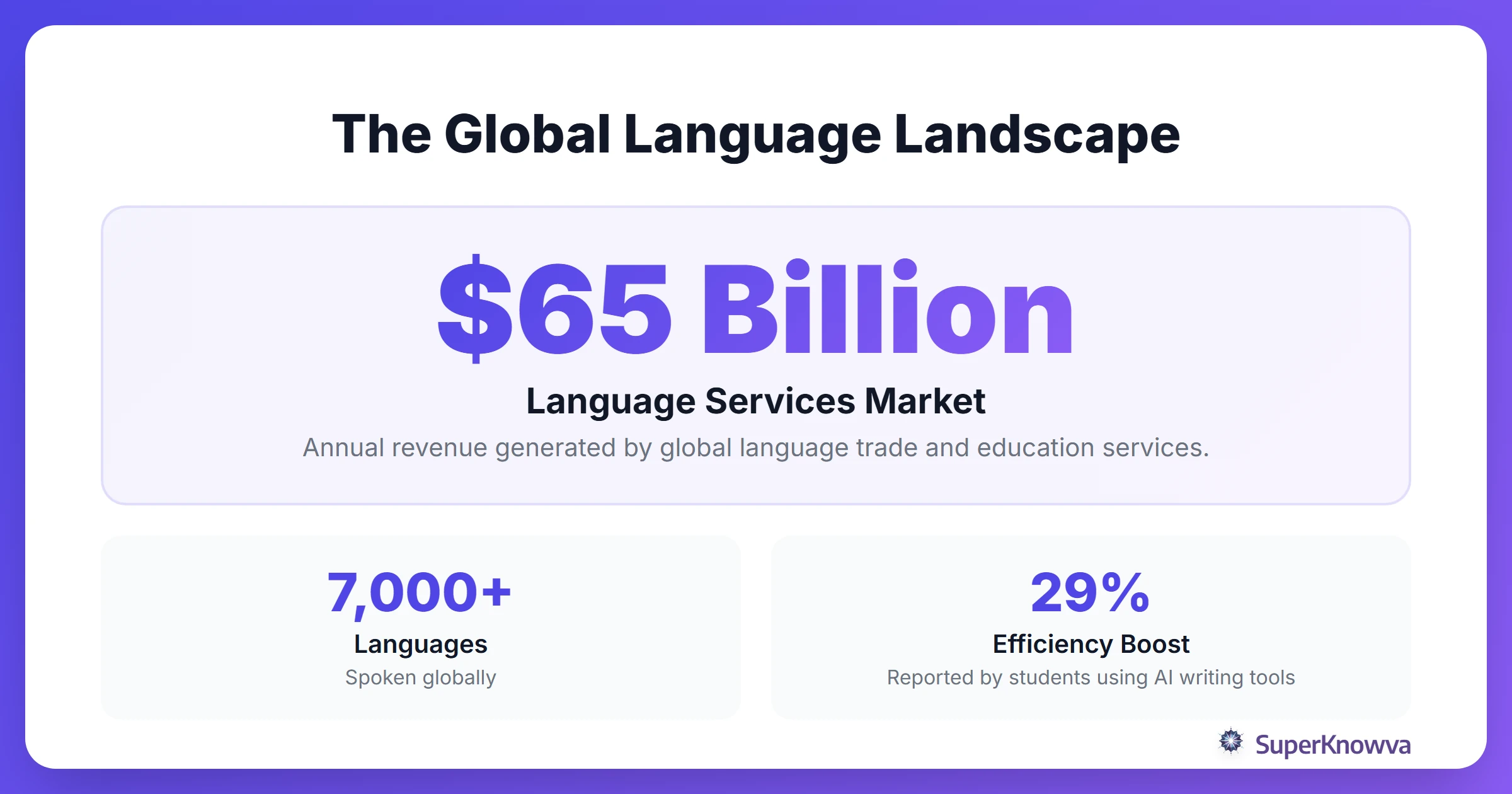
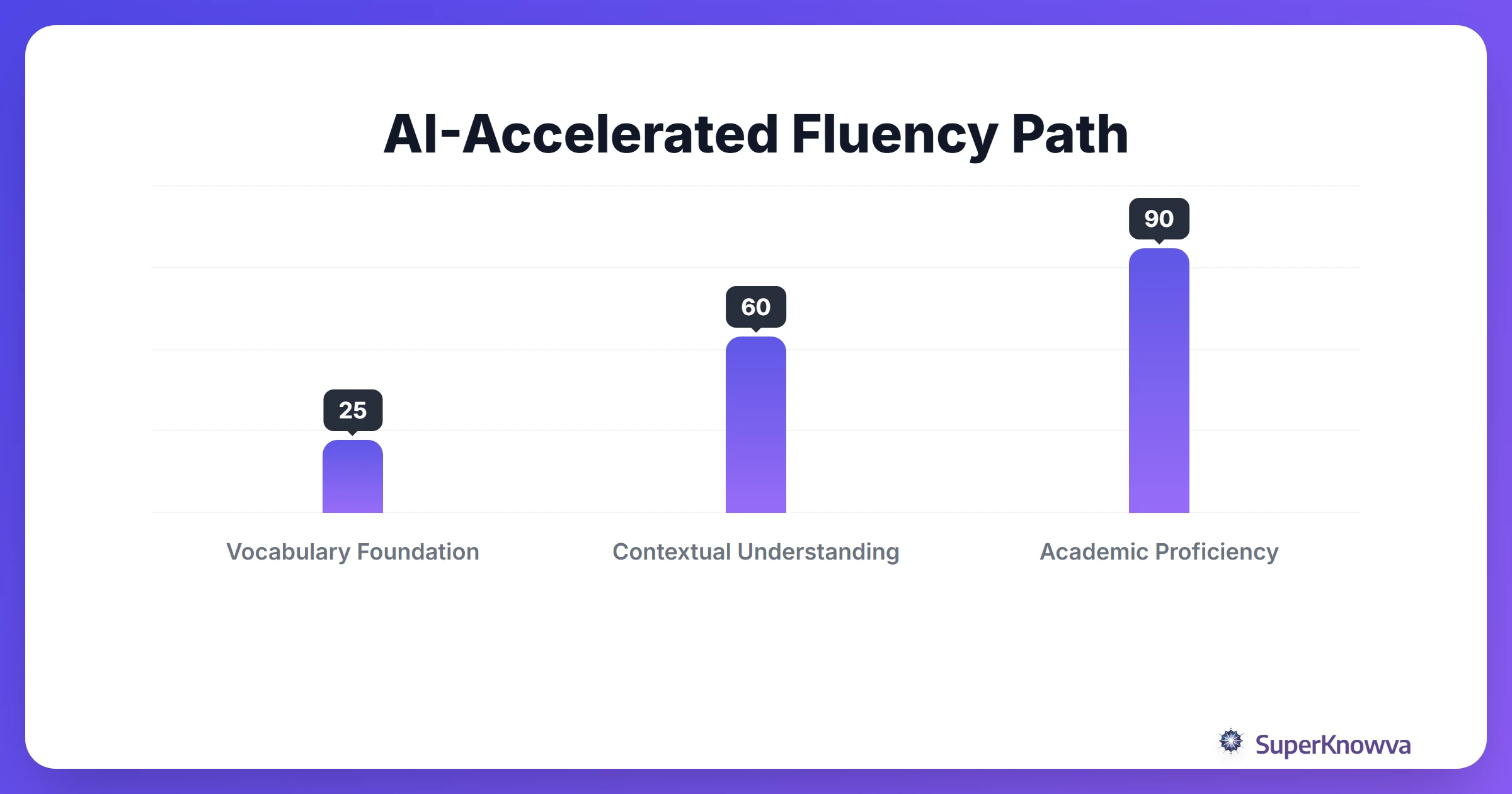
Every student’s path is different. If you’re in STEM, you need to master "thermodynamics." If you’re in the Humanities, you’re wrestling with "post-structuralism." AI platforms can now provide personalized vocabulary building tailored specifically to your major.
Plus, let’s talk about availability. A human tutor is great, but they aren't available at 2 AM when you’re practicing a presentation. An AI tutor is. When comparing AI Tutors vs. Human Tutors, the biggest win for AI is that instant, low-stakes practice. You can mess up a hundred times, and the AI will never get tired of helping you.
A Safe Place to Fail: Overcoming Language Anxiety
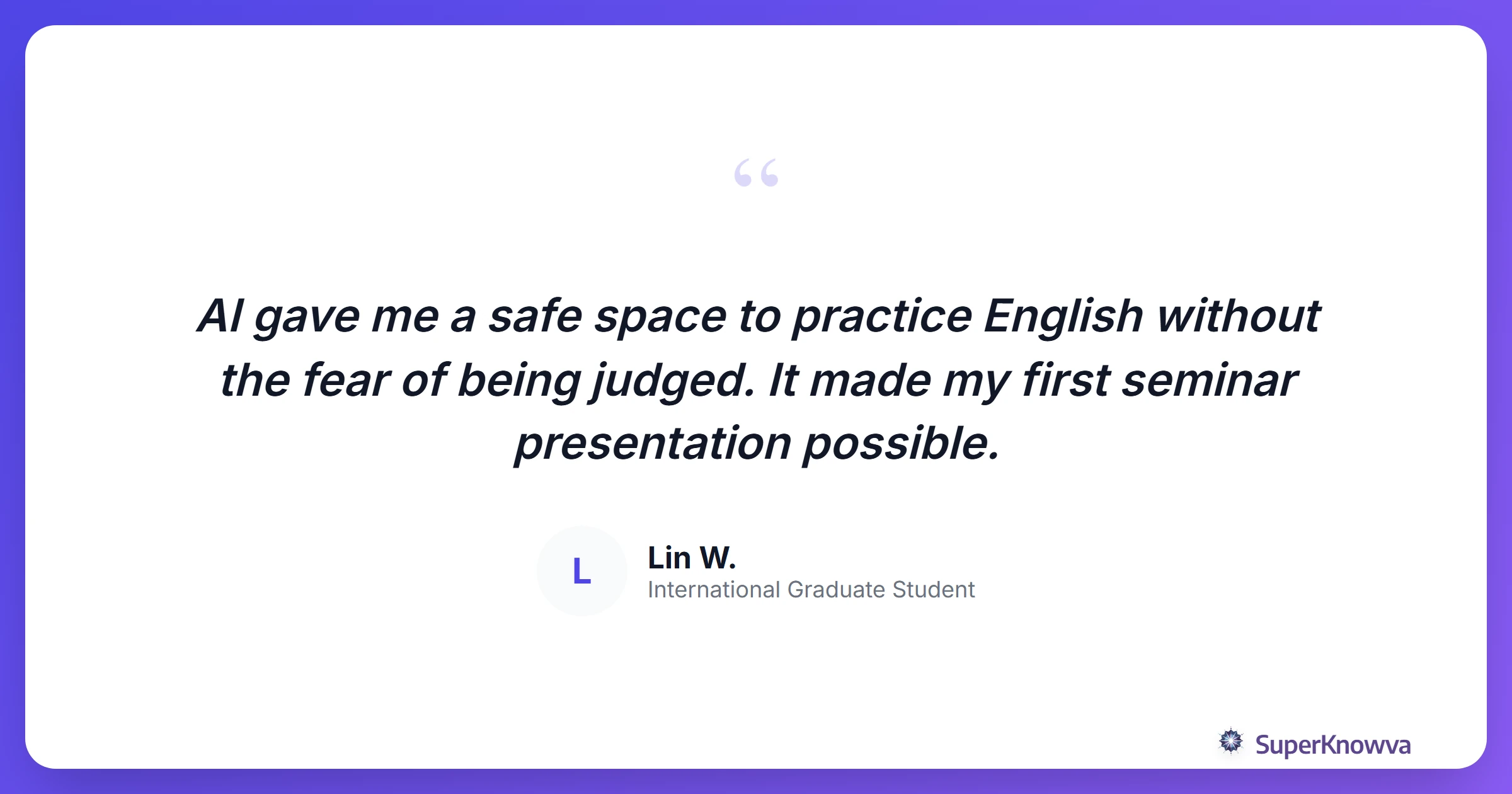
Maybe the biggest barrier of all is anxiety. That fear of sounding "unintelligent" or making a mistake in front of your peers can be paralyzing. AI provides a safe, non-judgmental space to fail, learn, and try again.
By using AI simulations to practice for presentations or using AI for Test Anxiety Reduction, you can build your confidence in private. When you finally step into that classroom, you aren’t just prepared with the right words; you’re prepared with the confidence to actually say them.
The Bottom Line: Finding the Balance
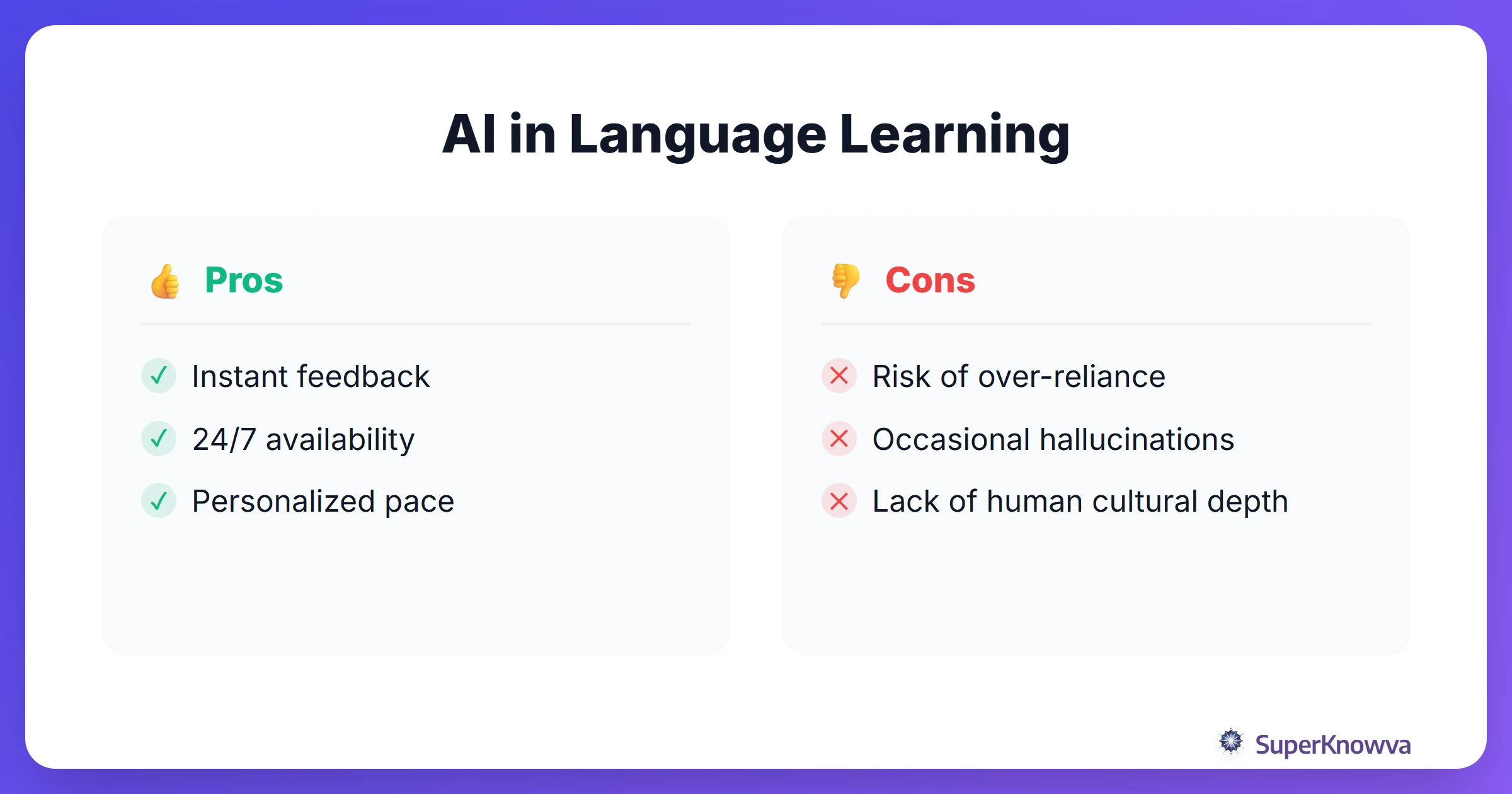
The benefits of multilingual academic support through AI are massive, but there’s a catch: use these tools as a bridge, not a crutch. The goal is to help you handle these environments independently.
By making these tools part of your daily routine, you can stop worrying about the dictionary and start focusing on what really matters: your education and your future. Don't let a language barrier hold you back. Embrace the tools, find your voice, and start learning without limits.