Let’s be honest: by the time the Class of 2026 hits the job market, the "standard one-page PDF" is going to feel like a relic from another era. You’re entering a world where everyone has a degree and a polished LinkedIn profile. So, how do you actually cut through the noise?
You stop telling people what you can do and start showing them. Learning how to build digital portfolio for grads isn't just a "nice-to-have" anymore. It is the most effective way to stand out in a competitive market. Recruiters are tired of reading the same generic bullet points. They want "proof of work." They want to see your problem-solving process.
Whether you’re a CS major with a repo full of code or a marketing student with a stack of mock campaigns, your portfolio is your 24/7 hype-man. Here is how you build a showcase that actually lands the interview.
Why a Digital Portfolio is Your Secret Weapon in 2026
A high GPA is a great start, but it’s just a number. It doesn’t explain how you handle a deadline or how you solve a logic error at 2:00 AM. A digital portfolio acts as a comprehensive graduate project showcase, giving hiring managers a front-row seat to your technical skills and your problem-solving process.
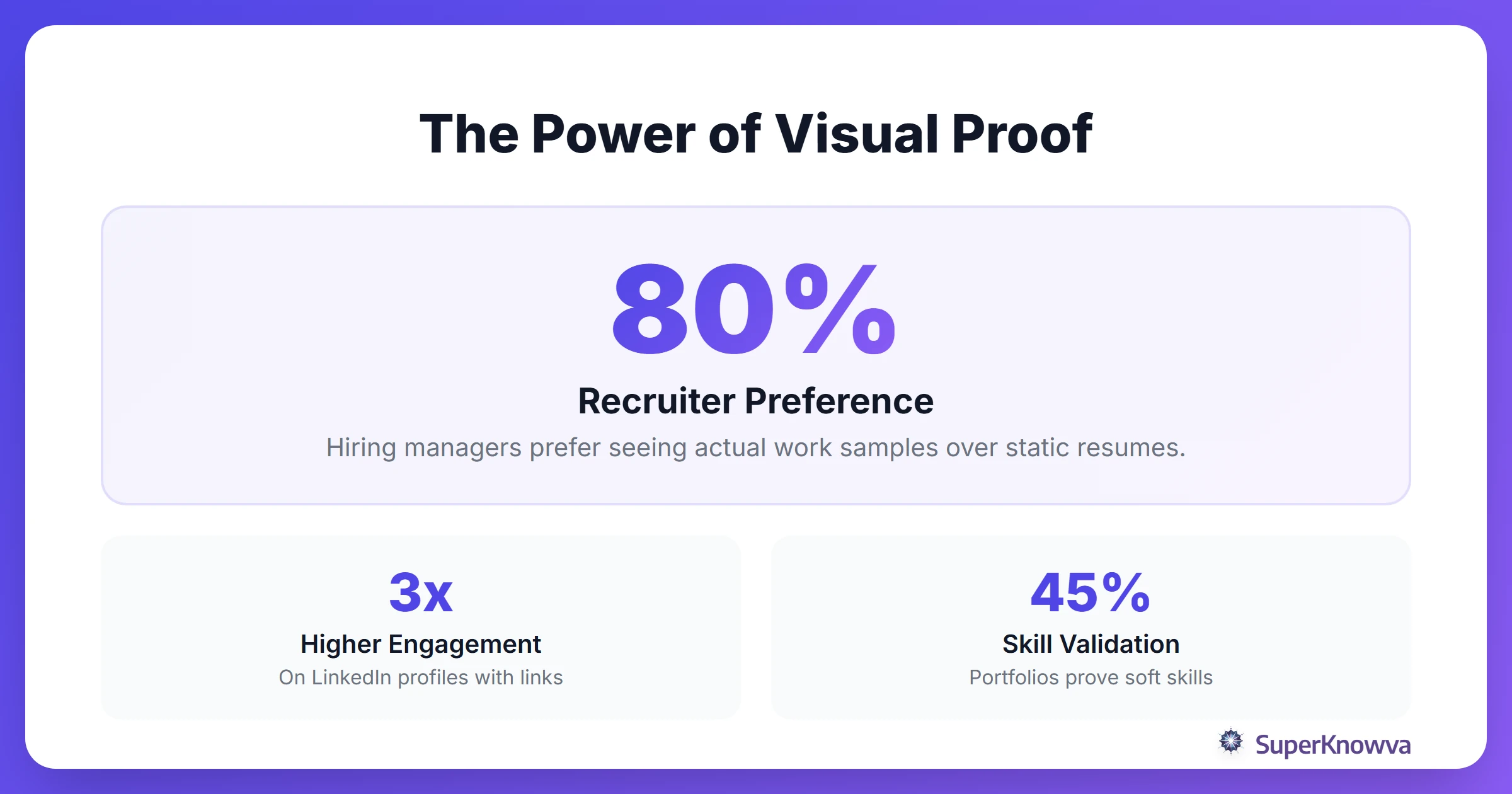
The 2026 recruiting cycle is leaning hard into "skills-first" hiring. Recruiters are spending less time squinting at resumes and more time looking for evidence that you can actually do the job on day one. By creating an online portfolio for students, you provide that evidence instantly.
Think of your site as a hub for three specific audiences:
- Recruiters: They need a 30-second visual "vibe check" of your top 3 skills.
- Hiring Managers: They want to dig into the "how" and "why" behind your projects.
- Mentors: They need a clean link they can confidently text to their professional network.
Core Elements of a High-Impact Portfolio
Your portfolio shouldn't be a digital junk drawer. If you include every single assignment you’ve ever touched, the good stuff gets lost. It needs to be a curated gallery of your best career portfolio examples.
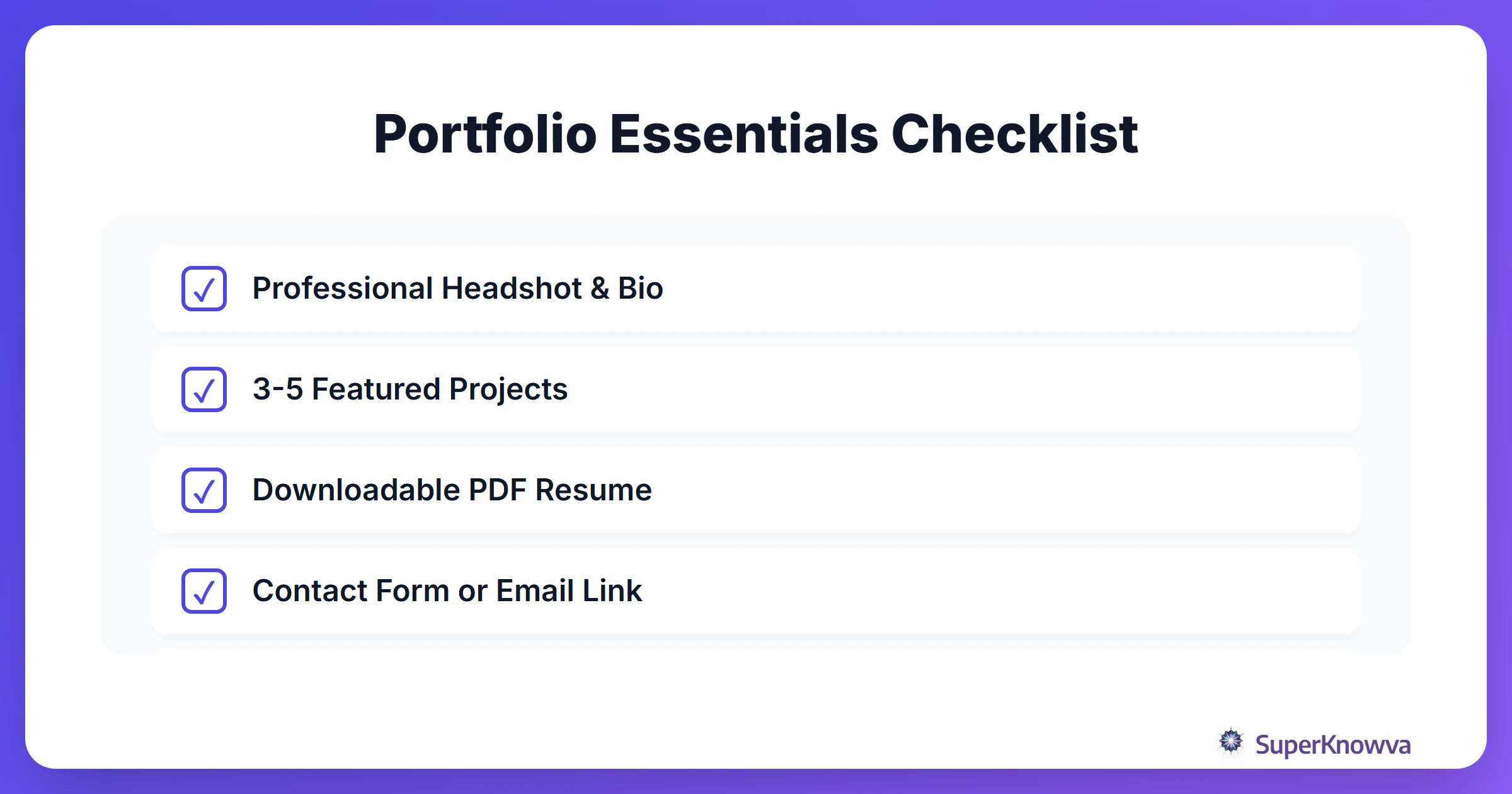
To really move the needle, make sure your site hits these four pillars:
- The 'About Me' with a Hook: Skip the "I am a hard-working student" fluff. What drives you? Why do you care about this industry? Give them a reason to remember your name.
- The "Power 3" Projects: Quality wins every time. Pick 3–5 projects that mirror the work you actually want to get paid for.
- Social Proof: Don’t just take your own word for it. Drop in a quote from a professor, a screenshot of a "Great job" email from an internship supervisor, or a testimonial from a peer.
- The 1-Click Resume: Your contact info and a downloadable PDF resume should be impossible to miss. If they have to hunt for it, they’ll leave.
Choosing the Right Platform for Your Field
You wouldn't show up to a tech interview in a tuxedo, and you wouldn't show up to a design firm with a plain text document. Your platform choice matters. As noted in the ASU Digital Portfolios for Graduate Students guide, aligning with industry standards is key to your credibility.
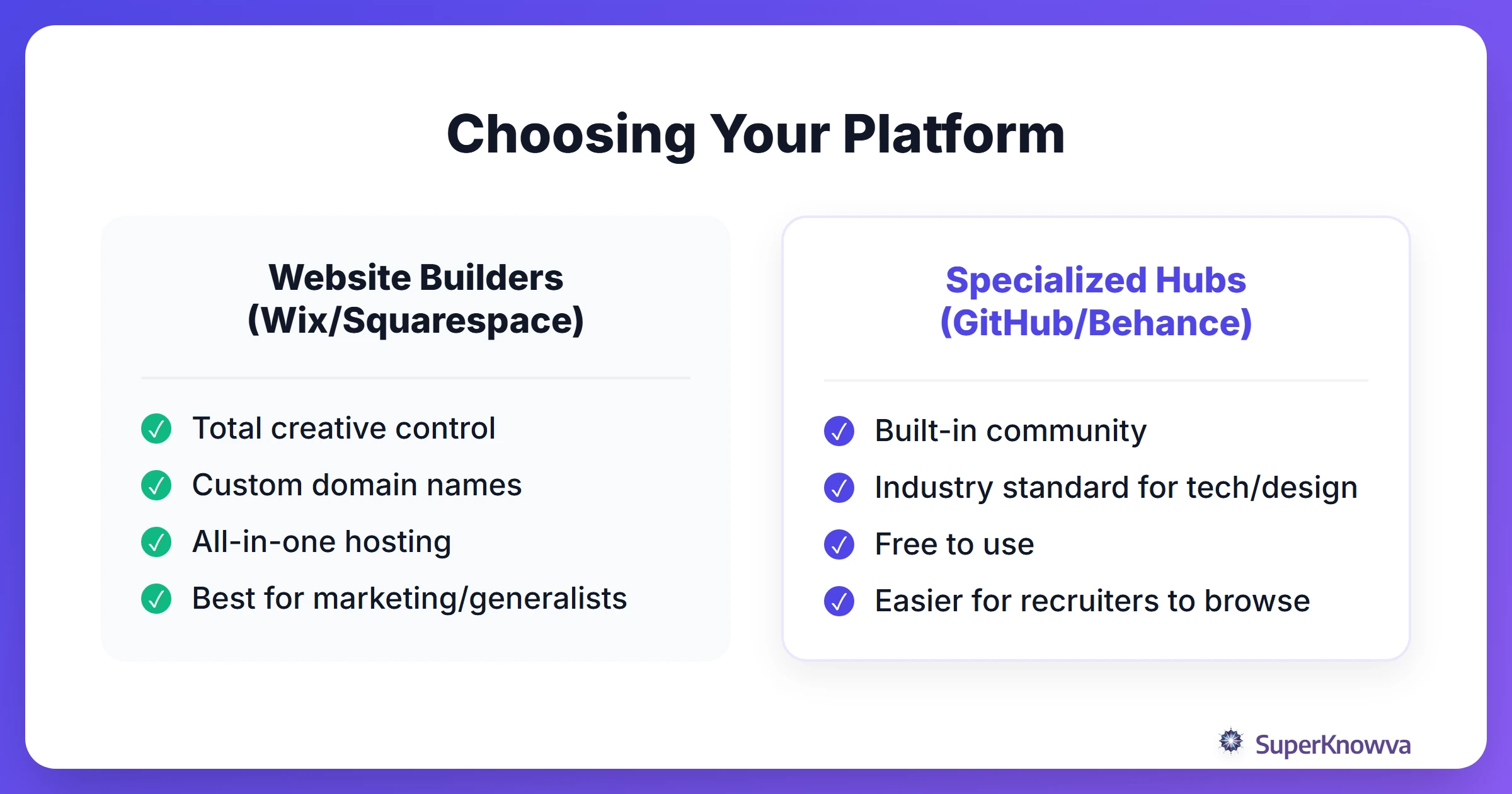
- Generalists (Marketing, Biz, Comms): Go with Wix or Squarespace. They give you the creative freedom to build a brand that looks expensive.
- Developers: GitHub is your home turf. Use GitHub Pages to host live, interactive versions of your apps.
- Creatives (Design, UX/UI): Behance or Adobe Portfolio are the gold standards for visual storytelling.
- Specialized Fields (Med/Academic): Look at platforms like EPIC or specialized academic hubs to track clinical hours and certs.
One non-negotiable? Mobile responsiveness. Recruiters check links while standing in line for coffee. If your site looks broken on an iPhone, you’ve already lost the lead.
How to Build a Portfolio with Zero Work Experience
Stuck in the "no experience" paradox? It’s the classic catch-22: you can’t get a job without experience, but you can’t get experience without a job. Here’s the secret: your 2026 job search strategy should treat your degree as your job.
You have more content than you think:
- Coursework as Case Studies: Don't just list "Senior Capstone." Explain the problem, the messy middle, and the final solution.
- Volunteer Gigs: Did you manage the social media for a campus club? That’s a marketing role. Did you fix the Wi-Fi for a local non-profit? That’s IT support.
- Passion Projects: Built a Python script to automate your fantasy football draft? That shows initiative and self-teaching.
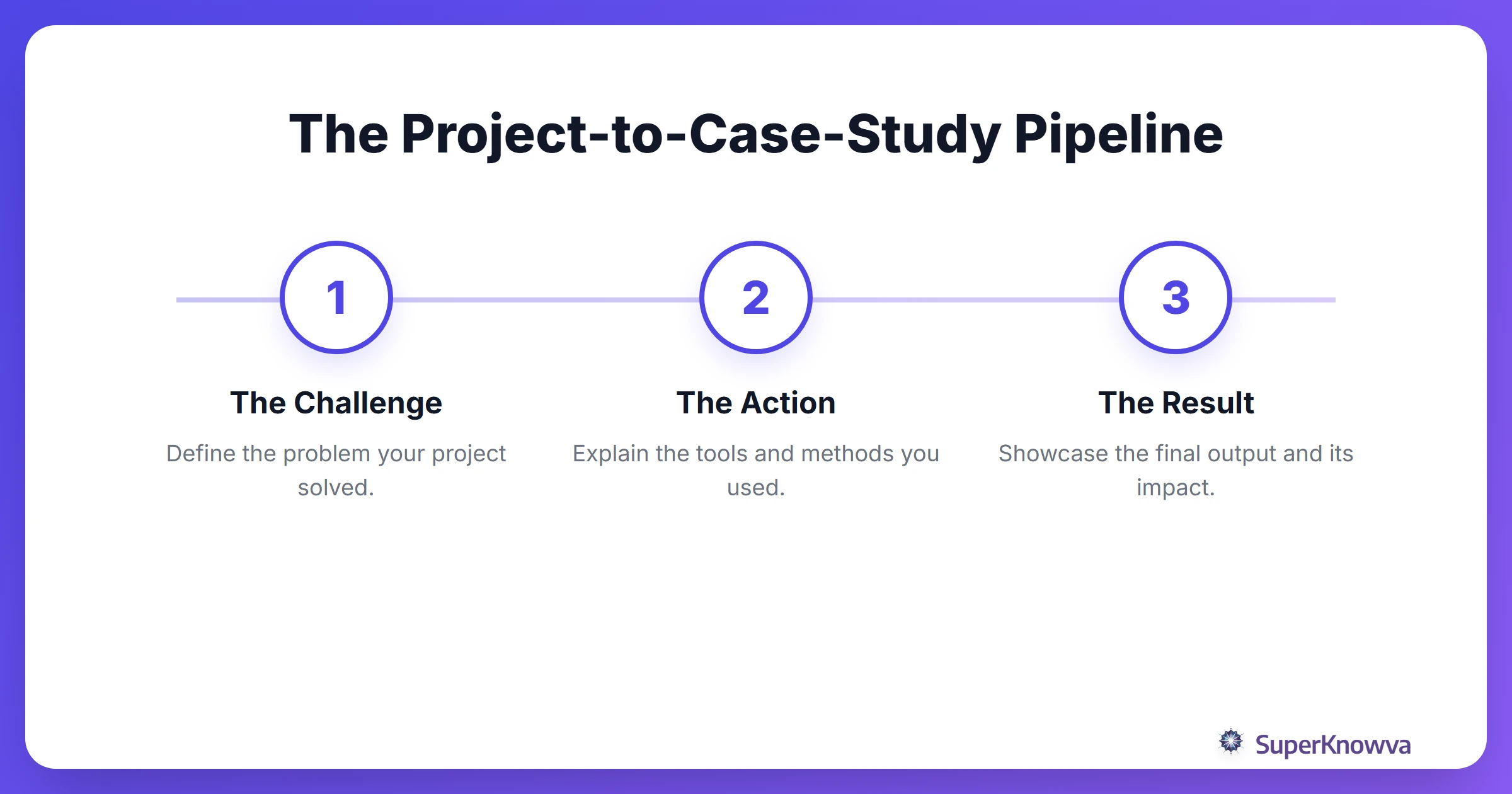
When writing these up, use the PAR method:
- Problem: What was the challenge?
- Action: What tools did you use? (AI, Python, Canva, etc.)
- Result: What happened? Use numbers if you can. "Saved 5 hours of manual work" sounds a lot better than "I made it faster."
This approach is a cornerstone of the best strategies for landing dream internships.
Optimizing Your Portfolio for Recruiters and AI
By 2026, your portfolio has to impress two things: a human recruiter and an algorithm. Personal branding for graduates now requires some basic SEO (Search Engine Optimization) to make sure you actually show up in searches.
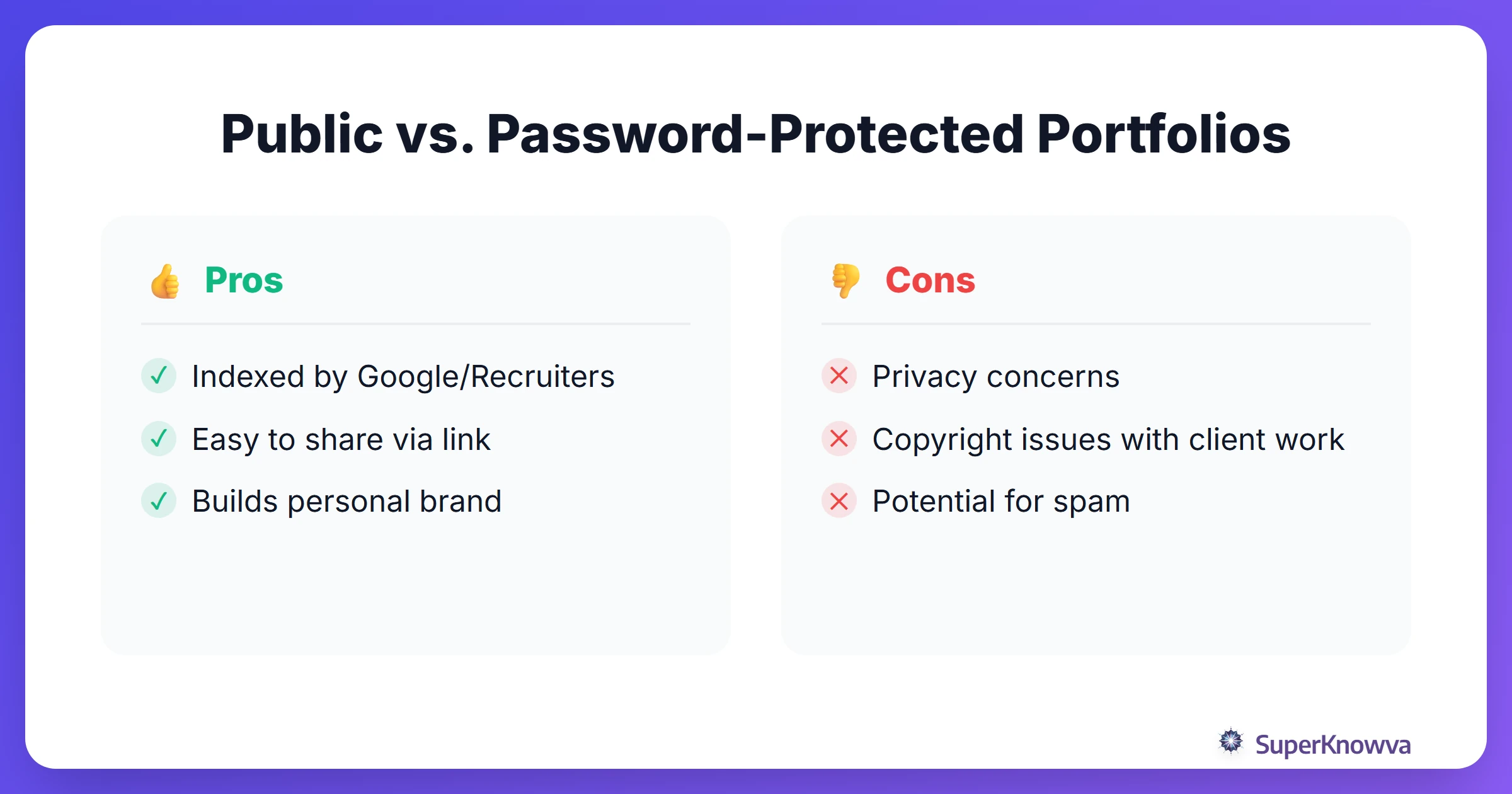
Keep these tips in mind:
- Keywords: Sprinkle industry terms in your headers. If you’re a data analyst, make sure "SQL" and "Tableau" are in your text, not just hidden in an image.
- The 3-Click Rule: A recruiter should be able to see your best work within three clicks of landing on your site. If it’s buried, it doesn’t exist.
- AI Integration: Use tools like ChatGPT or SuperKnowva to help punch up your project descriptions. You want them professional, but not robotic. For a deeper dive into what works, check out this Community Advice on Marketing Portfolios.
Promoting Your Portfolio to the Right People
Building the site is only half the battle. Now you have to make people look at it.
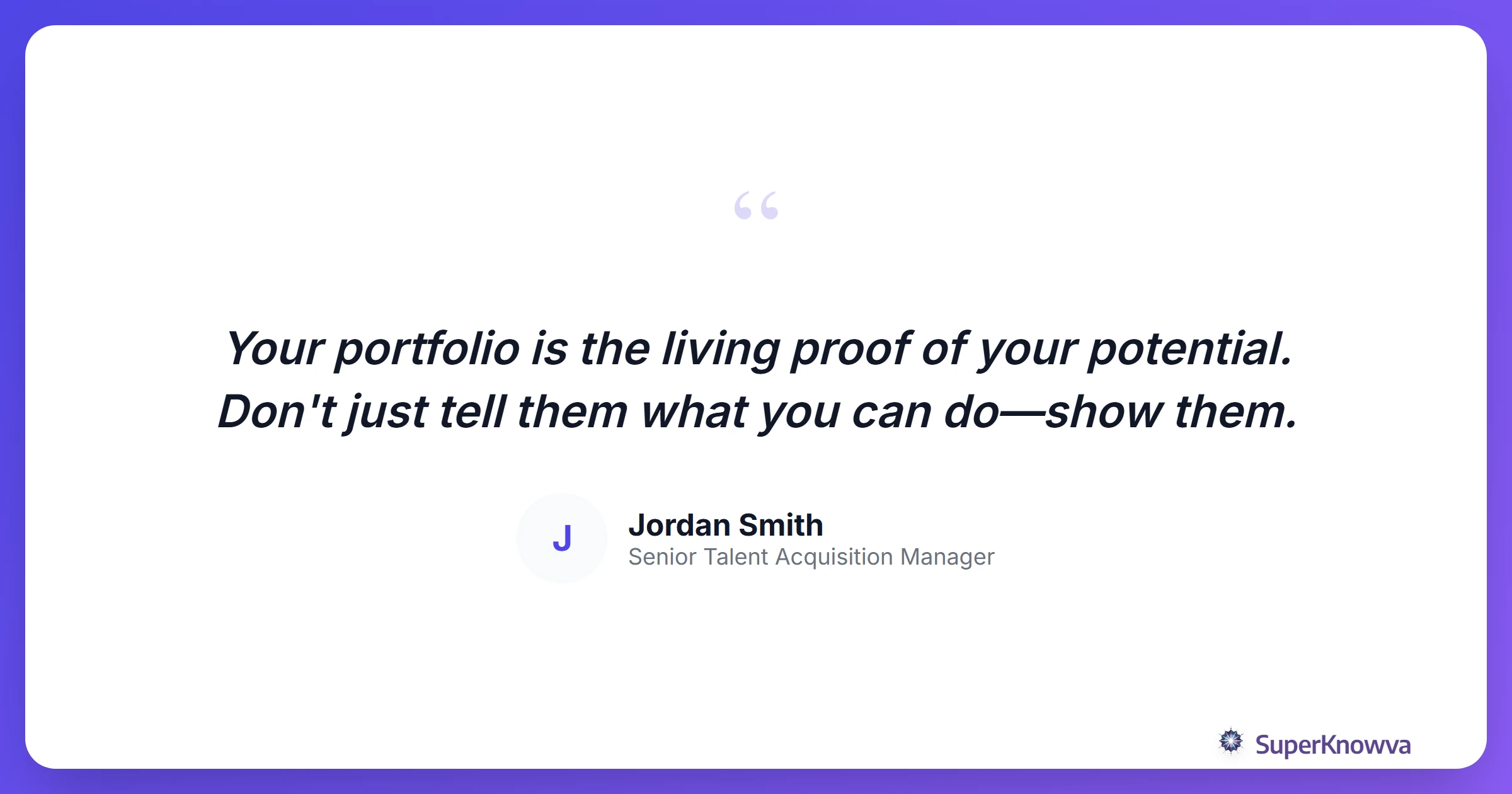
Start by pinning your URL to the top of your LinkedIn profile and your email signature. If you’re at a career fair, put a QR code on your resume. It’s a great conversation starter: "Instead of just telling you about my coding skills, can I show you the app I just finished?"
Don't be afraid to share "work-in-progress" updates on social media. Posting a screenshot of a project you're building shows that you're constantly evolving. For more on how to work the room, see our student's guide to professional networking.
Conclusion
Your digital portfolio isn't a "one-and-done" assignment; it’s a living document of your move from the classroom to the boardroom. It’s an investment that pays off every time a recruiter clicks that link and thinks, “Okay, this person actually knows their stuff.”
In the 2026 market, you must be more than a name on a stack of paper. Stop telling them you are the right candidate. Show them.