Let’s be honest: the professional world is changing faster than most of us can keep up with. By 2026, the "standard" career path will look unrecognizable. To stay ahead, you need more than just a few new technical skills on your resume. You need a total change in how you approach work.
Developing an ai-first career mindset is the single most important move you can make right now. It’s the difference between struggling to keep up and being the person who leads the charge.
At SuperKnowva, we see this transition every day. The students and professionals who treat AI as a primary partner, rather than just a tab they open when they are stuck, are already ahead of their peers. Here is how you can join them.
What is an AI-First Mindset?
Think about how you solve a problem today. Do you open a blank document and stare at the cursor? That’s the old way.
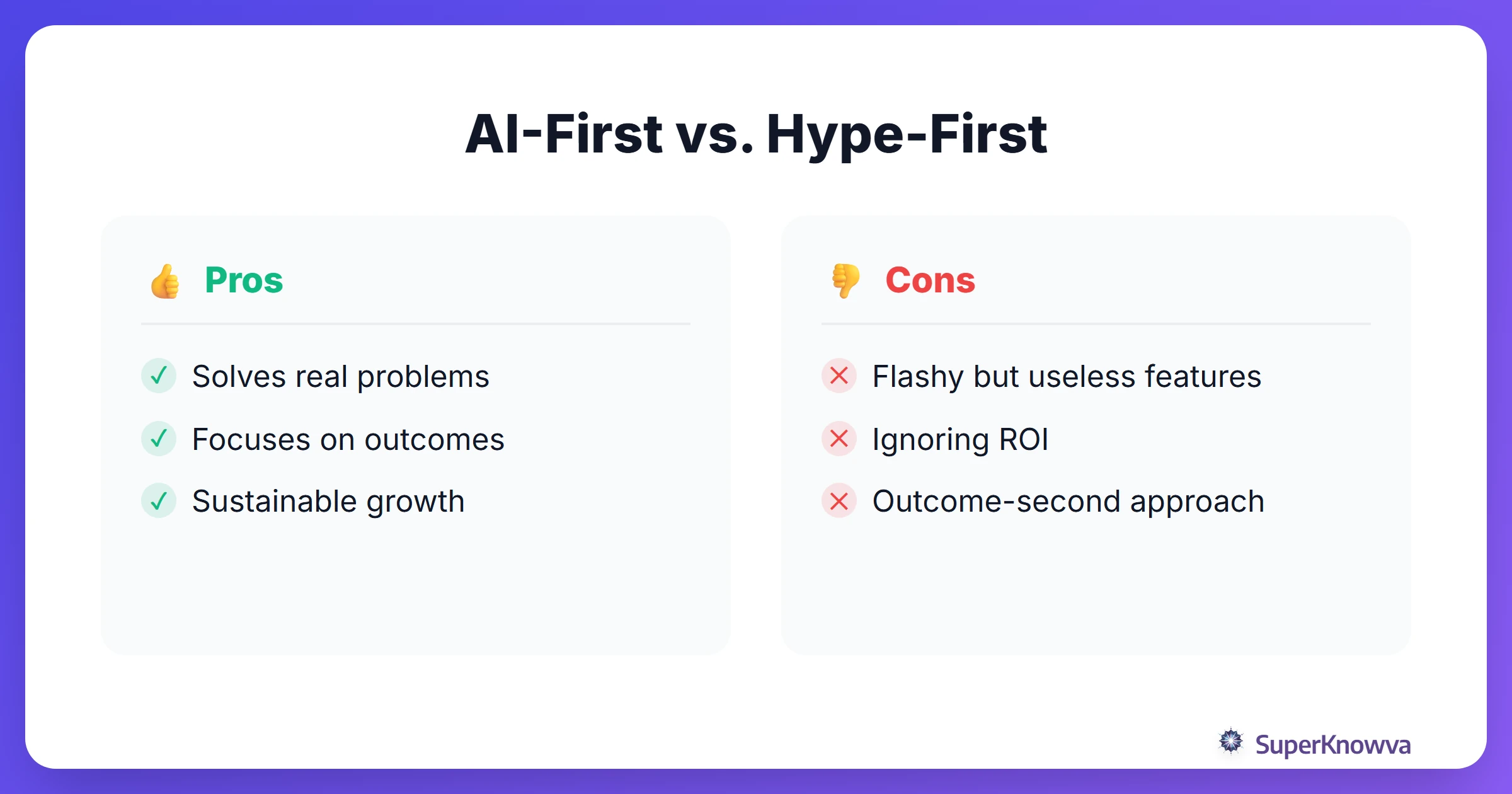
An AI-first mindset means you stop asking "How do I do this?" and start asking "How can AI help me do this better, faster, and with more depth?" It’s a shift from being a solo creator to being a director.
While ai literacy is simply knowing how to use the tools, an AI-first approach is about digital transformation at a personal level. You aren't just using a glorified search engine; you’re working with an orchestrator that can manage workflows, crunch massive datasets, and execute complex logic in seconds.
The Competitive Advantage: Why AI-First Matters Now
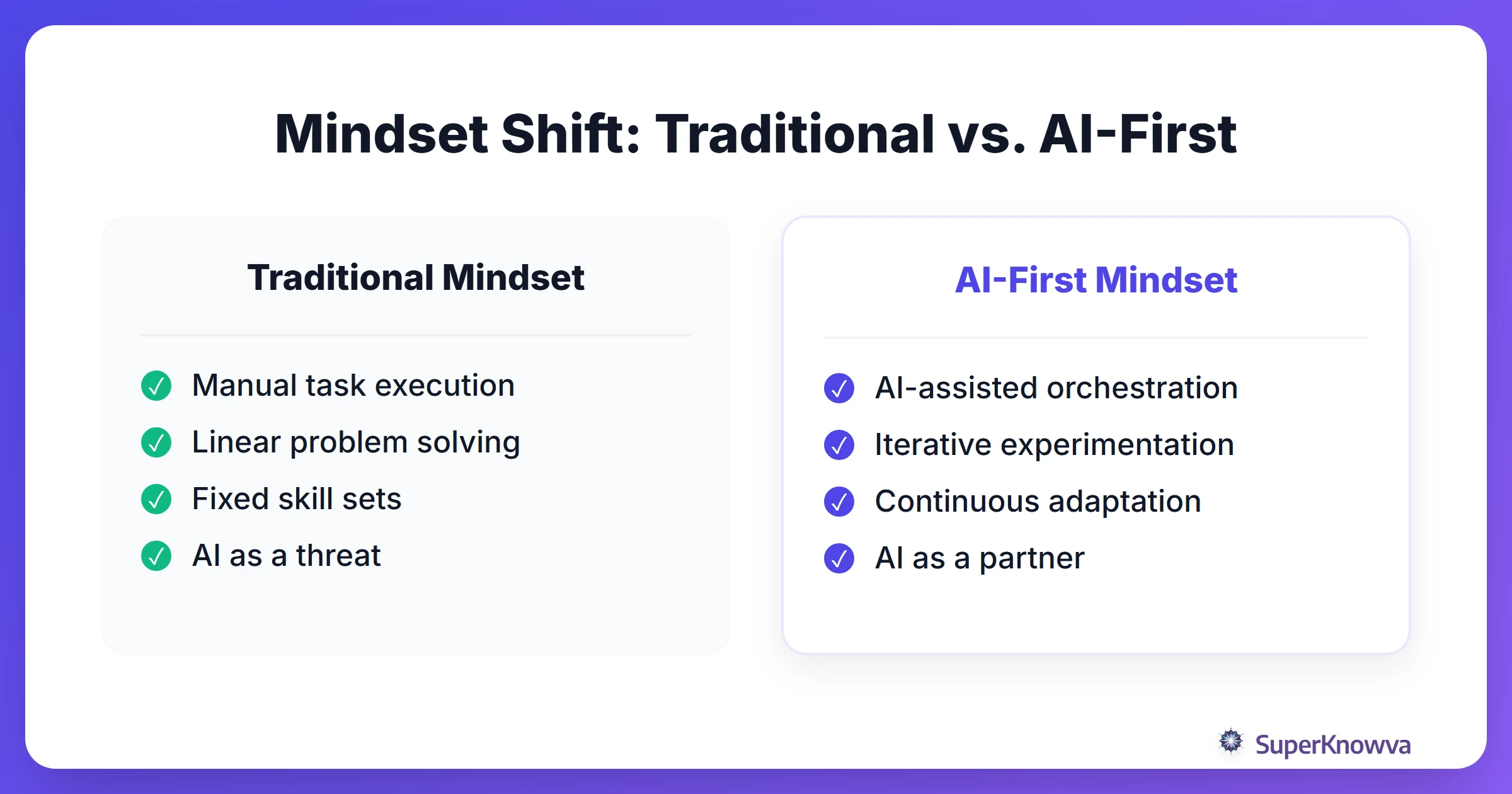
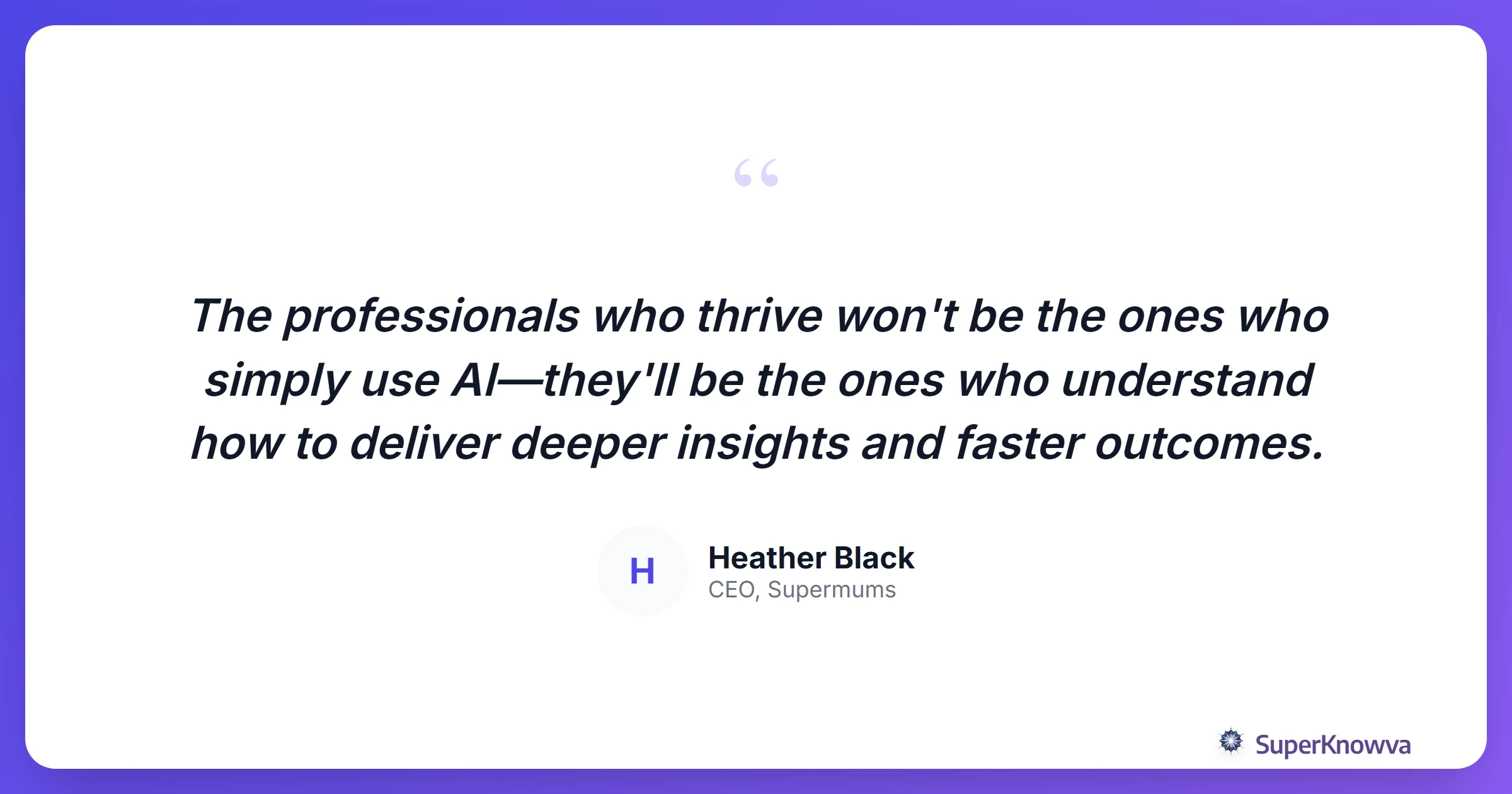
The future is sitting on your desk. Whether you are a Business Analyst, a Project Manager, or an Administrative Assistant, your role is changing. A "productivity gap" is opening. On one side, people work manually. On the other, AI-first professionals deliver results with speed and insight that humans alone cannot match.
Employers are noticing. They are seeking "AI-native" candidates who do not need a manual to automate their daily tasks. Developing this mindset is central to future-proofing your degree. When you manage the automation, you become essential rather than replaceable.
Avoiding the 'Hype-First' Trap
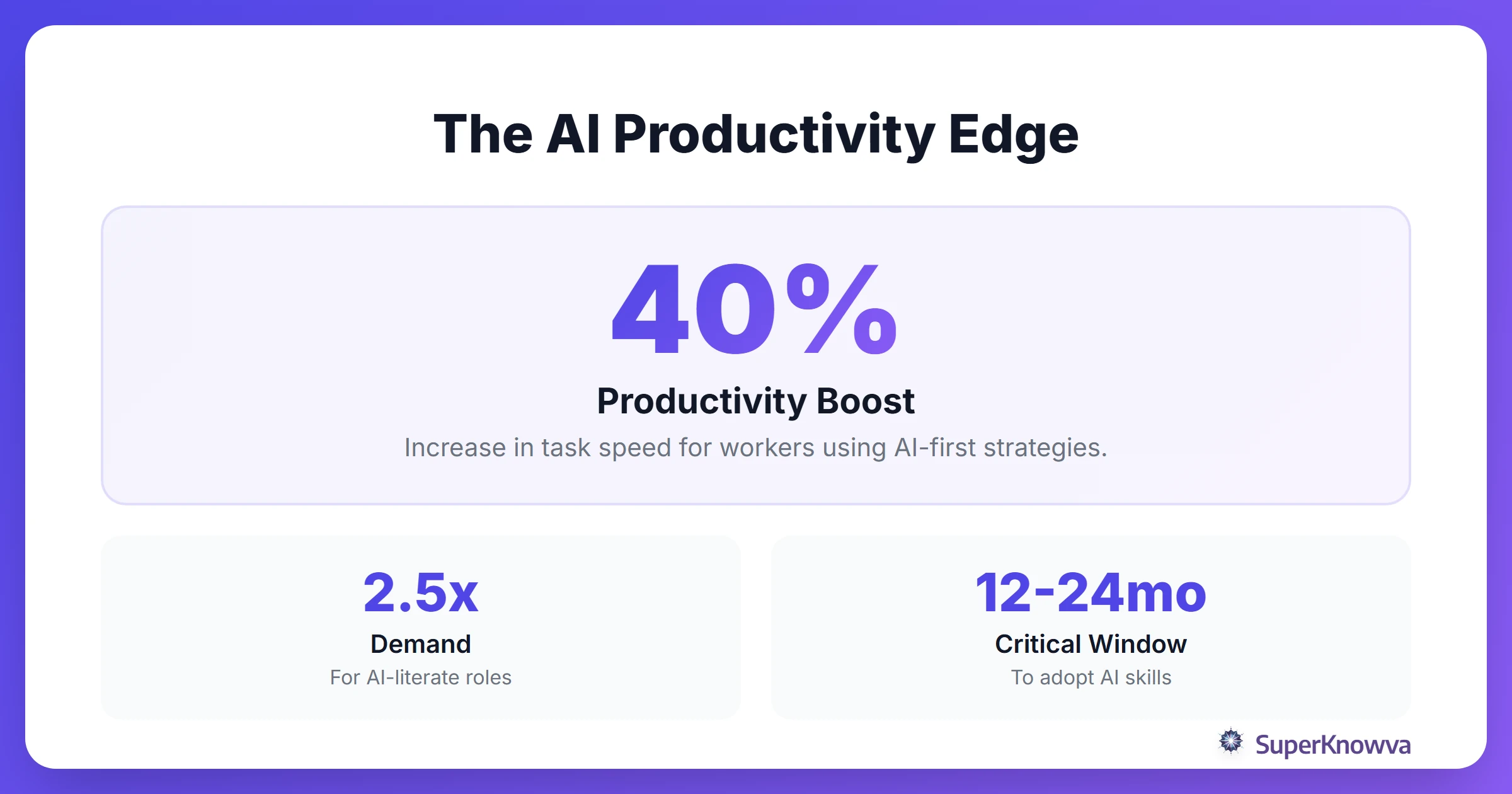
It’s easy to get distracted by the "shiny object" syndrome. We’ve all seen it: people using AI just to say they’re using it, without actually solving any real problems. This is the "hype-first" trap.
As Ravit Dotan, PhD, points out, your strategy must stay grounded in reality. To keep your career on track, your AI use must be problem-oriented. Ask yourself:
- Does this tool actually solve a real pain point in my workflow?
- Am I balancing this innovation with ethics and data privacy?
- Is the AI's output actually making the end result better, or just faster?
Core Pillars of an AI-First Professional
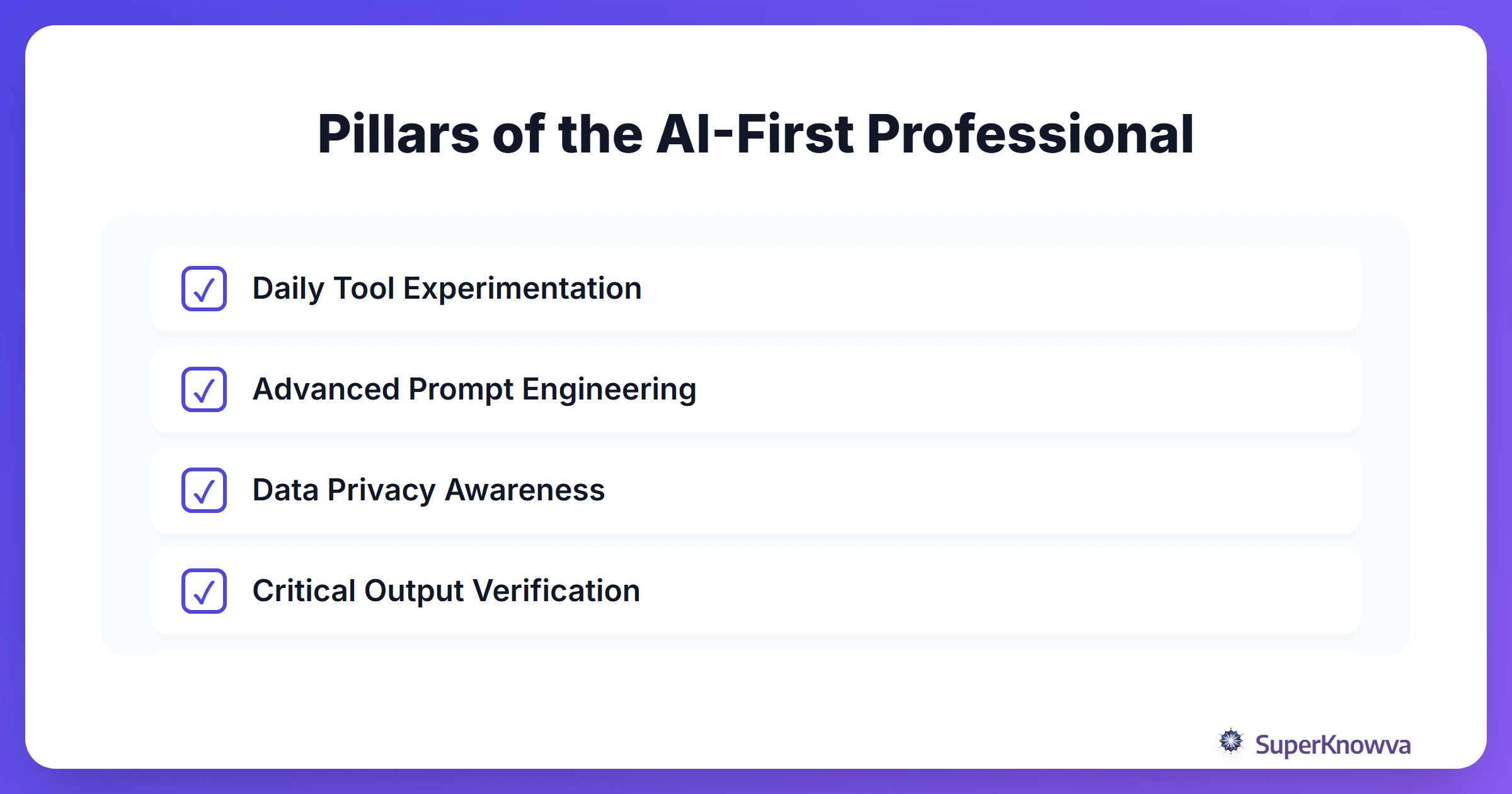
How do you actually live this mindset? It comes down to four habits:
- Continuous Experimentation: The tech moves too fast for annual training. Make it a rule to test one new AI tool or workflow every single week.
- Prompt Engineering as a Core Competency: Stop asking basic questions. Learn how to use complex logic and chain-of-thought prompting to get high-level, professional results.
- Data-Driven Decision Making: Don't just guess. Use AI to find patterns and trends in your data before you make your move.
- Human-in-the-Loop: Never put the AI on autopilot. Your job is to provide the critical thinking and quality control that the machine lacks.
5 Practical Steps to Cultivate Your AI-First Mindset
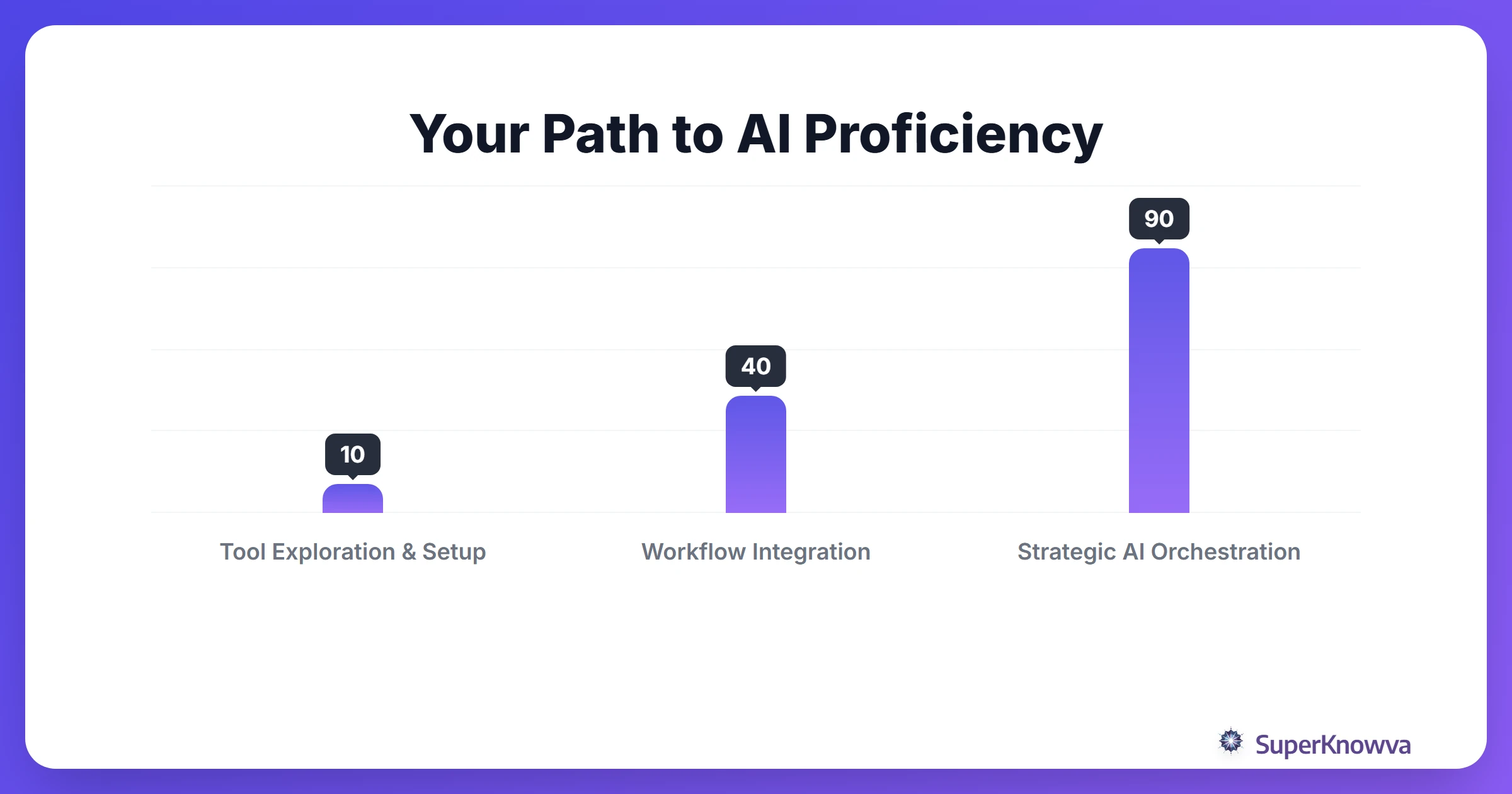
Ready to get started? Here is your Monday-morning to-do list:
- Audit your day: What are the three most boring, repetitive things you do? Those are your first targets for workflow automation.
- Build an 'AI Sandbox': Use tools like Claude, ChatGPT, or Notion AI to play around. Experiment with prompts and data when there isn't a deadline looming over your head.
- Curate your feed: Stop reading clickbait headlines. Follow actual AI practitioners and researchers who share specific use cases for your industry.
- Find your tribe: Join a community or a local meetup. Sharing "recipes" and prompts with others is the fastest way to learn.
- Upgrade your career assets: Use these tools to sharpen your personal branding online. You can even start acing the interview with AI tools to prepare for your next big move.
The Role of Soft Skills in an AI-Driven Future
The irony is that as technical tasks are automated, human skills become more valuable. AI can crunch numbers, but it cannot feel empathy, lead a team through a crisis, or handle complex office politics.
The best results come from "Human+AI" collaboration. You let the AI handle data processing, which frees you up to focus on high-level strategy and building relationships. Understanding the evolving role of soft skills in the AI era is what will truly make you stand out.
Industry experts highlight that an AI-first mindset is no longer optional; it’s essential for delivering value in huge platforms like Salesforce. To succeed in 2026, you need the agility to pivot every time the tech evolves.
Developing an AI-first mindset isn't about letting a machine replace your brain. It's about expanding your capabilities. By embracing these tools today, you aren't just watching the future happen. You are the one building it.