Walking onto a university campus for the first time is a lot. Between glitchy registration portals, the "Mount Everest" of academic expectations, and the constant pressure to find your tribe, it’s easy to feel like you’re drowning. This is where effective peer mentoring in college changes everything.
As a peer mentor, you aren't just an upperclassman with a few study tips. You’re the person who has been there before. By sharing what you've learned, you help fellow students manage the challenges of university life while sharpening your own peer mentor leadership skills along the way.
Defining the Role: What is Effective Peer Mentoring?
What makes a peer mentor special? It’s the "near-peer" factor. You aren't a professor with a PhD or a dean in a suit. You’re someone who sat in that same uncomfortable lecture hall seat just last semester. This shared experience builds a level of trust that traditional authority figures often struggle to reach.
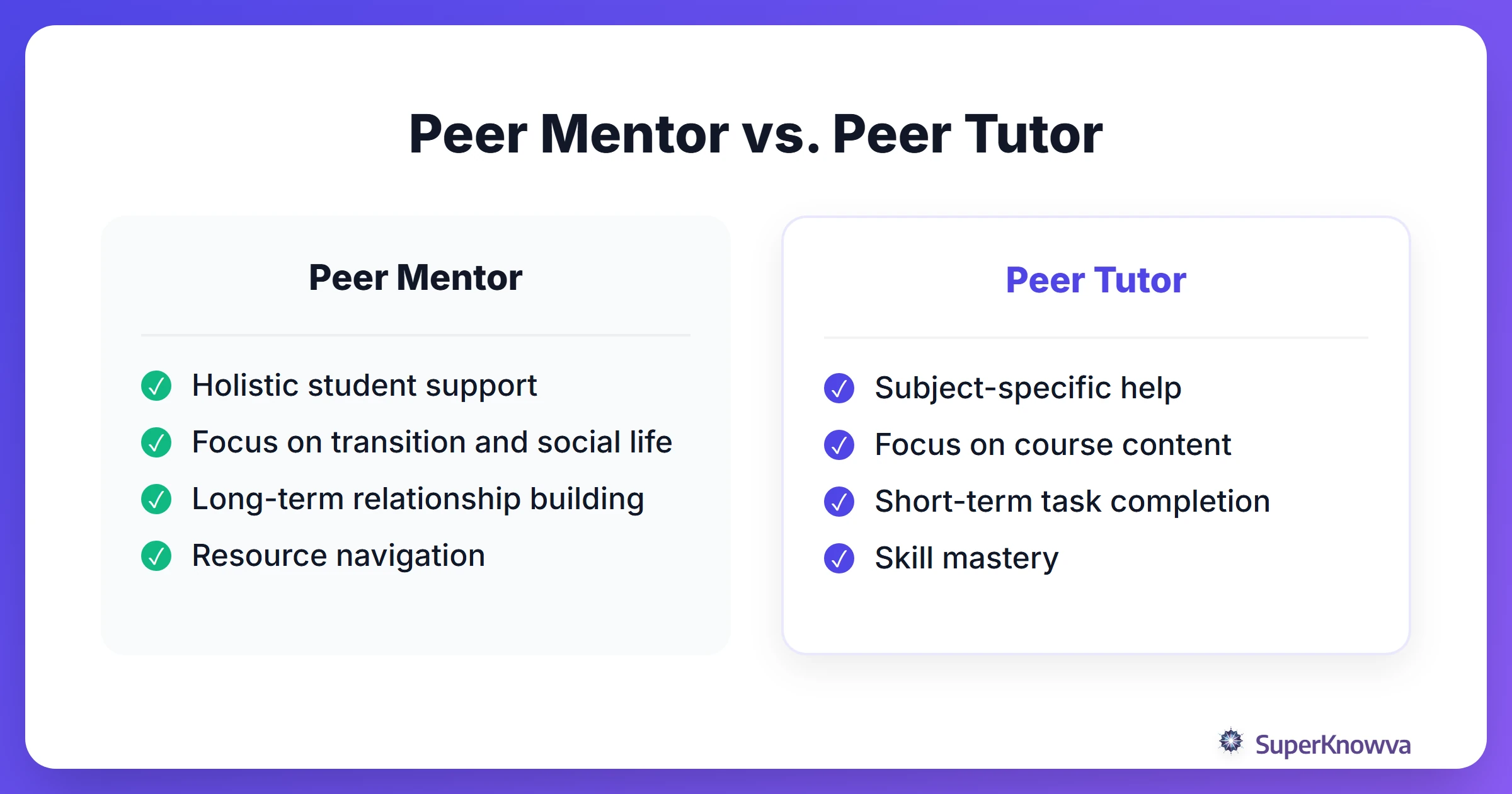
In most universities, peer mentors act as a vital link between the student body and the faculty. You’re essentially a translator, turning academic jargon into advice that actually makes sense. Most student mentorship programs focus on three main pillars:
- Resource Sharing: Being the human GPS for campus tools.
- Emotional Support: Providing a judgment-free zone to vent about college stress.
- Academic Guidance: Teaching the study habits that high school never mentioned.
Mastering Communication: The Heart of Mentorship
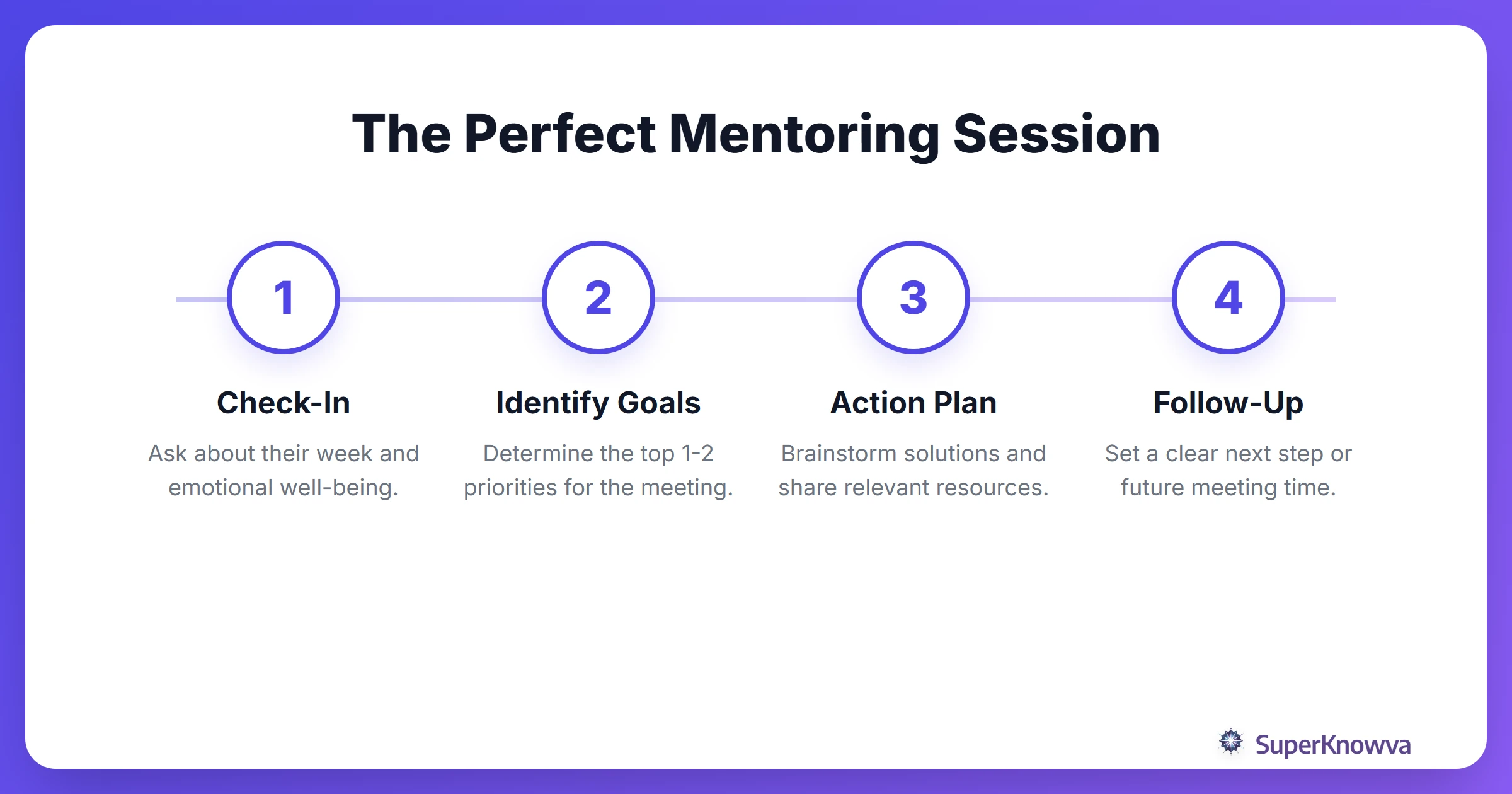
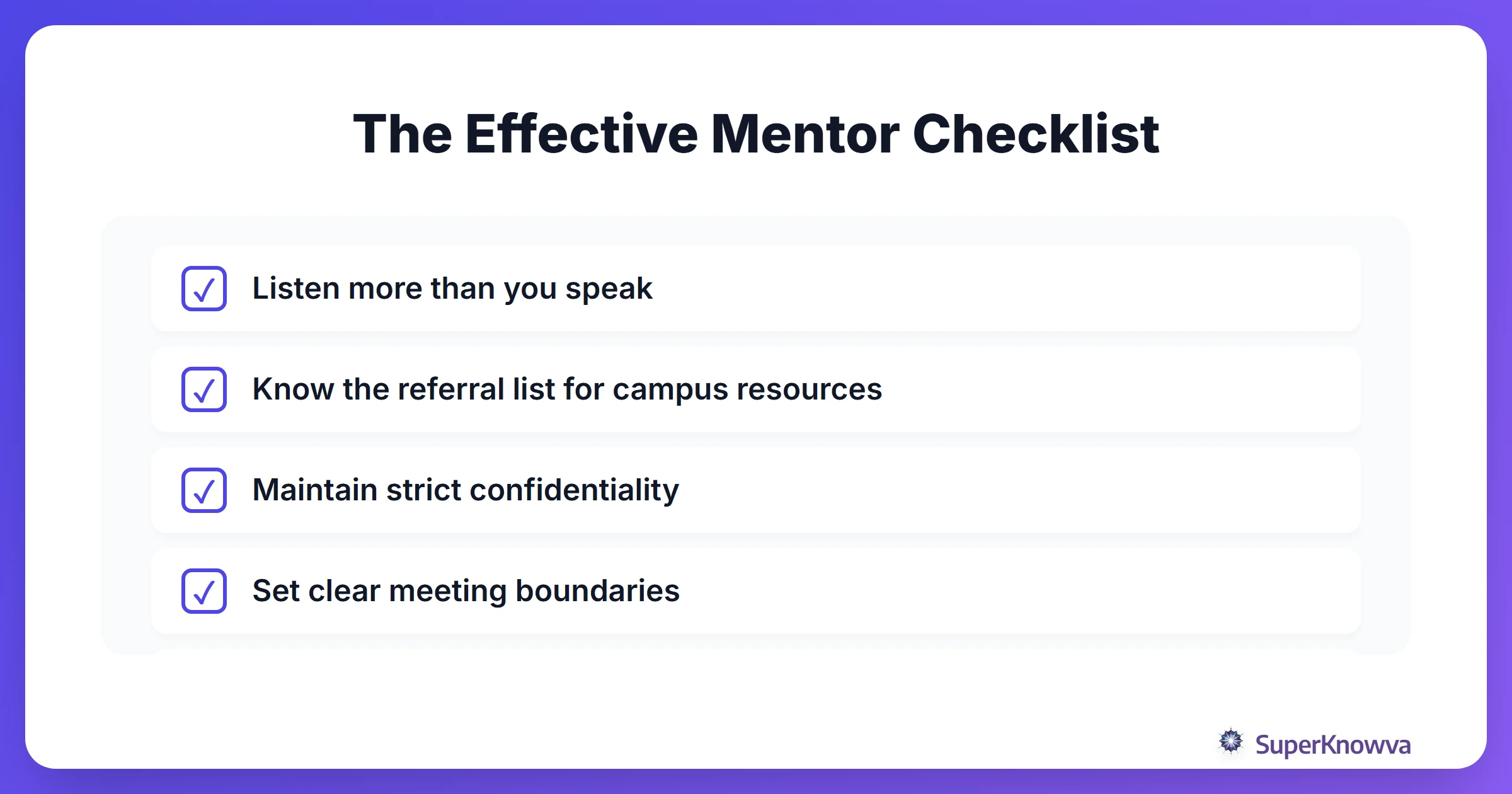
Great mentoring isn't about having all the answers; it’s about active listening. Before you jump in with a solution, ask yourself: do I actually know what my mentee is struggling with? Use open-ended questions. Validate their feelings. Sometimes, a student doesn't need a fix; they just need to know they aren't the only ones struggling.
Clear communication matters, too. Campus policies are confusing enough, so keep your explanations simple and jargon-free. But here’s the tricky part: you have to set boundaries. You’re a guide, not a "best friend" on call 24/7. Setting these expectations early keeps the relationship healthy and productive for both of you.
Guiding Successful College Transitions
The "hidden curriculum" is real. It’s those unwritten rules of how to succeed in college that nobody tells you during orientation. For first-year and transfer students, missing these cues can be a major barrier to success. This is where supporting college transitions becomes your most important job.
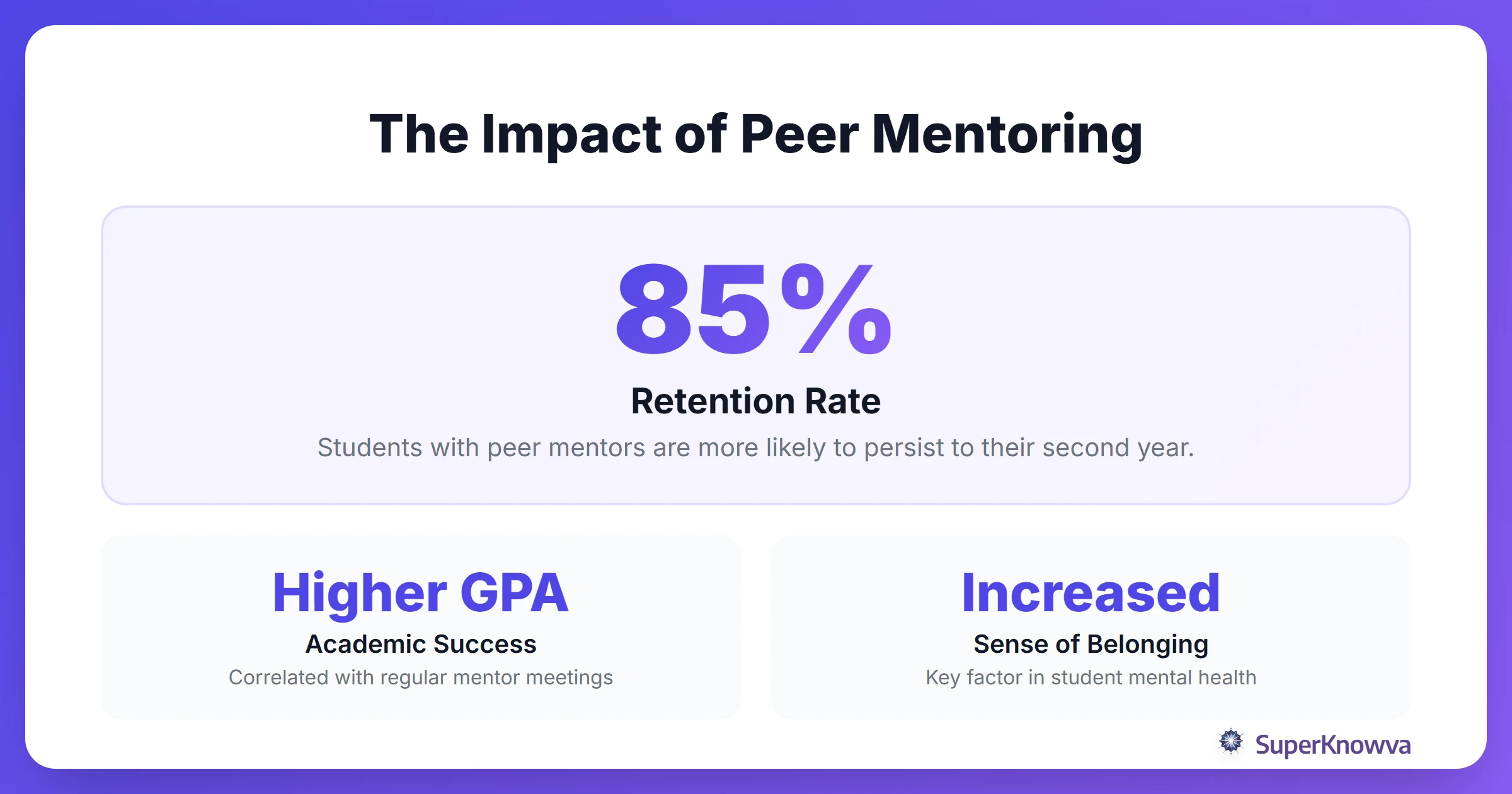
Help your mentees find their footing by pointing them toward quality resources, such as tutoring centers and mental health services. Research from the USC Pullias Center Peer Mentoring Model shows that peer-led knowledge is a key factor in whether a student stays in school or drops out.
It’s not just about the classroom, either. A huge part of the transition is learning the art of balancing academics and social life. When you help a mentee feel like they belong, you’re helping them beat homesickness and academic burnout before they even start.
Supporting Peers During Finals Week
We’ve all seen it: the library at 3 AM, the empty energy drink cans, and the glazed-over eyes. Finals week is a gauntlet. During these high-stress weeks, your role shifts from "guide" to "coach."
When you're helping peers during finals, steer them away from passive habits. Encourage active recall techniques instead of just staring at highlighted notes. This is one of the most effective college student success strategies. If they are overwhelmed by a massive to-do list, suggest the 5-minute rule to help them stop procrastinating.
Sometimes, the best thing you can do is offer emotional "triage." If a student is spiraling, help them break their workload into tiny, manageable bites. And if things don't go to plan? Be the person who shows them how to bounce back from a failed exam without losing their confidence.
Ethics and Professionalism in Mentoring
Professionalism is essential to mentorship, and it begins with confidentiality. Mentees must trust that their struggles will not become campus gossip. You must also know when to speak up, specifically when there is a safety concern or a risk of self-harm.
Know your limits. You’re a mentor, not a licensed therapist or a financial aid expert. Organizations like MENTOR provide great frameworks for staying within your professional scope. Referring a student to a professional isn't a failure; it’s the sign of a great mentor who knows how to get their mentee the right help.
The Mentor’s Gain: Building Leadership Skills
Here’s a secret: you’re getting just as much out of this as they are. The near-peer mentoring benefits for the mentor are massive. By teaching others, you’re naturally boosting your own emotional intelligence and communication skills.
Plus, mentorship looks incredible on a resume. It proves you can solve real-world problems and lead a team. Even better? Explaining study strategies to someone else actually makes you a better student. As you coach your mentees, you’ll find yourself becoming more disciplined in your own academic work.
By committing to these strategies, you help students pass their midterms and build a foundation for their future. Stay professional and support your mentees as they progress.