Class of 2026, you have finished your studies and moved past your final exams. As you trade your cap and gown for a corporate ID badge, you may notice a shift in the job market. Job descriptions are no longer asking only for your degree; they are asking for your "humanity."
In a world where AI can write code in seconds, balance a budget by lunch, and churn out marketing copy before you’ve even finished your first cup of coffee, what’s your role?
The answer is simple: You are the bridge. While algorithms handle the data, you handle the nuance, the ethics, and the relationships. In 2026, soft skills for new graduates aren't just "nice to have." They are the ultimate career currency.
2026: Why "Human" is the New "Technical"
The professional world has flipped on its head. We’ve moved away from the old model where your technical skills were the only thing that mattered. Why? Because AI is now incredibly good at routine, data-heavy tasks.
Employers aren't just looking for someone who can perform a function anymore. They want someone who can think, connect, and lead.
This shift has completely redefined career readiness. Your GPA is a great start, but your ability to jump into a team and drive value through interpersonal skills is what will actually get you hired.
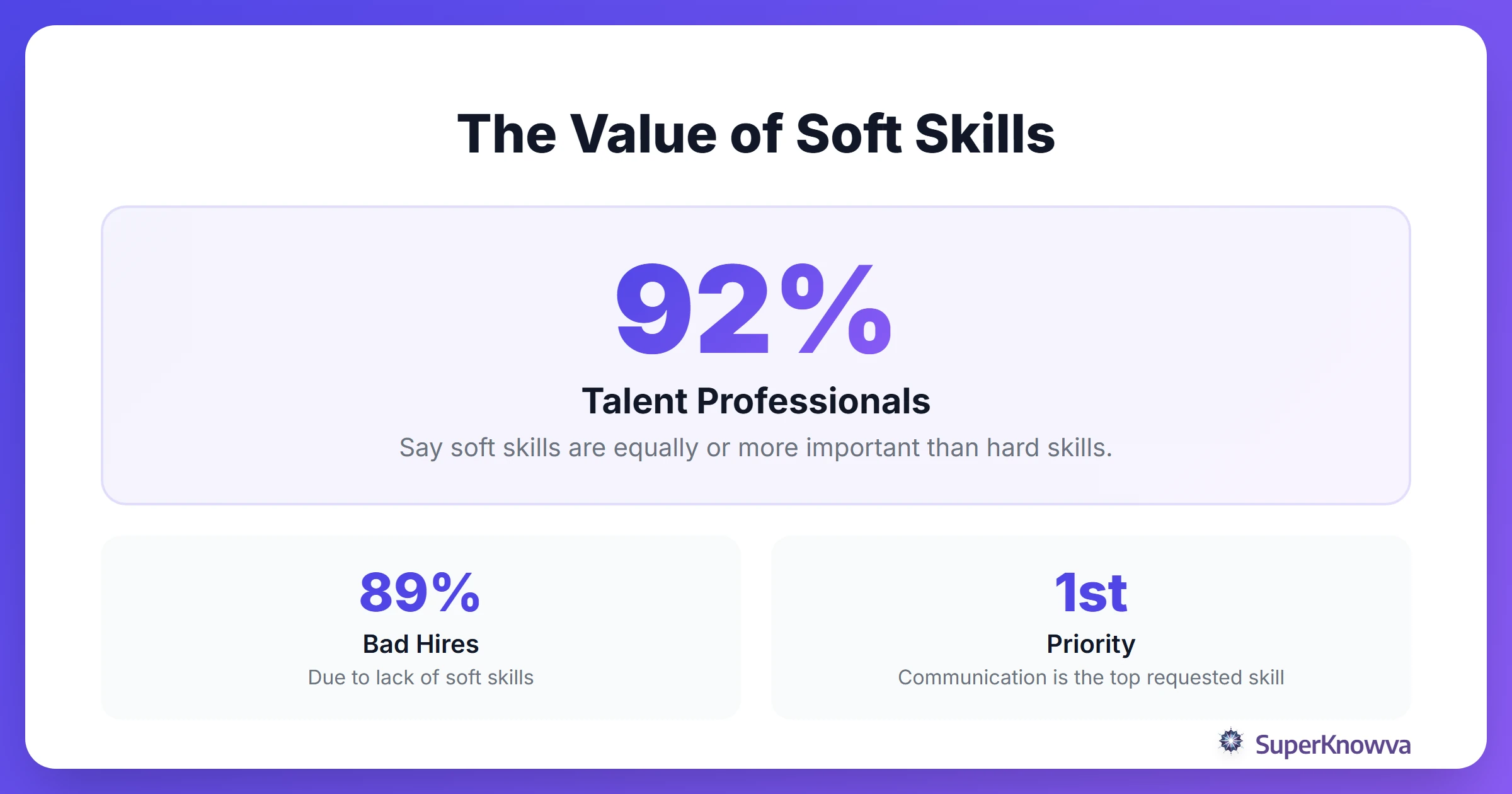
In 2026, your value is the ability to provide the context a machine lacks. Companies seek candidates who show workplace adaptability: people who connect AI outputs with what a human client actually needs.
Advanced Communication: It’s More Than Just Slack
Back in college, communication usually meant hitting a word count on a term paper. In the 2026 office, it’s a lot more complicated. You’re navigating hybrid teams, virtual reality meetings, and AI-augmented workflows. Professional communication 2026 is all about the "unspoken" stuff.
- Mastering Digital Etiquette: It’s not just about being "on" Slack or Teams. It’s about knowing when a quick ping is efficient and when you actually need to hop on a call to clear the air.
- Active Listening in a "Cameras Off" World: When half the team is muted, active listening becomes a superpower. It’s about picking up on tone, asking the right follow-up questions, and making sure people feel heard even through a screen.
- Translating Tech for Humans: Can you take a complex AI-generated report and explain it to a client who doesn't know a prompt from a printout? If you can make the complex simple, you’re indispensable.
As you start navigating the transition from campus to corporate, remember that your professional voice is your brand. Make it clear, consistent, and most importantly, empathetic.
Critical Thinking: Asking the Right Questions
For years, being a "star student" meant having the right answers. But here’s the reality: AI has all the answers now. Your value today lies in asking the right questions.
Critical thinking isn't about memorizing facts; it’s about interrogation. You need to look at what the machine gives you and ask: Is this biased? Is this accurate? Does this actually make sense for our specific client?
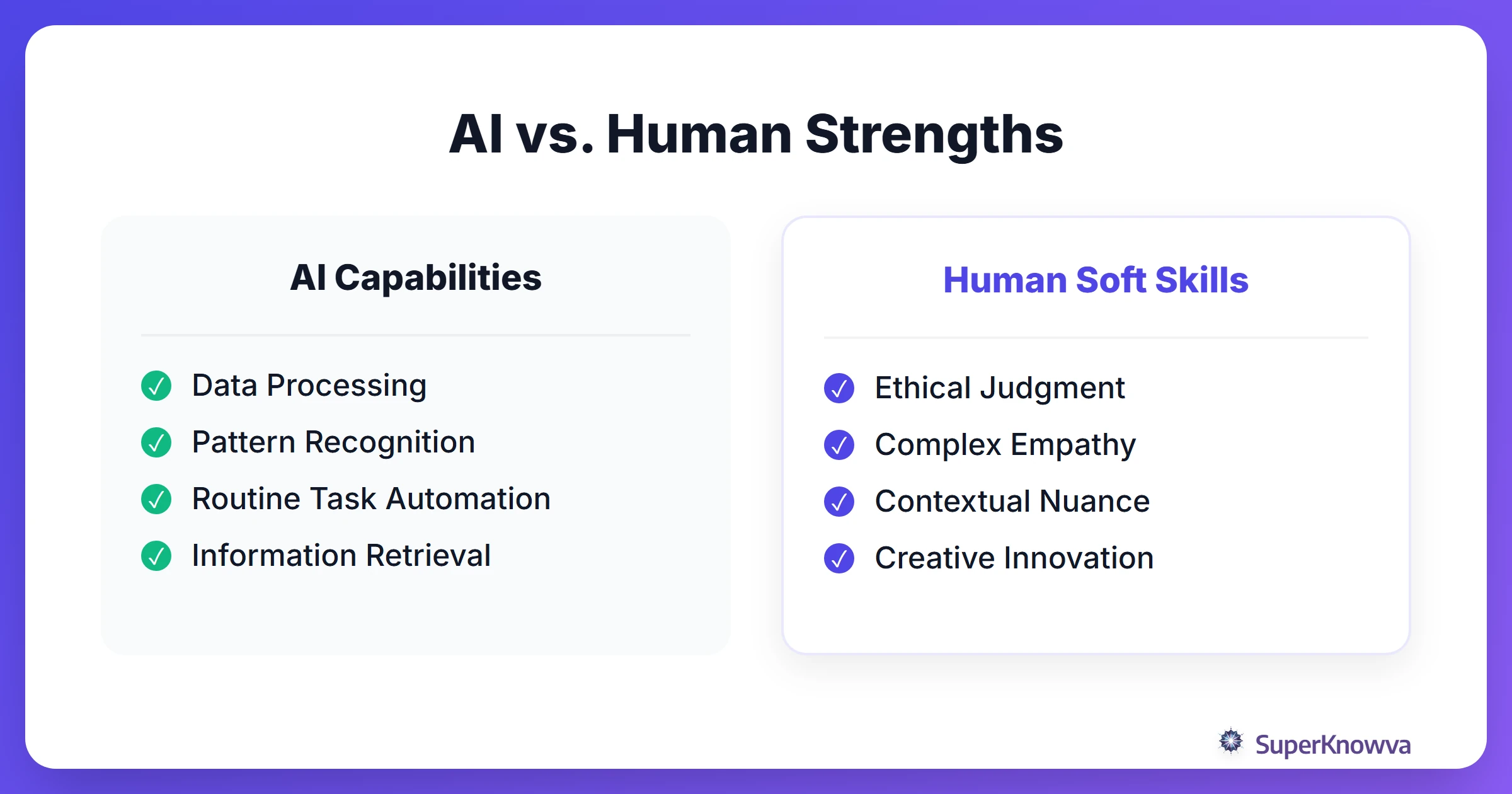
Case Study: Think about a civil engineer in 2026. An AI can design a bridge that is mathematically perfect in seconds. But it’s the human engineer who looks at the design and realizes it clashes with the local neighborhood’s aesthetic or doesn't account for the "boots-on-the-ground" reality of the construction site. You are the "sanity check."
Emotional Intelligence (EQ) and Collaborative Leadership
If your degree gets you through the door, emotional intelligence for grads is what gets you promoted. Empathy is the cornerstone of a healthy team. In a globalized, diverse workforce, being able to understand different perspectives and resolve conflicts without losing your cool is essential.
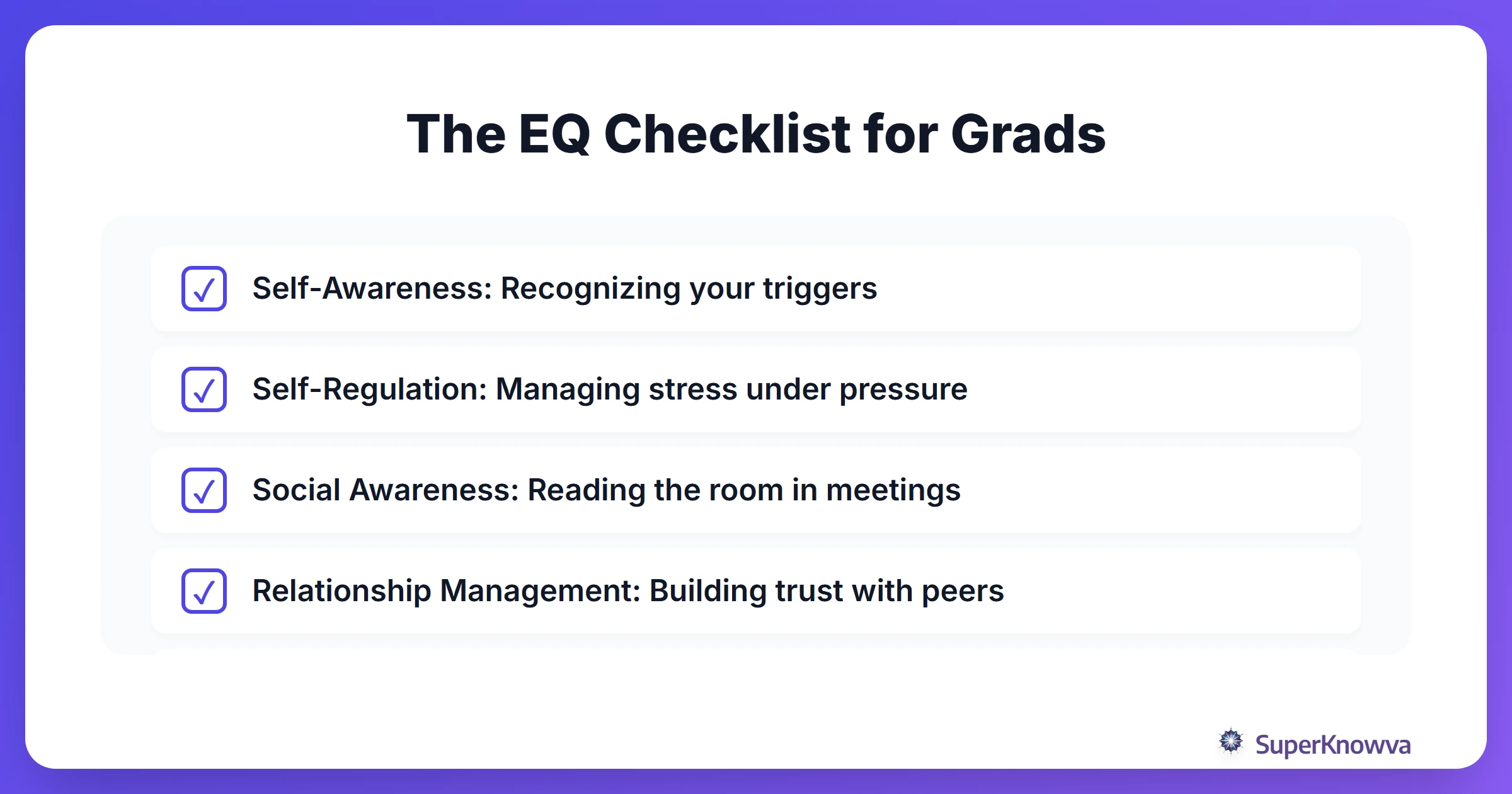
Managers in 2026 seek collaborative leaders who influence projects even without a formal title. This requires high self-awareness. You must manage your stress, own your mistakes, and keep growing. Emotional intelligence is difficult for AI to replicate, which is why it is a priority for soft skills employers are looking for in the AI era.
Adaptability: Learning How to Learn
If there’s one thing we know about 2026, it’s that things change fast. The tools you use on your first day of work might be obsolete by your first anniversary. This is why a "Growth Mindset" is your best friend.
Resilience is key. You’re going to make "rookie" mistakes. We all do. The difference between a good employee and a great one is how fast you bounce back and what you take away from the fail.
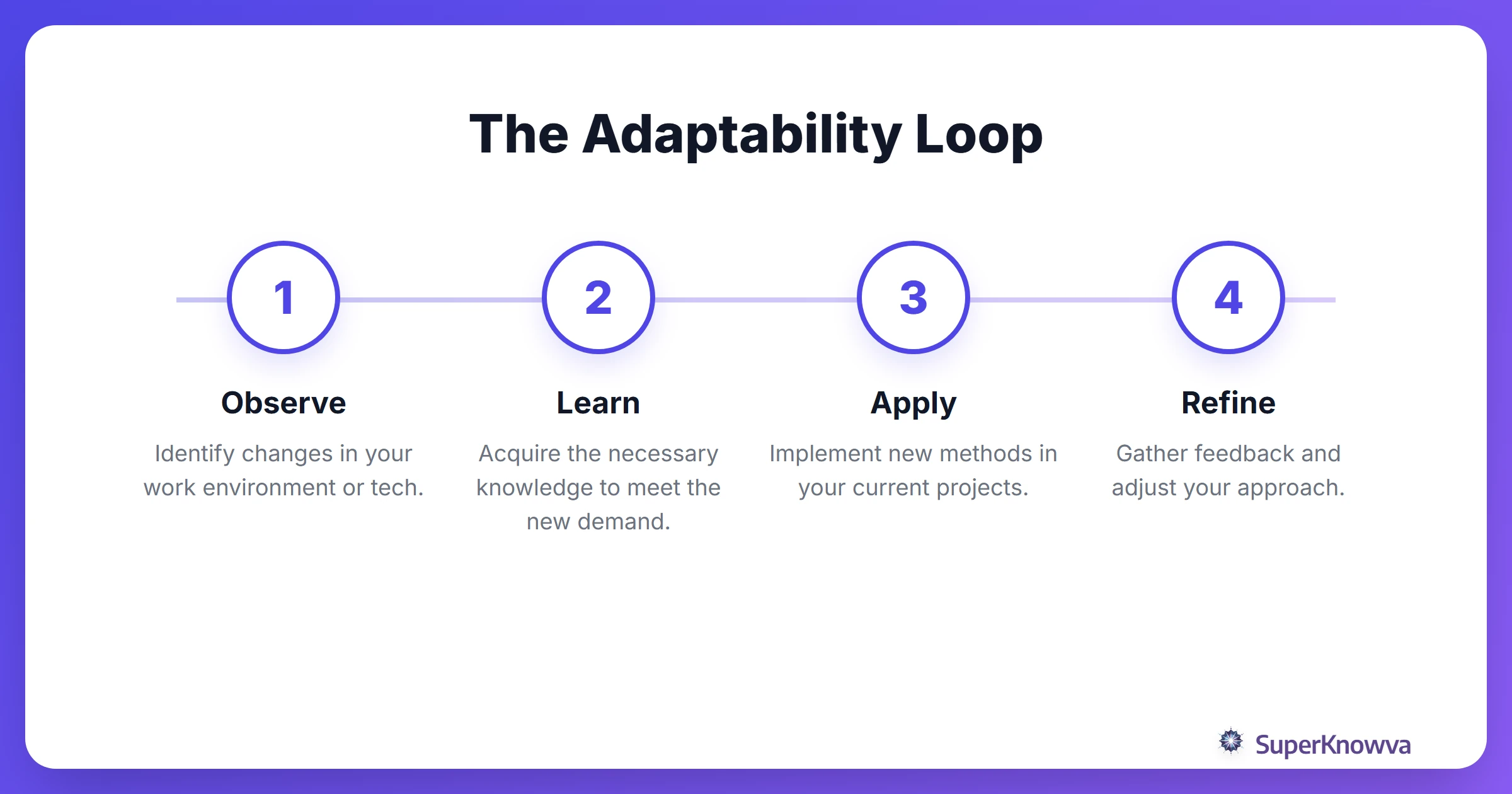
Make learning a habit, not a chore. Whether you’re attending a niche webinar or using tools like SuperKnowva to stay ahead of industry trends, your ability to "learn how to learn" is your secret weapon. Don't forget that a student's guide to building professional connections often starts with a simple, genuine curiosity about how others are handling these changes.
How to Actually Prove These Skills on a Resume
You know you’re a great communicator, but how do you prove it to a recruiter who is scanning hundreds of resumes? Hint: Don’t just write "good team player" in your skills section.
Use the STAR method (Situation, Task, Action, Result) to show, not just tell.
- The "AI" Way: "I am a good problem solver." (Generic, boring, ignored).
- The "Human" Way: "When our team's data model produced conflicting results (Situation), I manually audited the raw data to find a source bias (Action), which improved our project’s accuracy by 15% (Result)."
When you’re using a resume building guide for 2026 graduates, make sure to include keywords like "cross-functional collaboration" and "strategic thinking." This helps you pass the automated filters while still proving your human value to the person reading it.
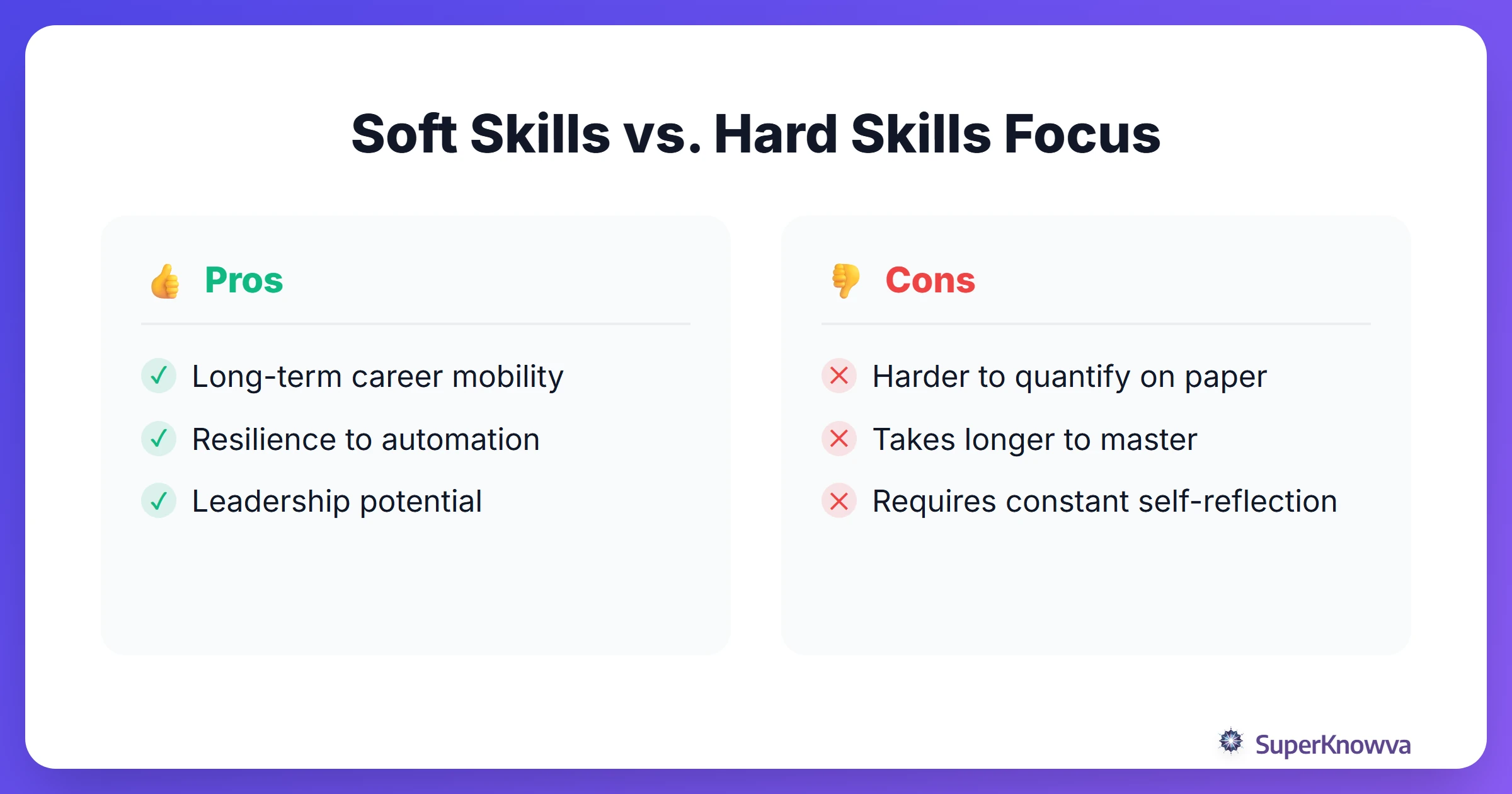
For a deeper dive, check out this list of Top Soft Skills for Graduate Resumes.
The Bottom Line
Success comes from humans working with machines. By mastering these soft skills for new graduates, you are doing more than looking for a job; you are building a resilient career.
Embrace your human advantage. Stay curious. Lead with empathy. The 2026 workplace is waiting for you, and honestly? You’ve got this.