Ever feel like your brain is running on "low battery" halfway through a study session? You’ve got the best tools, the perfect playlist, and your SuperKnowva dashboard ready to go, but for some reason, the information just won't stick. Before you reach for a third cup of coffee, take a look at your plate. The secret to staying sharp might actually be healthy eating for cognitive performance.
What we eat does more than just keep us full; it dictates how our neurons fire, how our memories form, and how well we handle the pressure of finals week. Your brain needs the right fuel to support your studies.
The Science of Brain Fuel: Why Your Gut Matters
The connection between your lunch and your GPA isn't just a theory. It’s a biological reality often called the "brain-gut connection." Your digestive tract is lined with millions of nerve cells that are in constant conversation with your brain. If your diet is a mess, your mental clarity usually follows suit.
According to research published in Nature, what we eat has a massive, lasting impact on how our brains develop and how we manage our emotions. High-quality "brain fuel" supports the neural pathways that help us learn and adapt. On the flip side, a diet loaded with refined sugars can trigger a cycle of cravings and "brain fog" that’s incredibly hard to break.
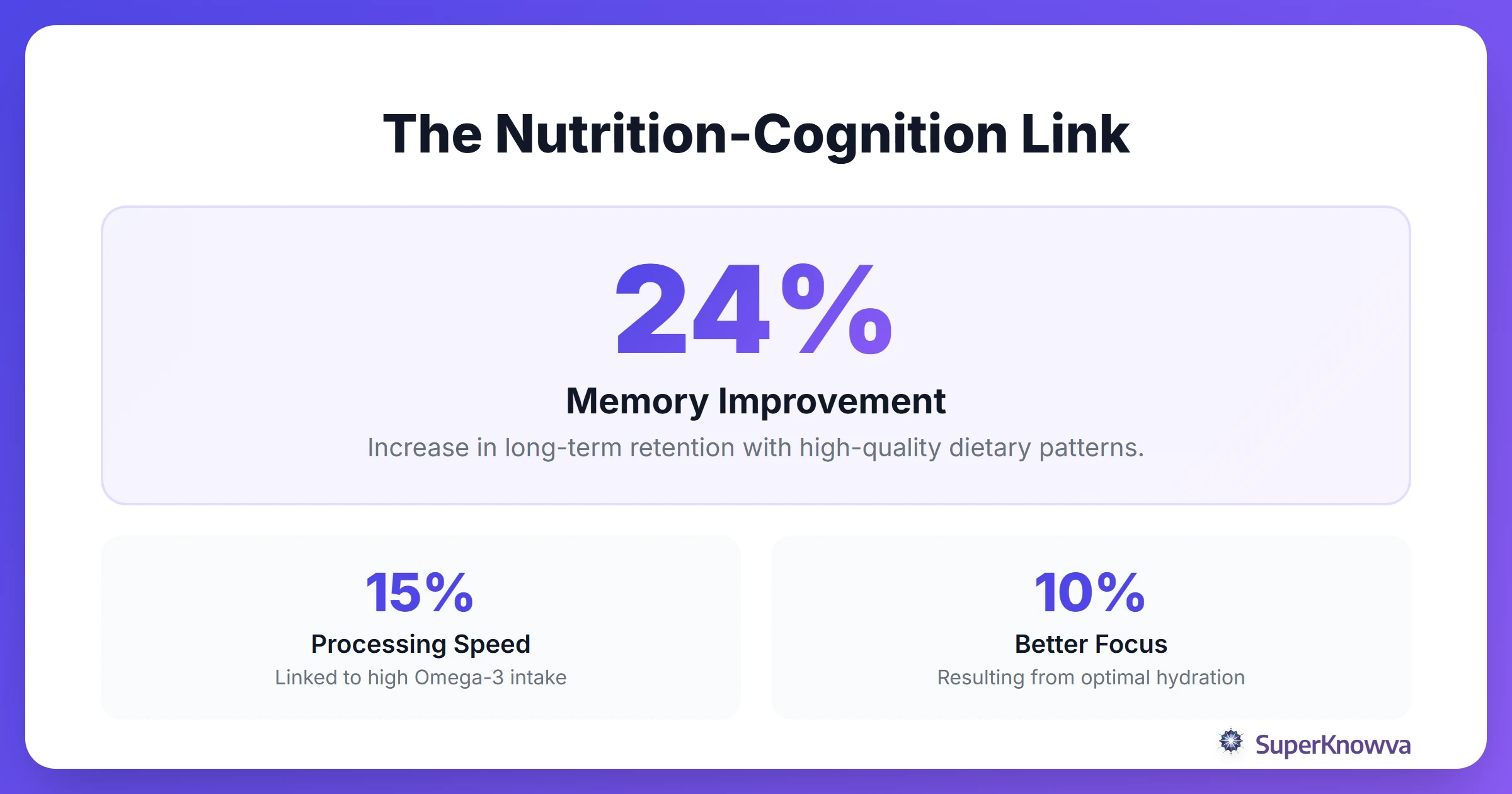
Forget the "magic pills" or the expensive supplements you see on social media. Finding the best diet for studying and exam performance isn't about one "superfood." It is about building a consistent, balanced way of eating.
Essential Nutrients for Mental Clarity and Focus
To keep your cognitive engine humming, you need a specific set of raw materials. Harvard Health emphasizes that following a healthy dietary pattern is far more effective than any single ingredient, but these four nutrients are the heavy hitters:
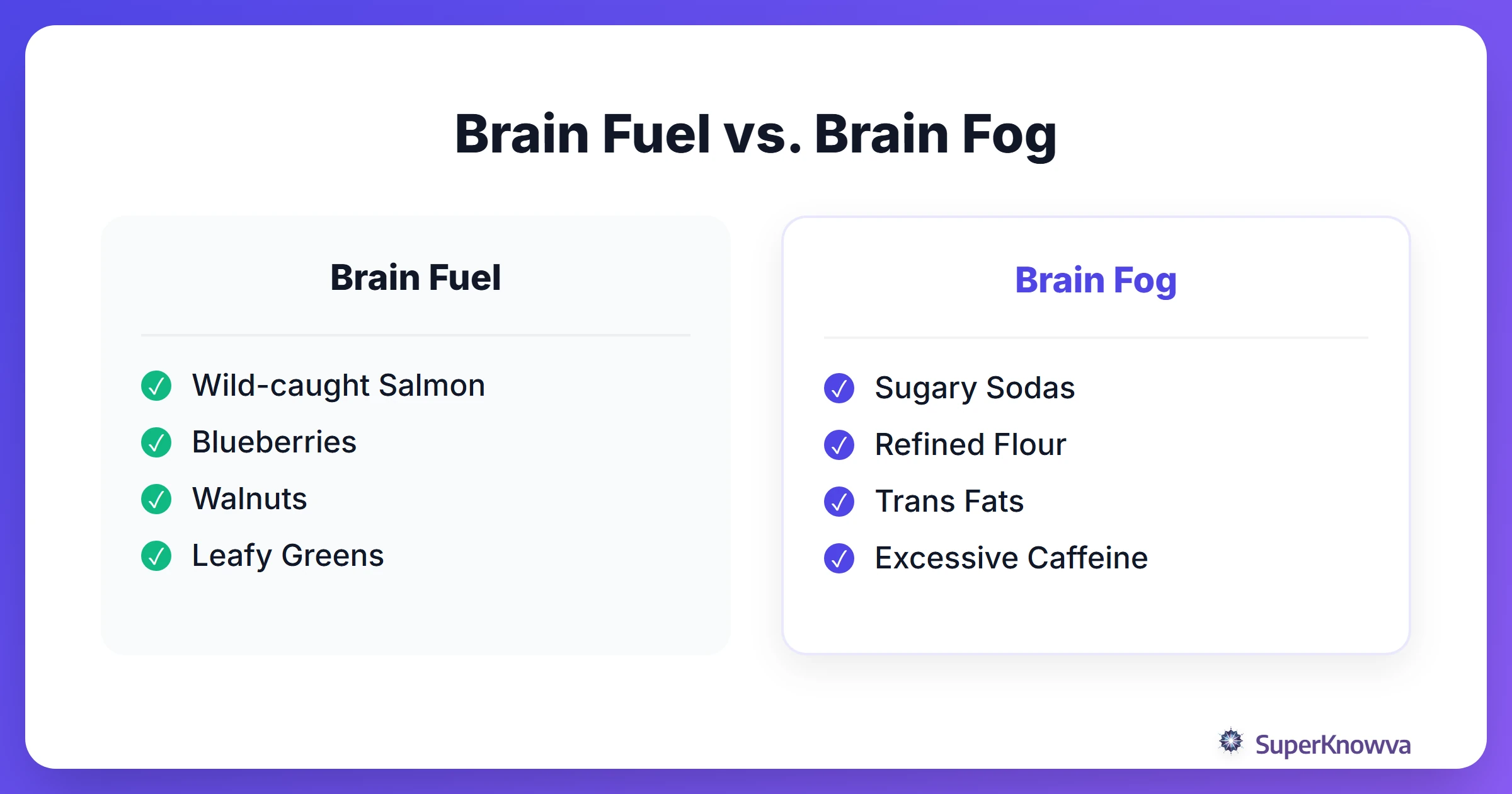
- Omega-3 Fatty Acids: Found in salmon, walnuts, and flaxseeds. These are structural components of brain cell membranes and are essential for memory.
- Antioxidants: Studying is hard work and can cause oxidative stress. The flavonoids in colorful berries help protect brain cells from damage.
- B Vitamins: Specifically B6, B12, and folic acid. These are energy producers that help synthesize the neurotransmitters that keep you focused.
- Vitamin K: This nutrient is linked to faster cognitive processing and better memory retention.
Blood Sugar Management: Killing the Afternoon Slump
We’ve all hit that 3:00 PM wall: the moment where even a simple paragraph feels like it’s written in a foreign language. This usually isn't a lack of discipline; it’s blood sugar volatility. When you grab a soda or a white-bread sandwich, your blood glucose spikes and then crashes, leaving you feeling sluggish.
To maintain a cognitive health diet, switch to complex carbohydrates like oats, quinoa, and brown rice. These provide a slow, steady drip of glucose, the primary energy source your brain craves.
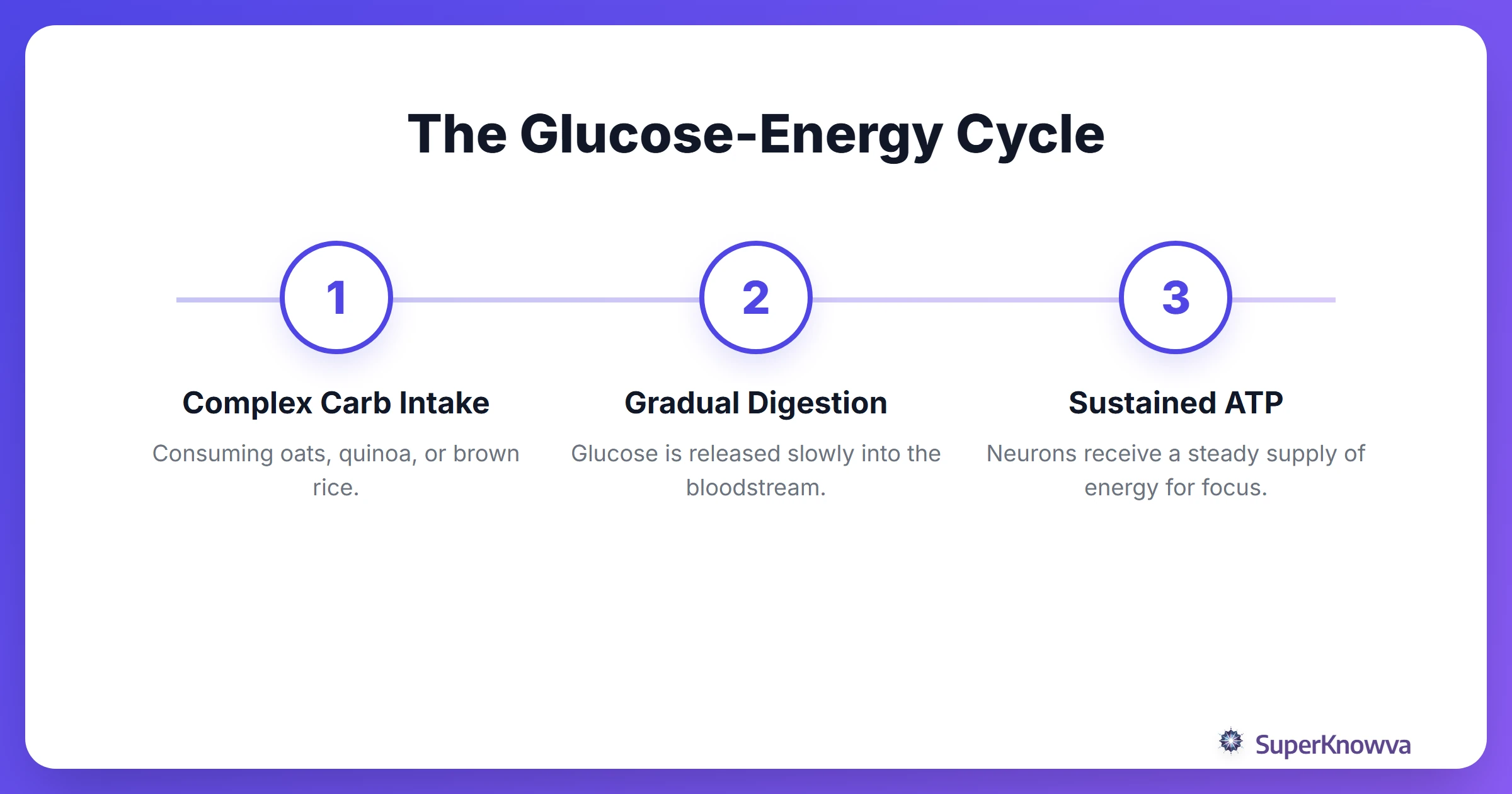
Pro-Tip: Never eat carbs alone. Always pair them with a protein or a healthy fat. This slows down digestion even further, helping you stay locked in during a three-hour lecture. If you're constantly crashing despite these changes, it might be one of the signs of student burnout made worse by poor nutrition.
Hydration: The Easiest Way to Speed Up Your Brain
Feeling sluggish? You might not be hungry; you might just be thirsty. Even mild dehydration can reduce concentration and short-term memory. Water facilitates the electrical signaling between neurons. Without it, your brain slows down.
During the summer, staying hydrated is a non-negotiable. Instead of reaching for sugary energy drinks that lead to an inevitable crash, try these healthy eating for cognitive performance alternatives:
- Water infused with lemon, cucumber, or mint.
- Unsweetened herbal iced teas.
- Coconut water for a hit of natural electrolytes.
Think of staying hydrated as one of the simplest mindfulness techniques for focus you can start today.
The Summer Brain Food List: Seasonal Powerhouses
Summer is the perfect time to reset your habits because the best brain food for students is currently in season:
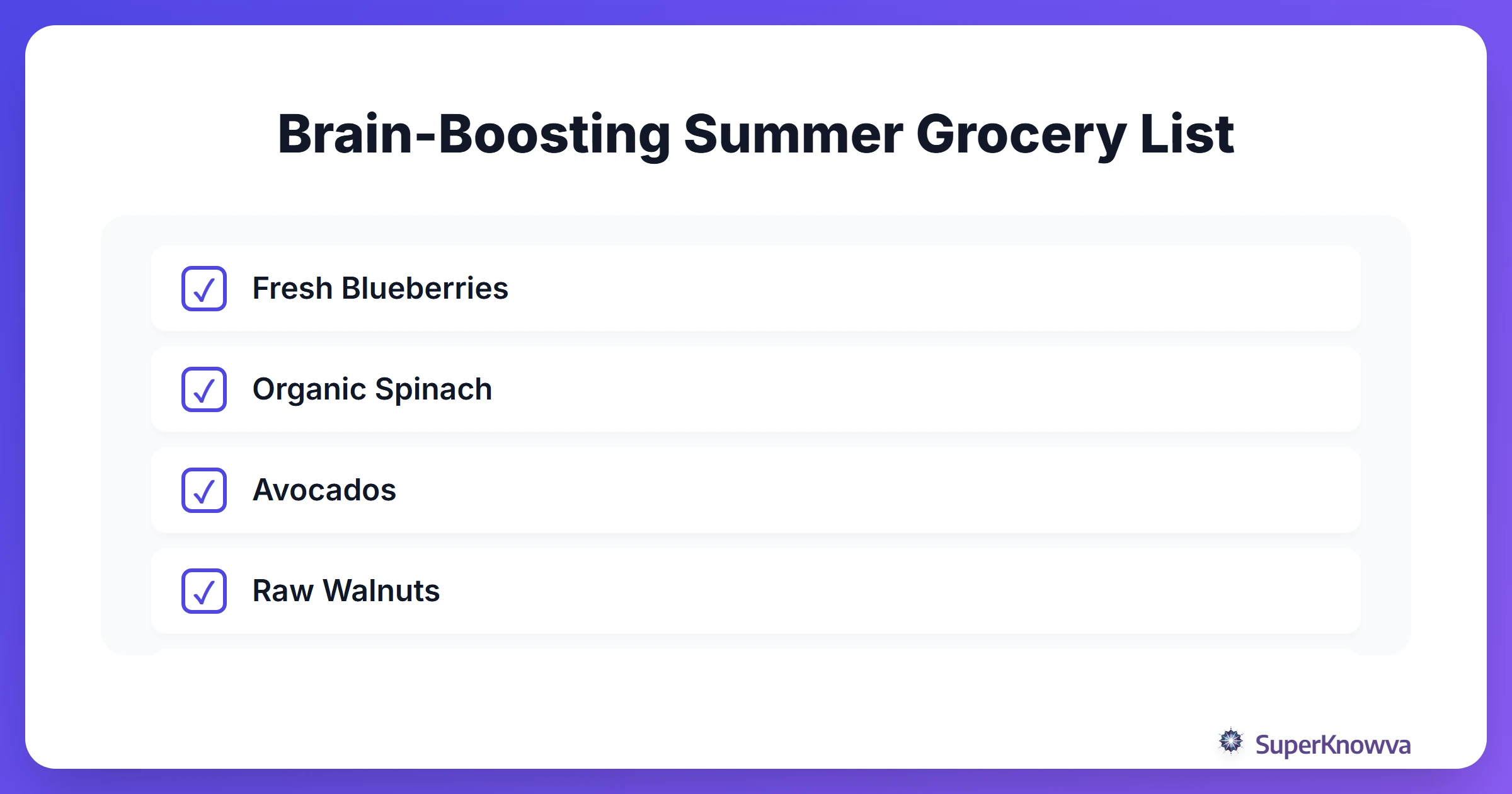
- Berries: Blueberries and strawberries contain anthocyanins, which help increase blood flow to the parts of the brain responsible for memory.
- Leafy Greens: Spinach and kale provide Vitamin K and folate, which help keep your brain agile.
- Walnuts and Seeds: These are portable, mess-free library snacks full of Omega-3s.
- Avocados: They provide healthy monounsaturated fats that support blood flow, which is vital for brain health.
Practical Meal Prepping for the Busy Student
Knowing what to eat is the easy part. Finding the time to cook it? That’s the challenge. But nutrition for mental clarity doesn't have to mean spending hours in the kitchen.
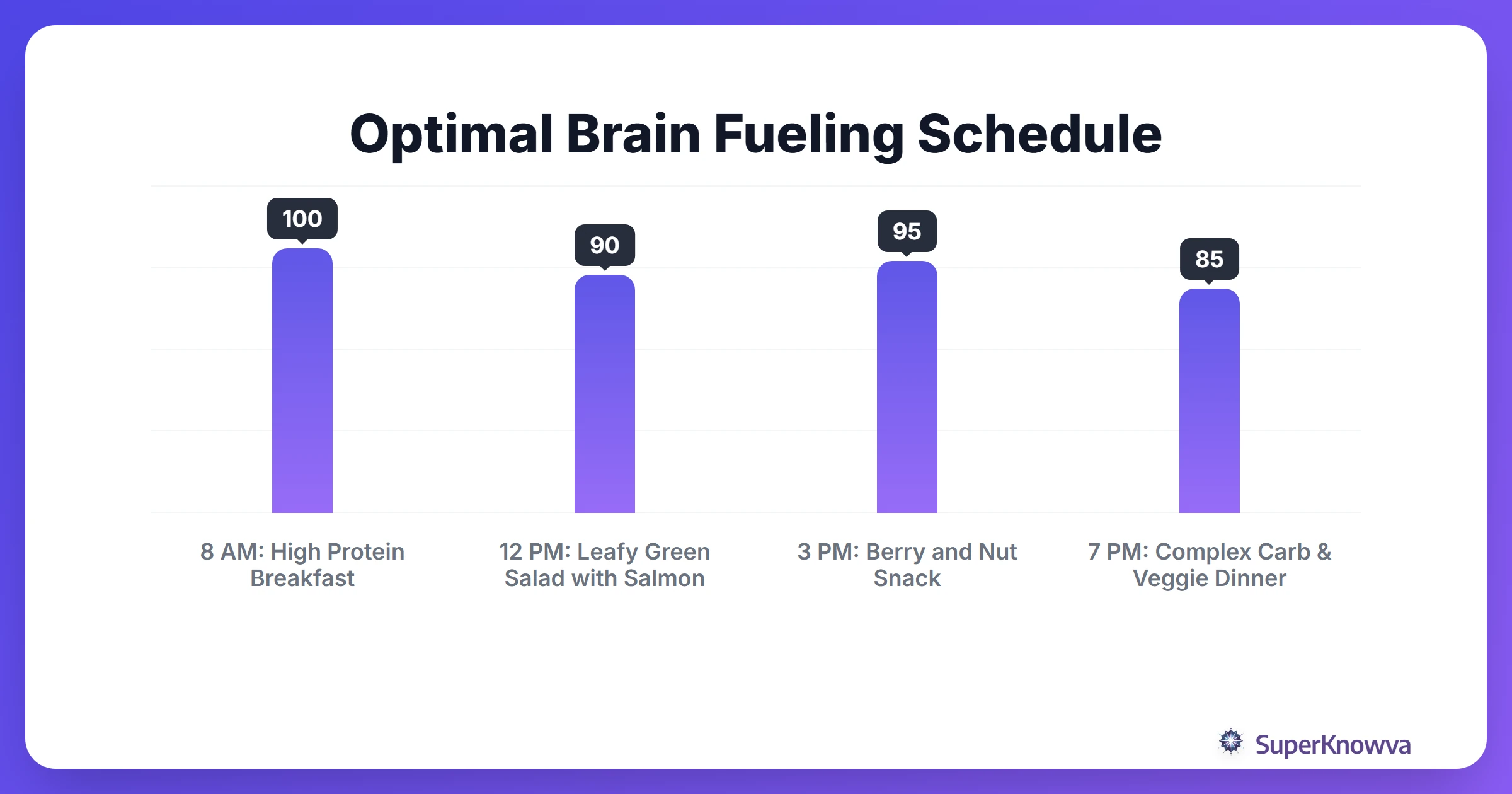
- Five-Minute Breakfasts: Try overnight oats or Greek yogurt with berries. Prep them the night before so you don't start your morning on an empty tank.
- The Sunday Batch: Roast a massive tray of veggies and cook a big pot of quinoa on Sunday. This makes assembling the best foods for studying during the week a five-minute task.
- The Smart Swap: Replace the vending machine chips with apple slices and almond butter or a handful of trail mix.
Balancing a job and a heavy course load leads to decision fatigue. Meal prepping removes the stress of choosing what to eat when you are tired. Exercise boosts cognitive function. A quick workout followed by a prepped meal is an effective way to improve focus.
Habits to Avoid: What’s Draining Your Brain?
To really see a difference, you have to cut out the habits that are sabotaging your hard work:
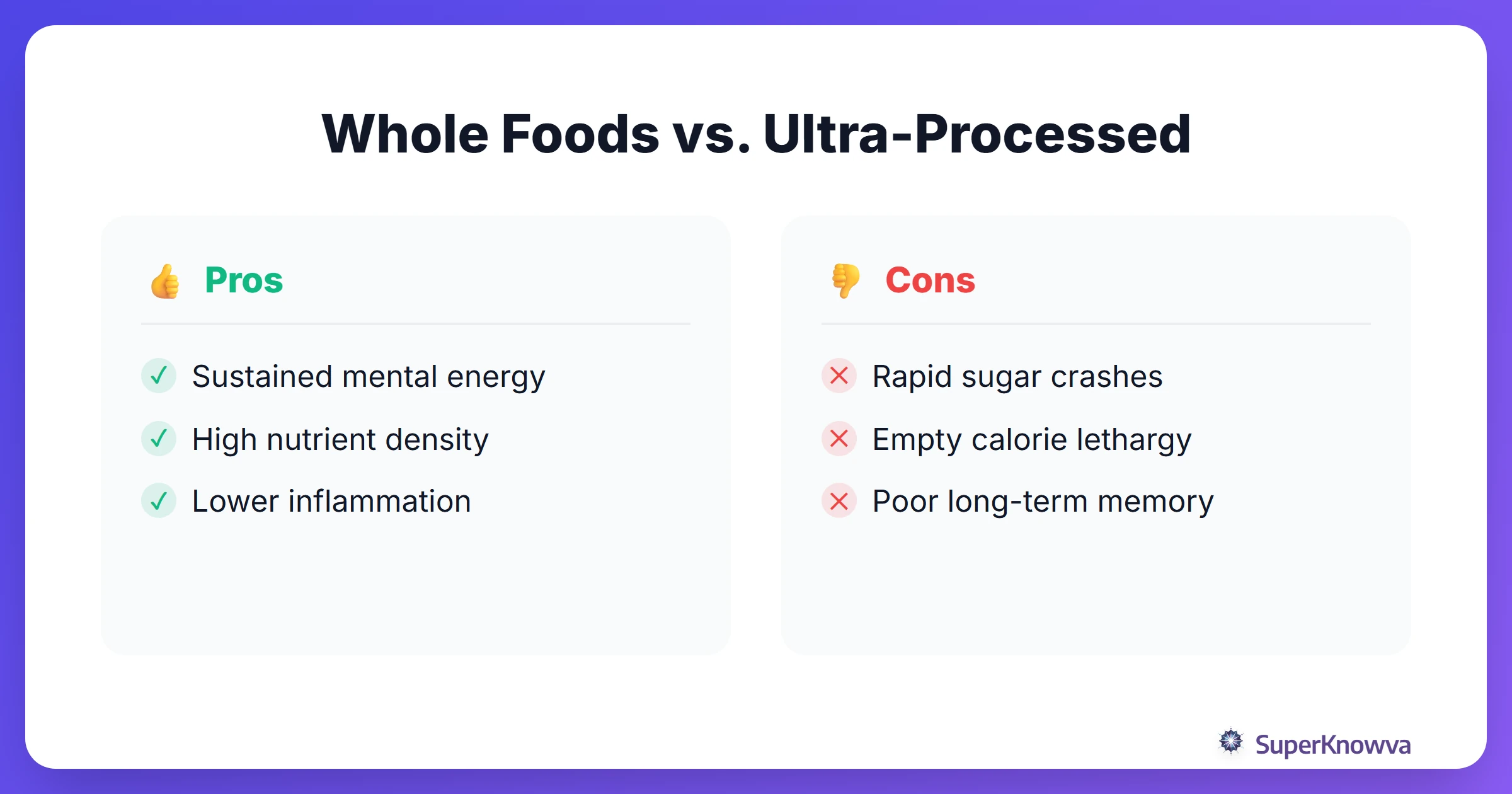
- The Ultra-Processed Trap: Foods high in trans fats and additives can cause brain inflammation, which disrupts long-term memory.
- Skipping Meals: This leads to irritability and poor decisions. Your brain needs a consistent energy supply.
- Caffeine Overload: A morning coffee is fine, but relying on it all day ruins your sleep. Sleep is when your brain stores what you've learned.
- Social Eating Guilt: It's okay to grab pizza with friends! Balance it with a nutrient-dense meal earlier in the day.
By making small, intentional changes to what you eat, you aren’t just "dieting"; you’re building a faster, more resilient brain. Use these summer brain foods to fuel your studies and improve your performance.