It’s July. The sun is out, your friends are at the beach, and you’re... stuck inside staring at a textbook. It’s a brutal balancing act, trying to nail those mid-year exams or intensive summer courses while everyone else is on "summer mode."
When the pressure is on, you probably reach for your study schedule or fire up AI tools like SuperKnowva to get ahead. But there’s one secret weapon you might be neglecting: your plate. Finding the right brain foods for students isn't just about stopping your stomach from growling during a lecture. It’s about giving your brain the literal biological fuel it needs to think, remember, and perform under pressure.
In this guide, we’re looking at how summer nutrition can give you a massive edge and which specific foods can help you stay sharp when the heat (and the deadline) is on.
The Science of Brain Fuel: Why Nutrition Matters for Students
The human brain requires significant energy. Although it accounts for only 2% of body weight, it consumes roughly 20% of daily calories. During intense study sessions, such as when you are learning complex theories or practicing active recall, this energy demand increases.
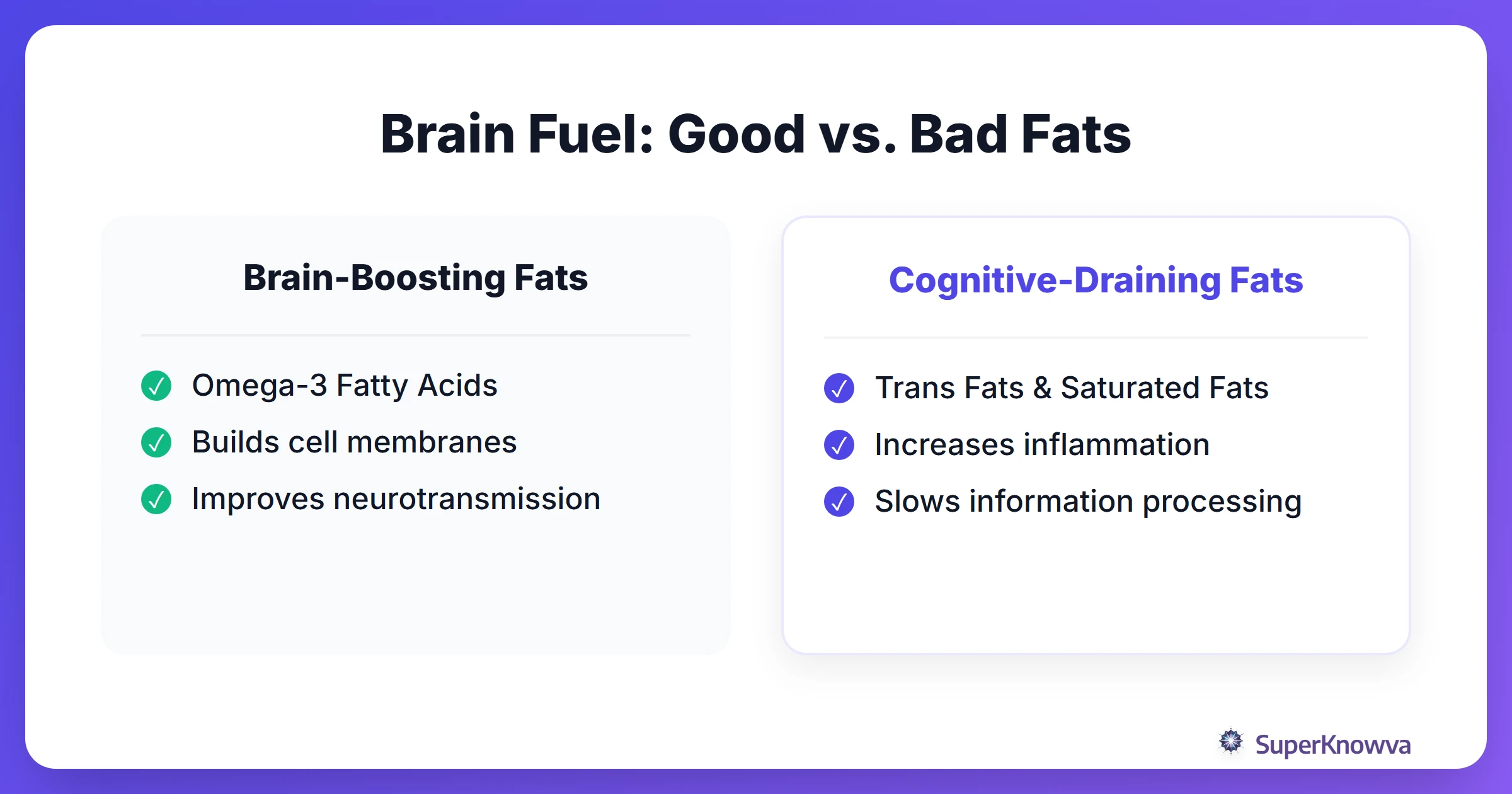
But here’s the catch: the quality of that energy matters. To keep your cognitive function at its peak, your brain needs specific building blocks. For example, Omega-3 fatty acids are what your brain cell membranes are actually made of. Meanwhile, antioxidants act like a shield, protecting your neurons from the "wear and tear" of long mental marathons.
When you prioritize brain foods for students, you aren't just eating; you're upgrading your hardware. It’s the difference between running your "study software" on an old, glitchy laptop or a brand-new MacBook Pro. To really get the most out of your brain, you need to understand the best diet for studying.
Top Summer Superfoods for Memory and Concentration
The best part about studying in July? Some of the most powerful memory boosting foods are in peak season right now. They’re fresh, cheap, and everywhere.
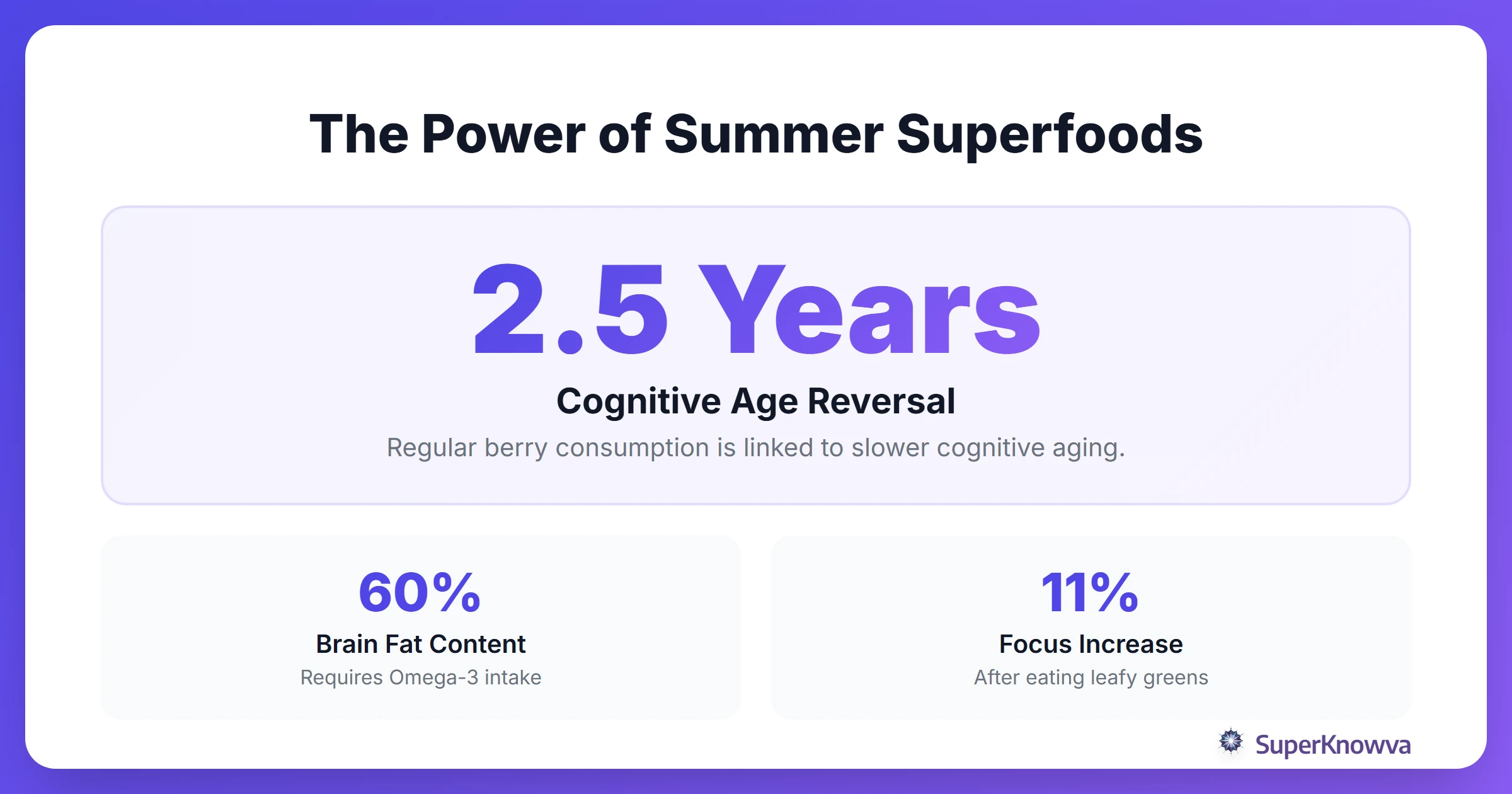
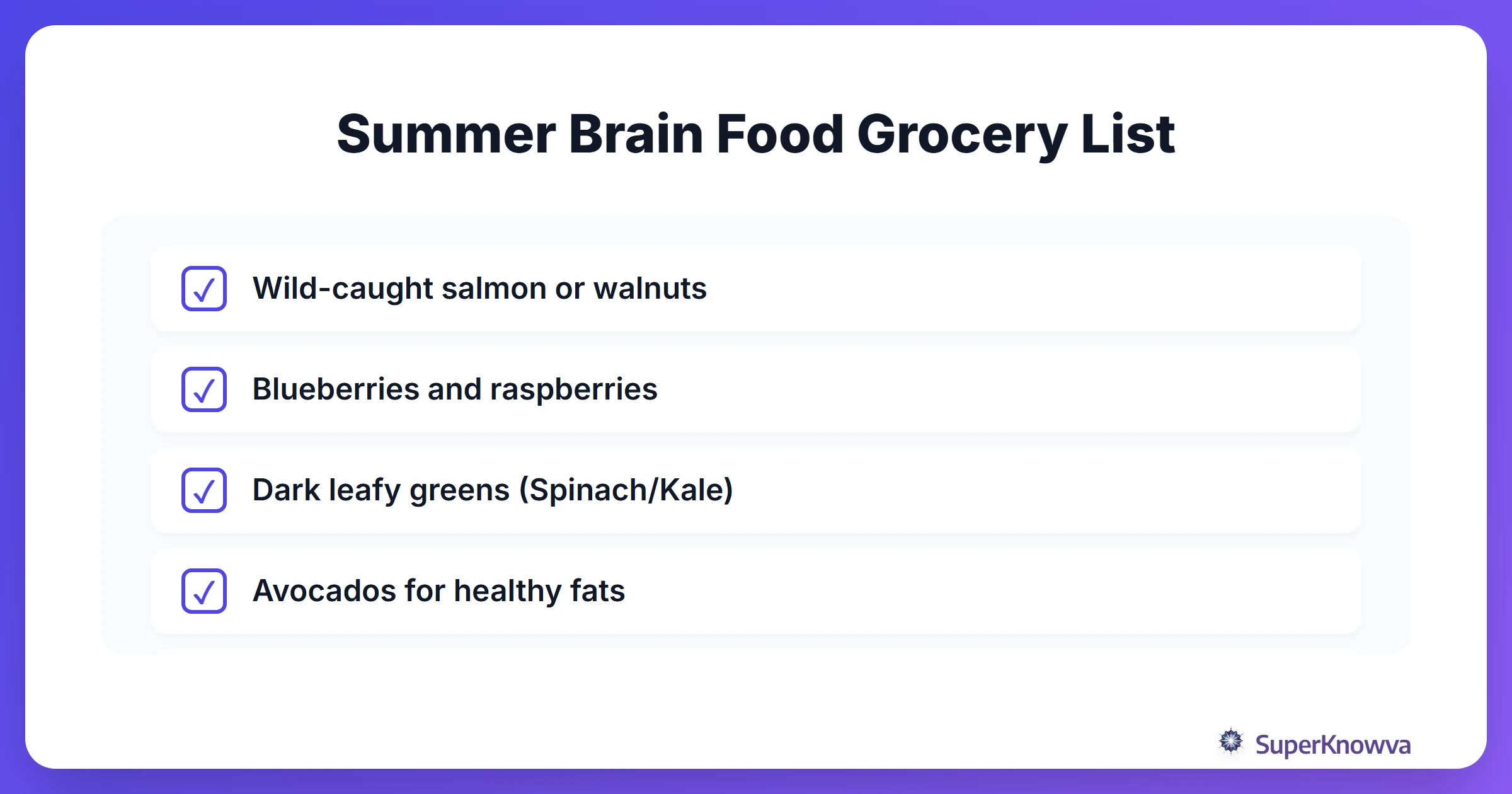
- Berries: Blueberries, strawberries, and raspberries are high in anthocyanins, which are compounds that help brain cells communicate more effectively.
- Leafy Greens: Spinach and kale are packed with Vitamin K and lutein. These nutrients help maintain mental agility during study sessions.
- Fatty Fish: Salmon and sardines are rich in DHA, an Omega-3 fatty acid vital for maintaining healthy brain structure.
According to Harvard Health: Foods linked to better brainpower, making these a regular part of your diet can lead to real, measurable improvements in how well you focus and remember information.
Hydration: The Hidden Key to Cognitive Performance
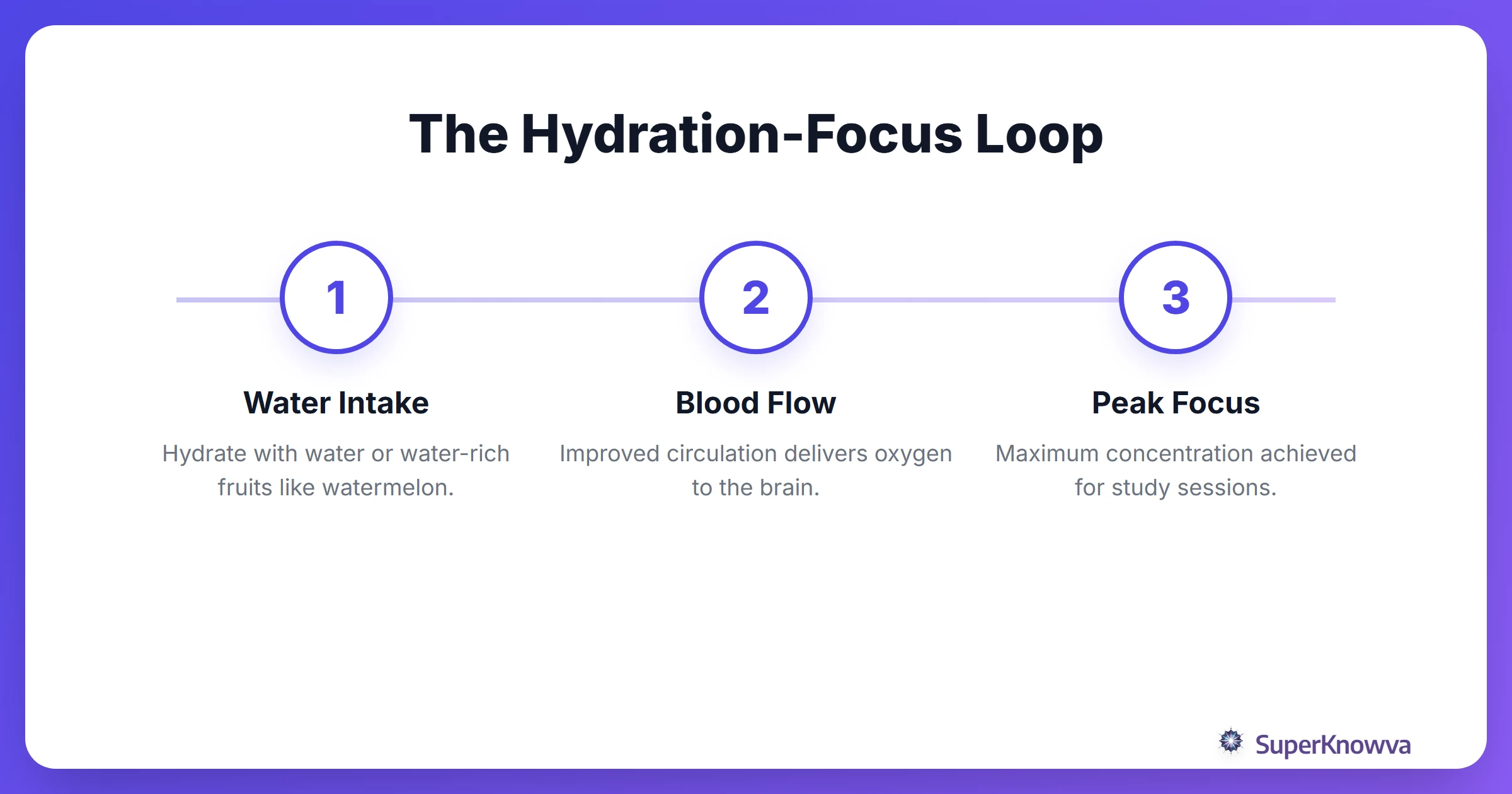
In the middle of a heatwave, dehydration is the silent enemy of student wellness. You might not even feel thirsty, but even a tiny 2% drop in body water can make your concentration crater. If you’ve ever felt "brain fog" or struggled with short-term memory during a test, you might just be dehydrated.
While water is the obvious choice, you can also "eat" your hydration. Summer snacks like watermelon, cucumbers, and celery are over 90% water. They also provide electrolytes that help the electrical signals in your brain move faster. Staying hydrated ensures oxygenated blood reaches your brain, which is essential for mindfulness for focus during those high-stress exam windows.
Avoiding the Sugar Crash: Smart Snacking Strategies
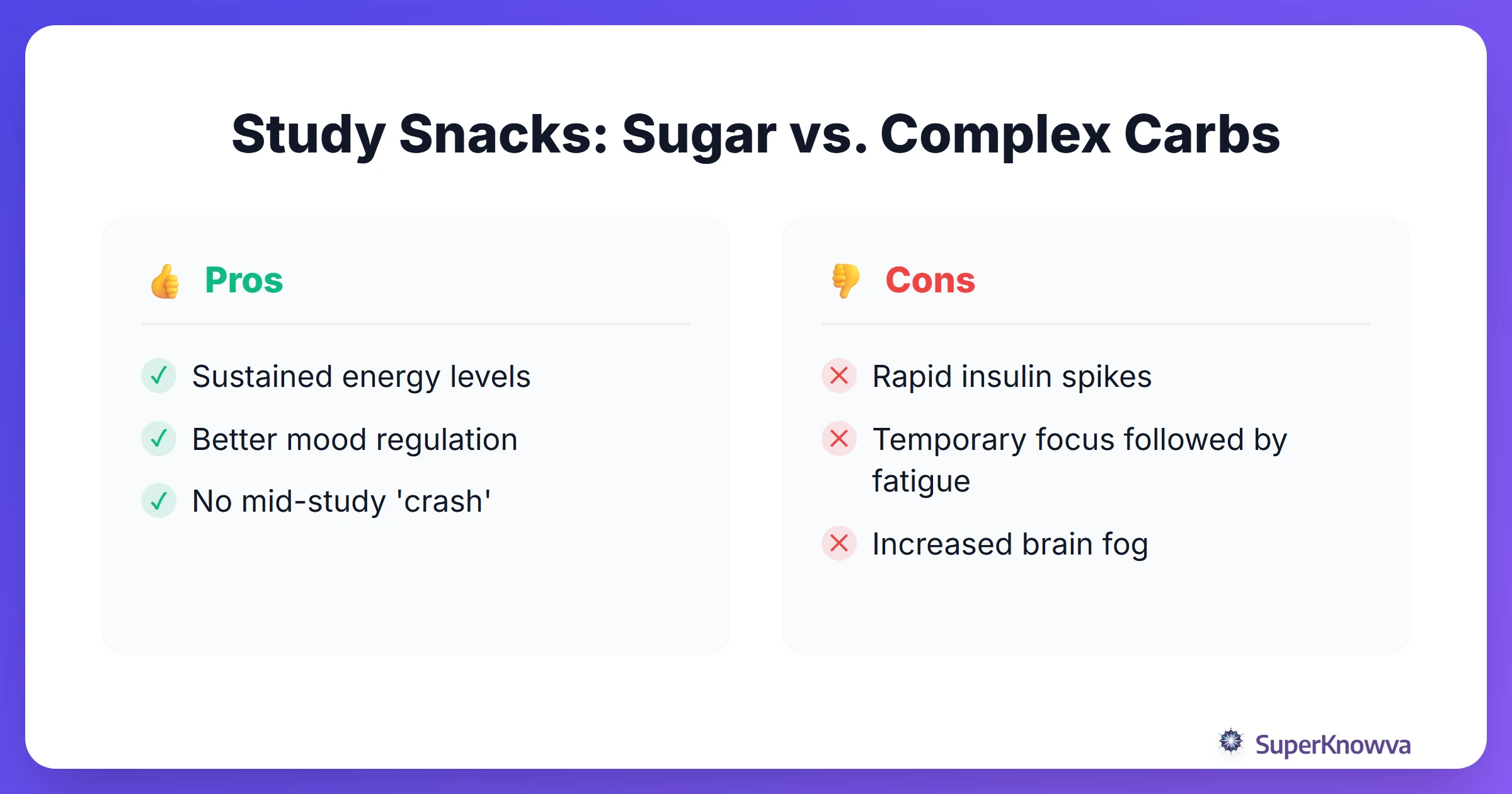
We’ve all been there. It’s 3 PM, you’re exhausted from a deep-dive study session, and that vending machine candy bar is calling your name. It gives you a quick rush, sure. But that spike in blood sugar is always followed by a "crash" that leaves you feeling tired, foggy, and irritable.
To keep your exam preparation stamina high, you want to focus on the Glycemic Index (GI). Low-GI foods release energy slowly, giving your brain a steady stream of fuel instead of a chaotic burst.
Healthy summer swaps:
- Instead of ice cream: Grab some Greek yogurt topped with walnuts.
- Instead of chips: Go for pumpkin seeds or air-popped popcorn.
- Instead of soda: Try iced green tea. It contains L-theanine, which helps create a state of "calm focus," making it ideal for a big test.
Managing your blood sugar is one of the easiest ways to go about preventing student burnout when you're in the home stretch of the semester.
July Meal Prep: Quick Recipes for Busy Students
Let's be real: nobody wants to stand over a hot stove in July. The goal is to spend less time cooking and more time hitting your SuperKnowva practice quizzes. Batch-prepping no-cook meals is the way to go.
3 Simple Summer Brain-Boosters:
- Mediterranean Quinoa Salad: Cook a big batch of quinoa and toss it with chickpeas, cucumbers, feta, and lemon. It’s a perfect mix of protein and complex carbs.
- Overnight Oats with Berries: Mix oats with almond milk and chia seeds before you go to bed. Throw some fresh July berries on top in the morning, and you’re good to go.
- Avocado and Salmon Wraps: Use whole-grain tortillas, some canned or grilled salmon, and plenty of avocado for those essential healthy fats.
For more ideas on how to stock your dorm or kitchen, take a look at Northwestern Medicine: Best Brain-Boosting Foods.
The Long-Term Impact of Mindful Eating
Eating right isn't just a "quick fix" for one specific exam. It’s a long-term investment in your future. When you make these habits a part of your daily life, you’ll find that your baseline for concentration and memory naturally starts to climb.
Of course, nutrition is just one piece of the puzzle. To really crush your goals, you need to pair a solid diet with sleep and movement. In fact, you might be surprised at how exercise boosts grades by working alongside your diet to keep your brain healthy.
As you work through your July studies, give your brain the respect it deserves. Feed it well, keep it hydrated, and give it the fuel it needs to help you reach your full potential.