
Graduating high school in May feels like winning a marathon, only to realize you’ve been dropped at the starting line of a much longer, weirder race. The excitement is real, but so is that nagging "what now?" feeling.
The high school to college transition is the biggest shift you’ve faced yet. It’s not just about picking out extra-long twin sheets or figuring out where the dining hall is; it’s a total overhaul of how you learn, how you hang out, and how you manage your life without someone looking over your shoulder.
This 2024 guide helps you master your first year instead of just letting it happen.
The Academic Jump: No More Hand-Holding
In high school, your life is a grid: 8:00 AM to 3:00 PM, every day, same desk. If you forget a worksheet, your teacher probably gives you a nudge. In university? That safety net is gone.
The academic rigor university life demands is a different beast. You might only have a specific class twice a week, which sounds like a dream until you realize the "extra" free time is actually for teaching yourself the material. Professors aren't personal tutors; they’re experts who expect you to show up prepared.
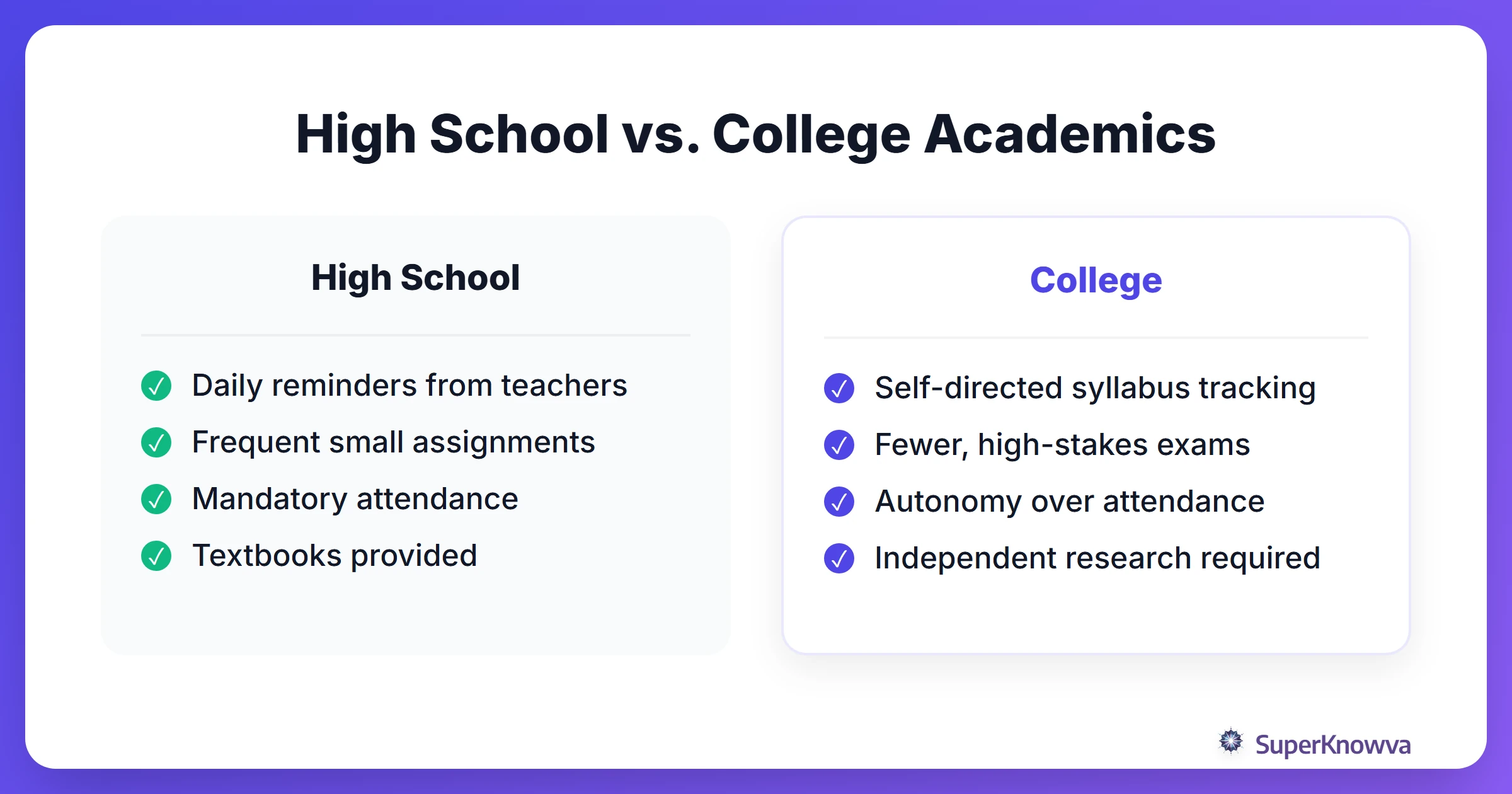
The most important tool you’ll own isn't a fancy laptop. It's the syllabus. This is your contract for the semester. If a paper is due October 15th, don't wait for a reminder on the 14th. It won't come. Learning that document early is your first step toward independence.
Mastering Your Schedule: The "Gap Hour" Trap
The most dangerous thing for a freshman is a three-hour gap between classes. It feels like free time, doesn't it? It feels like a nap or a Netflix marathon. But the most successful students treat those hours like a 9-to-5 job.
Most college freshman tips boil down to one thing: time management. Whether you’re a Google Calendar devotee or a paper planner person, you need a system. The biggest hurdle isn't the work itself; it's learning how to balance a high GPA with a social life without burning out by midterms.
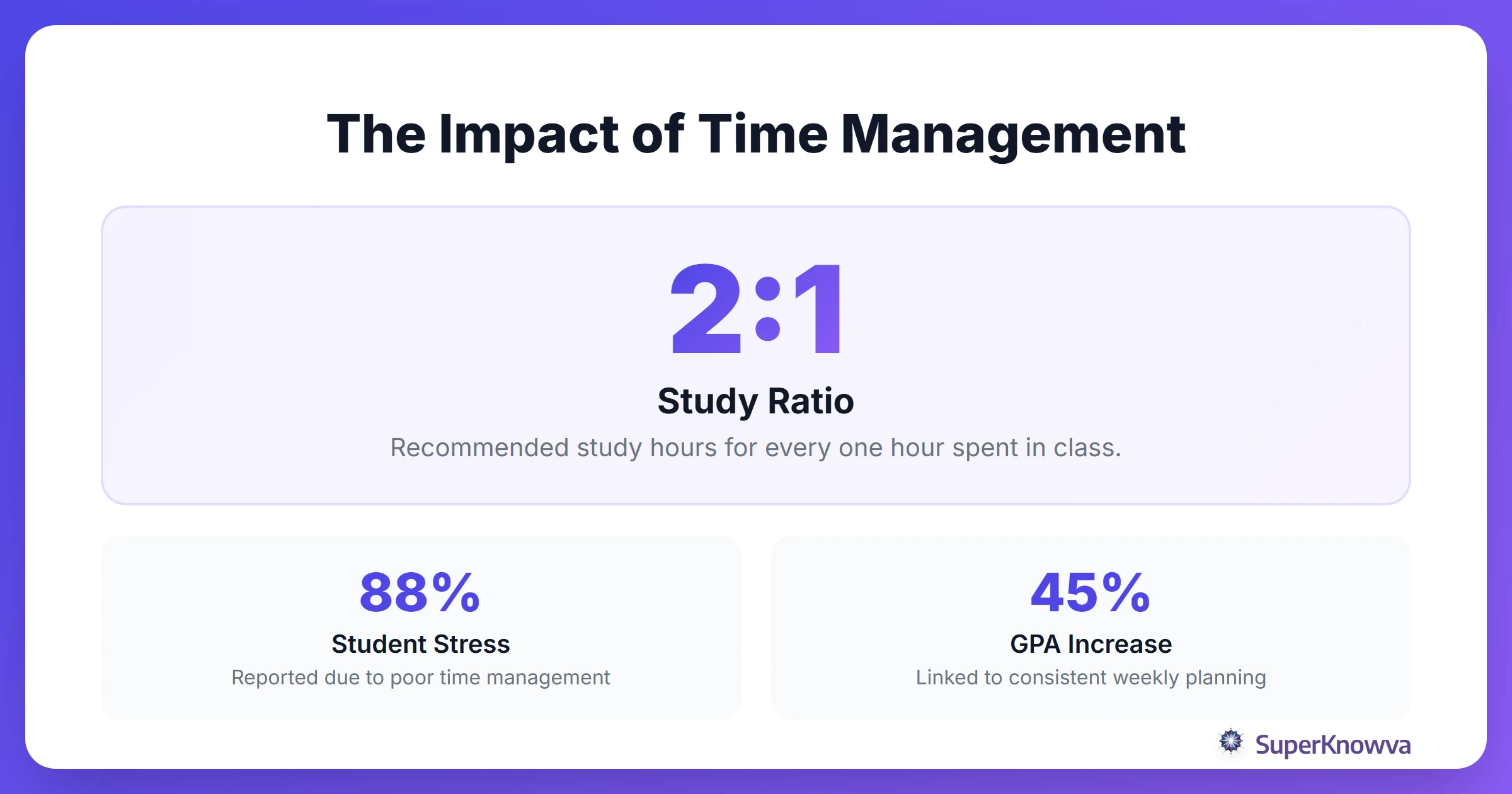
Feeling paralyzed by a massive to-do list? Use the 5-minute rule for students to break the cycle of procrastination. Don't ignore the basics. Your brain will not function at its best if you are living on four hours of sleep and energy drinks.
Social Integration: Finding Your People
Let’s be honest: the first few weeks can feel lonely. You’ll see groups of people laughing on the quad and assume everyone else has already found their "squad." They haven't. Most people are just as nervous as you are.
Adjusting to college life takes effort. If you’re living in a dorm, keep your door propped open while you’re hanging out. If you’re a commuter, don’t just sprint to your car the second class ends. Hang out in the student lounge or the library.
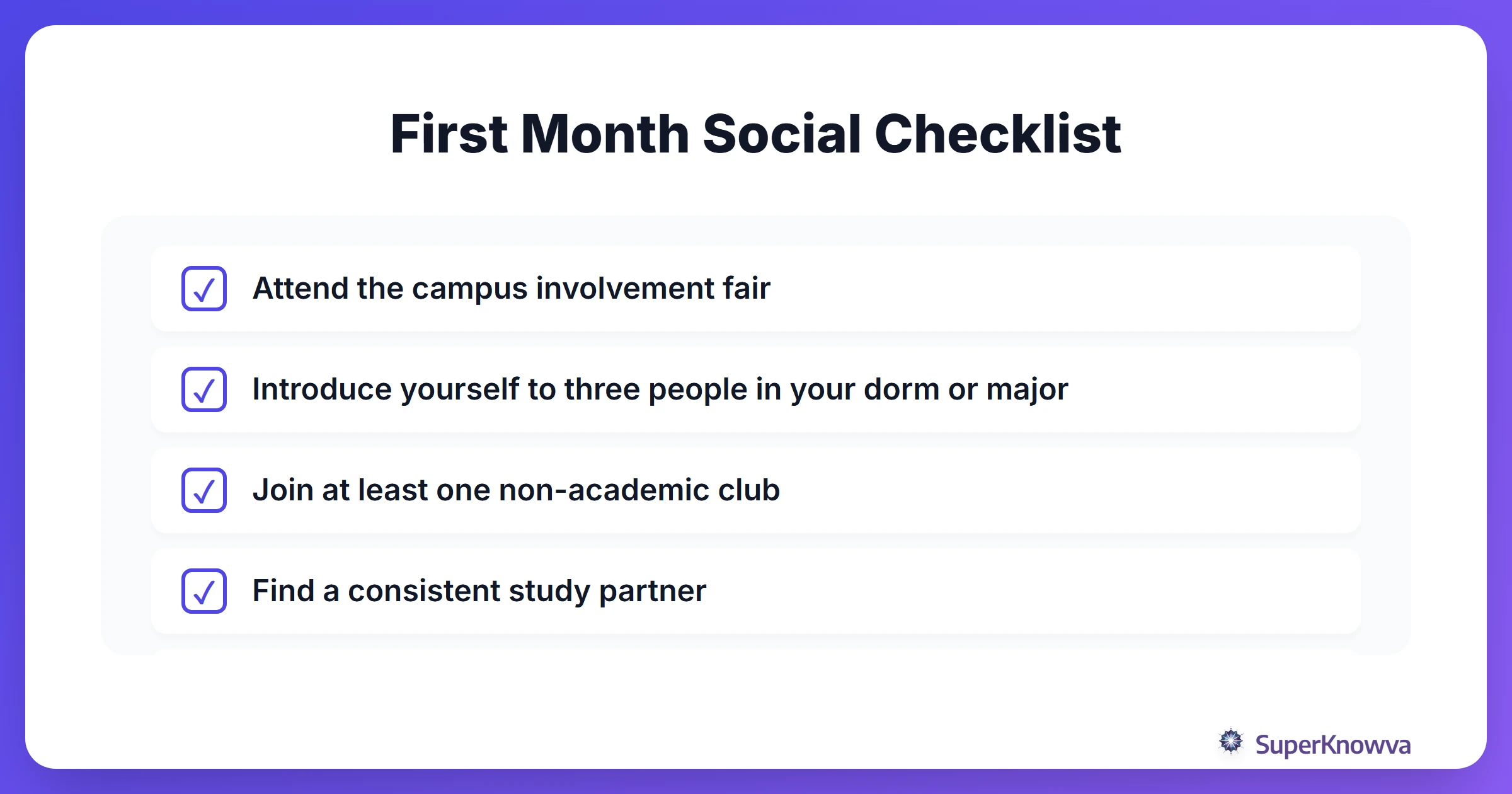
Join one club. Just one. Whether it’s an intramural pickleball team or a coding circle, these groups turn a massive campus into a small community. Remember: everyone is looking for a friend. Be the person who starts the conversation.
Upgrading Your Study Habits
If you got through high school by highlighting your textbook and cramming the night before, prepare for a wake-up call. That doesn't work here. To keep your head above water, you need to understand why Active Recall vs. Re-reading is the debate that will define your transcript.
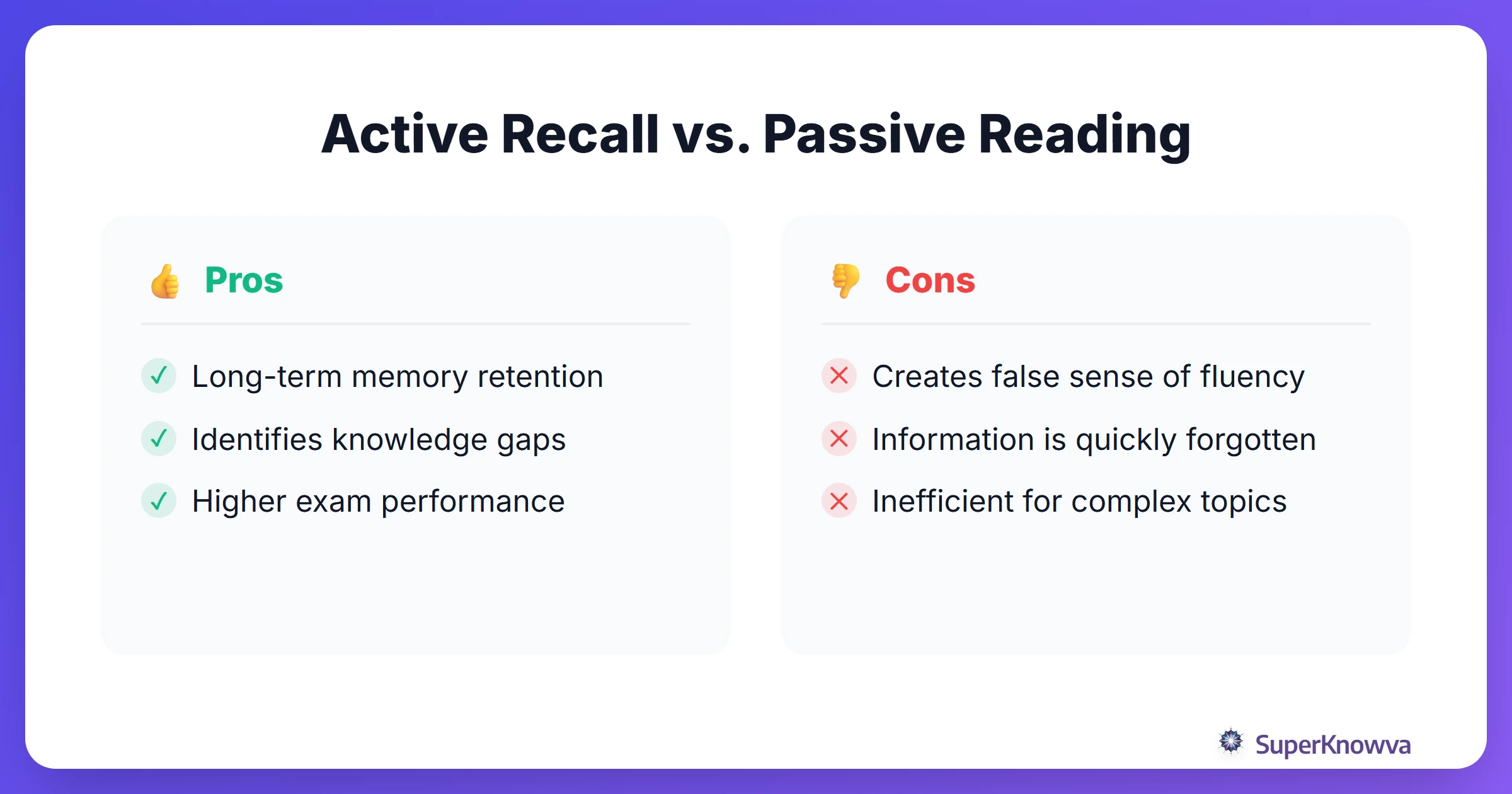
Your college study habits should be about engagement, not just staring at a page:
- Active Recall: Close the book and ask yourself, "What did I just read?"
- Spaced Repetition: Study for 30 minutes every day instead of five hours on Sunday.
- Note-Taking: You’ll be reading hundreds of pages a week. Learning how to take notes from a textbook will save you hours of panic later.
Using tech can also give you an edge. AI study platforms like SuperKnowva can take your messy lecture notes and turn them into practice quizzes, making sure you actually know the material before the exam starts.
Using Your Campus Resources (You Paid for Them!)
Your tuition covers way more than just a seat in a lecture hall. You’re paying for a massive support network, so use it.
One effective strategy is Office Hours. Most students only go when they are failing, but going early to ask a smart question about a lecture builds a relationship with your professor. As CMU's Transition Strategies point out, asking for help is not a sign of weakness; it is what successful students do.
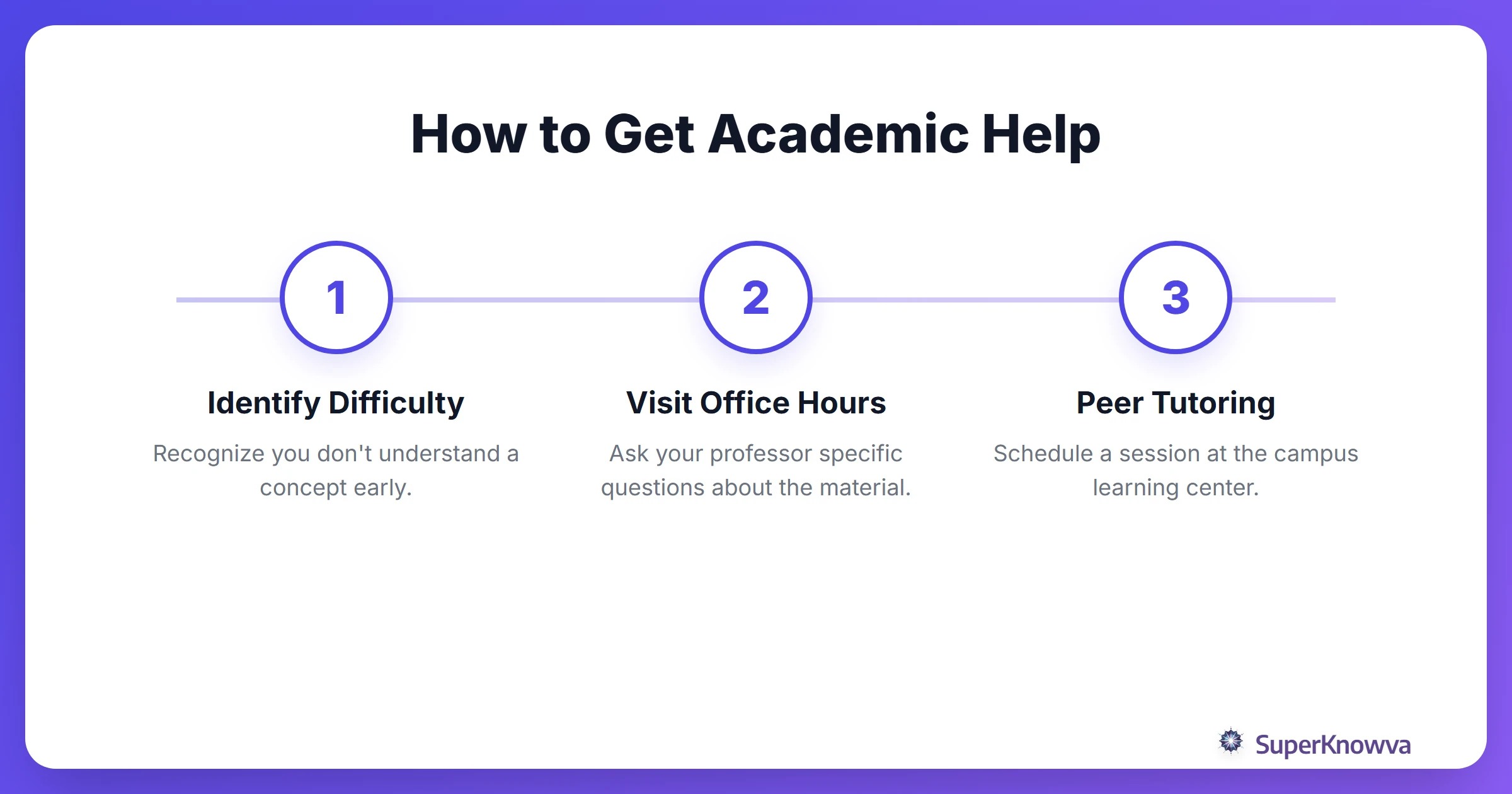
Hit the Writing Center for that first big essay. Use the Tutoring Center for your weed-out STEM classes. And please, familiarize yourself with the campus mental health resources. Your GPA doesn't matter if your mental health is in the trash.
Self-Care and Staying Resilient
The "Freshman Blues" are a real thing. It’s normal to feel homesick or like you don't belong. If you scroll through any Freshman Transition Discussion on Reddit, you'll see thousands of students saying the exact same thing: "I thought I was prepared, but this is hard."
Build your resilience by:
- Moving your body: Even a 20-minute walk across campus helps clear the brain fog.
- Setting boundaries: You don't have to go to every late-night pizza run. It’s okay to choose sleep.
- Keeping perspective: A bad grade on your first quiz isn't a death sentence. It’s just a signal that you need to change your strategy.
The high school to college transition is a gradual process. Focus on each day, stay curious, and ask for directions, both literally and figuratively.