Ever found yourself reading the same sentence four times at 2:00 AM, waiting for the information to finally click? We’ve all been there. As those July exam weeks loom closer, the temptation to trade sleep for "just one more hour" of cramming is overwhelming. But here’s the reality check: quality sleep is the ultimate academic superpower.
At SuperKnowva, we have seen that peak cognitive performance depends on more than the hours spent in the library. Your brain processes information while you sleep. Improving your exam week sleep hygiene ensures your preparation translates to results during the exam.
The Science of Sleep and Academic Success
Let’s talk numbers. There is a direct, measurable link between your pillow time and your GPA. It feels productive to stay up until the sun comes to master a difficult concept, but your brain begs to differ. Research shows that for every night of poor sleep, your academic performance takes a visible hit.
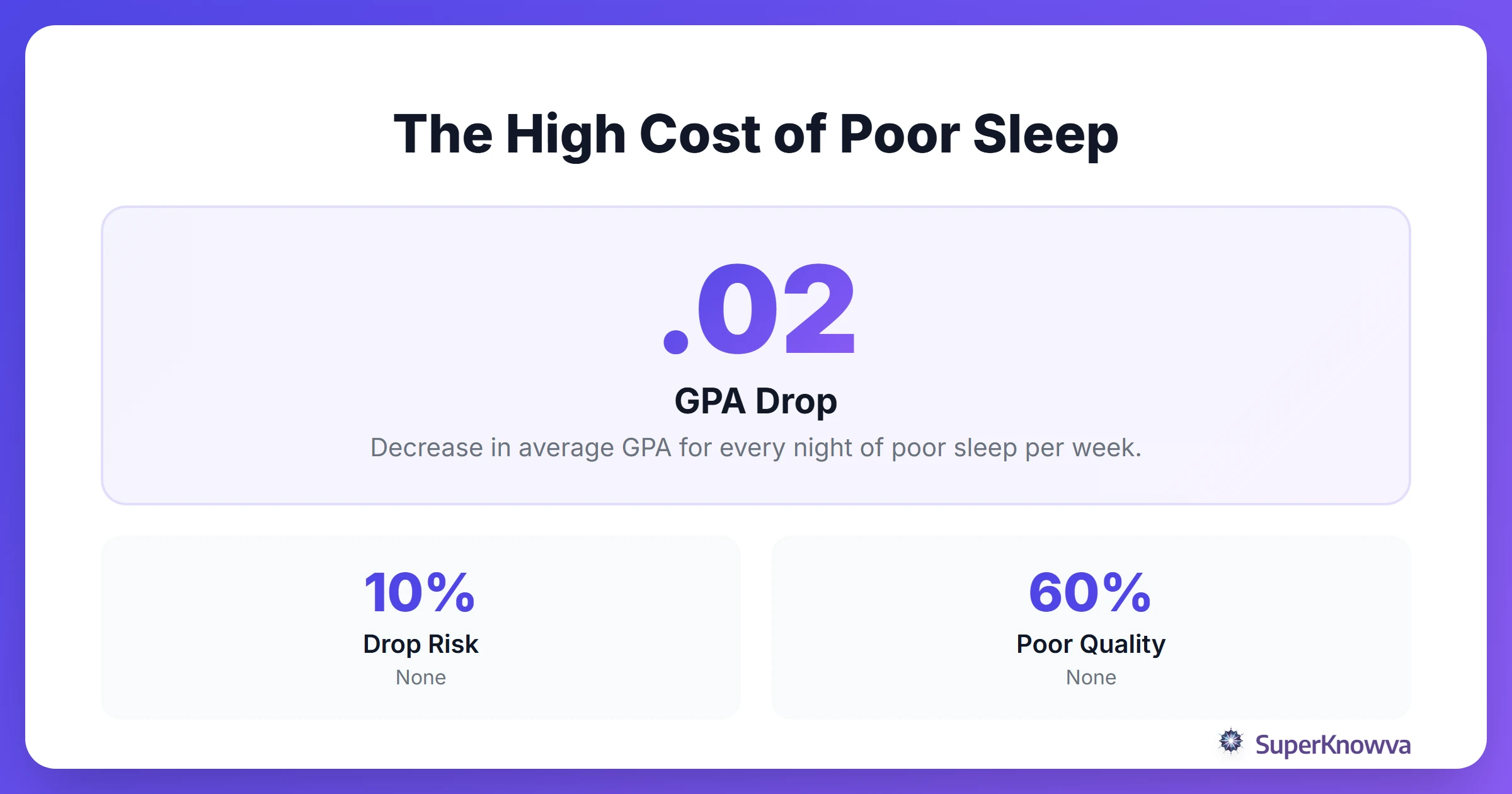
Think it’s just about feeling groggy? Think again. Chronic sleep deprivation can increase the risk of dropping a course by as much as 10%. This happens because of a process called memory consolidation. During deep sleep, your brain acts like a filing clerk, moving facts from your "inbox" (short-term memory) to "long-term storage." Without this, those formulas you memorized at midnight are likely to vanish by morning. Ignoring rest is one of the biggest signs of student burnout that can completely derail your semester.
Creating the Ultimate Exam-Season Sleep Sanctuary
If you want your brain to recover, your bedroom needs to be a recovery zone. The biggest hurdle for July exams is the heat. High temperatures prevent your core body temperature from dropping, the physical "green light" your brain needs to fall asleep.
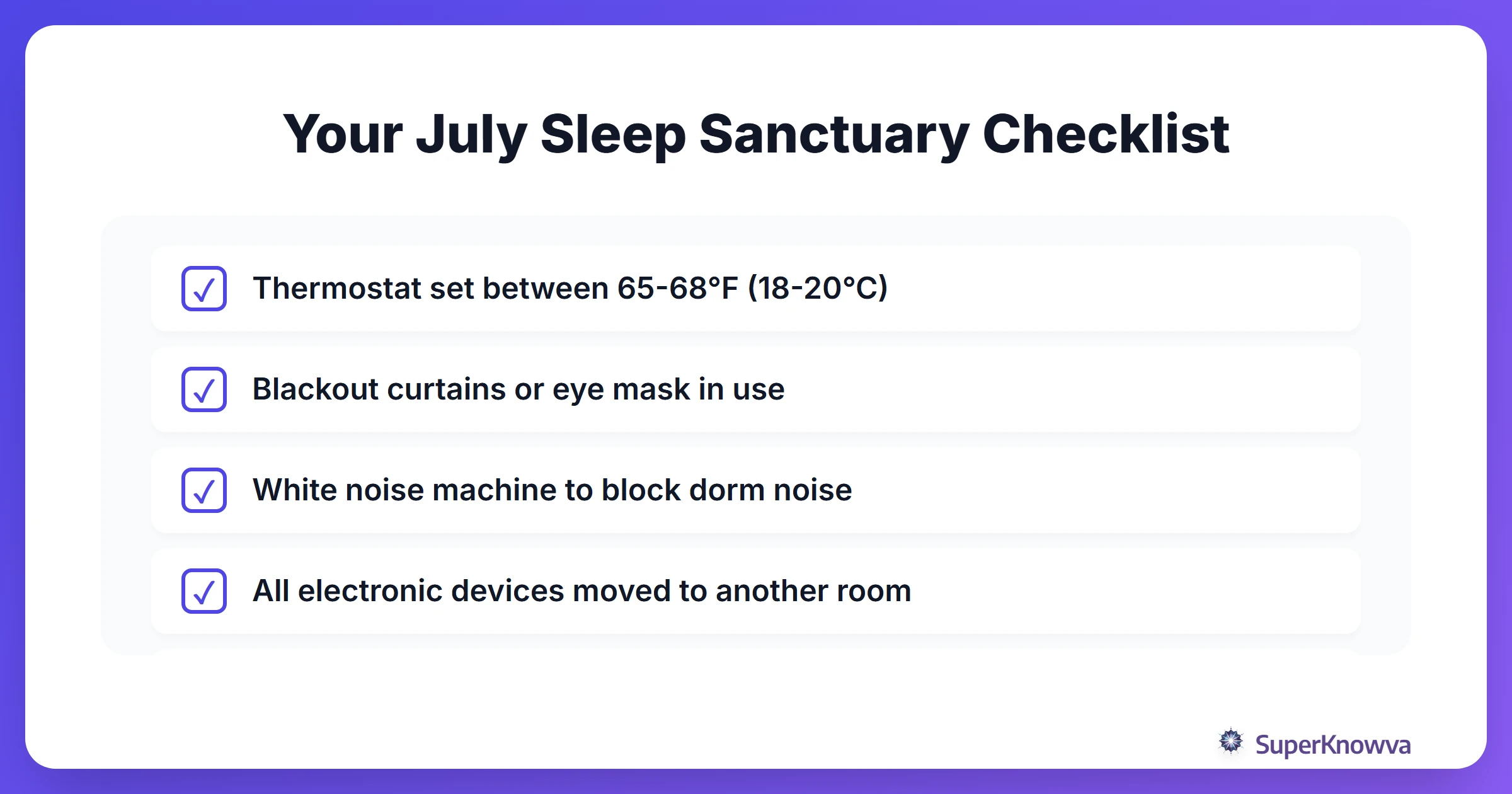
Noise is the other enemy, especially in a loud dorm or shared apartment. A simple fan or a white noise machine effectively masks disruptive sounds. Health experts suggest that most young adults need between 8 to 10 hours of sleep to function at 100%. To get there, turn your room into a dark, tech-free cave. Blackout curtains and "no-phone zones" are essential for reaching the deep REM stages required for complex problem-solving.
The Digital Sunset: Managing Blue Light and Stimulants
Implementing a "digital sunset" is one of the most effective college sleep tips. The blue light from your laptop or phone mimics the sun, tricking your brain into suppressing melatonin, the hormone that tells you it is time to sleep.
To protect your sleep cycle, try these three rules:
- The Caffeine Cutoff: Stop the coffee or energy drinks at least 6-8 hours before you plan to sleep. That 4:00 PM latte is still in your system at midnight.
- Ditch the Doomscroll: Replace TikTok with low-stimulation activities. Try light reading or some active recall on physical paper.
- Time Your Movement: While you can boost your cognitive function through exercise, try to wrap up your workout a few hours before bed so your body has time to cool down.
Establishing a Consistent Pre-Exam Bedtime Routine
Your brain needs a "bridge" to transition from high-stress studying to total rest. A 30-60 minute wind-down routine signals to your nervous system that the "work day" is officially over.
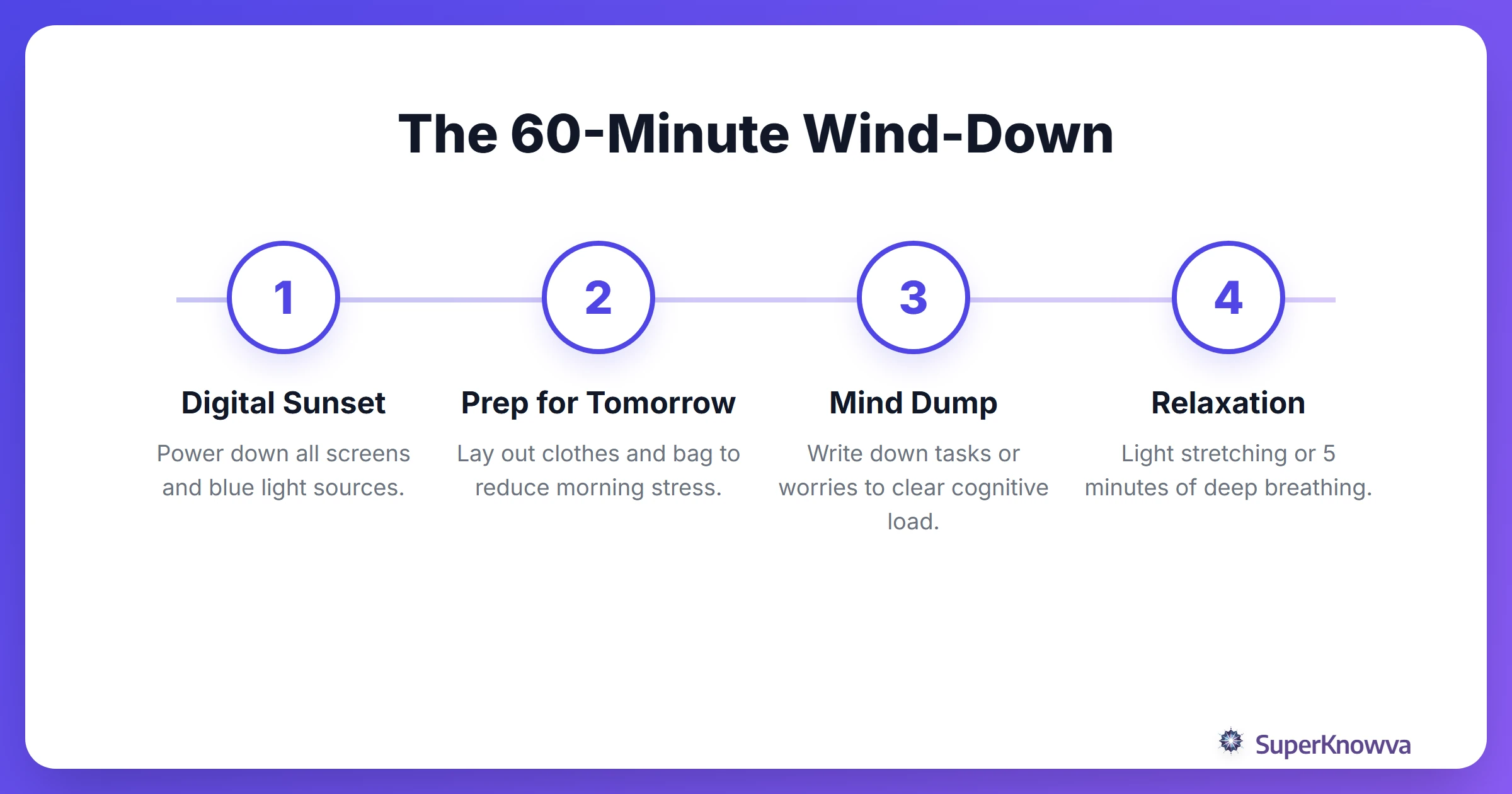
Lowering your cortisol (the stress hormone) is the goal here. To quiet the mental chatter, try these simple meditation techniques built for busy students. If your mind is racing with "what-ifs," use the "Worry List" technique: spend five minutes writing down every exam anxiety or task for tomorrow. Once it’s on the page, your brain can stop looping it, allowing you to actually drift off.
Lifestyle Habits That Support Restful Nights
What you do at noon affects how you feel at midnight. Your study habits for exams should include scheduled movement breaks; regular activity helps you fall asleep faster and stay in the "deep sleep" zone longer.
Don't forget the fuel. Heavy, greasy meals or sugar-heavy snacks right before bed are recipes for indigestion and midnight wake-ups. Pairing quality sleep with the best diet for exam performance ensures your brain has the steady energy it needs. One pro tip: stay hydrated all day, but taper off the water an hour before bed to avoid those annoying middle-of-the-night bathroom trips.
Managing the "Night Before" Anxiety
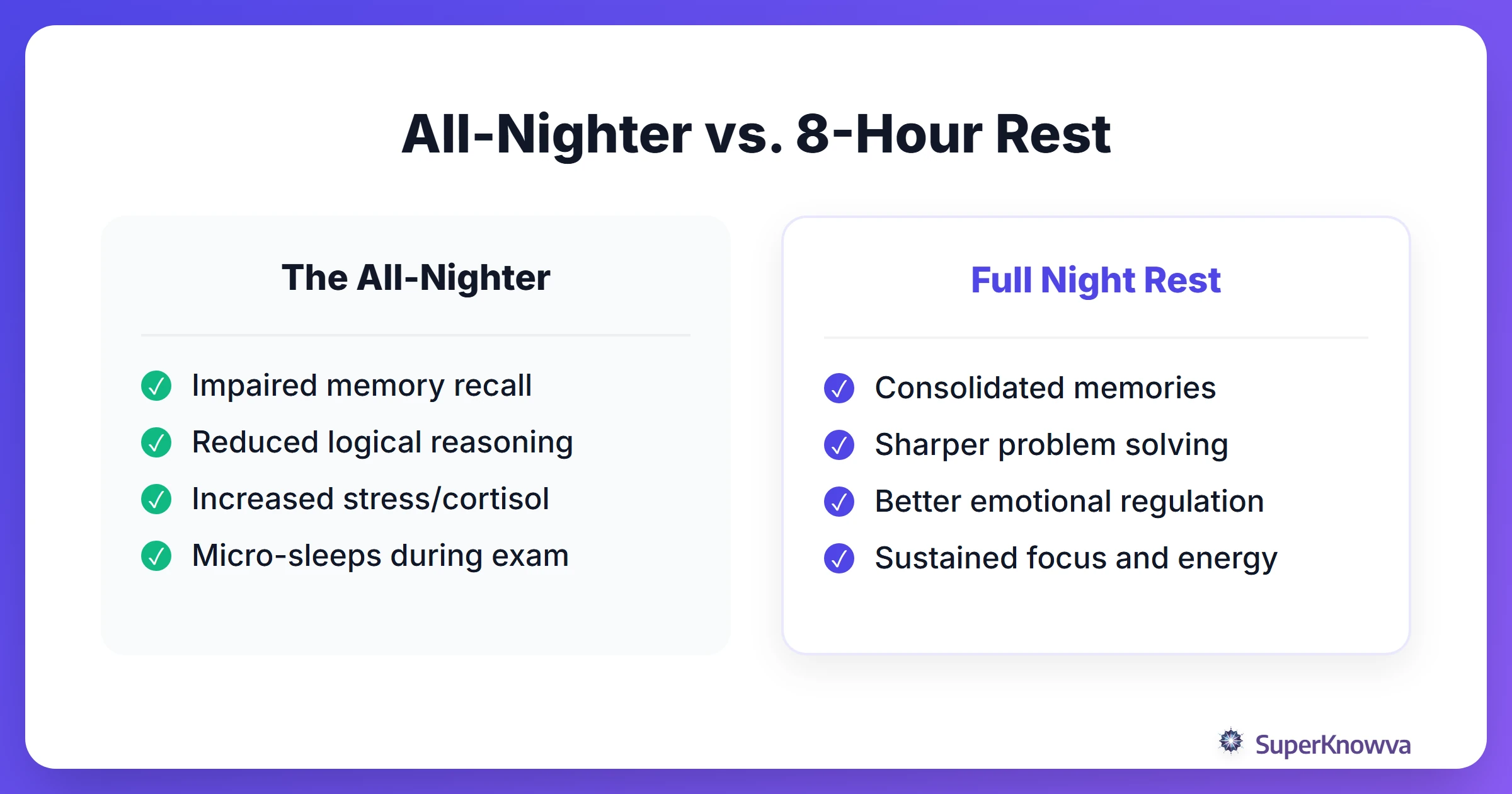
The night before a major July exam is the hardest time to sleep. Pulling an all-nighter is counterproductive because it impairs logical reasoning and slows reaction times. According to The Sleep Foundation, nearly a quarter of students struggle with insomnia during high-pressure weeks.
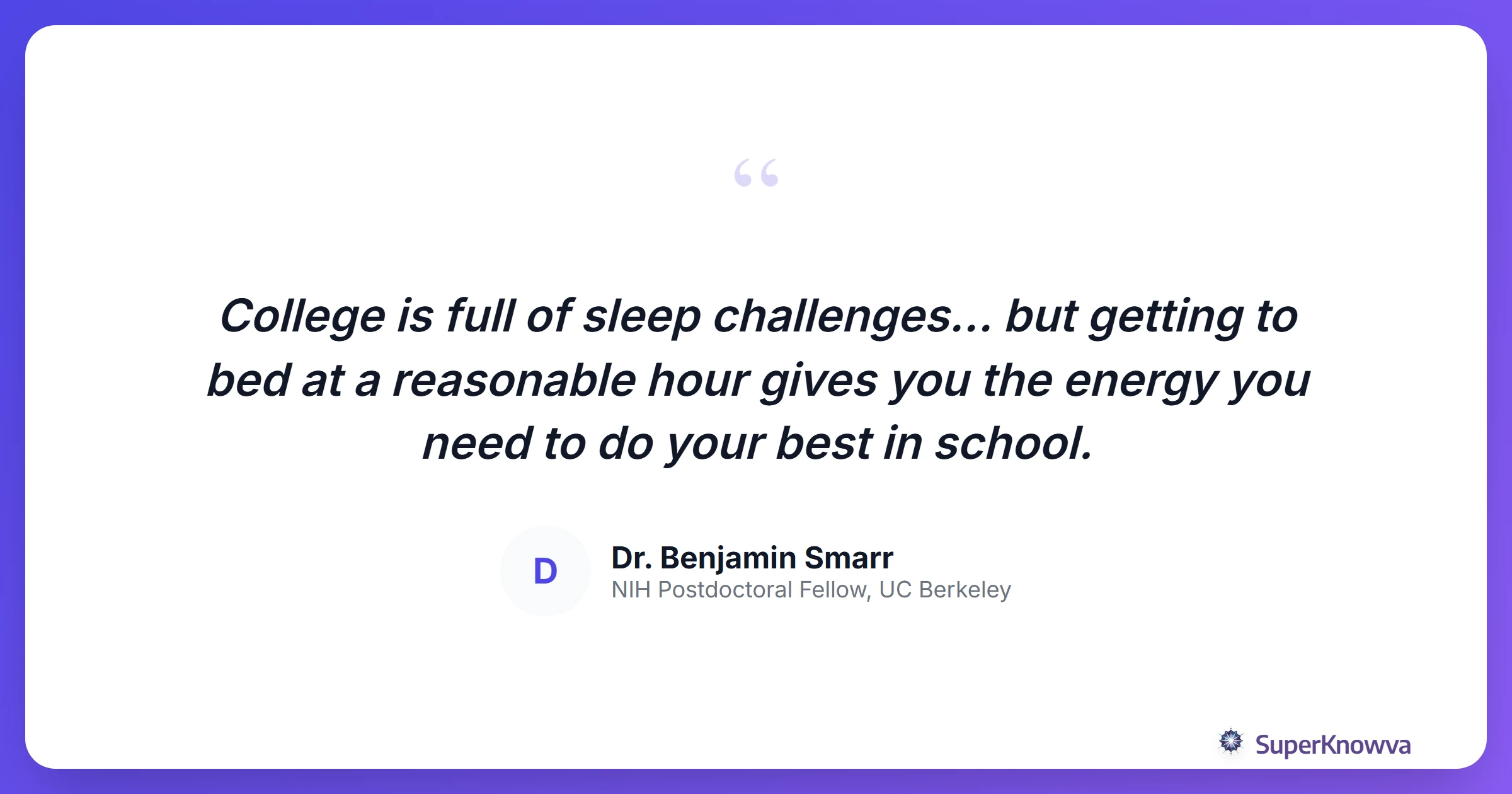
When the pre-exam jitters hit, lean on your routine. Consistency is your best defense against a racing mind. Remind yourself: a rested brain is far better at "figuring out" a tough question than a sleep-deprived brain is at remembering a single fact it glanced at at 4:00 AM. Trust your prep, trust your routine, and prioritize your rest to see your grades soar this July.