When the sun is blazing and your exam timetable is looking more crowded by the day, it’s easy to get tunnel vision. You’re buried in highlighters, flashcards, and past papers, probably thinking that the only thing keeping you going is caffeine and sheer willpower. But what if the secret to a better grade wasn't another shot of espresso, but a simple glass of water?
Science shows that hydration is essential. Staying hydrated is not just about quenching thirst; it provides the brain with the resources needed to process the information you study.
In this guide, we’re breaking down the link between hydration and cognitive function, and how a smart fluid strategy can help you keep your cool when the pressure (and the temperature) starts to rise.
The 5% Advantage: Can Water Actually Boost Your Grades?
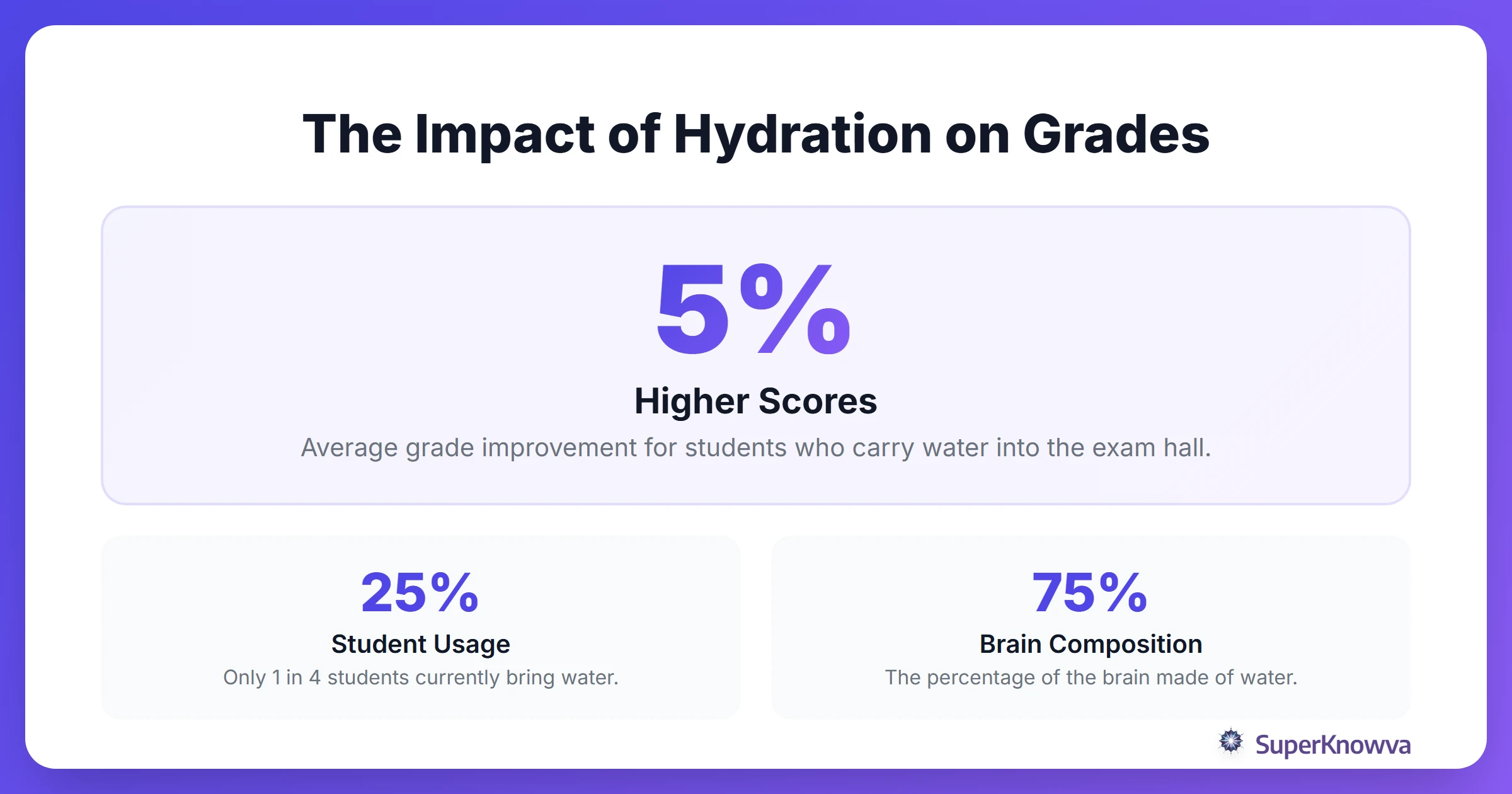
Let’s get straight to the point: can drinking water actually make you smarter? Technically, it makes you more efficient. Research from the University of East London and the University of Westminster found a striking correlation: Drinking water improves exam grades. In a study of 447 students, those who brought water into the exam hall scored up to 5% higher than those who didn't.
Think about that. A 5% boost could be the difference between a 2:1 and a First, or a B and an A.
Why does it work? It’s all about brain hydration. Your brain is roughly 75% water. When you’re topped up, your neurological "processing speed" is at its peak. Information flows across your synapses without a hitch, making it much easier to recall that one obscure fact or solve a complex equation under pressure.
Spotting the Signs: Is Dehydration Draining Your Focus?
In the middle of a heatwave, your body loses fluids way faster than you’d think. Here’s the kicker: by the time you actually feel thirsty, you’re already dehydrated. Thirst is a late warning sign, not an early one.
For students, dehydration is a silent grade-killer. It doesn’t just make you thirsty; it actively sabotages your exam performance. Ever felt like you’ve been reading the same paragraph for ten minutes? That’s the brain fog kicking in.
Keep an eye out for these focus-drainers:
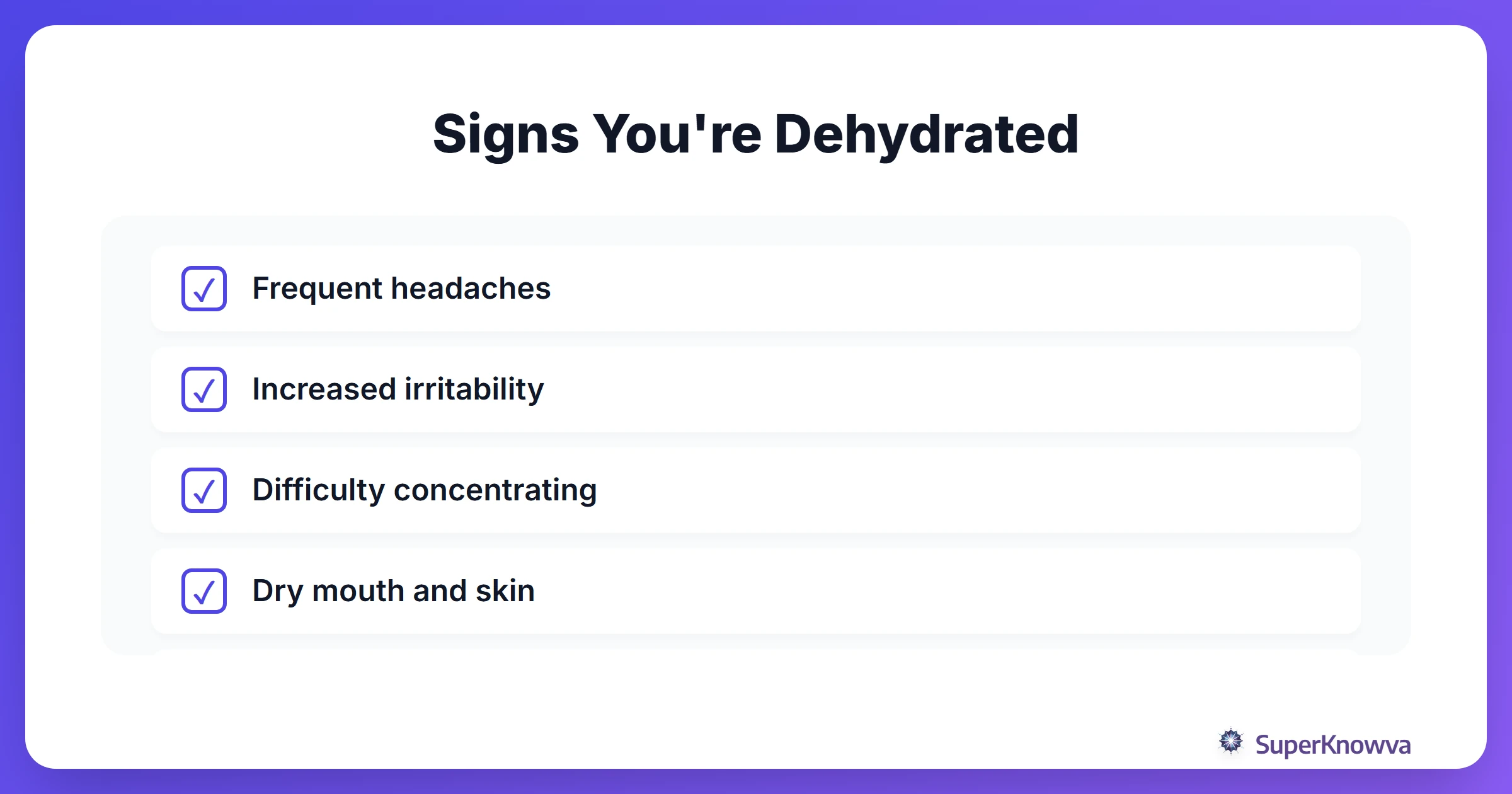
- The Nagging Headache: That dull throb behind your eyes that makes concentration impossible.
- The Mid-Afternoon Slump: Sudden, overwhelming fatigue that no amount of coffee can fix.
- Irritability: Feeling irrationally annoyed by the sound of someone else’s pen clicking.
If you’re feeling constantly exhausted despite "drinking enough," you might be hitting a wall. Check out these signs of student burnout to see if you need more than just a water break to get back on track.
Your Exam Day Hydration Game Plan
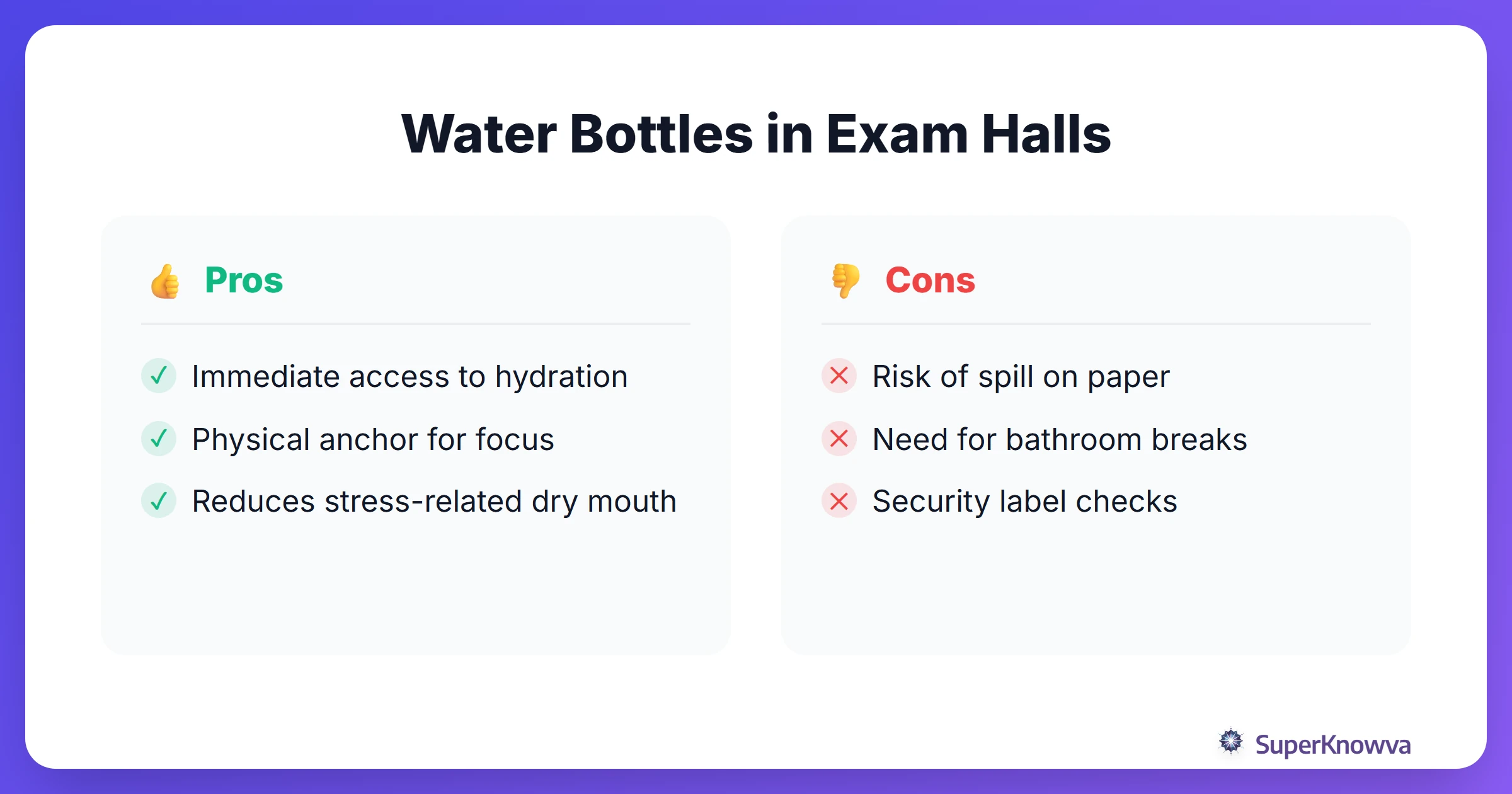
To get the most out of your summer exam tips, you need a strategy. You want to be hydrated, but you definitely don’t want to spend twenty minutes of your three-hour exam queuing for the restroom.
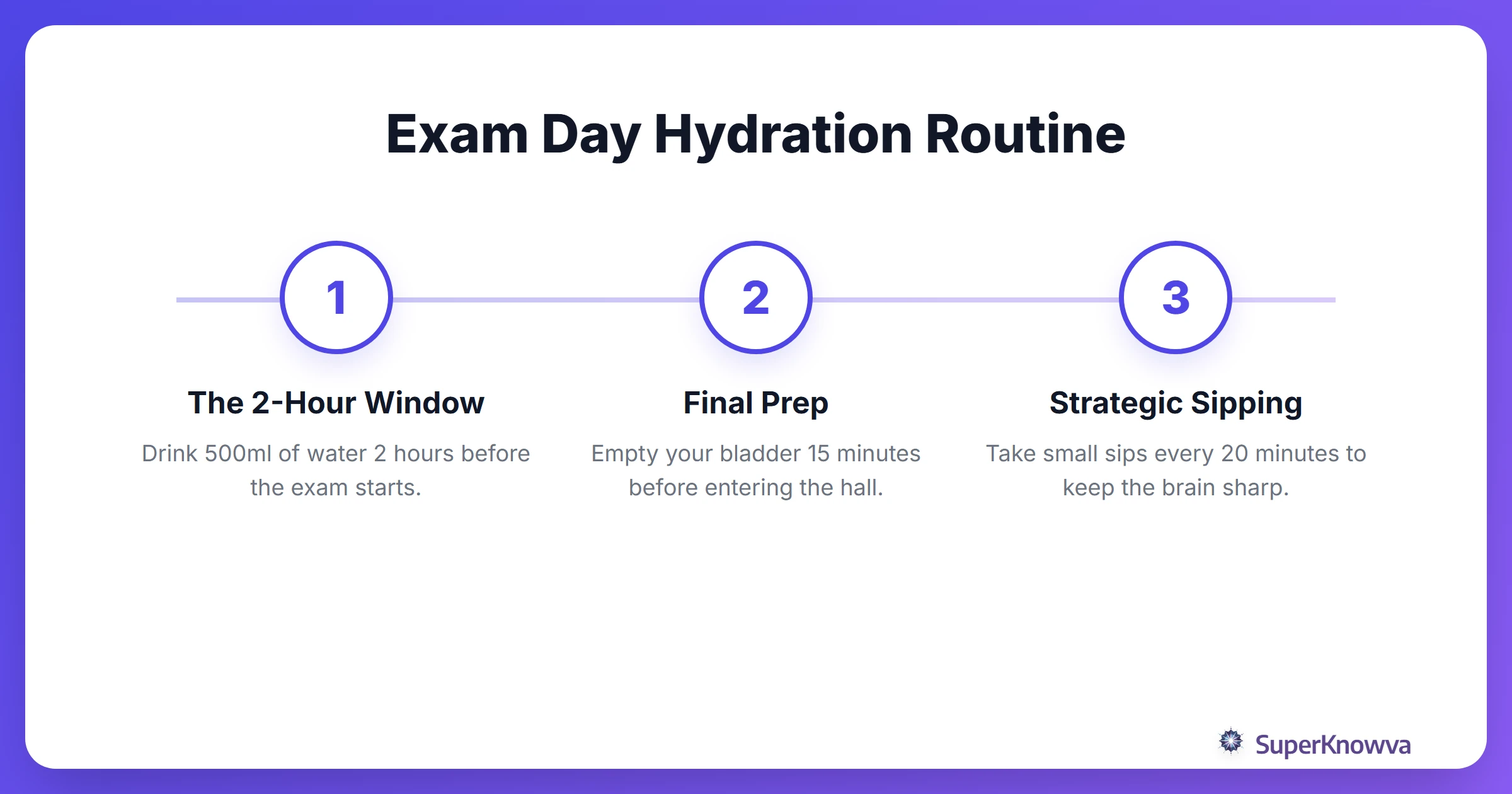
- The Two-Hour Rule: Drink about 500ml of water two hours before the clock starts. This gives your body plenty of time to hydrate your cells and allows for a final bathroom trip before you enter the hall.
- Prep Your Gear: Most schools and unis require clear bottles with the labels ripped off. Don't leave this until the morning of the exam when you're already stressed. Do it the night before.
- The Sip Method: Don't chug half a litre of water the second you feel a bit of exam anxiety. Take small, frequent sips. It keeps your mouth from getting dry and provides a steady drip-feed of hydration to your brain without overwhelming your bladder.
And don’t forget the "after-party." Once you walk out of that hall, your brain is likely fried. Rehydrating immediately helps prevent the dreaded post-exam crash, keeping you fresh for tomorrow’s revision session.
Beyond the Bottle: Hydration-Rich Foods
Drinking water is the gold standard, but you can also eat your way to better hydration. Pairing your water intake with the best diet for studying is highly effective.
- Watermelon & Cucumber: These are basically 90% water and are way more refreshing than a lukewarm bottle of water during a break.
- Oranges: Great for hydration, plus the Vitamin C helps keep your immune system from tanking under stress.
- The Electrolyte Factor: Your brain needs sodium, potassium, and magnesium to keep those "synapses firing." A banana or a tiny pinch of sea salt in your water can help maintain your cognitive function much better than plain water alone.
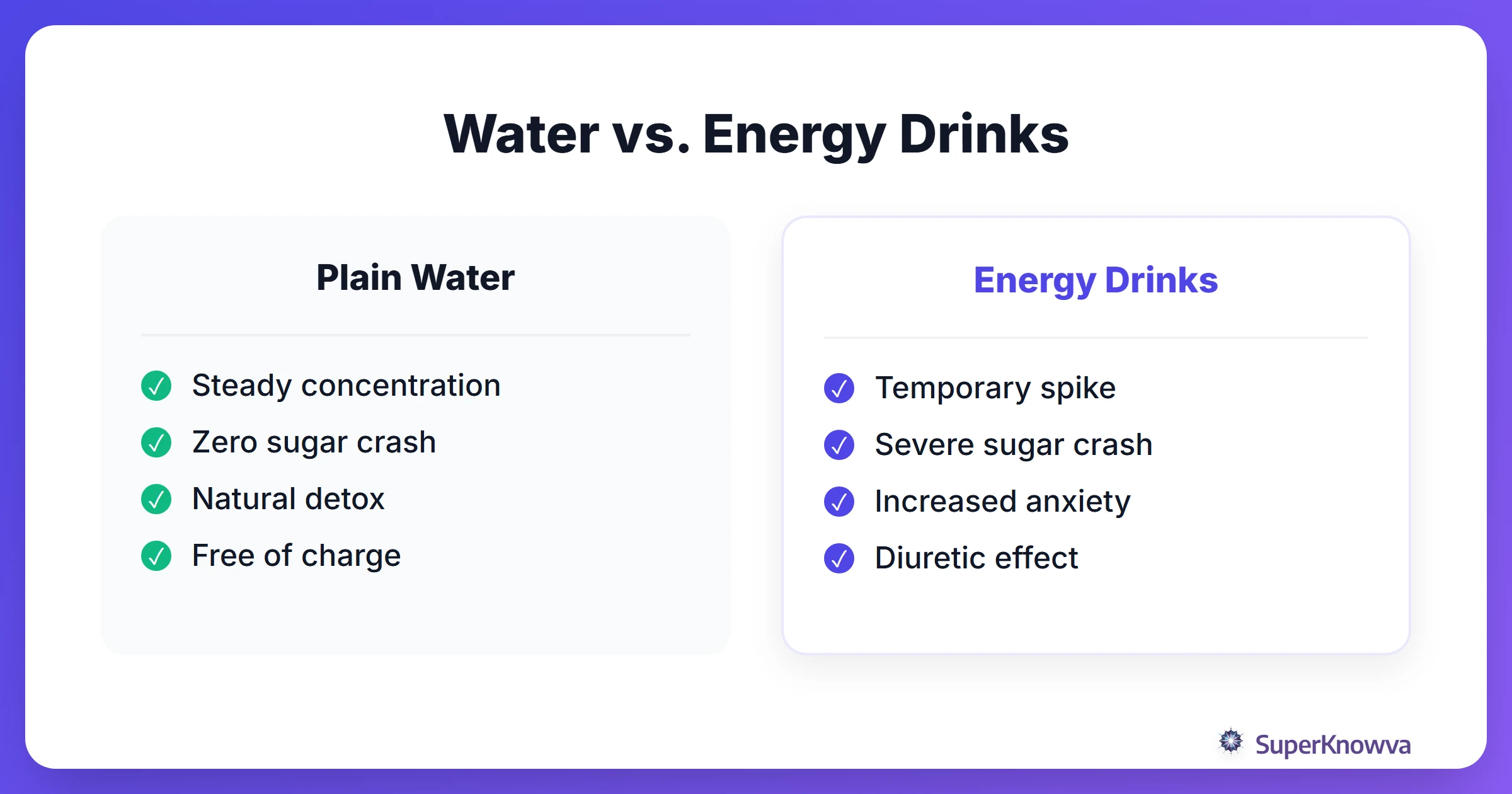
One word of warning: watch out for the "sugar trap." Energy drinks might give you a 20-minute buzz, but the crash that follows will leave you more tired and distracted than when you started.
Keep Your Cool: Mindfulness and Water
Hydration levels and stress are linked. When you are dehydrated, your body produces more cortisol, the stress hormone. A thirsty brain is a stressed brain.
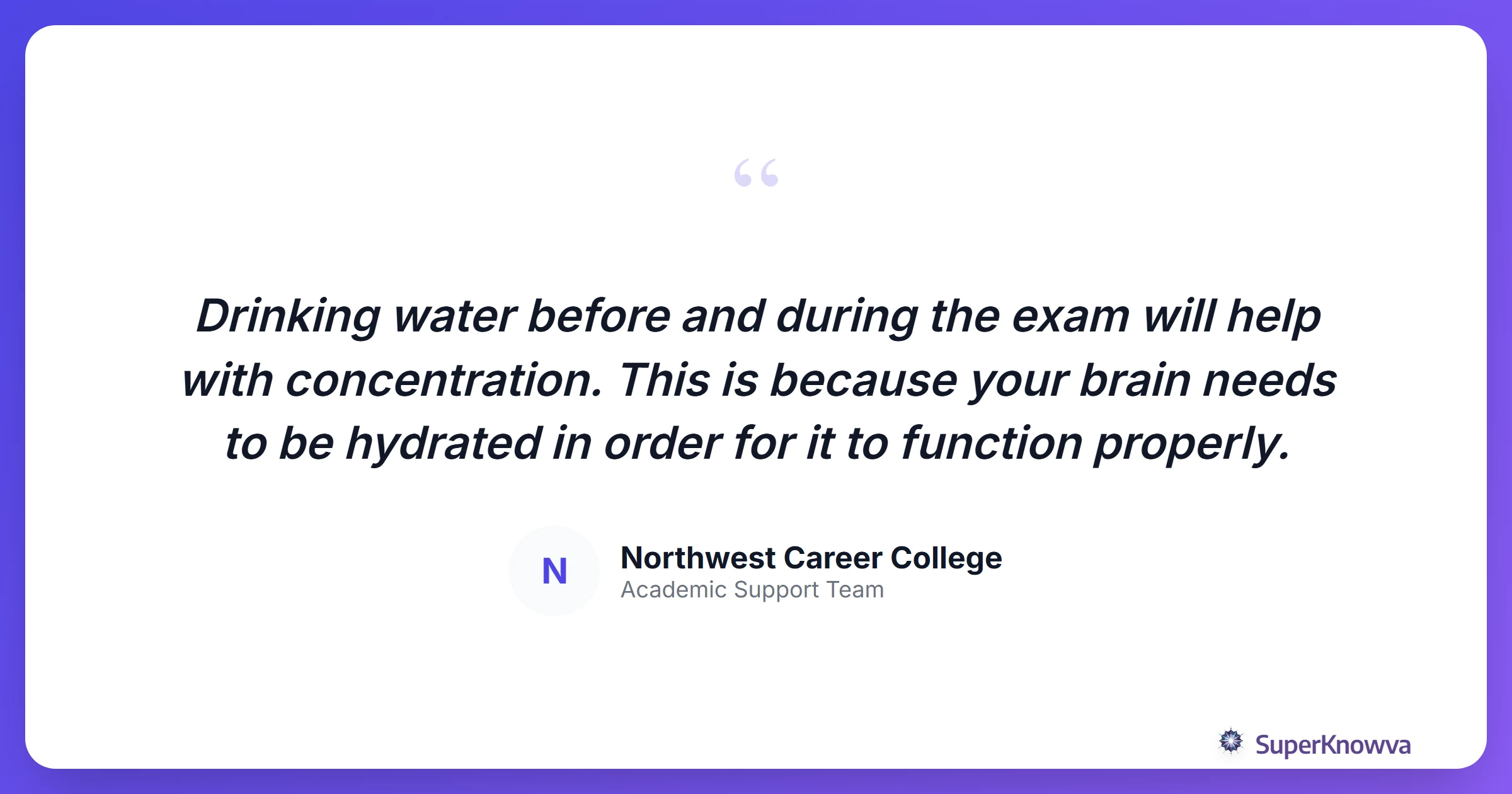
Staying hydrated during exam season is one of the easiest ways to regulate your mood. Next time you feel a wave of panic, try using your water bottle as a tool for mindfulness for students. Take five seconds to take a slow sip, feel the cold water, and breathe. It’s a physical "reset" button for your brain.
Building a Better Study Environment
Finally, remember that your environment matters. If you’re studying in a bedroom that feels like an oven, you’re fighting a losing battle. Close the curtains during the day, use a fan, or head to a library with decent air conditioning.
Don't just sit there for eight hours, either. Check out how physical activity boosts cognitive function. Even a five-minute walk to the kitchen to refill your bottle can sharpen your focus more than another hour of staring at a screen.
Hydration shouldn't be an afterthought. Treat it like a core part of your exam kit, right alongside your pens and your ID. Stay cool, stay hydrated, and go show those exams what you're made of!