July is finally here. The sun is out, the breeze is warm, and the last place anyone wants to be is hunched over a desk in a windowless library. But for most students, the "summer slide" is a constant, nagging anxiety. How do you enjoy the beach without watching everything you learned last semester evaporate into thin air?
You want the Vitamin D, but you can't afford the memory drain. Instead of more hours of study, use a smarter, more flexible spaced repetition system (SRS) that fits your summer plans.
By moving your revision outdoors, you aren't just getting a tan. You’re using AI-driven learning to reclaim your time. Here is how to master your schedule while soaking up the sun.
Why Your Brain Craves the Outdoors
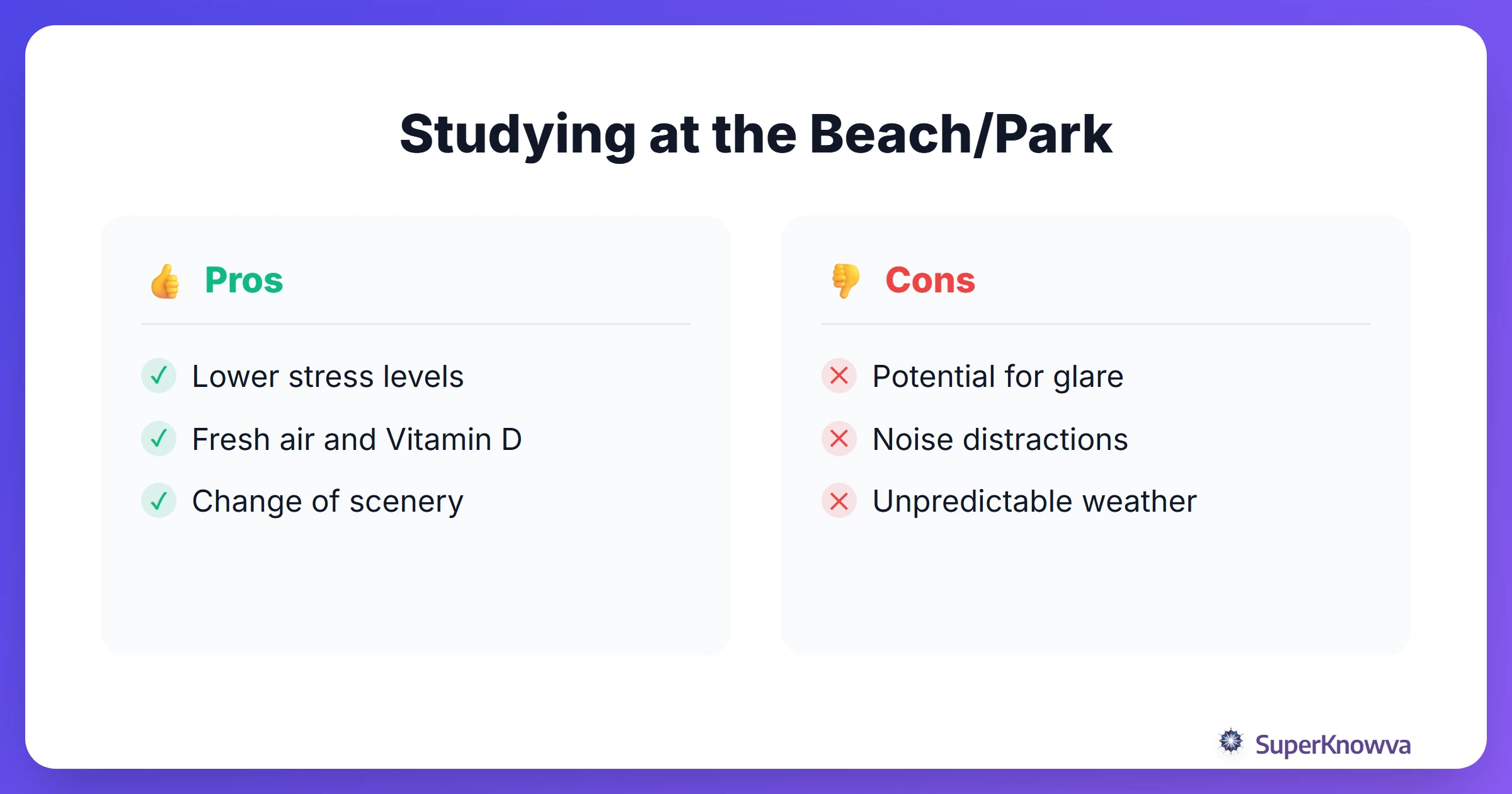
Staring at the same four walls for hours leads to burnout. Stepping outside triggers a psychological shift. Fresh air and natural light are more than just "nice to have." They lower cortisol and clear the exhaustion that makes studying feel like a chore.
When you swap a cramped cubicle for a park bench or a balcony, you break the monotony. This change of scenery can actually spark creative problem-solving. Plus, maintaining an SRS during the summer is the single best way to kill the "summer slide" before it starts. Instead of soul-crushing cram sessions, you’re only reviewing the specific facts you’re about to forget. Modern AI learning tools mean you don't have to be tethered to a desktop. You can knock out a quick revision burst between a dip in the pool and a backyard BBQ.
The Science of Recall: Beating the Forgetting Curve
Why does SRS feel so much easier than traditional studying? It comes down to the Ebbinghaus Forgetting Curve. Essentially, your brain is designed to dump new information within hours unless you give it a reason to keep it.
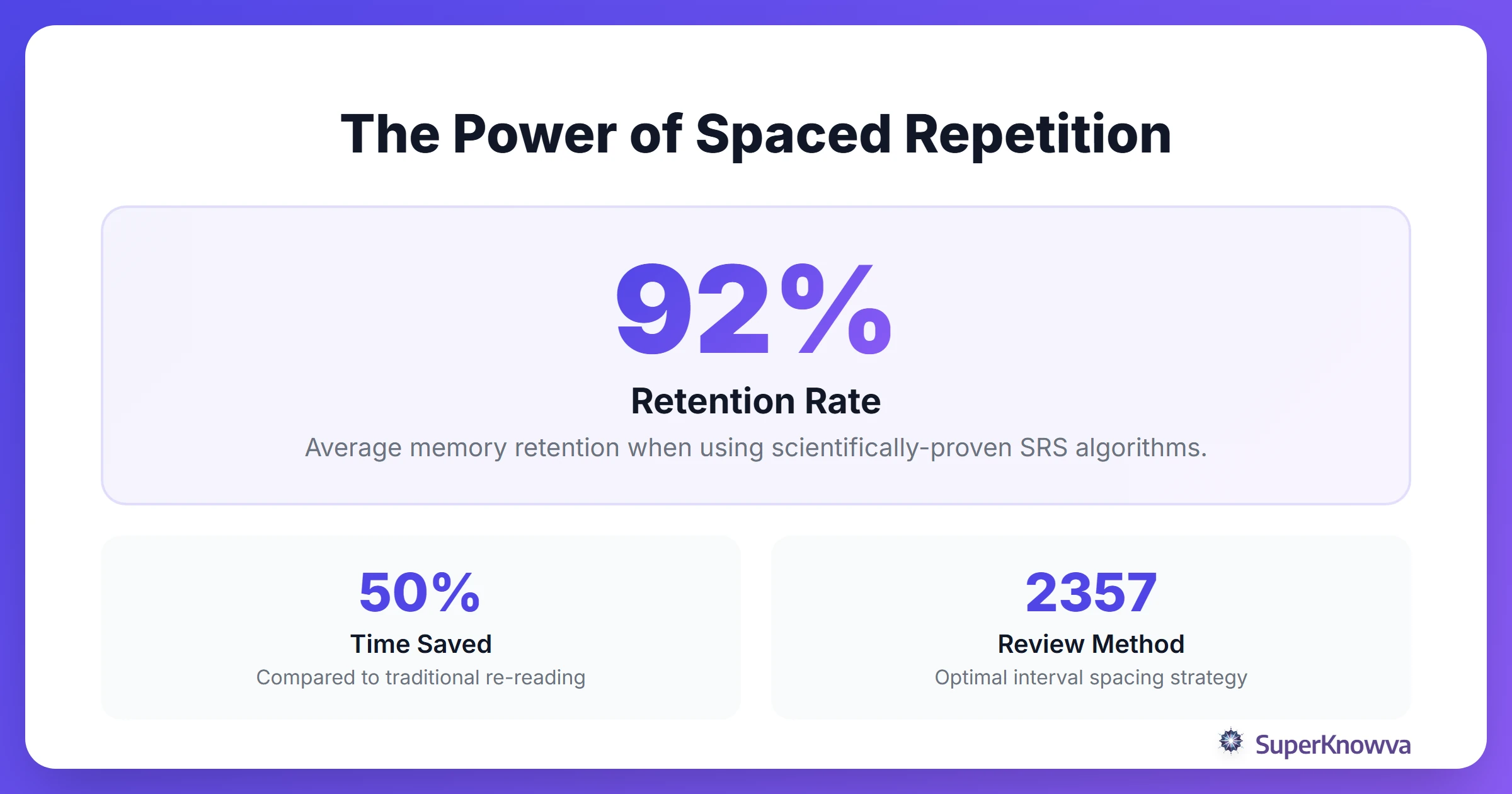
Think of an SRS algorithm as a digital backup for your brain. It predicts the exact moment a memory is starting to flicker out and brings it back for a quick check. One of the most effective ways to manage this is the 2357 method.
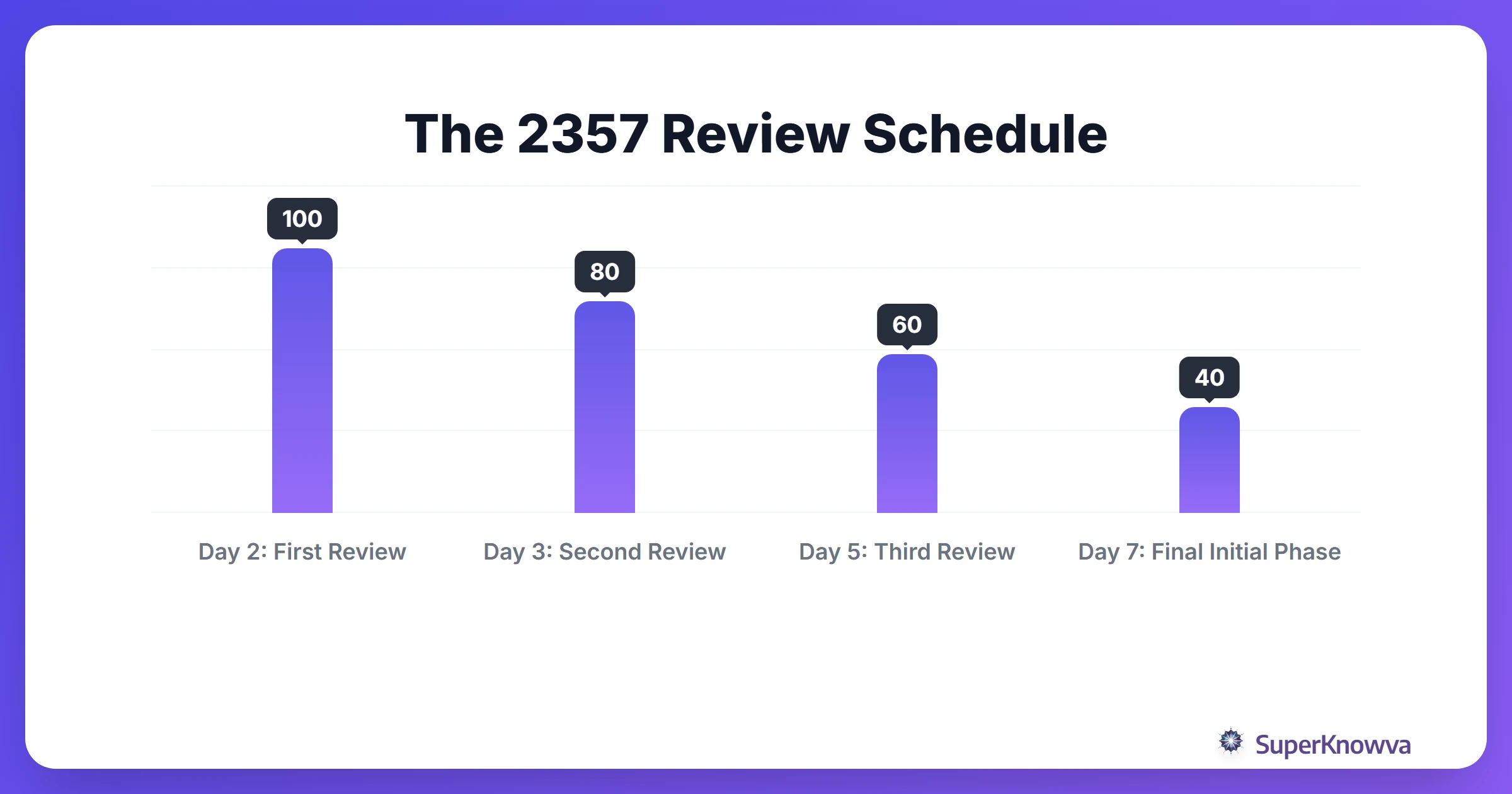
By following the 2357 method, reviewing on days 2, 3, 5, and 7, you move data from short-term "temporary storage" into your long-term "hard drive" with minimal effort.
Mobile AI Tools: Your Portable Study Powerhouse
Forget lugging a backpack full of heavy textbooks and index cards to the beach. That’s a relic of the past. To make this work, you need the best study apps for students in 2026 that actually sync with your phone. Look for apps with offline modes; you don't want your study session to die just because the park Wi-Fi is spotty.
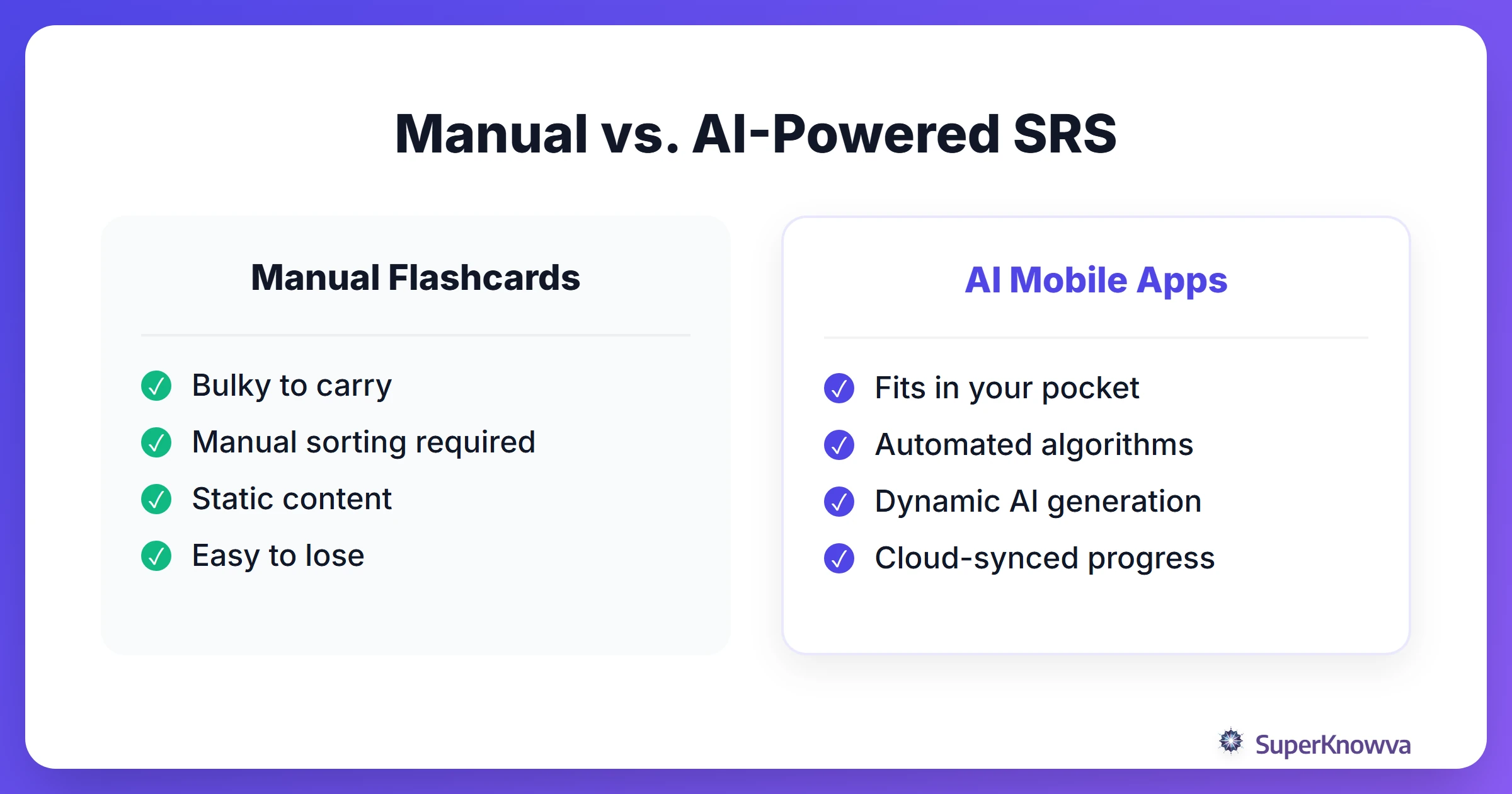
AI-generated flashcards are ideal for summer travel. Instead of spending your weekend typing out cards, you can use SuperKnowva to turn your PDFs or lecture notes into instant quizzes directly on your tablet. If you're on the move, try voice-to-text. You can practice active recall while walking the dog or hiking. Just listen to the prompt and speak your answer. It’s hands-free, high-efficiency, and feels a lot less like work.
Conquering the Elements: Tips for Studying in the Sun
Studying outside sounds idyllic, but it can go sideways fast if you aren't prepared. Nobody wants to squint at a black screen for twenty minutes.
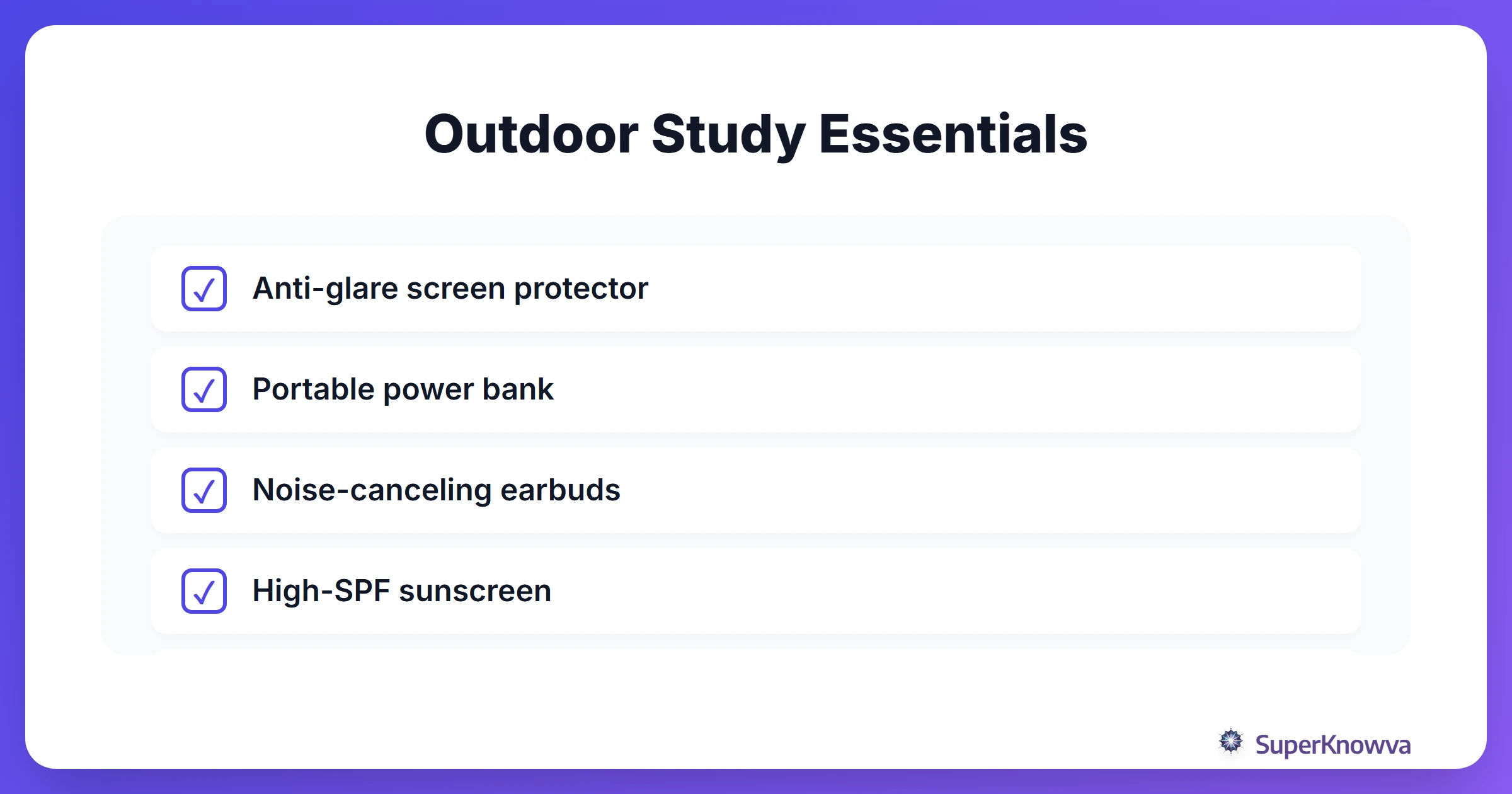
- Fight the Glare: A matte screen protector reduces reflections. If you don't have one, find "dappled shade." The light under a tree is easier on your eyes than direct, high-noon sun.
- Power Up: High screen brightness drains battery life quickly. Pack a portable power bank so you aren't hunting for an outlet in the middle of a park.
- Silence the Noise: Nature is pleasant, but loud crowds are not. Noise-canceling earbuds are essential for focus.
Active Recall vs. Passive Reading: Don't Get Fooled
It’s easy to get lulled into a false sense of security when you're lounging by the pool. You're reading your notes, the sun is warm, and you feel like you’re "getting it." This is the "illusion of competence." Your eyes are moving, but your brain is essentially asleep.
Understanding the gap between active recall vs. re-reading is vital when you’re in a distracting environment.
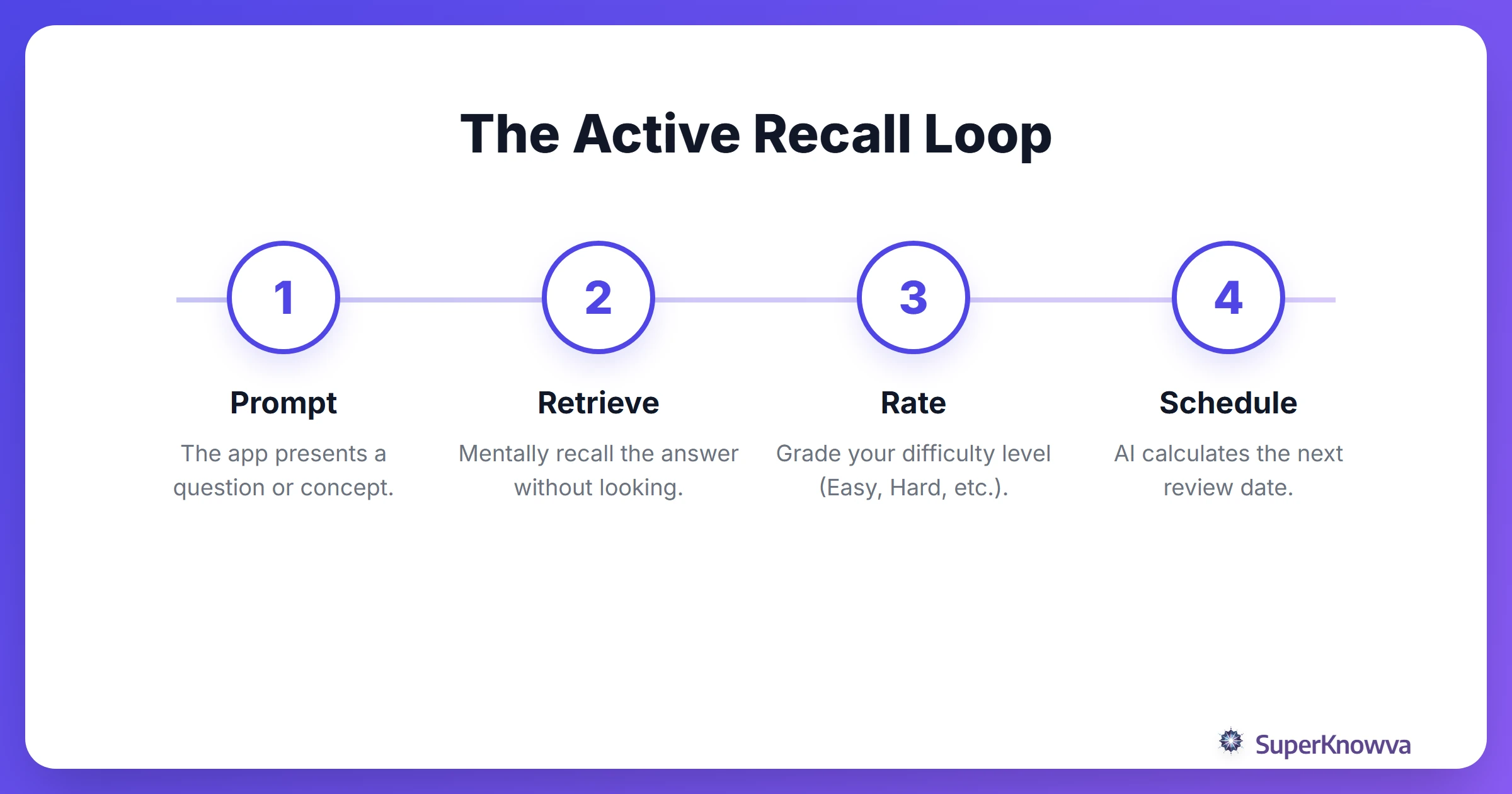
Using scientifically-proven study techniques ensures you’re actually retaining info. SRS forces you to pull information out of your brain rather than just recognizing it on the page. If the sun is too tempting and you can't focus, try the 5-minute rule. Commit to just five minutes of flashcards. Usually, once you break the seal, the momentum will carry you through the rest of the deck.
Designing Your Summer Study Schedule
The goal of summer isn't to study more. It’s to study better so you can get back to your life. Mobile SRS is the ultimate tool to help you balance a high GPA with a social life.
Try the "Morning Sprint" strategy: knock out your SRS reviews first thing in the morning before the heat gets intense and your phone starts blowing up with plans. Or, lean into micro-learning. A 10-minute review while waiting for the bus or sitting on the sand is often more effective than two hours of staring at a book in a library.
Set realistic goals. You don’t need to be a scholar by August. But by spending just 15 minutes a day in your spaced repetition system, you’ll head back to campus in the fall sharper than everyone else. Enjoy the sun, stay hydrated, and let the AI handle the heavy lifting!