You’ve tossed the cap, survived the graduation parties, and said your goodbyes. Now, the mid-July reality is starting to sink in: college is actually happening. While this month is usually for sleeping until noon and hitting the beach, it’s also your secret weapon. This is the window where you master the college transition tips that separate the students who thrive from the ones who spend October drowning in library coffee.
The jump to university involves more than harder math or longer essays. It is a shift in how you manage your time and focus. At SuperKnowva, we see it every year. The students who succeed in their first year are not always those with perfect test scores. They are the ones who arrive on day one with a digital strategy built on learning science.
The Reality Check: High School Habits vs. College Expectations
Most freshmen walk onto campus relying on the "Old Reliable" method: show up to class, do the worksheets, and pull an all-nighter before the big test. Then October hits. We call it the "midterm crisis," and it isn't pretty.
In high school, your day follows a set schedule. In college, you might only have 12 to 15 hours of class per week. That free time is a trap. If you spend it scrolling or napping, you will fall behind. Passive reading, where you run your eyes over a page while your mind wanders to what’s for dinner, fails when the volume of information triples.
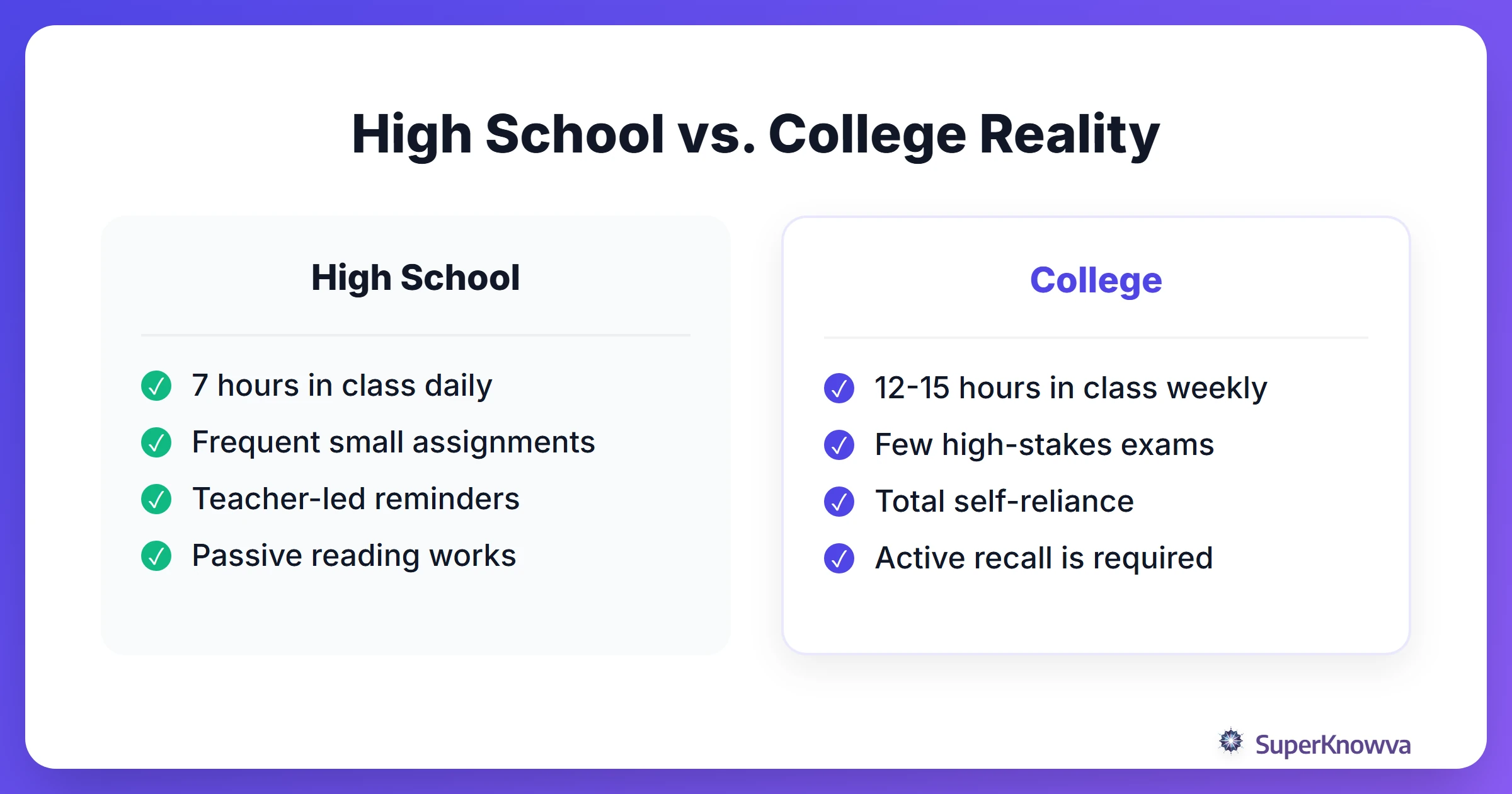
To win, you have to shift into self-directed learning. Think of college like a full-time, 40-hour-a-week job. If you aren't sitting in a lecture hall, you’re "at the office" (the library or a quiet corner of the student union), actually wrestling with the material.
Mastering Your Schedule Before Day One
The biggest shock? The death of "busy work." In high school, those small daily assignments kept your grade afloat. In college, your entire semester might hinge on two midterms and a final. That’s it.
This requires a move from "checking boxes" to deep work: focused, uninterrupted sessions where you learn the hard stuff.
Start by auditing your time right now. If you can't stick to a productive routine in July, how will you do it in September when there’s a dorm party next door? We’re big fans of mastering the 5-minute rule to beat procrastination. Tell yourself you’ll work for just five minutes. Usually, just starting is 90% of the battle.
Also, hunt down your syllabi early. Check your student portal, find the dates, and map them out on a digital calendar immediately. When you see that "Hell Week" in November where three papers and a chemistry exam collide, you’ll thank yourself for the head start.
Building Your AI-Powered Study Toolkit
It’s 2026. If you’re still trying to study with nothing but a yellow highlighter and a spiral notebook, you’re playing on "Hard Mode" for no reason.
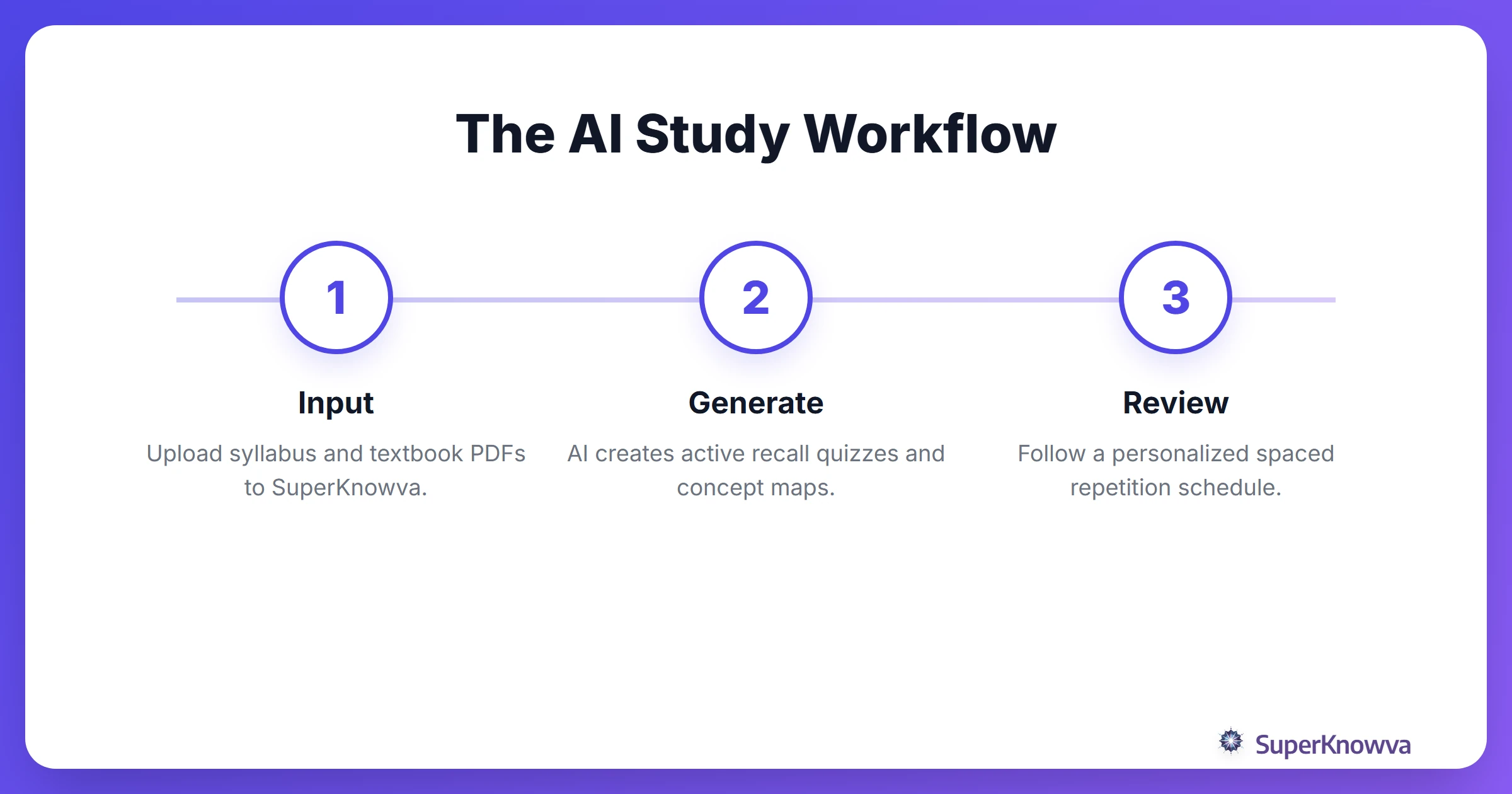
Your toolkit needs an anchor. That’s where SuperKnowva comes in. It uses AI to turn your massive pile of study materials into a personalized learning engine. Instead of spending three hours manually writing out flashcards, you can use AI to digest dense chapters and generate practice quizzes in seconds.
When you’re looking for the best study apps for 2026, prioritize tools that handle:
- Personalized Spaced Repetition: Let the app tell you when to review based on what you're actually forgetting.
- AI Summarization: Turning a 50-page "wall of text" into five pages of core concepts.
- Digital Note-taking: Use apps like Notion or Obsidian to link your ideas together so they actually stick.
Active Recall: The Secret to Surviving Midterms
If you ignore everything else in this guide, remember this: stop re-reading your notes. It feels like you’re learning, but you’re just getting familiar with the paper. Research shows that active recall vs. re-reading is the literal difference between a C and an A.
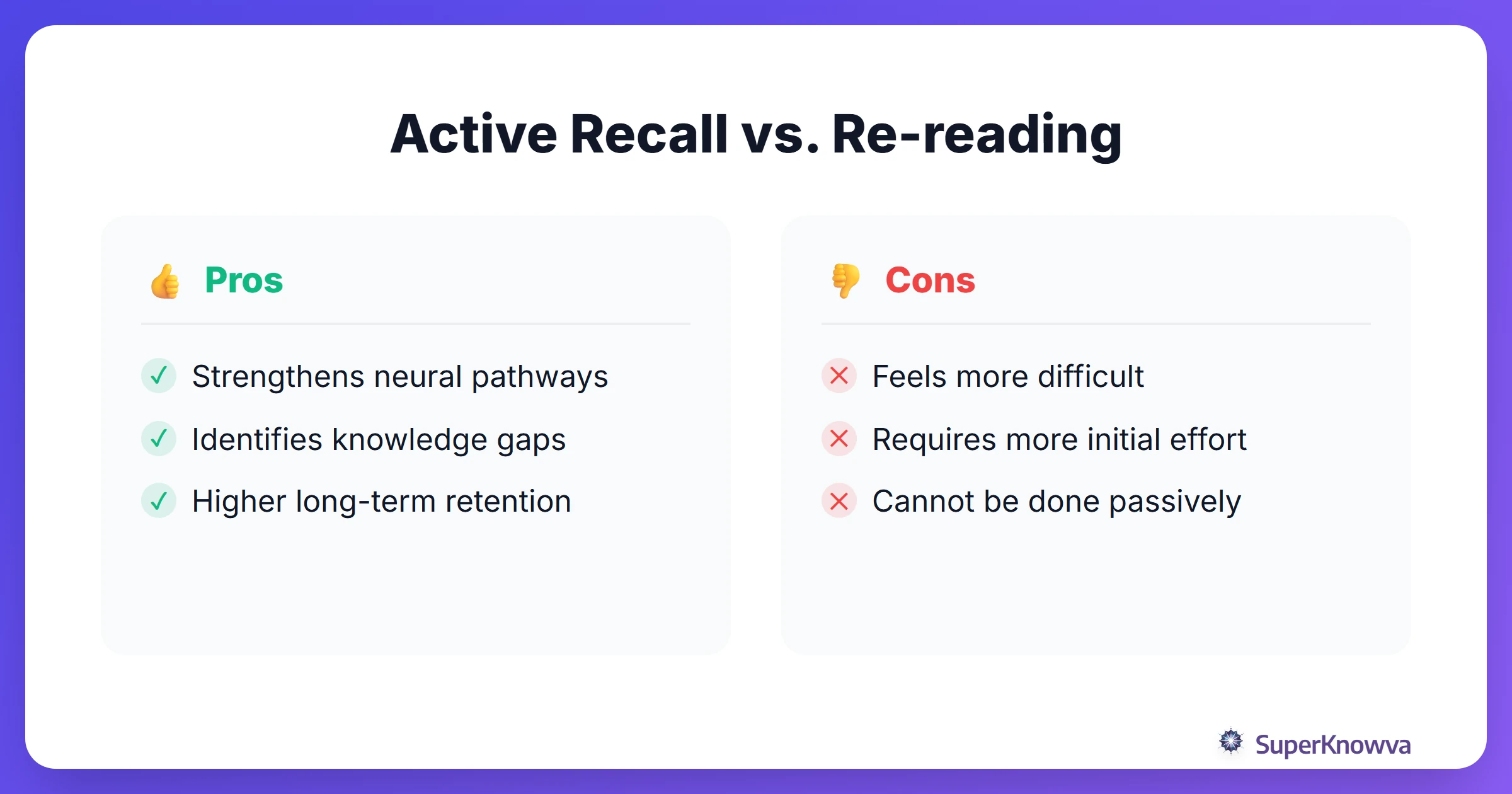
Active recall is about pulling info out of your brain, not shoving it in. It’s the difference between recognizing a term and being able to explain it to a friend from memory.
You can beat the "forgetting curve," the way your brain loses information after 24 hours, by using AI-generated flashcards. Test yourself a few hours after class, then a few days later. This helps you retain the information long-term.
Balancing Academic Excellence with Social Life
The first six weeks of college are busy and exciting. You will want to say "yes" to every 1 a.m. pizza run and random club meeting. Do it, but do not let it wreck your GPA or your sanity.
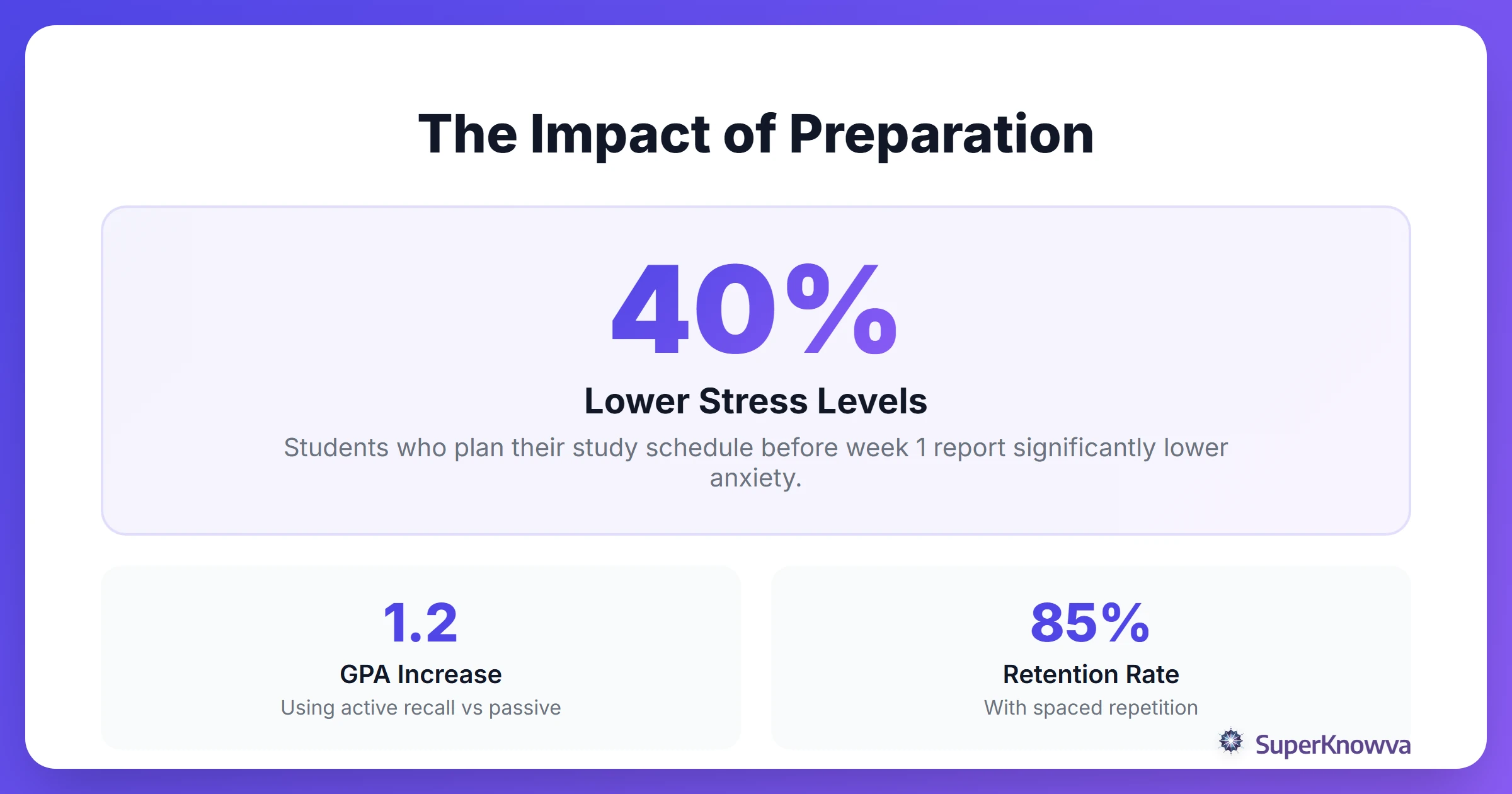
It’s a lot easier to find your people when you aren't vibrating with anxiety over a failing grade. By using efficient study methods, you actually buy yourself the freedom for balancing your GPA and social life.
Do not ignore the basics. Sleep hygiene and physical health are not just extras. They are your foundation. These Georgia Tech Wellness Tips show that prioritizing your health is a strong defense against freshman burnout.
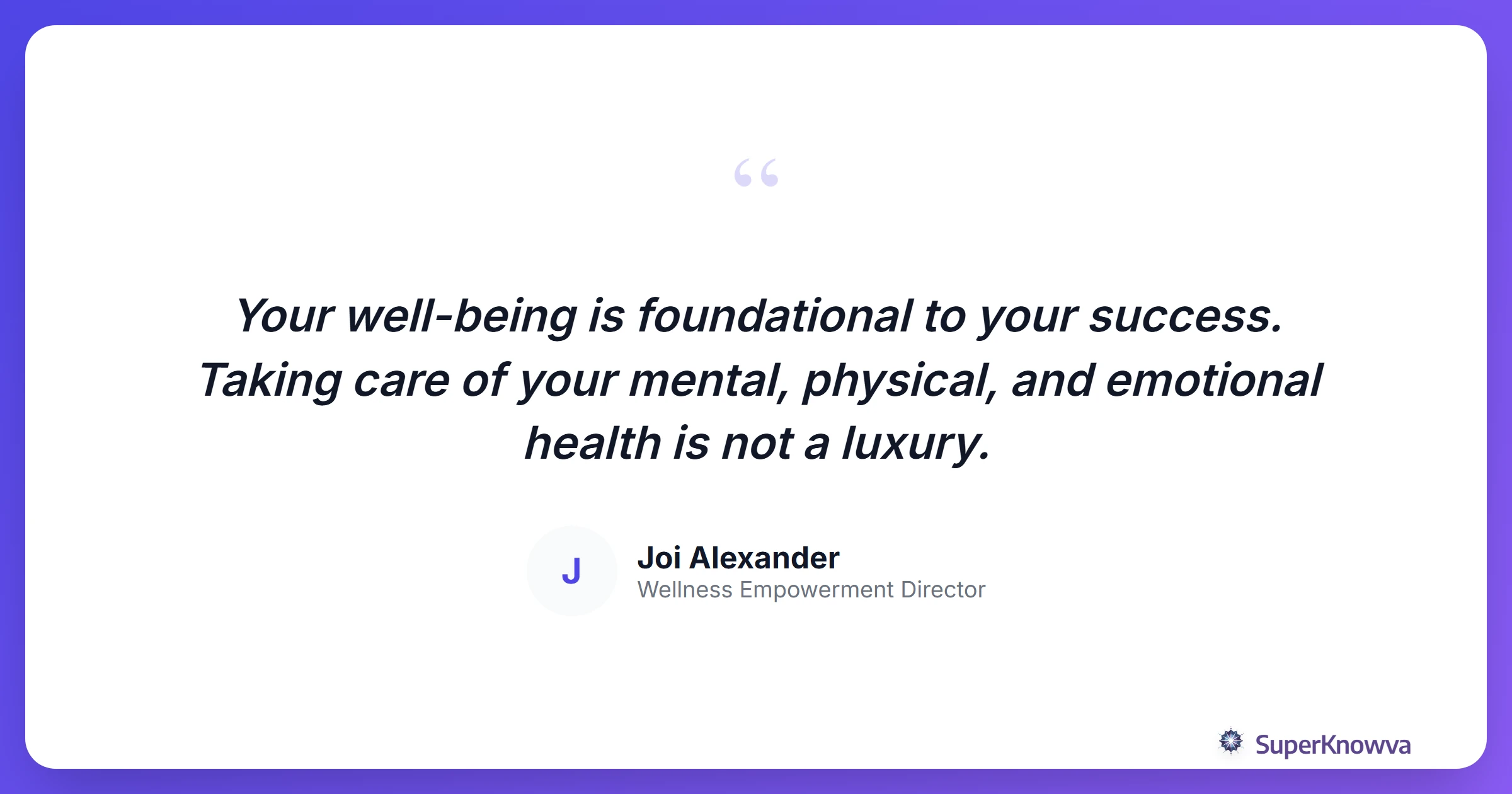
One more thing: use campus resources. Tutoring labs and wellness centers are for high-performers who want to stay that way. Asking for help isn't a sign of struggle; it’s a sign of a pro.
The July Roadmap: A Weekly Prep Guide
Ready to get to work? Follow this four-week plan to make sure you hit campus running. For more broad advice, check out these Top Ten College Transition Tips.
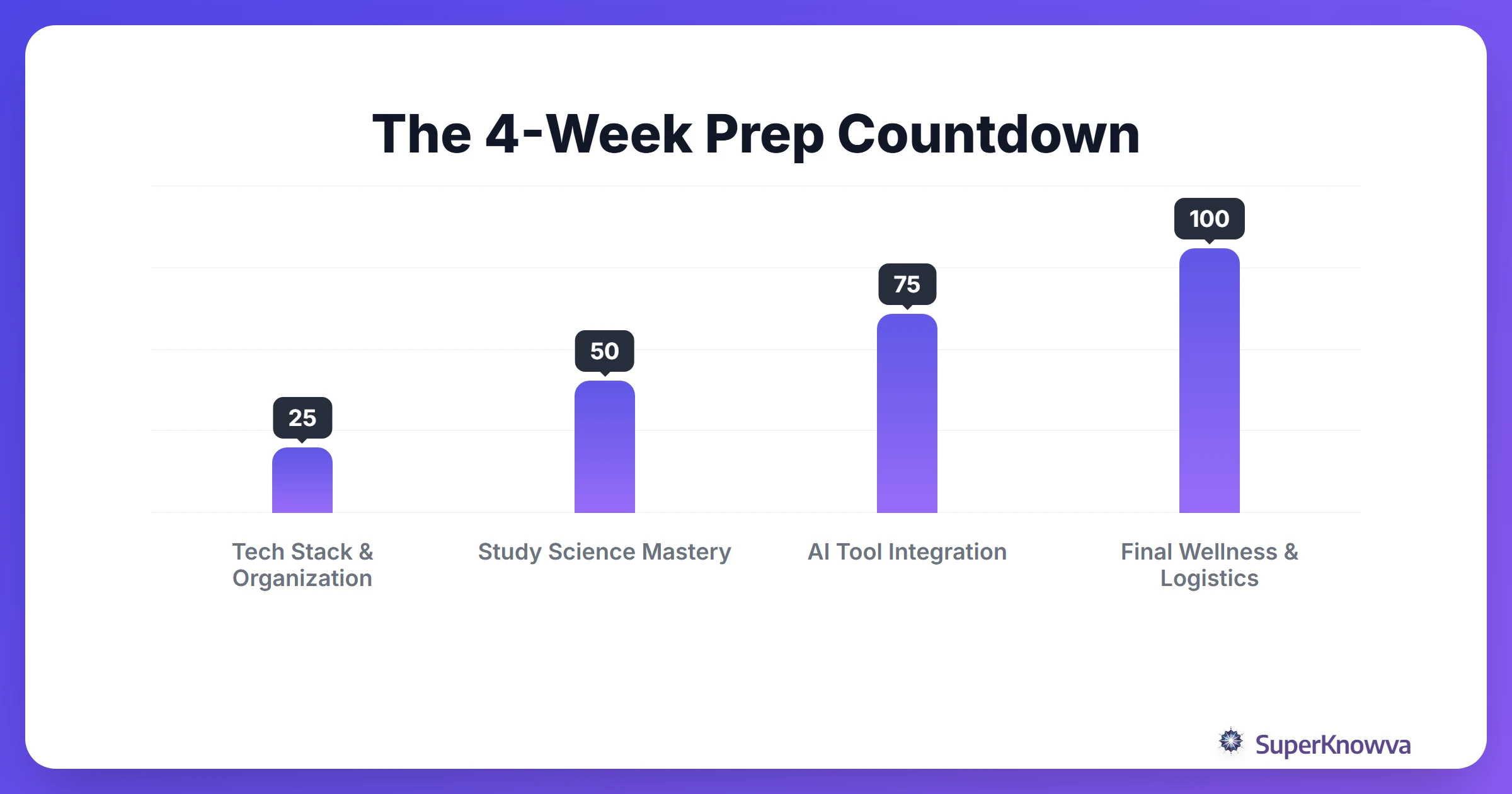
- Week 1: Digital Organization. Clean up your laptop, set up cloud folders for every class, and get that digital calendar synced to your phone.
- Week 2: Learning the Science. Spend an hour learning about active recall and spaced repetition. Learn how to learn before you have to learn the what.
- Week 3: AI Practice Runs. Get SuperKnowva and practice taking notes from a textbook using a random chapter or some summer reading.
- Week 4: Final Logistics. Look at the campus map. Check your meal plan. Do a "mental walkthrough" of your first Monday.
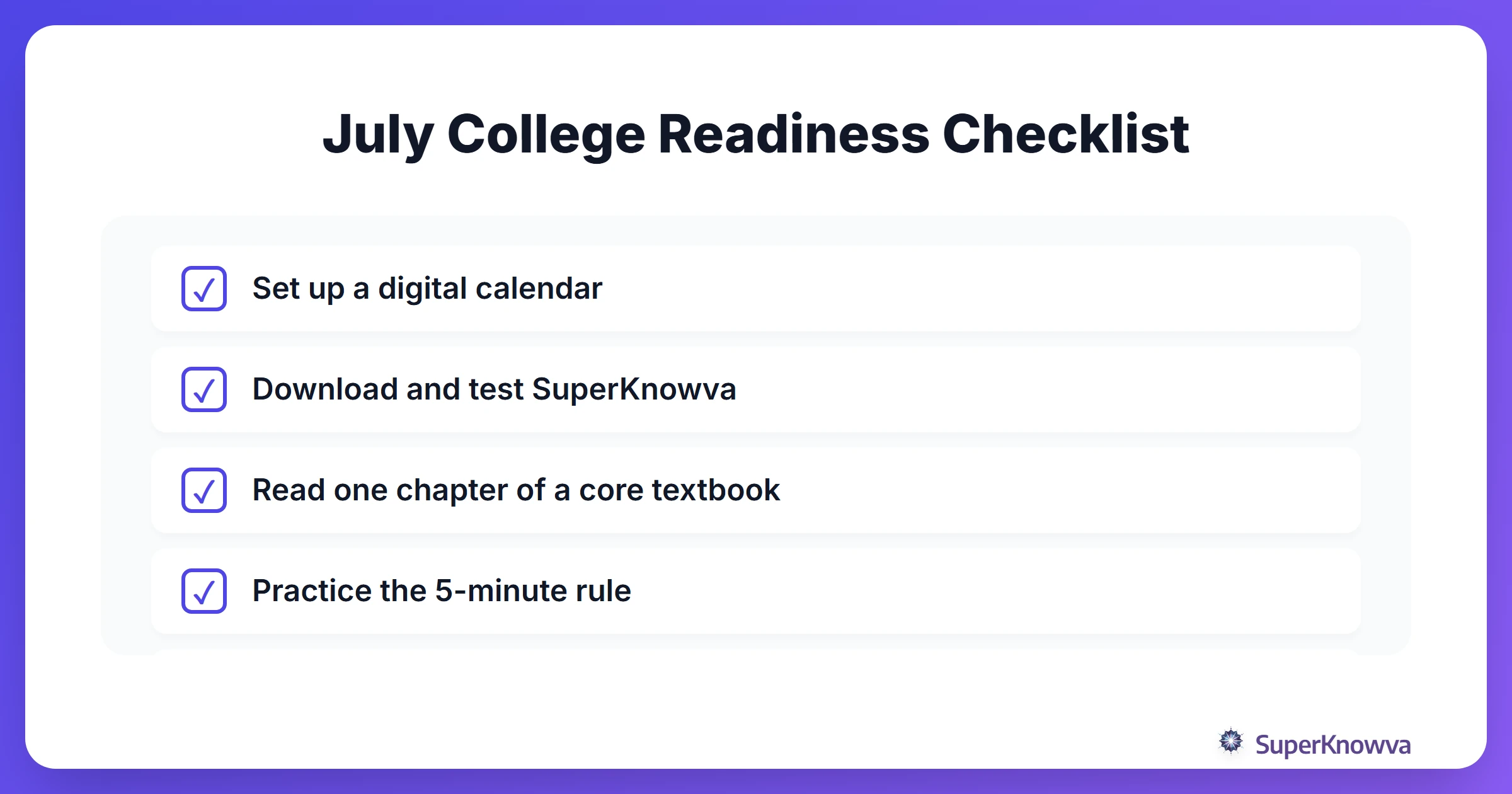
The transition to college is a massive milestone, but it doesn't have to be a stressful one. By tackling these college transition tips now, you’re building the foundation for a career as a top-tier student. Start today with SuperKnowva and turn that freshman "what if" into freshman confidence.